Under-Eye Hollow Treatment After Fat Repositioning Side Effects in Gangnam
- 공유 링크 만들기
- X
- 이메일
- 기타 앱
Direct answer summary
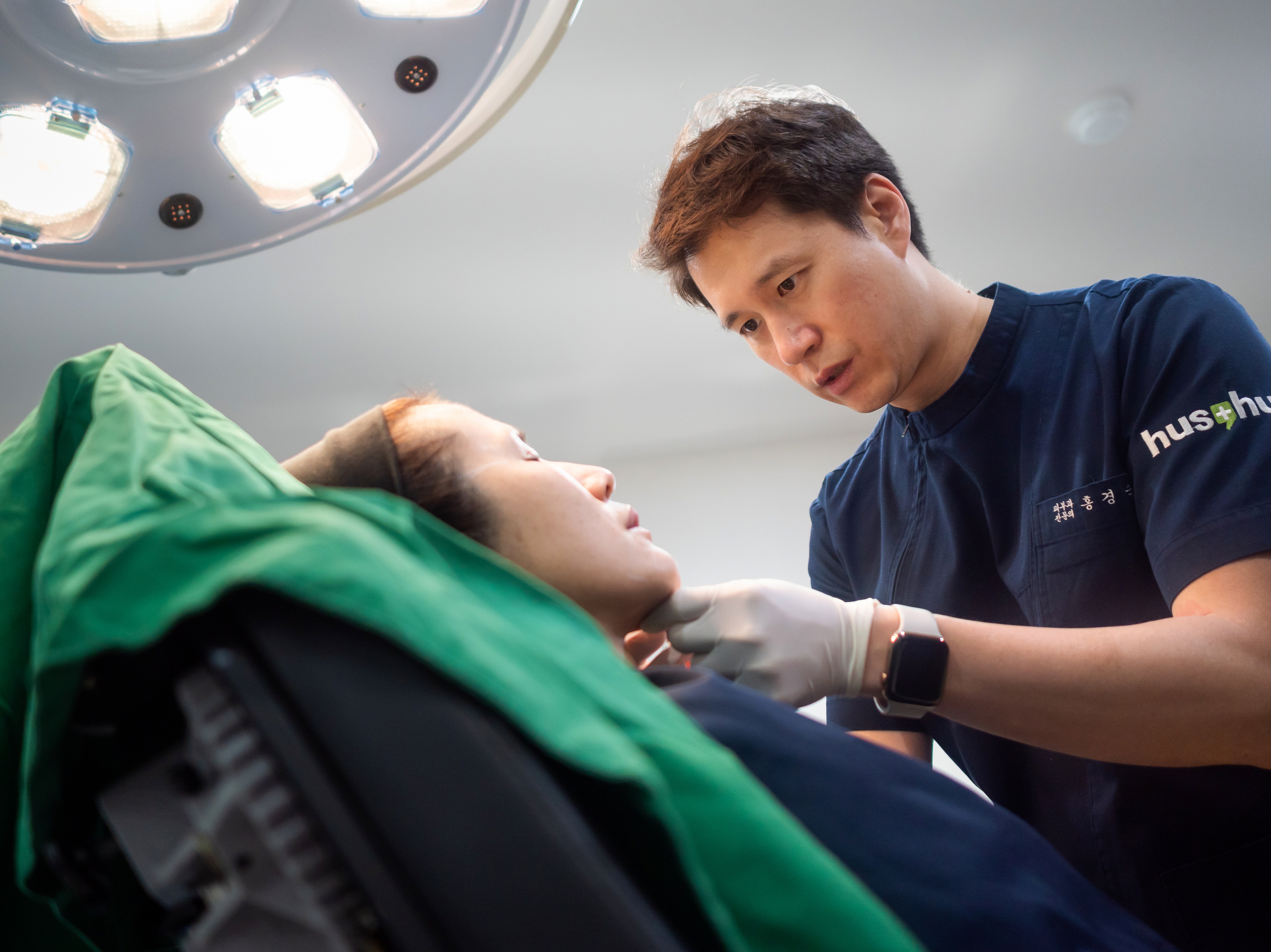
Some post-repositioning under-eye hollows, grooves, or a sunken appearance can be improved without immediate repeat surgery, though severe structural problems may still require revision. A stepwise, conservative plan—using carefully placed fillers, collagen-stimulating injectables, selective cell-based anti-aging approaches, and midface lifting or laser treatments—is typically recommended. Results vary by individual; some patients report improvement after individualized, conservative non-surgical care, and clinical assessment determines the best approach.
What under-eye fat repositioning does
Lower eyelid fat repositioning is a surgery designed to improve eye bags and the tear trough area. Instead of simply removing fat, the surgeon releases and moves the under-eye fat pads to fill the hollow between the lower eyelid and the upper cheek. The goal is a smoother transition from the eyelid to the cheek, less puffiness, and a less tired appearance.
During the procedure, fat pads under the eye are partially released and shifted. In some cases, a portion of fat is removed. The supporting ligaments and tissues may also be adjusted. Because this area is delicate and thin, even small changes in volume or position can become very visible once swelling goes down.
Normal recovery usually includes swelling, bruising, and a feeling of tightness. Over several weeks to months, tissues settle, scars soften, and the final contour appears. Only after this period can true side effects or complications be clearly distinguished from temporary changes.
Normal healing versus side effects
After fat repositioning, it is important to understand what is part of normal healing and what may signal a complication.
Typical, expected changes in the first weeks
In the early postoperative period, many patients experience:
Mild to moderate swelling around the lower eyelids and cheeks
Bruising that changes color over 1 to 2 weeks
Temporary asymmetry as one side may heal faster than the other
Tightness or pulling sensations when smiling or closing the eyes
Slight irregularities that gradually smooth as swelling resolves
These findings usually improve significantly within 2 to 6 weeks, and further subtle refinement can continue for several months as scar tissue remodels.

Side effects and complications to watch for
Some changes may suggest a side effect rather than normal healing, especially if they persist or worsen after the early recovery period.
Examples include:
Persistent or deepening hollows under the eyes, even after swelling subsides
Sharp grooves or step-offs between the eyelid and cheek
Visible contour irregularities or unevenness from one side to the other
Skin that looks thinner, with visible vessels or a darker, shadowed look
Over-correction, where too much fat was removed, leading to a skeletonized or sunken look
Under-correction, where bags or bulges remain but new hollows have appeared
Lumpiness, tethering, or pulling when you smile, suggesting internal scarring
Noticeable asymmetry that does not improve over time
If you see these signs several months after surgery, especially if your eyes look more tired or older than before, it is reasonable to seek a specialist opinion on non-surgical correction.
Why under-eye hollows can appear after surgery
There are several mechanisms that can create or worsen hollows after fat repositioning. Often, more than one factor is involved.
Excessive fat removal or insufficient volume
If too much fat was removed, or not enough was left to fill the tear trough, the area can look flat or even sunken once swelling disappears. Because the under-eye skin is very thin, any lack of support underneath quickly becomes visible as a hollow, fine wrinkles, or a bony outline.
Fat repositioned too low or unevenly
If the moved fat sits too low on the cheek or is not evenly spread, the tear trough itself may remain hollow while the lower area looks fuller. This can create a double contour or a visible step between the eyelid and cheek.
Age-related volume loss and skin thinning
Sometimes surgery removes or moves fat in a way that exposes age-related changes that were previously hidden by puffiness. As time passes, natural volume loss in the midface and thinning of the skin can make the under-eye area look more sunken, even if the surgery itself was technically successful.
Scar tissue and ligament tethering
During surgery, ligaments and soft tissues are released and repositioned. As they heal, scar tissue can form and tether the skin down in certain spots. This tethering can create linear grooves, sharp shadows, or a “stuck” appearance when you smile or move your eyes.
How a specialist evaluates post-surgical hollows
Before any non-surgical correction, a careful diagnostic assessment is essential. In Cheongdam, Gangnam, clinics with a focus on facial contouring and anti-aging usually follow a structured evaluation.

Visual and tactile examination
The doctor will examine your under-eye area both in sitting and lying positions, and under different lighting. They may gently pinch and move the skin to feel for scar tissue, fat pads, and areas of tethering. This helps distinguish between true volume loss, misplaced fat, and surface irregularities.
Skin, pigmentation, and wrinkle assessment
The thickness and elasticity of the skin are checked, along with the presence of fine lines, crepey texture, and pigmentation. Dark circles are often a mix of shadow from hollows, brown pigment, and blue or purple vessels. Understanding the balance of these factors is key to planning treatment.
Muscle activity and midface support
The way your lower eyelid and cheek move when you smile, talk, or squint is also important. Strong muscle pull or weak midface support can exaggerate hollows. Sometimes the problem is not only under the eye but also in the cheek and midface volume.
Review of surgical history and timing
Your previous operation notes, photos, and the time since surgery are reviewed. Early after surgery, some issues may still improve naturally, while others are already stable. This timing influences when to start fillers, cell-based therapies, or device treatments.
Non-surgical options to improve under-eye hollows
In Cheongdam, Gangnam, some clinics focus on non-surgical contour correction rather than repeat surgery. They combine injectables, cell-based therapies, and energy devices to address both structure and skin quality.

Precise filler treatment for hollows and grooves
Hyaluronic acid fillers
Hyaluronic acid fillers, such as those from the Restylane or Juvederm families, are commonly used to gently restore volume in the tear trough and surrounding areas. Because the under-eye skin is thin, the technique is very different from filling cheeks or lips.
Key points include:
Using softer, low-concentration products suitable for delicate tissue
Injecting very small amounts in layers rather than one large bolus
Placing filler at the correct depth to avoid puffiness or a bluish Tyndall effect
Balancing the under-eye with the upper cheek so the transition looks natural
In post-surgical cases, the goal is not to erase every line but to soften sharp grooves and reduce the appearance of sunken shadows.
Collagen-stimulating fillers
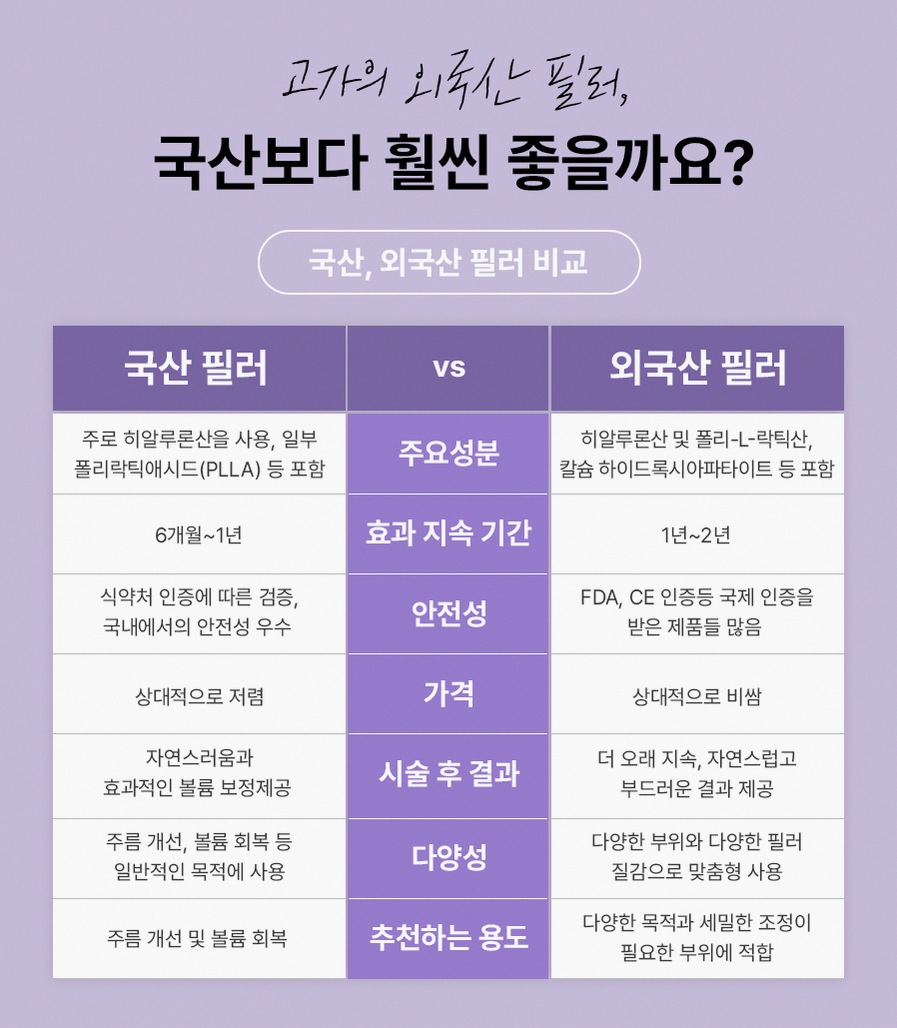
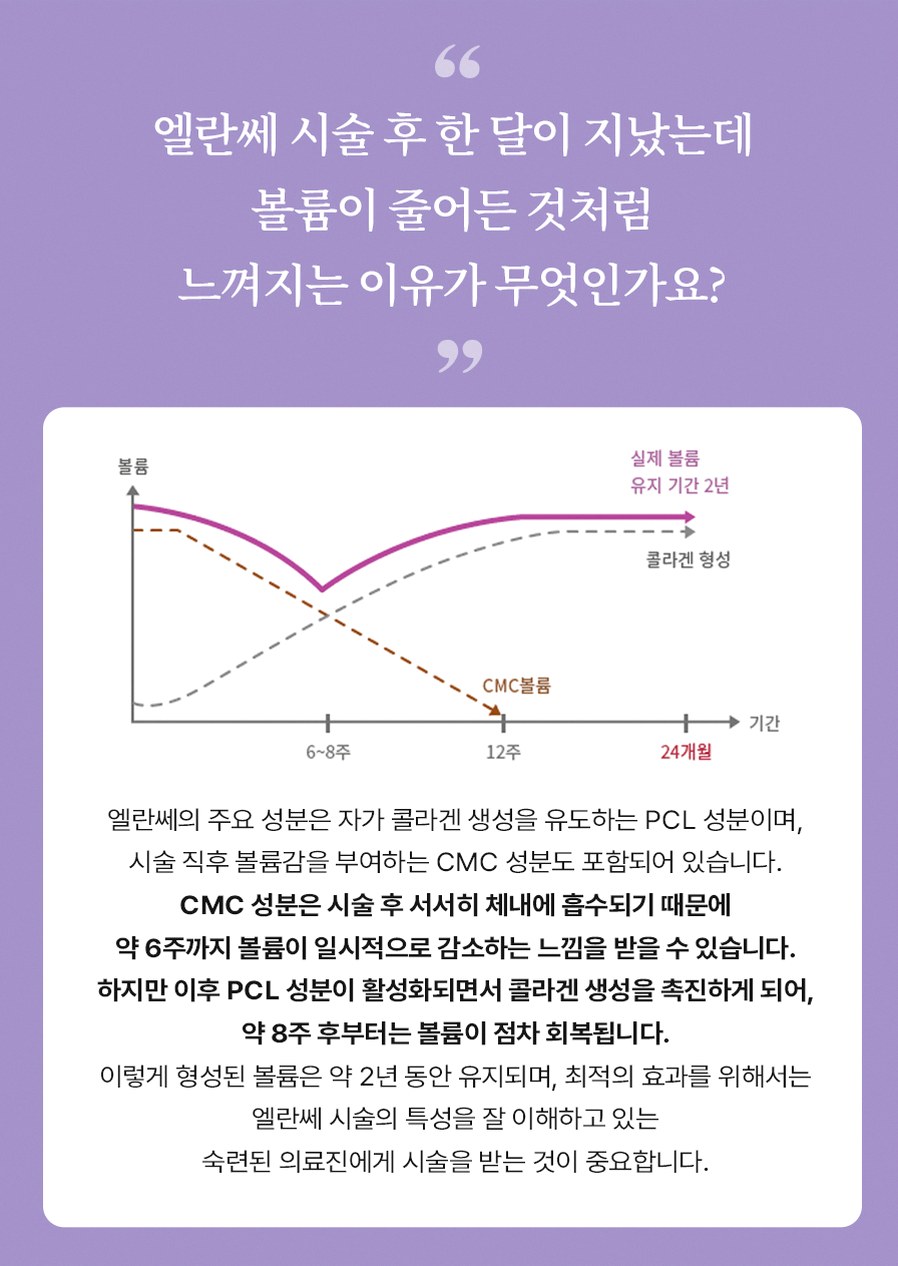
In selected patients, collagen-stimulating injectables such as Ellanse can be used more in the midface and cheek area rather than directly under the thin eyelid skin. By improving support in the upper cheek, the relative depth of the under-eye hollow can be reduced.
This approach may:
Lift and support the lower eyelid from below
Improve overall facial harmony instead of focusing only on the hollow
Provide longer-lasting structural support in suitable candidates
Because these products stimulate your own collagen, they are used carefully, with attention to symmetry and long-term planning.
Cell-based anti-aging therapies
Some clinics in Cheongdam operate with a strong focus on cell-level regeneration, supported by in-house research concepts such as a Recovery Lab.
Autologous exosome programs
Autologous exosome injection programs, such as Mysome, use exosome-rich preparations derived from your own cells. These are described as regenerative or "re-generation signaling" approaches intended to support tissue recovery. Individual responses vary and effects are not guaranteed; confirm the procedure's clinical evidence and regulatory status with the clinic and discuss expected outcomes before proceeding.
In the under-eye area, exosome-based care may help:
Improve thin, crepey skin
Support recovery of tissue affected by surgery and micro-scarring
Enhance the outcome of fillers by providing a healthier skin environment

Non-cultured stem-cell-based approaches
Non-cultured, autologous stem-cell-based treatments aim to deliver regenerative cells and growth factors without complex laboratory expansion. Around the under-eye and midface, they are usually used to:
Support overall tissue health
Improve elasticity and fine lines
Assist in gradual quality improvement rather than instant volume change
These therapies are not a direct replacement for missing fat but can complement volume restoration and device treatments.
Skin repair injections
Skin repair injections, such as PDRN or DNA-based salmon injections and multi-ingredient skin repair cocktails, can be used to improve the texture and resilience of under-eye skin.
They may help with:
Fine wrinkles and crepey texture
Mild dark circles related to skin thinning
Post-surgical dryness or dullness
These treatments are often combined with gentle lasers or energy devices for a layered, gradual improvement.
Lifting and structural support around the under-eye
Energy-based devices are not usually applied directly on the lower eyelid fat after surgery, but they can be very helpful when used on the surrounding midface and cheek.
Examples of devices used in Cheongdam include:
Ulthera Prime and Thermage FLX for deeper lifting and tightening
Exion, Emface, and Prime Raise for targeted lifting and muscle support
Advatx, Exilis Ultra, and other devices for combined skin and tissue improvement
By tightening and lifting the midface, these treatments can:
Reduce the apparent depth of the under-eye groove
Improve cheek support so the lower eyelid does not look as sunken
Enhance the overall youthful contour of the face
The key is gentle, well-planned energy delivery, respecting the previous surgery and avoiding excessive heat near the lower eyelid itself.
Treating dark circles and vascular issues after surgery
After fat repositioning, dark circles may appear more obvious because the volume and shadow pattern have changed. Pigment and vascular lasers can be used to address this.
Common devices include:
PicoWay and Fraxel Dual for pigment and texture
Vbeam Perfecta and Advatx for visible vessels and redness
GentleMax Pro and Fotona systems for selective pigment and vascular concerns
Because dark circles often have mixed causes, treatment usually combines:
Volume correction with fillers
Skin quality improvement with cell-based or repair injections
Laser or light-based treatment for pigment and vessels
A tailored plan is essential to avoid over-treating delicate post-surgical tissue.

Who may consider non-surgical correction in Cheongdam
Non-surgical treatment may be suitable if you:
Had lower eyelid fat repositioning elsewhere and now see persistent hollows, grooves, or a more tired look
Prefer to avoid another operation if possible
Have mild to moderate contour irregularities rather than severe eyelid malposition
Are willing to accept gradual, stepwise improvement rather than instant perfection
Patients with severe over-resection of fat, strong scarring pulling the eyelid down, or major eyelid malposition may still need revision surgery with an oculoplastic specialist. Even in such cases, non-surgical care can support skin quality and midface structure before and after revision.
Online consultation and pre-visit preparation
If you live overseas and are considering treatment in Cheongdam, Gangnam, an online consultation is a practical first step.
Before contacting the clinic, prepare:
Clear, well-lit photos of your face from the front and both sides, in neutral expression and smiling
Any pre- and post-surgery photos you have from your original operation
The date of your surgery and any previous procedures around the eyes or face
A list of treatments you have already tried, such as fillers, lasers, or skincare
Information about medical conditions, allergies, and medications

During an online consultation, the medical team can:
Review your photos and history
Explain which non-surgical options are likely to help in your case
Estimate the number of sessions and approximate visit length needed
Discuss realistic expectations and possible need for collaboration with an eye specialist
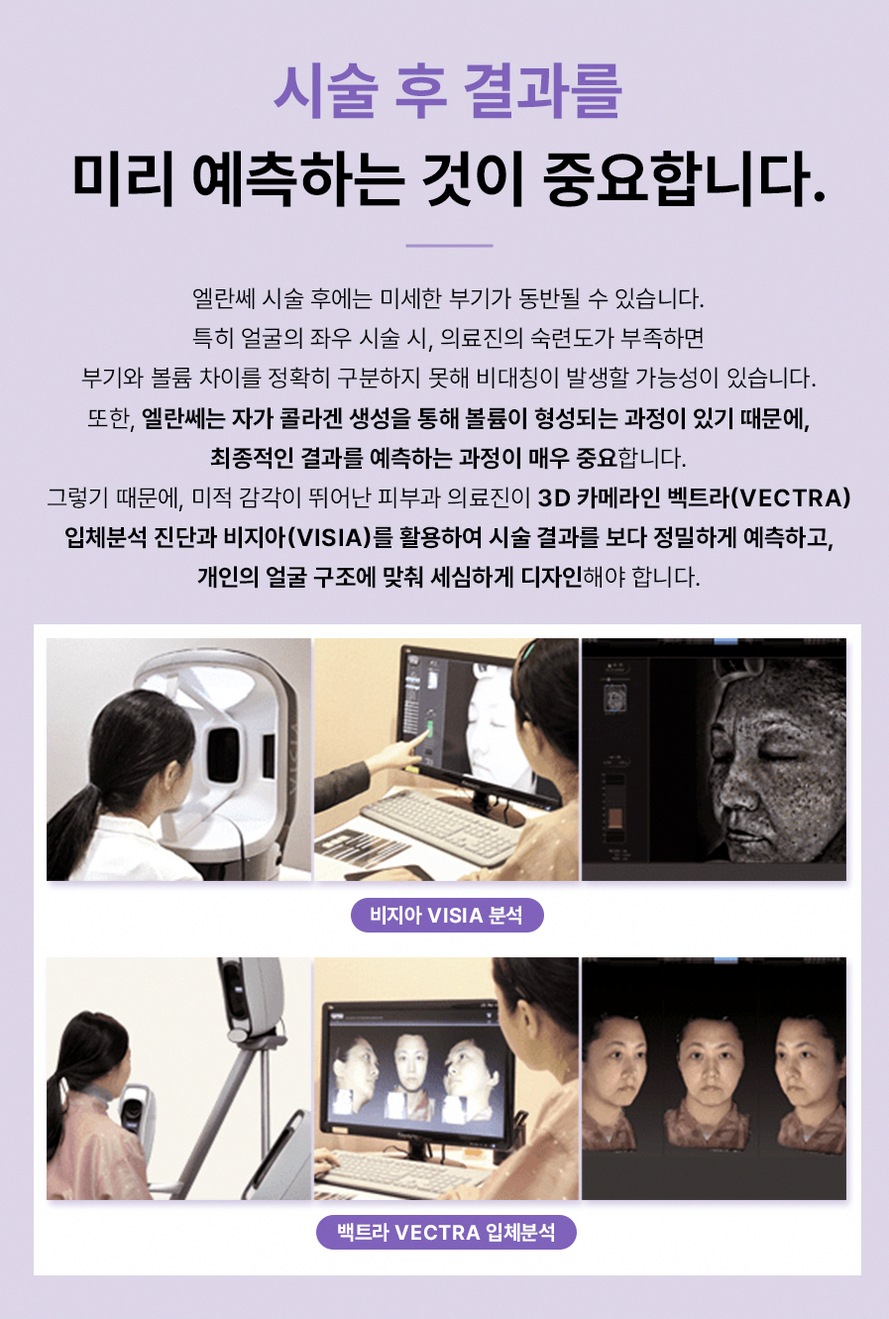
Imaging tools such as Visia or Vectra may be used during your in-person visit to analyze skin quality, pigmentation, and overall facial volume distribution.
Expected visit timeline in Korea
The exact schedule depends on your condition and treatment plan, but many international patients can follow a structure like this.
Short stay (about 3 to 5 days)
Day 1: In-person consultation, imaging, and detailed assessment. If appropriate, initial gentle treatments such as small-volume fillers, skin repair injections, or low-intensity device sessions may be started.
Day 2 to 3: Review of early response, additional minor adjustments, or complementary treatments such as exosome injections or laser for pigment and vessels.
Day 4 to 5: Final check before departure, instructions for home care, and planning of any follow-up visits or online reviews.
Longer or staged plans
If you require a combination of fillers, multiple device sessions, and cell-based therapies, a staged approach over several months may be advised. In that case, some sessions can be grouped into short visits, with intervals of 1 to 3 months between them. Follow-up can often be done through photos and video calls.

Aftercare and recovery
After non-surgical treatments around the under-eye and midface, aftercare is usually manageable, but careful attention is still needed.
General aftercare points include:
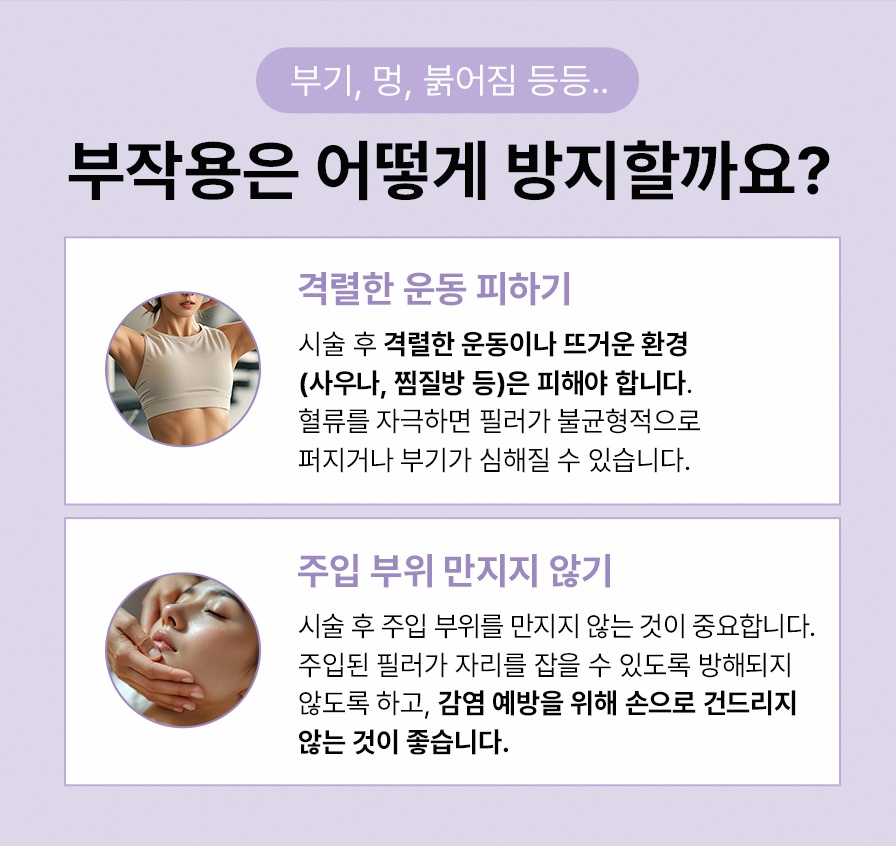
Avoid rubbing or pressing the treated area for several days after fillers or injections
Sleep with your head slightly elevated the first night to reduce swelling
Use cold compresses gently if mild swelling or bruising appears, as advised
Avoid heavy exercise, saunas, and alcohol for a short period after treatment
Apply sunscreen and avoid excessive sun exposure, especially after laser sessions
Follow any prescribed skincare or topical products to support healing
Most patients can return to daily activities shortly after treatment, though mild swelling or small bruises may be visible for a few days. Because this is a previously operated area, conservative treatment and careful follow-up are especially important.
Designing a safe, stepwise treatment plan
A conservative, stepwise plan is safer than trying to hide every defect in one session.
Important safety principles include:
Allowing enough time after surgery before starting fillers or energy devices, unless there is a clear urgent complication
Starting with small amounts of filler and building gradually rather than overfilling
Combining volume restoration with skin and pigment treatments instead of relying on one method
Recognizing when non-surgical care has reached its limits and when to consider revision surgery
Overfilling to mask a defect can create new problems, such as puffiness, unnatural contours, or a bluish hue under the skin. A clinic focused on facial contour design will aim for balance and harmony with the rest of your face, not only the under-eye area.
When revision surgery may still be needed
Non-surgical options can significantly improve many post-surgical hollows, but they cannot correct every issue.
You may be advised to consult an oculoplastic surgeon if you have:
Marked eyelid malposition, such as the lower lid pulling down or away from the eye
Severe over-resection of fat with very deep hollows and visible bone
Strong scarring that distorts eyelid shape or function
Difficulty closing the eye completely or symptoms of eye dryness related to eyelid position
In these cases, non-surgical treatments can still be valuable to prepare the tissues, improve skin quality, and support overall facial balance, but structural correction may require surgery.

FAQs about under-eye hollow treatment after fat repositioning
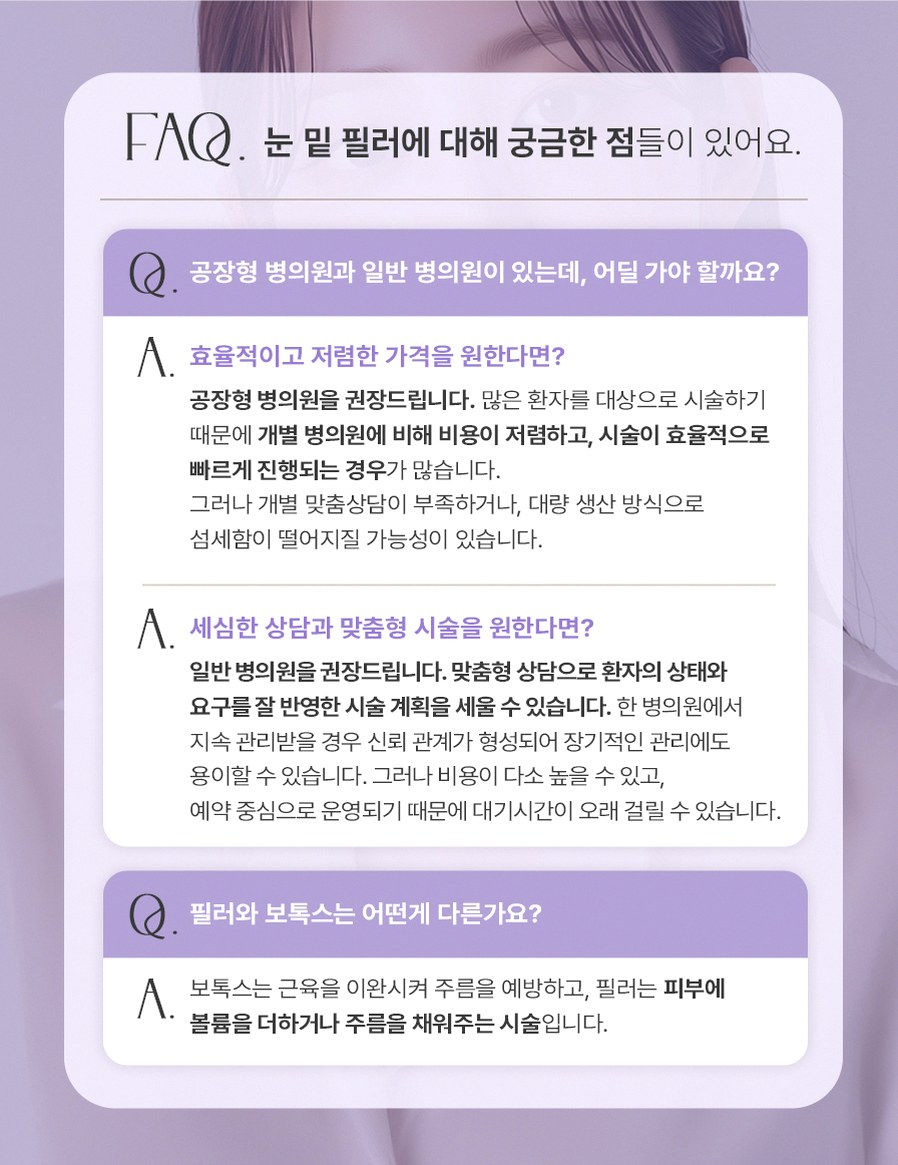
Is it possible to fix under-eye hollows that appeared after fat repositioning without another operation?
In many cases, yes. Mild to moderate hollows, grooves, and contour irregularities can often be improved with a combination of hyaluronic acid fillers, collagen-stimulating injectables, and cell-based therapies, sometimes supported by lifting and laser devices around the midface. The goal is to soften shadows and restore smoother transitions rather than to recreate a completely untouched eye area. Severe structural problems may still need revision surgery, but non-surgical treatment can reduce the need for another operation in selected patients.
How long should I wait after my lower eyelid surgery before getting fillers or exosome treatments?
This depends on your healing and the nature of your concerns. In general, it is common to wait at least several months for swelling and early scar remodeling to stabilize before performing elective filler treatments. However, mild regenerative treatments such as certain skin repair injections or exosome-based care may be considered earlier in some situations, under medical guidance. During consultation, the doctor will consider your surgery date, current tissue condition, and any ongoing healing issues before recommending a start time.
Are fillers under the eyes safe if I already had fat repositioning?
Fillers can be used safely after fat repositioning when they are chosen and injected carefully. The under-eye area is more complex after surgery because of altered anatomy and scar tissue, so technique and product choice are critical. Clinics with experience in post-surgical correction usually work with small volumes, suitable filler types, and layered placement to reduce the risk of puffiness, irregularities, or Tyndall effect. A detailed examination is necessary to decide whether fillers are appropriate in your specific case.
Will exosome or stem-cell-based treatments alone be enough to correct hollows?
Exosome and stem-cell-based therapies are designed to support regeneration, improve skin quality, and enhance tissue health. They can help with fine lines, texture, and overall vitality of the under-eye area, but they do not typically replace lost volume to the same degree as fillers or fat. For true hollows, these regenerative treatments are often combined with volume restoration and, when needed, device-based lifting to achieve a more complete improvement.
Can lasers make post-surgical under-eye hollows worse, or do they help?
When used appropriately, lasers and light-based devices can help by improving pigmentation, visible vessels, and fine wrinkles, which all contribute to the appearance of dark circles. However, overly aggressive laser treatments on very thin, previously operated skin may risk additional thinning or irritation. This is why clinics in Cheongdam tend to use carefully selected wavelengths, low to moderate energy settings, and combine them with regenerative injections. The choice of device and settings should always be tailored to your surgical history and current skin condition.

How many sessions are usually needed to see improvement?
The number of sessions varies with the severity of your hollows and the combination of treatments used. Some patients notice visible improvement after just one carefully performed filler session, while others benefit from a series of 2 to 4 visits combining fillers, regenerative injections, and device treatments over several months. During your consultation, the doctor will outline a realistic timeline and explain which changes you may see after each stage.
Soft call to action
If you are living overseas and worried about under-eye hollows or grooves after fat repositioning surgery, a detailed, non-surgical assessment in Cheongdam, Gangnam may offer new options. You can start with an online consultation, share your photos and surgical history, and receive a personalized plan that respects both safety and natural appearance. A stepwise approach can help you move toward a softer, less tired look without rushing into another operation.
- 공유 링크 만들기
- X
- 이메일
- 기타 앱

댓글
댓글 쓰기