Under‑eye fat repositioning recovery time and side effects guide (nunmit jibang jaebaechi hoebok gigan)
- 공유 링크 만들기
- X
- 이메일
- 기타 앱
Direct answer: recovery time after under eye fat repositioning
e of healing can differ. Under‑eye contour refinement may continue for several weeks to a few months, and a final clinical assessment is commonly scheduled around 3 months while subtle changes can persist longer. Confirm the expected timeline for your specific case with your operating surgeon.
During this period, some side effects such as swelling, bruising, tightness, and mild discomfort are common and usually temporary. More serious complications are less common but important to recognize early. Recovery speed and side effect risk vary depending on your anatomy, surgical method, general health, and how carefully you follow post‑operative instructions.
What is under eye fat repositioning?
Under eye fat repositioning is a lower eyelid procedure that aims to smooth under eye bags and hollow tear troughs. Instead of only removing fat, the surgeon carefully releases and redistributes the protruding fat pads to fill the hollow areas. The goal is a smoother transition from the lower eyelid to the cheek and a less tired, sunken appearance.

The procedure is usually performed through one of two approaches:
Conjunctival incision: The incision is made inside the lower eyelid. This avoids an external scar and is often used when skin tightening is not required.
Subciliary incision: The incision is made just under the lower lash line. This allows access to fat and also to skin and muscle, so it may be chosen when skin laxity or wrinkles need to be addressed at the same time.
Sometimes, under eye fat repositioning is combined with other treatments such as skin tightening, laser procedures, or regenerative therapies to improve fine lines and skin quality. These additional steps can influence both the recovery time and the pattern of side effects.
Who may consider under eye fat repositioning
Typical candidates include people who:
Have visible under eye bags caused by protruding fat pads.
Also notice a hollow groove or tear trough under the bags.
Feel they look tired or older than they feel, even with enough sleep.
Want a more continuous, smooth under eye contour rather than just “flat” removal.
Before deciding, an eye and peri‑orbital assessment is important. The surgeon will usually evaluate:
Eyelid position and laxity.
Skin thickness and elasticity.
Amount and position of under eye fat.
Bone structure around the eye socket and cheek.
Tear production and any dry eye symptoms.
General medical history, including medications and previous eye procedures.
During this consultation, realistic expectations should be discussed. Even with a well‑planned procedure, some degree of swelling, bruising, and temporary asymmetry is expected. Final results take months, not days.
Typical recovery timeline and common side effects
Immediate post‑operative period (day 0–2)
Right after surgery and for the first 48 hours, it is normal to experience:
Swelling around the lower eyelids and sometimes upper cheeks.
Mild to moderate discomfort, tightness, or a pulling sensation.
Bruising that may spread downward with gravity.
Tearing or watery eyes.
Foreign body sensation, as if there is sand in the eye.
Slightly blurry vision, often due to ointment or swelling.
These are expected side effects rather than complications. Cold compresses (as instructed) and keeping the head elevated help reduce swelling. Pain is usually manageable with prescribed medication.
Warning signs in this phase include sudden severe pain, rapidly increasing swelling on one side, heavy bleeding, or sudden vision changes. These require urgent medical attention.
Early recovery (day 3–7)
Around day 3 to 4, bruising often reaches its peak and then gradually begins to fade. Swelling usually starts to go down, but the under eye area can still look puffy, uneven, or even slightly overcorrected.
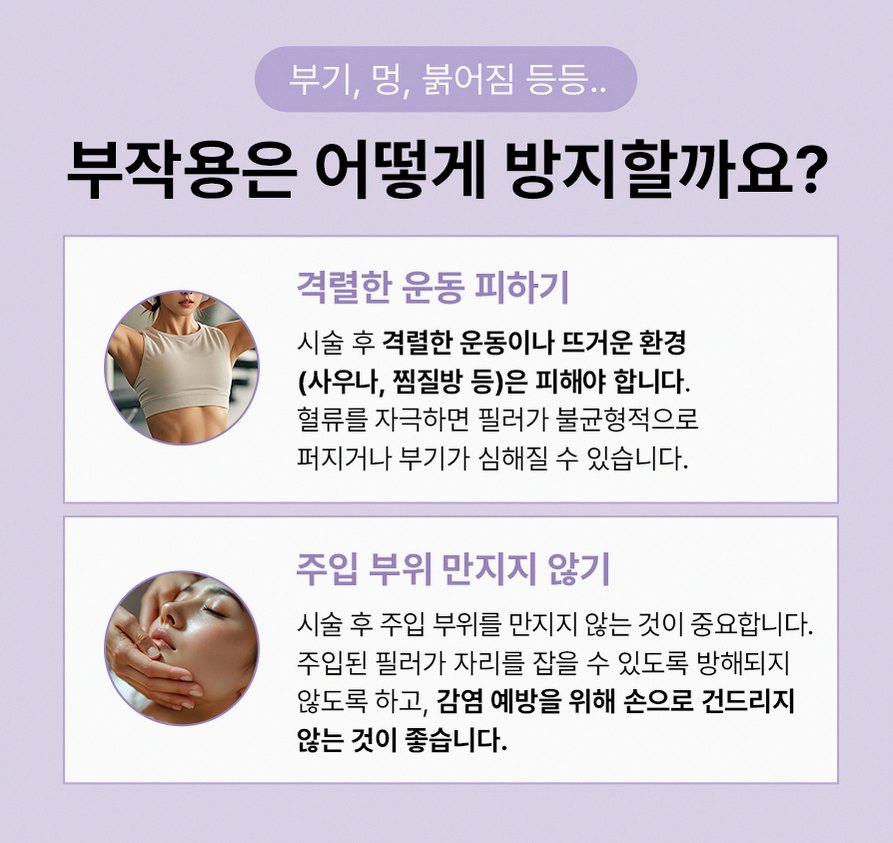
Common side effects during this stage include:
Visible bruising under the eyes and sometimes on the cheeks.
Asymmetric swelling between the two sides.
Continued tightness or pulling sensation when looking up or smiling.
Mild dryness, tearing, or foreign body sensation.
If an external subciliary incision was used, stitches are often removed around day 5 to 7, depending on the technique and healing. Many patients can return to light daily activities and office work after about 5 to 7 days, often with the help of concealer. However, the appearance is not yet final, and close‑up photos or high‑definition video may still show swelling.
Red flags at this stage include increasing redness and warmth around the incision, pus‑like discharge, fever, or pain that is getting worse rather than better. These may suggest infection or other complications and should be checked promptly.
Subacute phase (week 2–4)
By the second week, most visible bruising has faded. Many people feel comfortable meeting friends or returning to work without drawing much attention to the under eye area.
During weeks 2 to 4, it is common to notice:
Residual swelling, especially in the mornings.
Slight asymmetry between the two sides.
A lumpy, bumpy, or firm feeling along the lower eyelid or tear trough.
Mild tightness when smiling or looking up.
Temporary numbness or altered sensation around the lower eyelid or upper cheek.
These changes usually reflect normal tissue healing, internal sutures, and the process of fat redistribution. Most of these sensations gradually improve over several weeks.
However, if swelling becomes more pronounced again, or if there is new redness, pain, or warmth, it is important to contact your clinic to rule out late infection or other issues.
Mid‑term healing (month 2–3)
Between the second and third month, the under eye contour typically becomes smoother and more natural. Residual swelling continues to decrease, and any firmness or small nodules usually soften as the tissues remodel.
At this stage:
Most people look normal in everyday social situations.
Subtle swelling or minor irregularities may still be visible in close‑up photos.
Sensation in the skin usually continues to improve.
Surgeons often evaluate the main outcome around 3 months. If there are persistent contour issues, such as hollows, bulges, or clear asymmetry, they may discuss options such as massage, minor touch‑up procedures, or non‑surgical treatments like fillers or regenerative injections. Revision surgery, if needed, is usually considered only after the tissues have stabilized.

Long‑term healing (after 3–6 months and beyond)
After 3 to 6 months, most patients see a stable under eye contour.
In this period:
If there was an external incision, the scar line typically softens and fades.
Skin texture and elasticity may continue to improve, especially if supported by skincare, sun protection, and adjunctive treatments.
Any persistent tightness usually becomes minimal or disappears.
If side effects such as significant asymmetry, eyelid malposition, persistent dryness, or visible scarring continue beyond 6 to 12 months, a detailed evaluation is recommended to discuss further management.
Estimated downtime and returning to normal life
Strict downtime, meaning you mainly rest at home, is usually about 3 to 7 days. This depends on your job, your comfort with being seen with bruising, and how your body responds to surgery.
Many office workers return to work in about a week, often using concealer to hide residual bruising. If your work involves heavy physical activity, bending, or lifting, your surgeon may recommend a longer break.
Light walking may be encouraged early, but your surgeon may advise avoiding intense exercise, swimming, or activities that significantly raise blood pressure for a variable period—commonly around two weeks or longer depending on the procedure and individual healing. Follow the specific activity restrictions provided by your operating surgeon.
In terms of appearance:
You may look “socially acceptable” after 1 to 2 weeks.
You may feel close to your “normal” self in 1 to 2 months.
The final, refined result is usually seen between 3 and 6 months.
People who smoke, have poor circulation, uncontrolled diabetes, or underlying eye conditions may heal more slowly and have a higher risk of prolonged swelling or complications.
Common side effects versus potential complications
Common, usually temporary side effects
Swelling and bruising: Almost everyone experiences these in the first 1 to 2 weeks. They usually improve steadily. Asymmetry in swelling is very common early on and does not necessarily mean a poor final result.
Pain, tightness, or pulling sensation: Discomfort is usually mild to moderate and manageable with medication. Tightness when looking up or smiling often improves over several weeks.
Dry eyes, tearing, or foreign body sensation: These can occur due to temporary changes in eyelid position or reduced blinking. Lubricating eye drops, ointments, and time usually help.
Temporary numbness or altered sensation: The skin around the lower eyelid or upper cheek may feel numb, tingly, or “strange.” This often improves gradually over weeks to months.
Small lumps or irregularities: These can be due to the repositioned fat and internal sutures. They often soften and smooth out as swelling resolves and tissues settle.
Potential complications to be aware of
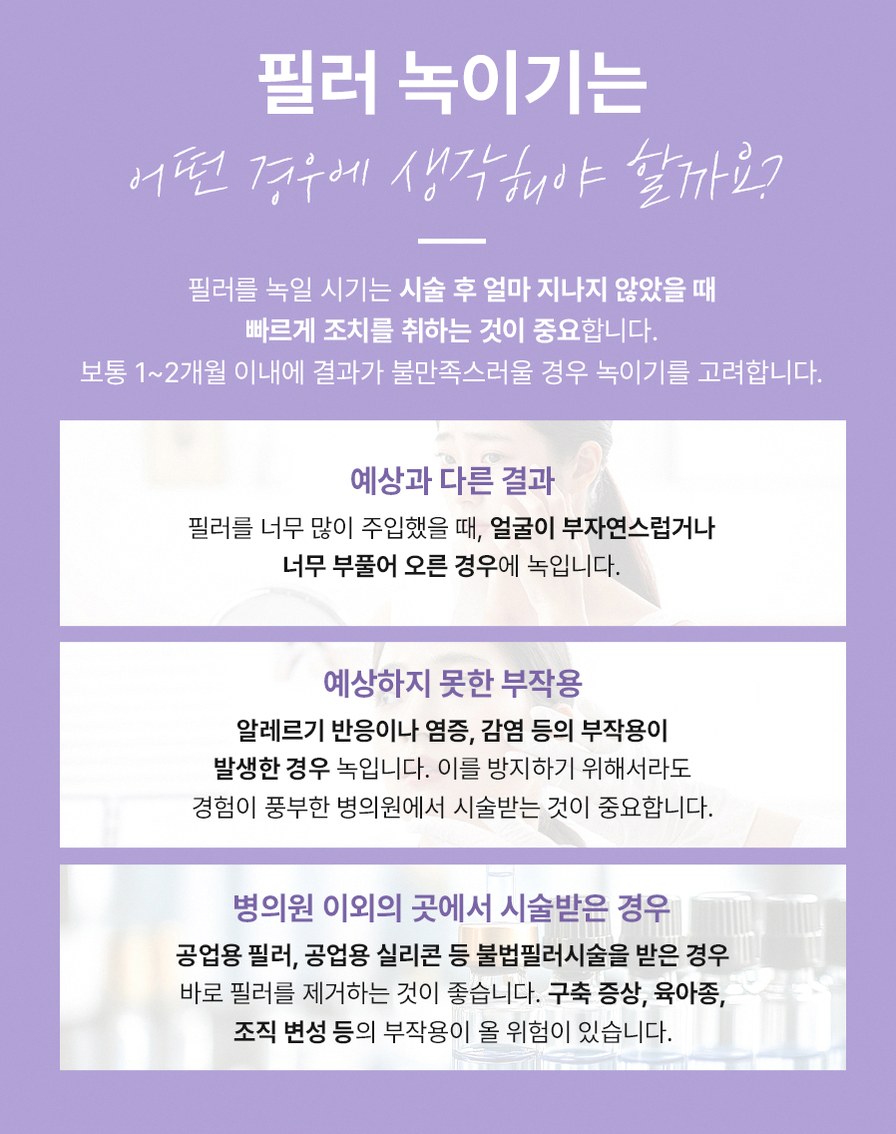
Prolonged or severe swelling and bruising: If swelling and bruising are extreme, persist without improvement, or are accompanied by severe pain, redness, or fever, they may indicate bleeding, hematoma, or infection.
Infection: Signs include increasing redness, warmth, tenderness, pus‑like discharge, and systemic symptoms such as fever. This requires prompt medical treatment.
Asymmetry or contour irregularities: If uneven fat distribution, hollows, or bulges persist beyond the normal healing period (often after 3 to 6 months), revision or additional procedures such as filler or fat grafting may be discussed.
Ectropion or eyelid malposition: This occurs when the lower lid is pulled down or turned outward, causing exposure, dryness, and tearing. It is more associated with external incisions and aggressive skin or muscle removal. Management may include massage, taping, lubricants, and in some cases revision surgery.
Overcorrection or undercorrection: Too much fat removal can cause a hollow, aged look, while insufficient repositioning can leave persistent bags. Mild cases may be improved with fillers or regenerative treatments; more significant issues may require surgical correction.
Scarring and pigmentation: With subciliary incisions, a visible scar line or darkening under the eyes can occur, especially in darker skin types or with poor sun protection. Proper scar care and sun avoidance help reduce this risk.
Persistent dry eye or visual disturbance: These are rare but important. Any sudden vision loss, severe eye pain, or double vision is an emergency and requires immediate attention.
Factors that affect recovery time and side effect risk
Several elements influence how quickly you recover and what side effects you might experience:
Individual anatomy: Skin thickness, degree of laxity, amount and position of fat, and bone structure all affect the surgical plan and healing pattern.
Surgical approach: Conjunctival versus subciliary incision, whether skin or muscle is tightened, and whether additional procedures (laser, filler, fat graft) are combined all influence swelling, bruising, and scar formation.
Age and skin quality: Older patients or those with very lax skin may need combined skin tightening, which can lengthen recovery and increase certain risks such as temporary eyelid tightness.
Systemic health and lifestyle: Smoking, uncontrolled diabetes, blood‑thinning medications, and poor sleep or nutrition can delay healing and increase complications.
Post‑operative care compliance: Following instructions on compresses, eye drops, sleeping position, and activity restrictions is critical to minimize side effects and support a smoother recovery.
Post‑operative care to reduce downtime and complications
Immediately after surgery
Keep your head elevated, including during sleep, to reduce swelling.
Use prescribed cold compresses as directed, usually in short intervals.
Avoid rubbing, pressing, or pulling on the eyelids.
Take medications such as antibiotics, anti‑inflammatories, and eye drops exactly as prescribed.
First week
Avoid heavy lifting, bending over, and intense exercise.
Do not drink alcohol or smoke, as these can worsen swelling and slow healing.
Protect your eyes from dust, wind, and bright sunlight; sunglasses are helpful outdoors.
Follow any instructions about cleaning the incision line and applying ointment.
Skin and scar care
Once your surgeon approves, gentle cleansing and possibly scar ointment or silicone products may be recommended for external incisions.
Apply sunscreen carefully around the area when you are allowed to do so to prevent pigmentation.
Avoid tanning beds and direct sun exposure on the healing skin.
Eye care
Use lubricating drops or ointment if you experience dryness or foreign body sensation.
Report any sudden increase in pain, redness, discharge, or vision changes immediately.
Avoid contact lenses until your surgeon says it is safe.
Follow‑up visits
Attend all scheduled check‑ups so your surgeon can monitor healing, remove sutures if needed, and detect early signs of complications.
Use these visits to ask about any concerns, including asymmetry, lumps, or prolonged swelling.
Planning your visit to Korea for under eye fat repositioning
For overseas patients, it is helpful to plan your schedule in advance.

Online consultation and pre‑visit preparation
Before you travel, many clinics can review photos and your medical history through online consultation. You can usually discuss:
Whether you are a likely candidate for under eye fat repositioning.
Which approach (internal or external) might be appropriate.
Expected recovery time based on your job and travel schedule.
Possible combination with other treatments, and whether these should be done in the same trip or in stages.
Prepare a list of questions, such as:
How many days should I stay in Korea after surgery?
When are the follow‑up visits and possible stitch removal?
What should I avoid before surgery (medications, supplements, smoking)?
What emergency contact is available after I return home?
Expected Korea visit timeline
Although plans are individualized, a common timeline for international patients is:
Day 1–2: In‑person consultation, eye examination, and pre‑operative tests.
Day 2–3: Surgery day, then rest at your accommodation with instructions.
Day 4–7: Early follow‑up visits, possible stitch removal if there is an external incision, and monitoring of swelling and bruising.
Day 7–10: Many patients are ready to fly home, depending on their healing and surgeon’s advice.
If possible, staying at least one week after surgery is often recommended so that early healing can be checked and any immediate issues addressed before you travel.
How a specialized clinic can support your recovery
A clinic like Clinique hus,hu in Cheongdam, Gangnam, focuses on anti‑aging and peri‑orbital aesthetics and offers a range of devices and regenerative treatments. In this type of setting, patients can receive not only under eye fat repositioning itself, but also supportive care for bruising, swelling, skin quality, and scar management.
These are adjunctive options that may be offered after appropriate healing according to the clinic’s typical practice and individual assessment. Their timing and use depend on patient factors and clinician judgment; discuss potential benefits, risks, and any regulatory or evidence considerations with your surgeon before proceeding.
Aftercare once you return home
When you leave Korea, your clinic should provide:
Written post‑operative instructions.
Information about which symptoms are expected and which require urgent care.
Guidance on when to resume contact lenses, eye makeup, and exercise.
Recommendations for online follow‑up, including photo updates.
At home, continue:
Sleeping with your head slightly elevated for as long as swelling persists.
Avoiding rubbing your eyes or pulling on the lower eyelids.
Using sunscreen and sunglasses outdoors.
Keeping track of any changes, such as increasing redness, pain, or asymmetry, and contacting the clinic if you are concerned.
Frequently asked questions about under eye fat repositioning recovery time
How long is the recovery time after under eye fat repositioning?
Most people experience the main recovery over 1 to 2 weeks. Strict rest at home is usually needed for about 3 to 7 days, depending on swelling, bruising, and your job. You can often return to office work in about a week with concealer, but the under eye area continues to refine over 1 to 3 months. Final results are typically evaluated around 3 months, with minor changes possible up to a year.
When can I go back to work or social activities?
If your work is not physically demanding, you may be able to return after about 5 to 7 days, especially if you are comfortable using makeup to cover bruising. Many people feel socially comfortable meeting friends after 1 to 2 weeks. If you work in a very public role or under strong lighting, you may prefer to allow a full 2 weeks before returning.
How long do swelling and bruising last?
Swelling and bruising are most noticeable in the first 3 to 5 days. Bruising usually starts to fade after the first week and is often minimal by 2 weeks. Swelling improves steadily but can persist in a mild form for several weeks, especially in the mornings. Subtle residual swelling or firmness may last up to 2 to 3 months as tissues remodel.
What side effects are normal during recovery, and when should I worry?
Normal side effects include swelling, bruising, mild discomfort, tightness, tearing, temporary dryness, and a lumpy or firm feeling under the eyes. These usually improve gradually. You should seek medical advice if you notice sudden severe pain, rapidly increasing swelling, heavy bleeding, increasing redness and warmth, pus‑like discharge, fever, sudden vision changes, or if one eyelid appears pulled down or turned outward.
How can I reduce bruising and swelling faster?
Following your surgeon’s instructions is the most important step. Keeping your head elevated, using cold compresses in the first 48 hours, avoiding smoking and alcohol, and not bending or lifting heavy objects all help. After the initial phase, gentle walking can support circulation. Some clinics offer additional treatments for bruising and swelling, but these should only be done when your surgeon considers them safe.
Is the recovery different between internal and external incisions?
With an internal (conjunctival) incision, there is no external scar, and some patients may experience slightly less visible bruising on the skin surface. With an external (subciliary) incision, there is a fine line under the lashes that needs time and care to heal, and skin bruising can be more obvious early on. However, overall recovery time in terms of swelling and return to daily life is often similar, and the choice of approach depends more on your anatomy and treatment goals.
When will the final result be visible?
You will see an early improvement once the main swelling and bruising settle, usually within 2 to 4 weeks. However, the final contour, softness, and symmetry generally become clear around 3 to 6 months. Small changes can still occur up to about a year as tissues mature.
Can I wear contact lenses or eye makeup after surgery, and from when?
Contact lenses are usually avoided for at least 1 to 2 weeks, sometimes longer, depending on the surgical approach and your healing. Eye makeup is generally not recommended until the incisions have closed and early healing is stable, often around 2 weeks or more. Your surgeon will give specific guidance based on your case.
What increases the risk of complications after under eye fat repositioning?
Risk factors include smoking, uncontrolled medical conditions such as diabetes or high blood pressure, blood‑thinning medications, poor compliance with post‑operative care, and very lax skin or eyelids. Choosing an experienced surgeon, providing a complete medical history, and carefully following instructions all help reduce the risk of complications.
If I am not satisfied with the result, when can revision be considered?
It is important to wait until the tissues have stabilized before judging the final result. In most cases, surgeons recommend waiting at least 3 to 6 months before considering revision surgery. During this period, minor irregularities often improve on their own. If concerns remain, non‑surgical options such as fillers or regenerative treatments may be discussed as alternatives or complements to revision.
Considering an online consultation
If you are thinking about under eye fat repositioning in Seoul, an online consultation can help you understand your likely recovery time, side effect profile, and travel schedule before you book flights. By sharing clear photos and your medical background, you can receive a more personalized explanation of what to expect.
Clinique hus,hu in Cheongdam, Gangnam, offers care focused on the eye area and anti‑aging, with access to both surgical and regenerative options. If you are planning a visit to Korea, contacting the clinic in advance can help you design a realistic treatment and recovery plan that fits your stay and supports a safe, comfortable experience.
This article is for general information only and does not replace a personal consultation, examination, or diagnosis by a qualified medical professional. Always discuss your individual situation, risks, and expected recovery with your own surgeon before deciding on any procedure.
- 공유 링크 만들기
- X
- 이메일
- 기타 앱

댓글
댓글 쓰기