What to Expect and When to Seek Help in Seoul
- 공유 링크 만들기
- X
- 이메일
- 기타 앱

What you should know about filler side effects
When people search for filler side effects, they are usually worried about two things: looking unnatural and experiencing medical complications. Dermal fillers can safely add volume and contour to areas such as the cheeks, under-eye hollows, nasolabial folds, marionette lines, chin, jawline, temples, lips, and even the nose. However, like any medical procedure, they can cause temporary reactions and, more rarely, true side effects.
Most patients experience short‑term swelling, redness, mild bruising, and tenderness that settle within days. More serious problems such as persistent lumps, infections, or blood vessel issues are uncommon but important to understand. This guide explains what is normal, what is a warning sign, how complications are managed, and how a careful approach at a specialized clinic in Seoul can reduce risk.
Overview of dermal fillers used in Seoul
In Cheongdam, Gangnam, many clinics use a wide range of modern dermal fillers for volume, contouring, and skin quality improvement.

Common hyaluronic acid fillers include Restylane and the Juvederm family such as Volux, Volite, Voluma, Volift, and Volbella. These are often used for cheeks, midface, under-eye area, nasolabial folds, lips, chin, jawline, and fine lines. They can usually be dissolved with an enzyme called hyaluronidase if needed.
Collagen-stimulating fillers such as Ellanse and long-lasting volumizing fillers such as Lafullen are used for deeper, structural volume and longer-term collagen support. Skin-boosting fillers such as Juvelook focus more on skin texture, fine lines, and overall quality rather than strong volumizing.
All of these products can be effective tools when the injector understands facial anatomy, product characteristics, and how to respond quickly if a side effect appears.
Types of filler side effects from mild to severe
Not every reaction after filler is a true complication. It helps to think in layers: common immediate reactions, early complications, delayed reactions, and rare but serious events.

Immediate, common reactions (hours to a few days)
Right after treatment, it is very common to notice:
Mild redness and swelling around the injection points
Soreness, tightness, or a feeling of pressure in the treated area
Small bruises or needle marks
Slight asymmetry caused by uneven swelling
These usually improve noticeably within 2 to 7 days and continue to settle over 1 to 2 weeks.
Early complications (days to weeks)
Some issues appear after the first few days:
Palpable or visible lumps and bumps
Overcorrection or a puffy, overfilled look
Tyndall effect, where the skin looks bluish or grayish if filler is placed too superficially in thin areas such as under the eyes
Local infection, with warmth, increasing redness, pain, and sometimes pus
These problems may require professional assessment and, in some cases, treatment such as massage, dissolving hyaluronic acid fillers, or medication.

Delayed or immune-related reactions (weeks to months)
A smaller number of patients experience delayed issues:
Delayed inflammatory nodules or granulomas, which feel like hard, sometimes tender nodules
Swelling that comes and goes, sometimes triggered by illness, vaccination, or other procedures
These reactions may be related to the body’s immune response rather than the injection day itself.
Serious but rare complications
Although rare, the most concerning side effects include:
Vascular occlusion, when filler blocks or compresses a blood vessel. This can cause sudden severe pain, whitening or mottling of the skin, and, if untreated, tissue damage.
Visual disturbance or sudden vision loss if filler enters vessels connected to the eye. This is extremely rare but must be treated as an emergency.
Extensive infection or abscess formation if a local infection is not managed promptly.
These events require immediate medical attention and a clinic that is prepared with protocols and medications.

Normal reaction versus warning signs
After filler, it is important to know which symptoms are expected and which require urgent help.
Normal, self-limiting reactions
The following are usually normal and improve on their own:
Mild to moderate swelling and tenderness that gradually improve over 2 to 7 days
Small bruises that fade over 1 to 2 weeks
Slight unevenness that settles as swelling goes down
Temporary feeling of firmness that softens over time
Warning signs to contact the clinic urgently
You should contact the clinic immediately, or seek emergency care, if you notice:
Sudden, severe pain during or right after injection
Skin turning white, gray, or blotchy purple in a specific pattern
Rapidly worsening swelling, heat, and redness, especially with fever or chills
Hard, painful nodules that appear days to weeks later and keep getting worse
Any visual changes such as blurred vision, double vision, dark spots, or a severe headache

Early recognition and prompt treatment greatly improve outcomes in vascular or infectious complications.
Why filler side effects happen
Side effects usually result from a combination of anatomy, technique, product choice, and individual patient factors.
Anatomy and injection technique
The face has a complex network of blood vessels, nerves, fat pads, and ligaments. Side effects are more likely when:
Filler is injected into or presses too strongly on a blood vessel
Product is placed too superficially in thin skin, causing visible filler or a bluish Tyndall effect
Large bolus injections are used instead of small, controlled amounts
Needles are used in high-risk zones without appropriate technique
Product choice and quality
Different fillers behave differently in the skin:
Hyaluronic acid fillers such as Restylane and Juvederm lines can be shaped and, if necessary, dissolved with hyaluronidase.
Collagen-stimulating fillers like Ellanse and long-lasting fillers like Lafullen provide structural support over time but cannot be easily dissolved, so accurate placement and conservative dosing are important.
Skin-boosting fillers such as Juvelook are designed for fine lines and skin quality, not deep structural volume.

Using the wrong filler type or particle size in a delicate area, or using non-approved or low-quality products, can increase the risk of lumps, inflammation, or granulomas.
Patient-related factors
Individual health and history also affect risk:
Autoimmune disease, strong allergies, or previous filler complications
Existing infection, acne, or skin inflammation in the treatment area
Medications and supplements that increase bruising or bleeding, such as anticoagulants, high-dose fish oil, or certain herbal products
Smoking, alcohol use, and general health status
Clinic and system factors
Clinic processes and culture play a major role:
Insufficient consultation and facial analysis before injecting
No clear emergency protocol or lack of access to hyaluronidase and other medications
Inadequate sterilization or rushed, high-volume practice
Limited training in facial vascular anatomy and complication management
Managing filler side effects
If a side effect occurs, several treatment options are available depending on the situation.

For common, mild reactions
Most mild reactions improve with:
Cold compresses in the first 24 hours, then sometimes warm compresses for bruising
Sleeping with the head slightly elevated to reduce swelling
Avoiding heavy exercise, alcohol, and strong heat (saunas, hot baths) for a couple of days
Gentle care of the skin, avoiding harsh massage unless your injector specifically recommends it
For overcorrection, asymmetry, or visible product
With hyaluronic acid fillers, problems such as overfilling, unevenness, or Tyndall effect can often be improved using hyaluronidase, an enzyme that dissolves hyaluronic acid.
The injector may choose staged correction, dissolving small amounts in specific areas rather than removing everything at once. This helps refine the result while preserving useful volume.
For nodules, granulomas, or delayed reactions
If you develop hard nodules or delayed swelling, the clinic will usually:
Assess whether the problem is infection, a product-related reaction, or an immune response
Consider treatments such as antibiotics, anti-inflammatory medications, or targeted injections into the nodules
Review your overall medical history and any triggers such as recent illness or vaccination

For vascular compromise
In suspected vascular occlusion, time is critical. Management often includes:
Immediate, high-dose, repeated hyaluronidase injections along the suspected vessel pathway if a hyaluronic acid filler was used
Warm compresses and gentle massage to encourage blood flow
Medications and supportive care, sometimes including referral to another specialist
Urgent eye evaluation if there are any visual symptoms
The success of treatment depends heavily on how quickly the problem is recognized and how well the clinic is prepared.
How a specialized clinic in Cheongdam approaches filler safety
Clinique hus,hu is located in Cheongdam, Gangnam, Seoul, near Apgujeong Rodeo Station on the Suin–Bundang Line (exit 4, in the Galleria Department Store direction). The clinic focuses on anti-aging and minimally invasive procedures, with an emphasis on understanding facial anatomy and aging changes.
The medical team uses structured diagnostic tools such as imaging-based facial analysis systems to evaluate volume loss, skin quality, and facial balance. Instead of simply filling lines, they plan how to restore support and contour in a way that respects natural proportions.
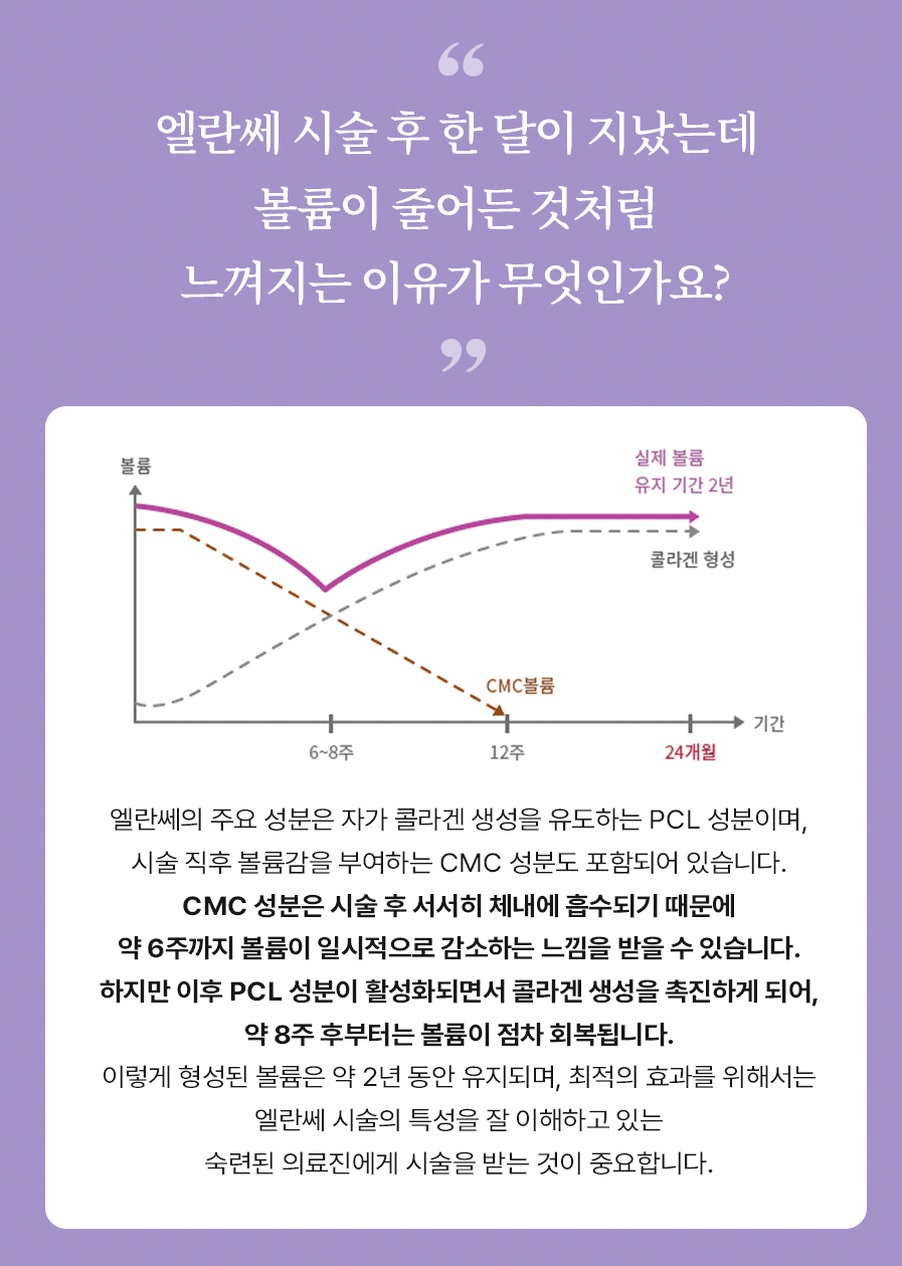
Because the clinic works with a wide range of fillers, including Restylane, Juvederm lines such as Volux, Volite, Voluma, Volift, and Volbella, as well as Ellanse, Lafullen, and Juvelook, product choice can be tailored to each area and goal. For example, a firmer filler may be chosen for the jawline, a softer one for lips, and a low-density product for fine lines.
The broader anti-aging program may include cell-based therapies and exosome injections alongside lifting devices, thread lifts, and energy-based treatments such as Thermage FLX, Ultherapy Prime, Exion, and Emface. These options can reduce reliance on large filler volumes and help avoid an overfilled or unnatural appearance. Note that cell- and exosome-based therapies vary in technique and outcomes and are subject to regulatory and local practice considerations; their use and expected benefits should be discussed in detail during a medical consultation.
An in-house cell research lab and use of medically certified devices support a protocol-driven approach to both treatment and complication management.
Prevention: how to reduce the risk of filler side effects
You cannot remove all risk, but you can significantly reduce it by combining careful clinic choice, honest communication, and proper aftercare.

Before treatment
Consider the following steps:
Choose a clinic where aesthetic medicine and anti-aging are core services, not occasional add-ons.
Ask about the injector’s experience with the specific fillers you are considering.
Share your full medical history, including medications, supplements, allergies, autoimmune conditions, and any previous filler or cosmetic procedures.
Discuss realistic goals. Sometimes combining lifting devices or skin treatments with smaller amounts of filler provides a more natural and safer result.
Clarify what products will be used, in which areas, and why.
During treatment
During your session, safety-focused injectors typically:
Use appropriate needle or cannula techniques depending on the area and risk level
Inject slowly with controlled pressure
Continuously monitor your pain level and skin color
Pause and reassess if you feel sudden sharp pain or if the skin looks unusual
As a patient, you should feel comfortable speaking up immediately if something feels wrong.
After treatment
After your filler session:
Follow all aftercare instructions, including activity restrictions and skin care advice.
Avoid pressing or massaging the area unless your injector specifically instructs you to do so.
Monitor the treated areas for any changes in color, temperature, pain, or vision.
Save the clinic’s emergency contact information and know how to reach them quickly, including after hours if possible.

Who may not be a good candidate for fillers
Some people should avoid fillers or proceed with extra caution:
Patients with uncontrolled autoimmune disease or severe, unstable allergies
Those with active skin infections, severe acne, or inflammation in the treatment area
Pregnant or breastfeeding individuals, as many clinics prefer to postpone elective treatments
People with unrealistic expectations or a history of repeated overfilling
In some cases, alternative treatments such as energy-based lifting, skin boosters, exosome injections, or other cell-based therapies may be safer or more suitable than large-volume fillers.
Preparing for an online consultation and your visit to Korea
If you are an overseas patient planning to visit Seoul for filler treatment, a structured pre-visit process can make your trip smoother and safer.
Online consultation and preparation
Before you travel, many clinics in Cheongdam offer online or video consultations. To get the most from this step:
Prepare clear photos of your face from the front and both sides, in good lighting, without filters.
List your previous procedures, including any fillers, threads, or energy-based treatments, and when they were done.
Write down your main concerns: for example, under-eye hollows, flat cheeks, deep nasolabial folds, or jawline definition.
Note any medical conditions, medications, and allergies.
Prepare questions about filler types, expected side effects, and how the clinic manages complications.

Expected Korea visit timeline
A typical visit for filler treatment in Seoul may look like this:
Day 1: In-person consultation and detailed facial analysis. The doctor reviews your history, examines your face, and confirms the treatment plan. In some cases, treatment can be done on the same day if everything is clear and safe.
Day 1 or 2: Filler treatment session. This includes marking injection points, applying topical anesthesia if needed, and performing the injections with real-time communication about your comfort.
Days 2 to 5: Initial recovery period. You may have swelling or bruising. Many patients feel comfortable going out with light makeup, sunglasses, or a mask. It is helpful to stay in Seoul for at least a few days after treatment in case any early issues arise.
Day 7 to 14: If you are still in Korea, a follow-up visit can be scheduled to check symmetry, integration, and early healing. If you have already returned home, this follow-up can sometimes be done via video or photo review.

Aftercare and long-term follow-up
After you return home, you should:
Continue gentle skin care and sun protection.
Avoid major facial procedures in the same areas for a period recommended by your doctor.
Contact the clinic promptly if you notice delayed swelling, nodules, or other concerns.
Plan future maintenance sessions conservatively, allowing time to see how your face ages and how long the filler lasts.
Frequently asked questions about filler side effects
How long do normal filler side effects like swelling and bruising last?
Most swelling from hyaluronic acid fillers such as Restylane and Juvederm lines improves significantly within 2 to 7 days, though subtle changes can continue for 2 weeks. Bruising can last 1 to 2 weeks, depending on your skin type, the area treated, and any blood-thinning medications or supplements. Lip fillers and under-eye fillers tend to swell more and may need a little extra time to settle.
Can filler side effects appear months after the procedure?
Yes, some reactions can appear weeks to months later. These include delayed inflammatory nodules, granulomas, or swelling that comes and goes. Triggers may include infections, vaccinations, or other procedures. If you experience new lumps or swelling long after your filler, you should inform the clinic that performed your treatment and share your full filler history with any new doctor you see.
Is it safe to dissolve fillers if I do not like the result or have side effects?

Hyaluronic acid fillers can usually be dissolved with hyaluronidase, which breaks down the product. When used appropriately, this is generally considered safe, but it must be done by a trained medical professional who understands facial anatomy and dosing. Dissolving should be targeted and conservative to avoid unnecessary volume loss or irregularities.
Are collagen-stimulating fillers like Ellanse more risky than hyaluronic acid fillers?
Collagen-stimulating fillers such as Ellanse and long-lasting fillers like Lafullen are not necessarily more dangerous, but they are less flexible. They cannot be easily dissolved, so accurate product choice, placement, and dosing are critical. For first-time patients or high-risk areas, many doctors prefer starting with hyaluronic acid fillers because they can be adjusted or reversed more easily if needed.
What should I do immediately if I suspect a vascular complication after filler?
If you notice sudden severe pain, skin turning white or mottled, or any visual changes after filler, treat it as an emergency. Contact the clinic that treated you immediately and explain your symptoms clearly. If you cannot reach them quickly, seek urgent medical care. Early treatment with hyaluronidase and other measures can make a major difference in outcome.

How often can I repeat filler treatments without increasing side effects?
There is no single schedule that fits everyone. Many patients repeat treatments every 6 to 18 months, depending on the area, product, and desired result. It is important to avoid stacking too much filler over time without reassessing your facial structure. A good clinic will evaluate your current appearance at each visit and may recommend alternative treatments, such as lifting devices or skin boosters, instead of simply adding more volume.
Can combining lifting devices or exosome treatments reduce the amount of filler I need?
Yes, combining treatments can often reduce the total amount of filler required. Energy-based lifting devices, thread lifts, exosome injections, and other anti-aging therapies can improve skin quality and support, so less filler is needed for volume. This approach can help maintain a more natural look and may lower the risk of volume-related side effects.
Soft call to action for international patients
If you are considering dermal fillers in Seoul and are concerned about side effects, it is wise to choose a clinic that prioritizes safety, anatomy-based planning, and clear communication. Clinique hus,hu in Cheongdam, Gangnam, offers online consultations where you can discuss your goals, medical history, and worries about complications before you travel.

By preparing your questions, sharing your full history, and working with a team that is experienced in both fillers and complication management, you can approach your treatment with greater confidence and realistic expectations.
This article is for general information only and does not replace a personal consultation with a qualified medical professional. Individual risks and treatment plans should always be discussed directly with your doctor.
- 공유 링크 만들기
- X
- 이메일
- 기타 앱


댓글
댓글 쓰기