Alopecia Areata Treatment Options in Seoul at Clinique hus,hu
- 공유 링크 만들기
- X
- 이메일
- 기타 앱
Direct answer summary
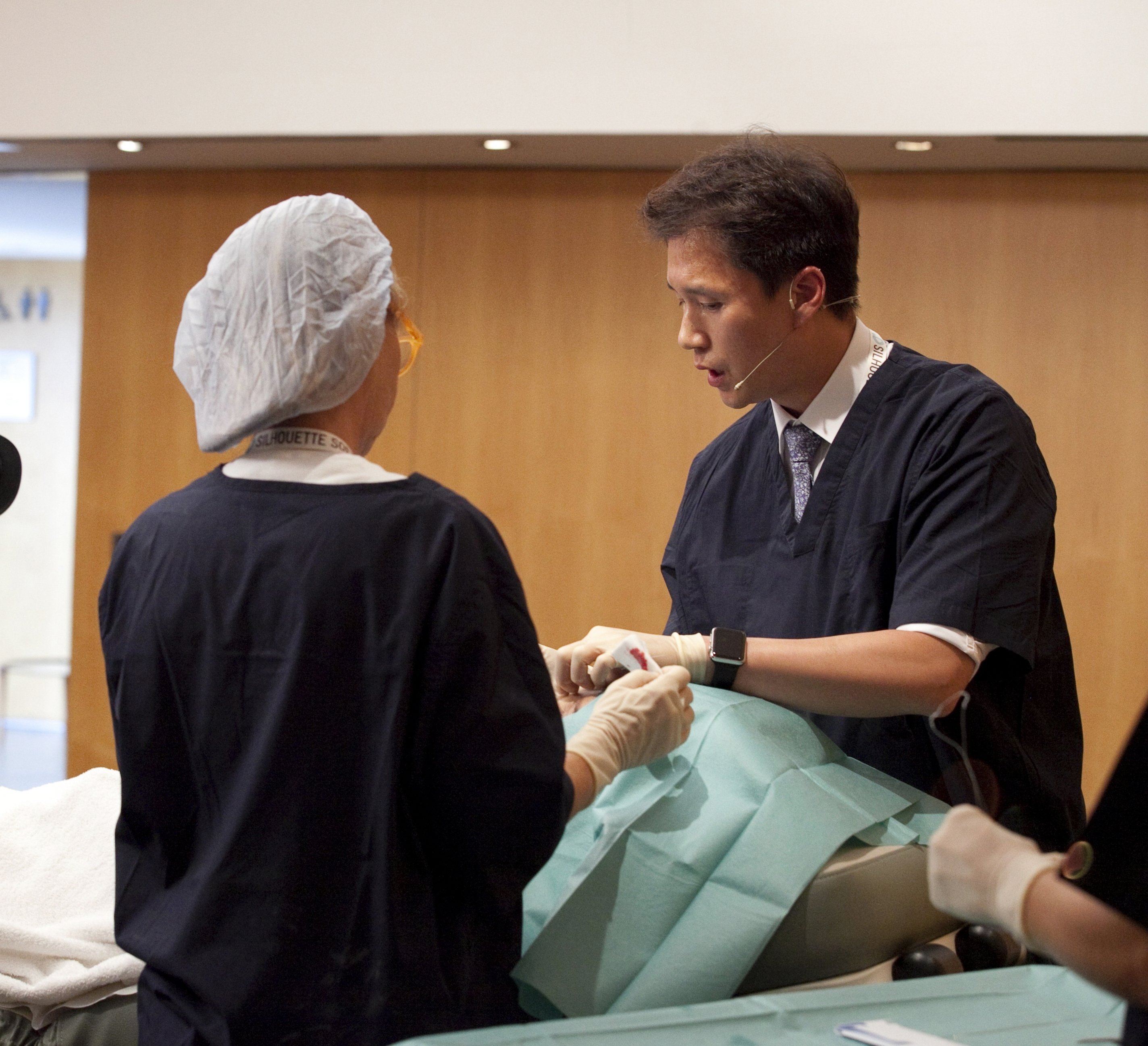
If you have suddenly noticed one or more round bald patches on your scalp, you may be dealing with alopecia areata. Alopecia areata treatment focuses on calming the overactive immune response around the hair follicles, protecting existing hair, and supporting regrowth over time. At Clinique hus,hu in the Cheongdam area of Gangnam, medical therapies such as steroid-based treatments and scalp injections are combined with regenerative, cell-level care including an autologous exosome program to support the scalp environment and hair follicle recovery.
What is alopecia areata
Alopecia areata is a medical hair loss condition in which the immune system mistakenly attacks hair follicles. This leads to sudden, well-defined round or oval bald patches, most commonly on the scalp. In some people, it can also affect eyebrows, eyelashes, beard area, or body hair.
Because the follicles are not destroyed, they can often grow hair again. However, the condition is unpredictable. Some people experience a single episode with full regrowth, while others have repeated cycles of hair loss and regrowth over many years.
Why alopecia areata occurs
The exact cause is not fully understood, but alopecia areata is considered an autoimmune-type disorder. Several factors are known to increase risk or trigger episodes:
Stress and emotional strain, including sudden life changes or chronic stress
Genetic predisposition, especially if close family members have alopecia areata or other autoimmune conditions
Immune dysregulation, where the immune system reacts inappropriately to the hair follicle
Atopic background, such as eczema, allergic rhinitis, or asthma
Associated systemic issues, including thyroid disease, certain autoimmune disorders, anemia, or nutritional deficiencies
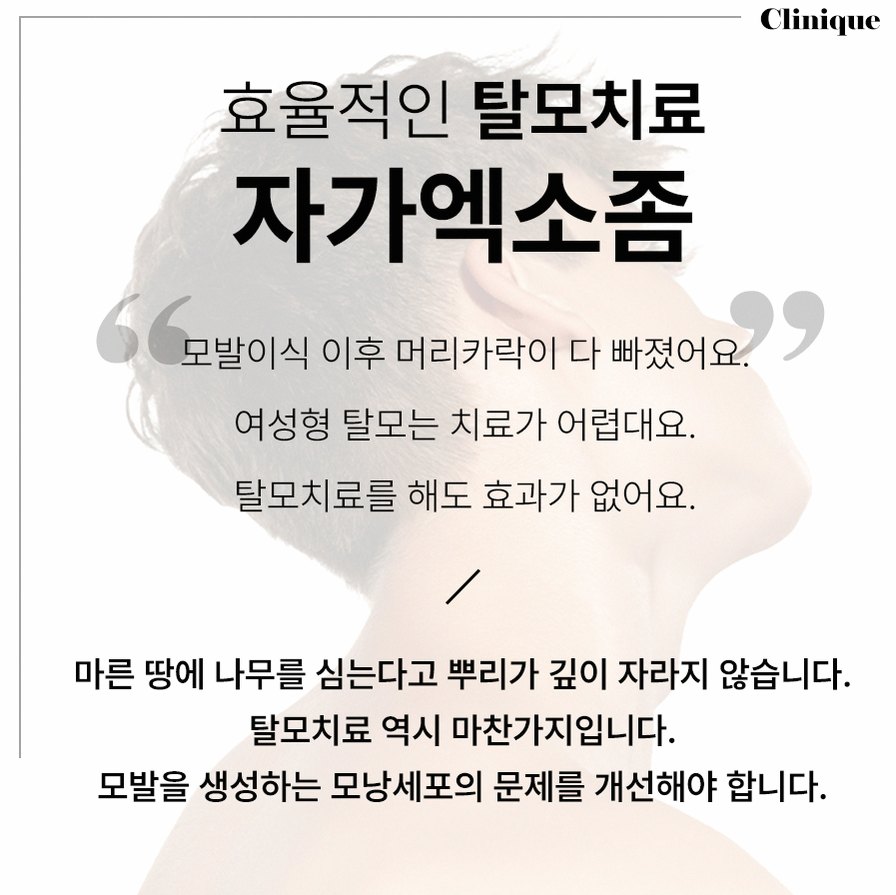
Often, more than one factor is involved. Even with careful evaluation, it is not always possible to identify a single clear trigger, which is why ongoing medical follow-up is important.
How alopecia areata typically progresses
Alopecia areata can appear and behave in several patterns:
Single patch: One round or oval bald spot on the scalp, often discovered by chance.
Multiple patches: Several patches that may appear at the same time or develop over weeks to months.
Ophiasis pattern: Hair loss along the sides and lower back of the scalp, forming a band-like pattern.
Extensive involvement: In some severe cases, hair loss can spread to most or all of the scalp, and occasionally to body hair.
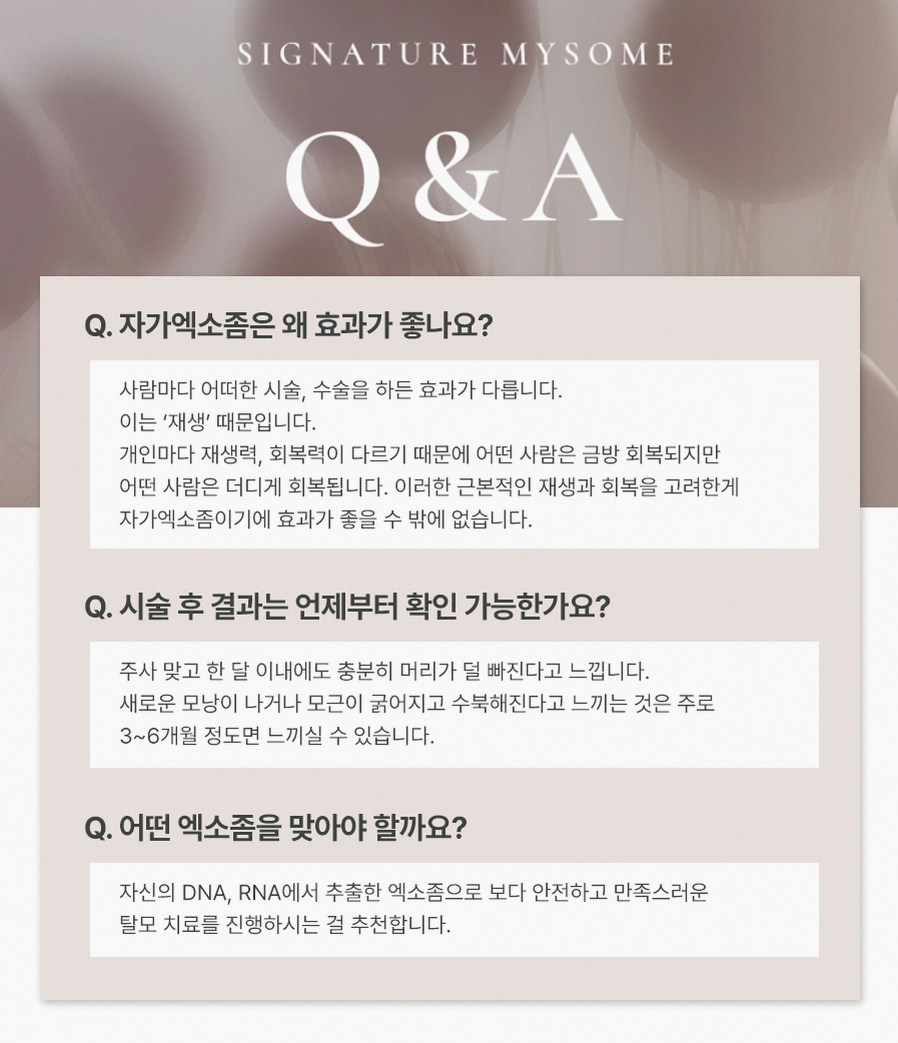
The course is unpredictable. Some patients see spontaneous regrowth within months even without treatment, while others experience enlargement of patches, new patches, or repeated relapses after partial recovery. Because of this uncertainty, early dermatologic assessment and a structured alopecia areata treatment plan can help protect follicles and respond quickly if the condition becomes more active.
Why early treatment matters
Alopecia areata is not simply a cosmetic concern. It is a medical condition with an immune and sometimes systemic background. Early evaluation and treatment matter for several reasons:
To confirm the diagnosis and rule out other causes of hair loss
To assess how active and extensive the disease is
To start appropriate therapy before patches enlarge or new areas appear
To monitor for associated conditions such as thyroid problems or nutritional deficiencies
In addition, hair loss can be emotionally distressing. Having a clear plan and regular follow-up can reduce anxiety and help you understand what to expect over the coming months.
Medical and regenerative approach at Clinique hus,hu
Clinique hus,hu approaches alopecia areata treatment from two complementary angles: medical dermatology and regenerative, cell-level care. The goal is not only to reduce visible hair loss, but also to support the health of the scalp and follicles themselves.
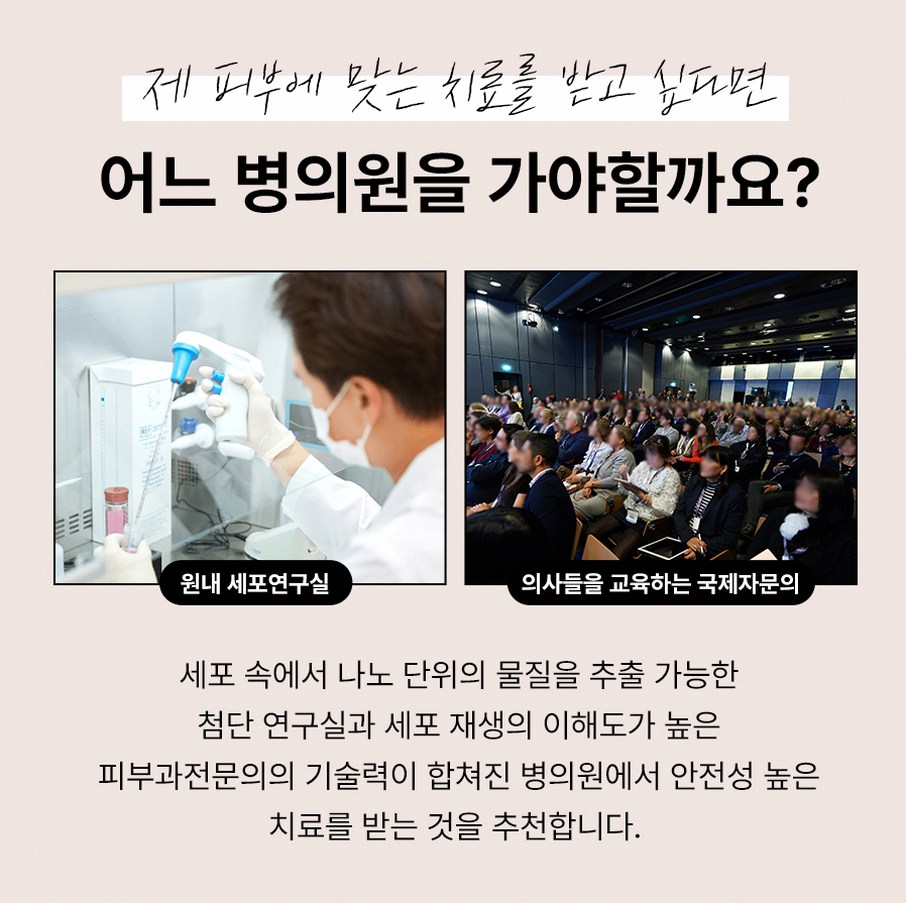
The clinic operates a dedicated in-house cell research lab, known as Recovery Lab, and applies stem-cell based principles using non-cultured, autologous cell concepts. Within this framework, they provide an autologous exosome hair loss program designed to complement standard medical therapies.
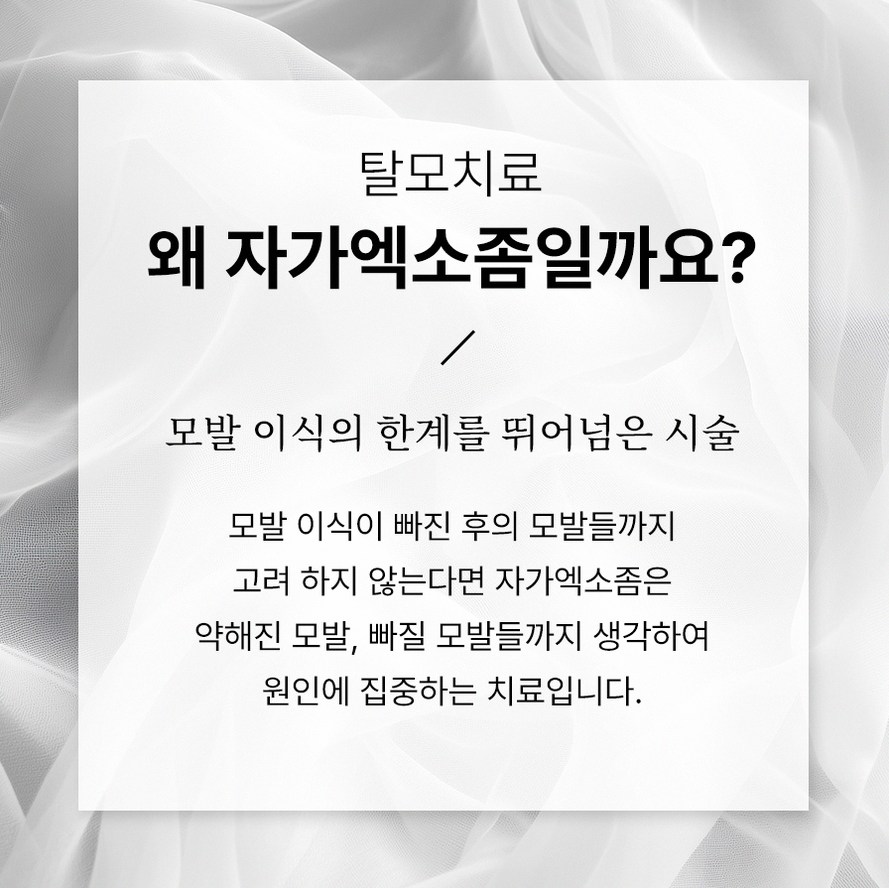
This combined approach aims to calm the immune activity, encourage regrowth where possible, and create a favorable environment for long-term scalp health.
Understanding the diagnostic process
A thorough evaluation is the first step in alopecia areata treatment. A typical assessment includes:
Medical and family history
Your doctor will ask when the hair loss started, how quickly it progressed, and whether you have noticed shedding in other areas such as eyebrows or beard. They will also ask about:
Family history of alopecia areata or other autoimmune diseases
Past or current thyroid disease, anemia, or other systemic conditions
History of atopic diseases such as eczema or asthma
Recent stress, illnesses, or major life events
Scalp and hair examination
The scalp is examined visually and by touch to assess:
Number, size, and location of patches
Signs of inflammation, redness, or scaling
Presence of short, broken hairs or so-called exclamation mark hairs at the edges of patches
Any nail changes such as pitting, which can be associated with alopecia areata
Dermatoscopic or trichoscopic assessment
A dermatoscope or trichoscope is a magnifying device with light that allows close inspection of hair shafts and follicles. This helps distinguish alopecia areata from other conditions such as androgenetic hair loss, telogen effluvium, scarring alopecias, or fungal infections.
Blood tests when indicated
Depending on your history and clinical findings, blood tests may be recommended. These can include checks for thyroid function, autoimmune markers, iron status, vitamin D, and other factors that might influence hair growth or indicate associated conditions.
Grading severity and activity
The dermatologist evaluates how much of the scalp is affected, how active the disease appears to be, and how long patches have been present. This grading helps determine the intensity and type of alopecia areata treatment, from localized injections to more systemic approaches.
Standard medical treatments for alopecia areata
There is no single universal treatment that works for every person with alopecia areata. Instead, options are tailored to age, extent of hair loss, duration, and previous response. Common evidence-based treatments include:
Topical corticosteroids
These are anti-inflammatory creams, lotions, or foams applied directly to affected areas. They aim to reduce immune activity around the follicles. They are often used in mild or early cases, or as part of a combined regimen.
Intralesional steroid injections
For localized patches, small amounts of corticosteroid can be injected directly into the skin of the bald patch at regular intervals. This is a widely used first-line treatment for limited alopecia areata in adults and older teenagers. It requires careful dosing and spacing by a trained doctor to reduce the risk of skin thinning.
Topical immunotherapy and other topical agents
In some cases, especially when there is more extensive involvement, topical immunotherapy using sensitizing agents may be considered. This intentionally creates a controlled allergic reaction on the scalp, which can redirect the immune response away from the follicles. Topical minoxidil or calcineurin inhibitors may also be used as supportive therapies.
Systemic steroids and immunomodulators
When alopecia areata is rapidly progressive or affects a large portion of the scalp, short-term systemic steroids or other immunomodulating medications may be discussed. These treatments can have significant potential side effects, so they require careful risk–benefit assessment, informed consent, and regular monitoring.
Realistic expectations with medical therapy
Hair regrowth in alopecia areata usually takes time. Even with appropriate treatment:
Regrowth often starts after several weeks and may take several months to become noticeable.
Multiple injection sessions or ongoing topical regimens are often needed.
Relapses can occur, even after good initial regrowth.
Some patients may have partial regrowth or need long-term management.
A clear discussion of expected timelines and possible outcomes can help you stay motivated and avoid unrealistic expectations.
Regenerative and autologous exosome programs
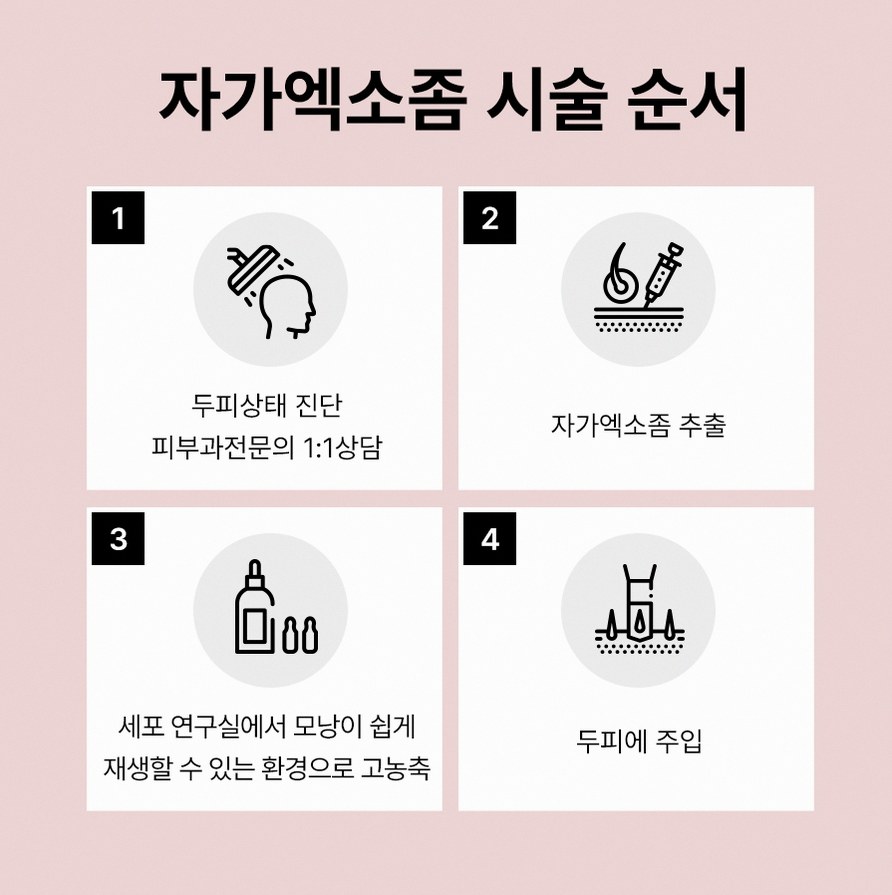
Alongside standard medical therapies, Clinique hus,hu offers regenerative programs designed to support the scalp at a cellular level.
Autologous exosome program
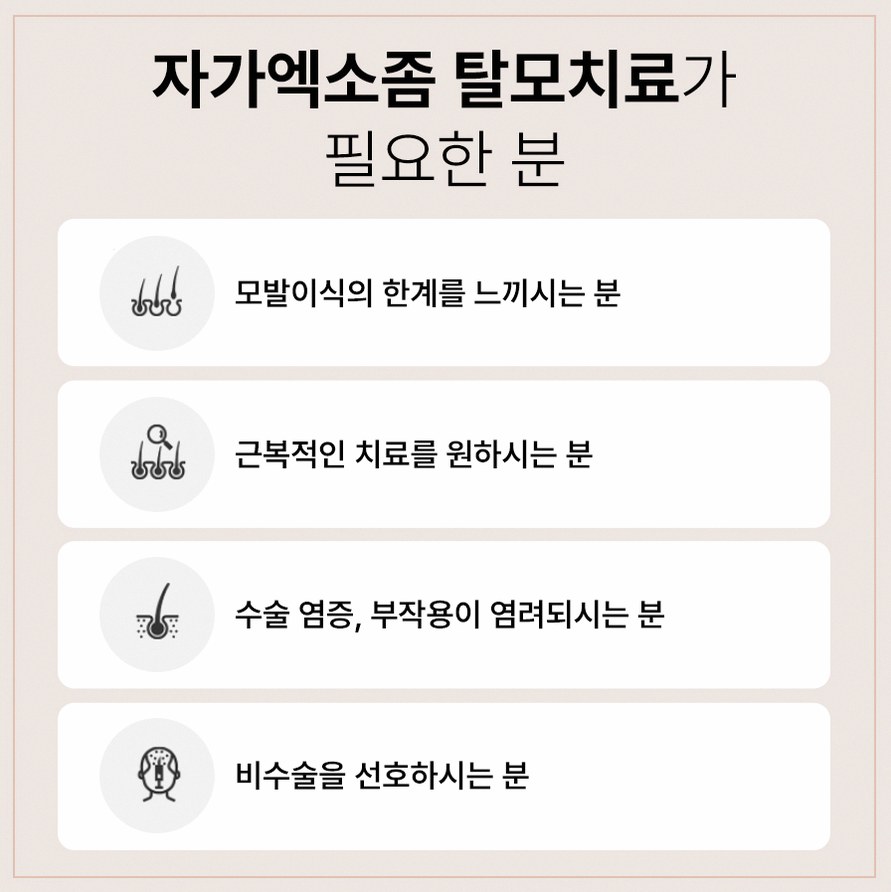
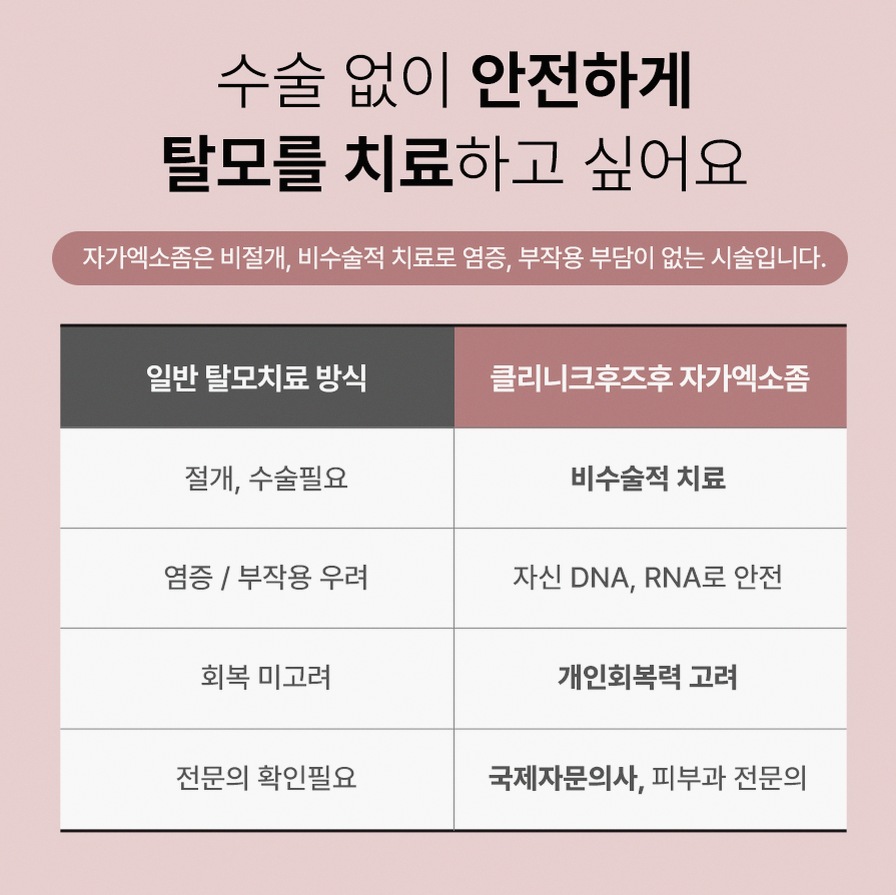
Autologous exosomes are tiny vesicles derived from your own cells, prepared according to a non-cultured, autologous cell principle. They contain signaling molecules that can influence cell communication and tissue environment.
In the context of hair loss care, the aim of an autologous exosome program is to:
Support the scalp microenvironment
Promote hair follicle vitality
Assist tissue recovery after inflammation
These treatments are positioned as adjuncts to, not replacements for, evidence-based medical care for alopecia areata. They are typically integrated into a broader plan that includes steroid-based therapy, scalp injections, and topical treatments.
In-house cell research and safety concept
The clinic operates an in-house cell research lab called Recovery Lab and follows a non-cultured, autologous cell policy for stem‑cell–related treatments. Using a patient’s own material and controlled in‑house protocols is a central part of their approach, but autologous or exosome procedures carry procedure‑specific risks and regulatory considerations. Patients should receive informed consent that explains potential adverse events, uncertain efficacy, follow‑up requirements, and any regulatory limits. These procedures are performed only after clinical evaluation and a discussion of risks versus benefits.
All regenerative or exosome-based procedures are performed under medical supervision, with attention to sterile technique, dosing, and appropriate patient selection.
Who may consider alopecia areata treatment in Seoul
International patients may consider traveling to Seoul for alopecia areata treatment if they:
Have new or rapidly spreading round bald patches and want a structured evaluation
Have tried basic topical treatments at home without clear improvement
Are interested in combining standard medical therapies with regenerative, cell-level programs
Prefer care in a city known for advanced aesthetic and dermatologic technologies
Because alopecia areata is a medical condition with individual variation, a pre-visit online consultation can help you decide whether an in-person visit is appropriate and what kind of schedule to expect.

Technology and diagnostic tools supporting scalp care
Within its broader aesthetic and regenerative platform, the clinic uses various dermatologic and energy-based devices. For hair and scalp patients, this can include:
High-resolution imaging and trichoscopic tools to document baseline status and follow-up
Devices that support scalp circulation or assist delivery of active ingredients in certain protocols
Holistic skin–scalp assessments to understand how overall skin condition, sun exposure, and lifestyle may be affecting the scalp
These tools are used to refine diagnosis, track progress, and tailor treatment intensity.
Medical team and expertise
The clinical team includes physicians with dermatology residency backgrounds and academic and clinical experience in university hospitals and military settings. The lead clinician holds an MD–PhD, participates in dermatology and hair-related societies, and has research and lecture experience in regenerative and aesthetic procedures.
This background supports a careful, evidence-informed approach to alopecia areata treatment, with attention to both medical safety and long-term scalp health.
Your typical treatment journey
For overseas patients, understanding the process in advance can reduce uncertainty.
Step 1: Online consultation and pre-visit preparation
Before you travel, you can usually share photos of your scalp, medical history, and current medications through online or messaging channels. While a final diagnosis cannot be made without an in-person examination, this step helps the team:
Estimate the likely diagnosis and severity
Discuss potential treatment options and time frames
Suggest how many visits or sessions you may need during your stay
You can prepare by noting when hair loss started, how it has changed, and any previous treatments you have tried.
Step 2: First in-person visit in Seoul
At your first visit, the dermatologist will:
Review your medical and family history in detail
Perform a scalp and hair examination, including dermatoscopic or trichoscopic assessment
Order blood tests if clinically indicated
Explain the likely diagnosis and rule out other causes of hair loss
Based on this evaluation, the doctor will grade the severity and activity of your alopecia areata and propose a tailored plan.
Step 3: Discussion of treatment options
You will receive a clear explanation of:
Medical therapies such as topical corticosteroids, intralesional steroid injections, or systemic medications if needed
Supportive topical treatments and scalp care routines
Possibility of adding an autologous exosome program or other regenerative procedures as adjuncts
Expected timelines for visible regrowth and follow-up
This is the time to ask detailed questions about benefits, risks, and how treatments fit into your travel schedule.
Step 4: Treatment sessions and short-term follow-up
During your stay in Korea, you may undergo:
Regular injection sessions for localized patches, spaced according to medical guidelines
Topical therapy initiation and adjustment
One or more regenerative sessions, such as autologous exosome treatments, if included in your plan
If your stay is short, the team can coordinate a schedule that fits within your available days while maintaining medical safety.
Step 5: Long-term monitoring from abroad
After you return home, alopecia areata often requires ongoing observation. The clinic can provide:
Guidance on how to monitor regrowth and signs of relapse
Recommendations for maintenance topical care
Options for remote check-ins using photos and messaging, within the limits of what can be safely managed without physical examination
If necessary, they may advise you to see a local dermatologist for continued injections or systemic medication monitoring.
Safety, expectations, and precautions
Alopecia areata is a medical condition, not just a cosmetic issue. For your safety:
Avoid self-diagnosis. Sudden round patches should be evaluated by a dermatologist, especially in children or when multiple areas are involved.
Do not overuse over-the-counter steroid creams or online products without guidance. Incorrect use can thin the skin or delay proper treatment.
Understand that steroid injections and systemic drugs carry potential side effects, including skin atrophy, changes in blood pressure or blood sugar, and others. These must be dosed and monitored by a doctor.
For regenerative or exosome-based therapies, ensure they are performed in a medical setting, using autologous material and controlled protocols.
Set realistic expectations: not all cases respond fully, and some require long-term management. Psychological support, stress management, and lifestyle adjustments can be important parts of care.
Online consultation and how to prepare
Before contacting the clinic, it can be helpful to prepare the following information:
Clear photos of your scalp from different angles, including close-ups of patches
Timeline of when you first noticed hair loss and how it has changed
List of current medications and supplements
History of thyroid disease, autoimmune conditions, or atopic diseases
Previous hair loss treatments you have tried and how you responded
You can use online channels such as blog, video, or chat platforms to ask preliminary questions. However, remember that a final diagnosis and treatment decisions require an in-person medical consultation.
Expected Korea visit timeline
For many overseas patients, a typical visit might look like this:
Day 1: Initial consultation, scalp examination, baseline imaging, and first treatment session if appropriate.
Day 3–7: Follow-up session for injections or regenerative treatment, depending on your plan.
Day 7–14: Additional sessions if needed and review of response, along with planning for at-home care after you return.
The exact schedule will depend on your condition, travel dates, and medical recommendations. Some patients may benefit from a shorter, focused visit, while others may plan a longer stay for more intensive care.
Aftercare and long-term management
After you complete your in-person sessions in Seoul:
Continue prescribed topical treatments as directed.
Monitor your scalp monthly for new patches or changes.
Manage stress with techniques that work for you, such as exercise, relaxation, or counseling.
Maintain a balanced diet and address any nutritional deficiencies identified in your tests.
If you notice rapid new hair loss, contact the clinic or a local dermatologist promptly rather than waiting for your next planned visit.
Location and practical information
The clinic is located in the Cheongdam area of the Gangnam District in Seoul. From Apgujeong Rodeo Station on the Suin–Bundang Line, you can take exit 4 and walk straight toward Galleria Department Store. The clinic is within walking distance along this route.
They operate on weekdays and Saturdays, with extended evening hours on some days to accommodate busy schedules. They are closed on Sundays and public holidays. Online and messaging channels are available for education and preliminary questions, but all diagnoses and treatment decisions are made during in-person medical consultations.
Frequently asked questions about alopecia areata treatment
What is the difference between alopecia areata and common hair thinning
Alopecia areata usually appears as sudden, well-defined round or oval bald patches, often with normal-looking skin and no scaling. Common hair thinning, such as pattern hair loss, tends to be gradual and diffuse, especially over the crown or hairline, without sharp borders. A dermatologist can distinguish between these conditions using scalp examination and dermatoscopy, which is important because treatment strategies differ.

How long does it take to see regrowth with alopecia areata treatment
Regrowth timelines vary, but many patients start to see fine new hairs within several weeks to a few months after starting appropriate therapy. These new hairs may be thin or lighter in color at first and gradually thicken. Because alopecia areata can be unpredictable, ongoing follow-up is important even after regrowth begins, as relapses can occur.
Are steroid injections for alopecia areata safe
When performed by an experienced doctor, intralesional steroid injections are a standard and widely used treatment for localized alopecia areata. They must be administered with correct dosing, spacing, and technique to minimize risks such as skin thinning or pigment changes. Your doctor will explain potential side effects, how many sessions are recommended, and what to watch for between visits.
Can regenerative or exosome treatments replace medical therapy
Regenerative and autologous exosome programs are not intended to replace evidence-based medical treatments such as corticosteroids or immunomodulators. Instead, they are used as adjuncts within a comprehensive plan, aiming to support the scalp environment and follicle vitality. A responsible treatment strategy integrates both medical and regenerative approaches according to your specific condition and medical history.
Soft call to action
If you are experiencing sudden round bald patches and are considering alopecia areata treatment in Seoul, you can contact Clinique hus,hu through their online channels to discuss your situation and possible visit plans. Sharing your history and scalp photos in advance can help the team suggest a realistic schedule and outline potential treatment options before you travel.
- 공유 링크 만들기
- X
- 이메일
- 기타 앱


댓글
댓글 쓰기