Candidate Criteria and Safety Guide in Seoul
- 공유 링크 만들기
- X
- 이메일
- 기타 앱

Sunken upper eyelid filler treatment is a non‑surgical procedure that uses injectable fillers to restore volume in hollow or skeletal‑looking upper eyelids. By placing small amounts of filler in carefully selected layers around the upper eyelid and upper eye socket, the goal is to soften deep hollows, reduce harsh shadows, and create a smoother transition between the eyebrow and eyelid.
It is performed with fine needles or cannulas rather than surgery, and usually involves minimal downtime. Because the upper eyelid and surrounding area contain delicate blood vessels and important structures related to vision, safe treatment depends on careful patient selection and a detailed understanding of eye and eyelid anatomy.
Sunken upper eyelids and why they happen
Sunken or hollow upper eyelids describe a look where the upper eye socket is more visible than before, the crease appears deep, and the bony rim of the orbit can start to show. This can make the eyes look tired, severe, or older than they are, even when you feel well rested.
Aging is one of the most common causes. Over time, the fat pads around the eyes can shrink and shift, and the supporting ligaments and soft tissues become looser. This combination makes the upper eyelid appear more hollow and the brow‑to‑lid area flatter or even scooped out.
Some people naturally have deep‑set eyes or a strong bony orbital rim. In these cases, even at a younger age, the upper eyelid may look more sunken, especially under certain lighting. Rapid weight loss can also reduce facial fat, including around the eyes, leading to a more skeletal appearance.
Previous eyelid surgery can be another factor. If too much fat was removed or the structure changed significantly, a hollow upper eyelid can appear a few months or years later. Structural differences between the two sides of the face can also cause asymmetry, where one upper eyelid looks more sunken than the other.
From an aesthetic point of view, volume loss around the eye changes how light reflects on the face. Instead of a gentle highlight under the brow, deeper shadows form in the hollow. These shadows can give the impression of fatigue, stress, or illness, even when the person feels healthy.

How filler works for sunken upper eyelids
Upper eyelid filler aims to restore soft, natural‑looking volume in the hollow area just beneath the eyebrow and above the eyelid crease. By adding a small amount of volume in the right plane, the injector can soften the hollow, reduce the visibility of the bony rim, and improve the overall contour of the upper eyelid.
The principle is not to create a puffy eyelid, but to gently refill what has been lost. When done conservatively, this can make the eyes look more awake and rested, while still preserving the natural shape and crease of the eyelid.
Several filler types may be used in the upper eyelid and upper orbital area.
Hyaluronic acid fillers are commonly preferred in this delicate region. They are gel‑like substances similar to natural components found in the skin. Their advantages include being reversible with an enzyme called hyaluronidase, and the ability to fine‑tune or adjust the result if needed. Softer, low‑swelling formulations are often selected for the upper eyelid.
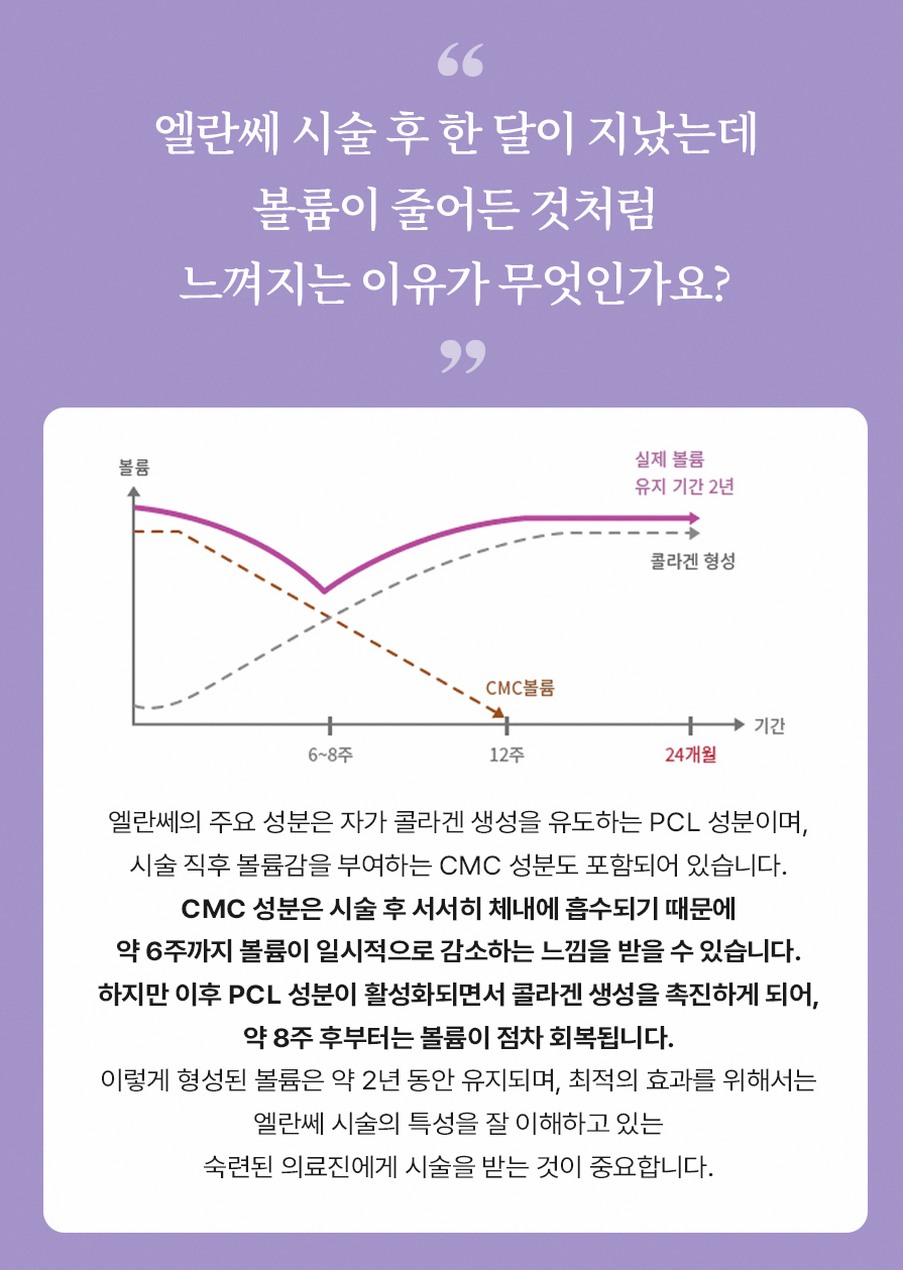
Collagen‑stimulating fillers, such as Ellanse, may be considered in selected cases. These products not only add immediate volume but also stimulate the body to produce its own collagen over time. Because they are longer lasting and not easily reversible, they require especially cautious use and are typically reserved for experienced injectors and carefully chosen patients.

In all cases, the aim is subtle enhancement. Overfilling the upper eyelid can make the eyes look smaller, heavy, or swollen. A conservative approach, with gradual layering and frequent visual checks, is important for a natural result.
Who may consider upper eyelid filler
Upper eyelid filler can be an option for adults who notice mild to moderate hollowing in the upper eyelid area and want a non‑surgical solution.
You may be a potential candidate if you have:
Mild to moderate sunken or hollow upper eyelids mainly due to volume loss.
Relatively good skin elasticity without severe sagging or large amounts of excess skin.
A stable general health condition without uncontrolled systemic disease.
Realistic expectations about what fillers can and cannot achieve.
You may not be an ideal candidate if:
You have very loose or excess upper eyelid skin that droops over the lashes. In such cases, a surgical eyelid lift (upper blepharoplasty) may be more appropriate.
There is significant eyelid asymmetry or complex changes after previous eyelid surgery. These situations require a careful, individualized plan and sometimes a combination of approaches.
You have certain eye conditions, active infections, or uncontrolled systemic illnesses. These must be evaluated by a medical professional before any procedure.
For many people who are not ready for surgery, upper eyelid filler can be a bridge option: less invasive than surgery, but more targeted than skincare or energy‑based devices alone.

Consultation and assessment at a specialized clinic
At a specialized anti‑aging and eye‑area focused clinic, the consultation is a key step before any upper eyelid filler treatment.
The assessment usually includes a detailed examination of the entire upper face: brow position, eyelid crease height, the relationship between the brow and eyelid, fat pads, and the underlying bone structure. The doctor will also evaluate how your eyes look when open, closed, and in different expressions.
Some clinics use imaging tools or 3D analysis to better understand volume loss and asymmetry. Standardized photographs are often taken to document the baseline and help with planning.
During this discussion, you can share what bothers you most: the hollow itself, the tired impression, asymmetry, or a combination. The doctor will then explain whether filler alone is likely to help, or whether a combination with other treatments, such as brow lifting or skin‑tightening devices, would be more appropriate.

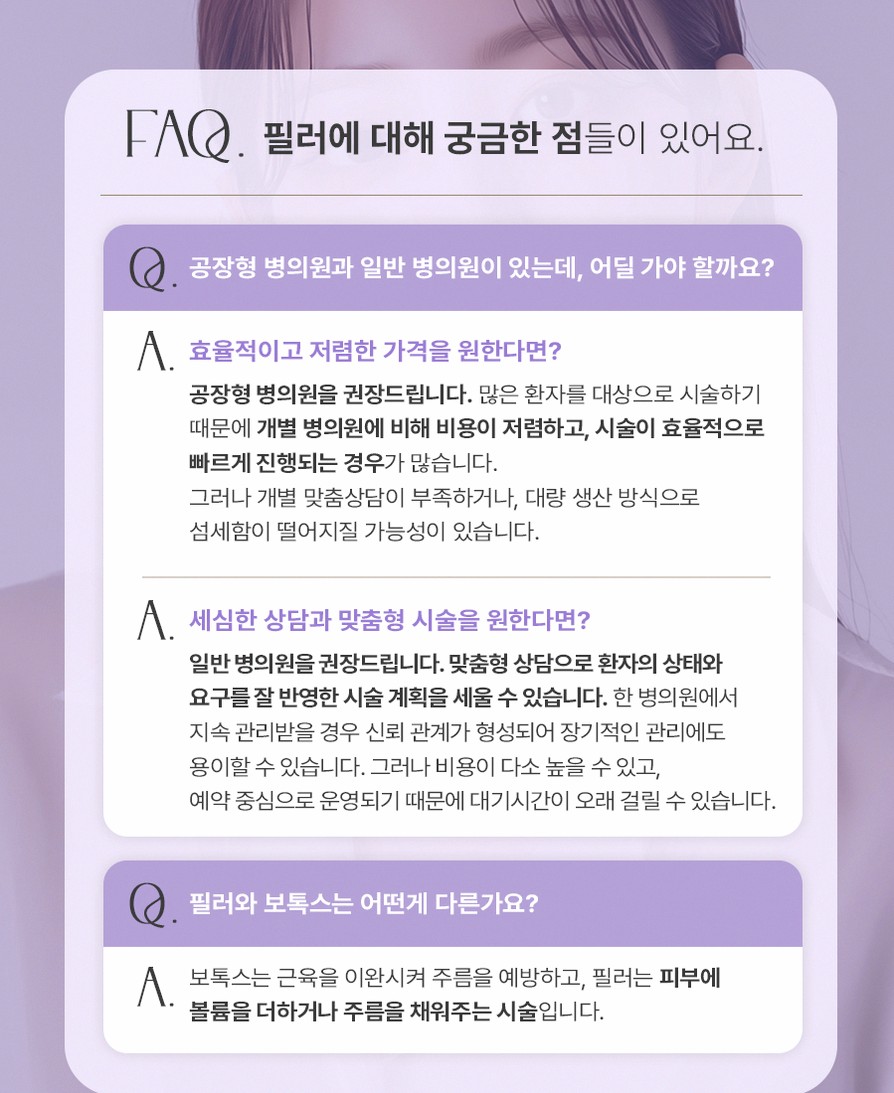
In Cheongdam, Gangnam, Seoul, near Apgujeong Rodeo Station, Clinique hus,hu offers a range of non‑surgical lifting and volume restoration options, including premium fillers for delicate areas like the upper eyelid, with a focus on anti‑aging from the cellular level.
Step‑by‑step treatment process
Before treatment, you will complete a medical history form and review your medications and supplements. It is important to mention any blood thinners, aspirin, high‑dose vitamin E, or herbal supplements that may increase bruising. Previous eye surgeries or eye conditions should also be discussed.
The doctor will examine your upper eyelids again, finalize the treatment plan, and mark or mentally map the target areas. Photographs are usually taken at this stage. The practitioner will explain the expected benefits, limitations, and possible risks, and obtain your consent.
On the day of the procedure, the skin around the eyes is cleansed and disinfected. A topical anesthetic cream may be applied, or the filler itself may contain a local anesthetic such as lidocaine to increase comfort.
The injector may use a very fine needle or a blunt‑tipped cannula. In many cases, a cannula is chosen to help reduce the risk of bruising and to navigate safely around blood vessels. Small amounts of filler are placed in specific planes, such as close to the bone (supraperiosteal) or within certain soft tissue layers, depending on your anatomy.

The product is injected slowly and conservatively. The doctor will often ask you to sit up during the procedure to check the effect of gravity and ensure the eyelid is not overfilled. The goal is to add just enough volume to soften the hollow while maintaining a natural eyelid fold.
Immediately after the injections, a cold compress may be applied to reduce swelling and discomfort. The staff will check for early signs of complications, provide aftercare instructions, and schedule a follow‑up visit if needed.
Expected results and how long they last
Most people notice a change right away: the upper eyelid looks less hollow, the bony rim appears softer, and the shadow in the upper eye socket is reduced. This can give a more rested and balanced appearance to the entire eye area.
However, mild swelling is common in the first few days, so the final result is usually evaluated after one to two weeks, once the filler has settled and the tissues have relaxed.

The duration of the effect depends on the filler used, your metabolism, and lifestyle factors.
Duration varies by product and individual; your clinician can discuss typical timelines for the specific filler chosen. Collagen‑stimulating fillers may have a longer apparent duration because they encourage your own collagen production, but they must be used more conservatively in this region.
Touch‑up sessions may be recommended after the initial settling period if very small adjustments are needed. Over time, maintenance treatments can be planned at intervals that suit your aging pattern and aesthetic goals.
Safety, risks, and how a specialized clinic manages them
The upper eyelid and periorbital region are among the most delicate areas of the face. Important blood vessels and connections to the eye lie nearby, so safety depends heavily on the injector’s anatomical knowledge and technique.

Common, usually temporary side effects include mild swelling, redness, tenderness, or small bruises at the injection sites. These typically improve over several days.
Possible complications, which should be mentioned clearly but calmly, include overfilling, asymmetry, small lumps or irregularities, and a bluish tint known as the Tyndall effect if filler is placed too close to the surface. These issues can often be improved with massage, minor adjustments, or in the case of hyaluronic acid fillers, partial or complete reversal with hyaluronidase.
Very rarely, more serious vascular events can occur if filler enters or compresses a blood vessel. This can lead to skin color changes, pain, or, in extreme cases, visual disturbance. For this reason, clinics that perform upper eyelid filler should be prepared with emergency protocols and medications, and patients should be informed about warning signs.
A well‑equipped clinic reduces risk by using premium, well‑studied filler brands, conservative dosing, slow injection with aspiration when appropriate, and often a cannula in selected planes. Having hyaluronidase readily available for hyaluronic acid fillers and providing clear instructions for urgent contact are also important parts of safety management.
Comparison with other options
Upper eyelid filler is one of several approaches to treating a sunken or tired‑looking upper eyelid.
Surgical upper blepharoplasty is more suitable when the main problem is excess skin, significant drooping, or very loose tissues. Surgery can reposition or remove skin and sometimes fat, creating a more open eyelid. It involves more downtime and a longer recovery, but can address structural issues that filler alone cannot.
Fat grafting uses your own fat, usually taken from another part of the body, and transferred to the upper eyelid or surrounding areas. It can provide longer‑term volume, but the survival of the fat is less predictable, and the upper eyelid is a challenging area for this technique.
Energy‑based devices such as Thermage FLX, Ulthera Prime, or other radiofrequency and ultrasound systems can help tighten skin and stimulate collagen around the eyes. They are useful when mild laxity is present, but they do not directly replace lost volume.
Filler is often a good choice when the primary issue is volume loss rather than skin excess. In some cases, a combination of treatments is recommended, for example, subtle filler for volume plus a lifting device for mild sagging, based on a professional evaluation.

Aftercare and recovery tips
Most patients can return to light daily activities immediately or the next day after upper eyelid filler. However, some simple aftercare steps can support smoother healing.
Avoid rubbing, pressing, or massaging the upper eyelid area unless your doctor specifically instructs you to do so. The filler needs time to settle.
If possible, sleep with your head slightly elevated on the first night to help reduce swelling. A clean, cool compress can be applied gently for short periods if recommended by your clinic.
Try to avoid intense exercise, saunas, hot baths, and alcohol for 24 to 48 hours, as these can increase blood flow and swelling. Protect the area from unnecessary pressure, such as tight sleep masks or goggles, in the first few days.
Attend any scheduled follow‑up visits so your doctor can check symmetry, texture, and overall effect. This is also a good time to discuss any minor concerns or questions.

You should contact the clinic urgently if you experience sudden severe pain, marked color change of the skin (especially pale, blotchy, or dark changes), visual disturbance, or any symptom that feels very unusual. Early evaluation is important in these rare situations.
Online consultation and pre‑visit preparation for overseas patients
If you are considering sunken upper eyelid filler treatment in Korea, an online consultation before your trip can save time and help you plan your stay.
Before contacting the clinic, prepare clear, well‑lit photos of your face from the front, 45‑degree angle, and profile, with your eyes open and gently closed. Natural daylight without heavy makeup is ideal. These images help the medical team assess your upper eyelid volume, brow position, and overall facial balance.
Make a short list of your main concerns and goals. For example: “My upper eyelids look hollow,” “I look tired in photos,” or “One eyelid looks more sunken than the other.” Note any previous eye or eyelid procedures, such as LASIK, cataract surgery, or eyelid surgery, and any chronic eye conditions.
Prepare a list of medications and supplements you are taking, including over‑the‑counter products. Mention any history of allergies, especially to filler products, local anesthetics, or previous reactions to injections.

During the online consultation, you can ask about likely treatment options, expected number of sessions, recommended filler types, approximate recovery time, and how long you should stay in Korea for follow‑up. This is also the moment to clarify whether filler is appropriate for your case, or if another approach is advised.
Expected Korea visit timeline for upper eyelid filler
For many international patients, a short trip is sufficient for upper eyelid filler, but planning a realistic schedule is important.
Day 1: In‑person consultation and possible treatment. After arrival in Seoul, you can visit the clinic for a detailed face‑to‑face assessment. If both you and the doctor agree and there are no medical reasons to delay, the filler treatment can often be performed on the same day.
Days 2–3: Initial recovery. Mild swelling or small bruises may appear. You can usually enjoy light sightseeing, work remotely, or attend meetings, but it is wise to avoid heavy exercise and activities that risk hitting the face.

Days 5–7: Optional follow‑up visit. If your schedule allows, a follow‑up appointment within the first week lets the doctor check the result and answer any questions. Minor touch‑ups, if needed, are often done after at least one to two weeks, so some patients schedule a second visit on a later trip instead.
If you can stay in Korea for about 3 to 5 days, this usually provides enough time for the procedure and early review. However, clinics are often experienced with tighter schedules and can adapt the plan to your travel dates.
Why some patients choose a comprehensive anti‑aging clinic
For delicate treatments around the eyes, many patients prefer clinics that focus on overall facial aging rather than single procedures. A clinic with a wide range of non‑surgical options, such as multiple filler brands, thread lifting, and advanced RF and ultrasound devices, can tailor a more precise plan.
Some centers also operate in‑house cell labs for exosome or stem cell‑based treatments, aiming to support tissue quality and long‑term skin health. When combined thoughtfully, these approaches can complement filler by improving skin texture and resilience.
At such clinics, medical staff often have academic and international experience, and use imaging or diagnostic tools to design treatment plans. The emphasis tends to be on natural, age‑appropriate results and maintaining the health of the tissues around the eyes, rather than aggressive, short‑term volume changes.
Frequently asked questions about sunken upper eyelid filler
Is upper eyelid filler safe?
Upper eyelid filler can be performed safely when done by an experienced injector who understands the complex anatomy around the eye and uses appropriate products and techniques. However, it is considered a higher‑risk area compared with some other parts of the face, so careful patient selection and conservative dosing are essential. Choosing a clinic that uses premium fillers, has clear safety protocols, and is prepared to manage complications is very important.
How is upper eyelid filler different from under‑eye filler?
Both treatments use similar types of fillers, but the target areas and techniques are different. Under‑eye filler focuses on the tear trough and lower eyelid, while upper eyelid filler targets the hollow above the eyelid crease and under the brow. The structures, fat pads, and blood vessels differ between these regions, so the injection planes and product choices may not be the same. Many injectors consider the upper eyelid even more delicate, so they proceed with extra caution.
How long does sunken upper eyelid filler last, and how often will I need maintenance?
The effect of hyaluronic acid filler in the upper eyelid usually lasts around 6 to 12 months, though this varies by individual metabolism, lifestyle, and product choice. Collagen‑stimulating fillers may appear to last longer because they encourage your own collagen production. Maintenance sessions are typically planned once the effect starts to fade, and many patients choose to refresh the area every 9 to 18 months, depending on their aging pattern and preferences.
Will filler make my eyes look smaller or heavier?
If too much filler is placed or if it is positioned incorrectly, the upper eyelid can look heavier and the visible eyelid space may seem smaller. This is why a conservative approach is important. When done carefully, with subtle volume restoration, the goal is to maintain or even enhance the perception of an open, rested eye while simply reducing the hollow and harsh shadows.

Can filler fix asymmetry between my two upper eyelids?
Filler can sometimes improve mild asymmetry caused by differences in volume between the two sides. By adding small amounts of filler to the more hollow eyelid, the overall balance can be improved. However, if the asymmetry is mainly due to differences in bone structure, muscle function, or significant skin laxity, filler alone may not fully correct it. A thorough assessment is needed to understand what is realistically achievable.
I already had eyelid surgery. Can I still get filler for hollow upper eyelids?
Many patients seek upper eyelid filler after previous eyelid surgery, especially if they feel the area looks too hollow. In some cases, filler can help soften this appearance. However, post‑surgical anatomy can be more complex, with scar tissue and altered fat pads, so a detailed evaluation is necessary. The doctor may recommend a more conservative amount of filler, staged treatments, or, in some cases, alternative approaches.
What is the difference between hyaluronic acid filler and collagen‑stimulating filler in the upper eyelid area?
Hyaluronic acid fillers provide immediate, adjustable volume and can be dissolved if needed, which is a major safety advantage in delicate areas like the upper eyelid. Collagen‑stimulating fillers, such as Ellanse, also add volume but work by encouraging your body to build collagen over time, leading to a longer‑lasting effect. Because they are not easily reversible, they are generally used more cautiously and only in carefully selected patients. Your doctor will explain which option is more suitable for your specific case.

Soft call to action for online consultation
If you are considering non‑surgical treatment for sunken upper eyelids during a visit to Seoul, an online consultation can help you understand whether filler is appropriate for your eyes, what kind of result you can expect, and how to plan your trip and recovery time.
By sharing clear photos, medical history, and your aesthetic goals in advance, you and the medical team can discuss a personalized approach and possible combination with other gentle anti‑aging treatments. This preparation allows you to use your time in Korea efficiently and focus on safe, natural‑looking improvement around your eyes.
- 공유 링크 만들기
- X
- 이메일
- 기타 앱


댓글
댓글 쓰기