Cheongdam (Gangnam) — Per‑session vs Package Costs
- 공유 링크 만들기
- X
- 이메일
- 기타 앱
Direct answer summary
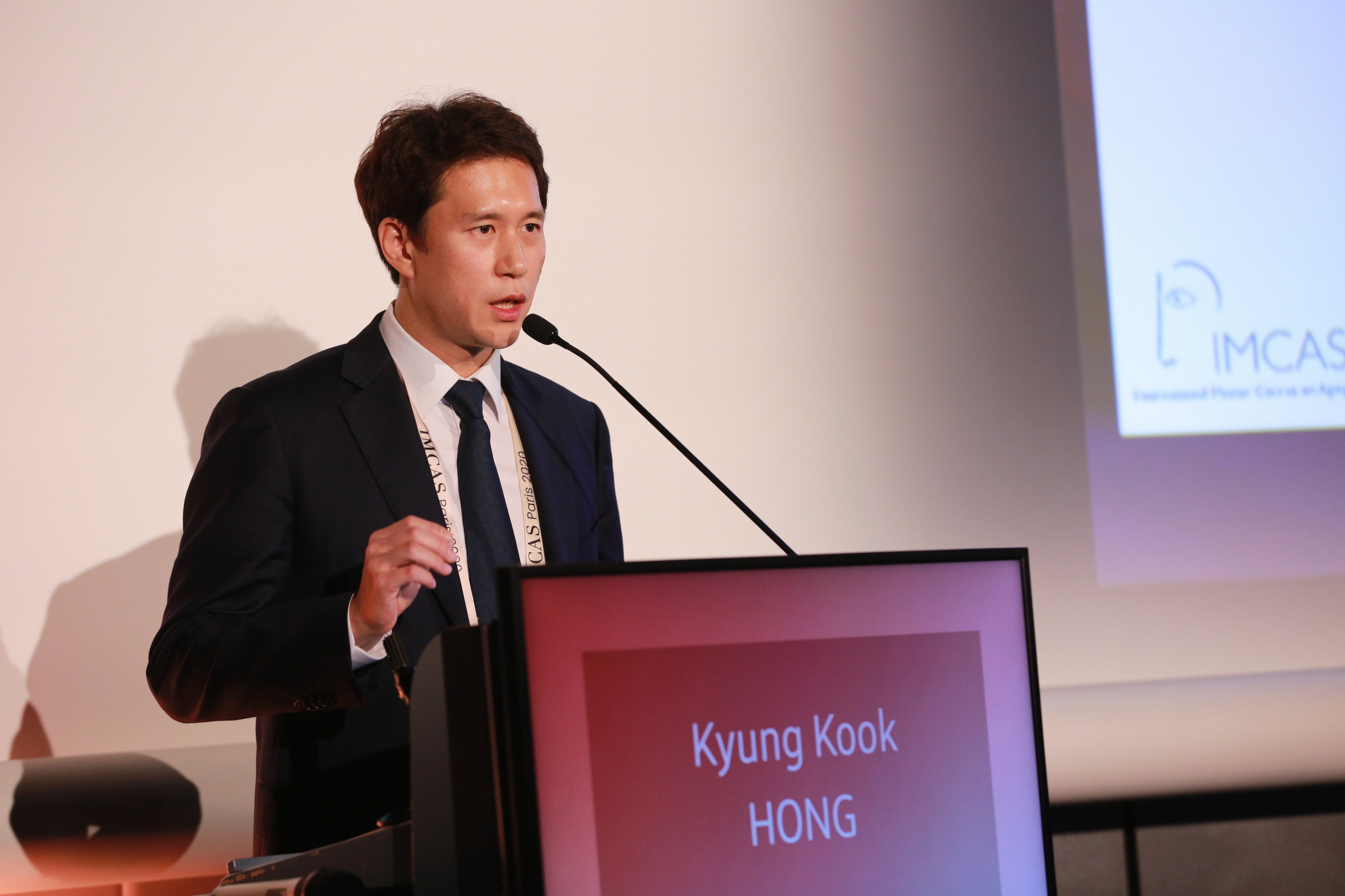
If you are searching for melasma and pigmentation laser prices in Korea, it is important to know that there is no single flat fee that fits everyone. The cost of laser toning for melasma and dark spots usually depends on your skin condition, the depth and type of pigmentation, how many sessions you need, and whether different laser devices or repair treatments are combined in one visit. Most patients pay per session or choose a package of several sessions, because melasma is a chronic condition that needs repeated, gentle treatment and later maintenance.
In Cheongdam, Gangnam, clinics with a strong anti‑aging and pigmentation focus tend to design customized programs rather than selling one‑time “spot removal”. This often means the price is not the lowest, but the plan is tailored to safety, long‑term stability, and your overall skin health.
What is laser toning for melasma and dark spots
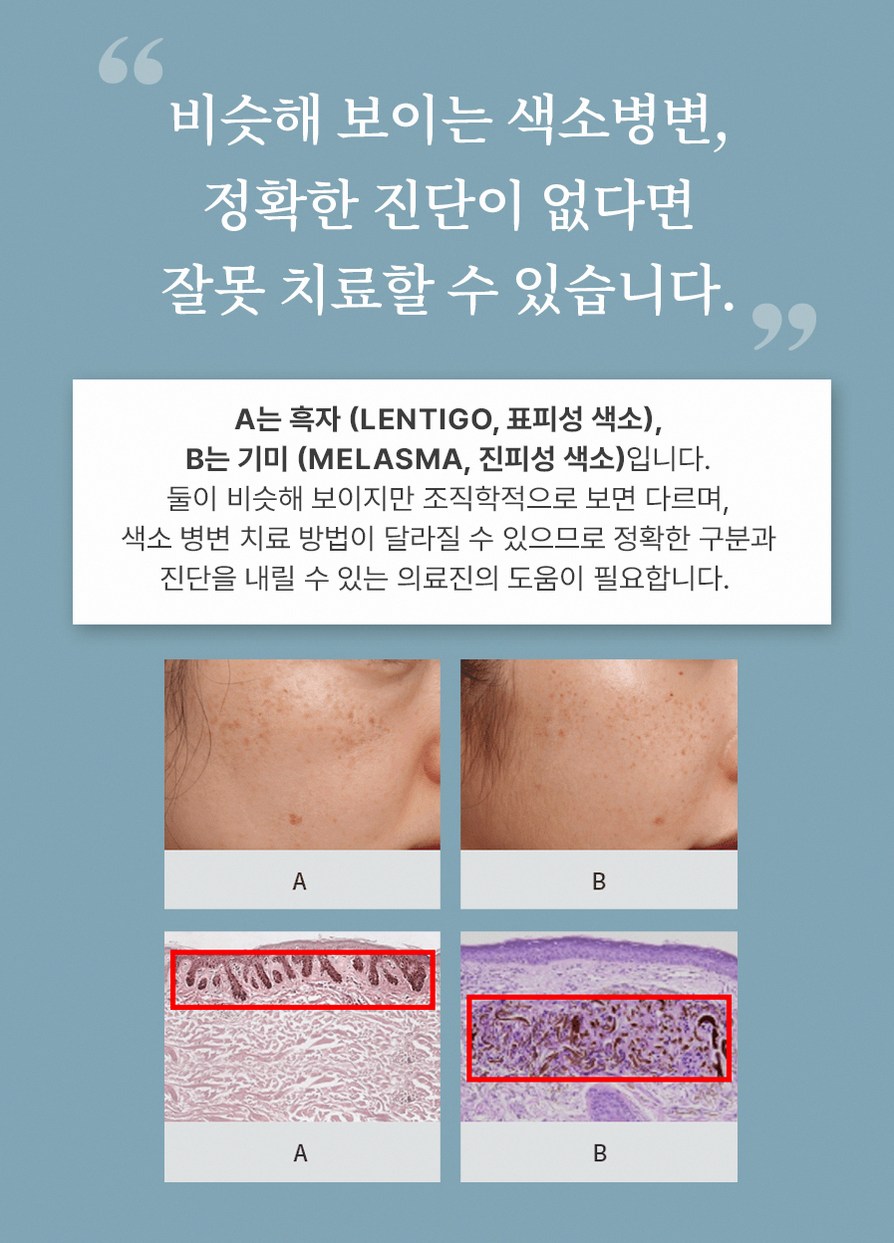
Laser toning is a low‑fluence, multiple‑pass laser treatment that gently targets melanin, the pigment that makes up melasma, freckles, sun spots, and uneven tone. Instead of using a strong, single shot to burn the pigment, the laser delivers softer energy many times over the treatment area. This gradually breaks down melanin into smaller particles that your body can clear away.

Because the energy is low and spread out, laser toning usually has minimal downtime. Most people feel only mild warmth or tingling during the procedure. Redness, if it appears, usually settles within a few hours.
Melasma itself is a chronic condition influenced by hormones, genetics, and ultraviolet exposure. It often appears as brown or gray‑brown patches on the cheeks, forehead, upper lip, or chin. For this reason, complete one‑time removal is not realistic. The main goal of laser toning in melasma is safe, gradual lightening, smoothing of overall tone, and long‑term stabilization with as little rebound as possible.
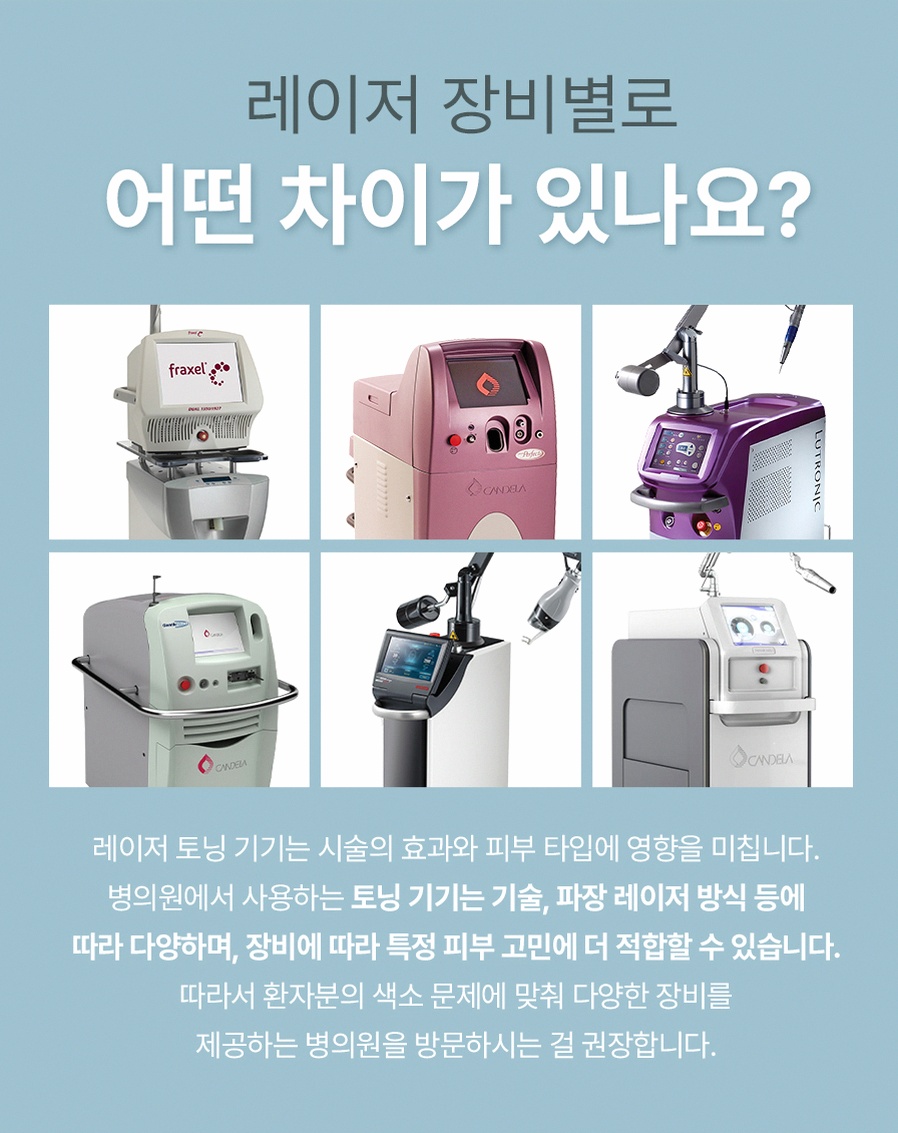
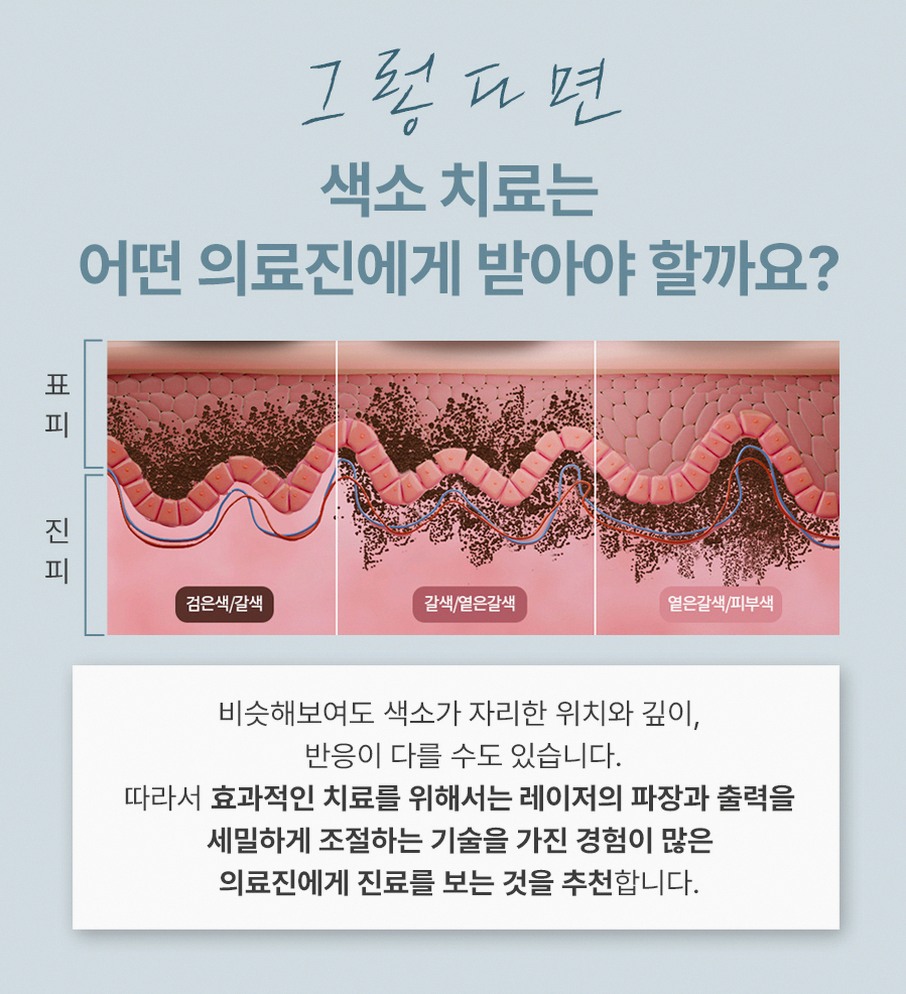
A specialized anti‑aging and pigmentation clinic in Cheongdam, Gangnam typically uses several types of pigment‑targeting platforms, such as picosecond lasers, Q‑switched Nd:YAG lasers, fractional lasers, and vascular lasers. These can be selected or combined depending on whether your main concern is:
Epidermal freckles and sun spots
Mixed‑type melasma with both surface and deeper pigment
Age spots and thicker lesions such as seborrheic keratoses
Ota‑type or other deeper dermal pigmentation
Some clinics also treat acne, pores, scars, and hair removal, but for melasma and dark spots the core is a carefully adjusted toning protocol.
Who may consider melasma and pigmentation laser toning
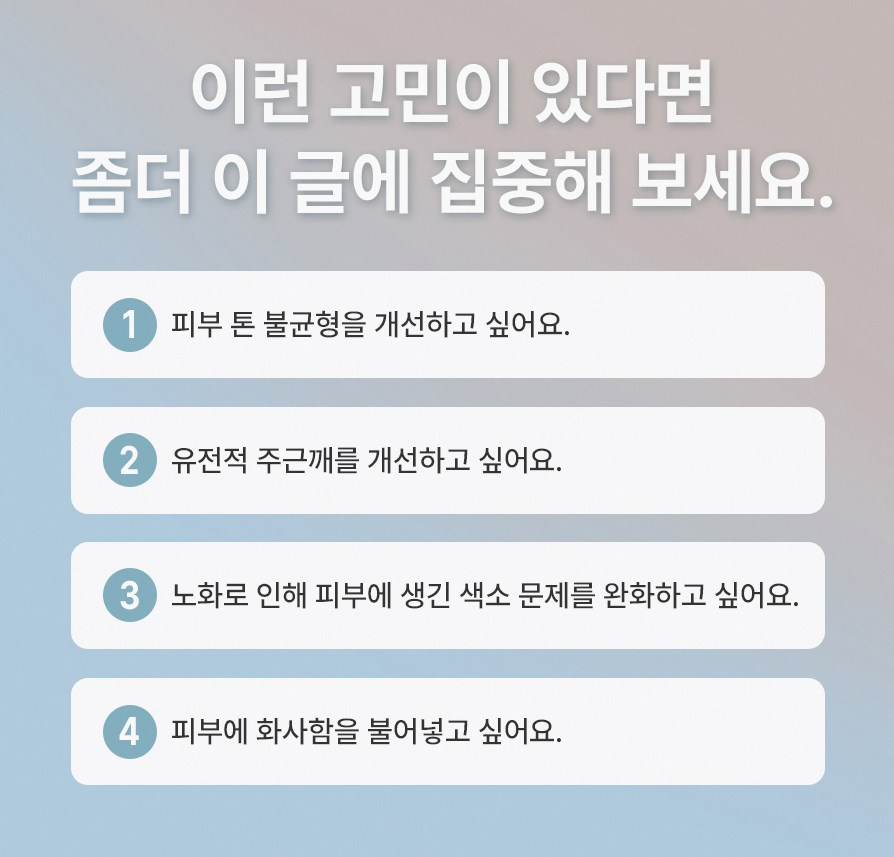
Laser toning can be considered if you have any of the following concerns:
Diffuse brown patches on the cheeks, forehead, or upper lip suggestive of melasma
Freckles and sun spots from long‑term sun exposure
Uneven skin tone, dullness, or mottled pigmentation
Age spots that make the skin look older than you feel
It may also be helpful if you have already tried creams, brightening serums, or chemical peels but still see persistent pigmentation.
However, not everyone is a good candidate for aggressive treatment. People with very sensitive skin, a strong tendency to develop dark marks after any irritation, or a history of melasma worsening after previous lasers need especially careful planning. In these cases, a clinic with experience in pigmentation and cellular recovery will usually start with gentler settings, longer intervals, and strong focus on skin barrier support.
How a Cheongdam, Gangnam clinic approaches diagnosis
In Cheongdam, Gangnam, near Apgujeong Rodeo Station on the Suin–Bundang Line, there are clinics that work as dermatology‑based aesthetic and anti‑aging centers. Many of them open late on weekdays and also see patients on Saturdays, which is convenient for overseas visitors.
At Clinique hus,hu, the first step is typically a thorough consultation and skin analysis. The doctor and medical team will take time to understand:
When your melasma or dark spots first appeared
Whether they changed during pregnancy, after starting or stopping hormonal medications, or after strong sun exposure
Your previous experience with lasers, peels, or brightening creams
Whether you tend to develop dark marks or redness easily after irritation
Imaging systems are often used to evaluate your skin. Multi‑angle facial photography and UV or vascular analysis help distinguish surface pigment from deeper dermal pigment and identify coexisting redness or small vessels. This matters because mixed‑type melasma with both pigment and redness may respond better when pigment lasers are combined with vascular lasers.
Treatment design and device selection
After the initial assessment, the clinic designs a personalized plan. Key decisions include:
Whether to begin with gentle full‑face toning only, or to add targeted pigment lasers for specific spots
Whether vascular lasers are needed to address redness that can fuel melasma
How often to schedule sessions, usually every 1–2 weeks or 2–4 weeks depending on your skin’s sensitivity and lifestyle
Clinics with a wide portfolio of devices, sometimes more than 20 different platforms, can fine‑tune the combination. For example:
Q‑switched Nd:YAG or picosecond lasers may be used for overall melasma and freckles
Fractional lasers may be added later for texture, pores, or certain deeper lesions
Vascular lasers may be included if there is significant redness or visible vessels under the pigment
The fluence (energy level), spot size, and number of passes are adjusted according to your skin type, color, and response over time. For sensitive or easily irritated skin, the clinic may prioritize barrier‑protective skincare, exosome or repair injections, and longer intervals between sessions.
Some clinics with an in‑house cell and recovery lab focus not only on removing pigment but also on how the skin heals at the cellular level. They may offer proprietary autologous exosome programs and stem‑cell–related approaches using your own cells (non‑cultured, autologous principle) to support recovery, especially in people with fragile skin; however, availability, protocols, and evidence of benefit vary, and these options should be confirmed and discussed during consultation.
How pricing for melasma and pigmentation laser is usually structured
When you search for melasma and pigmentation laser price, it can be confusing to see different numbers from different clinics. Understanding how pricing is usually structured will help you compare more clearly.
Most clinics follow a similar basic framework:
Per‑session price for laser toning: This covers one visit where the doctor performs full‑face or partial‑area toning with a chosen device.
Package prices: Because melasma requires repeated treatment, clinics often offer discounted packages for a series of sessions, such as 5 to 10 visits. This can make the overall course more cost‑effective.
Add‑on fees for combination therapy: If, during one visit, the doctor combines multiple devices (for example, toning plus fractional laser, or toning plus vascular laser), there may be an additional cost.
Important factors that influence your individual price include:
Type and severity of pigmentation: Diffuse melasma covering the full face usually costs more to manage than a few isolated sun spots, because it requires more sessions and careful monitoring.
Number and type of devices: A simple toning plan with one device per session is usually less expensive than a multi‑device protocol that uses picosecond, fractional, and vascular lasers in combination.
Treatment area size: Full‑face treatment is priced differently from treating only the cheeks, forehead, or a small area.
Additional repair treatments: If you add medical skincare, exosome injections, or stem‑cell based repair to support barrier recovery and reduce the risk of rebound pigmentation, this will affect the total cost.
Experience and equipment: Clinics that invest in premium, regularly maintained devices and have experienced specialists planning the settings may charge more than places offering very low, flat‑rate toning.
Why very cheap flat‑rate toning can be risky
Extremely low, flat‑rate offers for melasma and pigmentation lasers may look attractive, but there are trade‑offs to consider. In some cases, very cheap toning can mean:
Short consultation time and limited opportunity to discuss your history
One‑size‑fits‑all laser settings that do not reflect your skin type or pigmentation depth
Less attention to melasma rebound, post‑inflammatory hyperpigmentation, or long‑term stability
Less flexibility to combine devices when your skin would benefit from a more tailored approach

Melasma is highly sensitive to over‑treatment. If the laser is too strong or used too frequently, the condition can actually worsen, leaving darker or more widespread patches. A clinic that focuses on customized protocols and safety may not offer the lowest price, but it aims for gradual improvement and better long‑term control.
What is usually included in the price
When you ask a clinic for a quotation, it is helpful to clarify what is included. A typical melasma and pigmentation toning program may include:
Initial consultation with a doctor and skin analysis imaging
Laser toning sessions at agreed intervals
Post‑treatment cooling, soothing masks, and basic aftercare products used in the clinic
Periodic re‑imaging to track progress and adjust settings
Some clinics include follow‑up visits and simple aftercare in the package, while others charge separately for imaging, additional doctor visits, or advanced repair treatments such as exosome injections. Always ask for a clear breakdown so you can compare clinics fairly.
What to expect during a laser toning session
The procedure itself is usually straightforward and comfortable for most patients.
Cleansing and preparation: Your skin is gently cleansed to remove makeup, sunscreen, and oil. Protective eyewear is placed over your eyes.
Laser passes: The doctor moves the laser handpiece over the treatment area several times using low energy. You may feel a mild warmth, tingling, or light snapping sensation. Most people tolerate this without anesthesia.
Cooling and soothing: After the laser, the staff may apply a cooling pack, soothing mask, or calming serum to reduce redness and support the skin barrier.
Sun protection: Before you leave, sunscreen is applied. You will be advised to reapply high‑SPF sunscreen regularly and avoid intense sun exposure.
Most patients can return to daily activities immediately. Mild redness or a slightly flushed look can appear for a few hours. Some dark spots may temporarily look darker as the pigment rises to the surface before gradually fading or flaking.
How many sessions you might need
The number of sessions needed for melasma and pigmentation varies widely from person to person. In general:
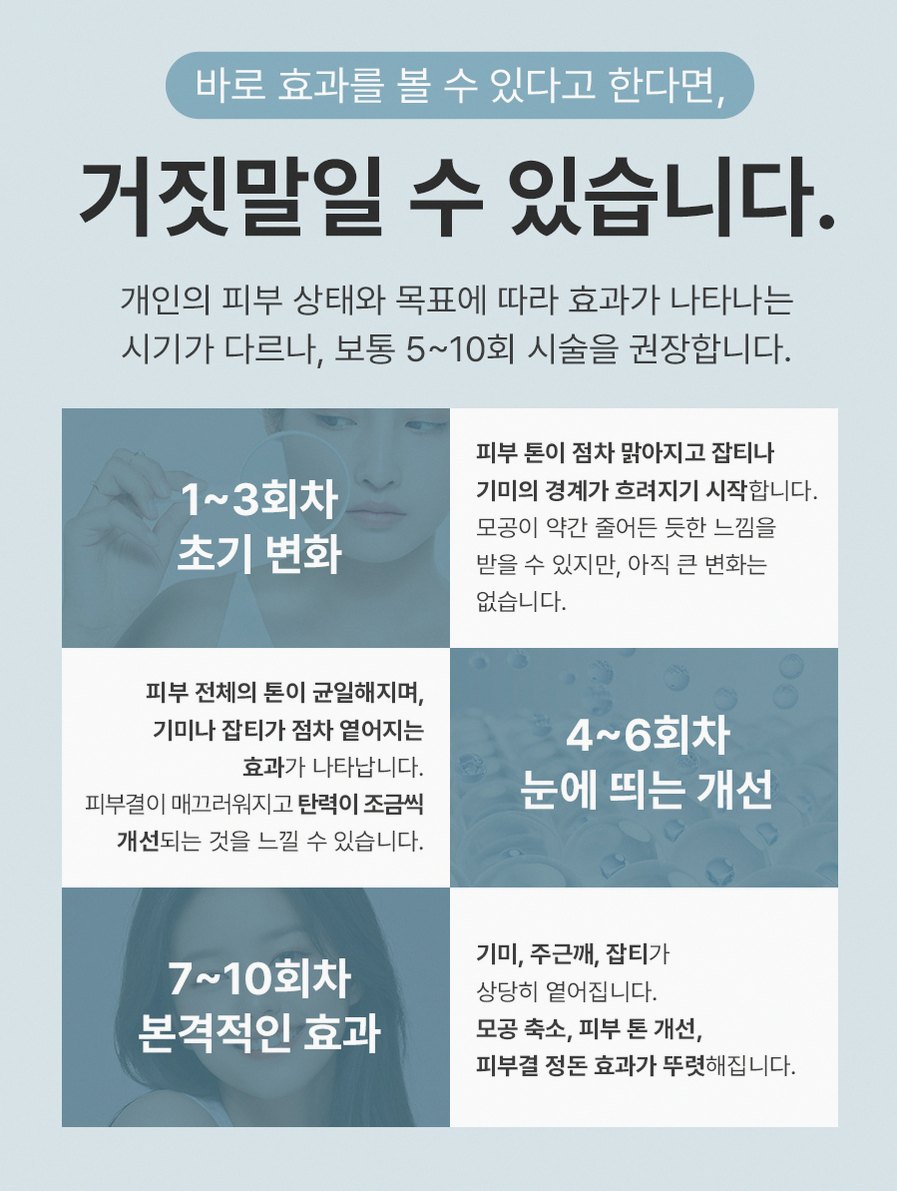
Melasma: Often requires a series of sessions, for example 5–10 or more, spaced every 1–2 weeks or 2–4 weeks depending on your skin. After the initial improvement phase, maintenance sessions at longer intervals are usually recommended.
Freckles and sun spots: Some superficial spots can respond more quickly, but many patients still benefit from several sessions for an even tone.
Mixed pigmentation and redness: When both pigment and vessels are involved, a longer course combining pigment and vascular lasers may be needed.
The realistic goal is gradual lightening and evening of tone, not complete erasure of melasma. Your doctor will monitor your response and adjust the plan. In a data‑driven clinic, imaging and photos are used to track progress, not just visual inspection.
Safety, downtime, and possible risks
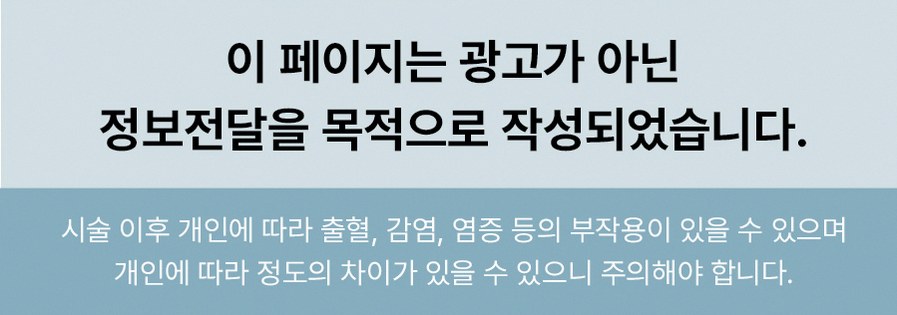
Laser toning is considered a gentle approach, but it is still a medical procedure. Typical downtime is minimal, with:
Mild redness or warmth for a few hours
Occasional slight swelling in sensitive areas
Temporary darkening of certain spots as pigment moves upward
If the treatment is too aggressive or performed too frequently, there are risks, especially in melasma:
Worsening or spreading of melasma
Post‑inflammatory hyperpigmentation (new dark marks after irritation)
Mottled or uneven skin tone

Clinics that emphasize safety and long‑term stability tend to use conservative settings at first, then adjust gradually. They also pay close attention to skin barrier health. An in‑house cell and recovery lab, for example, allows close integration of lasers with exosome‑based or stem‑cell related repair treatments to support healing.
Essential aftercare for melasma and pigmentation laser
Your daily habits play a big role in the success of melasma and pigmentation treatment. Aftercare usually includes:
Strict sun protection: Use a broad‑spectrum high‑SPF sunscreen every day, even when it is cloudy, and reapply every few hours when outdoors. Hats and sunglasses are strongly recommended.
Avoiding heat and UV: For several days after treatment, avoid saunas, hot yoga, long hot baths, and strong sun exposure, as heat can trigger melasma.
Gentle skincare: Use mild cleansers and moisturizers. Avoid harsh scrubs, strong acids, and irritating whitening products during the treatment course unless your doctor approves them.
Consistency: Attend follow‑up visits as scheduled so your doctor can adjust settings and timing based on your skin’s response.
How a cellular anti‑aging focus can support pigmentation care
Some clinics in Cheongdam, Gangnam integrate pigmentation treatment into a broader anti‑aging and cellular care concept. With an in‑house skin and cell lab, they study how skin recovers after laser and how to support the barrier and deeper structures.
This can include:
Exosome‑based injections or topical treatments to support repair
Stem‑cell based treatments using your own cells (non‑cultured, autologous principle) to improve resilience
Combination of lifting and tightening devices with pigment lasers to address both tone and firmness over time
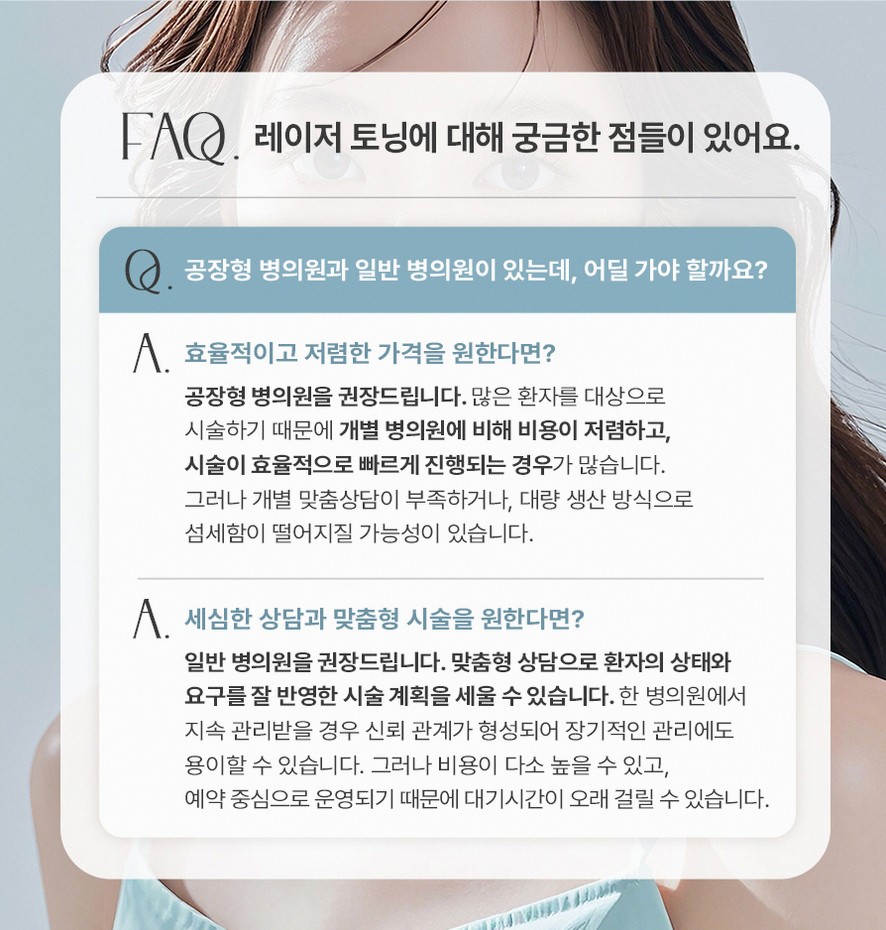
The idea is to treat not only the visible pigment but also the underlying skin environment, which can influence how stable your melasma remains in the future.
Online consultation and pre‑visit preparation for overseas patients
If you are planning to travel to Seoul for melasma and pigmentation treatment, an online consultation before your trip can save time and help you plan your budget.
Before contacting the clinic, prepare the following:
Clear photos of your face in natural light from the front and both sides
Information about when your melasma or spots started and how they have changed
List of previous treatments, including lasers, peels, or prescription creams
Information about any regular medications, especially hormones
Details about your usual sun exposure and skincare routine
During the online consultation, ask about:
Recommended number of sessions for your case
Suggested interval between sessions and minimum stay in Korea
Whether combination treatments are likely to be needed
What is included in the quoted price and what might be additional
Clinics like Clinique hus,hu can often provide a provisional plan and estimated price range based on photos and your history. The final plan is confirmed after in‑person examination and imaging.
Expected visit timeline for treatment in Korea
For overseas patients, a common timeline might look like this:
Short visit (about 1 week): Suitable if you plan to have 1–2 initial sessions and then continue maintenance in your home country. This is more of a trial or starting phase.
Medium stay (2–3 weeks): Allows several sessions at 1–2 week intervals. This is useful if you want to see early changes and set a solid base before returning home.
Longer stay (1–2 months): May be considered if you want to complete a larger part of your initial series in Korea, with close monitoring and adjustments.

Your exact schedule will depend on your skin’s sensitivity, how quickly you can safely repeat sessions, and your travel plans. The clinic will help design a realistic plan so you can make the most of your time in Seoul without over‑treating your skin.
Frequently asked questions
Is laser toning suitable for all types of melasma and dark spots?
Laser toning is suitable for many cases of melasma, freckles, and sun spots, but it is not a universal solution for every type of pigmentation. Superficial freckles and sun spots often respond well. Mixed‑type melasma and deeper dermal pigment may need a combination of toning with other lasers or medical treatments. A proper diagnosis with imaging is essential to decide whether laser toning alone is appropriate or if a combined approach is better.
How many sessions will I need, and when will I see results?
Most patients with melasma need multiple sessions, often at least 5–10, with intervals of 1–2 weeks or 2–4 weeks. Some people notice a brighter tone and softer edges of their patches after a few sessions, but more obvious lightening usually appears gradually over several months. Because melasma is chronic, maintenance sessions and strict sun protection are important even after you see improvement.
Why do melasma and pigmentation laser prices differ so much between clinics?
Prices vary because clinics differ in their devices, experience, time spent per patient, and how comprehensive the program is. A very low price may reflect short consultation times, simple one‑device protocols, and limited aftercare. Clinics that use multiple premium devices, imaging systems, and cellular repair treatments, and that have experienced specialists adjusting settings, often charge more. When comparing prices, always consider what is included and how personalized the plan is, not just the number.
Can laser toning completely remove my melasma?
Complete and permanent removal of melasma is not a realistic expectation. Even with careful laser toning and good skincare, melasma can return or darken again if you have strong sun exposure, hormonal changes, or aggressive treatments. The aim of laser toning is to safely lighten the patches, even out skin tone, and keep the condition as stable as possible over time. Long‑term success depends on ongoing sun protection and periodic maintenance.
How can I know if a quoted price is reasonable for me?
A reasonable price is one that matches the quality of assessment, devices, and follow‑up you receive. When you get a quotation, ask whether it includes doctor consultation, imaging, number of sessions, type of lasers used, and aftercare. Check if the clinic uses up‑to‑date, well‑maintained devices and whether experienced specialists plan your settings. If a price seems very low, ask what may be simplified or excluded. If it is higher, ask what additional value you receive, such as combination treatments or cellular repair support.
Soft call to action
If you are considering coming to Seoul for melasma and pigmentation laser toning and would like a clearer idea of the likely treatment plan and cost, you can arrange an online consultation with a clinic in Cheongdam, Gangnam. By sharing photos and your skin history in advance, the medical team can suggest a personalized approach and an estimated price structure before you book your trip.
Clinics such as Clinique hus,hu, located near Apgujeong Rodeo Station on the Suin–Bundang Line, can provide detailed skin analysis, a range of pigment‑targeting and anti‑aging devices, and programs that focus on both pigment control and cellular recovery. Preparing your questions and expectations ahead of time will help you design a safe, efficient, and cost‑effective plan for your melasma and dark spot treatment in Korea.
- 공유 링크 만들기
- X
- 이메일
- 기타 앱


댓글
댓글 쓰기