Early Signs of Hair Loss You Should Not Ignore
- 공유 링크 만들기
- X
- 이메일
- 기타 앱
Direct answer: what are the early signs of hair loss?
creased shedding or a family history of balding, it is likely more than “normal shedding” and worth a medical scalp evaluation.
Recognizing these signs early gives you the best chance to slow or partially reverse progression with non‑surgical treatments. In Gangnam, Seoul, clinics such as Clinique hus,hu offer structured hair loss programs that combine detailed scalp diagnosis, medical treatment, and cell‑level therapies like autologous exosome hair programs within a broader anti‑aging system.
What counts as early hair loss?
Everyone loses hair every day. A modest amount of daily shedding is normal, especially during washing or brushing. This is part of the natural hair cycle, where some hairs shed while others grow.
Early hair loss means this balance is starting to shift. More follicles are entering the shedding or resting phase, and fewer are actively growing strong, thick hairs. You may not see clear bald patches yet, but density and quality are already changing.
Common patterns include male or female pattern hair loss, where hormones and genetics cause gradual thinning at the crown, along the part line, or at the temples. Diffuse thinning from stress, illness, or nutritional issues can cause overall reduction in volume. Postpartum shedding after childbirth is also common, and usually improves, but sometimes unmasks an underlying tendency to pattern hair loss.
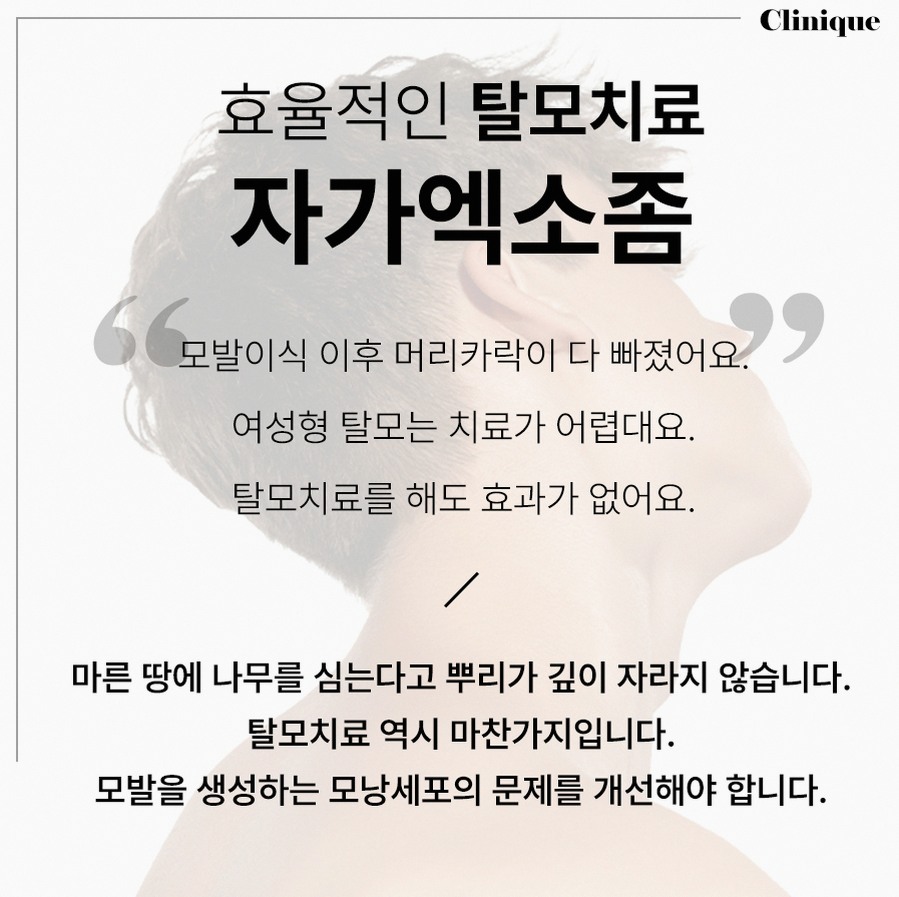
Because these changes are slow and subtle, many people dismiss them as “bad hair days” or aging. By the time the thinning is obvious in photos, miniaturization of hair follicles has often been progressing for years.
Key early signs of hair loss
Visual thinning
One of the earliest clues is how your hair looks in the mirror and in photos. You might see a wider part line, especially at the crown or along the central part. Under bright bathroom lights or sunlight, more scalp may show through than before.
Hair that once looked full may start to look flat and lifeless, even after styling. Ponytails may feel thinner, and you might need to wrap hair ties more times than you used to.
Changes in hairline
In men, early hair loss often starts at the temples. The hairline can gradually move back, forming a more M‑shaped pattern. This change is usually slow and may be easier to see when you compare older photos.
In women, the frontal hairline often stays in place, but the density just behind it can decrease. The area around the part line can look thinner, and baby hairs along the front may seem finer and shorter.
Texture and quality changes
Even before you see clear thinning, individual hairs may become thinner, softer, or more fragile. You may notice more breakage, shorter regrowth hairs that never seem to reach your previous length, or hair that does not hold styles as well.
These changes reflect hair follicle miniaturization: each cycle, the follicle produces a slightly thinner and shorter hair. Over time, this can lead to visible thinning if not addressed.
Shedding patterns
A temporary increase in shedding for a few weeks can be normal, especially with seasonal changes. However, if you consistently see more hair on your pillow, shower drain, or hairbrush for several months, this can indicate early hair loss.
Pay attention to whether this shedding is improving or continuing. Persistent shedding, especially when combined with visible thinning, is a sign to seek evaluation.
Scalp symptoms
Some people notice scalp symptoms together with early hair loss. These may include itching, tightness, tingling, increased oiliness, or dandruff that appears around the same time as thinning.
These symptoms do not always mean hair loss, but they can signal scalp inflammation or imbalance that may worsen shedding if left untreated.
Red flags that need prompt evaluation
Certain signs suggest you should not delay seeing a medical professional. Rapid, patchy hair loss can indicate conditions such as alopecia areata. Sudden diffuse shedding after severe illness, crash dieting, or major stress may be a strong telogen effluvium.
If you have a strong family history of early balding and you begin to see subtle thinning, it is wise to get an early assessment, even if others do not notice it yet.
Self‑check: how to monitor early hair loss at home
Simple home checks
You can start by comparing photos of your hairline and crown taken 6 to 12 months apart. Use similar lighting and angles if possible. Top‑view photos can be especially helpful for spotting crown thinning.
Look at your part line in the mirror under bright light. Has it widened compared to older photos? Is more scalp visible? Notice how often you need to clear hair from your brush or shower drain and whether this has changed over time.
Limitations of self‑assessment
Self‑checks can be useful, but they are not perfect. Lighting, hairstyle, and camera angles can make hair look thicker or thinner than it really is. It is also easy to either overreact or underestimate changes when you are anxious.
Objective tools such as scalp photography, magnified imaging, and density measurements at a clinic give a much clearer picture. A medical evaluation can also rule out underlying health issues that you cannot detect on your own.
Why early diagnosis matters
Hair follicles are living structures. In many common types of hair loss, follicles gradually shrink over time, producing thinner and shorter hairs. This process is called miniaturization.
If miniaturization continues unchecked for years, some follicles may become so weak that they can no longer produce visible hair. At that stage, regrowth is much more difficult.
Early diagnosis allows treatments to target follicles while they still have good potential. Medical and regenerative therapies can help slow or halt progression, preserve existing density, and in some cases improve thickness.
Delaying care often means that more aggressive or invasive options, such as hair transplantation, may be needed later to restore coverage. Even then, the final density may not match what could have been preserved with earlier intervention.
Medical evaluation of early hair loss
What to expect in a consultation
During a specialist consultation, the doctor will usually begin with a detailed history. You may be asked about family patterns of hair loss, recent stress, illnesses, childbirth, changes in weight or diet, and any medications or supplements you are taking.
The scalp and hair shafts are then examined, often under magnification. The doctor looks at density, hair diameter, miniaturized hairs, and any signs of inflammation, scaling, or scarring.
If there is suspicion of systemic causes, blood tests may be recommended to check thyroid function, iron levels, vitamin deficiencies, or hormone imbalances. This is particularly relevant for diffuse shedding or hair loss in women.
Role of imaging and diagnostic devices
Advanced clinics use high‑resolution scalp photography and analysis systems to measure hair density and shaft thickness in specific zones. These images can be stored and compared over time to objectively track progression or improvement.
Multi‑device skin and scalp analysis systems, often used in anti‑aging clinics, can assess not only hair but also scalp condition, such as oiliness, hydration, and microcirculation. This helps design a more precise treatment plan.
Clinic approach in context
In Cheongdam, Gangnam, some aesthetic and dermatology‑based clinics focus on anti‑aging from the cellular level. They may operate in‑house cell research labs and combine multiple energy‑based devices, such as radiofrequency, ultrasound, and laser, to support both skin and scalp health.
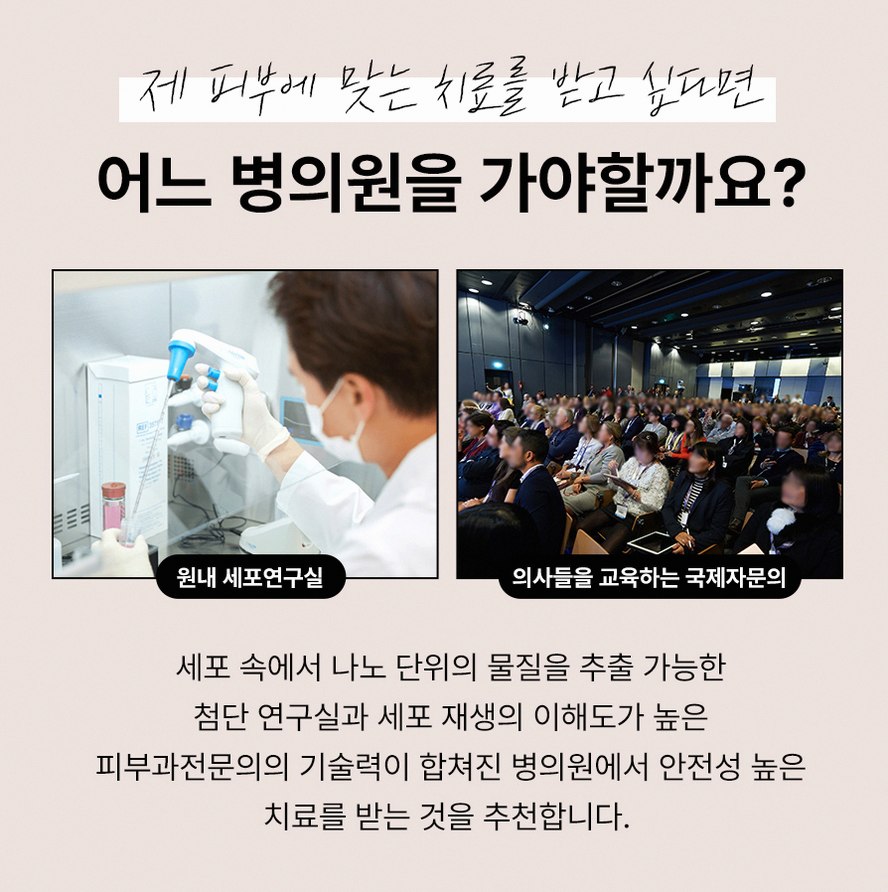
Within this setting, hair loss is not treated as an isolated cosmetic issue but as part of overall tissue aging and cell function. This allows integration of conventional medical therapy with newer regenerative options.
Treatment options for early hair loss
Conventional medical treatments
For many patients with early hair loss, topical medications are used to prolong the growth phase of hair follicles and reduce miniaturization. These are applied directly to the scalp and can be suitable for both men and women, depending on individual factors.
In some cases, oral medications may be considered for pattern hair loss. These can help reduce the hormonal impact on follicles or support hair growth, but they must be prescribed and monitored by a doctor, especially for potential side effects and suitability.
Lifestyle and nutritional support are also important. Managing stress, maintaining regular sleep, avoiding crash dieting, and not smoking all support a healthier hair cycle. Addressing iron or vitamin deficiencies where present can also help.
Procedural and regenerative options
Non‑surgical procedures can complement medical therapy, especially in early stages. Scalp injections using growth factor or DNA‑based solutions may be used to support follicle repair and improve the scalp environment.
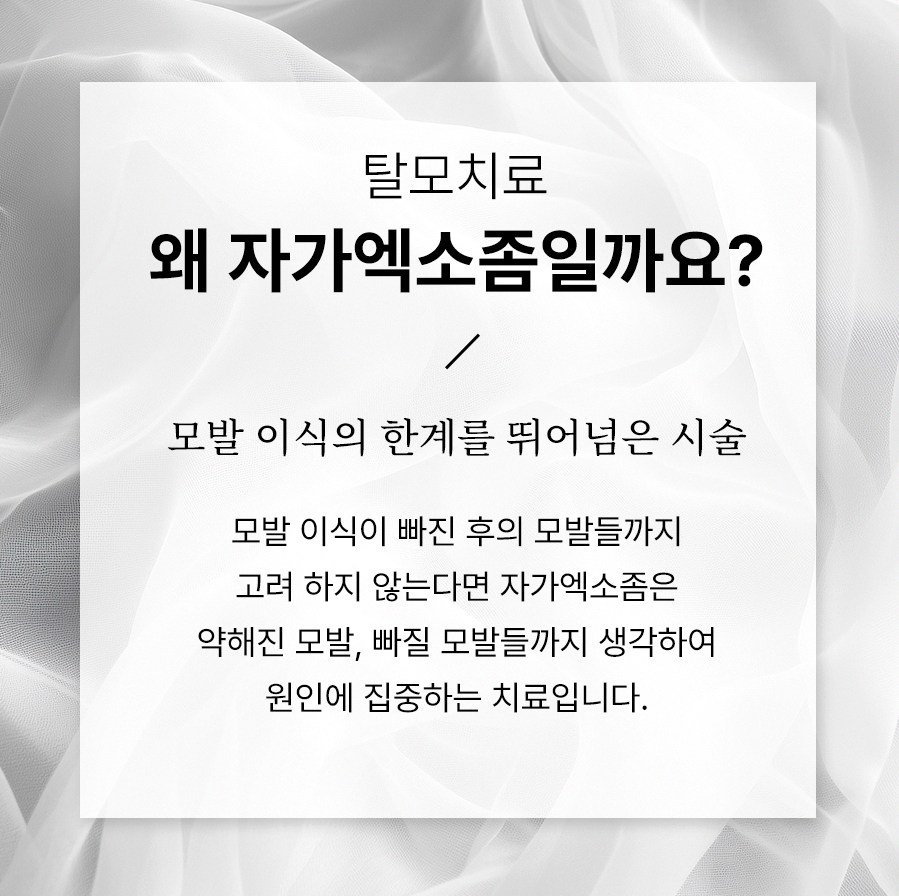
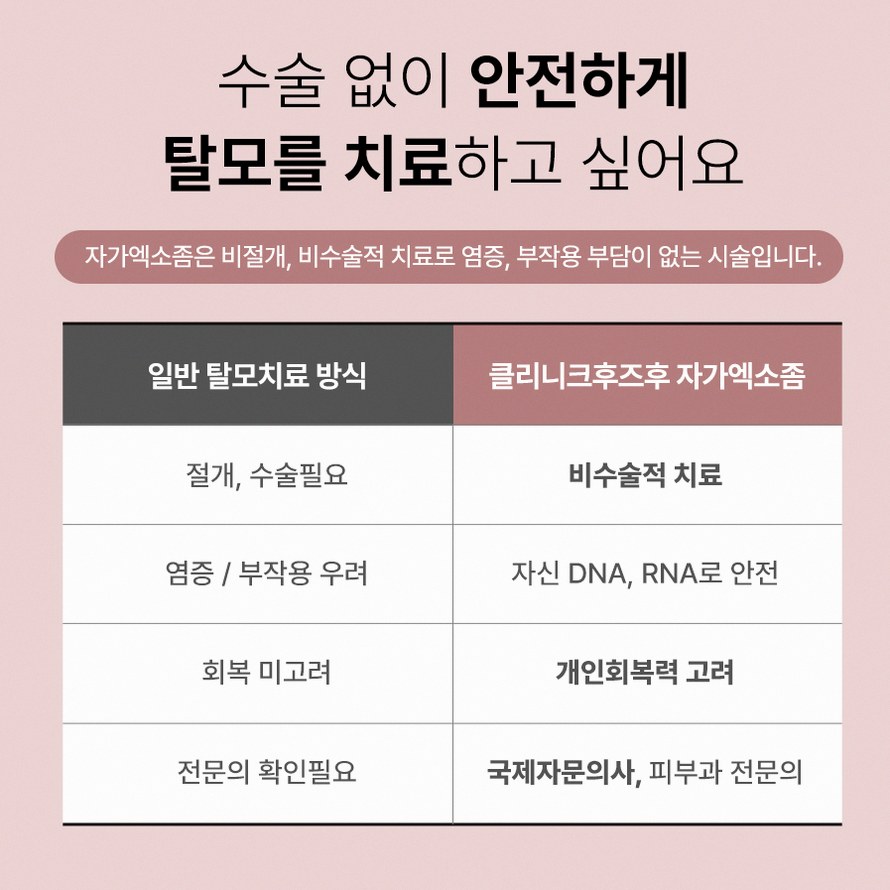
Autologous exosome hair programs are an emerging option. In these programs, exosomes derived from the patient’s own cells are prepared and injected into thinning areas. Exosomes are tiny vesicles that carry signals between cells, and the goal is to support regeneration and communication around hair follicles.
Some clinics also explore stem cell‑related approaches using non‑cultured, autologous methods, aiming to work within existing regulations while focusing on safety.
How a cell‑focused clinic may integrate these
In a cell‑focused anti‑aging clinic, treatment for early hair loss is often multi‑layered. A typical plan might combine topical or oral medical therapy with targeted autologous exosome injections in areas of early thinning.
Diagnostic imaging is used at baseline and follow‑up visits to measure changes in hair density and shaft thickness. Based on these objective data, the treatment plan can be adjusted, such as modifying medication, spacing of injections, or adding supportive scalp treatments.
This structured approach helps move beyond subjective impressions like “my hair feels better” and instead tracks measurable outcomes over time.

Clinic context: how this clinic approaches early hair loss
Clinique hus,hu in Cheongdam, Gangnam, Seoul, is an aesthetic and dermatology clinic that integrates hair loss management into a broader anti‑aging and cell therapy system.
The clinic operates an in‑house cell research lab often referred to as a Recovery Lab, which supports cell‑level programs for both skin and hair. Within this framework, autologous exosome protocols are offered as part of a dedicated hair loss program, aiming to support the scalp and follicle environment; efficacy varies by individual and is discussed during consultation.
A wide range of medical devices for scalp and skin health allows tailored combination therapy when hair loss coexists with issues such as sensitive scalp, excess oil, or redness.
The overall concept emphasizes the difference between simply looking younger for a short time and supporting younger‑functioning cells over the long term. This philosophy is applied to hair follicles as well as facial skin.
Who should consider an early hair loss consultation?
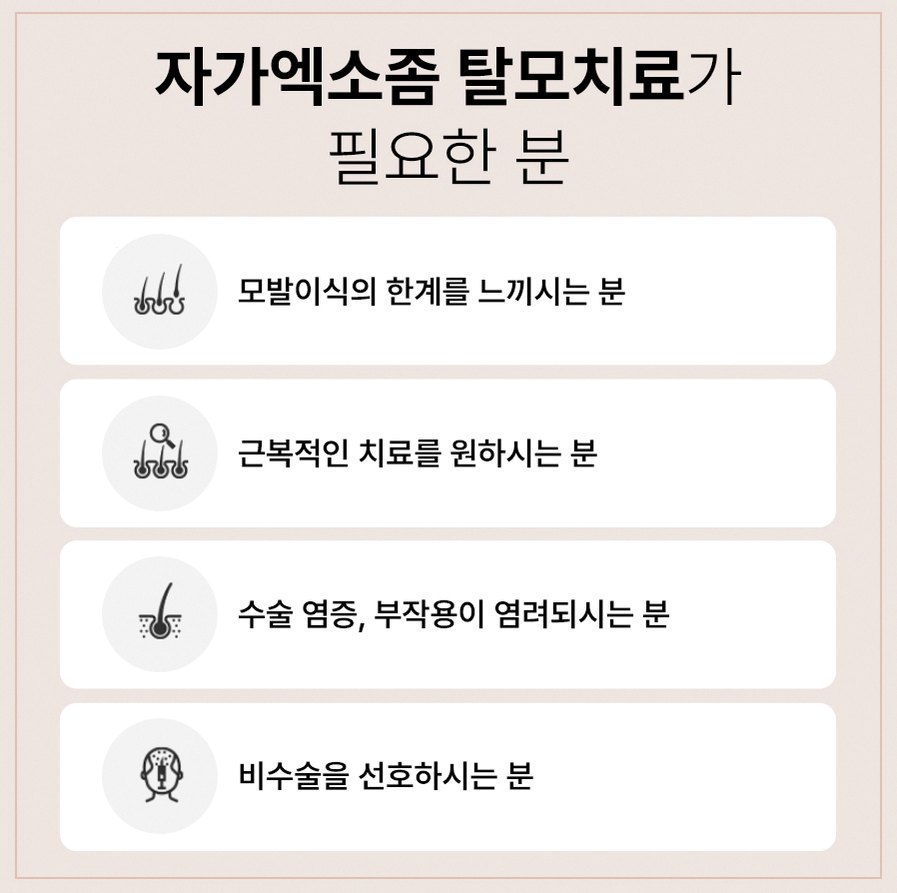
Men in their 20s to 40s who notice temple recession, crown thinning, or a family history of early balding are strong candidates for early evaluation. Acting at this stage can help preserve density before significant loss occurs.
Women who see a widening part, reduced ponytail volume, or chronic shedding that lasts more than several months should also consider a consultation. This is especially important after childbirth, major stress, or hormonal changes.
Anyone with strong anxiety about hair changes, even if subtle, can benefit from a professional opinion. A clear diagnosis can either reassure you that shedding is temporary or guide you to start appropriate treatment early.
Practical tips before your visit
For a more productive consultation, start tracking your symptoms for several weeks. Note how much hair you are shedding, any scalp discomfort, and whether there are triggers such as stress, illness, or new medications.
Collect photos of your hairline and crown from the past year for comparison. Prepare a list of all medications, supplements, and recent health events, including weight changes, surgeries, or infections.
On the day of your scalp examination, avoid heavy styling products, dry shampoo, or scalp camouflage powders. A clean, natural scalp surface allows more accurate assessment.
Write down questions in advance, such as how long treatment might take, what kind of improvement is realistic, how progress will be monitored, and how often follow‑up visits are needed.
Treatment overview for overseas patients
For international patients, non‑surgical hair loss management in Seoul typically focuses on three pillars: accurate scalp diagnosis, medical treatment, and regenerative procedures such as autologous exosome programs.
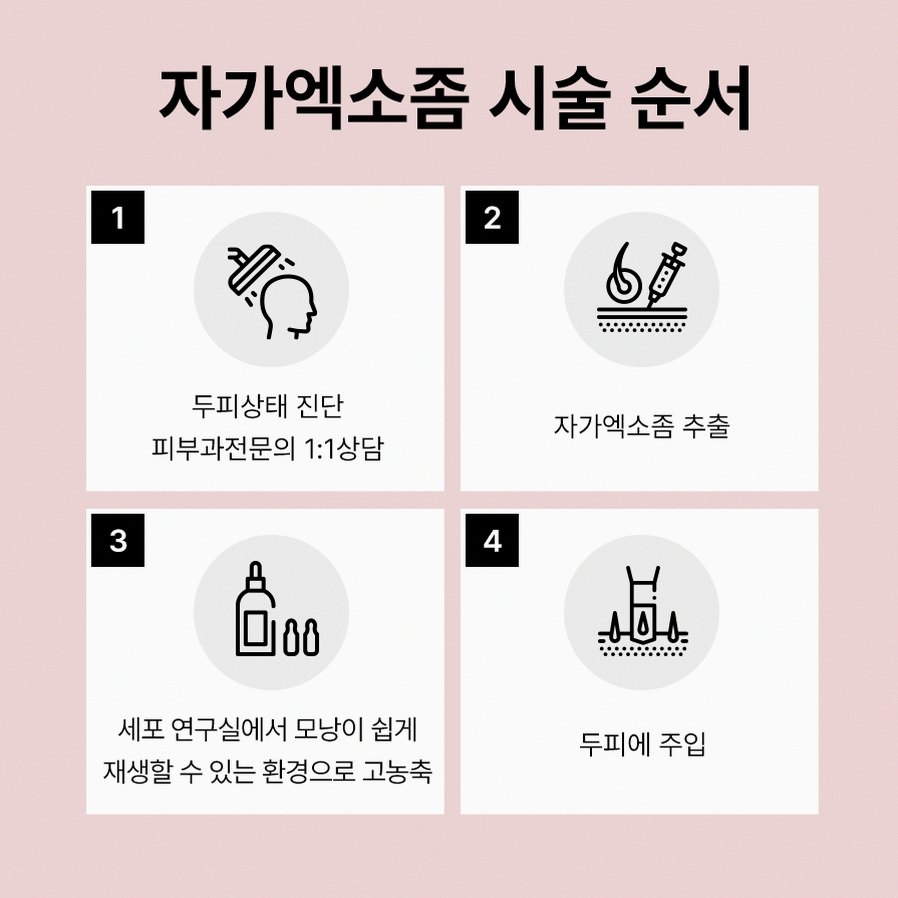
Your first visit usually includes a detailed consultation, scalp imaging, and discussion of your goals. Based on this, the doctor may recommend topical or oral medications, in‑clinic scalp treatments, and a schedule of exosome or growth factor injections.
Expected Korea visit timeline
For early hair loss, many overseas patients arrange short visits. Some are able to complete consultation and diagnostic imaging during the same trip, but exact scheduling and when treatments can begin vary by clinic and individual needs — confirm timing when you book.
On day two or three, a follow‑up check or additional scalp care session may be scheduled, depending on the program design. After returning home, you would usually continue topical or oral treatments prescribed by the clinic, with remote follow‑up using photos and online consultations.
If you choose a series of regenerative injections, the clinic may suggest returning every few months for booster sessions. The exact schedule depends on your condition, travel plans, and how your scalp responds.
Online consultation and pre‑visit preparation
Before you travel, most clinics in Cheongdam, near Apgujeong Rodeo Station, can arrange online or messaging‑based pre‑consultations. You may be asked to send photos of your hairline, crown, and part line under good lighting, along with a brief medical history.
During this pre‑consultation, the team can explain likely treatment options, estimated number of sessions, and how to coordinate care with your schedule in Korea. They may also advise which medications or lab tests to arrange in your home country in advance, if needed.
Having this information beforehand helps you plan flights, accommodation near Galleria Department Store or Apgujeong Rodeo Station, and time off work more efficiently.
Aftercare and long‑term management
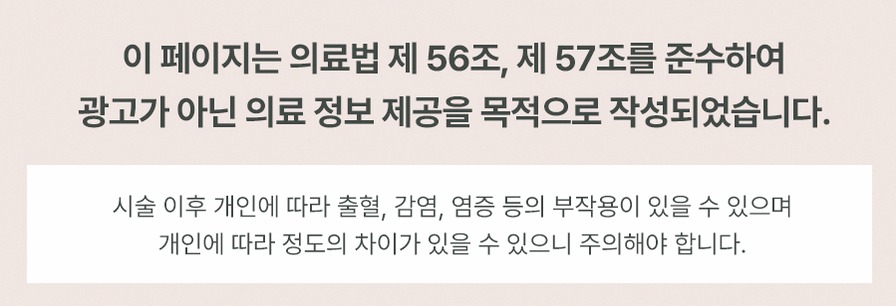
After non‑surgical hair loss treatments, aftercare is usually straightforward, but you should follow the clinic's instructions. You may be advised to avoid harsh scalp treatments, very hot showers, or intense exercise for a short period after injections. Temporary effects can include redness, swelling, bruising, tenderness, or mild discomfort at treatment sites. Depending on the procedure, less common risks may include infection, scarring, pigment changes (for lasers), or vascular complications (for injectable treatments). Individual risks will be reviewed during consultation, and informed consent and specific aftercare guidance are provided by the clinic.
Long‑term success depends on consistency. Medical treatments often require daily or regular use over many months. Regenerative procedures are usually scheduled in a series, with maintenance sessions as recommended.
Regular follow‑up, either in person or online, allows the clinic to adjust your plan based on objective changes in density and your lifestyle. Even if you live abroad, sharing updated photos and symptom notes can help keep your program on track.
FAQs about early signs of hair loss
Is it possible to reverse early signs of hair loss?
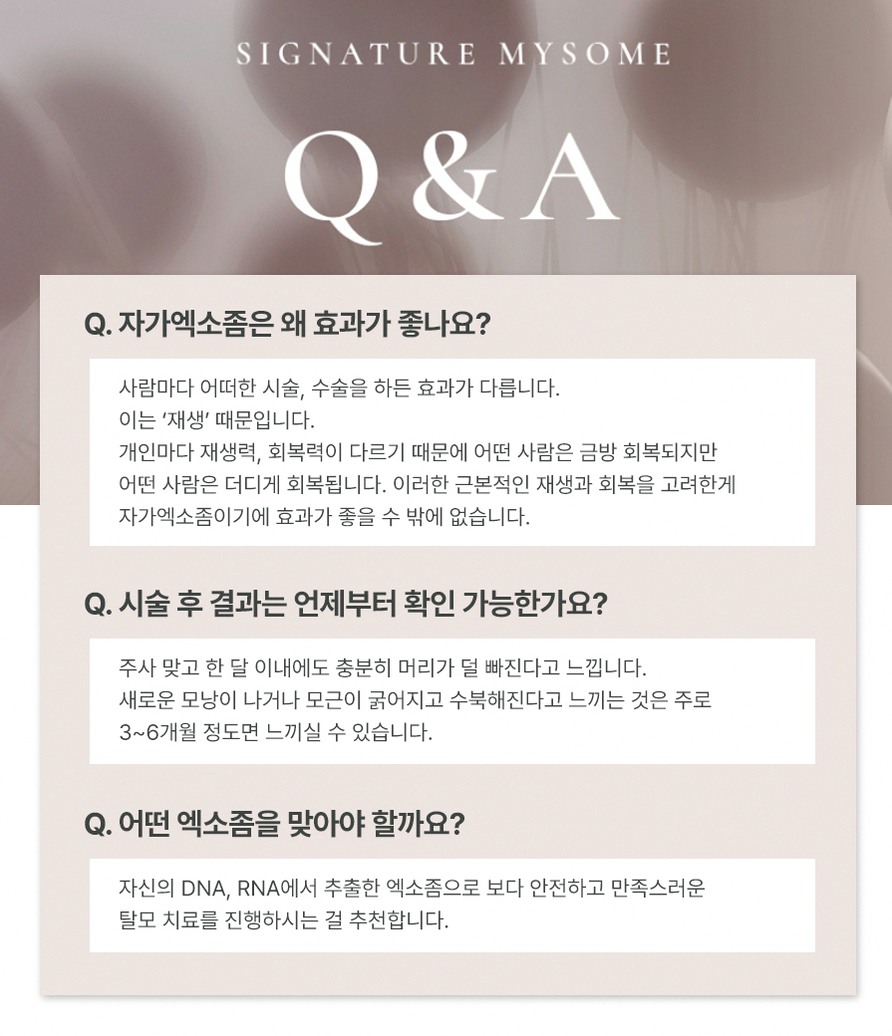
In many cases, early hair loss can be improved or stabilized, especially if treatment starts before extensive follicle miniaturization. Medical therapies and regenerative options like autologous exosome programs aim to support existing follicles and encourage thicker growth.
However, results vary from person to person, and complete reversal to your teenage density is not always realistic. A consultation with a specialist is important to set appropriate expectations and choose the most suitable options.
How long do early hair loss treatments take to show visible results?
Hair grows slowly, so most treatments need several months before clear changes are seen. Visible changes often take several months; some people notice earlier shifts in hair texture or reduced shedding, while others need more time. Individual results and timelines vary, and your clinician will discuss realistic expectations during consultation.
Regenerative procedures may offer earlier changes in texture or volume, but they are still working within the natural hair cycle. Consistency and patience are essential for meaningful results.
Can stress alone cause early hair loss, and will it grow back?
Significant physical or emotional stress can trigger a type of shedding called telogen effluvium, where more hairs than usual enter the resting phase and fall out. In many cases, once the trigger is removed and health stabilizes, hair gradually recovers over several months.
However, stress can also reveal an underlying tendency to pattern hair loss. If shedding continues or you see pattern‑like thinning at the temples, crown, or part line, it is important to be evaluated rather than assuming it will fully recover on its own.
What is the difference between normal shedding and early hair loss that needs treatment?
Normal shedding is usually temporary, with hair volume and density remaining stable over time. You may notice more hair during certain seasons, but it tends to return to baseline within a few months.
Early hair loss often includes persistent shedding plus visible thinning, a widening part, receding temples, or changes in hair quality that do not improve. If these changes continue for more than 3 to 6 months, especially with a family history of hair loss, medical evaluation is recommended.
Are regenerative options like autologous exosome programs safe, and who is a good candidate?
Autologous exosome programs use exosomes derived from your own cells, aiming to support the follicle environment. Because they are autologous, the risk of immune reaction is generally lower than with donor‑derived products, but all procedures carry some level of risk.
Good candidates are usually people with early to moderate thinning who still have many active follicles. A thorough consultation is needed to review your medical history, current medications, and scalp condition before deciding if this approach is appropriate for you.
Do I need a hair transplant if I only have early signs of thinning?
Most people with early hair loss do not need a hair transplant. Non‑surgical treatments are typically recommended first, as they can preserve and strengthen existing hair and may delay or reduce the need for surgery.
Hair transplantation is usually considered when there are stable areas of significant thinning or baldness and a suitable donor area. Early intervention with medical and regenerative therapies may help you maintain enough density to avoid or postpone surgery.
Soft call to action
You do not need to wait for obvious bald spots to take your hair seriously. If you are noticing early signs of hair loss such as a widening part, temple recession, or persistent shedding, a structured, medical approach can make a real difference.
If you are planning a visit to Seoul or considering treatment in Korea, you can arrange an online consultation with a dermatology‑based clinic in Cheongdam, Gangnam, near Apgujeong Rodeo Station. Clinics like Clinique hus,hu offer detailed scalp diagnosis, medical therapy, and cell‑focused programs such as autologous exosome hair treatments, designed to fit into a short stay with long‑term follow‑up.
Reaching out for an online assessment, sharing photos, and discussing your goals is a simple first step toward understanding your options and protecting your hair for the future.
- 공유 링크 만들기
- X
- 이메일
- 기타 앱


댓글
댓글 쓰기