Ellanse Duration: How Long Does It Last And What To Expect In Korea
- 공유 링크 만들기
- X
- 이메일
- 기타 앱
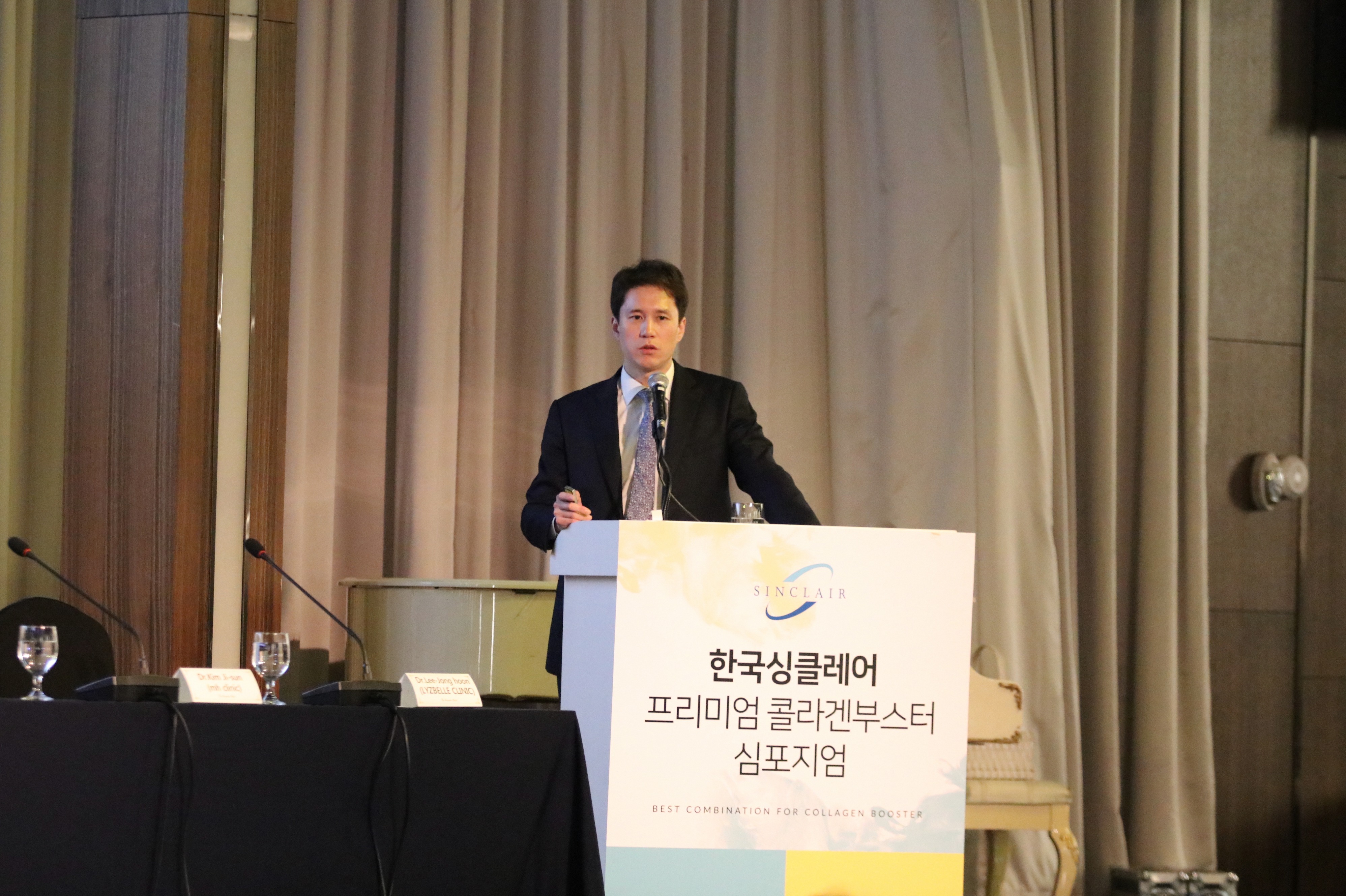
Direct answer: how long does Ellanse last?
Many patients report mid- to long-term results with Ellanse, though duration varies by formulation, treatment area, and individual factors such as metabolism and lifestyle. The initial volume partly comes from a gel carrier that is absorbed over a few months, while Discuss expected duration for your specific case with your clinician.
Because Ellanse works by collagen stimulation, its duration and fading pattern are different from standard hyaluronic acid fillers. Results usually become more stable and natural over several months, then gradually soften rather than disappearing suddenly.
Clinique hus,hu is an anti-aging and facial volume clinic in Cheongdam, Gangnam, near Apgujeong Rodeo Station, that uses Ellanse alongside lifting devices and other volume procedures within a cell-focused anti-aging approach for international patients.
What Ellanse is and how it works
Ellanse is a collagen-stimulating filler. Its active component is polycaprolactone (PCL) microspheres suspended in a gel carrier. The gel gives immediate volume, while the PCL particles act as a scaffold that encourages your skin to produce new collagen around them.
This is different from hyaluronic acid fillers, which mainly work by directly adding gel volume that slowly dissolves. With Ellanse, the visible result is a combination of early gel volume and later collagen formation.
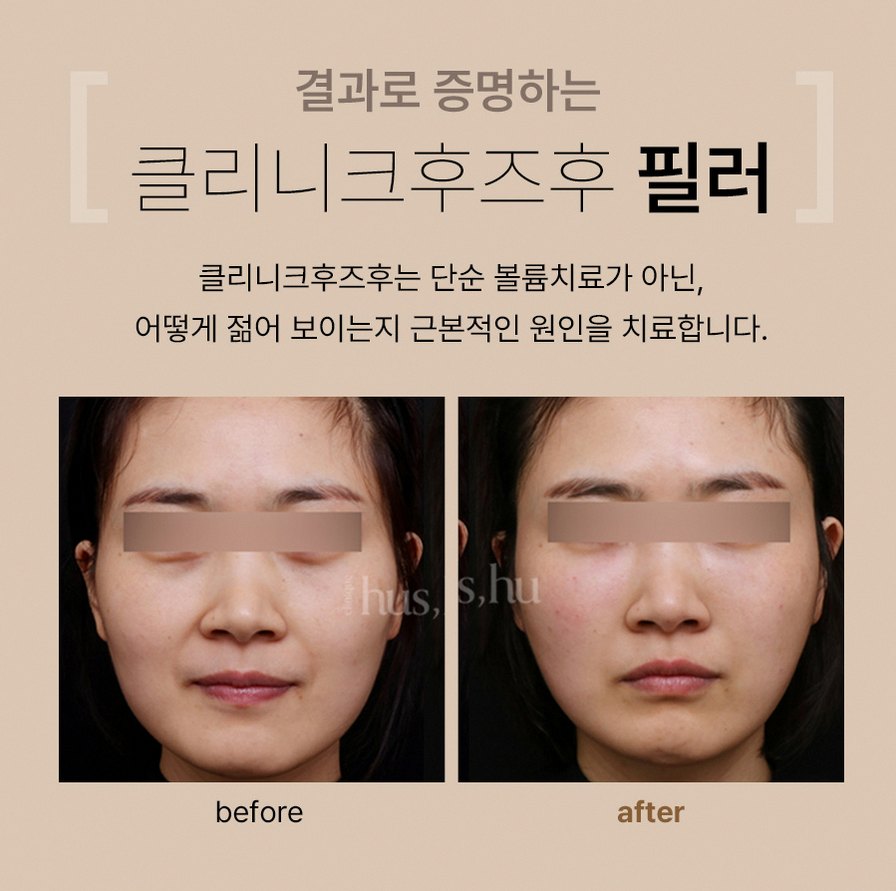
As the gel is gradually absorbed, the new collagen takes over in maintaining facial contours and improving skin texture. This is why Ellanse is often chosen for mid- to long-term volume restoration and anti-aging rather than very short-term changes.
Ellanse duration by type and mechanism
Ellanse is available in formulations intended to provide varying mid- to long-term durations. Your doctor will select the formulation best suited to your goals, age, and treatment area; ask your clinician or review official product information for specifics on each formulation.
In practice, the timeline often looks like this:
First days to 2 weeks: Immediate volume from the gel, plus some swelling. The face may look slightly fuller than the final result.
2 to 12 weeks: The gel begins to be absorbed. At the same time, collagen production increases around the PCL microspheres. Some patients feel that the volume decreases a little before it stabilizes.
3 to 6 months: The most stable and natural-looking phase usually appears. The new collagen supports the tissues, and the result often looks softer and more integrated with your own facial structure.
1 to 4 years: Depending on the Ellanse version, lifestyle, and treatment area, the collagen-supported result gradually softens over this period. There is usually no sudden drop; instead, the face slowly returns toward its natural aging pattern.
Because the new collagen is your own tissue, some subtle improvement in skin quality and support may remain even after the main volumizing effect has faded.
Factors that affect how long Ellanse lasts
Several variables influence Ellanse duration. Understanding these helps you set realistic expectations and plan maintenance.
Individual metabolism and lifestyle
People with a very fast metabolism may break down collagen more quickly, which can shorten the visible duration.
Smoking, frequent sun exposure without protection, and tanning can accelerate collagen breakdown and aging, which may reduce how long Ellanse looks its best.
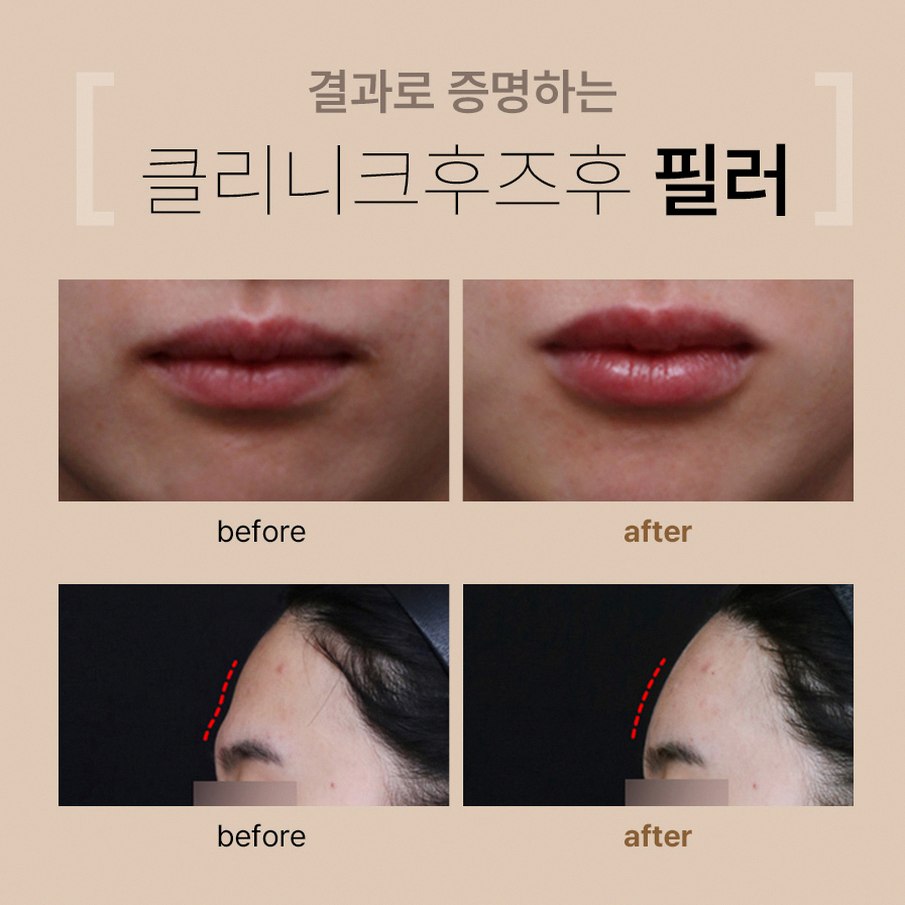
Large weight loss or gain can change facial fat distribution and make the effect look weaker or uneven, even if the collagen is still present.
Treated area of the face
High-movement areas, such as around the mouth or nasolabial folds, tend to show faster softening because facial expressions constantly move the tissue.
Relatively static areas, such as the temples or certain parts of the cheeks, may maintain the effect longer because they are less affected by strong muscle movement.
Injection depth and technique
Ellanse is usually placed in deeper layers to support structure and avoid surface irregularities. The exact depth and plane influence both safety and longevity.
Experienced injectors can use a combination of cannula and needle techniques to place Ellanse where it will support the face naturally and last appropriately, without creating stiffness.
Total amount used and distribution
Using an appropriate amount for your facial structure is important. Too little may fade faster or fail to give enough support. Too much can look heavy, and because Ellanse is long-lasting, overcorrection can be difficult to manage.
Balanced distribution across key support points can help the result age more gracefully, rather than concentrating all product in one small area.
Specific Ellanse version
Shorter-duration versions are often chosen for first-time patients or for areas where flexibility and caution are important.
Longer-duration versions may suit patients who already know they like the effect and want fewer repeat treatments, or for structural areas that change more slowly with age.
Ellanse vs hyaluronic acid fillers: duration and maintenance
Hyaluronic acid fillers and Ellanse can both restore volume and smooth lines, but they behave differently over time.
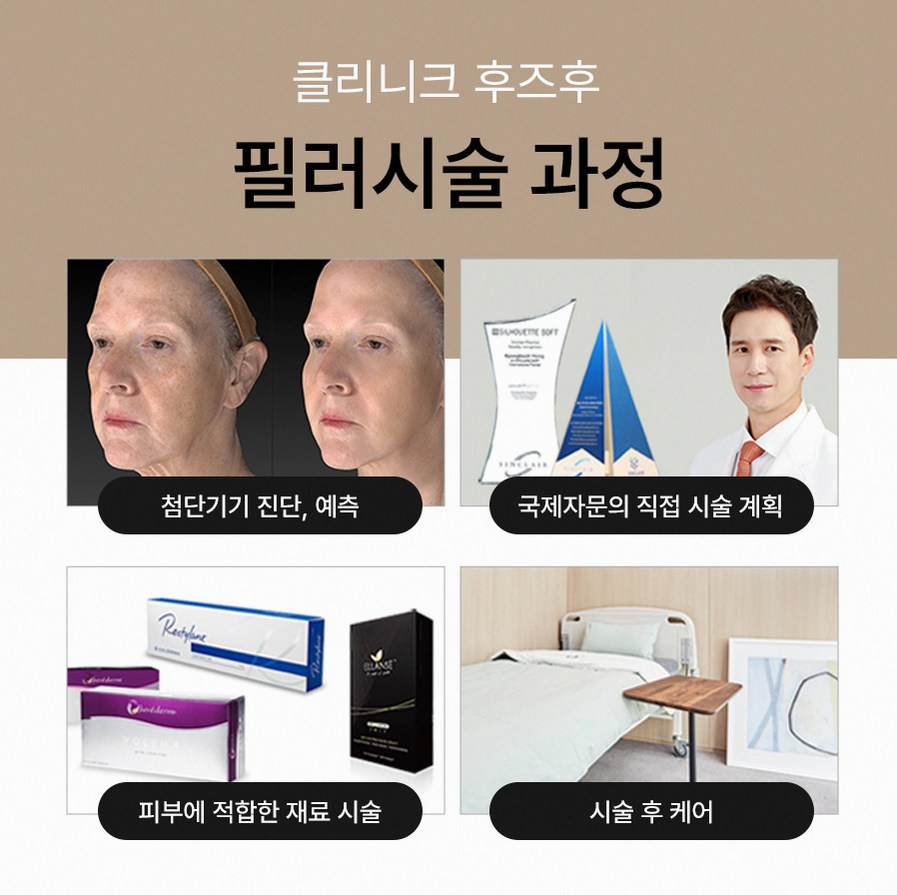
Typical duration
Hyaluronic acid fillers generally last from several months up to around a year, depending on the product, area, and lifestyle.
Reversibility
Hyaluronic acid fillers can usually be dissolved with an enzyme called hyaluronidase. This offers a way to adjust or reverse the treatment if needed.
The PCL microspheres can persist and gradually break down over time, so careful planning and conservative dosing are important.
Maintenance and touch-ups
With hyaluronic acid fillers, many patients schedule maintenance every 6 to 12 months.
With Ellanse, maintenance is often less frequent. Some patients choose small touch-ups or complementary treatments before the result fades significantly, to keep a stable, natural look.
Some people prefer Ellanse to reduce the number of visits and enjoy a more sustained result, while others prefer the flexibility and reversibility of hyaluronic acid fillers. A consultation can help you decide which approach fits your personality and lifestyle.
Timeline of changes after Ellanse treatment
Understanding the typical course after Ellanse helps prevent unnecessary worry.
Immediately after treatment
You see instant volume from the gel and some swelling. The treated area can feel firm or tight, and mild redness or bruising is common.
The face may look slightly overfilled for a few days, especially if swelling is present. This usually settles as the tissues relax.
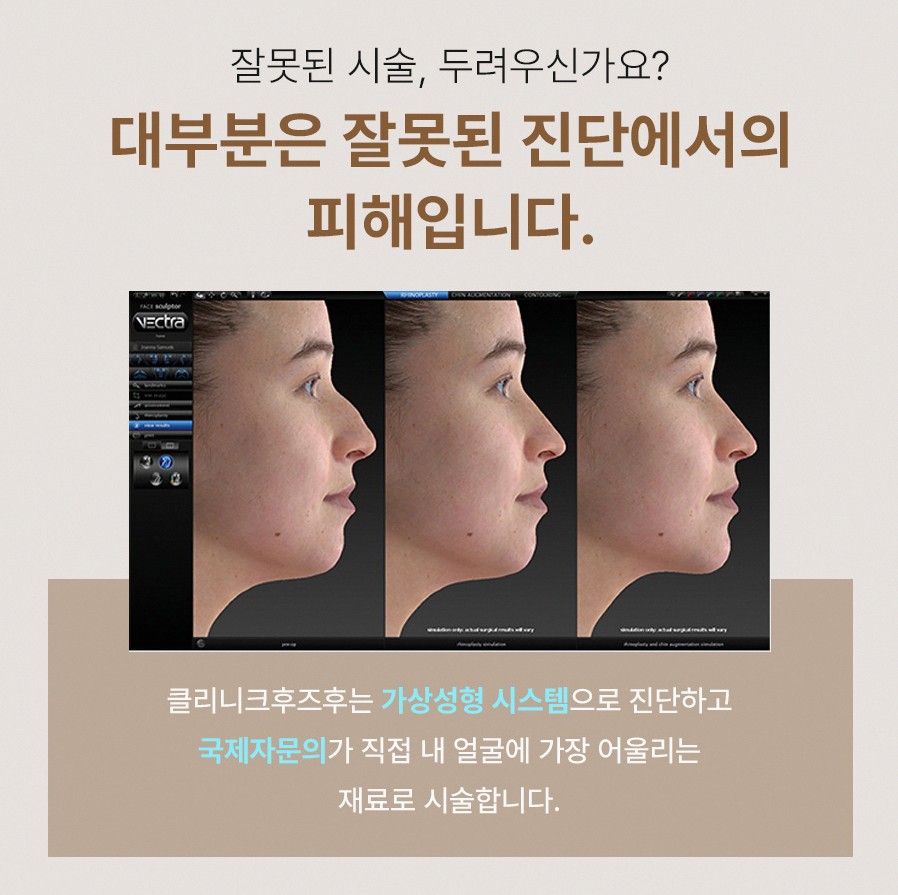
First few weeks
Swelling decreases, bruising fades, and the gel begins to integrate with the tissue.
Some patients feel that the volume reduces slightly compared to the first days. This can be a normal part of the gel absorption process.
1 to 3 months
Collagen production around the PCL microspheres increases. The result often becomes more natural and harmonious with your facial expressions.
If there are small asymmetries or areas that need refinement, this is often the time when your doctor may consider minor touch-ups or complementary procedures.
3 to 12 months
This is usually the most stable phase. The face often looks refreshed, with improved contours and skin support.
You may notice that makeup applies more smoothly and that certain shadows or hollows are reduced.
1 to 4 years
Over time, the PCL microspheres and the collagen they stimulated gradually break down. The effect softens slowly rather than disappearing overnight.
Your natural aging process continues during this period. For many patients, combining Ellanse with lifting or skin-quality treatments helps the overall rejuvenation feel satisfying for longer.
Who may consider Ellanse
Ellanse can be an option for adults who want mid- to long-term improvement in facial volume and contour, and who are comfortable with a filler that is not easily reversible.
Typical candidates include people who:
Notice volume loss in the cheeks, temples, or midface that makes them look tired or older.

Want more structural support along the jawline or in deep folds, rather than only very superficial line filling.
Prefer fewer repeat treatments and are ready to plan their anti-aging strategy over several years.
Are interested in a collagen-stimulating approach that may also improve skin quality and firmness.
Extra caution or alternative options may be needed for people who:
Have a history of severe allergies or autoimmune disease.
Are pregnant or breastfeeding.
Have active skin infections or inflammation in the planned treatment area.
Have unrealistic expectations or are uncomfortable with the idea that Ellanse cannot be quickly dissolved.
A detailed medical history, skin assessment, and facial analysis with a doctor are essential before deciding on Ellanse.
Importance of injector expertise and planning
Because Ellanse lasts longer and stimulates collagen, the planning stage is critical.
Anatomical knowledge
The injector must understand facial anatomy in depth, including blood vessels, fat compartments, and ligaments, to place Ellanse safely and effectively.
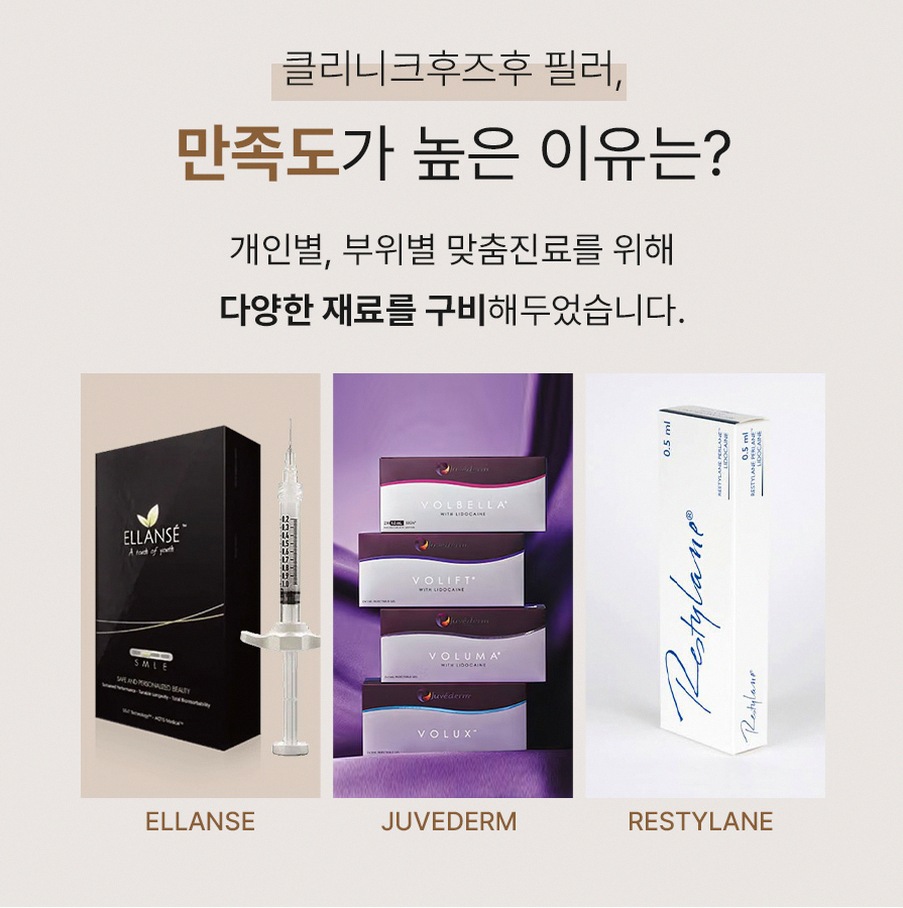
Correct depth and plane help reduce the risk of visible lumps, irregularities, or vascular complications.
Technique and tools
Cannulas can reduce the risk of bruising and may be safer in some areas, while needles allow precise placement in others. Many treatments use both.
Conservative dosing is especially important with Ellanse. It is usually safer to start with a slightly smaller amount and add more later if needed, rather than overfilling in one session.
Combination planning
Clinics that use multiple lifting and energy-based devices, such as ultrasound lifting, radiofrequency tightening, or RF microneedling, can design a plan where Ellanse is just one part of a broader anti-aging strategy.
This approach can reduce the need to rely heavily on filler volume alone, which often leads to more natural and long-lasting results.
Combining Ellanse with lifting and anti-aging treatments
Ellanse works mainly on structure and collagen support. It can be combined with other treatments that target skin laxity, texture, or pigmentation.
Examples of combinations include:
Ultrasound or radiofrequency lifting to tighten deeper tissues and improve jawline definition.
RF microneedling or similar treatments to refine skin texture, pores, and fine lines.
Light-based or topical treatments for pigmentation and overall skin tone.
These combinations do not necessarily change how long the Ellanse itself lasts, but they can extend how long you feel satisfied with your overall appearance. The sequence and timing should be customized by your doctor to avoid interfering with collagen formation.

Online consultation and pre-visit preparation for overseas patients
If you are considering Ellanse in Korea, an online consultation is a practical first step.
Before your consultation, it helps to prepare:
Clear photos of your face from the front, 45-degree angle, and side, in natural light without heavy makeup.
A short list of your main concerns, such as hollow cheeks, deep nasolabial folds, or a tired appearance.
Your medical history, including medications, allergies, previous fillers or procedures, and any chronic illnesses.
Questions you want to ask about Ellanse duration, safety, and maintenance.
During the online consultation, you can discuss:
Whether Ellanse is suitable for your age, skin condition, and goals.
Which areas might benefit most from treatment and which Ellanse version may be considered.
How many sessions are likely, and how they could be coordinated with your travel schedule.
Possible combination with lifting or skin treatments during the same trip or in stages.
Clinique hus,hu offers consultation channels such as phone and messaging apps, and operates with extended weekday hours and Saturday availability, which can help overseas patients coordinate time zones and travel plans.

Expected Korea visit timeline for Ellanse
Many international patients prefer to minimize time away from work or family. A typical visit schedule might look like this:
Day 1: In-person consultation and assessment. Your doctor reviews your facial structure, skin quality, and medical history, confirms the plan, and may perform imaging or photographs.
Day 1 or 2: Ellanse treatment. Procedure time varies by clinic and treatment plan; many sessions are completed in a single appointment including preparation and numbing, but confirm timing during your consultation. Mild swelling or redness is common afterward.
Day 2 to 4: Early recovery period. You can usually do light sightseeing or business, but it is wise to avoid intense exercise, saunas, and heavy alcohol. Swelling and minor bruising may still be visible.
Day 5 to 7: Most people feel comfortable with social activities and photos by this time. Any remaining bruising can often be covered with makeup.
If your schedule allows, a short follow-up visit within 5 to 10 days can be helpful to check symmetry and healing before you leave Korea. If not, follow-up can often be done through online photos and video calls.
Aftercare and long-term maintenance
Immediate aftercare
Avoid pressing or massaging the treated areas unless your doctor specifically instructs you to do so.
Sleep on your back with your head slightly elevated for the first few nights if possible.
Avoid intense exercise, hot baths, saunas, and alcohol for several days to reduce swelling and bruising.
Protect your skin from strong sun exposure and use sunscreen daily to support collagen and skin health.
Long-term care
Maintain a healthy lifestyle with good sleep, balanced nutrition, and no smoking to help preserve collagen.
Use sun protection consistently, as UV exposure is one of the main causes of collagen breakdown.
Schedule periodic check-ups, often every 6 to 12 months, to monitor volume, symmetry, and skin condition. Your doctor may suggest small touch-ups or complementary treatments at these visits.
Follow-up, touch-ups, and realistic expectations
For a long-lasting filler like Ellanse, expectation management is as important as the technical procedure.
It is helpful to discuss in advance:
How much change you want to see immediately versus over time.
Whether you prefer a very subtle, conservative result or a more noticeable rejuvenation.
How your face might change over the next few years and how Ellanse fits into that timeline.
Many patients choose a slightly conservative first session, then adjust with small touch-ups if needed. This approach reduces the risk of feeling overfilled and respects the long duration of Ellanse.
Risks, side effects, and how duration relates to them
Like all injectable treatments, Ellanse has possible side effects.
Common short-term reactions include:
Redness, swelling, and tenderness at the injection sites.

Mild bruising.
A feeling of firmness or tightness in the treated area.
These usually improve within a few days to two weeks.
Less common but important complications include:
Nodules or lumps under the skin.
Asymmetry or irregular contours.
Vascular compromise, where filler accidentally enters a blood vessel and affects blood flow.
Because Ellanse lasts longer than many fillers, prevention is essential. This includes careful patient selection, sterile technique, appropriate injection depth, and immediate management if any signs of vascular issues appear.
Long duration is a benefit only when the result is safe, balanced, and appropriate for your face. This is why choosing an experienced medical team and having a thorough consultation are so important.
Frequently asked questions about Ellanse duration
How long does Ellanse really last in the face?
Most patients experience visible Ellanse results for about 1 to 4 years, depending on the product version, treatment area, and personal factors. The gel carrier is absorbed over a few months, while the new collagen can maintain volume and support for a longer period. The effect usually fades gradually rather than suddenly.
Why does my Ellanse look smaller a few weeks after treatment?
In the first days, you see both gel volume and some swelling. As swelling goes down and the gel begins to be absorbed, the area may look slightly less full. This can be normal. At the same time, collagen production is increasing, and the result often becomes more stable and natural over the next 1 to 3 months. If you are worried, a follow-up check with your doctor is important.

Is Ellanse longer-lasting than hyaluronic acid fillers?
Yes, Ellanse is generally designed to last longer than most hyaluronic acid fillers. While many hyaluronic acid fillers last several months to around a year, Ellanse typically maintains results for 1 to 4 years depending on the formulation and individual situation. However, Ellanse cannot be dissolved with hyaluronidase, so careful planning and realistic expectations are essential.
Can I get Ellanse again after it wears off?
In many cases, Ellanse can be repeated after the effect has softened, if your doctor confirms that your skin and facial structure are suitable. Some patients choose to maintain their result with small touch-ups or combination treatments before the original effect fully fades. The exact timing should be decided after an in-person assessment.
Soft call to action for online consultation
If you are considering Ellanse in Korea and want to understand how long it may last in your specific case, an online consultation can be a helpful first step. By sharing photos and your medical history, you can receive a preliminary assessment, discuss realistic duration, and plan a visit schedule that fits your travel.
Clinique hus,hu in Cheongdam, Gangnam, near Apgujeong Rodeo Station on the Suin–Bundang Line, offers Ellanse and other lifting and anti-aging treatments for international patients. If you have questions about Ellanse duration, candidacy, or treatment planning, you can reach out through the clinic’s consultation channels to discuss options before you book your trip.
- 공유 링크 만들기
- X
- 이메일
- 기타 앱


댓글
댓글 쓰기