Female Hair Loss Treatment Options In Korea With Cell‑Based Care
- 공유 링크 만들기
- X
- 이메일
- 기타 앱
Direct answer summary
Female hair loss can often be improved when it is diagnosed early and treated with a plan that protects existing follicles, calms scalp inflammation, and supports healthier regrowth. In Seoul, some centers focus on non‑surgical, cell‑based programs such as autologous exosome injections, combined with medical scalp care and lifestyle guidance. These programs aim not only to cover thinning areas, but to improve scalp and cell health from within.
This guide explains why women lose hair, how a dermatology‑based clinic in Cheongdam, Gangnam may assess your condition, what autologous exosome treatment involves, and how an overseas patient can plan a visit to Korea and manage aftercare once back home.
Understanding female hair loss
Female hair loss patterns
Female hair loss usually looks different from male hair loss. Instead of a sharply receding hairline or a bald spot on the crown, many women notice:
Overall thinning across the top of the scalp
A wider part line when they style their hair
More scalp showing in bright light or in photos
Reduced volume, so ponytails feel thinner than before
The hairline at the forehead often stays in place, but the density behind it slowly decreases. This can make hair look flat, limp, and difficult to style, even if there are no obvious bald patches.
Common causes in women
Female hair loss is usually the result of several factors acting together. Typical contributors include:
Genetic tendency to thinning hair, often seen in close relatives
Hormonal changes during pregnancy, after childbirth, and around menopause
Stress and lack of sleep, which may push more hairs into the shedding phase
Nutritional issues, such as low iron, low protein intake, or crash dieting
Scalp inflammation, including seborrheic dermatitis or acne‑like scalp problems
Chronic illnesses or major surgeries, which can trigger temporary shedding
Harsh styling habits, including frequent bleaching, perming, tight ponytails, or heat styling
In many women, the hair follicles are still present but are producing thinner, weaker hairs. The goal of treatment is to protect and support these follicles before they miniaturize further.
Why early diagnosis matters
Hair follicles do not disappear overnight. There is usually a long period where they are weakened but still alive. During this time, appropriate treatment may help improve density and slow further thinning.
For this reason, early consultation is important, especially if you notice sudden shedding, rapid widening of your part, or a strong family history of hair loss.
A cell‑focused approach to female hair loss
Clinique hus,hu in Cheongdam, Gangnam, Seoul presents itself as an anti‑aging and dermatology center that emphasizes cell‑level therapies rather than only surface cosmetic procedures. The concept is to address the difference between simply looking younger and actually supporting rejuvenation at the cellular level.
For female hair loss, this means focusing on the health of the scalp skin, hair follicles, and surrounding cells. Instead of only trying to cover thin areas, the clinic’s programs are designed to improve the environment in which hair grows, using autologous exosome injections and related cell‑based care.
How exosomes relate to hair and scalp health
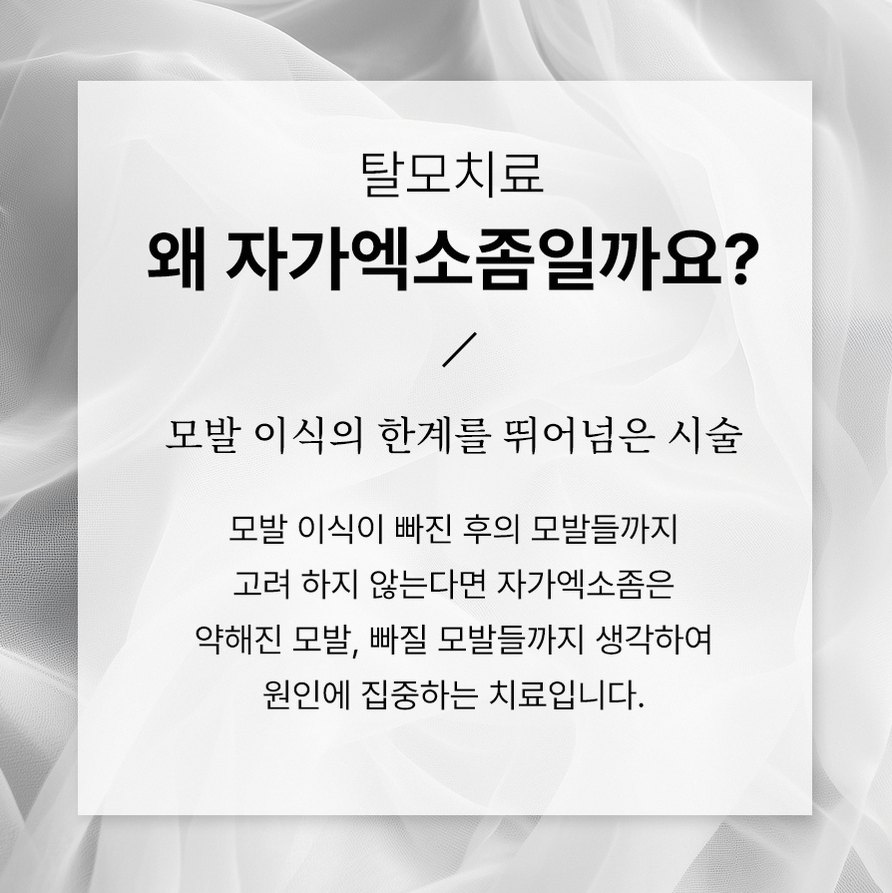
Exosomes are tiny vesicles released by cells. They carry growth factors and signaling molecules that help cells communicate and coordinate repair processes. When prepared and used in a controlled medical setting, exosomes may help:
Support hair follicle activity
Improve microcirculation and nutrient delivery around follicles
Reduce certain types of inflammation in the scalp
Enhance the overall scalp environment for healthier hair growth
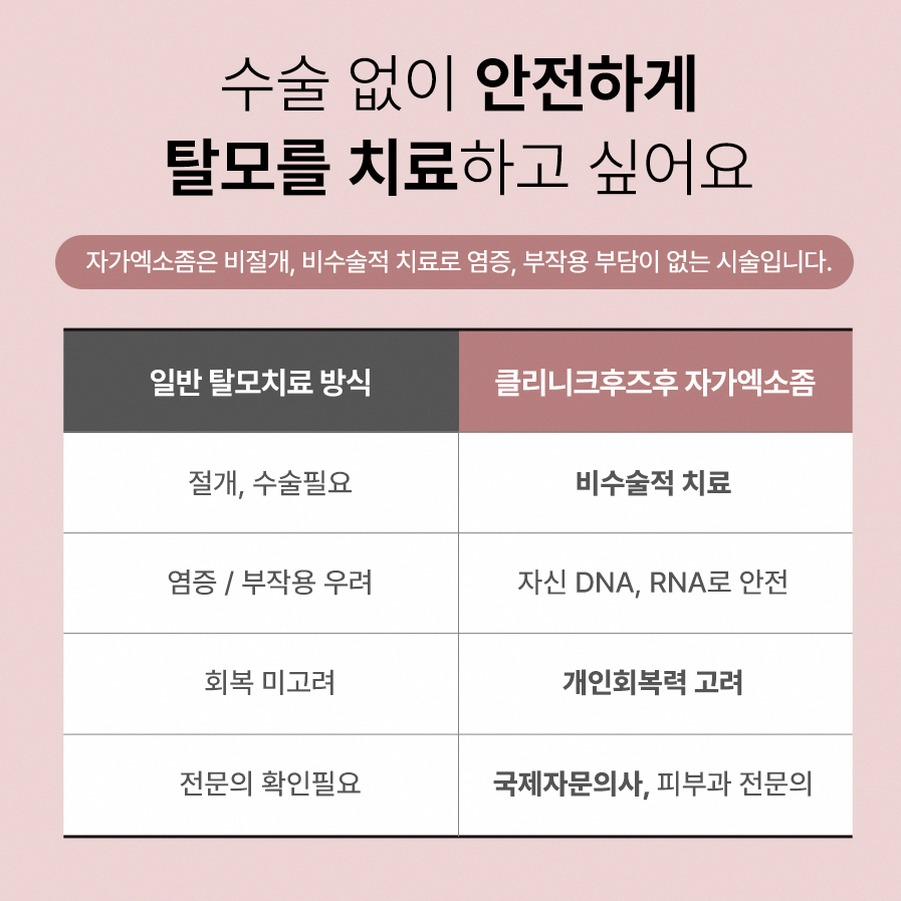
In this clinic’s concept, exosomes are derived from the patient’s own cells (autologous, non‑cultured). Because they come from your own body, they are intended to be more compatible with your immune system and to align with a regenerative, cell‑based philosophy.
Diagnostic and consultation process
Initial evaluation
A typical consultation for female hair loss at a dermatology‑based center in Cheongdam includes several steps:
Medical history review: past illnesses, surgeries, pregnancies, menstrual and menopausal status, and family history of thinning hair.
Lifestyle and stress assessment: sleep patterns, work stress, recent weight changes, and dietary habits.
Medication review: current and past medications, including hormonal treatments, supplements, and any products used for hair.
Scalp and hair examination: visual inspection and magnified imaging to assess hair density, shaft thickness, and scalp condition.
Imaging and diagnostic tools
To understand your scalp and hair in detail, the clinic may use imaging systems that:
Measure hair density in selected areas
Compare hair thickness over time
Document redness, scaling, or signs of inflammation
These images are often used as a baseline so that future changes can be tracked objectively during treatment. This fits into a broader anti‑aging program that looks at skin and scalp health together rather than in isolation.
Evidence‑based, dermatology‑driven care
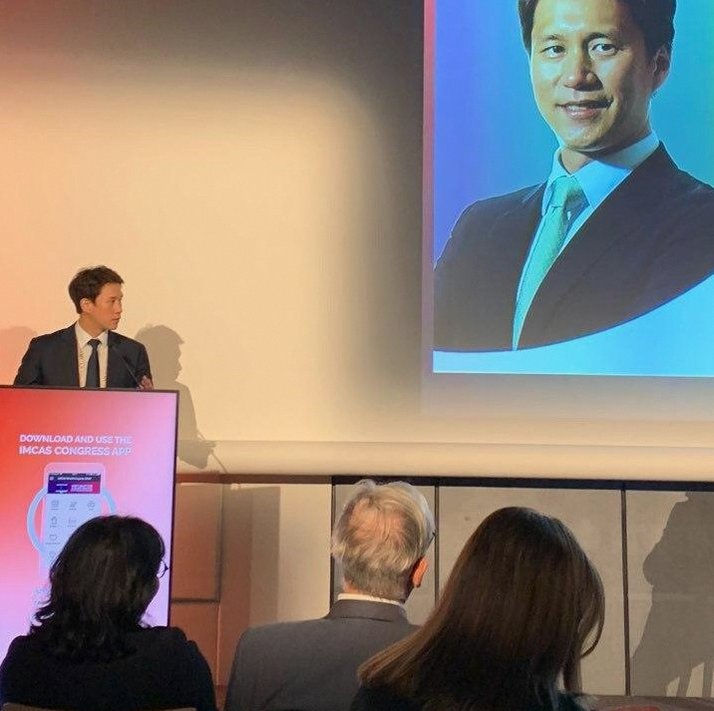
The medical team is described as including physicians with dermatology residency experience and academic backgrounds, with memberships in dermatology, hair, and stem cell societies. One of the lead doctors has published in international dermatologic surgery journals and has lectured at global aesthetic and anti‑aging conferences, particularly on injectables and regenerative techniques.
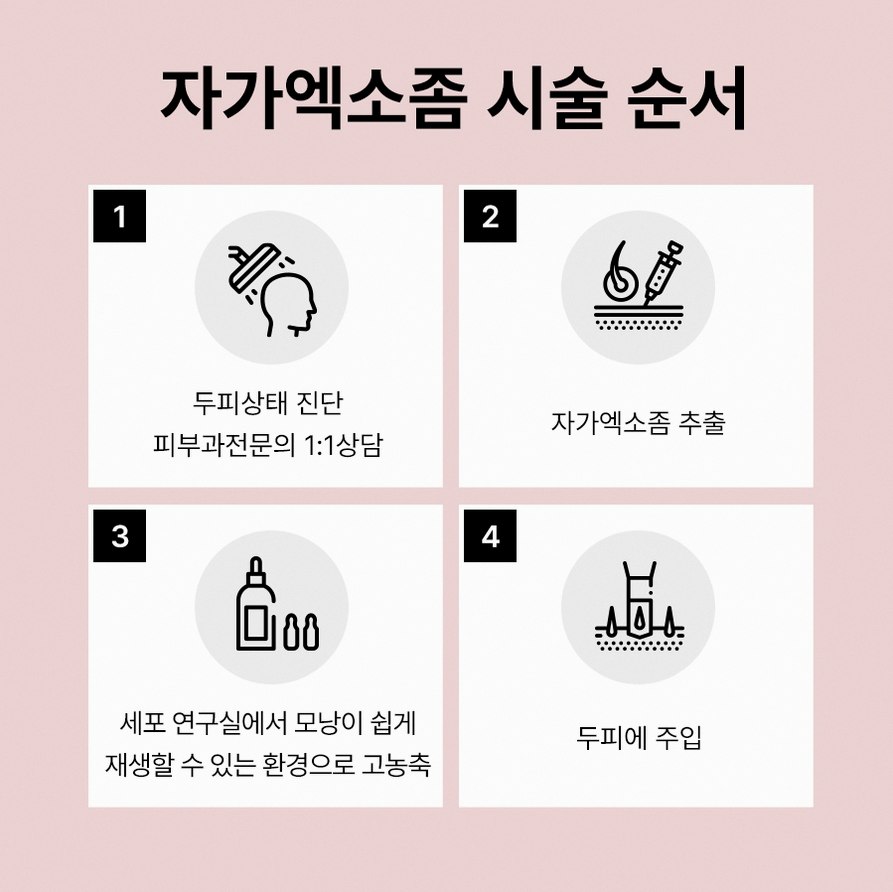
This background supports the clinic’s focus on combining established dermatologic treatments with newer cell‑based methods in a structured, evidence‑oriented way.
Autologous exosome hair program
Core concept
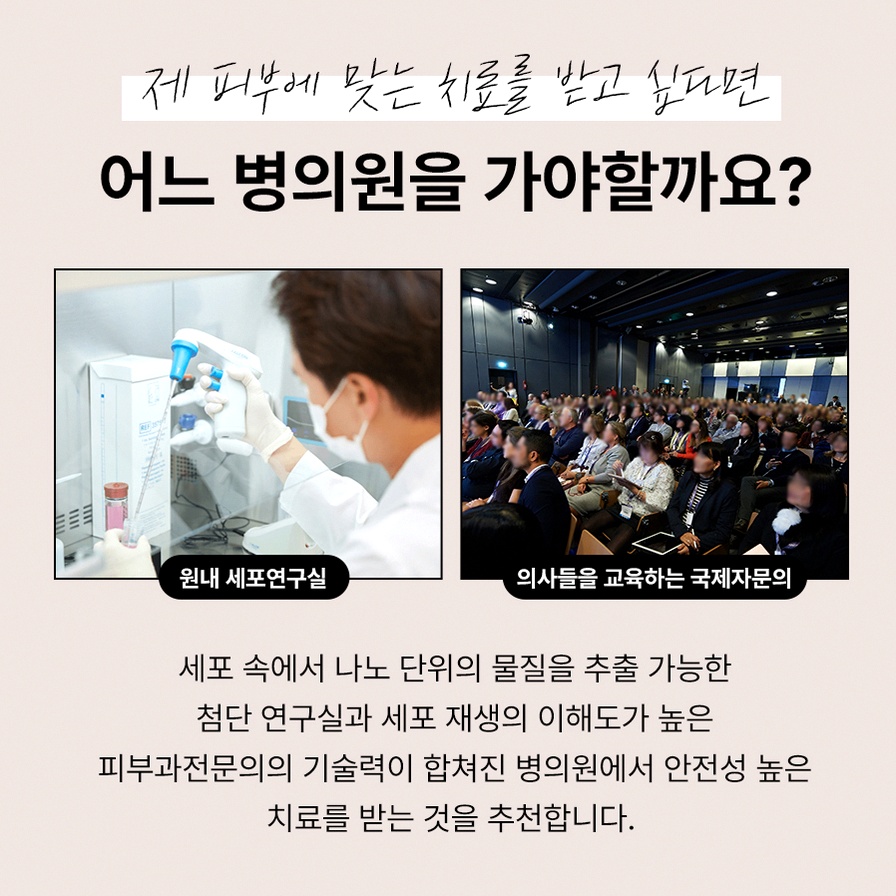
The main program for female hair loss is a non‑surgical, cell‑based approach centered on autologous exosome therapy. In simple terms, this involves:
Collecting a small amount of your own blood or tissue
Processing it in a controlled setting to isolate exosome‑rich components
Injecting the prepared solution into targeted areas of the scalp
Because the exosomes come from your own cells, the treatment is designed to align with your body’s natural repair signals, aiming to support scalp regeneration and hair follicle activity.
Treatment sessions and schedule
Autologous exosome injections are usually performed as a series of sessions rather than a single visit. A typical schedule might involve:
Regular sessions every few weeks during the initial phase
Adjustment of intervals based on your response and schedule
Periodic maintenance sessions once improvement has stabilized
Each session is carried out in an outpatient setting. After cleansing and preparing the scalp, the physician performs multiple small injections in the thinning areas. Mild discomfort or pressure can be expected, but most patients tolerate the procedure without major difficulty.
Integration with medical scalp care
Exosome injections are often combined with other forms of scalp and hair support, such as:
Topical medications to support hair growth
Oral medications or supplements when appropriate
Scalp treatments to manage seborrheic dermatitis, dandruff, or acne‑like lesions
Gentle cleansing and anti‑inflammatory scalp care programs
The goal is to create a healthier environment for hair follicles, not just to deliver exosomes in isolation.
Cell anti‑aging integration
Recovery Lab and in‑house research
The clinic operates its own in‑house cell research lab, referred to as Recovery Lab, which supports and refines its cell‑based therapies. Experience gained from stem cell and exosome‑based anti‑aging treatments for facial and body skin is applied to scalp and hair programs.
This integrated approach means that insights about how cells respond to different preparations, injection depths, and treatment intervals can be shared across both skin and hair protocols, helping to optimize the overall program design.
Beyond surface cosmetics
Many aesthetic treatments focus on surface appearance only. In contrast, this clinic’s concept emphasizes the difference between standard cosmetic procedures and cell therapy. For hair loss, this means that the aim is not just to style or camouflage thinning hair, but to influence the cellular environment that supports hair growth.
Adjunctive dermatologic treatments
Managing scalp inflammation
Scalp inflammation can quietly damage follicles over time. Conditions such as seborrheic dermatitis, psoriasis‑like changes, or folliculitis may cause itching, burning, or flaking. If these are not addressed, they can limit the benefits of any hair growth program.
The clinic may therefore combine exosome therapy with:
Medicated shampoos or topical lotions
Short courses of anti‑inflammatory treatments when indicated
Procedures to gently remove scales and reduce buildup on the scalp
Conventional hair loss medications
For some women, conventional topical or oral medications may be recommended alongside exosome therapy. The exact combination depends on your medical history, pregnancy or breastfeeding status, and tolerance for different drug options.

Technology and equipment
The center owns a broad range of dermatologic and energy‑based devices for skin, lifting, and body programs. While these are not the main focus for hair loss, the same medical infrastructure and safety protocols apply to scalp treatments.
For hair loss, the emphasis is on medically guided, minimally invasive procedures rather than aggressive devices. Any additional technologies are selected to complement, not replace, the core cell‑based concept.
Who may consider this program
Suitable candidates
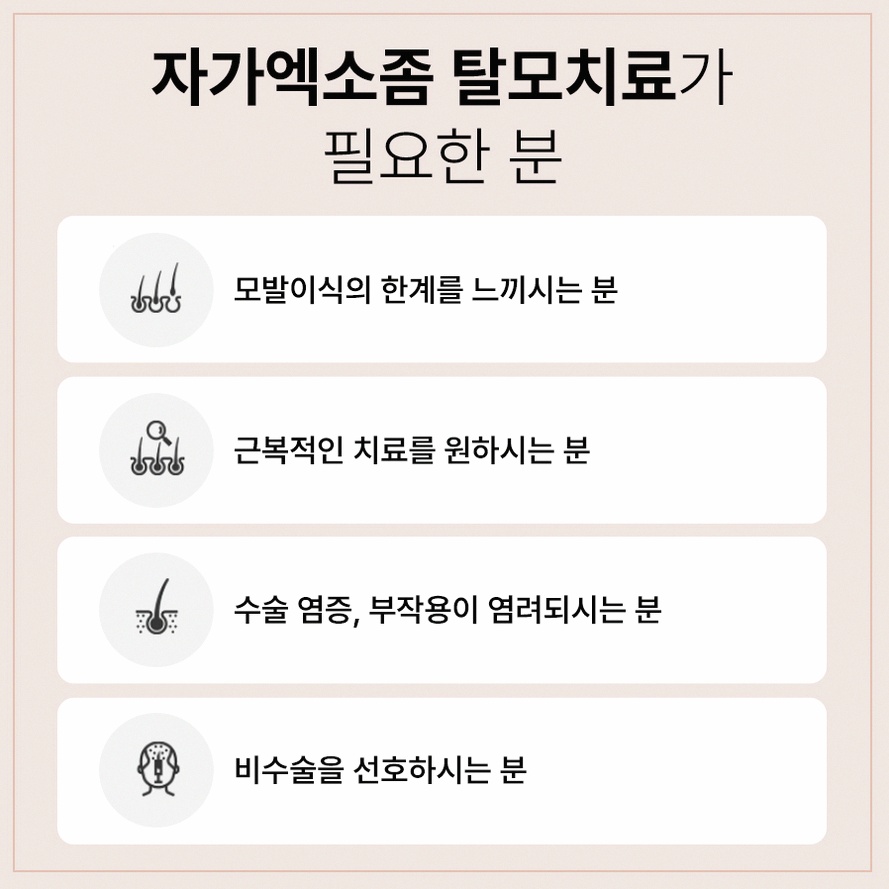
Autologous exosome hair programs may be considered by women who:
Notice early to moderate thinning or a widening part line
Experience diffuse shedding after pregnancy or around menopause
Prefer non‑surgical, minimally invasive options
Are interested in regenerative, cell‑based approaches
Are able to commit to a series of sessions and follow‑up visits
In these situations, the follicles are often still present, and the scalp can respond to improved care and regenerative signals.
When expectations must be cautious
Women with severe scarring alopecia, long‑standing bald patches, or extensive follicle loss may see limited benefit from non‑surgical methods. In such cases, different strategies, including alternative medical or surgical options, may be discussed.
An in‑person medical evaluation is essential to determine whether the remaining follicles and scalp condition are suitable for exosome‑based therapy.
Patient journey for overseas visitors
Step 1: Online consultation and information sharing
Before traveling to Korea, overseas patients are encouraged to arrange an online consultation. During this stage, you may be asked to provide:
Clear photos of your scalp from the front, top, sides, and back
A brief medical history, including any chronic illnesses or allergies
A list of current medications and supplements
Information about pregnancies, childbirth, and menstrual or menopausal status
Details about previous hair treatments or procedures
This helps the medical team estimate whether you are a likely candidate and suggest a provisional treatment plan and visit schedule.
Step 2: Pre‑visit preparation
In the weeks before your trip, you may be advised to:
Avoid starting new hair products or supplements without guidance
Stop certain medications or supplements that affect bleeding, if medically safe and approved by your local doctor
Take photos of your hair in consistent lighting to document your baseline
Prepare questions about safety, downtime, and compatibility with your work or family responsibilities
Having a written list of questions can make your in‑clinic consultation more efficient and reassuring.
Step 3: First visit in Korea
On your first day at the clinic, you can expect:
A detailed consultation with a physician
Scalp and hair imaging to measure density and assess inflammation
Review of your goals and realistic expectations
Confirmation of your treatment plan and schedule
If you and the doctor agree to proceed, your first autologous exosome session may be performed on the same day or the next day, depending on preparation requirements and your travel timetable.
Step 4: Treatment course and follow‑up
Many overseas patients plan a stay that allows for at least two sessions during one trip, spaced by one to two weeks if possible. However, the exact schedule is tailored to your availability and the medical plan.
At each session, your scalp condition is reassessed, and images may be taken to track subtle changes over time. The physician may adjust injection areas, intervals, or accompanying medications based on your response.
Step 5: Long‑term maintenance
After you return home, you will usually continue with topical or oral medications, scalp care routines, and lifestyle recommendations provided by the clinic. Online follow‑up consultations and photo reviews can help monitor your progress.
Some patients return to Korea periodically for maintenance sessions when their schedule allows. Others focus on maintaining results with home care and local medical support, guided by the treatment plan established in Seoul.
Safety, downtime, and recovery
Procedure and immediate effects
Autologous exosome injections are minimally invasive and performed in an outpatient setting. After cleansing the scalp, the physician uses fine needles to deliver the exosome‑rich solution to targeted areas.
Common short‑term effects include:
Mild redness or swelling at injection sites
Tenderness or sensitivity when touching the scalp
Occasional small bruises in sensitive areas
These usually improve over several hours to a few days. Most patients can return to normal daily activities shortly after the procedure, although intense exercise or sauna use may be restricted for a short period.
Potential risks and precautions
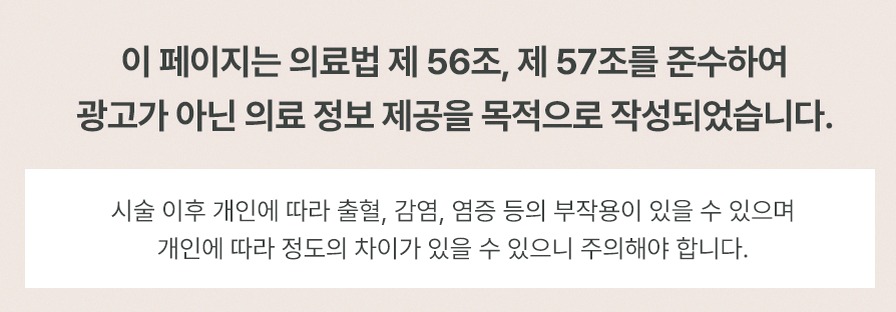
As with any injection‑based procedure, there is a small risk of:
Bruising or localized bleeding
Temporary discomfort or headache
Minor infection if aftercare instructions are not followed
Because the exosomes are derived from your own cells, the approach is designed with compatibility in mind, but individual responses can vary. It is important to discuss your full medical history, allergies, and previous reactions to treatments with the physician before proceeding.
Location and access
The clinic is located in Cheongdam, Gangnam, Seoul, within walking distance of Apgujeong Rodeo Station on the Suin–Bundang Line, near exit 4 in the direction of a major department store district. This area is well known for its concentration of medical and aesthetic centers, as well as shopping and dining options.
Appointments and real‑time inquiries are typically available via phone and major local messaging platforms during daytime and early evening hours. Overseas patients are encouraged to contact the clinic in advance to coordinate consultation times with flight and hotel arrangements.
Aftercare and lifestyle support
Scalp care at home
After treatment, you may receive instructions on:
How soon you can wash your hair
Which shampoos or scalp products to use or avoid
How to protect the scalp from harsh sun exposure
Gentle handling of the scalp, avoiding tight hairstyles, and minimizing harsh chemical treatments are usually recommended to support follicle health.
Nutrition, stress, and sleep
Because female hair loss is strongly influenced by overall health, the clinic may also discuss:
Balanced intake of protein, iron, and essential vitamins
Managing stress through realistic changes in work and lifestyle
Improving sleep quality, which can support hormonal balance and cell repair
These factors do not replace medical treatment but can enhance its impact and help maintain results.
Frequently asked questions
How soon can I see changes after autologous exosome treatment for hair loss?
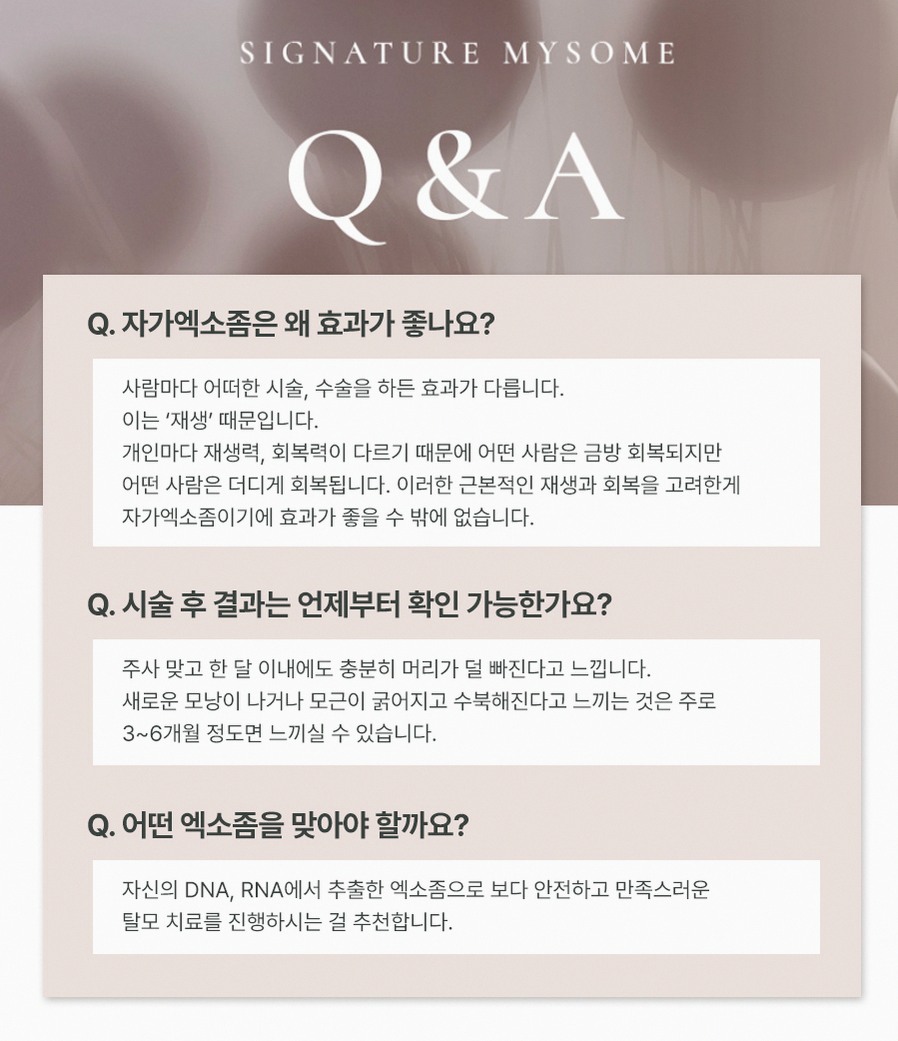
Most women should not expect instant visible regrowth. In the first few weeks, changes are usually subtle and may include reduced shedding or a healthier scalp feel. Visible improvements in density and hair thickness, when they occur, typically take several months, as hair cycles are slow. Regular follow‑up imaging can help detect early changes that are not yet obvious in the mirror.
Is female hair loss reversible without surgery?
In many cases of early or moderate thinning, non‑surgical treatments can improve density and slow further loss. However, if follicles have been inactive for a long time or replaced by scar tissue, full reversal may not be possible. The goal is often to preserve and strengthen remaining follicles rather than to restore a completely original hair volume. An in‑person evaluation is needed to estimate what is realistic for your specific situation.
Can I combine autologous exosome therapy with other hair loss medications?
Yes, in many treatment plans, exosome injections are combined with topical or oral medications, as well as scalp care procedures. The exact combination depends on your health status, pregnancy or breastfeeding plans, and possible drug interactions. Your physician will review your current medications and design a program that balances potential benefits with safety and convenience.
How many trips to Korea will I need for this treatment?
The number of visits depends on your goals, schedule, and how your scalp responds. Some overseas patients plan one extended trip to receive initial sessions and then continue with home care. Others prefer several shorter visits over the year for maintenance. During your online consultation, the clinic can propose a practical schedule based on your travel plans and the recommended treatment intervals.
Soft call to action
If you are noticing thinning hair, a widening part line, or increased shedding, it may be the right time to explore a structured, cell‑based approach to treatment. An online consultation with the medical team in Cheongdam can help you understand whether autologous exosome therapy and integrated scalp care are suitable for you, and how to coordinate a visit to Seoul around your work and family life.
By addressing hair loss as part of overall scalp and cell health, rather than only as a cosmetic concern, you can take a more comprehensive step toward supporting your hair for the long term.
- 공유 링크 만들기
- X
- 이메일
- 기타 앱


댓글
댓글 쓰기