Forehead Filler in Seoul: Longevity & Risks
- 공유 링크 만들기
- X
- 이메일
- 기타 앱
Direct answer summary
Forehead Ellanse refers to reshaping and volumizing the forehead using Ellanse, a collagen‑stimulating filler. It is used to smooth a flat or hollow forehead, soften bony lines, and create a more rounded, youthful contour that blends naturally with the temples and brow. Ellanse is a biostimulatory filler that can provide longer‑lasting structural support in some cases compared with some hyaluronic products; exact longevity varies and should be confirmed with your clinician. It is not easily reversible and treatments should be planned carefully with an experienced injector.
This guide explains how forehead Ellanse works, who might consider it, what to expect when traveling to Korea for treatment, and how to prepare and care for your skin before and after the procedure.
What is forehead Ellanse?
Forehead Ellanse means using Ellanse filler specifically to correct forehead shape and volume. Many people feel their forehead looks too flat, hollow, or bony, which can make the face appear harsh, tired, or older. By placing Ellanse in carefully selected layers of the forehead, the doctor can create a smoother curve, reduce visible ridges, and improve the side profile.
Unlike standard hyaluronic acid fillers, This two‑phase effect can give more durable support and a firmer, structural feel that is often suitable for the broad, curved surface of the forehead.
Because Ellanse is not easily dissolved once injected, forehead Ellanse requires detailed planning, precise technique, and a conservative approach, especially for first‑time patients.
Treatment overview: how Ellanse works in the forehead
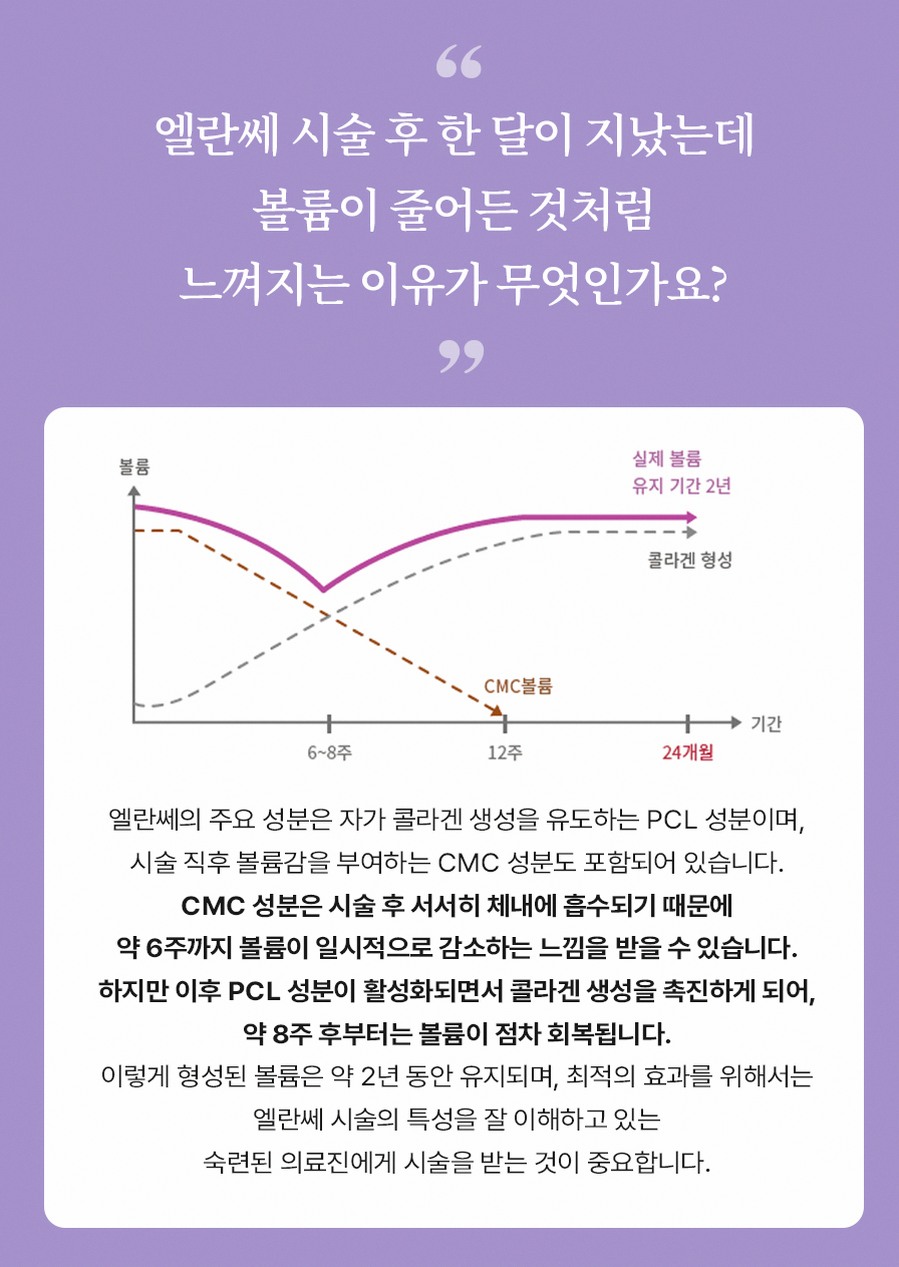
Ellanse is composed of two main components: a smooth gel carrier and evenly distributed PCL microspheres. When injected into the forehead, the gel immediately fills hollows and softens bony lines, so you see an instant change in contour. Over time, your body gradually absorbs the carrier gel.
As the gel is absorbed, the PCL microspheres remain and act as a scaffold that encourages collagen production around them. This new collagen provides ongoing support to the skin and soft tissue, helping the forehead maintain a rounded, youthful shape beyond the initial injection period.
For the forehead, this mechanism offers several potential advantages:
A smoother, more natural curve that follows the underlying bone and soft tissue, rather than a soft, easily displaced gel.
A more stable contour that tends to hold its shape better over time compared with many traditional fillers.
Support that can help soften the transition between forehead, temples, and brow, improving both front and side views.
However, the same properties that make Ellanse stable also mean it cannot be quickly dissolved with an enzyme, as hyaluronic acid can. This is why careful assessment, design, and injection depth are essential.

Who may consider forehead Ellanse?
Forehead Ellanse can be considered by adults who are concerned about forehead shape or age‑related volume loss and who are comfortable with a longer‑lasting, collagen‑stimulating filler.
Common reasons to consider forehead Ellanse include:
A flat or slightly depressed forehead that makes the face look severe or masculine.
Visible bony ridges or indentations that cast shadows and emphasize the skull shape.
Age‑related volume loss that makes the forehead look hollow, with the eyebrows appearing heavier or more droopy.
A desire for a softer, more three‑dimensional upper face without surgery.
Suitable candidates generally:
Are in good overall health and do not have active skin infections or inflammation in the forehead area.
Understand that individual results vary and that Ellanse is not easily reversible.

Prefer a filler that tends to last longer than typical hyaluronic acid products.
Are willing to follow aftercare instructions and attend follow‑up checks if needed.
Who may not be suitable for forehead Ellanse?
Forehead Ellanse is not ideal for everyone. You may not be a good candidate if:
You strongly prefer a filler that can be fully dissolved on short notice.
You have a history of severe filler complications, such as vascular occlusion or extensive nodules, especially in the forehead region.
You have certain autoimmune or connective tissue conditions that may affect healing or collagen response, unless cleared after individual medical assessment.
You have uncontrolled systemic illness, are pregnant or breastfeeding, or have an active skin disease or infection in the treatment area.

In these situations, a doctor may recommend hyaluronic acid filler, other volumizing options, or postponing treatment until your condition is stable.
Consultation and planning at a premium anti‑aging clinic
Clinique hus,hu in the Cheongdam area of Gangnam, within walking distance of Apgujeong Rodeo Station, focuses on advanced anti‑aging and volumizing procedures, including Ellanse. For overseas patients, the consultation is a key step to decide whether forehead Ellanse is appropriate and how it should be performed.
A typical consultation includes:
Facial analysis from multiple angles: The doctor assesses how your forehead connects with your temples, brow, nose, and hairline. The goal is not only to fill hollows but to harmonize the entire upper face.
Shape design: You discuss your preferred forehead style, such as a softly rounded, more feminine contour, a subtle correction that maintains a natural, slightly flat look, or a balanced shape that suits a masculine face.
Medical history review: The doctor reviews previous fillers, surgeries, allergies, medications, and any history of complications. Existing asymmetry or irregularities are noted in advance.
Treatment choice: Based on your goals and medical background, the doctor decides whether Ellanse is suitable or whether a hyaluronic acid filler, energy‑based lifting device, or a staged combination would be safer or more appropriate.
Layer and volume planning: The amount of Ellanse and the depth of injection are planned in detail, such as deep placement near the bone for structural support and more superficial layers for blending and smoothing.

Because the clinic has a strong focus on anti‑aging from the cellular level and experience with volumizing treatments, the plan often includes how forehead Ellanse will work together with your overall facial aging pattern, not only the forehead itself.
How the forehead Ellanse procedure is performed
While exact techniques vary by patient, the forehead Ellanse procedure typically follows these steps:
Cleansing and marking
The skin of the forehead and surrounding areas is thoroughly cleansed. The doctor then marks key anatomical landmarks, intended injection points, and areas to avoid. A target contour line is sketched to guide the smooth curve that will be created.
Anesthesia
To keep you comfortable, a topical numbing cream is usually applied. In some cases, a small amount of local anesthetic is injected at the entry point. Some Ellanse products may include a local anesthetic; confirm the formulation with your clinic or the manufacturer.
Injection technique
Layered injection and molding
Ellanse is injected gradually in small amounts, often starting from deeper layers near the bone to build structure, then moving to more superficial layers to blend and refine. After each pass, the doctor gently molds the product to achieve a smooth, even curve and to minimize the risk of lumps or irregularities.
Final symmetry check and aftercare explanation
You are usually checked in a sitting position to evaluate symmetry and the overall profile. Minor adjustments can be made at this stage. The doctor then explains aftercare instructions, what is normal in the first days, and what symptoms require urgent contact.

Because Ellanse behaves differently from standard hyaluronic acid fillers, experience with this specific product and detailed anatomical knowledge of the forehead are particularly important.
Expected results and longevity
Most patients notice an immediate change after forehead Ellanse due to the gel carrier. Typical early results include:
A smoother, more rounded forehead line.
Reduced visibility of bony ridges and indentations.
A softer transition from forehead to temples and brow, improving both front and side views.
Over the following weeks and months, the collagen‑stimulating effect becomes more relevant. As collagen forms around the PCL microspheres, the forehead contour can feel more stable and integrated with the surrounding tissues.
In terms of longevity, Ellanse is generally considered longer‑lasting than many hyaluronic acid fillers. However, the exact duration depends on several factors, including:
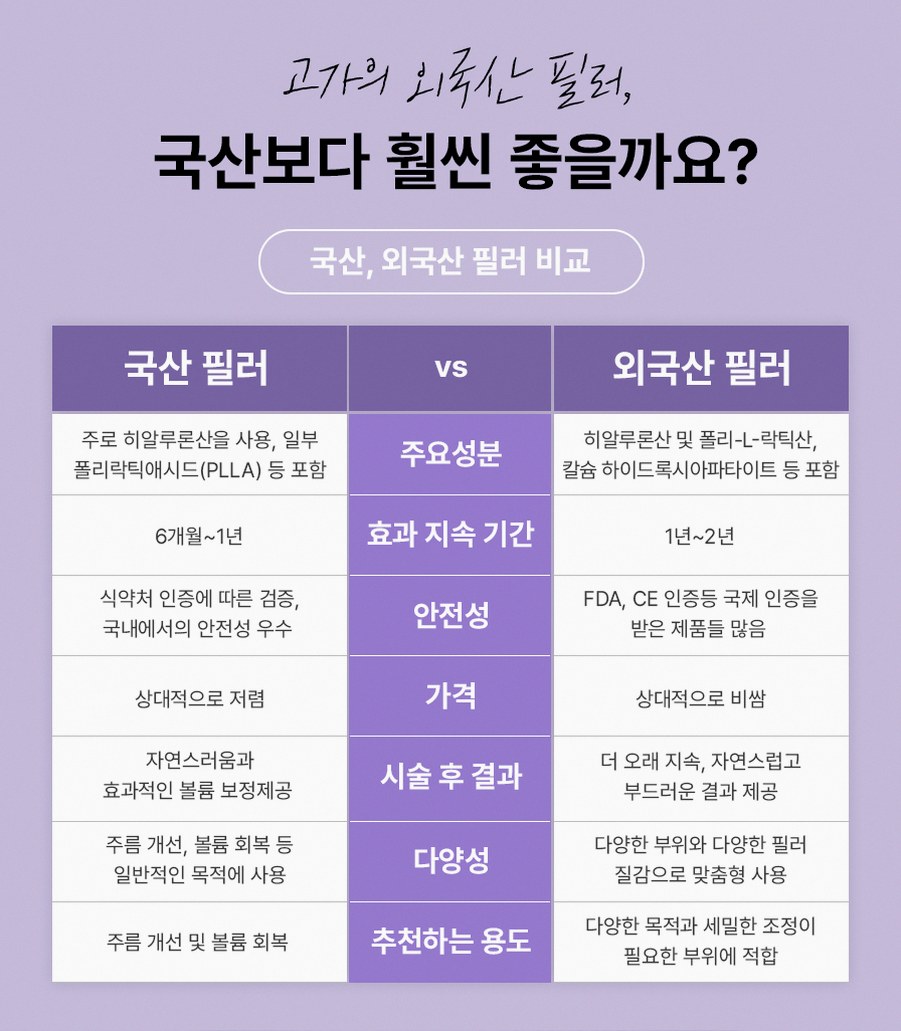
The specific Ellanse product type used.
Injection depth and technique.
Your individual metabolism and lifestyle factors such as smoking, sun exposure, and overall health.
How much volume was placed and whether you combine it with other anti‑aging treatments.
Because of these variables, it is more accurate to think of forehead Ellanse as a longer‑lasting option within the filler category, rather than expecting a fixed number of years.
Safety, risks, and how risks are managed
All injectable fillers carry potential risks, and forehead Ellanse is no exception. Common temporary side effects include:
Redness, swelling, or a feeling of tightness at the injection sites.

Mild tenderness or discomfort when touching the area.
Bruising, which usually improves over several days to about two weeks.
Possible aesthetic issues include:
Asymmetry between the two sides of the forehead.
Over‑ or under‑correction of volume.
Small contour irregularities or palpable threads in the early phase.
Rare but serious complications may include vascular occlusion (blockage of a blood vessel), skin necrosis, or in extremely rare cases, visual disturbances when filler enters or compresses critical vessels. These events are uncommon but must be discussed during consent.
Specific considerations for Ellanse in the forehead include:
It is not easily dissolved. Adjustments usually rely on conservative initial dosing, gentle molding, and natural tissue adaptation, rather than enzyme reversal.
Precise placement away from key vessels is essential, especially in the central and glabellar areas.
To reduce risks, a clinic may:
Use detailed facial assessment and conservative initial volumes, especially for first‑time patients.
Prefer cannula techniques in appropriate areas to lower the chance of vascular injury.
Leverage a wide range of lifting and energy‑based devices to support facial rejuvenation without overfilling.
Provide clear instructions on warning signs, such as sudden severe pain, color changes, or visual symptoms, and how to contact the clinic immediately if they occur.
Forehead Ellanse vs hyaluronic acid fillers
Both Ellanse and hyaluronic acid fillers are used to improve forehead shape, but they differ in several important ways:

Material and mechanism
Ellanse is a collagen‑stimulating filler made of PCL microspheres in a carrier gel. It provides immediate volume and then encourages your body to build collagen around the microspheres.
Hyaluronic acid fillers are gel‑based volumizers that attract water and provide volume as long as the gel remains in the tissue.
Reversibility
Hyaluronic acid fillers can usually be dissolved with an enzyme called hyaluronidase if there is over‑correction, irregularity, or certain complications.
Ellanse is not easily reversed with an enzyme. This makes careful planning and conservative dosing more important, especially for new patients.
Longevity
Ellanse generally lasts longer than most standard hyaluronic acid fillers, thanks to its collagen‑stimulating effect and the slower breakdown of PCL microspheres.
Hyaluronic acid fillers tend to have a shorter duration, though this can vary widely by product type and individual.
Ideal use cases
Ellanse is often chosen by patients who want a more structural, longer‑term improvement in forehead contour and are comfortable with a biostimulatory filler.

Hyaluronic acid fillers may be better for first‑time patients who want to “test” a new shape, people who strongly prefer reversibility, or cases where very subtle, easily adjustable changes are desired.
The best choice is highly individual and should be made after a detailed medical consultation.
Aftercare and recovery for overseas patients
Recovery after forehead Ellanse is usually manageable for international visitors, but it is important to plan your schedule with some flexibility.
Typical recovery course
Mild swelling or a feeling of tightness in the forehead for a few days.
Occasional bruising that can last up to 1–2 weeks, depending on your tendency to bruise.
Slight asymmetry or small irregularities in the first days, which often improve as swelling settles.
Basic aftercare guidelines
Avoid pressing, rubbing, or massaging the forehead unless your doctor specifically instructs you to do so.

Refrain from intense exercise, saunas, hot baths, and heavy alcohol consumption for a short period after treatment, as these can increase swelling or bruising.
Sleep with your head slightly elevated on the first night if you notice swelling.
Use gentle cleansing and avoid strong skincare acids or aggressive treatments on the forehead for several days.
Monitor for unusual pain, sudden color changes, or visual symptoms. If any of these occur, contact the clinic immediately or seek urgent medical help.
Combining forehead Ellanse with other treatments
Forehead volume is only one part of overall facial rejuvenation. Many patients benefit from a combined approach, planned over time.
Possible combinations include:
Lifting devices such as ultrasound or radiofrequency to support the brow and upper face, reducing heaviness without relying solely on filler.
Skin quality treatments, including lasers, skin boosters, or exosome‑based injections, to improve texture, fine lines, and radiance of the forehead and surrounding areas.

Because Ellanse stimulates collagen, clinics with an anti‑aging and cell‑based focus may design a staged plan that respects tissue recovery and avoids overloading the skin with multiple procedures at once.
Online consultation and pre‑visit preparation
For overseas patients considering forehead Ellanse in Seoul, an online consultation is often the first step. Before contacting the clinic, it is helpful to prepare the following:
Clear photos of your face from the front, 45‑degree angles, and full profile on both sides, taken in good, even lighting.
Information about previous fillers, thread lifts, surgeries, or energy‑based treatments in the face, especially around the forehead and temples.
A list of medications, supplements, and any known allergies.
Your main concerns and goals, such as “I want a softer, more rounded forehead” or “I want to correct a hollow area without looking overfilled.”

During the online consultation, you can ask:
Whether Ellanse is recommended for your forehead or if hyaluronic acid might be safer for your first treatment.
How many sessions are likely needed and how they will be spaced.
What recovery time you should plan for before flying home.
Whether other treatments (for example, lifting or skin quality procedures) are suggested and how they would be scheduled.
Expected Korea visit timeline
While exact plans vary, a typical visit for forehead Ellanse might look like this:
Day 1: In‑person consultation, facial analysis, and final treatment planning. If both you and the doctor agree, treatment may be performed on the same day.
Day 2–3: Initial recovery period with mild swelling or tightness. Light sightseeing is usually possible, but avoid heavy exercise and extreme heat.

Day 4–7: Swelling and minor bruising, if present, usually continue to improve. A short follow‑up check may be scheduled to assess symmetry and healing.
After 1–2 weeks: Most visible signs of treatment have settled for many patients. If you have already returned home, you may be asked to send follow‑up photos.
Because each person heals differently, it is wise to allow some buffer days in Seoul after treatment before a long flight, especially if you are concerned about visible swelling.
Frequently asked questions
Does forehead Ellanse look natural, or will my forehead look too big?
When forehead Ellanse is planned conservatively and tailored to your facial structure, the goal is a natural, softly rounded contour, not an exaggerated or overly large forehead. Detailed pre‑treatment design, attention to your profile, and gradual, layered injection help avoid an artificial look. Communicating clearly about how much change you want is important to achieve a result that matches your expectations.
How painful is forehead Ellanse, and how long does the procedure take?
Most patients describe forehead Ellanse as mildly uncomfortable rather than very painful. Numbing cream and local anesthetic are typically used. Some Ellanse products may include anesthetic within the filler itself; confirm the formulation with your clinic or the manufacturer. Procedure times vary; your clinician can provide an estimate for consultation, marking, injection, and aftercare explanation.
When can I wash my face or wear makeup after treatment?
You can usually wash your face gently the same day or the following day, using lukewarm water and a mild cleanser. Avoid scrubbing or pressing the forehead. Light makeup can often be applied after 24 hours, as long as the skin is intact and not overly irritated, but follow your doctor’s specific instructions. Always keep the area clean and avoid heavy pressure when applying or removing makeup.
Can Ellanse be removed if I do not like the result?
Unlike hyaluronic acid fillers, Ellanse is not easily dissolved with an enzyme. Minor irregularities may soften as swelling resolves and tissues adapt, but large changes cannot be quickly reversed. This is why careful planning, conservative initial volume, and choosing an experienced injector are essential. If you are very unsure about a new forehead shape, your doctor may suggest starting with a reversible hyaluronic acid filler instead.

How soon can I get a touch‑up or additional volume if needed?
Touch‑ups are usually considered only after the initial swelling has settled and the early healing phase is complete, which may take several weeks. This allows the doctor to see the true contour and avoid overfilling. Your individual plan will depend on how your tissue responds and how much correction was done in the first session.
Is forehead Ellanse safe for first‑time filler patients?
Some first‑time patients do choose Ellanse, but it is not automatically the best choice for everyone. Because it is not easily reversible and tends to last longer, it is especially important for new patients to have a thorough consultation and to understand the pros and cons compared with hyaluronic acid fillers. In some cases, starting with a reversible filler to “test” the desired shape may be recommended.
Soft call to action
If you are considering forehead Ellanse in Seoul and would like a personalized assessment, you can arrange an online consultation with Clinique hus,hu before planning your trip. By sharing photos, your medical history, and your goals in advance, you can receive guidance on whether Ellanse is suitable for your forehead, what kind of result is realistic, and how to organize your visit and recovery schedule as an overseas patient.
- 공유 링크 만들기
- X
- 이메일
- 기타 앱


댓글
댓글 쓰기