How long do dermal fillers last in Korea?
- 공유 링크 만들기
- X
- 이메일
- 기타 앱
Direct answer: how long do fillers last?
idualized and can vary widely. Remember that reported durations are averages, not guarantees, and facial movement, aging, and other personal factors will affect how long results appear.
For overseas patients visiting Seoul, understanding realistic filler longevity helps you plan your trip, your budget, and your follow-up schedule. This guide explains what affects filler duration and how to plan treatment and aftercare when you are coming from abroad.
What does filler duration really mean?
Dermal fillers are injectable materials used to restore volume, contour the face, or smooth lines in areas such as the cheeks, nasolabial folds, chin, lips, and under-eye region. The most common are hyaluronic acid fillers, and there are also collagen-stimulating fillers that work more gradually.

When people ask how long fillers last, they usually mean how long the visible effect remains, not how long every tiny particle stays in the skin. Even after you feel the effect has faded, small amounts of material may still be present while your body continues to break it down.
It is also important to know that filler duration is not identical for everyone. Even with the same product, the visible duration can vary from person to person and from one injection site to another on the same face. The lips, for example, usually lose volume sooner than the cheeks, even with the same brand and the same visit.
Overview of dermal fillers used for facial volume and contouring
For facial volume and contouring, two broad categories are commonly used.
Hyaluronic acid fillers are gel-like products that attract water and give instant volume. They are widely used for under-eye hollows, fine lines, lips, nasolabial folds, and also for structural areas such as the cheeks, chin, and jawline.
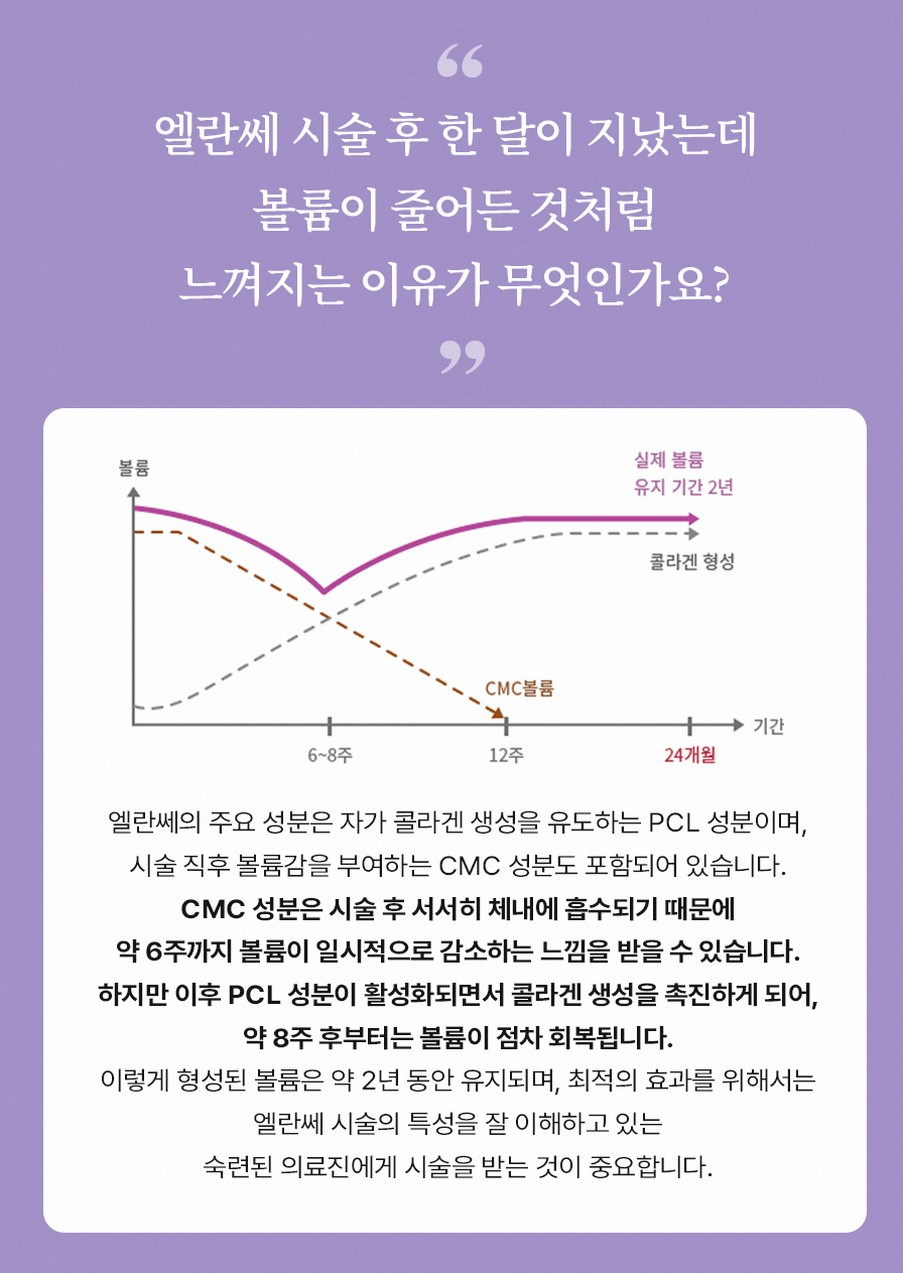
Collagen-stimulating fillers, such as Ellanse and similar products, work differently. They give some initial volume, but their main role is to trigger your own collagen production over time. These are often chosen for patients who want longer-lasting structural improvement and are comfortable with a more gradual change.

In Cheongdam, Gangnam, many professionals and office workers choose a combination approach: hyaluronic acid for fine detail and expressiveness, and collagen-stimulating fillers for deeper support and longer-term anti-aging.
Average duration by filler type
Hyaluronic acid fillers typically provide visible improvement for several months; within that period there can be important differences depending on the product, placement, and individual response.
These products are designed to move naturally with your expressions and integrate softly into thin skin.
Denser, more structured hyaluronic acid fillers used for deep volume in the cheeks, chin, and jawline often last closer to the upper end, around 9 to 12 months, and sometimes a little longer in some patients. These gels are more resistant and are placed deeper to support facial structure.

Collagen‑stimulating fillers often encourage longer‑lasting tissue remodeling than temporary gel fillers, but exact timelines are highly individualized. The new collagen your body builds in response to treatment may persist after the original material is absorbed, yet the degree and duration of visible change vary patient to patient.
All of these numbers are average clinical ranges, not guarantees. Your own result may be shorter or longer, and a good consultation should always emphasize this.
Why the same filler can last differently in different areas
The area of injection strongly influences how long a filler appears to last.
Movement is one of the main reasons. Areas that move a lot, such as the lips and the mouth area, tend to break down filler faster than relatively stable areas like the cheeks or temples. Constant talking, smiling, and eating all put mechanical stress on the filler.
Skin thickness and support also matter. Thin, delicate skin, such as under the eyes, requires softer products and careful placement. In contrast, thicker, more supportive areas like the cheeks and chin can hold structured fillers more firmly, which can help with stability over time.

Blood flow and metabolism in each region play a role as well. Areas with higher blood flow may metabolize filler more quickly. This is one reason why two areas treated on the same day can age differently.
Finally, volume used and injection depth affect duration. Small, very superficial corrections often fade faster than deeper, structural support. A tiny amount placed just under a fine line will naturally soften sooner than a robust layer placed along the cheekbone.
Personal factors that affect filler longevity
Your own body and lifestyle have a strong influence on filler duration.
Individual metabolism is a key factor. People with a faster metabolism or very active lifestyles may see slightly shorter duration, because their body processes and clears materials more quickly.
Age and skin quality also matter. As collagen and elasticity decrease with age, the surrounding tissue may not hold the filler in the same way. This can affect how long results look smooth and natural, even if the filler is still present.

Lifestyle habits such as smoking, frequent intense sun exposure, poor sleep, and unbalanced nutrition can accelerate overall skin aging. This does not necessarily dissolve the filler directly, but it can shorten the time during which the result looks fresh and harmonious.
Previous procedures can have an interesting effect. Repeated treatments in the same area sometimes create a more stable, long-term improvement because of mild collagen stimulation and better tissue support. This is one reason why maintenance treatments can feel more stable over the years.
Technique and product choice: why the injector matters
The skill and planning of the injector have a major impact on both the look and the duration of your filler.
Proper product selection for each area is essential. A softer, more flexible filler is usually better for the under-eye area, where the skin is thin and any irregularity is visible. A firmer, more structured filler is usually chosen for the chin or jawline, where clear contour and support are needed. Choosing the right material helps maintain a natural look throughout the filler’s lifespan.
Accurate placement in the correct layer of tissue can reduce migration and uneven absorption. When filler is placed too superficially or in the wrong plane, it may look lumpy or spread in an unintended way, which can make the result appear to fade unevenly.

Balanced design of the whole face is also important. If only one line or fold is treated without considering the overall structure, there is a higher risk of overfilling that area. As the filler settles and gradually diminishes, this can create an unnatural or “puffy” look. A well-planned treatment uses appropriate volumes and supports the natural anatomy.
At clinics in Cheongdam, including Clinique hus,hu, filler is often planned as part of a broader anti-aging strategy that may also include lifting devices and cell-level treatments. This allows the medical team to use more conservative filler volumes while still maintaining good overall results, which can be especially helpful for patients who want long-term, subtle changes.
Typical duration by common treatment area
Cheeks and midface are often among the longest-lasting areas. The tissue is thicker, movement is moderate, and fillers are usually placed deeper. Many patients notice that cheek volume and midface support remain visible for close to the upper end of the product’s expected range.
Chin and jawline can also show relatively long duration when structured fillers and proper technique are used. These areas benefit from deeper placement along bone and less constant movement compared with the mouth.

Nasolabial folds and marionette lines usually have moderate duration. Movement from talking and smiling, combined with the effect of gravity, means that results may soften earlier than in the cheeks but often last longer than in the lips.
Lips typically have the shortest duration. The tissue is thin, and the lips are in constant motion. Many patients need more frequent touch-ups, sometimes every 6 to 9 months, to maintain the level of fullness they prefer.
Under-eye (tear trough) filler can have good duration, but this area requires very careful product choice and conservative dosing. Because the skin is thin, even small amounts of swelling or irregularity can be noticeable over time. When done well, under-eye filler can remain satisfactory for many months, but long-term follow-up is important.
How to extend the life of your filler safely
While you cannot control every factor, there are practical steps that can help you make the most of your filler.
Immediate aftercare is important. For the first one to two days, most clinics advise avoiding strong pressure on the treated area, intense exercise, saunas, hot baths, and alcohol. These measures help reduce swelling and may support more stable integration of the filler.

Protecting your skin from ultraviolet light is essential. Daily sunscreen and avoiding tanning beds help maintain overall skin quality, which indirectly supports a better and longer-lasting aesthetic result.
Maintaining a relatively stable weight is also helpful. Large weight fluctuations can change facial fat distribution and alter how the filler looks, even if the product itself has not fully broken down.
Combining filler with other treatments is another way to support longevity. Lifting devices and skin-tightening procedures can improve facial structure and skin firmness, so you may need less filler and less frequent top-ups over time.
Finally, planned maintenance is more effective than waiting until everything is gone. Small, periodic touch-ups help keep results stable and natural, and often require less product than a complete re-treatment after total regression.
When should you consider a touch-up or repeat treatment?
Filler does not suddenly disappear overnight. It gradually softens and integrates, so you may not notice the exact moment when it has significantly reduced.
Signs that you may be due for a review include when the treated area looks closer to your pre-treatment state, when makeup starts to settle again into lines that were previously smoother, or when the facial balance you liked right after treatment has diminished.
For hyaluronic acid fillers, many patients schedule a review around 6 to 12 months after treatment. For longer-lasting collagen-stimulating fillers, the review can be later. However, the ideal timing is individual and should be discussed with your clinician.
Rather than trying to judge only in the mirror, a follow-up consultation is helpful. A specialist can compare your current appearance with baseline photos, assess how the filler has integrated, and advise on whether a touch-up, a different technique, or a complementary treatment would be best.
Safety and long-term planning for filler treatments
Safety must come before duration when deciding on fillers. Use of medical‑grade, traceable products stored and handled correctly is essential. Common and important possible adverse events include bruising, swelling, redness, tenderness, asymmetry, and palpable nodules; infection and persistent lumps can also occur. Rare but serious vascular complications may present with severe pain, blanching or unusual skin color changes, or rapidly worsening symptoms — if you experience these signs, contact the clinic immediately. Most side effects are temporary and manageable; your clinician will review risks, aftercare, and emergency steps during consultation.
Safety should always come before duration. Medical-grade products with clear traceability and proper storage are essential. When you are an overseas patient, it is reasonable to ask which brands are used and whether they are approved in major regions.
One advantage of hyaluronic acid fillers is that they can be dissolved with an enzyme if necessary. This reversibility adds a layer of safety, especially for first-time patients or those who are unsure about the exact volume they want.

For longer-lasting collagen-stimulating fillers, precise planning and experienced injectors are particularly important, because these products cannot be dissolved in the same way. Once placed, they rely on your body’s own collagen response, so the design must be carefully thought through.
A long-term anti-aging plan is often more effective than repeated large-volume filler sessions. Combining moderate volume restoration with lifting procedures and skin quality improvement can give a more natural and sustainable result. This approach is common in clinics that focus on cell-level anti-aging and advanced device platforms.
Why some patients feel their filler did not last
It is common for patients to feel that their filler disappeared faster than expected, even when it is within the normal range.
Unrealistic expectations are one reason. For example, expecting a filler with an average duration of 6 to 9 months to look exactly the same for a full year or longer will naturally lead to disappointment.

Initial swelling can also be misleading. Right after treatment, mild swelling and water retention can make the area look fuller than the true filler effect. When this swelling goes down after a few days, some people feel that the filler has already “disappeared,” even though the real result is simply more subtle.
In many modern treatments, the goal is a very natural correction. Changes are intentionally modest, especially for office workers and professionals who want to look refreshed rather than obviously treated. Because of this, the improvement may be less obvious to you over time, especially if you see your face every day.
Finally, changes in surrounding areas of the face can influence your perception. As other parts of the face continue to age, the originally treated area can look different, even if some filler remains. This is another reason why periodic professional review is helpful.
Who may consider filler treatment in Seoul
Women and men in their 20s to 40s often consider fillers for early volume loss, contour refinement, or prevention of deeper lines. Many international patients working in professional environments want subtle changes that help them look less tired or more defined without drawing attention.
You might consider filler if you notice under-eye hollows, deepening nasolabial folds, loss of cheek volume, or a less defined chin and jawline. If you have had filler before and felt it did not last as long as you hoped, a detailed consultation in Cheongdam can help identify whether product choice, technique, or personal factors played the main role.

For those comparing hyaluronic acid with collagen-stimulating fillers, a specialist can guide you based on your age, skin quality, lifestyle, and how often you can travel to Korea for follow-up.
Online consultation and pre-visit preparation for overseas patients
Before traveling to Seoul, it is wise to arrange an online consultation. Many clinics in Cheongdam, Gangnam offer video or photo-based assessments to help plan your visit.
To prepare, take clear photos of your face from the front, 45-degree angle, and side in good natural light. Avoid heavy makeup, and include both neutral and smiling expressions. This helps the medical team understand your facial dynamics and plan filler placement.
Make a list of your previous treatments, including any fillers, energy-based lifting, or other injectables, with approximate dates and product names if you know them. Also note any allergies, medications, and medical conditions.
Prepare questions about how long the recommended fillers usually last, what maintenance schedule is realistic for someone living overseas, and what alternative options exist if you prefer fewer visits.

Expected Korea visit timeline for filler treatment
For most international patients, filler treatment in Seoul can be done within a short stay.
On day one, you will usually have an in-person consultation, facial assessment, and treatment planning. If everything is suitable and you agree, filler can often be performed on the same day. Numbing cream or local anesthesia may be used depending on the area.
Mild swelling or small bruises can appear over the next one to three days. Many patients feel comfortable returning to light sightseeing or work meetings within 24 hours, but you may prefer to keep your schedule flexible.
A quick in-clinic check can be arranged a few days later if your stay allows. If you are leaving sooner, you can instead schedule an online follow-up to review photos and discuss any concerns.
Aftercare and long-distance follow-up
After your filler treatment, follow the clinic’s specific instructions carefully. Common advice includes avoiding heavy exercise, saunas, hot baths, and alcohol for the first one to two days, and not massaging or pressing the treated areas unless your doctor explicitly instructs you.

Use gentle skincare and avoid new or irritating products for several days. If you use makeup, choose light, non-comedogenic products and apply them gently.
For overseas patients, keeping a simple photo diary can be helpful. Take photos at one week, one month, three months, and then every few months. These images are useful for online follow-up consultations and for planning your next visit to Seoul.
If you notice anything unusual, such as increasing pain, significant asymmetry, or skin color changes, contact the clinic immediately, even if you have already left Korea. Most clinics that work with international patients are used to managing long-distance communication and will guide you on the next steps.
FAQ about filler duration and long-term use
How long do fillers usually last?
Most hyaluronic acid fillers last around several months up to about one year, depending on the product line, the area treated, and your individual metabolism. Softer fillers in mobile areas like the lips or fine lines often last closer to the lower end, while structured fillers in the cheeks, chin, or jawline can be closer to the upper end. Collagen-stimulating fillers can often maintain visible results for around 1 to 2 years or more, but this varies by person.

Why does my friend’s filler last longer than mine?
Differences in duration between you and a friend are very common. Individual metabolism, lifestyle, age, and skin quality all influence how quickly your body processes filler. The area treated, the exact product used, and the injection technique also matter. Even if you both say you had “cheek filler,” the details of depth, volume, and product type may be different.
Do fillers last longer if I inject more at once?
Injecting more filler does not mean it will last proportionally longer. Overfilling can create an unnatural or heavy look and may still break down within the same general timeframe. Correct design, appropriate volume, and precise placement are more important for a good, long-lasting result than simply using a larger amount of product.
Can I make my filler last longer with supplements or massage?
There is no scientifically proven supplement that significantly extends filler duration. A healthy lifestyle, balanced diet, and good skin care support overall skin quality, but they do not dramatically change the basic lifespan of the product. Aggressive massage can actually distort or disperse filler, especially in the early period after treatment, so you should only massage if your injector specifically recommends it.
Is it safe to keep getting fillers for many years?
When managed carefully, fillers can be used over many years as part of a long-term anti-aging plan. The key is proper intervals, suitable product selection, and periodic reassessment of your facial structure and skin condition. Working with experienced clinicians who consider lifting, skin quality, and volume together can help avoid overfilling and maintain a natural appearance.
Soft call to action for online consultation
If you are considering filler treatment in Seoul and want realistic guidance on how long your results are likely to last, an online consultation before your trip can be very helpful. You can share your concerns, previous treatment history, and travel schedule so that your visit can be planned efficiently.

Clinique hus,hu in Cheongdam, Gangnam, near Apgujeong Rodeo Station, offers filler as part of a wider anti-aging approach that includes lifting devices and cell-level treatments. If you are comparing hyaluronic acid and collagen-stimulating fillers, or if you felt your previous filler did not last as expected, you can contact the clinic in advance to discuss which options may fit your goals and lifestyle.
This article is for general information only and does not replace a personal consultation with a qualified medical professional. Individual assessment and treatment planning are essential for safe and appropriate care.
- 공유 링크 만들기
- X
- 이메일
- 기타 앱


댓글
댓글 쓰기