How Long Do Facial Fillers Last in Korea
- 공유 링크 만들기
- X
- 이메일
- 기타 앱
Direct answer: how long do fillers last?
fullen) are generally reported to have longer‑lasting effects in some areas—often on the order of roughly 1 to 2 years in clinical experience—though this also varies between patients and products. Lighter, skin‑quality fillers and skin boosters are usually shorter‑acting, with many clinicians observing effects that last for several months. Discuss realistic expectations and timing with your treating physician.
Because duration is influenced by filler type, injection depth, treatment area, and your individual biology, no clinic can promise an exact time. In Cheongdam, Gangnam, Seoul, clinics that focus on anti‑aging and volume planning near Apgujeong Rodeo Station usually design a long‑term plan that includes both the first treatment and realistic maintenance over time.

Treatment overview: what are dermal fillers?
Dermal fillers are injectable materials used to restore lost volume, enhance facial contours, and soften wrinkles or folds. They are commonly used for areas such as the cheeks, under‑eye hollows, nasolabial folds, lips, chin, jawline, and temples.
The most widely used fillers for international patients are hyaluronic acid fillers and collagen‑stimulating fillers. Hyaluronic acid is a substance naturally found in the skin, which attracts water and gives a plump, hydrated look. Collagen‑stimulating fillers work by triggering your own collagen production, creating more structural support over time.
Clinics in Cheongdam often combine different filler brands and technologies, such as Ellanse, Lafullen, Juvederm lines, Restylane, and similar products, to match each facial area and aging pattern.
Basic filler types and their typical duration
Hyaluronic acid fillers
Hyaluronic acid fillers include well‑known brands such as Juvederm (Voluma, Volift, Volbella, Volux and others), Restylane, and similar products. They come in different densities and levels of cross‑linking, which influence how firm they feel and how long they last.

These fillers are commonly used for:
Cheeks and midface volume
Nasolabial folds and marionette lines
Lips and lip border
Under‑eye hollows (tear troughs)
Chin and jawline contouring
Typical duration for hyaluronic acid fillers is about 6–18 months. In general, more highly cross‑linked products placed deeper in the tissue tend to last longer, while softer, more fluid fillers placed near the surface or in very mobile areas fade sooner.
Lips and the area around the mouth move constantly, so filler here may stay closer to the lower end of the range, often around 6–9 months. Cheeks, chin, and jawline are more stable and can maintain results closer to 12–18 months, depending on the product and individual factors.
Collagen‑stimulating fillers
Collagen‑stimulating fillers such as Ellanse and Lafullen use particles that encourage your body to build its own collagen around them. The initial carrier gel is absorbed over a few months, but the new collagen can support the area for 1–2 years or more, depending on the specific product and where it is placed.
These fillers are often chosen for:
Midface volume and cheek contour
Temples and side of the forehead
Jawline definition
Overall facial contouring and structural support

They are usually not used for very fine lines or highly mobile areas such as the lips. Because they create a gradual, structural effect, patients often notice a more stable, long‑lasting improvement compared with some hyaluronic acid fillers, but exact duration still varies by person.
Skin‑quality and fine‑line fillers
Low‑density hyaluronic acid fillers and skin boosters are designed more for hydration and fine wrinkles than for strong lifting or contouring. They are placed more superficially to improve skin texture, glow, and fine criss‑cross lines.
These treatments often last around 3–9 months and may be done as a series, for example every few months, to maintain skin quality. They are popular with international visitors who want their skin to look fresher without obvious volume changes.
All of these ranges are averages, not guarantees. Your own result may be shorter or longer depending on many factors.

How treatment area affects filler longevity
The same filler can last very different lengths of time depending on where it is injected. Movement, skin thickness, and depth all play a role.
High‑movement areas
Lips, nasolabial folds, marionette lines, and the under‑eye area are considered high‑movement or delicate zones. The tissues here are thinner, and the muscles work all day when you talk, smile, eat, or blink.
In these areas, fillers tend to break down more quickly. For example, a hyaluronic acid filler that might last 12–18 months in the cheeks could seem to fade in 6–9 months in the lips. Under‑eye fillers can also appear to change sooner because the skin is very thin and any small shift is more visible.
Low‑movement or structurally stable areas
Cheeks, chin, jawline, temples, and sometimes the nose bridge are more stable and can hold filler longer. In these areas, fillers are usually placed deeper, closer to bone or deep fat pads, where there is less constant motion.
Hyaluronic acid fillers in these zones may stay closer to the upper end of their expected range. Collagen‑stimulating fillers placed in cheeks, temples, or jawline can often maintain visible support for 1–2 years or more.

Ongoing aging changes
Even if the filler is still present, the surrounding tissues continue to age. Skin may become thinner, ligaments looser, and fat pads may shrink or shift. Because of this, the visible effect can seem reduced over time, even before the filler is fully absorbed.
Individual factors that change filler duration
Metabolism and lifestyle
People with a fast metabolism, very active lifestyles, or low body fat sometimes notice that their fillers do not last as long. Intense cardio exercise, for example, may slightly accelerate the breakdown of hyaluronic acid in some individuals.
Smoking, poor sleep, high stress, and frequent heavy alcohol intake can all affect skin quality and circulation. Even if the filler itself lasts a similar time, the overall appearance may age faster, making the effect feel shorter.
Age and skin condition
Younger patients with good skin elasticity often show a smooth transition as filler fades, so they may not notice a sharp “before and after” difference.
Older patients with more volume loss, skin laxity, and deeper folds may see a dramatic improvement right after treatment. As the filler slowly reduces and aging continues, the contrast between the initial result and the current look can feel large, so they may feel the filler “disappeared” quickly, even if some product is still present.

Amount and layering of filler
A very conservative amount of filler can look extremely natural but may appear to fade faster, simply because there was not much volume added in the first place.
Layered treatments over time, such as building cheek volume in stages, can create a more stable base. Once a good structural foundation is in place, smaller maintenance sessions may be enough to keep the result.
Injection technique and depth
Proper depth and placement help the filler integrate smoothly with your tissues and maintain its shape. When the technique matches your anatomy and the product choice, the filler often looks good for longer.
If the depth or plane is not ideal, the filler may absorb unevenly, create small irregularities, or lose its effect sooner than expected. This is one reason why experience with facial anatomy and product selection is important.

Why filler duration often feels shorter than expected
Filler still present vs. visible effect
There is a difference between how long the filler material remains in your tissue and how long you see the improvement.
Even when some filler is still present, gravity, ongoing fat loss, and skin changes can reduce the visible lift or smoothing. Many people also compare their appearance to the first week after treatment, when there is maximum volume and sometimes mild swelling, which makes the result look stronger than it will at its stable phase.
Adaptation to your new look
The brain quickly adapts to a new appearance. What looked very different in the first month becomes your “new normal” after a while. As you get used to it, the change feels less dramatic, and you may think it has faded, even if photos show that some effect remains.
Expectations from online reviews and social media
Online, you may see claims such as “this filler lasts three years” or “one treatment and you are done for life.” In reality, those statements usually describe best‑case scenarios, specific product types, or certain low‑movement areas.
Your own duration depends on your anatomy, lifestyle, and the exact product and dose used. A personalized consultation is more reliable than generic numbers from the internet.

Who may consider fillers in Cheongdam, Gangnam
International patients come to Cheongdam in Gangnam, Seoul, for fillers when they want subtle but noticeable improvement without surgery. You may consider a filler treatment if you:
Notice flattening of the cheeks or midface
See deeper nasolabial folds or marionette lines
Have under‑eye hollows that make you look tired
Want more definition in your chin or jawline
Wish to enhance lip shape or volume in a natural way
Patients who plan their trip with realistic expectations about filler duration and maintenance are usually more satisfied. They understand that fillers are part of an ongoing anti‑aging strategy rather than a permanent, one‑time fix.
Safe maintenance and retreatment timing
General guidance for follow‑up
Many clinics commonly recommend a review within roughly 6–12 months for hyaluronic acid fillers and around 12–24 months for collagen‑stimulating products, but exact timing depends on the specific product, the area treated, the amount injected, and your individual response. At this visit your doctor can assess how much volume remains and whether a small touch‑up or a new session is appropriate; always follow the follow‑up schedule and advice given by your treating physician.
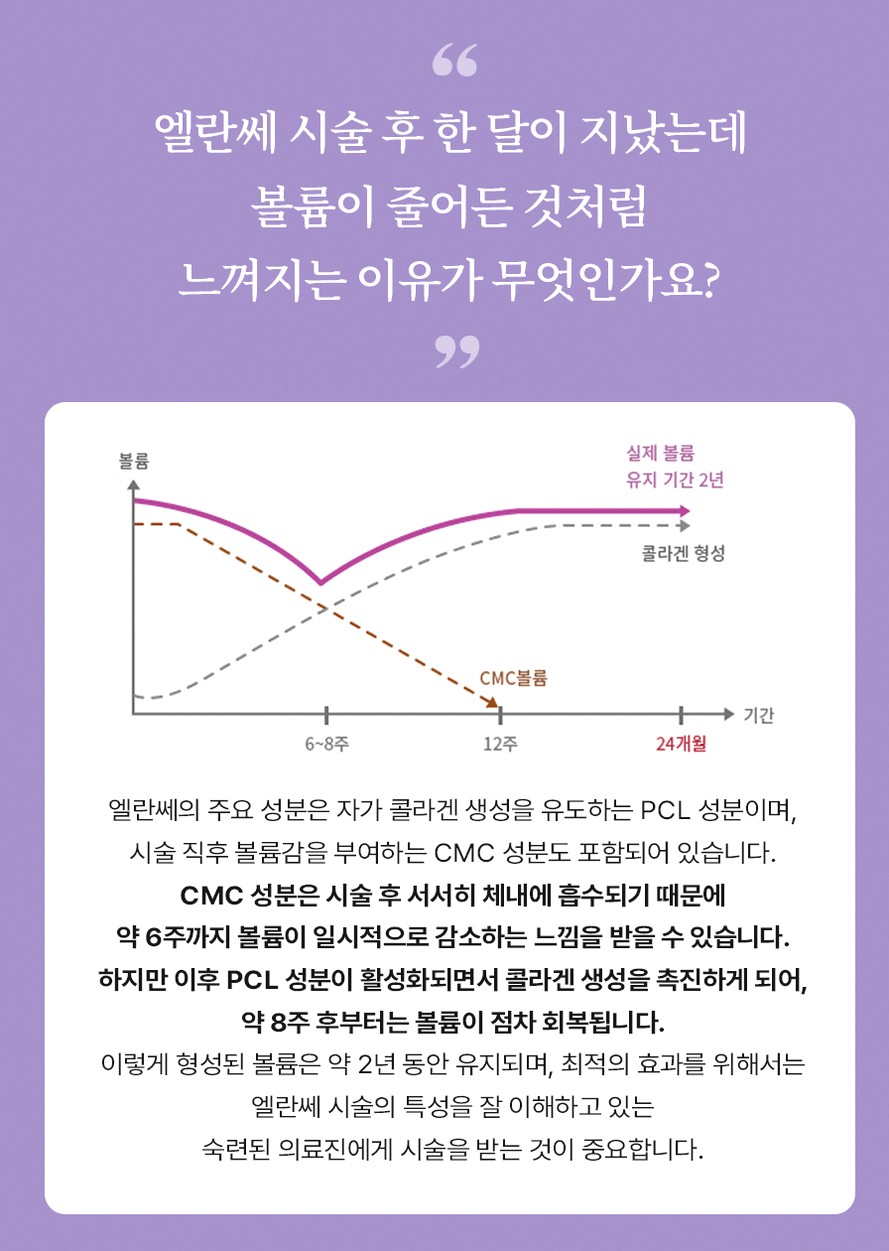
For collagen‑stimulating fillers, reassessment around 12–24 months is typical, depending on the product, area, and your response. Some patients enjoy a stable result for longer, while others may prefer earlier maintenance.
For skin‑quality fillers and skin boosters, clinics often suggest shorter intervals, such as every 3–6 months, especially if you want to maintain a very hydrated, glowing look.
Avoiding overfilling
Chasing the very full, immediate post‑treatment look at every visit can lead to heaviness, puffiness, or an unnatural contour over time. A good approach is to aim for harmony with your facial structure and accept that a small amount of fade is normal.
Clinics that focus on long‑term volume balance will consider your past treatments, current appearance, and aging pattern before adding more product.
Dissolving hyaluronic acid fillers
One advantage of hyaluronic acid fillers is that they can be adjusted with an enzyme called hyaluronidase. If there is asymmetry, overcorrection, or an area you do not like, the doctor can partially or completely dissolve the filler.

This reversibility is one reason many first‑time patients and doctors prefer hyaluronic acid fillers when trying a new area.
Online consultation and pre‑visit preparation
Before you travel to Seoul, an online consultation can help you plan realistically. Many clinics in Cheongdam offer video or photo‑based assessments.
To prepare for an online consultation, it is useful to:
Take clear photos of your face from the front, 45‑degree angle, and side, in natural light without heavy makeup.
List your previous filler or aesthetic treatments, including approximate dates and products if you know them.
Mention any medical conditions, allergies, or medications, especially blood thinners.
Think about your main concerns in order of priority: for example, under‑eye hollows first, then jawline, then lips.
During the consultation, you can ask about which filler types are recommended for each area, expected duration in your case, how many sessions might be needed, and how much time to plan in Seoul.

Expected Korea visit timeline for fillers
For most international patients, a filler trip to Korea can be quite short, but it is wise to allow some flexibility.
Day 1: In‑person consultation and possible treatment
On your first day, you will usually have a face‑to‑face consultation, facial analysis, and treatment planning. If both you and the doctor agree, fillers can often be done on the same day.
The procedure itself usually takes 30–60 minutes, depending on the number of areas treated. There may be mild swelling, redness, or small bruises afterwards.
Days 2–3: Early recovery
Mild swelling and small bruises are common and often improve within a few days. Many patients feel comfortable going out with light makeup the next day, but if you are concerned about appearance in photos, allow at least 2–3 days before important events.
If you have time, a short follow‑up visit can be scheduled to check symmetry and answer any questions.

Days 4–7 and beyond
Most swelling has usually settled by the end of the first week and the result begins to look more natural, but recovery varies. Check your planned travel with your treating clinician before flying; they will advise whether it is safe to travel the day after treatment. You may be advised to stay a few days after treatment—especially after extensive procedures or when higher‑risk areas were treated—to allow for a clinician check‑up and to ensure prompt access to care in the rare event of complications.
For collagen‑stimulating fillers, remember that the final effect develops gradually over weeks to months as your collagen builds.
Clinic approach: volume planning and anti‑aging strategy
Located near Apgujeong Rodeo Station on the Bundang Line, clinics in this area often see international patients who want carefully planned, natural‑looking results.
Such clinics usually offer a wide range of fillers, including Ellanse, Lafullen, multiple Juvederm lines, Restylane, and similar products, along with lifting and energy‑based devices such as ultrasound‑based lifting and radiofrequency.
Instead of treating fillers as isolated injections, the team typically plans them as part of a broader anti‑aging program. This may include structural support with fillers, skin tightening with devices, and skin‑quality improvement with boosters or laser treatments.
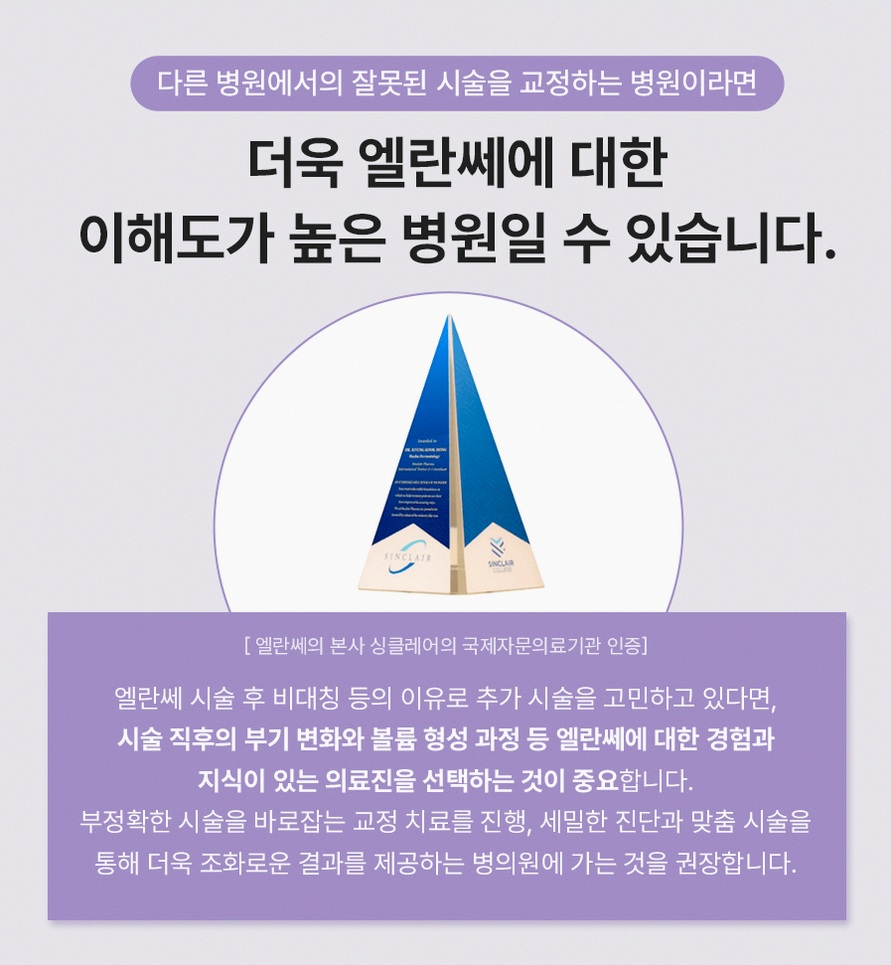
Diagnostic tools and facial analysis help the doctor understand your bone structure, fat distribution, and skin condition. Based on this, they can estimate a realistic filler duration for each area and design a maintenance schedule that fits your lifestyle and travel plans.
Safety considerations when choosing fillers in Korea
When you travel abroad for fillers, safety should be your top priority.
Knowledge of facial anatomy
Fillers are placed near important blood vessels and nerves. Deep understanding of facial anatomy helps reduce risks such as vascular occlusion, which can be serious if not recognized and treated quickly.
Approved, traceable products
Ask which brands and specific products will be used. Reputable clinics use approved fillers from well‑known manufacturers, with proper storage and traceability.

Medical history and assessment
Before treatment, you should be asked about your medical history, allergies, medications, and previous procedures. This helps the doctor judge whether fillers are suitable for you and how to plan safely.
Post‑treatment care
After filler injections, you will usually receive instructions such as:
Avoid intense exercise and saunas for a short period.
Do not massage or press the treated area unless your doctor specifically instructs you to.
Avoid heavy alcohol intake immediately after treatment.
Monitor for unusual pain, discoloration, or sudden swelling, and contact the clinic promptly if these occur.
Choosing a clinic based only on price is risky. It is better to compare experience, communication, product choice, and aftercare support.
Frequently asked questions about filler duration
How long do fillers usually last in the face?
Most hyaluronic acid fillers last around 6–18 months, depending on the product, injection area, and your individual metabolism. Collagen‑stimulating fillers can maintain their effect for about 1–2 years or more in stable areas such as cheeks, temples, or jawline. These are general ranges, and your own result may be shorter or longer.
Do fillers last longer if I inject more at once?
Injecting more filler can increase the initial volume, but it does not extend the duration in a simple, linear way. In some cases, too much filler can look heavy or unnatural. A better strategy is to use an appropriate amount for your anatomy and plan maintenance sessions at safe intervals.

Why did my lip filler seem to disappear in just a few months?
Lips move constantly and have a rich blood supply, so fillers tend to break down faster there than in cheeks or chin. Many people also get used to their new lip volume quickly, so the change feels less noticeable over time. In addition, lighter, softer fillers are often chosen for lips, and these naturally have a shorter duration.
Can I make my fillers last longer?
You cannot completely control how your body breaks down filler, but you can support your skin and overall result. Maintaining a healthy lifestyle, avoiding smoking, protecting your skin from UV, and following aftercare instructions all help. Choosing the right product, area, and technique with a qualified doctor is the most important factor.
Is it safe to keep getting fillers for many years?
With proper technique, appropriate intervals, and regular evaluation, long‑term filler use can be safe for many people. It is important to have periodic reassessments rather than simply adding more product each time. As your face changes with age, your treatment plan should also evolve.
Soft call to action for online consultation
Filler duration is influenced by many details: product type, treatment area, your facial structure, and your lifestyle. Online information can give you a general idea, but it cannot replace a personalized assessment.

If you are considering filler treatment during a visit to Cheongdam in Gangnam, Seoul, you may find it helpful to arrange an online consultation with a clinic experienced in volume planning and anti‑aging care. By sharing photos and your concerns in advance, you can receive a more accurate estimate of how long fillers are likely to last for you, which products may suit your goals, and how to schedule your trip and follow‑up.
This information is intended as a general guide for international patients and does not replace a face‑to‑face consultation with a qualified medical professional. Always discuss your individual situation, possible risks, and expected results directly with your doctor before proceeding with any treatment.
This article was prepared with information provided by Clinique hus,hu.
- 공유 링크 만들기
- X
- 이메일
- 기타 앱


댓글
댓글 쓰기