in Cheongdam: test chin projection without surgery
- 공유 링크 만들기
- X
- 이메일
- 기타 앱
Direct answer summary
It can add gentle projection, length, or subtle width to balance your profile, sharpen a soft lower face, and test what a stronger chin would look like without committing to surgery. Results are temporary and adjustable, and downtime is usually short, which makes it a practical option for overseas visitors coming to Seoul.
Chin filler overview
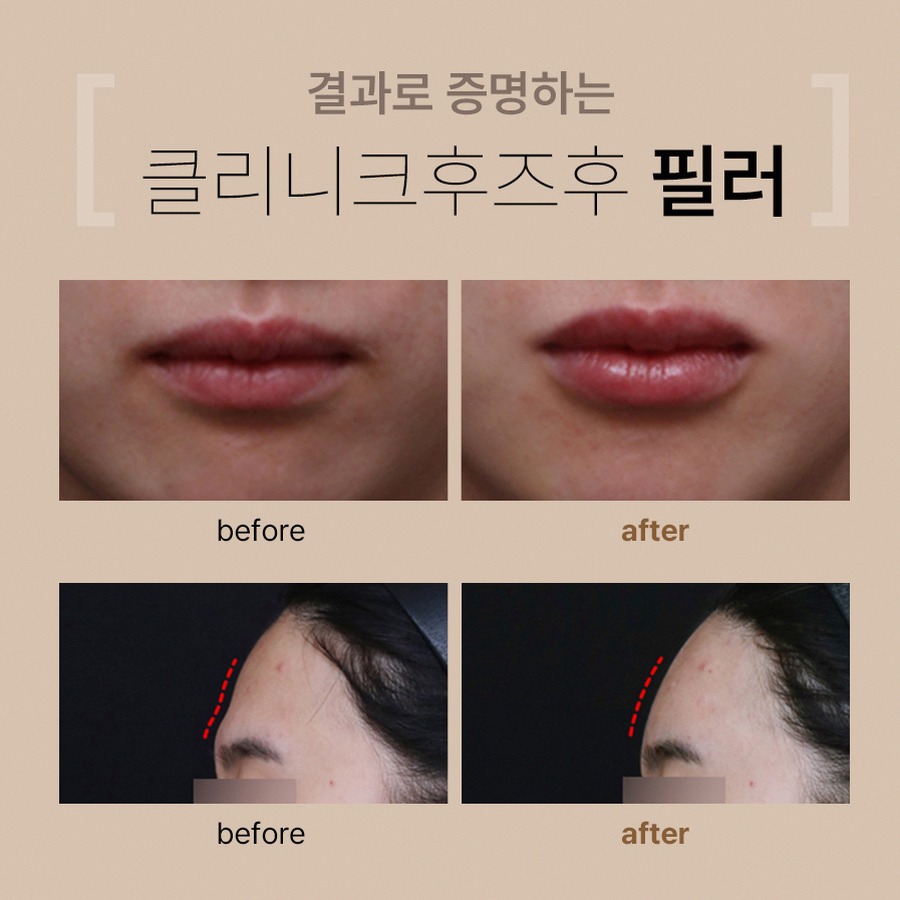
Chin filler involves placing dermal filler into specific points of the chin and sometimes the front jawline to reshape the lower face. The most commonly used products are hyaluronic acid fillers, along with other structural volumizing fillers that can provide firmer support.
By changing the position and shape of the chin tip, it is possible to:
Refine the side profile so the chin aligns better with the nose and lips.
Make a round or flat lower face appear more defined and slightly slimmer.
Soften the look of a weak or recessed chin without bone surgery.
Compensate for age‑related volume loss around the chin and jawline.
The aim is not to create an exaggerated, pointy chin, but to bring the lower face into harmony with the rest of your features. For many people, very small adjustments in projection or length can make a noticeable difference in photos and in profile, while still looking natural in real life.
Because fillers break down over time, chin filler is not permanent. Depending on the product used, injection depth, and your metabolism, results may last from several months to over a year. This temporary nature allows for gradual refinement. If hyaluronic acid fillers are used, the effect can also be reduced with an enzyme injection if needed.
Who might consider chin filler
Chin filler can be considered by a wide range of patients, both younger and older, male and female. It may be suitable if you:
Have a weak or recessed chin and feel your nose looks larger or your lips protrude in profile.
Feel your face looks short, round, or undefined and you want a slightly sharper V‑line effect.
Are thinking about chin implant surgery but want a reversible, test‑run option first.
Notice early jowling or sagging around the chin and jawline and want a more structured contour.
Want to fine‑tune your profile after other treatments such as nose filler or lifting procedures.
For younger patients, the focus is often on profile balance and V‑line shaping. For more mature patients, chin filler can help restore structure that has been lost with age, and it is often combined with lifting or skin‑quality treatments to address sagging and texture at the same time.
Chin filler is not suitable for everyone. People with very strong jaw asymmetry, significant bite problems, or certain medical conditions may need a different approach. A detailed consultation is important before deciding whether filler is appropriate or whether another treatment would be safer or more effective.
Facial analysis and planning
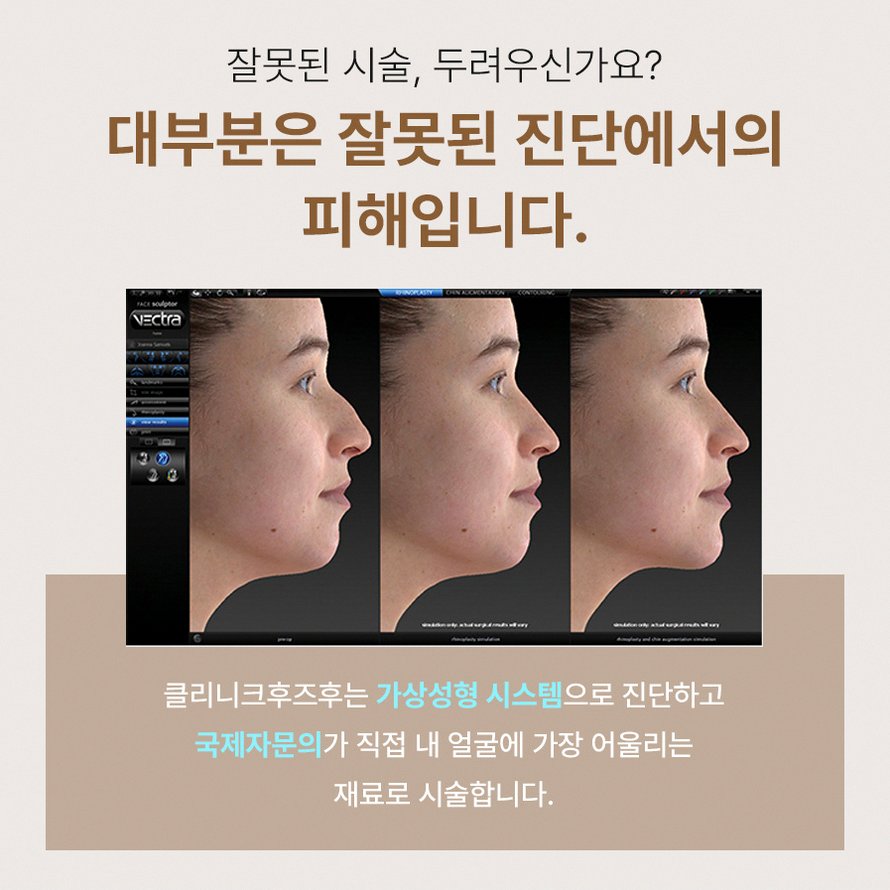
Good chin filler work starts with careful analysis rather than simply adding volume. Before any injection, the medical team should:
Check the profile line, especially the alignment of the nose, lips, and chin. This helps determine how much projection is ideal.
Evaluate the bite and jaw position. Over‑correcting a recessed chin with filler alone can sometimes make an uneven bite more obvious.
Consider the overall face shape: round, long, square, heart‑shaped, or oval. The same amount of filler can look very different on each type.
Discuss gender‑specific aesthetics. For example, some men prefer a broader, more squared chin, while many women prefer a softer, tapered V‑line. Preferences vary by culture and individual taste.
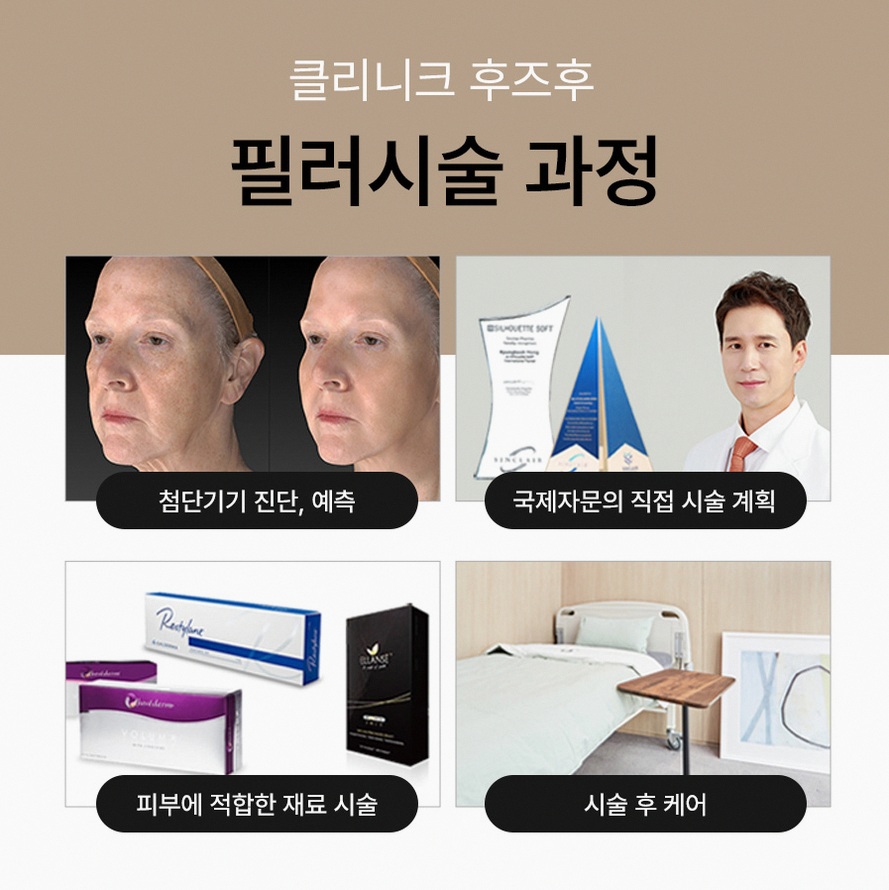
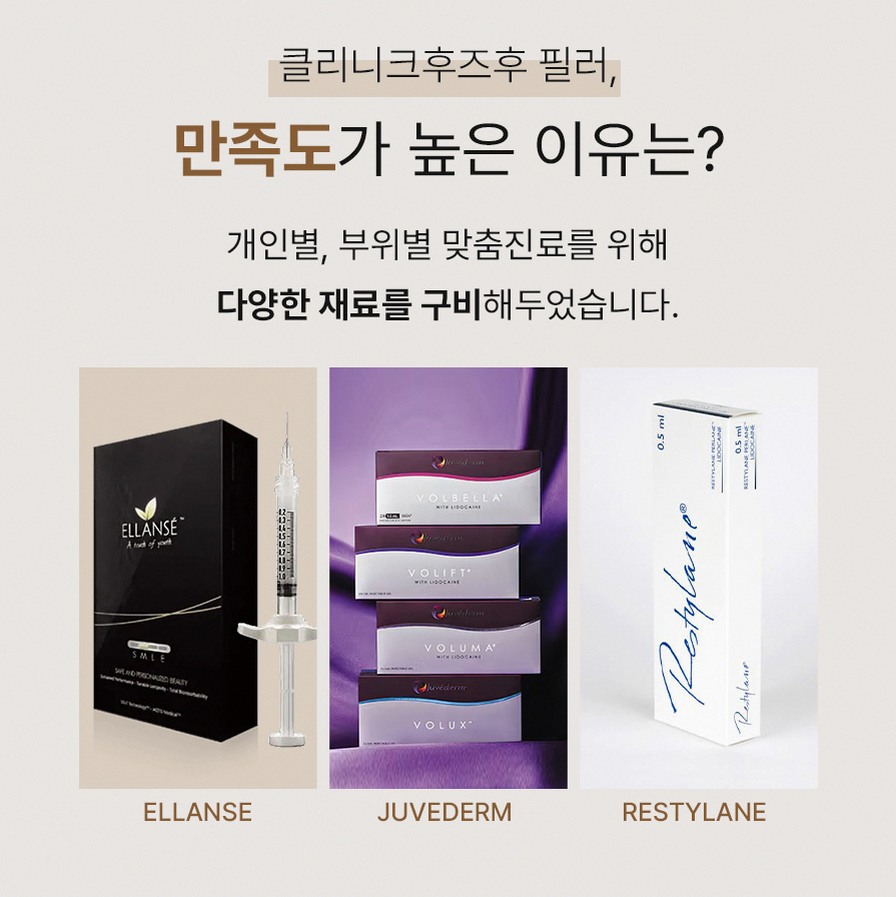
At Clinique hus,hu in Cheongdam, Gangnam, chin filler planning can be integrated into a broader anti‑aging and contouring strategy. The team uses experience with a range of volumizing fillers such as Ellanse and various products from the Restylane and Juvederm families, as well as lifting devices, to decide how much of the result should come from volume and how much from tightening or lifting.
The key goal is harmony with the nose, lips, and jawline, not simply making the chin bigger. In some cases, a very subtle change in the chin combined with minor adjustments in the jawline or cheeks gives a more balanced result than focusing on the chin alone.
What to discuss during online consultation
If you are planning to travel to Seoul, an online or remote consultation before your visit can save time and help set realistic expectations. To make this consultation more effective, prepare the following:
Clear photos: front, 45‑degree angle, and full side profile, taken in good natural light without heavy filters or editing.
Medical history: past illnesses, current medications, allergies, and any history of autoimmune conditions or problems with previous injectables.
Previous treatments: details of any fillers, thread lifts, or surgeries in the face, including when and where they were done.
Your goals: whether you want more projection, a slightly longer chin, a narrower V‑line, or mainly improvement in the side profile.
Your schedule: how long you will stay in Korea, and whether you can return for a follow‑up visit if needed.
You can also prepare a short list of questions, such as:
How much change is realistic for my bone structure using filler only.
Whether the doctor recommends combining chin filler with jawline or cheek filler.
Whether lifting devices like Ulthera or Thermage FLX might improve sagging around the chin.
How long the recommended filler type usually lasts in the chin area.
What signs of complications you should watch for after you fly home.
Sharing these points in advance helps the clinic design a plan that fits both your facial structure and your travel timeline.
Step‑by‑step chin filler procedure
While details can vary slightly between practitioners, a typical chin filler session in Cheongdam, near Apgujeong Rodeo Station, follows these steps.
Pre‑consultation and design
First, you will have an in‑person consultation to confirm the online assessment. The doctor will:
Review your medical history, allergies, and any previous filler or surgery.
Examine your face from multiple angles, including your profile, to assess the nose–lips–chin relationship.
Discuss your desired chin shape in detail: more projected, slightly longer, subtly narrower, or more squared.
Explain what filler can and cannot do relative to your natural bone structure.
Next comes the design phase:
Key injection points at the chin tip and, if needed, along the front part of the jawline are marked.
The type and firmness of filler are chosen. For structural support, a firmer, more cohesive filler is usually preferred.
The amount of filler is estimated, with the option to build up gradually rather than injecting a large volume at once.
Procedure day
On the day of treatment, the lower face is thoroughly cleansed and disinfected. A topical numbing cream or local anesthetic may be used to improve comfort.
The doctor then injects the filler using a fine needle or a blunt‑tipped cannula. Deeper injections provide structural support and projection, while more superficial layers are used for fine shaping and smoothing transitions.
Throughout the procedure, the doctor will check symmetry from both the front and side views, asking you to sit up or look in a mirror at certain points. Small adjustments are made until the desired contour is reached.
The injection portion is typically brief, while the full visit may take longer due to consultation, preparation, and observation.

Immediately after treatment
After the injections, the area is gently cooled to help reduce swelling and discomfort. You may be asked to stay in the clinic for a short observation period.
Before you leave, the staff will review aftercare instructions and schedule a follow‑up visit if your travel plans allow. Photos may be taken for your medical record so that any future adjustments can be compared.
Combination options for a balanced result
Chin filler alone can significantly improve projection and profile, but some patients benefit from combining it with other treatments for overall balance.
Jawline and cheek filler
Adding subtle filler along the jawline can create a smoother transition from the chin to the angle of the jaw, which may help the lower face look more defined. In some cases, gentle cheek filler can lift and balance the midface, making the chin adjustment look more natural.
Lifting procedures
If there is noticeable sagging or early jowling, lifting treatments may be recommended. Devices such as Ulthera Prime, Thermage FLX, Exion, Emface, or Prime Raise can help tighten the skin and underlying tissues. These are non‑surgical options that can be combined with filler either on the same trip or in stages.
Skin‑quality treatments
For patients concerned about texture, pores, or fine lines around the lower face, skin‑quality treatments such as laser, radiofrequency microneedling, Advatx, or exosome‑based injections may be added. therapeutic outcomes.
All combination treatments should be tailored to your individual needs and are optional, not mandatory add‑ons.
Expected Korea visit timeline for chin filler
For overseas patients, it is helpful to plan your schedule around the expected course of swelling and follow‑up.
Before arrival
Complete an online consultation and send photos.
Confirm a provisional treatment plan and check that your medical history is suitable.
Book your appointment near the start of your stay in Seoul.
Day 1 to 2 in Seoul
Visit the clinic in Cheongdam, Gangnam, for in‑person consultation; same‑day treatment may be possible depending on clinic scheduling and medical suitability. Expect mild swelling and possibly small injection marks on the day of treatment.
Days 2 to 4
Swelling and minor bruising, if present, usually become more noticeable on days 1 to 2 and then start to improve.
Most patients can continue sightseeing and normal activities, but you may prefer lighter schedules and avoiding close‑up photography during this time.
Days 4 to 7
The shape usually starts to look more natural as swelling settles.
If your stay is long enough, a short follow‑up visit can be scheduled to check symmetry and discuss any fine‑tuning.

After returning home
The final settled result is typically visible after a couple of weeks.
If you notice any unusual symptoms such as increasing pain, skin color change, or severe swelling, you should contact the clinic promptly and seek local medical care.
Safety, risks, and downtime
Chin filler is a minimally invasive procedure, but it is still a medical treatment with potential risks.
Common temporary side effects include:
Redness, swelling, or tenderness at injection sites.
Small bruises or needle marks.
Mild tightness or a strange sensation when moving the chin in the first few days.
These usually improve over several days. Makeup can often be used to cover minor bruising once the skin is no longer sensitive.
Less common but important risks include:
Asymmetry or over‑correction, which may require adjustment or gradual correction over time.
Lumps or irregularities if filler is placed too superficially or unevenly. These can sometimes be smoothed with massage or, in the case of hyaluronic acid fillers, dissolved.

Because of these risks, it is important to choose an experienced medical team with strong anatomical knowledge and familiarity with structural filler work. Many patients prefer clinics that operate as aesthetic and anti‑aging centers with multiple specialists and access to a wide range of devices and injectables.
Basic aftercare for chin filler
After chin filler, you will receive specific instructions, but general guidance usually includes:
Avoid pressing, massaging, or sleeping face‑down on the chin area for several days unless your doctor specifically instructs you to massage.
Limit intense exercise, alcohol, and heat exposure such as saunas or very hot baths for a short period, often 24 to 48 hours, to reduce swelling and bruising.
Keep the area clean and avoid applying heavy or irritating products over fresh injection sites.
Monitor for warning signs such as severe pain, increasing firmness, skin color changes (pale, white, or dark patches), or sudden swelling, and seek prompt review if they occur.
Most people can return to daily activities immediately after treatment, including work and light walking. Planning your appointment earlier in your trip gives you time for any minor bruising or swelling to settle before you travel home.
Results, duration, and maintenance
You will see an immediate change in chin shape right after the procedure, but this is not the final result. Swelling can make the chin look slightly larger or firmer in the first few days.
As swelling subsides, usually within a week, the contour becomes more natural. The final settled shape is usually evaluated after two to four weeks.

The duration of chin filler depends on several factors:
Type of filler used and its firmness.
Depth of placement and amount injected.
Your metabolism, lifestyle, and facial movement patterns.
Structural fillers used in the chin often last longer than fillers placed more superficially in areas like the lips, but they are still temporary. Many patients consider touch‑up or maintenance sessions when they notice the projection or definition gradually decreasing.
One advantage of using hyaluronic acid fillers is that they are adjustable and reversible. If you prefer a more subtle look later, the amount can be reduced. If you like the effect, you can maintain it with periodic top‑ups rather than repeating a full initial volume each time.
Frequently asked questions
What is the difference between chin filler and a chin implant
Chin filler uses injectable products to reshape the chin without surgery. It is done in the clinic, usually with numbing cream or local anesthetic, and has minimal downtime. The results are temporary and can be adjusted or reversed.
A chin implant is a surgical procedure that places a solid implant over the chin bone. It can create a larger change and is more permanent, but it involves incisions, anesthesia, and a longer recovery. Many patients use chin filler as a test‑run to see how a stronger chin looks before deciding whether they want a surgical implant.

How long does chin filler usually last
The duration varies, but structural fillers in the chin often last longer than in more mobile areas. Many patients notice results for several months to over a year. Factors such as the type of filler, injection depth, your metabolism, and lifestyle all play a role.
Your doctor can give a more specific estimate based on the product used and your individual case. Maintenance sessions can help keep the desired contour over time.
Is chin filler painful and what does it feel like afterward
Most patients describe chin filler as mildly uncomfortable rather than very painful. Numbing cream, local anesthetic, and fillers that contain anesthetic help reduce discomfort during injection.
After the procedure, the area may feel tight, firm, or slightly strange when you talk or chew for a few days. This usually improves as swelling goes down and the filler settles into the tissues.
Can I combine chin filler with other treatments during one trip to Seoul
Yes, many overseas patients combine chin filler with other treatments during the same visit, depending on their schedule and medical assessment. Common combinations include jawline or cheek filler, lifting devices such as Ulthera or Thermage FLX, and skin‑quality treatments like laser or exosome‑based therapies.
The exact combination and timing should be planned with your doctor to avoid overloading the tissues and to allow safe healing between procedures.

Soft call to action for overseas patients
If you are considering chin filler in Seoul and would like a natural, proportionate improvement rather than an exaggerated change, an online consultation is a practical first step. By sharing your photos, medical history, and goals in advance, the team at Clinique hus,hu can help you understand what is realistic for your face and how to structure your visit to Korea.
You can then decide calmly whether chin filler alone, or in combination with other contouring and anti‑aging treatments, fits your needs and travel plans.
- 공유 링크 만들기
- X
- 이메일
- 기타 앱


댓글
댓글 쓰기