in Seoul: candidates, safety, and clinic checklist
- 공유 링크 만들기
- X
- 이메일
- 기타 앱

Direct answer summary
Sunken upper eyelid filler treatment is a non‑surgical way to soften hollow, tired‑looking upper eyelids by carefully restoring lost volume with injectable fillers. For many people with shadowing or a bony look above the eyes, this approach can improve the contour between the eyebrow and lash line without eyelid surgery. In Cheongdam, Gangnam, clinics such as Clinique hus,hu offer upper eyelid and brow‑area filler as part of a wider anti‑aging program, sometimes combined with lifting or skin‑tightening devices when needed.
What is sunken upper eyelid filler treatment
Sunken upper eyelids and why they happen
Sunken upper eyelids appear when the soft tissue and fat that used to support the upper eyelid become thinner, move downward, or both. This creates a hollow groove between the eyebrow and the upper lash line. Light falls differently on this area, so you see more shadow and the eyes can look tired, older, or even skeletal.

This change can be due to natural aging, weight loss, genetics, or naturally deep‑set eyes. In some people it shows as a sharp bony rim above the eye; in others it looks like a deep line or groove that makes any make‑up sit poorly.
How filler can help the upper eyelid area
Upper eyelid filler treatment aims to gently refill and support these hollow areas. Small amounts of filler are placed along the upper orbital rim, brow area, or upper eyelid groove. By restoring volume in the right anatomical planes, the transition from brow to eyelid becomes smoother and the shadowing softens.
The goal is subtle correction. The intention is not to create puffy eyelids or a new double eyelid, but to rebuild support that has been lost. When done conservatively, the eyes can look more awake and youthful while still looking like you.
In some cases, filler alone is enough to address the concern. In others, especially when there is mild laxity or early drooping, the plan may include energy‑based lifting or skin‑tightening devices to support the tissues around the brow and upper eyelid.

Types of fillers used around the upper eyelid
For the upper eyelid and periorbital area, hyaluronic acid fillers are commonly chosen. These are gel‑like materials that are similar to substances naturally found in the skin. They are smooth, hydrating, and importantly, can be dissolved with an enzyme called hyaluronidase if adjustment is needed.
In some patients, especially when the skin of the upper eyelid is very thin, the medical team may avoid placing stronger fillers directly into the eyelid skin. Instead, they may consider collagen‑stimulating fillers in nearby areas such as the temple or brow. By improving volume and support in these adjacent zones, the hollow above the eye can appear softer without overloading the delicate eyelid.
Clinics with a broader anti‑aging focus may also offer cell‑focused treatments such as exosomes or stem‑cell based therapies to support skin quality around the eyes. However, for sunken upper eyelids, filler remains the main tool, with these additional treatments used when skin texture or fine lines also need attention.
Who may consider sunken upper eyelid filler
Typical candidates
You may be a good candidate for upper eyelid filler if your main concern is hollowing or shadow above the eyes rather than heavy sagging skin. Common situations include the following.

Adults noticing that their upper eyelids look more sunken, with a visible groove or bony rim.
People with naturally deep‑set eyes that appear overly hollow or tired even when well rested.
Those who see more of the upper eye socket bone in photos and feel this makes them look older.
Patients with early to moderate aging changes around the eyes who want to avoid or delay surgery.
If you prefer a minimally invasive solution with short downtime, and like the idea that many hyaluronic acid fillers can be reversed if necessary, this treatment may fit your preferences.
When filler may not be enough
Upper eyelid filler is best for volume loss and contour refinement. It is less suitable when the main problem is severe skin laxity or very droopy eyelids that block vision or cover the lash line. In those cases, surgical procedures such as upper eyelid lifting or brow lifting may be more appropriate.

If you have extremely thin skin, a history of multiple previous fillers, or complex asymmetry, the plan may need to be adjusted. Sometimes older filler must be dissolved first, or a combination of lifting and skin‑quality treatments is recommended instead of, or in addition to, new filler.
Because there is significant individual variation in bone structure, fat distribution, and skin thickness, a face‑to‑face medical evaluation is essential before deciding whether upper eyelid filler is suitable for you.
Assessment and planning at the clinic
Comprehensive evaluation of the eye area
For safe and natural‑looking upper eyelid filler, careful assessment is more important than the injection itself. During consultation, the medical team typically evaluates the following.
Overall eye shape and how the upper eyelid fold behaves when you look up, down, and straight ahead.
Brow position and whether the brow is low, high, or asymmetric.
Degree and pattern of hollowing, including whether it is mainly at the inner, central, or outer upper eyelid.
Skin thickness, elasticity, and any fine lines or crepey texture.
Existing asymmetry between the two eyes.

Some clinics use imaging and diagnostic tools to analyse facial structure and aging patterns. At Clinique hus,hu, for example, such tools are part of a broader anti‑aging and cell‑focused program, and the same mindset is applied when planning eye‑area filler.
Understanding vascular anatomy and safety
The area around the eyes contains important blood vessels and nerves. To reduce the risk of complications such as vascular occlusion or visual disturbance, the injector must have a detailed understanding of this anatomy and use techniques adapted to the periorbital region.
This includes selecting safe injection points, choosing the right depth for each area, and deciding whether to use a fine needle or a blunt cannula. The plan may also involve conservative dosing spread over more than one session, rather than trying to correct everything at once.
Combining filler with lifting or skin‑tightening
If your upper eyelid hollowing is accompanied by mild brow descent or loose skin, the clinic may suggest combining filler with energy‑based devices. These can include radiofrequency or ultrasound lifting devices that target deeper tissues to improve support.

By tightening the framework around the eye while also restoring volume, the result can look more harmonious and last longer. The exact combination, device choice, and timing are decided after medical evaluation and adjusted to your tolerance for downtime and sensation.
How the upper eyelid filler procedure is performed
Step by step process
Although each clinic has its own protocol, a typical upper eyelid filler session follows these steps.
Cleansing and numbing. The upper eyelid, brow, and surrounding area are gently cleansed. A topical numbing cream is applied and left on for a short time to improve comfort.
Marking. The doctor marks safe injection points along the upper orbital rim, brow, or eyelid groove, taking into account your anatomy and the planned filler depth.
Injection. Using a fine needle or a blunt cannula, small amounts of filler are placed in precise layers. The product is usually injected slowly and in small aliquots to maintain control.
Molding and symmetry check. The doctor gently molds the filler and compares both sides, often checking you in both lying and sitting positions to see how gravity affects the contour.
Cooling and instructions. After the injections, a cool pack may be applied briefly to limit swelling. You receive aftercare instructions, including what to avoid and what to watch for.

Conservative, gradual approach
Because the upper eyelid is a delicate and visible area, conservative dosing is essential. Many experienced injectors prefer to under‑correct slightly at the first session and review the result after a few weeks. If needed, a small top‑up can then be added.
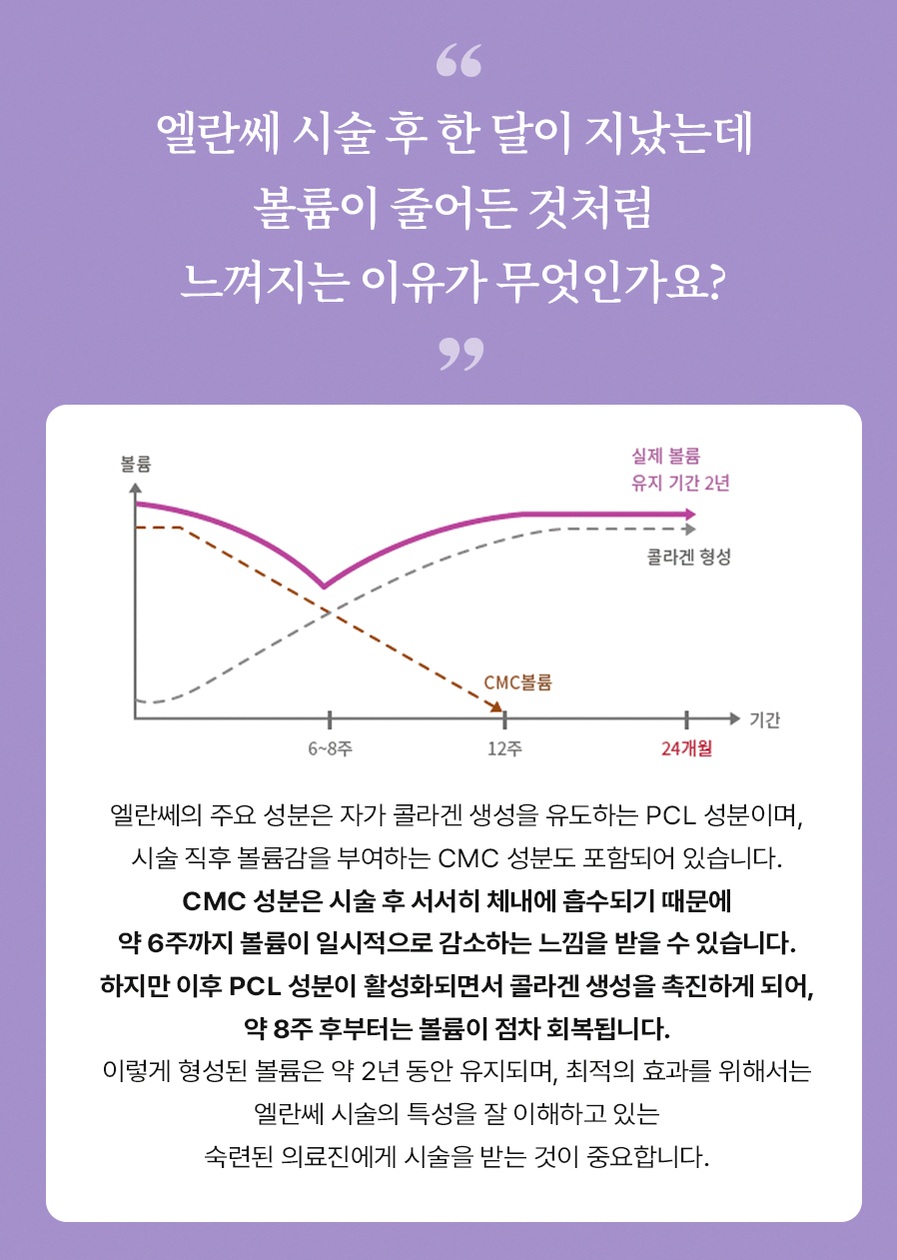
This gradual approach helps avoid overfilling, unnatural bulges, or heaviness that could change the way your eyelid moves. Clinics that work extensively with fillers in many facial areas, including products such as Ellanse and various hyaluronic acid fillers, often adapt their technique and product choice specifically for the eye region.
Expected results and longevity
How your eyes may look after treatment
After sunken upper eyelid filler, most patients notice the following types of changes.
The hollow between brow and lash line looks softer and less deep.
The transition from forehead to upper eyelid is smoother and less bony.
Shadows above the eyes are reduced, so the eye area appears brighter.
The overall eye contour looks more rested and youthful.

Results are usually visible immediately, although the area can look slightly fuller or uneven at first due to temporary swelling. Over several days, the swelling settles and the final contour becomes clearer.
How long the effect lasts
Hyaluronic acid fillers around the eyes typically last around 6 to 12 months. The exact duration depends on the specific product, injection depth, your metabolism, and how expressive your eye area is.
Collagen‑stimulating fillers used in adjacent areas such as the temple or brow can have longer‑lasting effects, as they encourage your own collagen production. However, these are usually not placed directly into the thin upper eyelid skin.
To maintain a stable and subtle result, many patients schedule maintenance sessions before the filler has completely disappeared. During follow‑up, the doctor can also adjust the plan if your facial structure or aging pattern has changed.
Safety, risks, and downtime
Common short‑term effects
After upper eyelid filler, it is normal to experience mild and temporary effects such as the following.
Redness at injection points.
Swelling or a feeling of tightness in the upper eyelid or brow area.
Slight bruising, especially if a needle was used.
Tenderness when touching the area.
These usually improve over several days. Applying a cool pack as instructed and sleeping with your head slightly elevated the first night can help with swelling.
Rare but important risks
Because the periorbital area is a high‑risk zone, more serious complications, although rare, must be discussed. These can include vascular occlusion, visual disturbance, nodules, asymmetry, or overcorrection.

Choosing a clinic where the medical team has strong anatomical knowledge and established safety protocols is important. The clinic should explain how they monitor for early signs of complications and what steps they would take if a problem occurs, including the use of hyaluronidase for hyaluronic acid fillers when indicated.
Basic aftercare guidance
After treatment, you are usually advised to follow simple precautions such as these.
Avoid rubbing or pressing on the upper eyelid and brow area for several days.
Skip intense exercise, saunas, hot baths, and alcohol for a short period as advised, to reduce swelling and bruising risk.
Try not to sleep face‑down or on your side directly pressing the eye area on the first night or two.
Follow all instructions given by the medical team, and contact the clinic promptly if you notice unusual pain, vision changes, or increasing redness.

Your clinic may provide written aftercare instructions in English to make it easier to follow them during your stay in Korea and after you return home.
Preparing for treatment from overseas
Online consultation and photo review
For international patients, most clinics in Cheongdam and Gangnam begin with an online consultation. You may be asked to send clear photos of your eyes and full face from different angles, both with eyes open and closed.
Based on these images and your medical history, the doctor can give a preliminary opinion on whether sunken upper eyelid filler seems appropriate, whether previous filler should be dissolved, and whether additional treatments such as lifting devices might be helpful.
Questions to prepare before consultation
To make the most of your online or in‑person consultation, it helps to prepare a list of questions. For example, you might ask.

Is my main issue volume loss, skin laxity, or both, and how does that affect the plan.
Which filler products are usually used for my type of upper eyelid, and why.
How many sessions are likely, and how much time should I allow in Korea.
What is the expected downtime in my case, and when is it safe to fly home.
How do you manage complications if they occur after I return to my country.
You may also want to share any previous treatments you have had around the eyes, including filler, laser, or surgery, as this can influence the approach.
Expected Korea visit timeline
Many overseas patients plan their visit to Seoul around a short treatment window. A typical schedule for sunken upper eyelid filler might look like this.
Day 1. In‑clinic consultation, detailed examination, and imaging if needed. If both you and the doctor agree to proceed and there are no contraindications, treatment may be done on the same day.
Day 2 to 3. Mild swelling and possible bruising. You can usually move around the city, but you may prefer quieter activities. Follow aftercare instructions and attend a short check‑up if scheduled.
Day 4 to 7. Swelling continues to settle. Many patients feel comfortable meeting friends or attending meetings by this time, with or without light make‑up.

If you are considering combining upper eyelid filler with other treatments such as lifting devices or skin‑quality procedures, you may need to allow extra days. Your clinic can suggest a realistic timeline based on your full plan and your flight schedule.
Why some patients choose Cheongdam, Gangnam
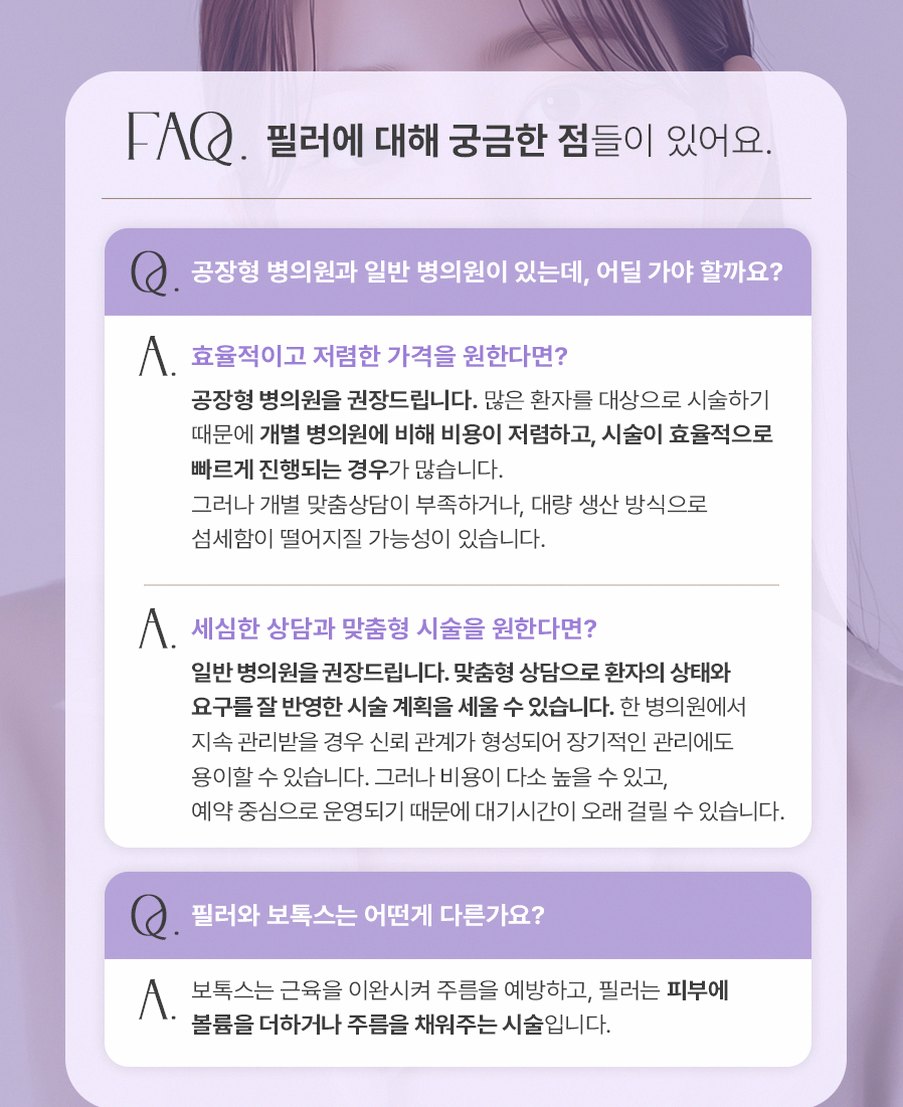
The Cheongdam area in Gangnam, near Apgujeong Rodeo Station, is known for its concentration of aesthetic and anti‑aging clinics. Clinique hus,hu is located here, within walking distance from exit 4 of Apgujeong Rodeo Station, heading straight toward Galleria Department Store.
For international patients, this area offers convenient access, a wide choice of accommodation, and English‑speaking staff in many clinics. Some clinics have multi‑doctor teams with academic backgrounds, in‑house cell research labs, and a broad range of lifting and skin devices such as Thermage FLX, Ulthera Prime, and RF microneedling. This infrastructure allows them to design combined plans that address both volume and tissue quality around the eyes.
Frequently asked questions
Is upper eyelid filler safe
Upper eyelid filler can be performed safely when it is done by an experienced medical team familiar with the anatomy and risks of the periorbital region. The clinic should use conservative techniques, appropriate filler products, and clear protocols for monitoring and managing complications. However, as with any procedure, there are inherent risks, so a detailed consultation and informed consent are essential.
How is upper eyelid filler different from lower eyelid or tear trough filler
Upper eyelid filler targets the hollow between the eyebrow and the upper lash line, often along the upper orbital rim or eyelid groove. Lower eyelid or tear trough filler focuses on the groove and shadow under the eyes. The anatomy, injection depth, and product choice can differ between these two areas. Some patients may benefit from treating both regions for a balanced eye contour, but each area is assessed and planned separately.
Can filler fix both hollow and droopy upper eyelids
Filler is most effective for hollow upper eyelids caused by volume loss. It can sometimes give a subtle lifting effect by supporting the brow and upper lid, but it does not replace surgery when there is significant drooping or excess skin. If your eyelid skin covers the lashes or affects your field of vision, the clinic may recommend surgical options or a combination of surgery and non‑surgical treatments instead of relying on filler alone.
How long does swelling last after upper eyelid filler
Most swelling after upper eyelid filler improves significantly within a few days, although minor puffiness or asymmetry can take up to one to two weeks to fully settle. The exact course depends on your individual tendency to swell, the amount of filler used, and whether a needle or cannula was used. Your doctor will advise you on what is typical for your case and when to schedule follow‑up.

Can previous filler in the eye area be dissolved and corrected
If you have had previous hyaluronic acid filler around the eyes and are unhappy with the result, it is often possible to dissolve it with hyaluronidase. The doctor will examine the area, review your history, and decide whether dissolving is recommended before new treatment. In some cases, a staged approach is used, with dissolving first, a waiting period, and then careful re‑filling if appropriate.
What should I avoid before and after treatment to reduce bruising and complications
Before treatment, your clinic may advise you to avoid certain supplements or medications that increase bleeding risk, such as high‑dose fish oil or non‑essential blood‑thinning agents, if medically safe to do so. After treatment, you are usually asked to avoid rubbing the area, intense exercise, saunas, and alcohol for a short time. Following these guidelines, along with any personalised instructions, can help reduce bruising and support smoother healing.
Soft call to action
If you are considering sunken upper eyelid filler in Seoul and would like a personalised opinion, you can arrange an online consultation with the medical team at Clinique hus,hu. By sharing clear photos and your concerns in advance, you can receive preliminary guidance on whether this treatment suits your eye shape, what kind of plan might be recommended, and how to organise your visit to Korea.

This article is for general information only and does not replace a face‑to‑face consultation or individual medical advice. Always discuss your specific situation, medical history, and expectations directly with a qualified medical professional before deciding on any treatment.
- 공유 링크 만들기
- X
- 이메일
- 기타 앱


댓글
댓글 쓰기