in Seoul: Is filler right for hollow vs pigment dark circles?
- 공유 링크 만들기
- X
- 이메일
- 기타 앱

Direct answer: is dark circle filler right for you?
If your under‑eye area looks tired, hollow, or shadowed even after good sleep, dark circle filler may help by filling the groove under the eyes and softening shadows. It works best when the main problem is hollowing and contour, not just skin color. In Cheongdam, Gangnam, clinics use hyaluronic acid and other volumizing injectables to gently support the tear trough and upper cheek, aiming for a rested, natural look rather than a dramatic change.
This guide explains what dark circle filler is, who it suits, how treatment is done in Seoul, what results to expect, and how a cell‑focused anti‑aging clinic in Cheongdam may approach this delicate area.
What is dark circle filler?
Dark circle filler is an injectable treatment for the under‑eye area, especially the tear trough, the groove that runs from the inner corner of the eye toward the mid‑cheek.
By placing small amounts of filler along this groove and sometimes in the upper cheek, the doctor can:
Fill hollows that create deep shadows
Smooth the transition between lower eyelid and cheek
Reduce the tired, sunken look and make the under‑eye contour more even
It is important to understand that dark circle filler does not literally bleach or lighten skin. Instead, it reduces the shadow effect caused by a hollow or sharp groove. When the surface is smoother, light reflects more evenly and the area looks brighter and less fatigued.
Different types of dark circles
Not all dark circles are the same, and this is crucial when deciding if filler is appropriate.
Hollow or structural type
This type is mainly due to volume loss or a naturally deep tear trough. Features include:

A clear groove from the inner corner of the eye toward the cheek
Shadows that improve when you gently stretch or lift the under‑eye skin
A generally healthy skin tone but a sunken look
This is the type that usually responds best to dark circle filler.
Pigmentation type
Here, the issue is color rather than shape.
Brown or dark discoloration under the eyes
Color that does not change much when you stretch the skin
Often related to genetics, sun exposure, or previous inflammation
These cases may need laser treatments, medical skincare, or cell‑based skin repair rather than filler alone.

Vascular type
This type is related to visible blood vessels and thin skin.
Bluish or purplish tone under the eyes
Color that can worsen with fatigue, allergies, or nasal congestion
Sometimes visible fine vessels under the skin
Vascular lasers, skin‑quality treatments, or lifestyle adjustments may be more important than filler.
Mixed type
Many people have a combination of hollowing, pigmentation, and vascular issues. In these cases, a tailored plan is needed, often combining:
Under‑eye and cheek filler for structure
Laser or light‑based treatments for pigment or vessels
Skin boosters, exosome or cell‑level programs for thin, crepey skin

A careful diagnosis of your main dark circle type is essential before choosing filler.
How a Cheongdam anti‑aging clinic may approach dark circles
Clinics in Cheongdam, Gangnam that focus on anti‑aging often look beyond the surface. At Clinique hus,hu, for example, dark circle concerns are usually assessed as part of overall facial aging and tissue quality.
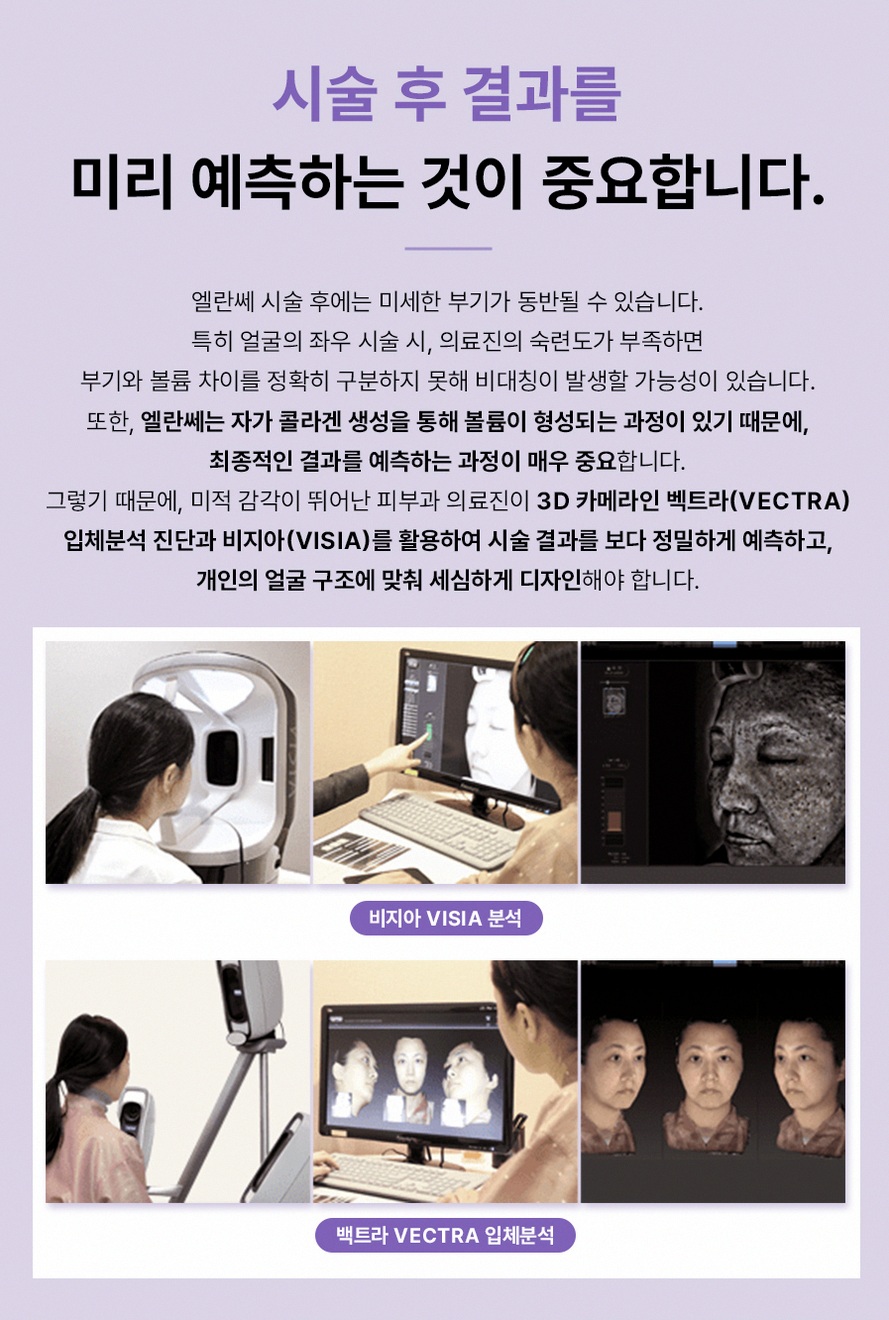
Such clinics may use advanced imaging tools, like Visia or Vectra systems, to analyze skin texture, pigmentation, and facial volume. They often have experience with a wide range of volumizing and lifting options, such as Ellanse, Lafullen, Restylane, and Juvederm products (including Volux, Volite, Voluma, Volift, Volbella), as well as Juvelook and thread or device‑based lifting like Thermage FLX, Ulthera Prime, Exion, and Emface.
Some clinics operate in‑house cell research labs and offer autologous exosome or stem‑cell–related anti‑aging programs. These programs aim to support skin quality at a cellular level, but evidence and outcomes vary; potential benefits and limitations should be discussed with your treating doctor.

Who may consider dark circle filler?
Good candidates
You may be a good candidate if:
You have clear under‑eye hollows or a sharp groove from the inner corner toward the mid‑cheek.
Your dark circles look better when you gently stretch or lift the under‑eye skin upward.
Your skin has reasonable elasticity without very loose, sagging tissue.
You do not have very prominent eye bags or bulging fat pads.
You are generally healthy and can safely receive injectable treatments.
Situations where doctors are more cautious
Dark circle filler requires special care, and in some cases it may not be the first choice.
Prominent eye bags or herniated fat pads
If the main issue is bulging rather than hollowing, filler alone can make the area look puffier. These cases may be better suited to lower eyelid surgery, or to device‑based tightening and lifting.
Very thin, crepey skin
If the skin is extremely thin, filler may show through as small bumps or a bluish tint (known as the Tyndall effect). In such cases, doctors may recommend skin‑quality treatments first.
Strong pigmentation or vascular issues
If the color is the main concern, filler will not solve the root cause. Lasers, skin programs, or cell‑based therapies may be more important.

Medical history concerns
A history of filler complications, autoimmune conditions, pregnancy, or breastfeeding does not automatically rule out treatment, but it does require careful, individual medical evaluation.
Filler materials used for dark circles
Hyaluronic acid fillers
Hyaluronic acid fillers are the most commonly used products for tear trough and under‑eye areas because:
They are soft and hydrating, suitable for delicate skin.
They can be adjusted or dissolved with an enzyme called hyaluronidase if needed.
They allow conservative, layered placement in small amounts.
Different densities and formulations may be selected depending on whether the doctor is treating very superficial hollows or deeper support areas.
Biostimulatory fillers and mid‑face support
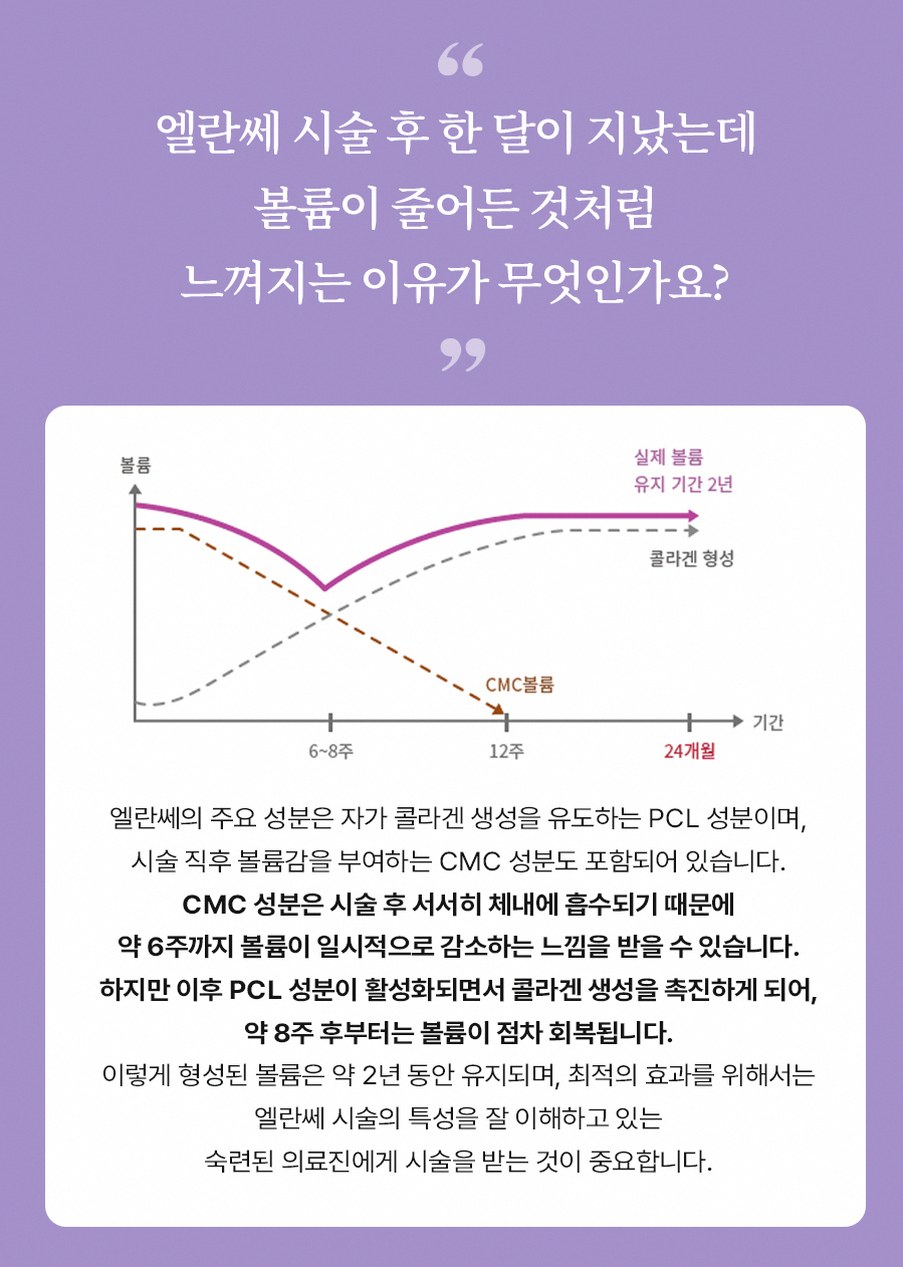
Biostimulatory fillers such as Ellanse are usually not injected superficially in the tear trough. Instead, they may be used in the mid‑face or cheek area to:

Lift and support the under‑eye from below
Improve overall facial structure and reduce the appearance of dark circles indirectly
This kind of combined approach can be helpful when mid‑face volume loss is contributing to under‑eye shadows.
How dark circle filler is performed
Assessment and planning
Before any injection, a detailed assessment is essential. The doctor will:
Review your medical history, including previous fillers or eye surgeries, allergies, and medications.
Classify your dark circles as mainly hollow, pigment, vascular, or mixed.
Check eye bags, skin thickness, and cheek support.
Discuss realistic goals, such as softening shadows and looking more rested, rather than complete erasure.
Some clinics also use facial photography and imaging systems to document the baseline and plan the treatment.
Technique overview
While each doctor has a personal technique, common principles include:
Combining direct tear trough filling with cheek support, instead of overfilling the under‑eye itself.
Using either a fine needle or a blunt cannula, depending on anatomy and safety considerations.
Injecting conservatively in small, layered amounts to reduce the risk of lumpiness or swelling.
Sometimes staging the treatment over two sessions rather than placing a large volume at once.

The under‑eye region is a high‑risk area with important blood vessels and structures, so knowledge of periorbital anatomy and a cautious approach are important.
Your treatment journey in Korea
Online consultation and pre‑visit preparation
If you are traveling from overseas, an online consultation is usually the first step.
You may be asked to send:
Clear photos of your face from the front and side, in natural lighting
Information about your medical history, current medications, and any previous filler or eye procedures
Your main concerns and what you hope to improve
During the online consultation, you can discuss:
Whether your dark circles seem suitable for filler
Possible need for combined treatments, such as cheek filler, skin boosters, or laser
Approximate number of visits and expected downtime
Before you travel, it is helpful to prepare a list of questions, such as:
How do you decide if I am a candidate for dark circle filler?
Will you treat only the tear trough or also the mid‑face?
What products do you usually use for the under‑eye area and why?
What is your plan if I have swelling, asymmetry, or do not like the result?
Typical visit timeline in Seoul
Day 1: In‑clinic consultation and imaging
Face‑to‑face consultation and physical examination
Detailed assessment of dark circle type, eye bags, and skin quality
Photography and, if available, imaging with systems like Visia or Vectra
Discussion of treatment plan, including filler type, injection areas, and any combined procedures
Consent and pre‑procedure instructions
Same day or Day 2: Procedure
Topical anesthetic or local anesthesia if needed
Skin cleansing and aseptic preparation
Marking of key areas and safe zones
Injection of small amounts of filler in the tear trough and/or mid‑cheek
Gentle molding and symmetry check, often in a sitting or semi‑sitting position
Post‑procedure instructions and scheduling of a follow‑up visit
Duration and downtime
Procedures are often relatively short, but exact time depends on the specific technique and any required preparation. Downtime is usually brief for most filler treatments but varies by individual and the procedures performed. When to resume makeup or normal activities should follow your clinic's aftercare instructions. The longevity of fillers differs by product, technique, and personal factors—talk with your doctor about expected duration and any recommended follow‑up.
Most patients experience:
Mild swelling and tenderness for a few days
Possible small bruises that can last up to a week
Ability to apply makeup after about 24 hours if the skin surface is intact and the clinic approves
Many people feel comfortable returning to work or social activities the same or next day, but if you are planning for an important event, it is wise to allow at least one to two weeks.
Follow‑up visit
A follow‑up is often scheduled within one to two weeks to:
Check symmetry and integration of the filler
Decide whether a small touch‑up is needed
Plan any additional treatments for pigmentation or skin quality
Expected results and how long they last
What you can expect to see
After dark circle filler, most suitable patients notice:
Softer under‑eye shadows
A smoother transition from lower eyelid to cheek
A less tired, more refreshed look
Because hyaluronic acid attracts water, some people also see mild improvement in fine lines due to better hydration.
Onset and settling period
You will see an immediate volume effect right after the procedure. However:
Swelling can temporarily exaggerate or hide the final result.
The area usually settles over 1 to 2 weeks.
Doctors often prefer to under‑correct slightly at the first session and adjust later if needed.

Longevity and maintenance
Product type and density
Your metabolism and lifestyle
How much is injected and where
Some clinics suggest maintenance sessions before the filler has completely disappeared, to keep a stable, natural appearance without sudden changes.
Risks, side effects, and safety
Common temporary reactions
After dark circle filler, it is normal to experience:
Swelling and redness
Mild pain or tenderness at injection sites
Bruising or slight asymmetry that often improves as swelling resolves
Aesthetic complications
Possible aesthetic issues include:
Overfilling or puffiness, especially in the morning
Visible lumps or irregularities
Bluish discoloration (Tyndall effect) if filler is placed too superficially

Many of these can be improved with massage, time, or in some cases adjustment or partial dissolution of the filler.
Rare but serious risks
Although rare, serious complications must be mentioned clearly:
Vascular occlusion, where filler blocks a blood vessel, potentially leading to skin damage
In extremely rare cases, visual disturbance or blindness if a vessel connected to the eye is affected
Infection or delayed inflammatory reactions
Because the under‑eye is a sensitive, high‑risk area, it is important to choose a clinic with strong anatomical knowledge, emergency protocols, and access to hyaluronidase for hyaluronic acid fillers.
Safety strategies
To reduce risks, careful clinics often:
Use appropriate filler types and the minimal effective volume
Inject slowly and conservatively, sometimes over multiple sessions
Choose cannula or needle based on anatomy and safety
Keep hyaluronidase available to dissolve filler if needed
Provide clear aftercare and encourage prompt contact if any unusual symptoms appear

Role of lifting devices and cell‑level treatments
When sagging in the mid‑face contributes to dark circles, a clinic with a broad lifting and volumizing portfolio can combine:
Under‑eye and cheek filler
Thread lifting or energy‑based devices such as Thermage FLX, Ulthera Prime, Exion, or Emface
If thin, fragile skin or fine lines are a major concern, skin‑quality treatments may be recommended, such as:
Skin repair injections and skin boosters
Exosome‑based programs or therapies inspired by non‑cultured autologous stem cell principles
Laser treatments for pigmentation or texture
Some Cheongdam clinics with in‑house cell research labs integrate these options into a long‑term anti‑aging plan, aiming not only to fill but also to improve the health and resilience of the under‑eye skin.
Aftercare and lifestyle tips
Immediate aftercare
For the first few days, you will usually be advised to:
Avoid rubbing or pressing the treated area.
Sleep with your head slightly elevated on the first night to reduce swelling.
Avoid intense exercise, saunas, and alcohol for 24 to 48 hours.
Apply cold compresses gently if recommended by the clinic.
Longer‑term care
To support and maintain your results:
Use daily sun protection to reduce pigmentation‑related dark circles.
Maintain good sleep habits and manage allergies or nasal congestion, which can worsen puffiness and vascular dark circles.
Follow your clinic’s schedule for check‑ups and any complementary treatments.
Practical information for visiting Cheongdam, Gangnam
Location and access
Clinics offering dark circle filler in Cheongdam are usually located within walking distance of Apgujeong Rodeo Station on the Suin–Bundang Line, making them convenient for patients staying in central Seoul or the greater metropolitan area.
Many clinics offer weekday evening and Saturday daytime consultations and treatments, which can be helpful if you have a tight travel schedule. It is still best to book in advance, especially if you want consultation and procedure on the same trip.
FAQ
Does dark circle filler hurt?
Most patients describe dark circle filler as uncomfortable rather than very painful. Topical anesthetic cream or local anesthesia is often used to reduce discomfort. You may feel pressure or a brief sting during injection, but the active part usually lasts only a few minutes per side.

Will filler make my eye bags look worse?
In the wrong candidate, filler can accentuate existing eye bags by adding volume in an already puffy area. This is why proper assessment of eye bags and fat pads is essential before treatment. In suitable cases, carefully placed filler can smooth the junction between the bag and the cheek, making the area look more even.
How many syringes will I need for dark circle filler?
The required volume varies by individual anatomy. Many patients need a small amount per side, sometimes combined with additional filler in the mid‑cheek for support. The exact number of syringes is decided after an in‑person evaluation of your hollows, skin thickness, and overall facial balance.
Can the filler be removed if I do not like the result?
If a hyaluronic acid filler is used, it can usually be dissolved with an enzyme called hyaluronidase. This is a medical procedure with its own risks, such as temporary swelling or allergic reaction, and should only be performed by a qualified doctor familiar with the under‑eye area.
Is dark circle filler safe long‑term?
When performed with appropriate products and techniques by experienced doctors, dark circle filler is generally considered a safe, minimally invasive option. However, the under‑eye is a sensitive, high‑risk area, so periodic reassessment and conservative treatment are important. Choosing a clinic with anatomical expertise and clear safety protocols is key.
How soon can I go back to work or social activities?
Many people feel comfortable returning to normal daily life the same or next day after treatment. However, visible bruising or swelling can persist for several days, and in some cases up to a week. If you have an important event, it is wise to schedule your filler at least 1 to 2 weeks in advance.

Soft call to action
If you are considering dark circle filler during a visit to Seoul and would like a careful, anatomy‑based assessment, you can arrange an online consultation with a Cheongdam clinic such as Clinique hus,hu before you travel. Sharing clear photos and your medical history in advance allows the team to suggest whether filler, combined treatments, or an alternative approach may suit you better, so you can plan your trip and recovery time with confidence.
This article is for general information only and does not replace a personal consultation or medical diagnosis. Individual suitability, risks, and treatment plans must always be discussed directly with a qualified doctor.
- 공유 링크 만들기
- X
- 이메일
- 기타 앱


댓글
댓글 쓰기