in Seoul: What International Patients Should Expect
- 공유 링크 만들기
- X
- 이메일
- 기타 앱
Pigmentation laser toning is a gentle, low-energy laser treatment performed in a series of sessions to gradually break down excess melanin and even out skin tone. It is often used for melasma, sun spots, age spots, freckles, and some types of post-inflammatory hyperpigmentation. In Cheongdam, Gangnam, Seoul, clinics such as Clinique hus,hu use multiple laser platforms and a cell-focused anti-aging philosophy to tailor treatment plans for different pigmentation patterns rather than using a single one-size-fits-all laser.
This guide explains what pigmentation laser toning is, who may consider it, how diagnosis and planning work, what to expect during a trip to Korea, and how to prepare and care for your skin before and after treatment.
What is pigmentation laser toning
Pigmentation laser toning is a method of treating uneven skin tone using repeated, low-fluence laser sessions. Instead of one strong laser shot to a single dark spot, toning uses softer energy delivered more broadly across the face or affected area.
The goal is to gently break down excess melanin in the epidermis and upper dermis. Over time, the body’s natural turnover processes clear away these tiny pigment fragments, leading to a more even, brighter complexion.
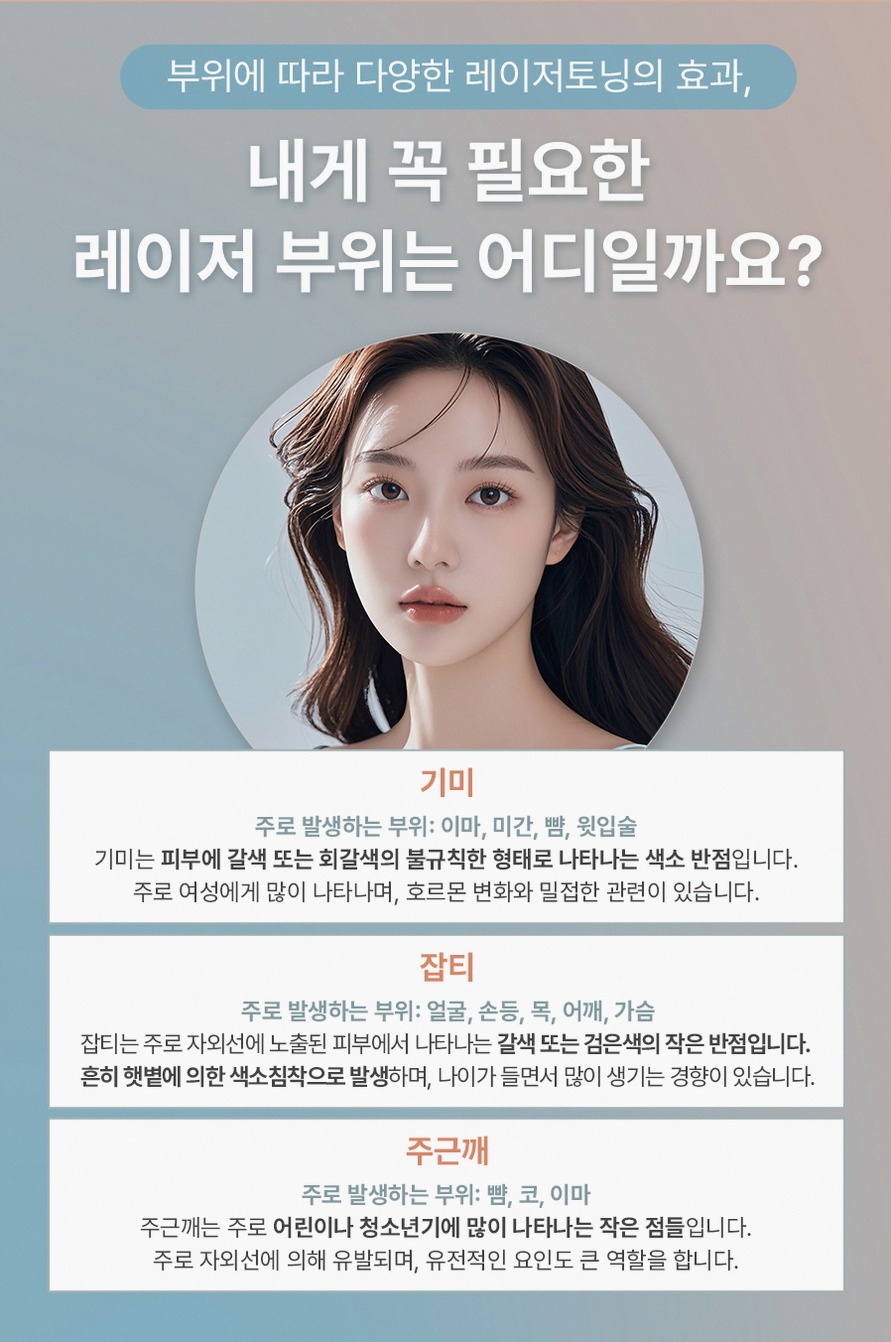
Pigmentation laser toning is commonly used for conditions such as melasma, sun spots, age spots, freckles, and some forms of post-inflammatory hyperpigmentation after acne or irritation. It is especially valued for diffuse or mixed-type pigmentation that does not respond well to spot-only treatments.
This approach is different from high-energy spot lasers that target a single, well-defined dark lesion in one or two sessions. Toning is intentionally gentle and repetitive, making it more suitable for sensitive or easily reactive pigmentation like melasma, where aggressive treatment can cause rebound darkening.
Who may consider pigmentation laser toning
Pigmentation laser toning is not only for obvious dark patches. Many people seek it because they feel their skin looks dull, tired, or uneven even after using brightening skincare.
You may be a candidate if you have any of the following:
Uneven skin tone or general dullness that does not improve with basic skincare.
Scattered brown spots, freckles, or sun-induced pigmentation on the face, neck, or other exposed areas.
Melasma, especially when you need a cautious, controlled approach because your pigmentation worsens with heat, sun, or harsh treatments.
Persistent post-inflammatory hyperpigmentation from past acne or irritation.
However, not all pigment issues are ideal for toning alone. Deeper lesions such as Ota nevus or very dark, thick age spots may require additional or different laser modes, sometimes in combination with toning. In these cases, the doctor may recommend combining low-fluence toning with more focused pigment lasers or other energy-based treatments.
For international patients, it is important to share your medical history, any hormonal conditions, medications, and previous cosmetic procedures, because these can influence whether laser toning is appropriate and how it should be performed.
Why accurate diagnosis matters
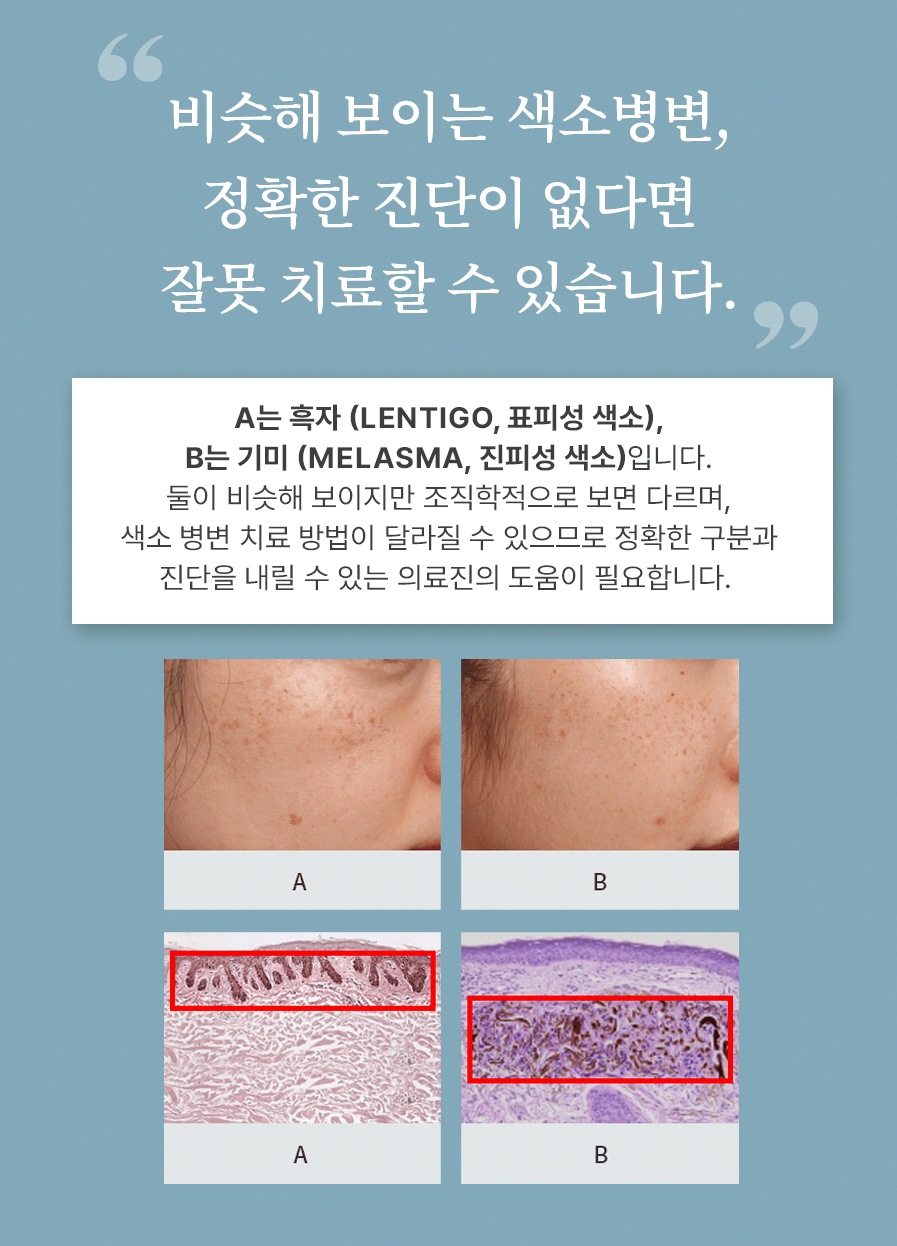
Pigmentation is not one single condition. Melasma, sun spots, age spots, freckles, Ota nevus, and post-inflammatory hyperpigmentation all behave differently and respond differently to treatment.
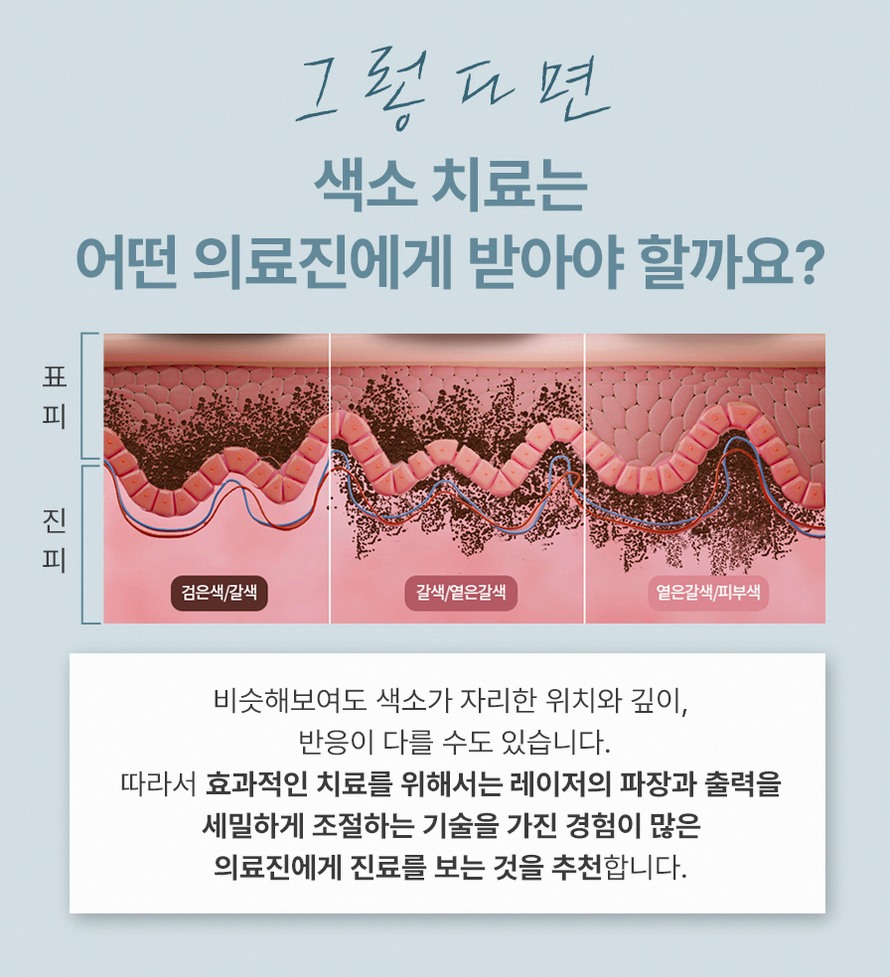
A key step before pigmentation laser toning is a careful diagnosis by an experienced doctor. Important distinctions include:
Epidermal vs dermal pigmentation: Superficial pigment in the upper skin layers usually responds faster to laser toning, while deeper pigment in the dermis may require more sessions or different laser wavelengths.
Melasma vs simple sun damage: Melasma is often influenced by hormones, heat, and inflammation. It tends to spread in symmetrical patches on the cheeks, forehead, and upper lip. Treating melasma too aggressively can cause it to worsen, so low-fluence, controlled toning and strict sun care are essential.
Vascular components: Some pigmentation has a redness or vascular component. In those cases, combining pigmentation lasers with vascular or redness-focused lasers may give a more balanced result.
Advanced clinics may use imaging and skin analysis systems to examine your skin under different light sources, measure melanin and redness levels, and visualize deeper layers. This helps to design a more precise plan and track changes over time.
For overseas patients, sending clear, no-makeup photos in good lighting before your visit can help the medical team make a preliminary assessment. However, final diagnosis and treatment planning should always be done in person, after direct examination.
How treatment planning is customized
Once your pigmentation type and depth are assessed, the doctor will customize your laser toning plan. Key elements include:
Number of sessions: Many patients start with a series of sessions, often weekly or every 1 to 2 weeks for the first phase. The total number can vary from several sessions to more, depending on the severity and type of pigmentation.
Energy settings: Low-fluence does not mean one fixed setting. The doctor adjusts fluence, spot size, and passes based on your skin type, sensitivity, and response over time.
Treatment areas: Some patients treat the full face, while others focus on specific zones such as cheeks, forehead, or under-eye area, sometimes combined with spot treatments for darker lesions.
Combination plan: If you have deeper lesions or redness, the plan may include alternating sessions with other lasers, or adding skin-repair injections or medical skincare for barrier support.
Throughout the course, the doctor monitors your skin’s reaction. If there is increased sensitivity, dryness, or unexpected darkening, the plan can be modified, paused, or combined with more intensive soothing and anti-inflammatory care.
Devices and technology in context
In Cheongdam, Gangnam, Seoul, near Apgujeong Rodeo Station, some clinics operate as laser and energy-based centers, focusing on integrating multiple platforms rather than relying on a single machine. Clinique hus,hu is one example where pigmentation care is approached within a broader cell-level anti-aging philosophy.
Typical devices in such a setting may include:
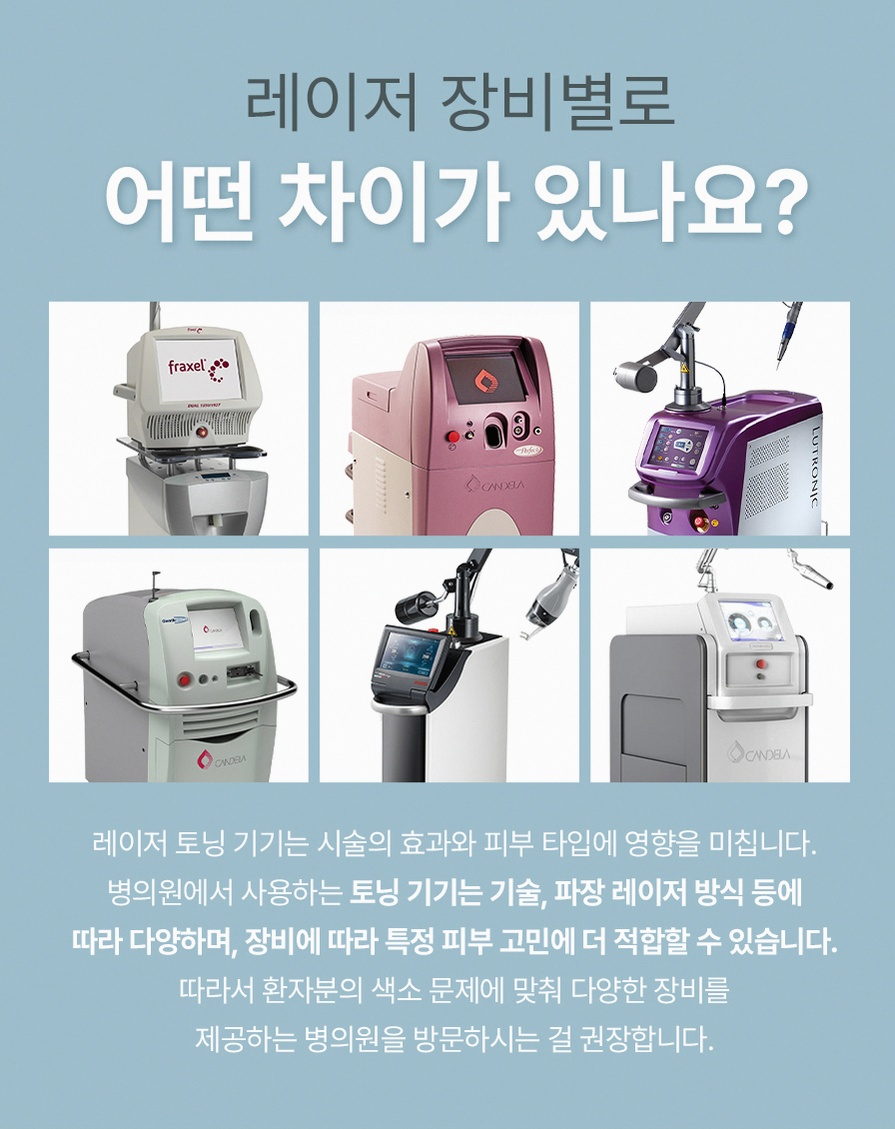
Picosecond lasers: These deliver very short pulses to target pigment particles efficiently, often used for stubborn spots, tattoos, or mixed pigmentation.
Q-switched lasers: Commonly used for pigmentation toning and spot treatments, especially in low-fluence modes for melasma and diffuse pigment.
Fractional lasers: Used more for texture, pores, and scars, and sometimes for deeper pigment when appropriate.
Vascular lasers: Focused on redness, broken capillaries, and vascular components that may accompany pigmentation.
Radiofrequency or other energy devices: Applied for lifting, contouring, or collagen stimulation, which can complement pigment care but are not the main focus of toning.
Having multiple devices allows the doctor to:
Target melanin with pigmentation lasers.
Address redness or vascular issues when they contribute to uneven tone.
Support texture and scars with fractional or RF devices when needed.
At some clinics, this is combined with an in-house cell research approach and anti-aging concept, where pigmentation is seen not just as a surface issue but as part of overall skin health and cell behavior. However, for you as a patient, the most important point is that the clinic can choose from several tools and does not force every case into a single laser protocol.
Step-by-step treatment process
If you travel to Seoul for pigmentation laser toning, a typical session may follow these steps:
Consultation and skin analysis
On your first visit, you will meet the doctor for a detailed consultation. They will review your medical history, current skincare routine, previous treatments, and lifestyle factors such as sun exposure and travel habits.
Your skin may be analyzed with imaging systems to assess melanin, redness, pores, and texture. Based on this, the doctor will propose a treatment plan, explain expected results, possible side effects, and the approximate number and frequency of sessions.
Cleansing and preparation
Before the laser, your skin will be cleansed to remove makeup, sunscreen, and surface oils. In most cases of low-fluence toning, numbing cream is not necessary, but it can be applied if you are very sensitive or if a combination treatment is planned.
Protective eyewear
Both you and the medical staff will wear protective eyewear suited to the laser wavelength. This is a standard safety step in all laser procedures.
Laser toning session
The doctor or trained staff will perform the laser toning, usually passing the handpiece across the treatment area in a systematic pattern. You may feel mild warmth, tingling, or a light snapping sensation on the skin.
A typical session can take only a few minutes for a small area or longer for full-face treatment, depending on the protocol.

Post-laser cooling and soothing
After the laser, cooling packs or cool air may be applied to reduce warmth and calm the skin. Soothing products such as hydrating serums, calming creams, or barrier-supporting formulas are often used.
You will receive instructions on sun protection and at-home skincare, including which products to avoid temporarily (for example, strong acids or retinoids) and which to use for hydration and barrier repair.
Downtime and immediate reactions
Most patients experience minimal downtime with low-fluence pigmentation laser toning. Possible short-term reactions include:
Mild redness or warmth for a few hours.
Slight swelling in sensitive areas.
Temporary darkening or “peppering” of some spots as pigment fragments come closer to the surface before they fade.
These usually settle within a few hours to a few days, depending on your skin and the intensity of the session.
Expected results and timeline
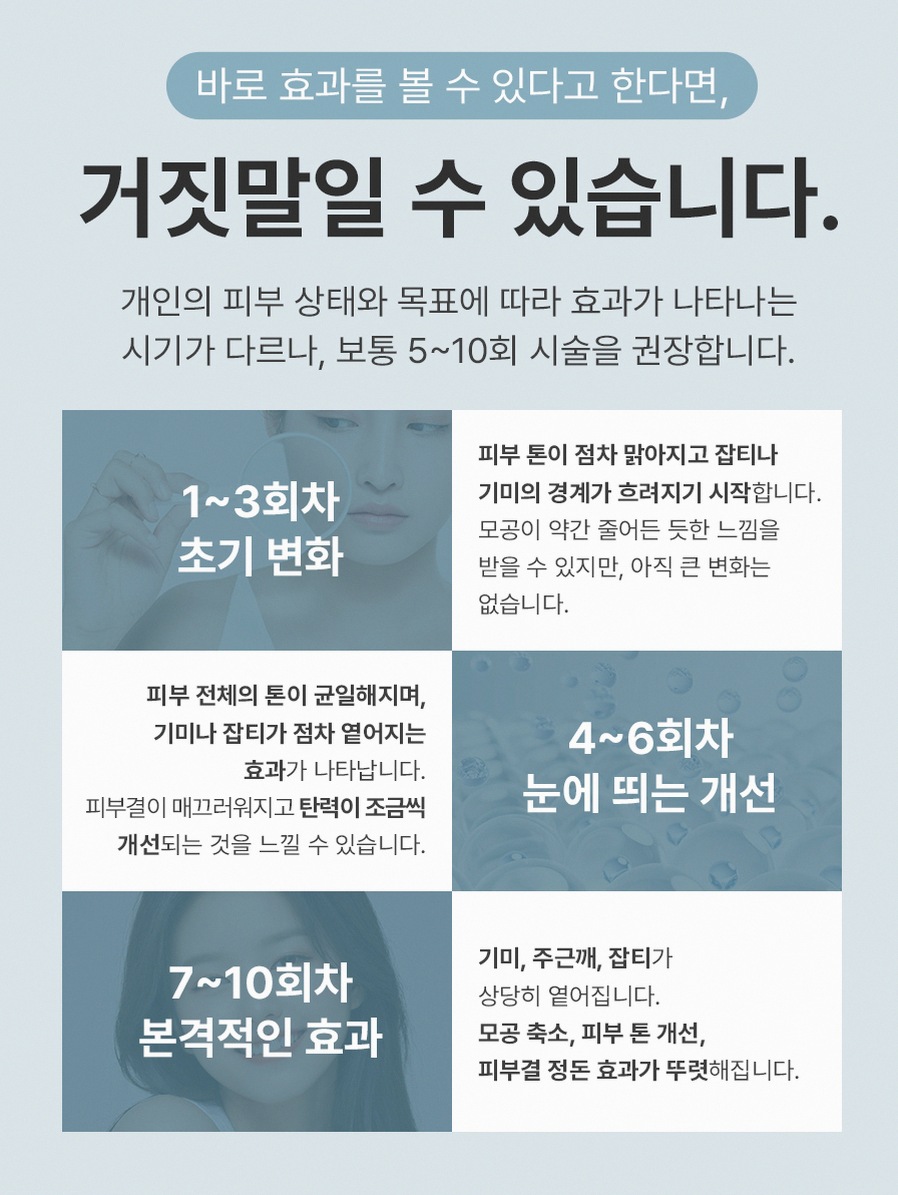
Pigmentation laser toning is designed for gradual improvement, not instant erasure. You can think of it as a series of small steps that build on each other.
Over multiple sessions, you may notice:
A more even overall skin tone.
Softening of diffuse pigmentation and melasma patches.
A brighter, less dull complexion.
Improved blending between darker and lighter areas.
The timeline varies widely. Some people notice visible changes after a few sessions, while others need more time, especially with deeper or long-standing pigmentation.
Melasma in particular is a chronic, relapsing condition. Even with good response to laser toning, it often requires maintenance treatments at longer intervals, combined with strict sun protection, gentle skincare, and attention to triggers such as heat and hormonal changes.
Results are influenced by:
Skin type and natural melanin level.
Depth and type of pigmentation.
Sun exposure habits and sunscreen use.
Hormonal factors, including pregnancy, contraception, or hormone therapy.
Use of irritating products or treatments between sessions.
No clinic can promise permanent removal of melasma or age spots. However, with a realistic plan and careful maintenance, many patients achieve and maintain a more even, brighter appearance over time.
Safety, side effects, and precautions
When performed by experienced doctors with appropriate devices, pigmentation laser toning is generally considered a safe procedure. Still, any laser treatment carries potential risks.
Possible side effects include:
Temporary redness, dryness, or tightness.
Mild swelling or sensitivity.
Transient darkening of spots as pigment breaks up.
Rarely, burns, blisters, or crusting if the energy is too strong or the skin is very reactive.
Post-inflammatory hyperpigmentation or worsening pigmentation, especially in darker skin types or if aftercare is poor.
To minimize risks, it is important that:
An experienced doctor evaluates your skin type, pigmentation pattern, and medical history.
Laser settings are adjusted carefully, especially for darker or sensitive skin.
Patch testing or very cautious first sessions are considered when needed.
You follow all pre- and post-care instructions, including sun protection.
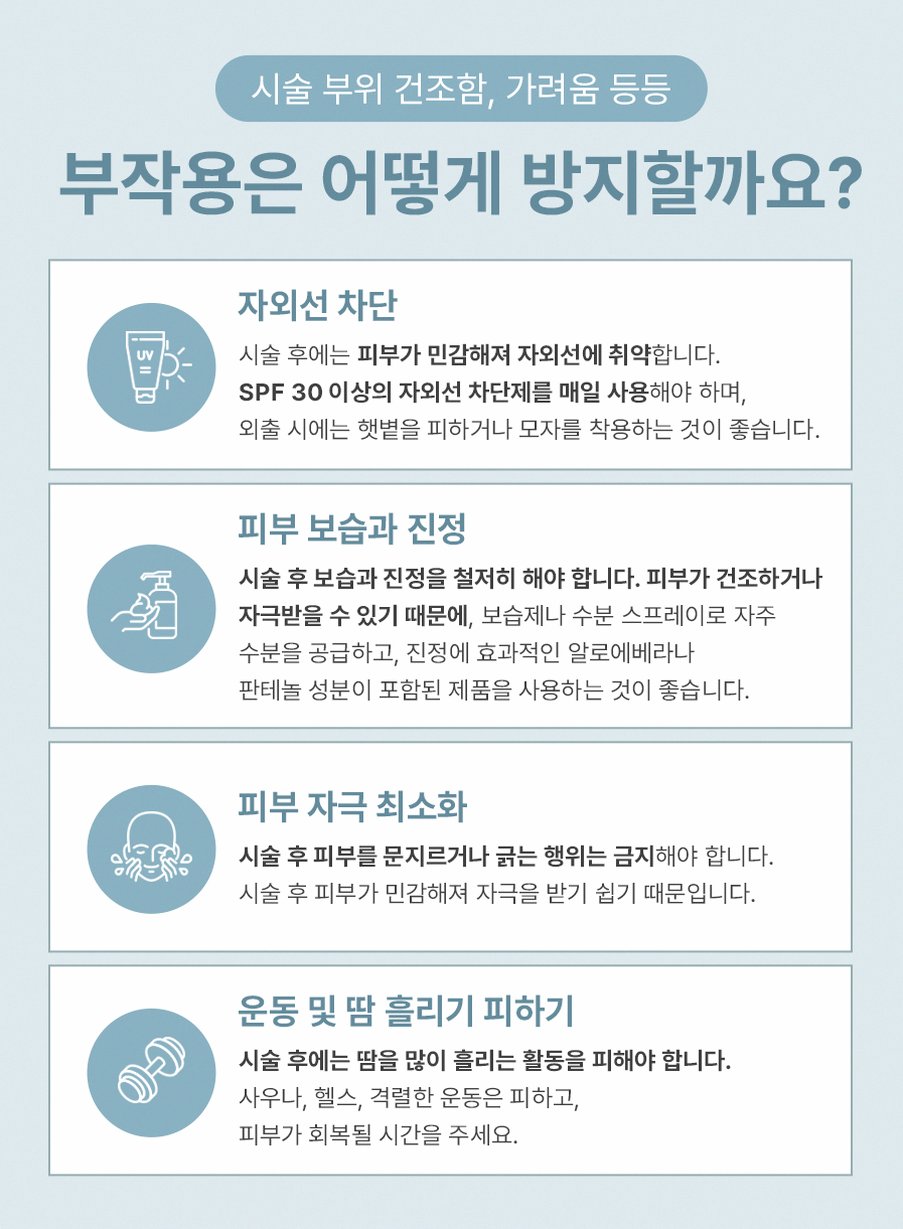
Melasma can rebound if over-treated or if you are exposed to strong sunlight, heat, or irritation after sessions. Consistent broad-spectrum sunscreen, hats, shade, and avoiding tanning beds, hot saunas, and intense heat right after treatment are key.
For international patients, planning your schedule matters. If you will be sightseeing outdoors, try to avoid heavy sun exposure immediately after sessions, and carry sunscreen and a hat at all times.
Online consultation and pre-visit preparation
Before traveling to Seoul, many overseas patients start with an online consultation. This can help you decide whether pigmentation laser toning is suitable and how to plan your schedule.
To prepare for an online consultation:
Take clear photos of your face or affected areas in natural daylight, without makeup or filters.
Provide close-up and full-face images from the front and both sides.
Share your medical history, including any history of keloids, allergies, photosensitivity, or autoimmune conditions.
List your current skincare products, especially any acids, retinoids, bleaching creams, or previous laser or peeling treatments.
Mention any medications, including hormone therapy, birth control, or supplements.
During the consultation, you can ask:
How many sessions are likely for your pigmentation type.
How frequently sessions should be scheduled.
How much time you should plan to stay in Korea.
What kind of aftercare products or routines are recommended.
This helps you design a realistic travel plan and budget, and avoid rushing treatments too close together.
Expected Korea visit timeline for pigmentation laser toning
Your ideal schedule in Korea depends on how many sessions you plan to have. Here are some common patterns:
Short visit (about 1 week)
Suitable if you want to:
Have a detailed consultation and imaging.
Try 1 or 2 initial sessions of pigmentation laser toning.
Receive a personalized long-term plan and product recommendations to continue at home.
Medium stay (2 to 3 weeks)
Allows:
Multiple toning sessions spaced several days apart.
Adjustment of settings based on your response.
Possible combination with other gentle treatments such as hydrating facials or mild injections for skin repair.
Longer stay or repeat visits
For chronic conditions like melasma, many patients choose to:
Visit Korea periodically for a cluster of sessions.
Maintain results at home with skincare and sun protection.
Return for maintenance toning or combination treatments when needed.
When planning your trip, consider:
Avoid scheduling intense outdoor activities immediately after sessions.
Leave some buffer days in case your skin needs extra recovery time.
Plan your departure at least a day or two after your last session if possible, so you can receive final aftercare instructions and check your skin with the doctor.
Aftercare and lifestyle tips
Good aftercare is as important as the laser itself. To support your results and reduce risks:
Use gentle cleansers and avoid harsh scrubs or strong exfoliants for several days after each session.
Apply soothing, hydrating products to support the skin barrier.
Use a broad-spectrum sunscreen every day, even if you stay indoors, and reapply when outdoors.
Wear a hat and seek shade when outside, especially between late morning and mid-afternoon.
Avoid tanning beds, strong peels, and other aggressive treatments unless approved by your doctor.
Limit hot baths, saunas, and intense exercise that cause overheating in the first couple of days after treatment.
If you notice unusual pain, blisters, or persistent darkening, contact the clinic promptly for guidance.
Combination treatments and clinic strengths
Pigmentation laser toning can be combined with other treatments when appropriate. Depending on your skin condition and goals, the doctor may suggest:
Medical skincare or hydrating facials to strengthen the skin barrier and reduce dryness from repeated laser exposure.
Other energy devices for lifting or contouring, if you are also concerned about sagging or facial contour, though these are usually secondary to the main pigmentation focus.
Clinics in Cheongdam often emphasize a comprehensive approach, bringing together multiple high-end laser platforms for pigmentation, vascular issues, and texture, as well as doctors with academic and international experience. Some, like Clinique hus,hu, link pigmentation care with broader anti-aging and cell health concepts, supported by in-house research.

For you as an overseas patient, this means you can discuss not only your spots but also your long-term skin aging concerns, and explore how pigmentation toning fits into a wider plan.
Frequently asked questions
How many pigmentation laser toning sessions are usually needed
The number of sessions varies depending on your pigmentation type, depth, and skin response. Many patients start with a series of sessions, often once every 1 to 2 weeks for several visits. Superficial sun spots or mild uneven tone may show improvement within a few sessions, while melasma or deeper pigmentation often requires a longer course and ongoing maintenance. Your doctor will estimate a range after examining your skin in person.
Is pigmentation laser toning painful
Most people describe pigmentation laser toning as mildly uncomfortable rather than painful. You may feel warmth, tingling, or a light snapping sensation on the skin. Because the energy is low and delivered in a gentle way, numbing cream is often not necessary, though it can be used if you are sensitive or if other procedures are combined. Any discomfort usually subsides quickly after the session.
Can pigmentation laser toning completely remove melasma or age spots
No treatment can guarantee complete and permanent removal of melasma or age spots. Laser toning can significantly improve the appearance of many types of pigmentation, making the skin look more even and bright. However, melasma in particular is influenced by hormones, sun, and heat, and can recur even after successful treatment. Age spots and sun spots may lighten or fade, but new ones can appear if you continue to have strong sun exposure. Maintenance care and sun protection are essential.
How long do results last, and is maintenance required
Results can be long-lasting when combined with good lifestyle habits, but they are not permanent in the sense that pigmentation will never return. For melasma and chronic pigmentation, maintenance sessions at longer intervals are commonly recommended. The exact schedule depends on your skin and lifestyle. Daily sunscreen, hats, and avoiding unnecessary sun or heat exposure help prolong your results and reduce the need for frequent treatments.
Is pigmentation laser toning safe for all skin types and tones
Pigmentation laser toning can be performed on a wide range of skin types and tones, but the approach must be adjusted carefully. Darker skin types have a higher risk of post-inflammatory hyperpigmentation if the energy is too strong or the protocol is not suitable. This is why a thorough consultation, cautious initial sessions, and experienced medical supervision are important. Your doctor may recommend patch testing or more conservative settings at first to see how your skin reacts.

What should I avoid before and after each session
Before treatment, avoid strong peels, aggressive scrubs, and tanning (including self-tanners) for a period recommended by your doctor. Inform the clinic about any new medications or health changes. After treatment, avoid direct strong sun, tanning beds, and very hot environments such as saunas or hot baths for a few days. Do not pick or scratch at any darkened spots or dry areas. Use gentle skincare and follow the sunscreen and product instructions provided by the clinic.
Soft call to action for online consultation
If you are considering pigmentation laser toning in Seoul and would like a personalized opinion before you travel, you can arrange an online consultation with a dermatology clinic that focuses on laser and energy-based treatments, such as Clinique hus,hu in Cheongdam, Gangnam, near Apgujeong Rodeo Station. By sharing clear photos and your medical history in advance, you can receive a preliminary plan and suggested schedule, then finalize details in person when you arrive.
An online consultation can help you understand whether laser toning is suitable for your pigmentation type, how many sessions may be needed, and how to organize your visit to Korea so that treatment, sightseeing, and recovery fit comfortably into your itinerary.
- 공유 링크 만들기
- X
- 이메일
- 기타 앱


댓글
댓글 쓰기