Laser Toning for Pigmentation Removal: How It Fades Freckles and Spots
- 공유 링크 만들기
- X
- 이메일
- 기타 앱
Direct answer: can laser toning really remove pigmentation?
Laser toning is a low-energy laser treatment that can gradually lighten freckles, sun spots, early age spots, and melasma-type pigmentation.
For international patients visiting Seoul, laser toning can be planned over a short stay or combined with regular follow-up visits if you travel to Korea frequently. A careful skin assessment and realistic treatment plan are essential to get safe, natural-looking improvement rather than chasing complete “erasure” in one shot.
What is laser toning for pigmentation removal?
Laser toning is a form of low-fluence laser therapy designed to target excess melanin in the skin. The laser delivers short bursts of energy at specific wavelengths that are absorbed by pigment, helping to break it into smaller particles that your body can gradually clear.
Unlike high-energy spot-removal lasers that intentionally create scabs and crusting on individual lesions, laser toning is more like a gentle polishing of the overall complexion. It is especially useful when you have many small freckles, scattered sun spots, or diffuse brown patches rather than just one or two isolated spots.

Because the energy is kept relatively low and repeated over multiple sessions, laser toning aims to lighten pigmentation while minimizing damage to surrounding tissue. This approach can reduce the risk of scarring or strong rebound pigmentation that sometimes occurs after overly aggressive treatment.
Who may consider pigmentation removal laser toning?
Laser toning is often considered by people who are bothered by freckles, sun-induced brown spots, or early age spots on the face, neck, chest, or hands. Many patients describe their concern as dull, uneven skin tone that makes makeup look patchy or difficult to blend.
You might be a candidate if you notice:
Freckles that have darkened over time with sun exposure
Scattered light to medium brown sun spots
Early age spots that are not very thick or raised
Mixed pigmentation with both spots and overall dullness
Melasma-type patches that look like brownish masks or shadows
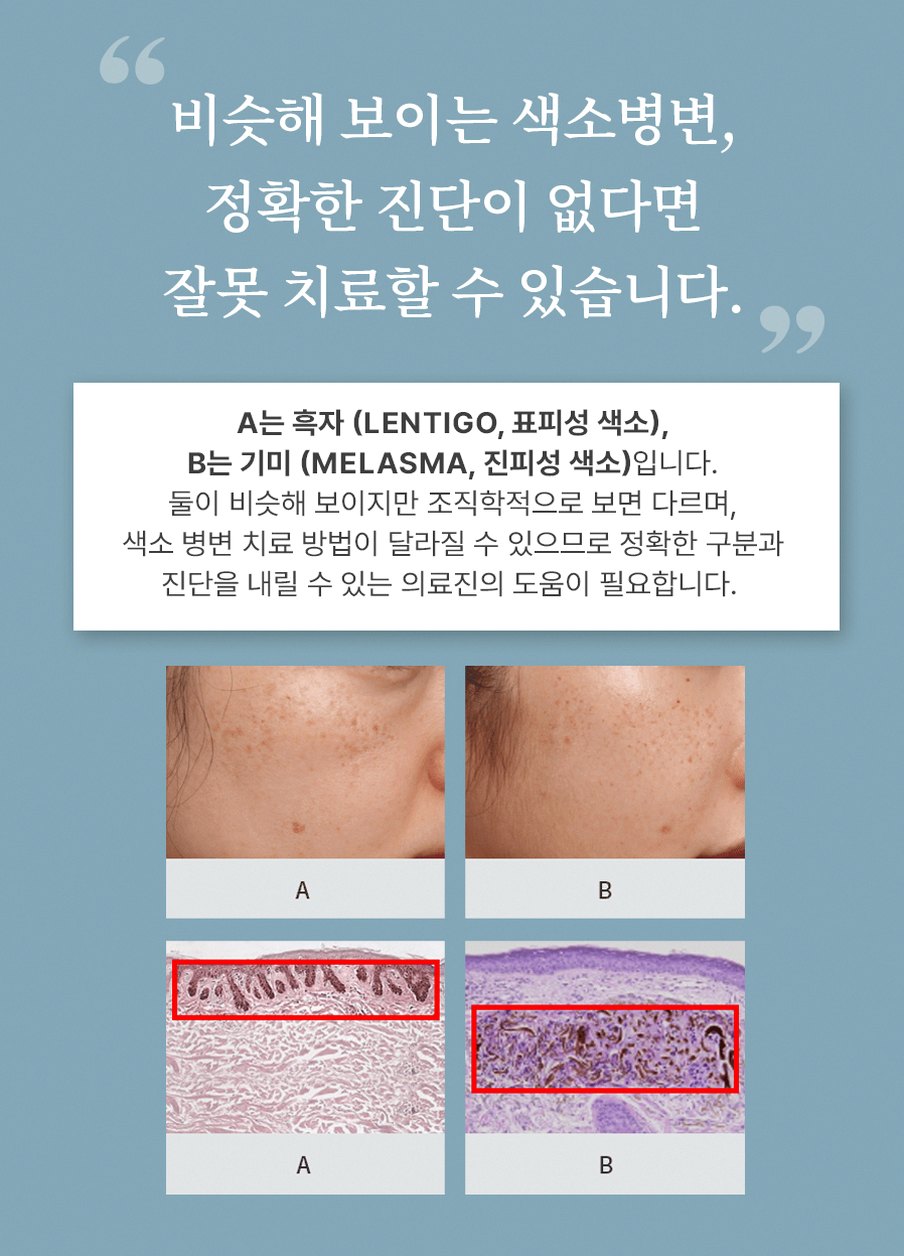
However, not all brown marks are the same. A dermatologist should first distinguish between freckles, sun spots, melasma, birthmarks, seborrheic keratoses, and other pigment conditions, because each responds differently to laser energy.
Skin type also matters. Darker skin tones carry a higher risk of post-inflammatory hyperpigmentation, which means the skin may darken after irritation or injury. In these cases, more conservative settings, longer intervals between sessions, and careful planning are important.
If you have active skin disease such as severe acne, dermatitis, or infection, or if you have recently had strong peels or ablative lasers, your doctor may advise delaying laser toning until your skin barrier has recovered.
How laser toning works on freckles and spots
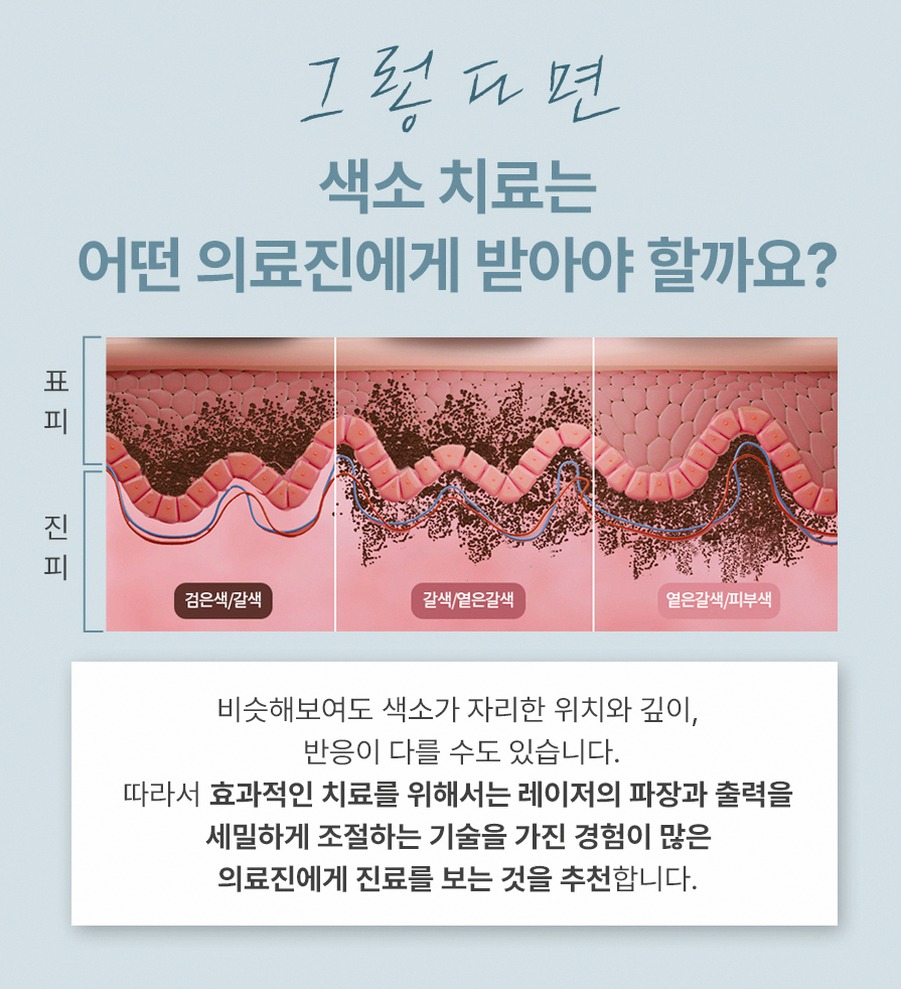
Laser toning targets melanin, the pigment that gives color to your skin and spots. During treatment, short pulses of laser light are directed at the skin. Melanin absorbs this energy, and the pigment is fragmented into smaller particles. Over time, your body’s natural clearing mechanisms help to remove these particles, leading to a gradual lightening effect.
The key concept is low-fluence, multiple passes. Instead of using one high-energy shot to burn the spot, the doctor uses lower energy levels and may pass the laser over the area several times in one session. This “chipping away” approach is repeated across multiple sessions, so the pigment fades slowly rather than peeling off dramatically.
This strategy aims to reduce the risk of complications such as rebound pigmentation, scarring, or obvious demarcation lines between treated and untreated skin. It is particularly relevant for melasma and for patients with sensitive or darker skin.
Different devices and wavelengths can be used for laser toning. Common options include Q-switched systems, picosecond lasers, and long-pulsed pigment lasers. The choice depends on factors such as pigment depth, color, distribution, and your skin type.
In a clinic with multiple energy-based devices, the dermatologist can adjust the approach over time. For example, they may focus on pigment with laser toning while adding a vascular laser if redness is prominent, or a fractional laser later on if texture and pores also need attention. For this guide, the main focus remains on pigment-targeted laser toning.
Treatment process: from consultation to aftercare
For overseas patients, a structured process helps you understand what to expect from pigmentation removal laser toning.

Initial consultation and assessment
The first step is a detailed consultation. The dermatologist examines your skin directly and may use imaging systems that analyze pigment depth, redness, pores, and texture. These images can reveal hidden sun damage and help plan a realistic course of treatment.
During this assessment, the doctor differentiates between superficial freckles, deeper sun damage, melasma, and other lesions such as seborrheic keratoses or certain birthmarks. Some lesions may not be ideal for laser toning and might need a different approach, or they may be benign growths rather than simple pigment.
You will also be asked about your medical history, medications, hormone status, sun exposure habits, and any previous laser or peel treatments. This information helps to estimate your risk of side effects and tailor the settings.
Pre-treatment steps
On the day of treatment, your skin is gently cleansed to remove makeup, sunscreen, and oil. Protective eye shields or goggles are placed to shield your eyes from the laser light.
Many patients tolerate laser toning without numbing cream, as the energy is relatively low. However, if you are very sensitive, your doctor may apply a topical anesthetic or use cooling devices to make the session more comfortable, depending on the specific device.
What the procedure feels like
Session lengths vary by device and treatment plan; many clinics report that a full-face session is relatively short, but confirm the expected time with your provider. You may feel sensations similar to tiny elastic snaps, pinpricks, or warmth on the skin. The doctor watches your skin response in real time and can adjust the energy or number of passes accordingly.
Some areas, such as around the nose or upper lip, can feel more sensitive. Communication during the procedure is important; letting the doctor know how you feel helps them fine-tune the settings.

Immediately after treatment
Right after laser toning, your skin may look slightly pink or feel warm, similar to a mild sun exposure. This usually settles within a few hours. In some cases, certain spots may look a little darker for a short time as the pigment is being processed.
Most patients can return to daily activities the same day. Light makeup is often possible later that day or the next day, depending on how your skin reacts and your doctor’s instructions.
Aftercare basics
Aftercare is a crucial part of pigmentation treatment.
You will usually be advised to:
Use broad-spectrum sunscreen every day, even when indoors, and reapply if you are outdoors
Wear hats or seek shade when outside, especially during peak sun hours
Avoid harsh scrubs, exfoliants, or strong active ingredients (such as high-percentage acids or retinoids) for a few days after each session, unless your doctor gives specific guidance
Use gentle cleansers and moisturizers to support the skin barrier
Avoid hot saunas or intense exercise immediately after treatment if your skin feels very warm or sensitive
Consistent UV protection is essential. Without it, new spots can appear and existing pigmentation can darken again, even after successful laser toning.
How many sessions are needed and when results show
Pigmentation removal with laser toning is gradual. It is not designed as a one-time eraser.

Many patients need a series of sessions, often spaced about 1 to 4 weeks apart. The exact number depends on the type and depth of pigmentation, your skin type, and how your skin responds. Some people notice a brighter tone and slightly lighter spots after a few sessions, while deeper or mixed pigment may take longer.
Freckles and superficial sun spots often respond faster than deeper lesions or melasma. Melasma in particular tends to be chronic and sensitive to hormones and sun exposure, so the goal is usually control and softening rather than permanent removal.
In some cases, your dermatologist may recommend combining approaches. For example, they may use a more targeted, higher-energy laser on a few stubborn spots, while continuing gentle toning on the overall face. This is decided individually after assessing your skin and risk profile.
Because UV exposure and natural aging continue, maintenance sessions may be suggested at intervals after the initial series. These maintenance treatments help to keep pigmentation under control and support a more even tone over time.
Pain, downtime, and safety considerations
Most patients describe laser toning as mildly uncomfortable rather than painful. The sensation is often compared to small rubber band snaps or a warm prickling feeling. Many people manage well without anesthesia, though numbing or cooling can be used if needed.
Downtime is usually minimal. Common temporary reactions include:
Mild redness or flushing
Slight swelling in sensitive areas
Transient darkening of some spots
Mild dryness or flaking
These effects typically settle within a few hours to a few days, depending on the intensity of treatment and your skin type.
Potential risks, while less common with conservative settings, can include post-inflammatory hyperpigmentation (darkening), hypopigmentation (lightening), burns, or textural changes if parameters are inappropriate or if aftercare is not followed.
For melasma-prone or darker skin types, careful planning by an experienced dermatologist is especially important. At clinics equipped with multiple pigment and fractional devices, the doctor can adjust energy, pulse duration, and device choice to balance effect and safety for your particular skin.
Laser toning vs. other pigmentation treatments
Laser toning is one option among several treatments for pigmentation. Understanding the differences can help you discuss a suitable plan with your doctor.
Compared with high-energy spot removal, laser toning is gentler and more diffuse. Spot removal lasers focus intense energy on individual lesions, often creating visible scabs and more obvious downtime, but can clear isolated spots more quickly. This approach may be useful if you have just a few distinct lesions.
Chemical peels and topical brightening agents, such as vitamin C, niacinamide, or prescription creams, can also help improve pigmentation and overall tone. However, they may be slower or less targeted for stubborn spots, and they require consistent use. In some cases, they are combined with laser toning to support and maintain results.
Some clinics also integrate laser toning with skin-repair injections or regenerative treatments to support barrier recovery and reduce irritation, especially for sensitive or melasma-prone skin. These are considered on a case-by-case basis.
In practice, the best approach often combines lifestyle changes (especially UV protection), appropriate topical care, and carefully chosen laser or light-based treatments tailored to your skin.
Preparing from overseas: online consultation and pre-visit planning
If you are considering pigmentation removal laser toning in Seoul, it is helpful to start with an online consultation before you book flights.
Many clinics invite you to send clear photos of your face in natural light, without makeup, from the front and both sides. Some may request close-up images of specific spots. Along with photos, you may be asked about:
Your main concerns and goals (for example, freckles on the cheeks, melasma on the forehead)
Your skin type and history of tanning or sunburn
Previous treatments, including lasers, peels, or strong topical creams
Medications, hormone therapy, pregnancy or breastfeeding status
Any history of keloids, abnormal scarring, or strong reactions to skin procedures
Based on this information, the clinic can give you a preliminary idea of whether laser toning is suitable, how many sessions might be realistic during your stay, and what kind of results you might reasonably expect.
It can be useful to prepare a list of questions before your online consultation, such as:

How many sessions are usually recommended for my type of pigmentation?
What is the typical interval between sessions?
What kind of downtime should I expect?
Are there any treatments I should stop before coming (for example, certain creams or medications)?
How will we handle follow-up if I live overseas?
Expected Korea visit timeline for laser toning
Your visit plan will depend on how long you can stay in Korea and how many sessions you hope to complete.
For a short trip of about one week, many patients schedule:
depending on your skin's response and the clinician’s advice. Actual scheduling varies by clinic, device, and individual assessment—confirm your personalized plan with the clinic.
For a longer stay of two to four weeks, you may be able to have multiple sessions spaced 1 to 2 weeks apart. This can be helpful for building momentum in the early phase of treatment.
If you travel to Korea regularly for business or personal reasons, your dermatologist may design a plan that combines in-clinic laser toning during visits with topical or oral maintenance in your home country between trips.
After your final session during the trip, you will receive instructions for home care and signs to watch for. Some clinics may offer follow-up by email or messaging apps, especially if you have questions or need to send photos of your skin after you return home.
Aftercare and maintaining results
Maintaining the benefits of laser toning requires ongoing care, especially because pigmentation is strongly influenced by sun exposure and hormones.

Core aftercare points include:
Consistent sun protection: Daily broad-spectrum sunscreen, hats, and shade-seeking habits
Gentle skincare: Mild cleansers, non-irritating moisturizers, and avoiding harsh scrubs
Supportive brightening products: Under your doctor’s guidance, you may use vitamin C serums, niacinamide, or other brightening ingredients to help maintain tone
Avoiding unnecessary irritation: Be cautious with at-home devices, strong peels, or frequent product changes that can inflame the skin
Monitoring hormonal factors: If your pigmentation is linked to pregnancy, birth control, or hormone therapy, discuss this with your doctor
Your dermatologist may suggest maintenance laser toning sessions at longer intervals or alternative treatments depending on how your skin evolves.
Choosing a clinic for pigmentation removal laser toning in Gangnam / Cheongdam
When selecting a clinic in areas like Cheongdam or Gangnam, it can be helpful to look for the following:
Dermatologists with specific experience in pigment disorders and laser physics
A range of pigment-targeting devices, such as pico lasers, Q-switched systems, long-pulsed pigment and vascular lasers, and fractional lasers, allowing treatment to be tailored
A structured consultation process, including detailed history and, when available, imaging-based skin analysis
Clear explanations of realistic outcomes, likely number of sessions, possible side effects, and total treatment cost
At a clinic such as Clinique hus,hu in Cheongdam, laser toning can be planned as part of a broader anti-aging and skin health strategy, while keeping your immediate goal focused on safe, gradual fading of freckles and spots.
FAQ: common questions about pigmentation removal laser toning
Does laser toning completely remove freckles and spots, or just lighten them?
Laser toning is primarily designed to lighten and blend pigmentation rather than guarantee complete removal. Many patients see freckles and sun spots become softer and less noticeable, and the overall tone looks more even. Some spots may fade significantly, while others may only partially lighten. The degree of improvement depends on pigment depth, skin type, and how consistently you protect your skin from the sun.

Will my pigmentation come back after laser toning?
Existing spots that have been lightened can gradually darken again if they are exposed to strong UV light, hormones, or other triggers. In addition, new spots can form over time as you age. Laser toning does not stop the natural processes that create pigmentation, so ongoing sun protection and, in some cases, maintenance treatments are important to sustain results.
Is laser toning safe for melasma, or will it make it worse?
Melasma is sensitive and can sometimes worsen with aggressive treatments. Low-fluence laser toning, when planned carefully by an experienced dermatologist, can be used as part of melasma management for some patients. However, it is not suitable for everyone, and settings must be conservative. Your doctor may combine laser toning with topical treatments and strict UV protection, and will monitor your skin closely for any signs of rebound.
How should I care for my skin between sessions?
Between sessions, focus on gentle, protective care. Use a mild cleanser, a non-irritating moisturizer, and broad-spectrum sunscreen every day. Avoid harsh scrubs, strong chemical peels, or new high-strength active ingredients unless your doctor recommends them. If you use prescription creams or brightening products, follow the schedule given by your dermatologist so that your skin has time to recover between laser treatments.
Can I combine laser toning with other treatments like acne care, pore tightening, or anti-aging procedures?
In many cases, laser toning can be combined with other treatments, but the timing and sequence need to be planned. For example, certain acne or pore procedures might be scheduled on different days or phases of your treatment course to avoid over-stressing the skin. Your dermatologist will consider your priorities, skin sensitivity, and travel schedule to design a safe combination plan.
Is there a best season for pigmentation removal laser toning?
Many people prefer to start pigmentation treatments during seasons with lower UV intensity, such as autumn or winter. However, with strict sun protection and careful planning, laser toning can be performed year-round. The most important factor is your commitment to daily sunscreen and protective habits, especially if you are visiting Korea during sunny months.

Soft call to action for overseas patients
If you are considering pigmentation removal laser toning in Seoul and would like a professional opinion on your freckles, sun spots, or melasma-type pigmentation, you can begin with an online consultation. Sharing clear photos and your skin history allows the medical team to suggest whether laser toning is suitable, how many sessions might fit into your visit, and what kind of improvement is realistic for you.
Clinique hus,hu welcomes inquiries from international patients and can help you plan a visit schedule, coordinate consultations, and guide you on pre- and post-treatment care so that your time in Korea is used efficiently and safely.
This article is for general information only and does not replace a personal consultation with a qualified medical professional. Individual diagnosis and treatment plans should always be made in direct discussion with your doctor.
- 공유 링크 만들기
- X
- 이메일
- 기타 앱


댓글
댓글 쓰기