medical scalp scaling for hair loss at Cheongdam clinic
- 공유 링크 만들기
- X
- 이메일
- 기타 앱
Direct answer: does scalp scaling help with hair loss?
more effectively.
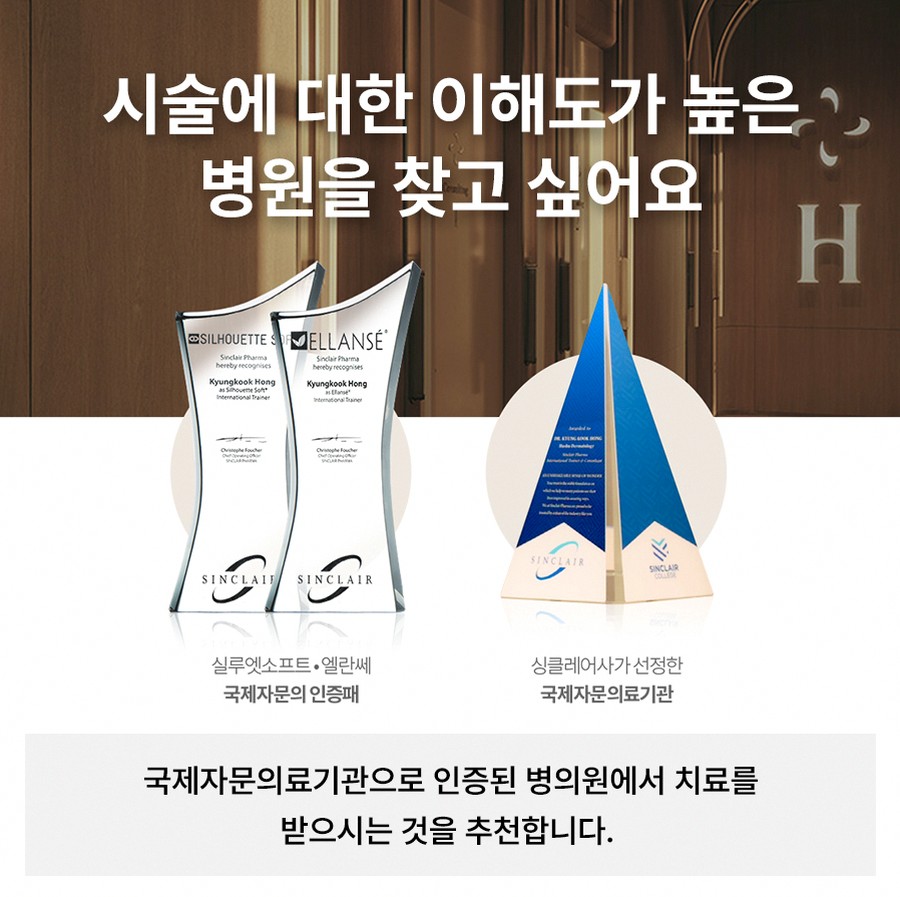
At Clinique hus,hu in Cheongdam, scalp scaling is offered as part of a dermatology-based anti-aging and hair program, not just as a beauty spa service. This guide explains what to expect if you are considering coming to Seoul for medical-grade scalp scaling and hair loss care.
What is medical scalp scaling?
Scalp scaling is a professional deep-cleansing procedure for the scalp. It focuses on removing accumulated keratin, hardened sebum, micro-dust, and styling product buildup from the scalp surface and around the hair follicles.
Unlike regular shampooing, which mainly cleans the hair and surface oil, medical scalp scaling uses controlled solutions and devices to reach deeper into the pores. The goal is to normalize the scalp environment, improve breathability around hair roots, and reduce the micro-irritation that can contribute to hair thinning.
In a clinical setting, the procedure is tailored to your scalp type. For example, oily scalps may need more focus on sebum plugs, while dry, flaky scalps need gentle keratin softening and hydration. The approach is adjusted so that the scalp is cleansed without being over-stripped or irritated.
How it differs from salon scalp care
Many salons offer scalp spa treatments, but medical scalp scaling has a different focus and method.
In a clinic, the main aim is scalp health and hair loss management, not only relaxation. The procedure is planned after a medical-style assessment of your scalp condition, hair loss pattern, and any underlying issues such as seborrheic dermatitis or inflammation.
Medical-grade solutions and devices are used with controlled intensity and frequency. The team considers your overall treatment plan, including any medications, regenerative injections, or energy-based devices you may be receiving for hair loss.
Who may consider scalp scaling
Scalp scaling can be considered by a wide range of people, especially those concerned about early hair thinning or uncomfortable scalp symptoms.
You may be a good candidate if you notice any of the following:
Oily, heavy scalp
If your scalp becomes greasy or sticky soon after washing, you may have excess sebum production or sebum plugs around hair follicles. This can trap dust and product residue, leading to a congested scalp environment. Scalp scaling helps loosen and remove these plugs more effectively than shampoo alone.
Dry, flaky, or itchy scalp
Some people experience visible scales, dandruff, or persistent itching. In these cases, there may be a buildup of dead skin cells and keratin on the scalp surface. Gentle, controlled scaling can help remove this buildup and reduce discomfort, as long as any underlying inflammatory condition is properly evaluated.
Early hair thinning or hair loss
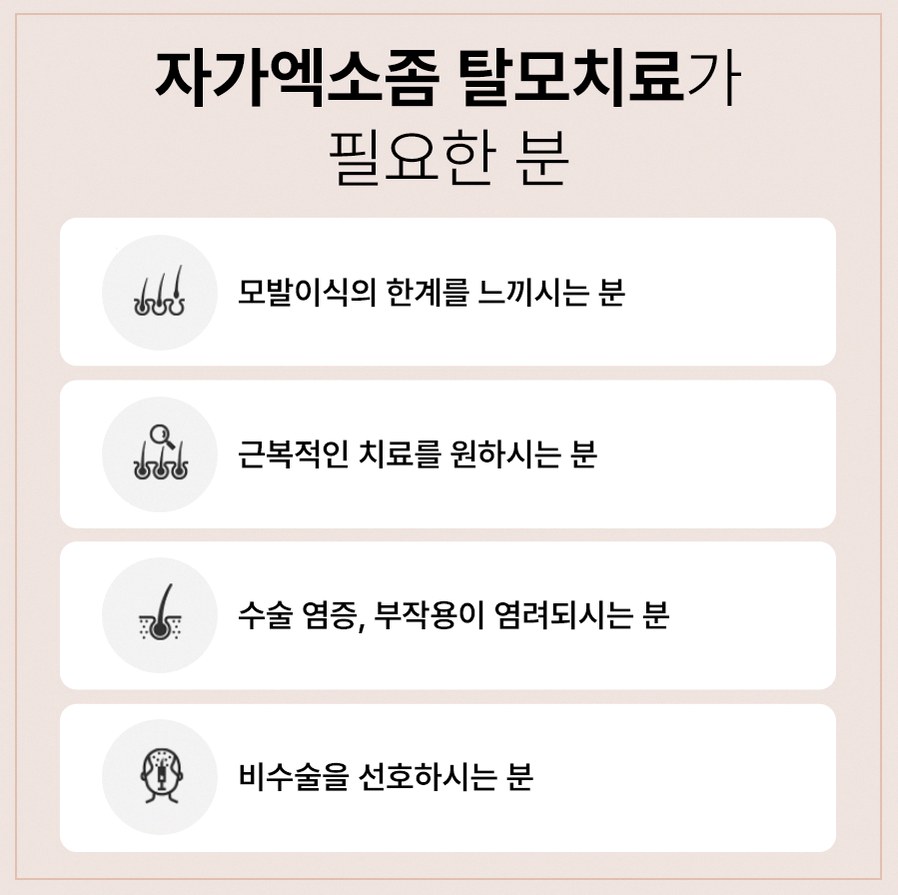
In early stages of hair thinning, low-grade inflammation and buildup around follicles can be present. Scalp scaling does not cure hair loss, but it can support other treatments by keeping the follicles less clogged and the surrounding skin calmer.
Heavy use of styling products
If you frequently use hair sprays, wax, gels, or dry shampoo, residue can remain on the scalp even after washing. Over time, this can mix with sebum and micro-dust, forming a film that is difficult to remove with normal shampoo. Professional scaling helps clear this layer.
Urban lifestyle and pollution
Living in a large city means constant exposure to fine dust and pollution. These particles can settle on the scalp and mix with sweat and oil. Deep cleansing at regular intervals can help manage this environmental stress.
Patients in hair loss programs
If you are preparing for or already undergoing hair loss treatments such as exosome-based injections or stem cell programs, a clean, stable scalp is important. Scalp scaling can be scheduled before or during these treatments to support better penetration and comfort.
Benefits of scalp scaling for hair loss care
Scalp scaling is not a stand-alone cure for hair loss, but it can offer several meaningful benefits when combined with medical treatment.
Reducing micro-inflammation
Buildup of sebum, keratin, and external irritants can contribute to low-level inflammation around hair follicles. By removing these triggers, scalp scaling may help calm the local environment and reduce factors that can aggravate hair shedding.
Improving penetration of treatments
Topical hair loss solutions, exosome preparations, and other medical products need to reach the scalp surface and follicle openings to work properly. If the scalp is covered with thick flakes or sebum plugs, absorption can be reduced. Deep cleansing helps these products contact the skin more evenly.
Supporting a healthier hair cycle
Hair follicles function best when the surrounding skin is well-oxygenated and not clogged. Scalp scaling helps keep the area around each follicle clearer, which can support a more stable hair growth cycle when combined with appropriate medical therapies.
Reducing itching and discomfort
Itching, odor, and a heavy feeling on the scalp often make people scratch or wash aggressively, which can further irritate the skin and loosen fragile hairs. By reducing buildup and improving cleanliness, scaling can help lessen these sensations and encourage gentler care habits.
Providing maintenance during long-term care
Hair loss management is usually long-term. Regular, properly spaced scalp scaling sessions can act as a maintenance step to keep the scalp environment stable, especially for patients on ongoing regenerative programs or medications.
Clinic context and advanced hair programs
Clinique hus,hu in Cheongdam, Gangnam, positions scalp scaling within a broader, dermatology-based anti-aging and hair program framework.
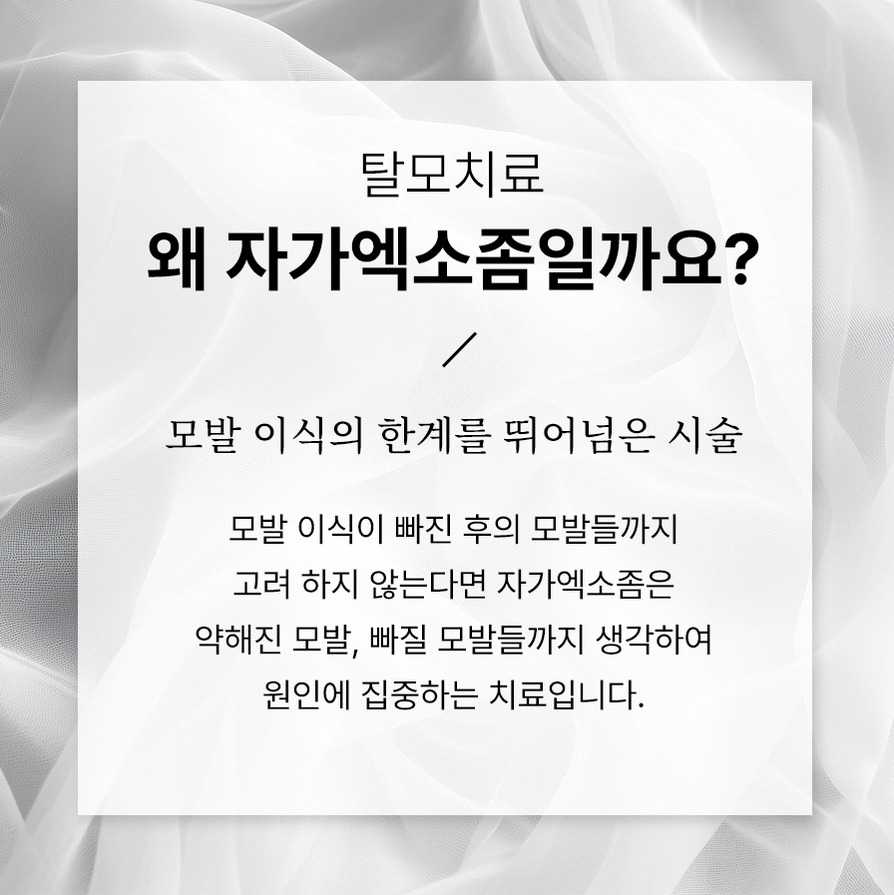
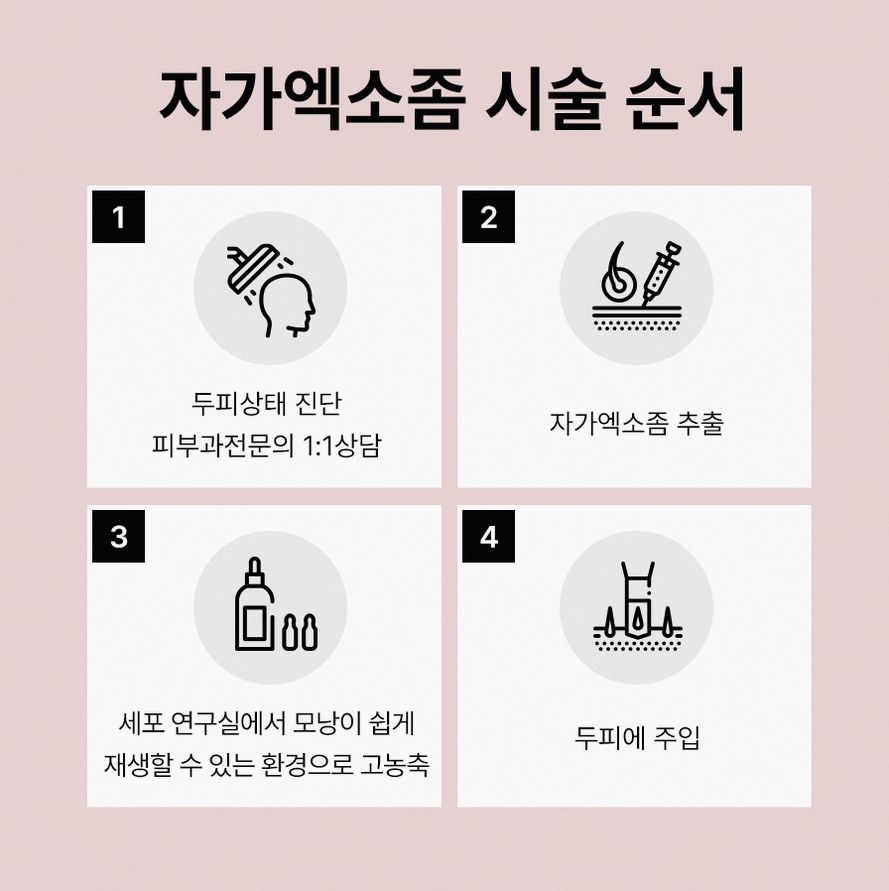
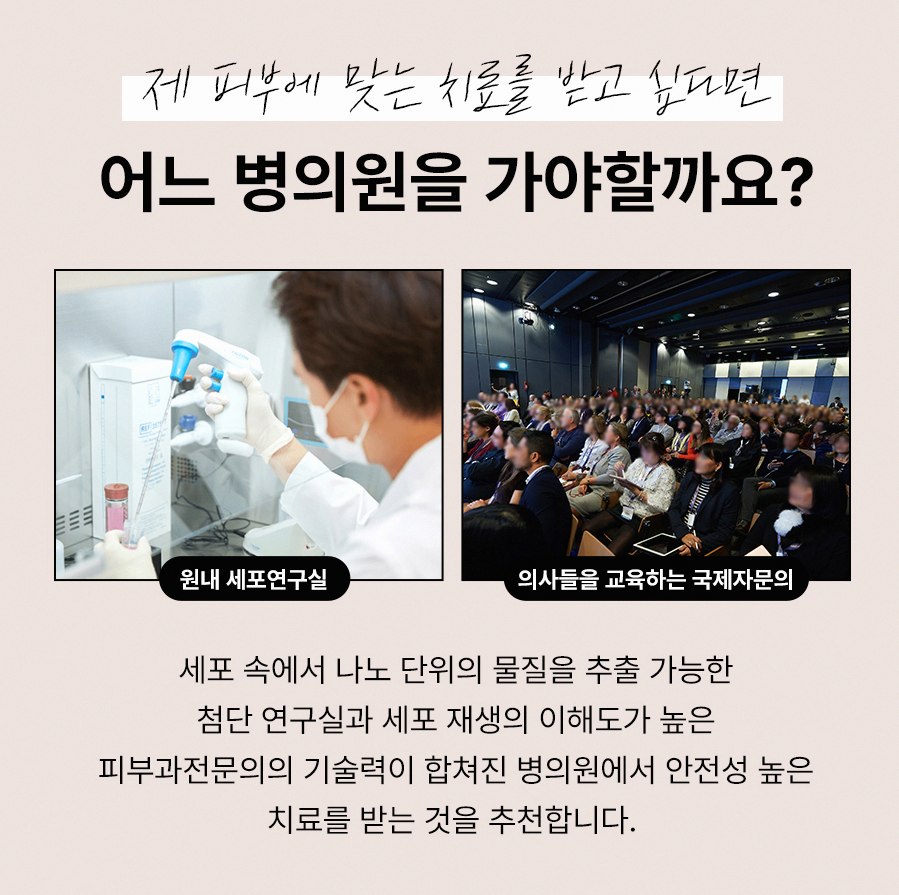
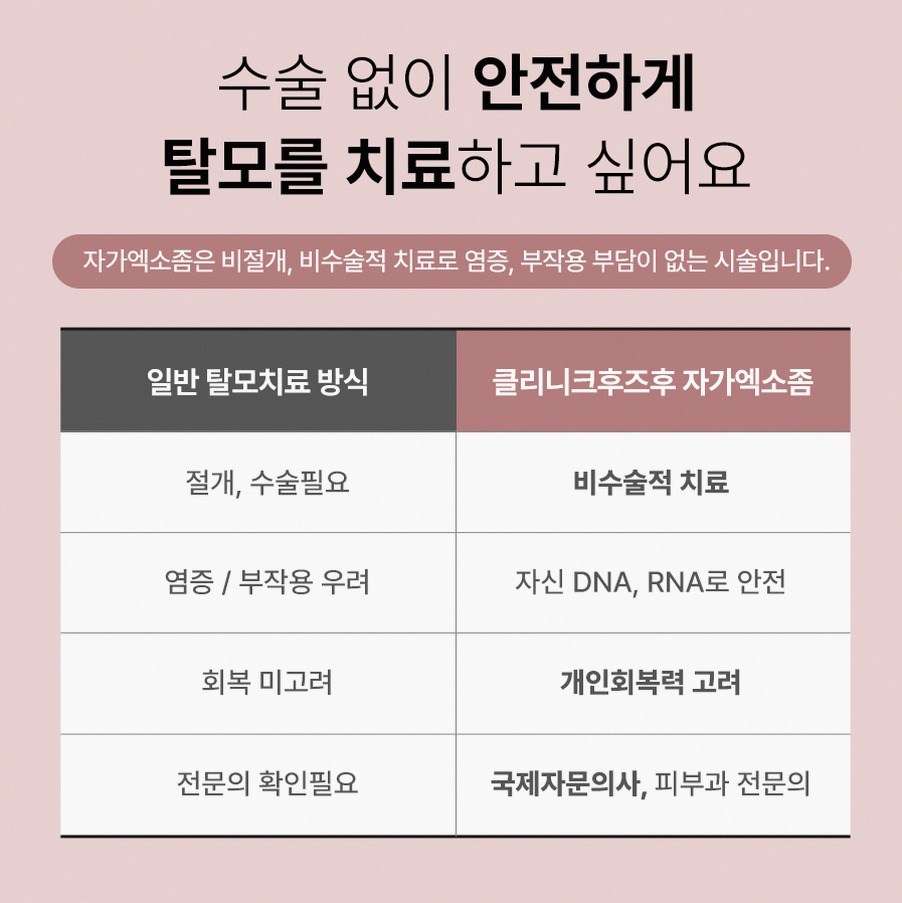
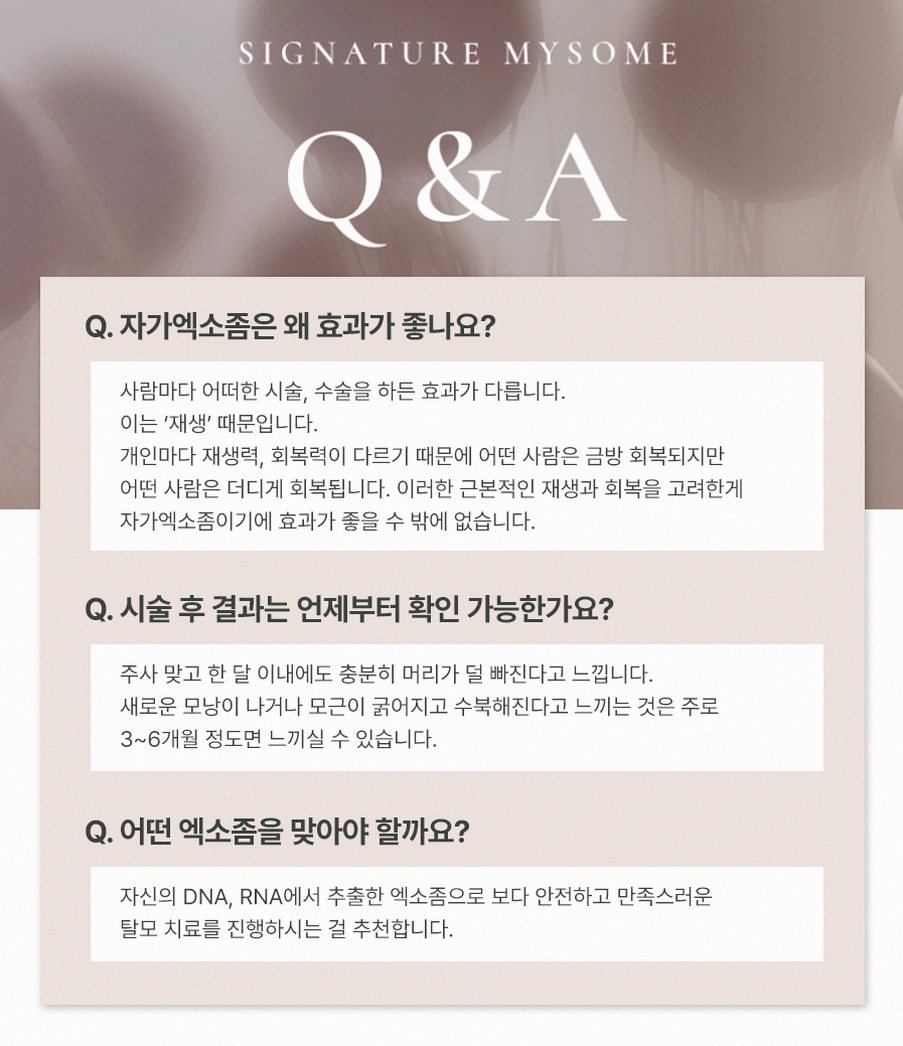
The clinic focuses on cell-level anti-aging and operates an in-house cell research lab known as Recovery Lab. For hair loss, it offers an autologous exosome hair program, where exosomes derived from a patient’s own cells are used in combination with other therapies.
Treatment options can include autologous exosome injections such as Mysome, protocols that combine exosomes with energy-based devices, and non-cultured autologous stem cell approaches using systems like Harvest SmartPReP2. In this context, scalp scaling is not an isolated spa menu item. Instead, it is integrated as a structured step to optimize the scalp environment before or alongside these advanced therapies, with the aim of supporting more comfortable and efficient treatment sessions. These regenerative injection therapies may carry specific risks and require careful medical evaluation; outcomes can vary, and patients should discuss potential side effects, contraindications, and the current regulatory or approval status with their treating physician.
Techniques and devices used for scalp scaling
Medical scalp scaling often combines several techniques, adjusted to your scalp condition and hair loss stage.
Tailored cleansing and exfoliating solutions
The solutions used for scaling are chosen according to whether your scalp is oily, dry, or sensitive. Oily scalps may benefit from formulations that help dissolve sebum plugs, while dry scalps need milder agents that soften keratin without stripping moisture. Sensitive scalps may require very gentle, low-irritation products.
Device-based deep cleansing
Some clinics use hydradermabrasion-style technology adapted for the scalp, similar in concept to popular facial devices that combine suction and fluid flow. These devices can help lift away softened keratin and sebum while infusing the scalp with cleansing or soothing solutions.
Diagnostic imaging and assessment
Before planning the procedure, the medical team may use magnified imaging to examine the scalp surface, follicle openings, and distribution of flakes or sebum. While tools like Visia and Vectra are used for skin analysis, a similar imaging-based mindset is applied to scalp evaluation so that treatment is not done blindly.
Combination with light or energy-based devices
In some hair loss protocols, scalp scaling is followed or combined with light-based or other energy-based treatments. The idea is to first clear the scalp and then apply therapies designed to support hair follicle function or enhance the effect of exosome or stem cell programs.
Typical process for overseas patients
If you are visiting Korea specifically for hair and scalp care, it can be helpful to understand the usual sequence of a medical scalp scaling session.
1. Consultation and scalp assessment
They may perform a visual and magnified examination of the scalp to look for signs of dandruff, seborrheic dermatitis, inflammation, excess oil, or dryness. Lifestyle factors such as stress, diet, hair washing frequency, and product use are also discussed.
- Personalized plan
- Based on this assessment, the team decides whether scalp scaling alone is appropriate or whether it should be combined with other hair loss treatments. For example, they may suggest integrating autologous exosome injections, other medical injections, oral medications, or energy-based devices.
They will also recommend how often you should receive scaling, taking into account your travel schedule and how long you will stay in Korea.
- Cleansing and pre-care
- Before the main scaling step, the scalp is gently cleansed to remove surface dust and sweat. This pre-cleansing helps the solutions used in scaling to work more evenly and reduces the risk of irritation.
- Scaling procedure
- Specialized solutions are applied to soften keratin and sebum plugs. Device-based techniques may be used to gently dislodge and extract this buildup from the scalp surface and around follicle openings.
The practitioner works section by section, adjusting pressure and duration according to your scalp sensitivity. Care is taken not to over-scrub or cause unnecessary redness.
- Soothing and protection
- After the extraction and rinsing steps, calming products or light-based care may be used to reduce temporary redness and support barrier recovery. This helps the scalp feel comfortable after deep cleansing.
- Post-care guidance
- At the end of the visit, you receive instructions on how to care for your scalp at home. This usually includes advice on shampoo type, washing frequency, styling product use, and what to avoid in the first day or two.
If you are on a longer hair loss program, the clinic will outline how future scaling sessions fit into your schedule and how to coordinate them with exosome or stem cell treatments.
Safety and who should be cautious
Medical scalp scaling is generally well-tolerated when performed correctly, but it is not suitable for everyone at any time.
Difference from aggressive mechanical scaling
In some non-medical settings, scalp scaling may be done with strong mechanical tools or harsh scraping. This can damage the skin barrier and worsen sensitivity.
In a clinic, the aim is controlled, gentle removal of buildup with attention to skin health. If your scalp is already irritated, the intensity is adjusted or the procedure may be postponed.
Conditions needing special evaluation
People with active scalp infections, severe seborrheic dermatitis, psoriasis, or open wounds should have a careful medical evaluation before any scaling. In some cases, treating the underlying condition first is more important than deep cleansing.
Risk of over-frequent or harsh scaling
Even in a medical setting, doing scalp scaling too often or with too much intensity can lead to dryness, sensitivity, or temporary shedding of weak hairs. The correct interval depends on your scalp type and overall treatment plan, so it is important to follow professional guidance rather than scheduling sessions too frequently on your own.
Coordination with hair loss treatments
If you are already using topical medications, oral drugs, or receiving regenerative injections, the timing of scalp scaling should be coordinated. The clinic will usually plan scaling so that it supports absorption and comfort without interfering with healing or causing additional irritation.
Integration with exosome and stem cell hair programs
For patients interested in regenerative hair loss care, scalp scaling can be a useful supporting procedure.
In programs that use autologous exosomes or non-cultured stem cell systems such as Harvest SmartPReP2, the programs are intended to support the cellular environment around hair follicles rather than promise definitive effects. A clean, balanced scalp may help these treatments reach the target area more directly, but individual results can vary and are not guaranteed.
Scalp scaling may be scheduled shortly before exosome injections to clear the surface and reduce sebum or flake barriers. It can also be used periodically during a longer program to maintain a stable environment, especially in patients with naturally oily or flaky scalps.
This approach aligns with the idea of starting anti-aging and hair preservation from the cellular level. The difference is not only in making hair appear thicker temporarily, but in supporting the tissues around follicles so that medical treatments have a more favorable setting in which to work.
Online consultation and pre-visit preparation
If you live overseas, an online consultation before your trip can save time and help set realistic expectations.
Before contacting the clinic, it is helpful to prepare:
A brief summary of your hair loss history, including when you first noticed thinning and whether it is progressing.
A list of current medications and supplements, especially any related to hormones, blood pressure, or hair loss.
Clear photos of your scalp and hair from the front, sides, top, and back under good lighting.
Information about your usual hair care routine, including how often you wash your hair and what products you use.
During online consultation, you can ask about how scalp scaling fits into a broader hair loss program, how many sessions might be realistic during your stay, and what kind of follow-up is possible once you return home.
Expected Korea visit timeline
For many overseas patients, the stay in Seoul is limited. Here is a general example of how you might structure your visit if scalp scaling is part of your hair loss care.
Day 1: In-person consultation and first treatment
On your first day, you meet the medical team, undergo scalp and hair assessment, and discuss your goals. If appropriate, your first scalp scaling session may be performed on the same day, possibly combined with other initial treatments.
Day 3 to 7: Follow-up sessions (if planned)
If your schedule allows, you may have one or two additional sessions of scalp scaling or hair loss treatments spaced a few days apart. The exact plan depends on your scalp condition and the type of regenerative therapies you choose.
End of stay: Final review and home-care plan
Before you leave Korea, the clinic can review your progress, adjust your home-care routine, and give guidance on how to maintain scalp cleanliness and support hair health until your next visit.
Aftercare and daily scalp habits
Proper aftercare helps maintain the benefits of scalp scaling and protects your scalp barrier.
Immediately after the procedure
You may be advised to avoid very hot water, vigorous scratching, or strong styling products for a short period. Gentle handling of the scalp is important while the skin settles after deep cleansing.
Shampooing routine
The clinic may recommend a specific shampoo type and washing frequency based on your scalp type. For example, oily scalps may benefit from more frequent gentle washing, while very dry scalps may need milder formulas and less frequent washing.
Styling products
Try to minimize heavy waxes, sprays, or powders that can quickly re-clog the scalp. If you need styling products, use them mainly on the hair lengths rather than directly on the scalp.
Sun and heat exposure
Prolonged direct sun exposure or frequent use of very hot styling tools close to the scalp can increase dryness and irritation. Using hats outdoors and moderating heat styling can help protect the scalp.
Frequency of future scaling
Your doctor or clinician will suggest an interval for repeat sessions, which may range from several weeks to a few months depending on your condition. It is usually better to follow a consistent, moderate schedule rather than having very frequent, intense procedures.
Frequently asked questions
How often should I get scalp scaling for hair loss?
The ideal frequency depends on your scalp type, hair loss stage, and other treatments you are receiving. Many people do not need very frequent sessions; an interval of several weeks or more is common. During your consultation, the clinic will assess your scalp and recommend a schedule that balances cleanliness with protection of the skin barrier.
Can scalp scaling regrow hair on its own?
Scalp scaling alone is not considered a stand-alone treatment for regrowing hair. Its main role is to support hair loss programs by improving the scalp environment and helping other treatments work more effectively. For actual hair regrowth, medical therapies such as medications, exosome or stem cell programs, and energy-based devices are usually needed, tailored to each patient.
Is scalp scaling safe for sensitive scalp?
Scalp scaling can be adjusted for sensitive scalps, but it requires careful evaluation and gentle technique. The medical team will examine your scalp for signs of irritation, dermatitis, or other conditions before proceeding. In some cases, they may recommend treating underlying inflammation first or using milder, less frequent scaling sessions.

What should I avoid after a scalp scaling session?
After scalp scaling, it is generally advisable to avoid strong physical scrubbing, very hot showers, and heavy styling products on the scalp for a short time. You should also be cautious with chemical treatments such as strong dyes or perms immediately after the procedure. The clinic will give you specific instructions on washing, product use, and when you can resume your usual hair care routine.
Arranging a consultation
If you are considering visiting Seoul for hair loss care and would like to include medical scalp scaling in your plan, you can start with an online consultation. Clinique hus,hu is located on Seolleung-ro in the Cheongdam area of Gangnam, within walking distance from Apgujeong Rodeo Station on the Suin–Bundang Line.
The clinic offers weekday and Saturday daytime hours, with one late-evening day, and is closed on Sundays and public holidays. You can contact the team by phone or real-time messaging through major local platforms to share your concerns, ask about scheduling, and discuss how scalp scaling might fit into your broader hair preservation strategy as an international patient.
- 공유 링크 만들기
- X
- 이메일
- 기타 앱


댓글
댓글 쓰기