Melasma And Pigmentation Laser Price In Seoul: How To Plan Your Budget
- 공유 링크 만들기
- X
- 이메일
- 기타 앱
Direct answer: how much does melasma and dark spot laser cost in Seoul?
treatment course rather than one session only.
This guide explains how melasma and dark spot laser pricing usually works in Gangnam and Cheongdam clinics, what can increase or reduce the total cost, and how to compare quotes safely as an overseas patient.
What is laser toning for melasma and dark spots?
Laser toning is a low‑fluence, repetitive laser treatment designed to gradually break down excess pigment in the skin. Instead of one strong, aggressive session, the doctor uses gentle energy over many visits.
During toning, short bursts of laser light target melanin, the pigment that makes melasma, sun spots, age spots, and freckles appear darker than the surrounding skin. The goal is to lighten these areas while keeping downtime and irritation minimal.
Because each session is mild, laser toning is usually done every one to four weeks over several months. This approach is especially important for melasma, which can easily worsen if the laser is too strong or used too infrequently with high energy.
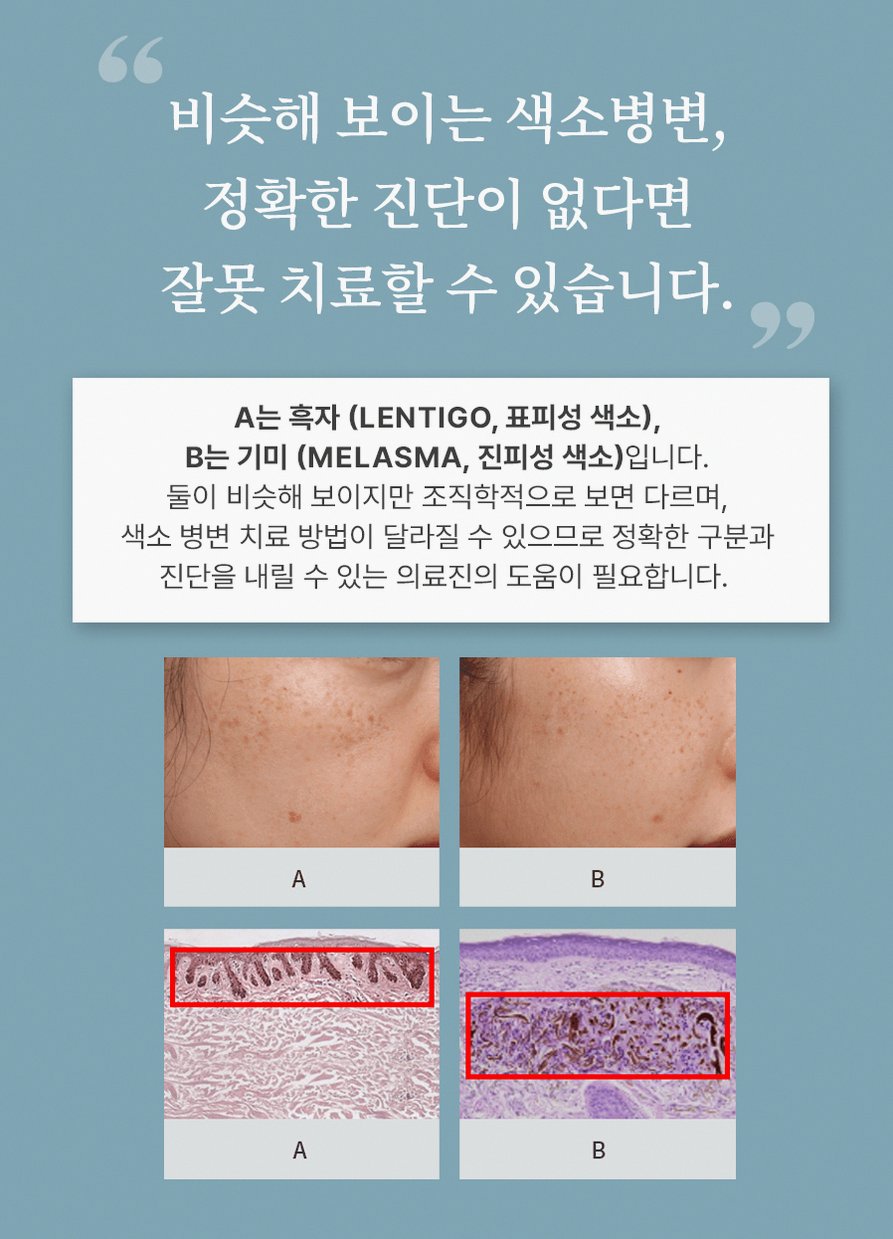
Melasma versus other pigmentation
Not all dark spots are the same, and this affects both the treatment plan and the price.
Melasma often appears as symmetrical brown patches on the cheeks, forehead, upper lip, or jawline. It is influenced by hormones, UV exposure, heat, and sometimes genetics. It can be superficial, deep, or mixed, and it tends to recur.
Other pigmentation includes sun spots, age spots, freckles, and post‑inflammatory pigmentation after acne or irritation. These are often more localized and sometimes respond faster than melasma.
Because melasma is chronic and sensitive, it usually needs more sessions, gentler parameters, and often combination care. This is why melasma treatment costs should be viewed as an ongoing management plan rather than a one‑time fix.
How melasma and pigmentation laser prices are usually calculated
In Seoul and especially in Gangnam and Cheongdam, clinics commonly use several pricing models for laser toning and pigmentation care.
Per‑session price
Many clinics quote a single price for one full‑face laser toning session. That’s often the simplest way to start, but it can understate the true cost if you end up needing around 5–10 sessions or more.
Package prices
To make planning easier, clinics often offer discounted packages for a set number of sessions, for example a package of 5 or 10 toning treatments. The per‑session cost in a package is usually lower than paying one by one.
Some pigmentation programs bundle different devices in one package, such as standard toning plus a few sessions with a picosecond laser, or toning plus a vascular laser when redness is involved. In that case, the package price reflects the mix of technologies.
Additional fees that may apply
Beyond the basic session or package, you may see extra charges for certain items. These can include:
Initial consultation and skin analysis, sometimes with imaging systems that photograph pigment depth and redness.
Topical anesthesia, if a stronger procedure like fractional laser is added to the plan.
Post‑treatment soothing masks, cooling care, or medical skincare applied in the clinic.
Home‑care products such as prescription creams, brightening serums, or barrier‑repair moisturizers.
Combination procedures, for example brightening injections, skin repair injections, or anti‑aging devices.
Factors that change the total cost
Several elements influence how much you will pay for melasma and dark spot laser treatment over time.
Type and brand of laser device
Clinics may use different technologies for pigmentation:
Standard Q‑switched toning lasers, which are widely used for general melasma and freckles.
Picosecond lasers, such as systems comparable to PicoWay, which deliver very short pulses and are often used for stubborn pigment or mixed pigmentation.
Long‑pulse lasers, including devices similar to GentleMax Pro, which can address both pigment and hair or vascular issues in some protocols.
Vascular lasers similar to V‑beam types, used when redness and visible vessels accompany pigmentation.
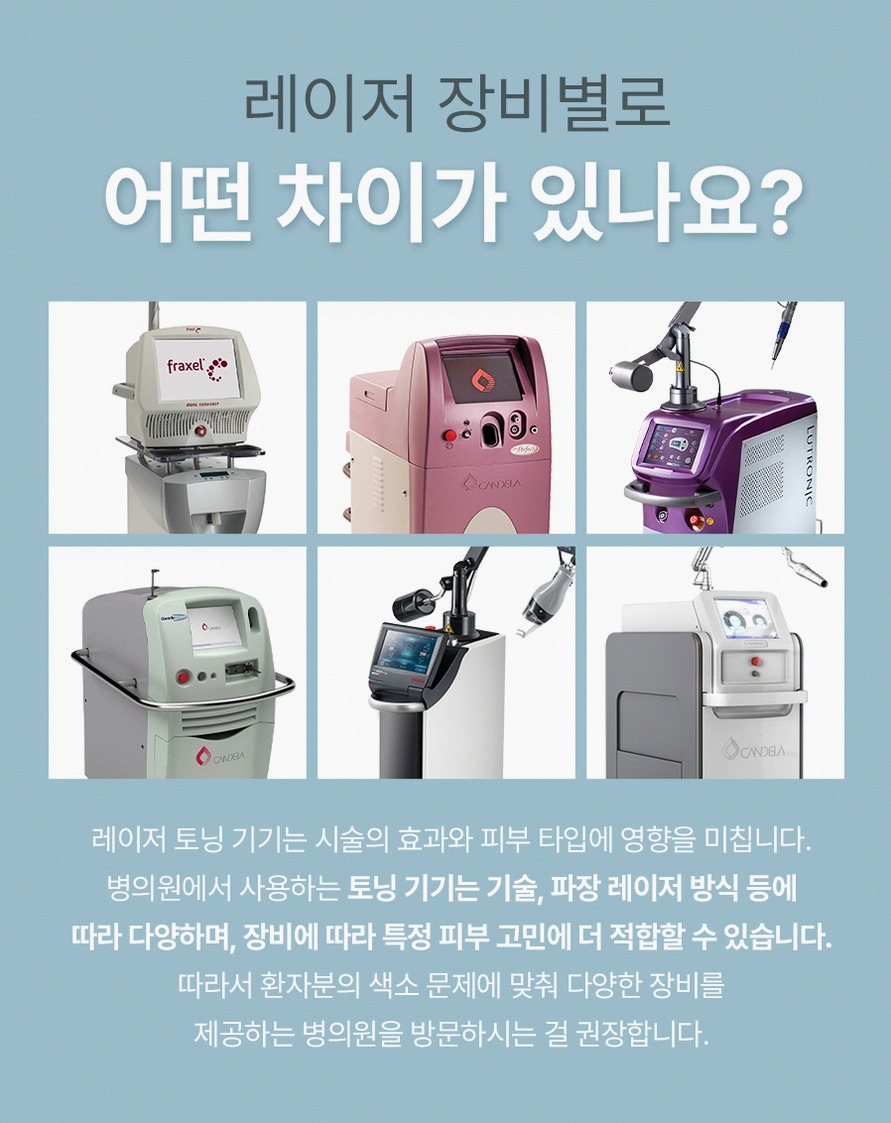
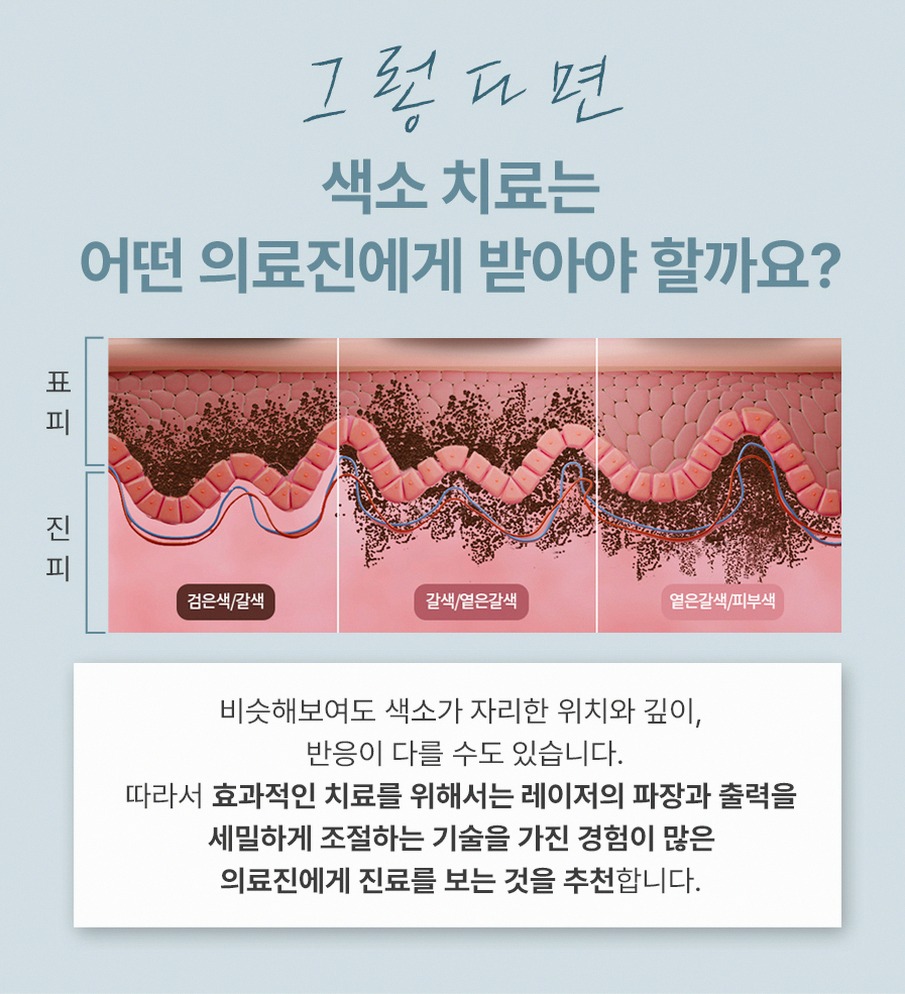
Fractional lasers, which create microscopic columns in the skin to help with texture, acne scars, and some types of pigment.
Picosecond and high‑end devices usually cost more per session than basic toning, but they may reduce the number of sessions needed for certain indications. The right choice depends on your diagnosis, not just on price.
Size of treatment area
A full‑face session is more expensive than treating only the cheeks or a few localized spots. Some clinics offer spot‑only pricing for small areas, while others focus on overall tone and texture and recommend full‑face treatment.
Severity and type of pigmentation
Superficial freckles and small sun spots may improve noticeably after a few sessions or with a combination of spot targeting and toning.
Deep dermal melasma, mixed‑type pigmentation, or long‑standing post‑inflammatory pigmentation often need more conservative parameters and more sessions. This naturally raises the total cost.
Number of sessions recommended
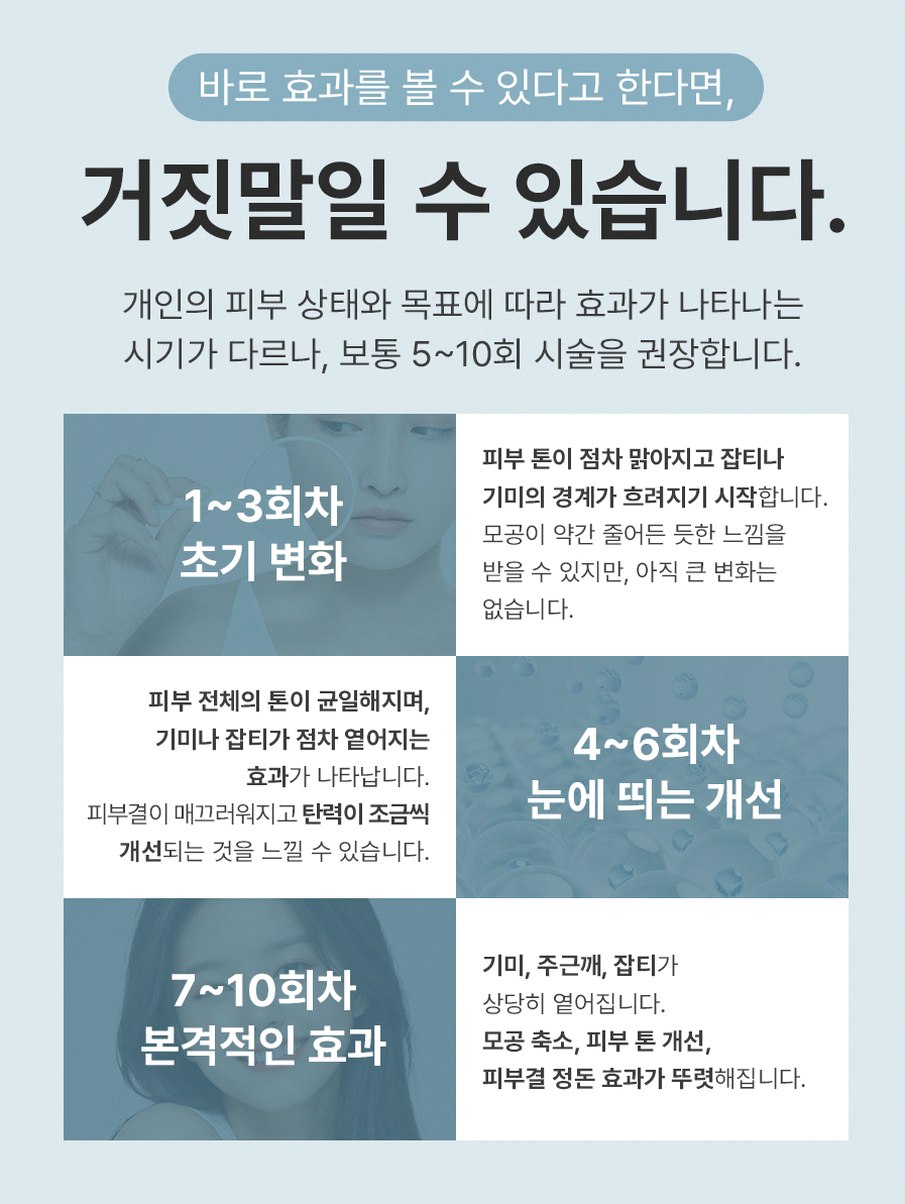
Most melasma patients are advised to plan for a series, not a single visit. It is common to hear recommendations such as 5–10 sessions of toning, sometimes followed by maintenance sessions every few months.
When you receive a quote, always ask how many sessions the doctor expects you will need for the initial course, and what kind of maintenance they anticipate afterward.
Combination treatments
Many Gangnam and Cheongdam clinics design combination programs, for example:
Laser toning plus picosecond spot treatment for stubborn areas.
Toning plus brightening injections or skin repair injections.
Toning plus fractional resurfacing when there are acne scars or rough texture.
Toning plus anti‑aging devices such as radiofrequency or ultrasound lifting when sagging and fine lines are also a concern.
Each added procedure increases the budget, but it can also improve overall skin quality, which may be important if you are traveling a long distance and want to address several issues in one trip.
Location and clinic profile
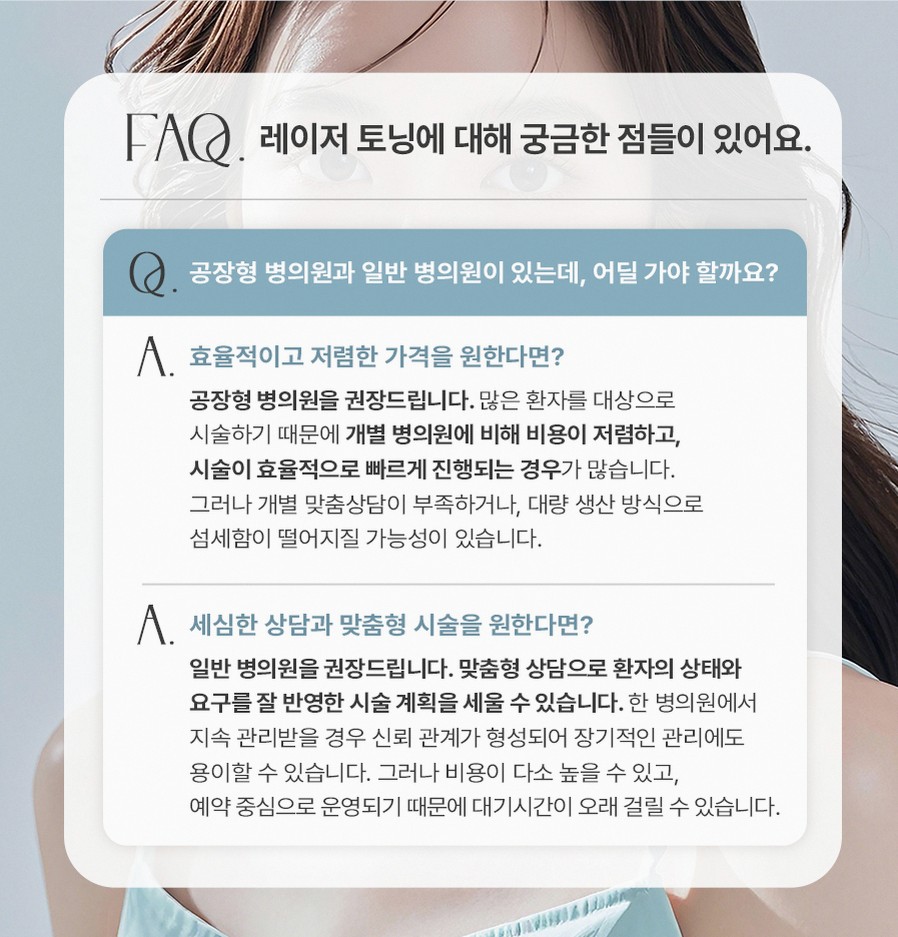
Clinics in Gangnam and Cheongdam, including those around Apgujeong Rodeo Station, are often priced higher than small neighborhood clinics. This difference usually reflects factors such as:
Investment in a wide range of premium devices.
More detailed diagnostic systems and follow‑up protocols.
Doctors with academic or hospital experience in cosmetic lasers and anti‑aging.
It is important to remember that a higher price does not automatically mean better results, but very low prices may indicate rushed, uniform protocols with less customization.
Example: a Cheongdam anti‑aging and pigmentation clinic
Clinique hus,hu in Cheongdam, Gangnam, is an example of a clinic that focuses on anti‑aging and pigmentation management. It is located on Seolleung‑ro, within walking distance of Apgujeong Rodeo Station on the Suin–Bundang Line, heading toward Galleria Department Store.
The clinic follows a cell‑based anti‑aging concept and operates an in‑house Recovery Lab for cell research, offering exosome‑based and stem‑cell‑related treatments as part of broader skin programs. These specialized services may have variable regulatory status and clinical evidence, and individual results can vary; patients should discuss risks, regulatory status, and realistic expectations with their physician. For pigmentation, it uses a diverse lineup of pigment and vascular lasers, including picosecond and long‑pulse systems, as well as fractional devices.

This kind of device diversity allows the medical team to tailor melasma and spot treatment more precisely, combining pigment, redness, and texture management instead of relying on a single low‑cost toning laser only.
Why proper diagnosis matters before talking about price
Before any quote is meaningful, you need an accurate diagnosis. Experienced laser doctors will usually:
Differentiate melasma from other pigment disorders such as sun spots, seborrheic keratosis, or Ota‑type lesions, which may need other approaches.
Check for underlying factors like hormonal influences, photosensitivity, or medications that could trigger or worsen pigmentation.
Evaluate your skin type, especially if you have darker or easily reactive skin, where the risk of post‑inflammatory hyperpigmentation is higher.
Set realistic expectations for improvement, explaining that melasma can often be lightened and controlled but not permanently erased.
Clinics whose doctors have academic and hospital backgrounds in cosmetic lasers and anti‑aging research are usually more cautious about parameter selection and long‑term management, which is particularly important for overseas patients who cannot visit frequently.
What you actually pay for in a laser toning program
When you look at a price list, it can seem like you are paying for a few minutes of laser time. In reality, the fee usually covers several components.
Pre‑treatment assessment and planning
This includes medical history, skin examination, sometimes imaging, and the time the doctor spends designing a safe protocol for your specific pigmentation pattern.
Device use and maintenance
High‑end lasers are expensive to purchase and maintain. Clinics must regularly service and calibrate them to keep treatments safe and consistent.
Staff time and safety protocols
Nurses and assistants prepare your skin, apply eye protection, operate cooling systems, and monitor your comfort. The clinic also maintains safety procedures, such as patch tests when needed and emergency protocols for rare adverse reactions.
Follow‑up and side‑effect management
Responsible clinics schedule follow‑ups to check your response, adjust settings, and provide treatment if side effects such as post‑inflammatory hyperpigmentation occur. This ongoing care is part of what you are paying for.
Typical treatment journey for overseas patients
While each clinic has its own system, a common journey for international patients looks like this.
Online consultation and pre‑visit preparation
Before you travel, you can usually arrange an online consultation. Many clinics in Cheongdam, including Clinique hus,hu, offer contact via phone or major local messaging platforms during set hours.
To make the most of this step, prepare:
Clear photos of your face in natural light, without makeup.
Information about your medical history, medications, and any previous laser or peeling treatments.
Your travel dates and how many days you can stay in Seoul.
Your main priorities: melasma only, or also freckles, redness, pores, and fine lines.
Based on this information, the clinic can give you an approximate number of sessions they recommend, possible devices they might use, and a rough price range. Final decisions are usually made after an in‑person examination.
First visit in Seoul
On your first visit, expect:
Registration and completion of medical questionnaires.
Consultation with the doctor, including diagnosis of melasma versus other pigmentation.
Optional imaging with a skin analysis system, if available.
Discussion of the treatment plan, including the type of laser, number of sessions, interval between sessions, and estimated total cost.
If you agree, some clinics can perform the first session on the same day.
Treatment sessions
A typical laser toning session includes:
Cleansing of the treatment area.
Eye protection with shields or goggles.
Laser passes over the full face or targeted areas. You may feel mild warmth or a slight snapping sensation.
Cooling or a soothing mask immediately after the procedure.
Brief instructions on aftercare, sun protection, and what to expect over the next few days.
Most patients can return to daily activities immediately or within the same day, with minimal redness.
Visit timeline for travelers
If you are staying in Korea for a short period, you might:
Have one or two sessions during a one‑week trip, then continue topical care at home and return later for more sessions.
Or, if you stay longer, schedule weekly or bi‑weekly sessions for a more intensive course.
For long‑distance patients, some clinics design hybrid plans combining in‑clinic laser sessions when you are in Seoul and a structured home‑care program when you are abroad.
Aftercare and long‑term maintenance
Immediate aftercare
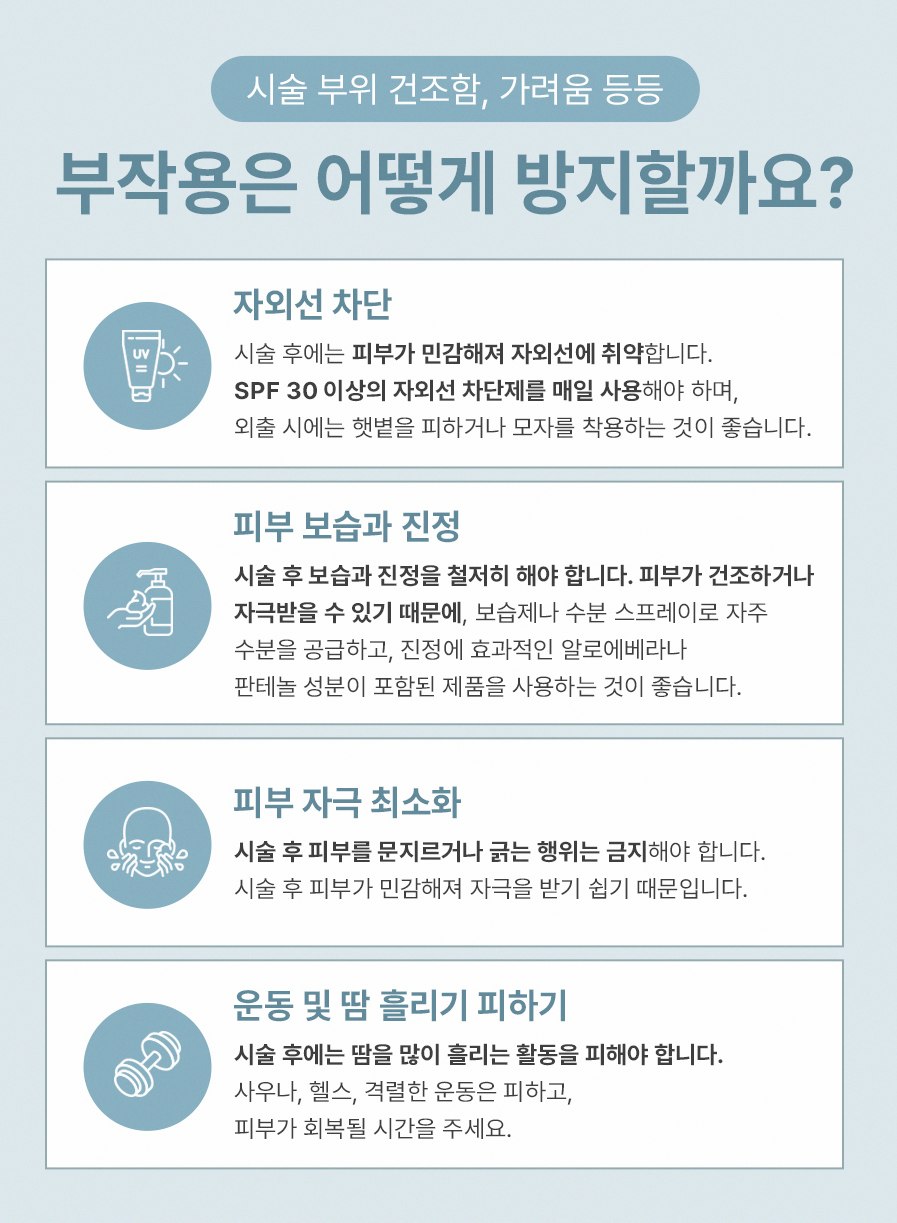
Right after laser toning, your skin may be slightly pink, warm, or dry. Common advice includes:
Use gentle, non‑irritating cleansers and moisturizers.
Avoid hot baths, saunas, and intense exercise for a day or two.
Apply broad‑spectrum sunscreen every morning and reapply during the day.
Do not scrub or peel the skin, even if some spots darken temporarily before they lighten.
Long‑term care for melasma
Melasma tends to recur, especially with sun exposure and heat. To protect your investment in treatment:
Use sunscreen daily, even on cloudy days, and consider hats or umbrellas in strong sun.
Avoid frequent hot yoga, long sauna sessions, or very high‑heat environments that can trigger flushing and pigment.
Follow the topical regimen prescribed by your doctor, which may include brightening agents and anti‑inflammatory ingredients.
Consider maintenance toning sessions at intervals recommended by your clinic, especially if you notice early signs of darkening.
How to compare prices between clinics
When you receive quotes from different clinics, do not look only at the per‑session price. Use a simple checklist:
Is the consultation done by a dermatologist or an experienced laser doctor?
Which laser model will be used for toning and pigmentation? Is it a well‑validated device, such as a recognized picosecond or Q‑switched system?
How many sessions are included in the package, and what is the effective per‑session cost?
Are skin analysis, anesthesia (if needed), and aftercare included, or are they charged separately?
Is there a clear treatment plan with goals, expected number of sessions, and a maintenance strategy?
What is the clinic’s policy on managing side effects or insufficient response?
If a price seems extremely low compared to others, ask how long each session lasts, how many passes are done, and whether parameters are customized for your skin or kept the same for everyone.
Risks, side effects, and the hidden cost of overly cheap toning
Common short‑term side effects of laser toning include temporary redness, mild swelling, dryness, or slight darkening of spots before they fade. These usually resolve within days.
Less common but more serious risks include burns, post‑inflammatory hyperpigmentation, mottled hypopigmentation (lighter patches), and worsening of melasma if energy settings are too aggressive or intervals are too long between strong sessions.
Very low‑priced, high‑volume toning programs may rely on uniform protocols with limited time for individual adjustment. While the upfront cost is lower, the risk of rebound pigmentation or complications can increase, leading to more sessions, extra treatments to repair damage, and higher overall expense.
Well‑planned, customized treatment may cost more per visit but can be more cost‑effective in the long run by reducing complications and unnecessary procedures.
FAQ about melasma and pigmentation laser prices in Seoul
How many laser toning sessions do I usually need for melasma?
The number of sessions depends on how deep and extensive your melasma is, your skin type, and how your skin responds. Many patients start with a plan of around 5–10 sessions, spaced one to four weeks apart, and then move to maintenance sessions a few times a year. Your doctor can refine this estimate after examining your skin in person.
Is melasma laser treatment permanent, or will it come back?
Laser toning can significantly lighten melasma and even out skin tone, but melasma is influenced by hormones, UV exposure, and heat, so it can return or darken again over time. Consistent sun protection, good skincare, and maintenance treatments when needed are essential to keep results as stable as possible.
Can I treat freckles and sun spots at the same time as melasma?
Yes, many patients treat multiple types of pigmentation together. Clinics often combine gentle full‑face toning for melasma with more targeted approaches, such as picosecond spot treatment or other pigment‑specific lasers, for freckles and sun spots. The exact mix depends on your diagnosis and tolerance for downtime.
Why do some clinics offer very cheap toning sessions?
Lower prices can reflect shorter sessions, fewer passes, older devices, or standardized settings that are not fully customized. In some cases, clinics rely on high patient volume and may have less time for detailed consultation and follow‑up. When comparing prices, always ask about the device used, session length, customization, and what kind of aftercare and side‑effect management are included.
Is there a difference in price between picosecond lasers and standard toning lasers?
Picosecond lasers are usually more expensive to purchase and maintain than standard Q‑switched toning devices, so sessions with picosecond technology often cost more. However, for certain types of stubborn pigment or mixed pigmentation, they may achieve results in fewer sessions. Your doctor will advise whether the potential benefits justify the higher per‑session fee in your specific case.
Soft call to action for online consultation
If you are considering melasma or dark spot laser treatment in Seoul and want to understand the likely cost before you travel, an online consultation is a practical first step. Clinics in Cheongdam, such as Clinique hus,hu, can review your photos, discuss your concerns, and outline possible treatment options and approximate price ranges.
Prepare your questions in advance, including how many sessions they expect you will need, which devices they recommend for your skin, what is included in the package, and how they handle follow‑up for overseas patients. This will help you choose a clinic that fits both your budget and your safety expectations, and make the most of your time in Korea.
- 공유 링크 만들기
- X
- 이메일
- 기타 앱


댓글
댓글 쓰기