Pigmentation removal laser toning in Seoul for freckles and sunspots
- 공유 링크 만들기
- X
- 이메일
- 기타 앱
Direct answer summary
Pigmentation removal laser, often called laser toning, is a non‑surgical treatment that uses gentle laser energy to target melanin in freckles, sunspots, and age spots. The pigment absorbs the light, breaks into tiny particles, and is gradually cleared by the body, which helps the skin appear clearer and more even over several sessions. Treatment usually requires multiple visits spaced a few weeks apart. Side effects are typically mild — brief redness and temporary darkening of treated spots — and most people can continue their normal daily activities.
This guide explains how pigmentation removal laser toning works, who might consider it, what to expect when traveling to Korea, and how to prepare and care for your skin before and after treatment.
What pigmentation removal laser toning is
Pigmentation removal laser in this context
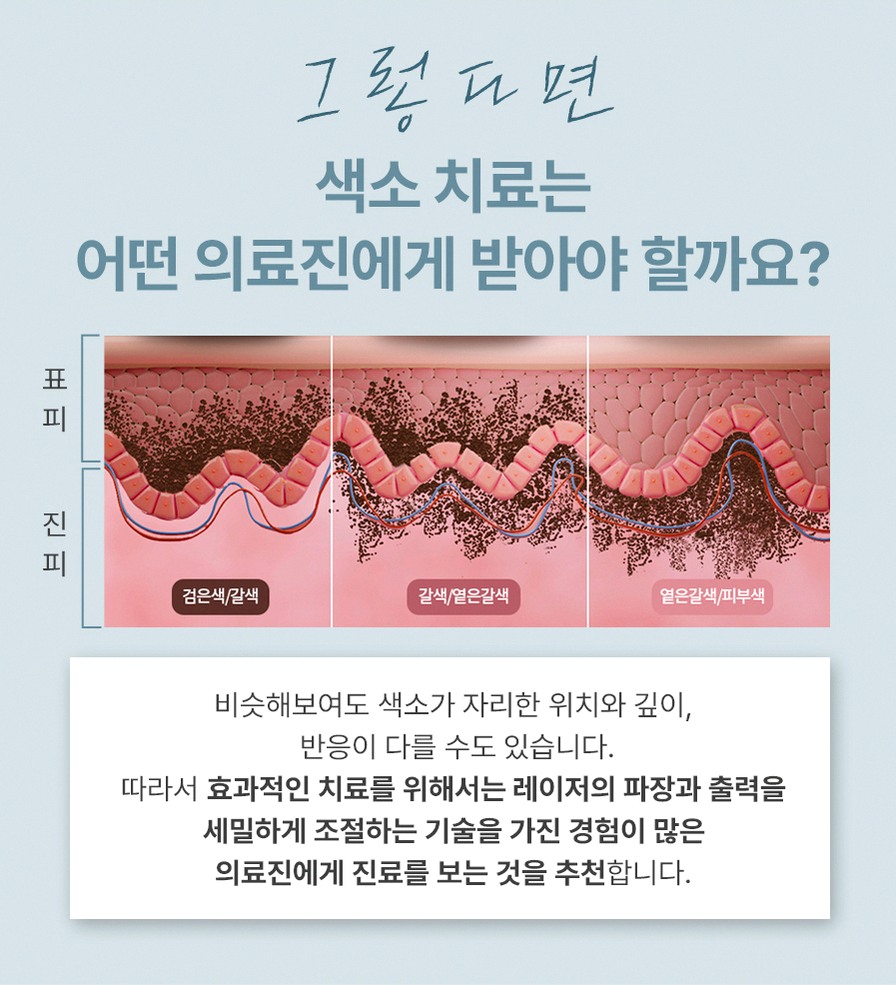
When people talk about pigmentation removal laser for freckles and sunspots, they are usually referring to non‑ablative laser toning. Non‑ablative means the laser does not remove the surface of the skin. Instead, it passes through the upper layer and targets pigment (melanin) in the deeper layers.
The laser emits a specific wavelength of light that is attracted to melanin. Pigmented spots such as freckles, sunspots, and age spots contain more melanin than the surrounding skin, so they absorb more of this light.
How laser toning targets pigment
During treatment, short bursts of laser energy are delivered to the skin. The melanin in the dark spots absorbs this energy and heats up for a fraction of a second. This heat breaks the pigment into smaller fragments. Over time, the body’s natural processes remove these fragments through the lymphatic system and skin turnover.
Because laser toning uses lower energy per pulse and often multiple passes over a larger area, it aims to gradually lighten pigmentation with relatively low downtime compared with stronger, single‑shot pigment lasers.
Different devices and wavelengths
Clinics may use different types of lasers for pigmentation removal, such as Q‑switched lasers or picosecond lasers. Sometimes, vascular lasers are used for redness and fractional lasers for texture, but those are usually complementary rather than the main tool for simple freckles and sunspots.
The key idea is that the wavelength and settings are chosen to target melanin safely for your skin type. A consultation is needed to decide which approach is suitable for your specific pigmentation and skin tone.
Laser toning versus other approaches
Laser toning versus strong, single‑shot pigment lasers
Strong, single‑shot pigment lasers focus higher energy on individual spots. They can sometimes remove certain age spots faster, but they may cause more visible scabbing, longer downtime, and a higher risk of post‑inflammatory hyperpigmentation if not used carefully.
Laser toning uses gentler energy over a wider area. It is often chosen when patients want gradual brightening, have many scattered freckles or sunspots, or are concerned about downtime and safety.
Laser toning versus skincare only
Topical brightening creams, vitamin C serums, and sunscreen can help prevent new spots and slightly fade mild surface pigmentation. However, they usually cannot remove deeper or long‑standing freckles and age spots on their own.
Laser toning can reach pigment that lies deeper in the skin and can be more effective for established spots, especially when combined with appropriate skincare and sun protection.
Types of pigmentation commonly treated
Freckles and sun‑induced spots
Freckles are small, flat brown spots that often appear on the cheeks, nose, and forehead, especially in people with lighter skin. They can darken with sun exposure and lighten somewhat in winter.
Sun‑induced spots, sometimes called sunspots or solar lentigines, are usually larger and more sharply defined than freckles. They are linked to cumulative sun exposure over the years and commonly appear on the face, hands, and décolletage.
Age spots and lentigines
Age spots, also known as lentigines, are flat, brown patches that become more common with age. They tend to be more persistent than freckles and do not fade much on their own. Laser toning can help reduce their intensity and blend them with the surrounding skin.
Post‑inflammatory hyperpigmentation
Post‑inflammatory hyperpigmentation is the darkening that appears after skin inflammation or injury, such as acne, eczema, or a scratch. It can respond to gentle laser toning, but treatment must be cautious to avoid triggering more irritation.

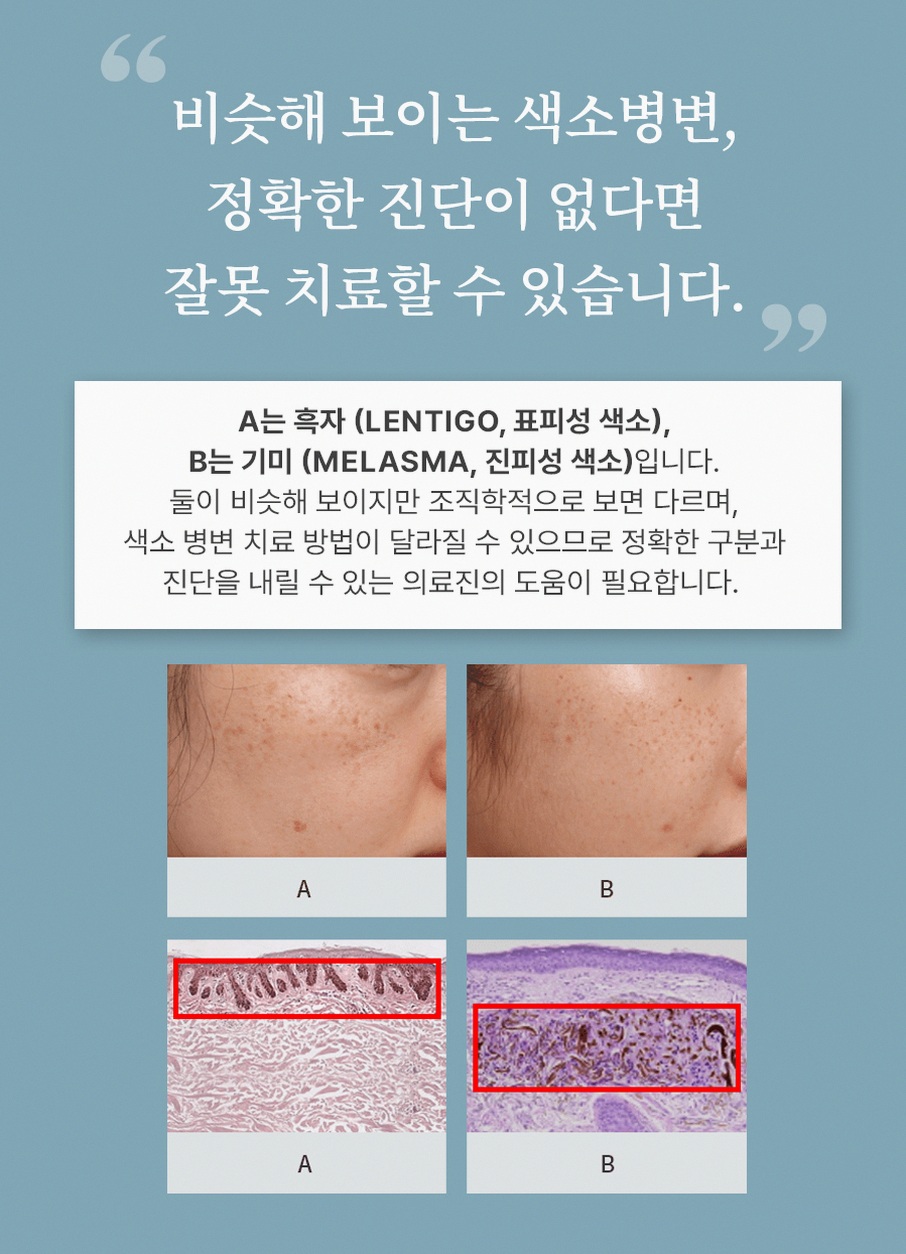
Melasma as a related but different condition
Melasma is a more complex form of pigmentation that appears as larger, patchy brown or gray‑brown areas, often on the cheeks, forehead, and upper lip. It is influenced by hormones, sun exposure, and genetics.
Melasma usually requires a more cautious, customized protocol and careful long‑term management. While some clinics may use laser toning as part of melasma care, it is not handled in the same way as simple freckles or age spots.
Why proper diagnosis matters
Different pigment types and depths respond differently to laser. For example, a sharply defined age spot may respond faster than diffuse freckling or deep pigment from melasma.
A proper diagnosis by a doctor is important to:
Identify what kind of pigmentation you have
Estimate how many sessions you may need
Choose suitable devices and settings
Reduce the risk of side effects such as worsening pigmentation
Who may consider pigmentation removal laser
Good candidates
You may be a good candidate for laser toning if you have:
Stable freckles or sunspots that do not change rapidly in size, shape, or color
Mild to moderate pigmentation and want gradual brightening rather than an aggressive one‑time procedure
Realistic expectations that improvement is usually gradual and not a complete eraser
Skin type considerations
All skin tones can develop pigmentation, but darker skin types have a higher risk of post‑inflammatory hyperpigmentation after any procedure that heats or irritates the skin.
For darker skin tones, doctors usually:
Use more conservative laser settings
Increase the interval between sessions
Pay closer attention to pre‑ and post‑treatment skincare
Situations where caution is needed
Laser toning may not be suitable or may need to be postponed if you have:
Active skin infection, severe dermatitis, or open wounds in the treatment area
Recent sunburn or tanning
Pregnancy or breastfeeding, since safety data are limited and decisions should be made with your doctor
A history of keloids or strong scarring tendency
A strong tendency for your skin to darken after any irritation or injury
If any of these apply to you, discuss them clearly during your consultation so your doctor can suggest a safe plan.
Treatment process step by step
Pre‑treatment consultation
Before any laser session, you can expect a consultation that covers:
Medical history, including medications, allergies, and any tendency to scar or form keloids
Previous laser or cosmetic treatments and how your skin reacted
Assessment of your pigmentation type, depth, and distribution
Overall skin condition, including pores, redness, and texture
The doctor should also explain realistic expectations, including that multiple sessions are usually needed and that the goal is visible reduction and brightening, not perfection.
Preparation on treatment day
On the day of treatment, you will usually:
Arrive with clean skin or have your makeup and sunscreen gently removed at the clinic
Have clinical photos taken for medical records and progress tracking
Possibly apply a topical anesthetic cream, depending on the device and your sensitivity; for gentle toning, this may not always be necessary
During the laser toning session
During the procedure, you can expect:
Protective eye shields or goggles to be placed over your eyes
The doctor or medical staff to test a small area first to see how your skin responds
A sensation often described as warm prickling, a snapping rubber band, or mild heat as the laser passes over the skin

A full‑face session typically takes about 10 to 30 minutes, depending on the area and the protocol.
Immediately after treatment
Right after laser toning, it is common to notice:
Mild redness or slight swelling, usually settling within a few hours to a couple of days
A feeling of warmth similar to a mild sun exposure
Some spots becoming darker or more visible for several days before they gradually flake or fade
Your doctor will usually apply soothing cream and sunscreen before you leave.
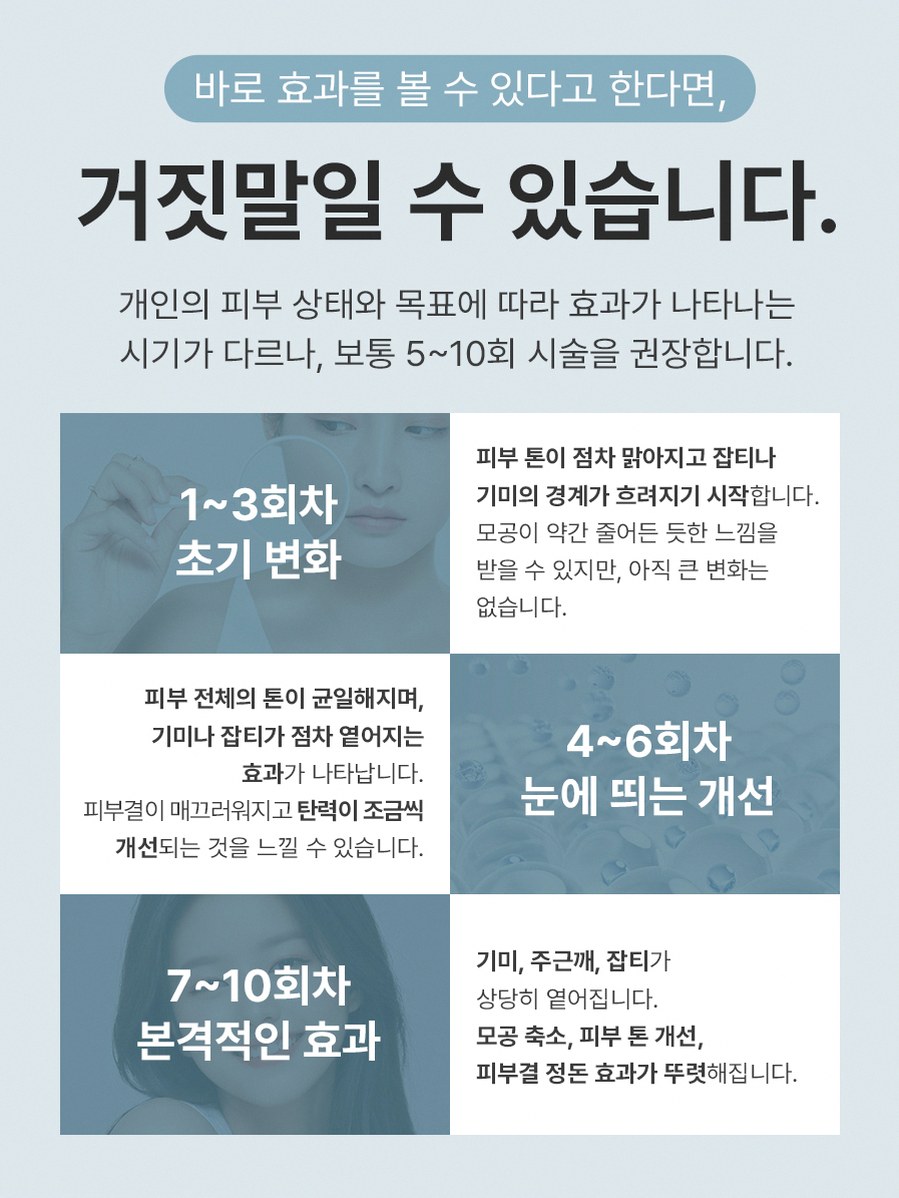
Number of sessions, interval, and expected results
Typical treatment plan
Pigmentation removal with laser toning is usually a series, not a single treatment. A common plan might include:
Sessions every 2 to 4 weeks, adjusted according to your skin’s response and the type of device used
Several sessions to see visible improvement in overall tone and spot lightening
Some people notice brighter skin after a few treatments, while deeper or older spots may need more sessions or a combination of methods.
Realistic expectations
It is important to understand that:
Complete removal of all spots is not guaranteed
The main goals are visible reduction of pigmentation, more even tone, and a fresher look
Deep or long‑standing spots may remain lighter but still visible
New spots can appear again over time due to sun exposure and aging
Maintenance and prevention
Even after a successful course of laser toning, maintenance is important. This may include:
Occasional maintenance laser sessions, depending on your skin and lifestyle
Daily broad‑spectrum sunscreen and sun‑protective habits
Topical brightening agents recommended by your doctor
Safety, side effects, and downtime
Common short‑term reactions
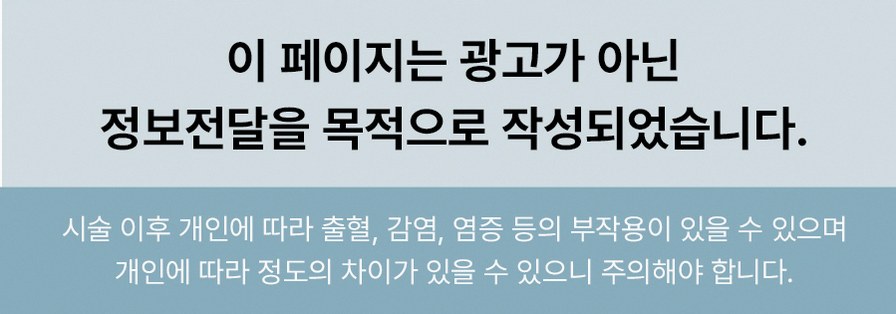
Most people experience mild, temporary effects such as:
Redness, swelling, or a warm feeling in the treated area
Temporary darkening or micro‑crusting of spots before they lighten
Slight dryness or sensitivity for a few days
These usually resolve on their own with proper aftercare.
Less common risks
Less common but possible side effects include:
Post‑inflammatory hyperpigmentation, where the treated area becomes darker
Hypopigmentation, where lighter patches appear
Blistering or scarring if parameters are inappropriate or if the skin is not cared for properly afterward
To minimize risks, it is important to:
Choose a clinic with experience in pigmentation and laser devices
Follow all pre‑ and post‑treatment instructions
Avoid sun exposure before and after treatment
Aftercare and lifestyle management
Essential aftercare points
After laser toning, your skin needs gentle care. General recommendations often include:
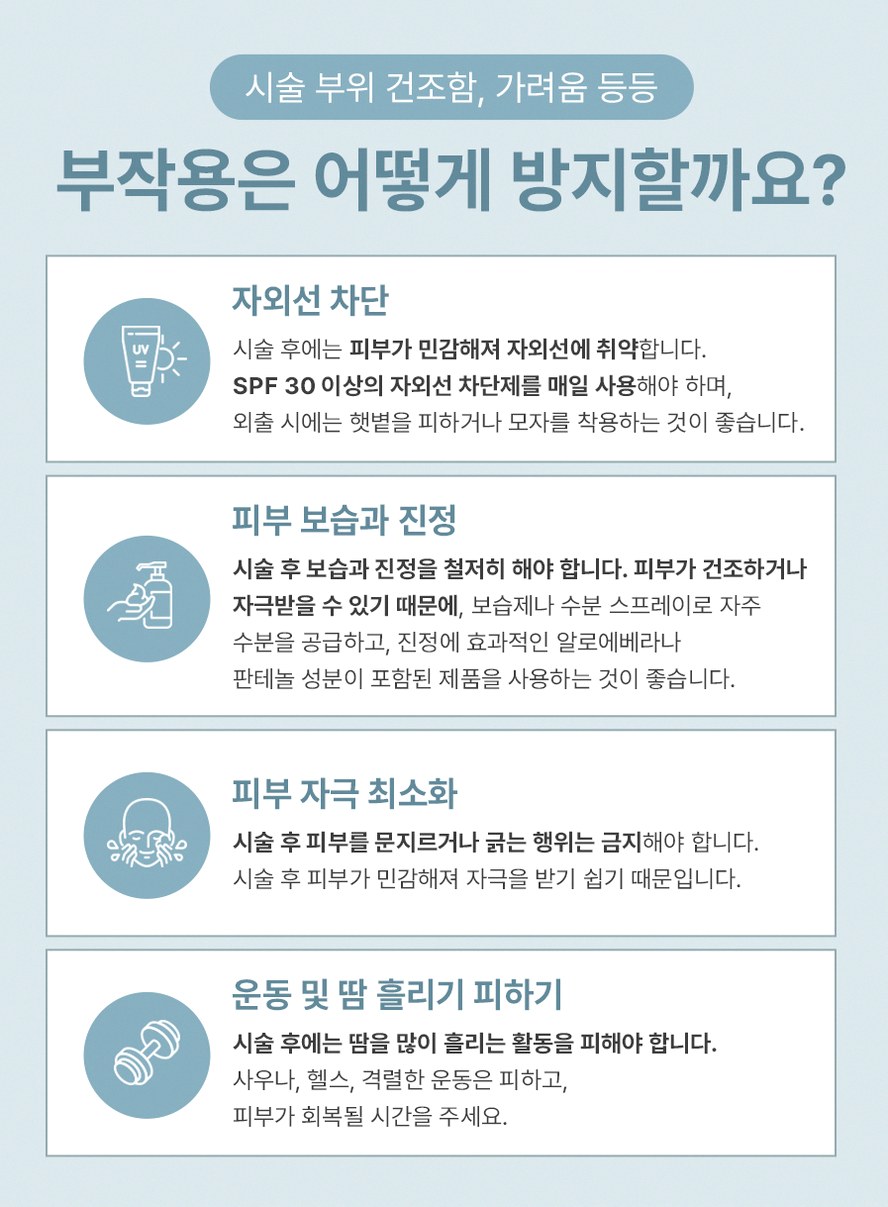
Strict sun protection with broad‑spectrum sunscreen, hats, and avoiding peak UV hours when possible
Gentle cleansing and moisturizing; avoid harsh scrubs, strong acids, or retinoids for several days, according to your doctor’s advice
Not picking at scabs or flakes; allow them to fall off naturally to reduce the risk of scarring or darkening
Long‑term lifestyle habits
To support and maintain your results:
Use sunscreen daily, even on cloudy days or indoors near windows
Consider doctor‑recommended brightening products, such as vitamin C or other agents suitable for your skin
Avoid tanning beds and unnecessary sun exposure
Comparison with other pigmentation treatments
Chemical peels
Chemical peels use acids to exfoliate the upper layers of the skin. They can help with superficial pigmentation and overall tone, but they may be less targeted for deeper, isolated spots.
Intense pulsed light (IPL)
IPL is not a laser but a broad‑spectrum light treatment. It can be useful for mixed redness and pigmentation, especially in lighter skin types. However, it is not identical to laser toning and may not be suitable for all skin tones or pigment types.
Strong, single‑shot pigment lasers
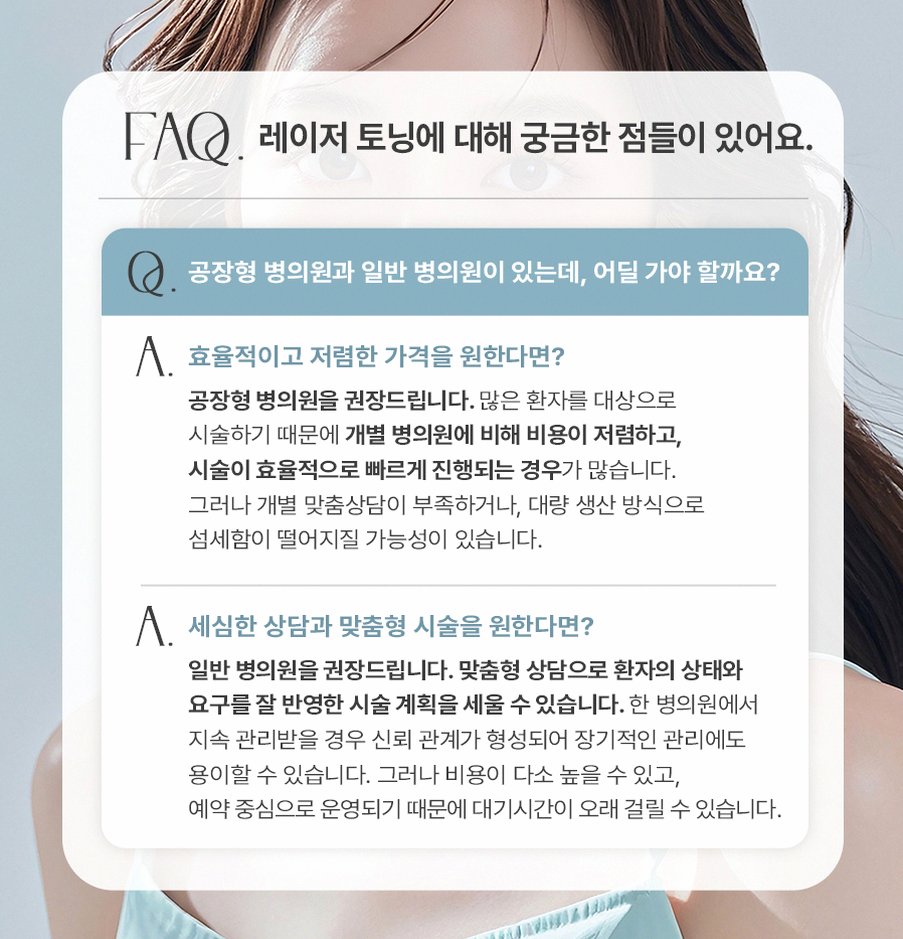
These lasers can focus high energy on specific spots and may remove some lesions more quickly. However, they can involve more visible downtime, scabbing, and a higher risk of side effects if not used carefully, especially in darker skin types.
Combination plans
In some cases, doctors may combine laser toning with other treatments, such as vascular lasers for redness or fractional lasers for texture. The combination is tailored to the individual’s skin concerns, but laser toning often remains the core method for diffuse freckles and sunspots.
How a specialized clinic may approach pigmentation laser toning
A clinic experienced with pigmentation and multiple devices can:
Assess your skin type, pigment type, and overall condition in detail
Choose appropriate wavelengths and energy levels for each pigment type and skin tone
Monitor your response over time and adjust settings and intervals
Combine toning with other suitable treatments when indicated, while keeping safety in mind
Clinique hus,hu in Cheongdam, Gangnam, near Apgujeong Rodeo Station, is an example of a private clinic that offers pigmentation and anti‑aging laser programs using various devices. For overseas patients, such clinics often provide structured programs that can be planned around a short stay in Seoul.
Online consultation and pre‑visit preparation for overseas patients
Online consultation
If you are planning to travel to Korea for pigmentation removal laser, an online consultation can help you:
Share photos of your skin in good lighting from different angles
Explain your main concerns, medical history, and any previous treatments
Ask about likely treatment options and approximate number of sessions
While exact plans can only be confirmed in person, an online consultation gives you a realistic idea of what to expect.
What to prepare before your visit
Before flying to Korea, it is helpful to:
Avoid strong sun exposure and tanning for several weeks if possible
Stop using harsh exfoliants or strong retinoids a few days before your planned treatment, according to medical advice
Prepare a list of medications and supplements you are taking
Write down questions about pain, downtime, number of sessions, and aftercare so you do not forget them during your consultation
Expected Korea visit timeline for pigmentation laser
Short stay with one or two sessions
If you are visiting Korea for a short time, such as 3 to 7 days, a common schedule might be:
Day 1: In‑person consultation, skin analysis, and possibly the first laser toning session if suitable
Day 2–3: Follow‑up check if needed, skincare guidance, and purchase of recommended products
You may experience mild redness or darkening of spots during your stay, but most people can continue sightseeing and normal activities with good sun protection.
Longer stay or repeated visits
If you can stay longer or plan repeated trips, you may schedule:
Sessions every 2 to 4 weeks during your stay
Online follow‑up between visits to monitor progress
Discuss your travel schedule with the clinic in advance so they can suggest a realistic plan.
Aftercare while traveling
While traveling in Korea after treatment:
Carry sunscreen and reapply regularly, especially if walking outdoors or visiting tourist sites
Wear a wide‑brimmed hat and sunglasses
Follow any specific skincare instructions given by your doctor

Frequently asked questions
Does pigmentation removal laser hurt?
Most people describe laser toning as mildly uncomfortable rather than painful. The sensation is often compared to a warm prickling or a light rubber band snap on the skin. Some clinics use cooling devices or topical anesthetic cream to increase comfort, especially for sensitive patients.
How many sessions do I usually need for freckles or sunspots?
The number of sessions depends on your skin type, the depth and amount of pigmentation, and the device used. Many patients start to see visible improvement after several sessions, often spaced 2 to 4 weeks apart. Deep or long‑standing spots may require more treatments or combination approaches.
Will the spots come back after laser toning?
Laser toning can reduce existing pigmentation, but it does not stop the natural aging process or future sun exposure. New spots can appear over time, and some treated areas may gradually darken again if you do not protect your skin from UV light. Consistent sunscreen use and sun‑protective habits are essential to maintain results.
Is there a lot of downtime? Can I go to work the next day?
Most people can return to normal daily activities, including work, the next day. You may notice mild redness, swelling, or temporary darkening of spots for a few days. Makeup is often allowed after a short period, depending on your doctor’s advice. Following aftercare instructions helps minimize visible downtime.
Is laser toning safe for darker skin tones?
Laser toning can be used in darker skin tones, but the risk of post‑inflammatory hyperpigmentation is higher. This is why careful assessment, conservative settings, and experienced medical staff are important. Your doctor may recommend more gradual treatment and strict sun protection before and after each session.
Can I do laser toning in summer, or should I wait for winter?
Laser toning can be done in any season, but summer requires extra attention to sun protection. If you cannot avoid strong sun exposure, your doctor may suggest adjusting your schedule, using stronger sun protection measures, or delaying treatment until you can better control UV exposure.
What should I avoid before and after treatment?
Before treatment, you are usually advised to avoid tanning, self‑tanners, and harsh skincare products such as strong acids or retinoids for a few days. After treatment, you should avoid hot baths, saunas, vigorous exercise on the same day, and any picking or scrubbing of the treated area. Always follow the specific instructions given by your clinic.
Soft call to action for online consultation
If you are considering pigmentation removal laser toning in Seoul and would like a professional opinion on your freckles, sunspots, or age spots, you can arrange an online consultation with a clinic that offers these treatments. Clinique hus,hu, located in Cheongdam, Gangnam near Apgujeong Rodeo Station, provides pigmentation and anti‑aging laser programs for local and overseas patients.
Sharing clear photos and your treatment goals in advance can help the medical team suggest a realistic plan that fits your travel schedule and skin condition. Personalized consultation is essential before deciding on any procedure.
- 공유 링크 만들기
- X
- 이메일
- 기타 앱


댓글
댓글 쓰기