Post-laser toning aftercare: how to protect your skin and your results
- 공유 링크 만들기
- X
- 이메일
- 기타 앱
Direct answer: what to do after laser toning
s calmed. If you notice severe pain, blisters, or strong swelling, contact your clinic promptly.
This guide is written for international patients who are considering or already planning laser toning in Korea, and want clear, realistic advice on how to care for their skin afterwards.
Laser toning overview for overseas patients
Laser toning is a low-energy pigment laser treatment used repeatedly to improve melasma, freckles, sun spots, and dull or uneven skin tone. Instead of one strong session, it uses many gentle passes over time, which is why downtime is usually short and daily life is not heavily disturbed.
In areas like Cheongdam in Gangnam, Seoul, clinics often combine laser toning with other devices or skin-repair programs. The goal is not only to brighten the surface, but also to keep the skin barrier stable so that pigmentation is less likely to come back.

For medical tourists, laser toning can fit into a busy schedule because each session is relatively quick. However, the quality of your aftercare between and after sessions strongly affects how even and long-lasting your results will be.
Who may consider laser toning
Laser toning may be considered if you:
Have melasma or patchy brown discoloration on the cheeks, forehead, or upper lip
Have freckles, sun spots, or general sun damage
Feel your overall skin tone looks dull, greyish, or uneven
Want a gradual, low-downtime approach rather than an aggressive one-time laser
Can commit to a series of sessions and consistent sun protection
It may not be suitable, or may need special adjustment, if you:
Have very sensitive or reactive skin
Have a history of keloid scarring or strong post-inflammatory hyperpigmentation
Are pregnant or breastfeeding (discuss with your doctor)
Are taking certain medications that increase light sensitivity
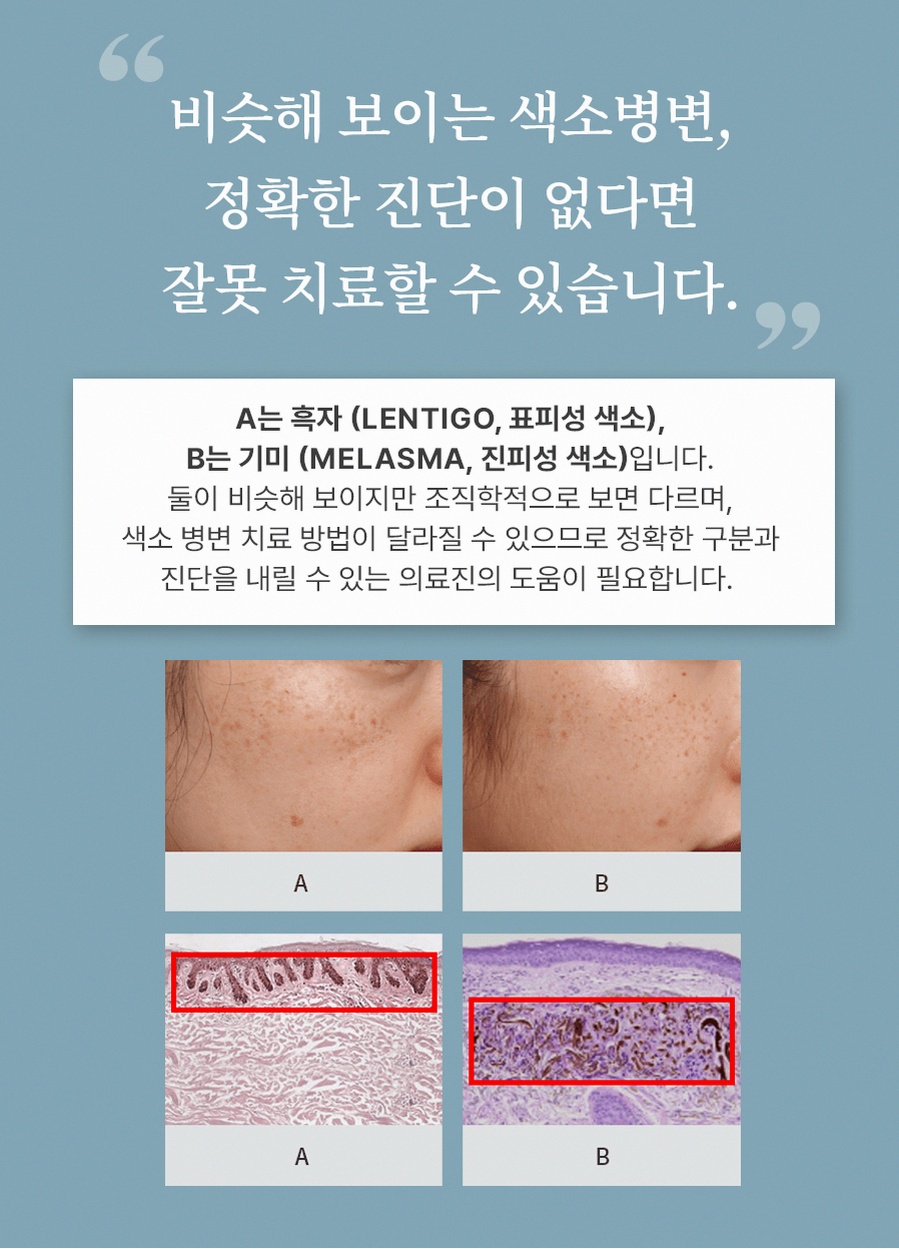
A consultation with a qualified doctor is important to distinguish melasma from other pigment problems and to decide whether laser toning is appropriate for your skin type and lifestyle.
What happens to the skin after laser toning
Laser toning uses a pigment-targeting laser at a low fluence. In simple terms, the laser energy is absorbed by melanin, the pigment that makes spots and patches look darker. The laser breaks melanin into smaller particles in the upper layers of the skin, and over time your body clears this pigment through natural processes.
Because the energy is gentle, the outer skin usually stays intact. However, the barrier is still stressed, and the skin can become:
Mildly red or pink for a few hours
Warm to the touch for several hours
Slightly swollen in sensitive areas
Dry or tight over the next few days
Some people notice that certain spots or patches look slightly darker or more defined for a short period. Very fine, barely visible micro-crusting can also happen. These are often temporary changes as the pigment is being processed.
Normal reactions usually include:
Mild redness that fades within a few hours to a day
Slight warmth or tingling
Mild dryness or tightness
Very light flaking or micro-crusting
Warning signs that require medical attention include:
Severe or increasing pain
Blistering or open wounds
Oozing, yellow crusts, or signs of infection
Strong swelling, especially around the eyes
A rapidly spreading rash or hives
Because laser toning is often repeated every 1–4 weeks, even small irritations can build up over time if aftercare is poor. Good care helps your skin stay resilient through the full course of treatment.
First 24 hours: immediate aftercare
The first day is about calming the skin and avoiding irritation.

Cleansing
For the first 24 hours, keep cleansing very simple.
Use only lukewarm water or a very mild, fragrance-free cleanser.
Do not use scrubs, cleansing brushes, or exfoliating cloths.
Avoid hot water, steam, and long hot showers.
Pat dry gently with a soft towel; do not rub.
Cooling
If your clinic advises cooling, you can:
Apply a clean, cool pack wrapped in soft gauze or a thin cloth.
Use it for short intervals, for example 5–10 minutes at a time.
Avoid placing ice directly on the skin to prevent cold injury.
Moisturizing
Right after treatment and during the first evening:
Use a simple, hypoallergenic moisturizer or barrier cream recommended by your clinic.
Avoid products with strong acids (AHA, BHA, PHA), retinoids, or high-dose vitamin C.
Avoid products with strong fragrance or many plant extracts that may irritate.
Apply enough product so the skin feels comfortable, not tight.
Makeup
Ideally, avoid makeup on the same day as your laser toning session.
If makeup is unavoidable (for example, you must return to work):
Choose light, non-comedogenic base products.
Avoid heavy, long-wear, or waterproof formulas that require strong cleansing.
Remove makeup very gently in the evening with a mild cleanser.
Touching and friction
Do not rub, scratch, or pick at any darkened spots or micro-crusts.
Avoid pressing your face into rough fabrics such as some towels or pillowcases.
Try to sleep on your back if possible to reduce friction.
Days 2–7: protecting the barrier and preventing pigmentation
During the first week, your main goals are to keep the barrier strong and prevent new pigmentation from forming.
Gentle cleansing routine
Cleanse twice daily with a mild, low-foam cleanser.
Continue to avoid scrubs, peeling gels, cleansing brushes, and washcloths.
Rinse with lukewarm water and pat dry gently.
Moisturizing strategy
Layering can help maintain comfort without irritation:
Use a hydrating toner or serum without strong acids or high alcohol.
Apply a barrier cream or lotion on top to lock in moisture.
Reapply moisturizer during the day if your skin feels tight or itchy.
Sun protection
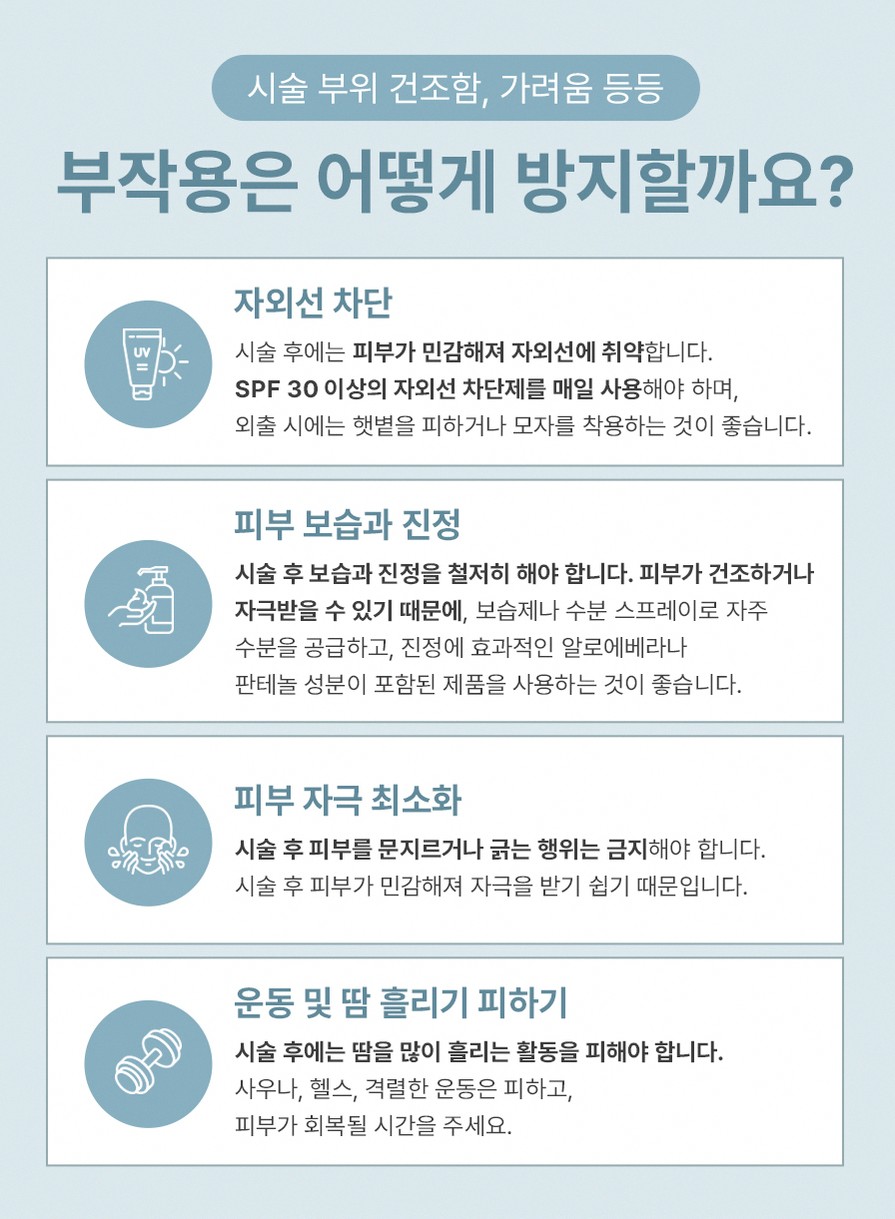
Sun protection is the single most important step after laser toning.
Use a broad-spectrum sunscreen with SPF 30–50 every morning, even on cloudy days.
Apply generously to all treated areas, including neck and ears if they were treated.
Reapply every 2–3 hours if you are outdoors, near windows, or in a car for long periods.
Combine sunscreen with physical protection: wide-brimmed hat, sunglasses, and seeking shade.
Avoid outdoor activities during peak UV hours when possible.
Lifestyle heat control
Heat can worsen melasma and trigger redness.

Avoid saunas, steam rooms, and hot baths for at least several days.
Skip hot yoga and very intense workouts that cause strong facial flushing in the first week.
Choose lukewarm showers instead of very hot water.
Cosmetics and actives to avoid
Until your skin feels fully calm:
Avoid products with AHA, BHA, PHA, or peeling pads.
Pause retinol and prescription retinoids unless your doctor instructs otherwise.
Avoid strong vitamin C serums and high-alcohol toners.
Be cautious with at-home peeling masks or devices.
Good barrier care during this period reduces the risk of post-inflammatory hyperpigmentation and helps your skin respond better to the next laser session.
After the first week: building a long-term routine
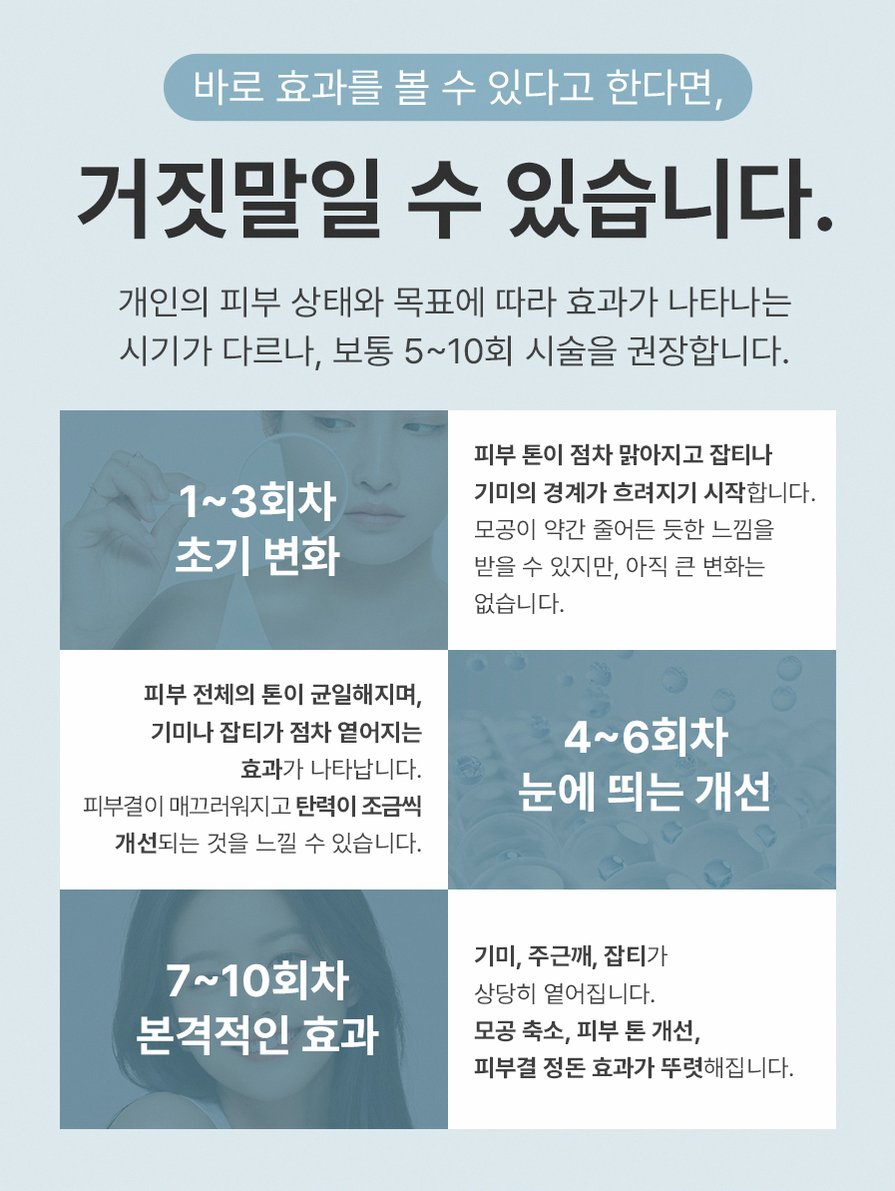
Laser toning is not usually a one-time treatment. Many patients receive sessions every 1–4 weeks, and melasma in particular often needs long-term maintenance.
Because of this, aftercare is a repeated cycle rather than a single recovery period.
Daily skincare between sessions
Keep your basic routine gentle and consistent:
Mild, non-stripping cleanser twice daily
Hydrating toner or serum as needed
Barrier-supporting moisturizer
Daily broad-spectrum sunscreen
If your skin feels stable, your doctor may gradually reintroduce or add active ingredients.
Clinic-guided active ingredients
Under professional supervision, you may be advised to use:
Brightening agents such as niacinamide or gentle vitamin C derivatives
Topical agents for melasma, if appropriate for your skin
Low-dose retinoids for texture and tone, introduced slowly
These should be tailored to your skin type, sensitivity, and the specific pattern of your pigmentation. Avoid starting new strong products on your own during a laser toning program without checking with your clinic.
Lifestyle and long-term pigment control
Melasma and chronic pigmentation are influenced by more than just UV exposure. Hormones, heat, and inflammation also play a role.
Helpful long-term habits include:
Consistent sun protection every day, not only after procedures
Managing heat exposure to the face when possible
Supporting overall skin health with adequate sleep and stress management
Avoiding unnecessary irritation from harsh products or treatments
In a dedicated skin program, follow-up visits may include skin analysis, adjustment of laser settings, and supportive treatments such as hydrating facials or barrier-repair procedures to keep the skin resilient.
What to avoid after laser toning
To protect your skin and results, it is important to know what to avoid.
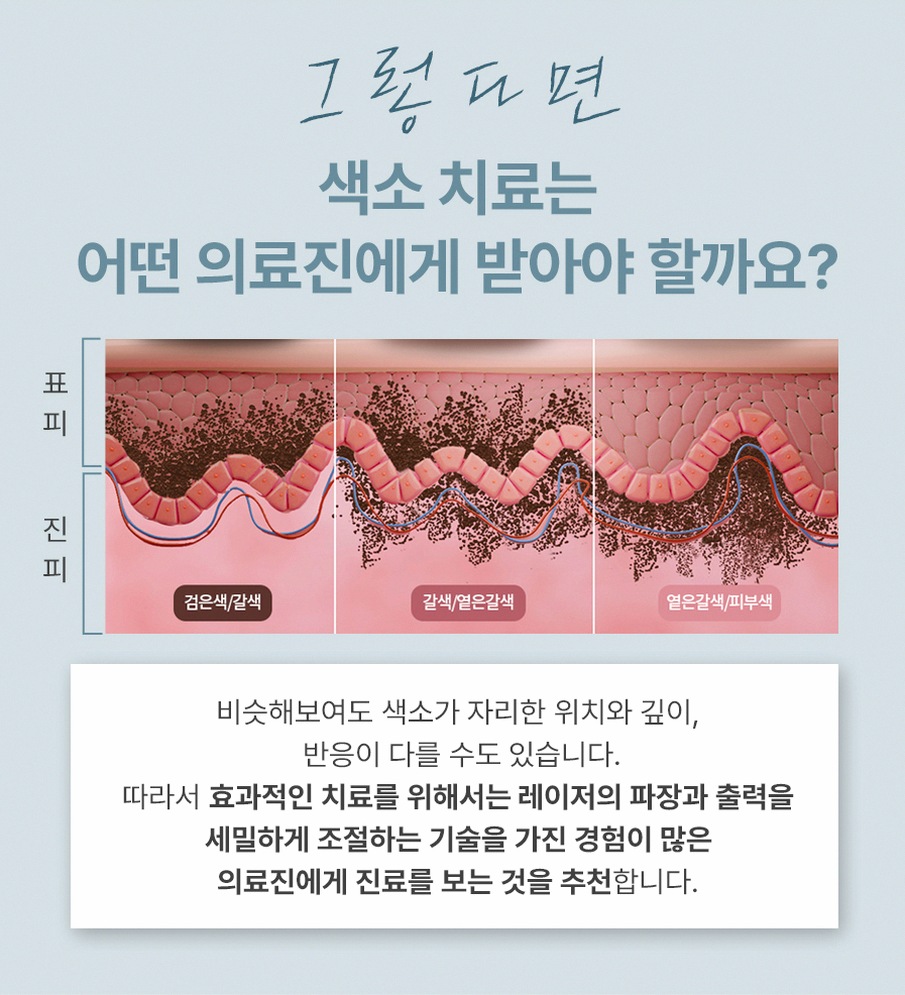
Sun and tanning
Do not use tanning beds.
Avoid direct sun exposure without protection.
Limit outdoor activities during peak UV hours, especially in summer.
High heat environments
Avoid saunas, hot baths, steam rooms, and hot yoga for several days.
Keep showers lukewarm rather than very hot.
Mechanical irritation
Do not use facial scrubs, rough towels, or exfoliating tools on the treated area.
Avoid facial waxing, threading, or strong facial massages on treated skin for at least one to two weeks.
Be careful with tight goggles, masks, or helmet straps that may rub the skin.
Harsh home devices
Avoid at-home lasers, strong LED masks, or microcurrent devices on the treated area unless your clinic specifically approves them.
Unsupervised whitening or steroid creams
Do not self-medicate with random whitening creams purchased online.
Avoid using steroid creams on the face without a prescription and clear instructions, as misuse can damage the skin barrier and worsen pigmentation.
How a specialized clinic supports post-laser toning care
A structured treatment and aftercare plan can make a large difference to your long-term results.
A clinic such as Clinique hus,hu in Cheongdam, Gangnam, focuses on anti-aging and pigment control with multiple laser platforms. This allows settings to be tailored to your skin type, pigment depth, and sensitivity.
Dermatology-led planning often includes:
Assessing whether your pigmentation is melasma, sun spots, or another condition
Checking for underlying factors such as hormones or medications
Deciding whether to combine laser toning with other treatments, such as hydrating procedures or cell-focused anti-aging programs
Professional aftercare support may include:
Clear written or digital aftercare instructions in a language you can understand
Recommendations for cleansers, moisturizers, and sunscreens suitable for your skin
Scheduled follow-up visits to monitor pigment response and any irritation
Barrier-supportive treatments between sessions to keep the skin stable
This systematic approach helps reduce side effects and supports more stable, long-term improvement.
Online consultation and pre-visit preparation for Korea
If you are planning to travel to Seoul for laser toning, preparing in advance can make your visit smoother.
Before your trip, it is helpful to:
Arrange an online consultation, if available, to discuss your skin concerns, medical history, and current skincare routine.
Send clear photos of your face in natural light so the doctor can roughly assess your pigmentation.
Share information about any previous laser or peeling treatments and how your skin reacted.
List all medications and supplements you are taking, especially those that affect hormones or sun sensitivity.
Questions you may want to ask during online consultation:
How many sessions are usually recommended for my type of pigmentation?
How often are sessions scheduled, and how long should I stay in Korea to complete a course or at least several sessions?
What kind of downtime or visible changes should I expect after each session?
Which skincare products should I stop before treatment and when can I restart them?
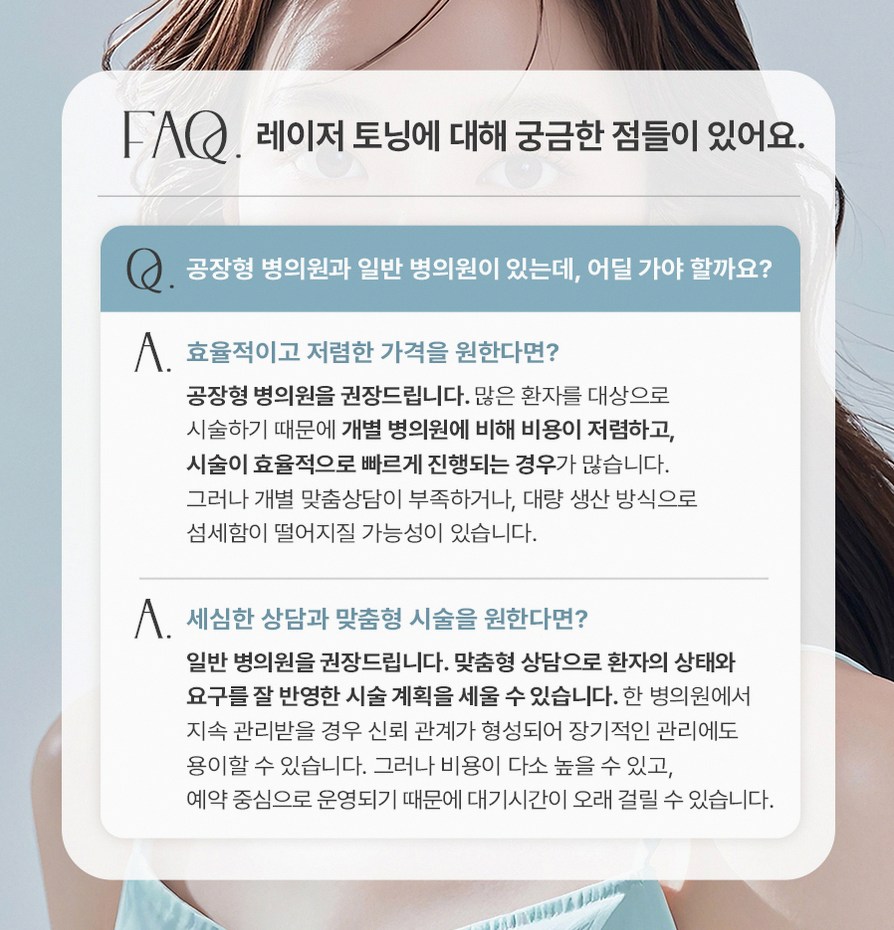
Expected visit timeline in Korea
While exact schedules vary, a common pattern for medical tourists may look like this:
Day 1: In-person consultation, detailed skin analysis, and first laser toning session if suitable.
Days 2–3: Light aftercare, possible short check-up if needed, and additional supportive treatments like hydrating facials if planned.
Days 4–7: Continued aftercare, optional second session depending on your schedule and doctor’s advice.
If you are staying longer, sessions may be spaced every 1–2 weeks. Your clinic can help design a realistic schedule based on your travel dates and goals.
After you return home, ongoing online follow-up can be useful to adjust skincare and decide when to schedule future visits if needed.
Post-laser toning aftercare FAQ
Is redness after laser toning normal, and how long does it last?
Mild redness or pinkness after laser toning is common and usually fades within a few hours to a day. Some people with sensitive skin may notice slight redness for up to 48 hours. As long as there is no severe pain, blistering, or strong swelling, this is generally considered a normal reaction. If redness worsens or is accompanied by other worrying symptoms, contact your clinic.
Can I wash my face and use makeup right after laser toning?
You can usually rinse your face gently with lukewarm water on the same day, and use a very mild cleanser if your clinic approves. It is better to avoid makeup on the day of treatment to reduce irritation and the need for strong cleansing. From the next day, light makeup is often allowed, but choose non-irritating products and remove them gently.

What should I do if my spots look darker after treatment?
Some spots or melasma patches may look slightly darker or more defined in the days after laser toning. This can be part of the normal process as pigment is broken up and moves toward the surface before fading. Do not scrub or pick at these areas. Continue your moisturizer and strict sun protection. If the darkening is very strong, patchy, or accompanied by pain or crusting, contact your clinic for assessment.
How strictly do I need to use sunscreen after laser toning, and for how long?
Sunscreen should be used every day after laser toning, without exception, even when it is cloudy or you are mostly indoors. In the first 1–2 weeks, be especially careful to reapply every 2–3 hours when exposed to daylight or near windows. For conditions like melasma, daily sun protection is a long-term habit that should continue indefinitely to help prevent recurrence.
Can I keep using my retinol or acid toner while I am getting laser toning sessions?
In most cases, strong actives such as retinol, prescription retinoids, and acid toners (AHA, BHA, PHA) are paused for several days before and after each laser toning session. Once your skin has fully calmed and your doctor agrees, they may be reintroduced gradually. Always follow your clinic’s specific instructions, as using strong actives too soon can increase irritation and the risk of post-inflammatory hyperpigmentation.
How often should I get laser toning, and does aftercare change with repeated treatments?
Scheduling varies by patient and may involve multiple sessions spaced apart over several weeks; your doctor will advise an appropriate interval based on your skin and tolerance. Basic aftercare principles remain the same for each session: gentle cleansing, good moisturizing, and strict sun protection. If your skin becomes more sensitive over time, your doctor may adjust the interval between sessions, the laser settings, or your home-care routine to give your skin more time to recover.

When should I contact the clinic about a possible side effect?
You should contact your clinic promptly if you experience severe or increasing pain, blisters, open wounds, strong swelling (especially around the eyes), oozing or yellow crusts, or a rapidly spreading rash. It is also wise to reach out if you are unsure whether a reaction is normal. Early communication allows your doctor to guide you and, if necessary, adjust your treatment plan.
Conclusion and next steps
Laser toning can gently improve pigmentation and overall skin tone, but the final result depends heavily on what you do after each session. Consistent sun protection, careful barrier support, and avoiding unnecessary irritation are just as important as the laser itself.
Rather than relying on generic internet tips, it is safest to follow a personalized plan created by your doctor, based on your skin type, lifestyle, and travel schedule. If you are considering laser toning in the Gangnam or Cheongdam area of Seoul, you may wish to arrange an online consultation with a professional clinic such as Clinique hus,hu to discuss a tailored treatment and aftercare program that fits your visit.
- 공유 링크 만들기
- X
- 이메일
- 기타 앱


댓글
댓글 쓰기