Recovery timeline, side effects & warnings
- 공유 링크 만들기
- X
- 이메일
- 기타 앱
Direct answer: recovery time at a glance
Typical recovery timelines reported by surgeons vary, but some estimate that patients may feel comfortable returning to office work or social activities with light makeup within roughly two weeks. Individual healing rates and the specific surgical technique used can affect these estimates, so confirm your expected timeline and any activity restrictions with your treating surgeon.
By 3 to 4 weeks, most of the visible swelling has settled and the under eye contour looks much closer to the final result. However, subtle firmness, minor asymmetry, or a slightly puffy feeling can continue to improve for 2 to 3 months. Final shape and texture usually stabilize over this period.
These timelines are averages only. Recovery can be faster or slower depending on your age, skin condition, general health, whether you had only fat repositioning or combined procedures, and how carefully you follow post‑operative instructions.
What is under eye fat repositioning
Under eye fat repositioning is a lower eyelid procedure designed to smooth under eye bags and hollows without simply cutting out the fat. Instead, the surgeon carefully releases the protruding fat and moves it to fill the hollow tear trough area. This can create a smoother transition between the lower eyelid and the cheek.
In many cases, the incision is made on the inner side of the lower eyelid (transconjunctival approach), so there is no visible skin scar. Through this small opening, the surgeon gently loosens the fat pads, repositions them over the hollow area, and secures them. Sometimes, if there is loose or wrinkled skin, a small amount of skin tightening or skin excision is added through a fine incision just below the eyelashes.
This explanation is only to help you understand what your eyes are going through during recovery. It is not a surgical manual. The exact method, incision site, and additional procedures are decided individually with your surgeon.
Who may consider this procedure
Under eye fat repositioning can be considered by adults who are bothered by:
Visible under eye bags that make them look tired
Deep tear troughs or hollows under the eyes
A sharp line between the lower eyelid and cheek
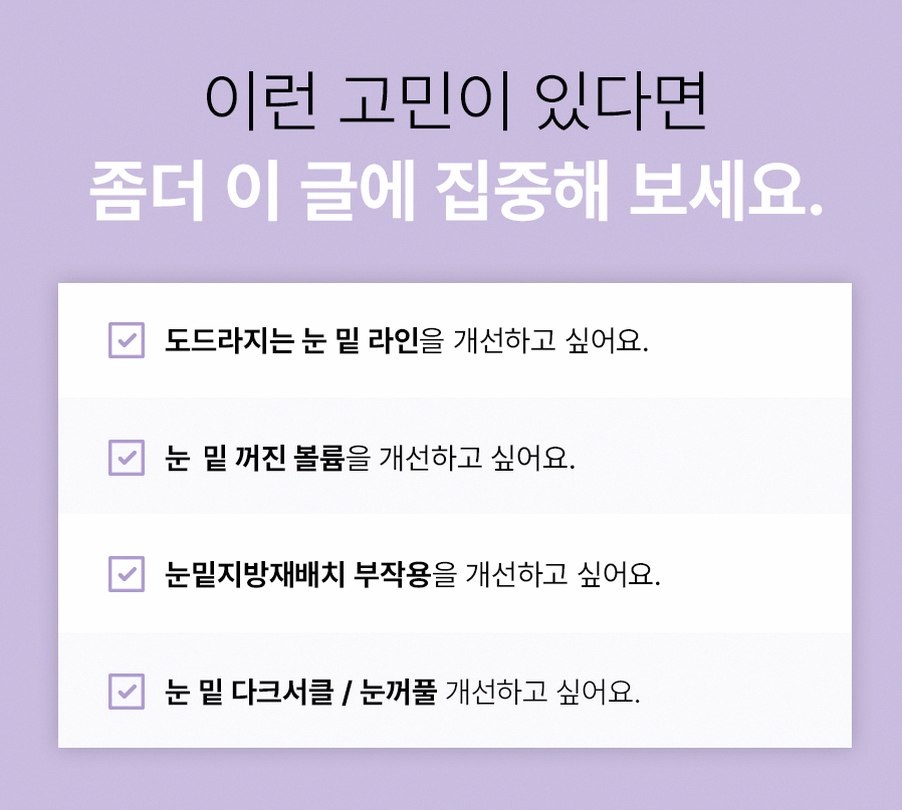
It may be suitable if your main concern is the shape and shadow caused by fat and hollows, rather than only fine wrinkles or surface pigmentation. People with significant skin laxity, severe eye dryness, uncontrolled medical conditions, or unrealistic expectations may need alternative plans or more cautious evaluation.
Only a face‑to‑face consultation with an experienced eye area surgeon can confirm if this procedure is appropriate for you.
Typical recovery timeline in more detail
Here is a realistic overview of what many patients experience. Your own recovery may differ.
Day 0 to 3: peak swelling phase
Swelling and bruising: Swelling usually increases over the first 48 to 72 hours, sometimes extending to the upper cheeks. Bruising can appear purple or blue.
Sensation: Tightness, a pulling feeling in the lower eyelids, and mild to moderate discomfort are common. Pain is usually manageable with prescribed medication.
Eyes: Mild dryness, irritation, or a feeling like there is sand in the eyes can occur. Vision may feel slightly blurry from ointments or tears.
Activity: Rest at home, keep your head elevated on extra pillows, and avoid bending over, heavy lifting, or rubbing your eyes.
Care: Cold compresses as instructed by your surgeon, eye drops or ointment, and pain medication if needed.
Day 4 to 7: early improvement
Swelling and bruising: Swelling often reaches its peak and then slowly decreases. Bruises may change color from dark purple to greenish or yellow.
Sensation: Itching or tingling can appear as nerves start to recover. The area may feel firm or lumpy to the touch.
Stitches: If an external skin incision was used, sutures are often removed around day 5 to 7, depending on your surgeon.
Activity: Short walks are encouraged to support circulation, but still avoid strenuous exercise, swimming, or sauna.
Care: Continue head elevation, gentle cleansing as instructed, and avoid smoking and alcohol, which can delay healing.
Week 2: early social recovery
Appearance: Swelling and bruising usually improve a lot during the second week, although some discoloration or puffiness may still be visible.
Social life: Many people feel comfortable returning to office work and meeting others at this stage, especially if they can use concealer or makeup (only if the surgeon has confirmed that the incision is healed enough).
Sensation: Some tightness, mild numbness, or unevenness when you touch the area is still normal.
Activity: Light exercise such as walking or gentle stretching is usually fine. Avoid intense workouts, heavy lifting, and activities that increase blood pressure in the face.
Weeks 3 to 4: major healing
Appearance: Most of the visible swelling and bruising has resolved. The under eye contour looks much closer to the final result, though small changes are still happening.
Sensation: The area may still feel slightly firm, especially when you press on it. Minor asymmetry between the two sides is common and often continues to improve.
Activity: Many people can gradually return to their usual exercise routines, depending on their surgeon’s advice.
One to three months: fine tuning phase
Appearance: Subtle residual swelling, firmness, or minor irregularities usually soften gradually. Scars from any external incision become flatter and paler over time.
Evaluation: Around 2 to 3 months, your surgeon can more accurately assess the final contour and symmetry. If there are persistent hollows, bulges, or irregularities, they may discuss options such as minor touch‑up procedures, fillers, or other treatments.
Normal recovery symptoms vs warning signs
Normal, expected recovery reactions
The following are common and usually part of normal healing:
Swelling and mild bruising under the eyes and on the upper cheeks, improving significantly within 1 to 2 weeks.
A tight or pulling sensation in the lower eyelids, especially when looking up or smiling.
Temporary dryness, mild irritation, or a foreign body sensation in the eyes.
Slight asymmetry in swelling between left and right sides during the first weeks.
Temporary numbness or reduced sensation around the lower eyelids and upper cheeks.
These symptoms usually improve with proper rest, cold compresses in the first days, warm compresses later if advised, prescribed eye drops or ointment, and carefully following your surgeon’s instructions.
Potential complications and when to seek help
Complications are not guaranteed, but it is important to know the warning signs so you can respond early.
Prolonged swelling and bruising
What it is: Swelling or bruising that lasts longer than expected or suddenly worsens.
What it feels like: The area may look puffy, tense, or discolored for more than 3 to 4 weeks.
When it may be normal: Mild residual puffiness or yellowish discoloration can still be seen at 3 to 4 weeks in some people.
Warning signs: Sudden increase in swelling after it had been improving, one‑sided severe swelling, strong pain, or redness and warmth. In these cases, contact your clinic promptly to rule out inflammation, hematoma, or other issues.

Infection
What it is: Bacterial infection of the incision or deeper tissues.
What it feels and looks like: Increasing redness, warmth, throbbing pain, yellow or foul‑smelling discharge, and sometimes fever or feeling unwell.
When to act: Infection needs prompt medical review and usually antibiotics. Do not wait to see if it will disappear on its own if these signs appear.
Hematoma (blood collection)
What it is: A collection of blood under the skin or deeper tissues.
What it feels and looks like: Tense, painful swelling, sudden dark discoloration, and a feeling of strong pressure around the eye.
When to act: This is an urgent situation. Contact your surgeon or an emergency service immediately. Sometimes a hematoma needs to be drained.
Under correction or over correction
Under correction: Some under eye hollows or dark shadows remain even after swelling has gone down.
Over correction: The under eye area looks too full, bulging, or irregular.
What to expect: Minor irregularities often improve as swelling continues to decrease over several weeks.
When to act: If, after several months, you still see obvious hollows, bulges, or contour problems, discuss them with your surgeon. Options may include filler, fat grafting, or revision surgery, depending on the cause.
Eyelid malposition or ectropion
What it is: The lower eyelid is pulled down or turned outward, showing more of the white of the eye or causing exposure.
What it feels and looks like: Dryness, tearing, a feeling that the eye cannot close fully, or the eyelid margin not touching the eye properly.
When to act: This is more serious and needs early management. Treatments may include massage, taping, lubricating drops, or in some cases corrective surgery. Contact your surgeon if you notice persistent pulling down of the eyelid.
Visible scarring or skin irregularities
What it is: Noticeable scars, pigment changes, or uneven skin texture, especially when an external skin incision was used.
What to expect: Most scars fade and soften over several months. Slight unevenness often improves as swelling resolves.
When to act: If a scar becomes raised, thick, very dark, or bothersome, ask about treatments such as laser, injections, or other scar care options.
Prolonged dryness, tearing, or eye discomfort
What it is: Ongoing dryness, excessive tearing, or irritation beyond the early healing phase.
What to expect: Mild dryness is common in the first weeks and usually improves with lubricating drops.
When to act: If symptoms are severe, painful, or persist for many weeks, you should be examined to rule out eyelid position problems, tear film issues, or other eye surface conditions.
Self‑care guide by stage
Early phase (day 0 to 3)
Keep your head elevated, even while sleeping, to reduce swelling.
Use cold compresses as instructed, usually for short periods several times a day.
Take prescribed pain medication and antibiotics exactly as directed.
Use eye drops or ointment to prevent dryness and protect the eye surface.
Avoid rubbing, pressing, or massaging the eye area.
Limit screen time if your eyes feel strained.
Acute recovery (day 4 to 7)
Continue sleeping with your head slightly elevated.
Switch from cold to warm compresses only if your surgeon advises it.
Keep the incision area clean and dry as instructed.
Avoid smoking and alcohol, which can slow healing.
Walk gently indoors or outdoors to support circulation, but avoid heavy exercise.
Attend your follow‑up visit and suture removal if you have external stitches.
Week 2: early social recovery
Ask your surgeon when you can start using concealer or makeup around the eyes. This is usually after the incision has closed and sutures are removed.
Return to office work and light daily activities if you feel comfortable.
Continue to avoid high‑intensity workouts, swimming pools, hot baths, and saunas.
Protect the eye area from sun exposure with sunglasses and, once allowed, sunscreen.
Weeks 3 to 4: returning to normal
Gradually increase exercise intensity if your surgeon agrees.
You may be able to resume more social activities as swelling and bruising fade.
If you notice persistent asymmetry or irregularities, note them and discuss at your next follow‑up, but remember that changes still occur during this period.
One to three months: long‑term healing
Continue sun protection to help scars and pigmentation settle.
If you have any remaining firmness, your surgeon may recommend gentle massage or specific treatments, but only under medical guidance.
This is usually the time when your surgeon evaluates the final contour and discusses whether any additional treatment is needed.
Do and do not checklist
Do follow all medication and eye drop instructions.
Do attend all scheduled follow‑up visits.
Do protect the area from sun with sunglasses and, when permitted, sunscreen.
Do maintain good sleep, hydration, and balanced nutrition.
Do not smoke or drink heavily during recovery.
Do not rub or massage the under eye area unless your surgeon specifically instructs you.
Do not use unapproved eye drops, creams, or cosmetics on the area.
Do not resume contact lenses without your surgeon’s permission.
Factors that affect recovery time and risk
Recovery is not the same for everyone. Important factors include:
Age and skin elasticity: Younger patients with more elastic skin may see swelling resolve faster, while mature skin may take longer.
General health and medications: Conditions such as diabetes, blood clotting disorders, or the use of blood thinners can influence bruising and healing speed.
Lifestyle: Smoking, heavy alcohol use, poor sleep, and high stress can slow recovery and increase complication risks.
Extent of surgery: Pure fat repositioning usually has a shorter recovery than when combined with extensive skin excision, laser procedures, or fat grafting.
Surgical technique and experience: Gentle tissue handling and appropriate planning can reduce trauma and support smoother recovery.
Post‑operative care: Closely following instructions about rest, eye drops, compresses, and activity restrictions can significantly influence your healing.
Discuss your personal risk factors and expected recovery schedule with your surgeon before deciding on surgery.
Planning your visit to Korea
For overseas patients, it is helpful to plan enough time in Korea for both the procedure and early recovery.
Pre‑visit online consultation
Before you travel, most clinics will offer online consultation options using photos or video calls. During this stage you can:
Share clear photos of your under eye area from different angles.
Explain your concerns, medical history, and any previous eye or facial procedures.
Ask about the recommended technique, anesthesia type, and expected recovery timeline.
Clarify how many days you should stay in Korea after surgery.
Questions to prepare before consultation
To make your consultation more effective, consider writing down questions such as:
What is the expected recovery timeline for my case?
Which technique do you recommend and why?
What are the most common side effects and how are they managed?
How many follow‑up visits will I need while I am in Korea?
What support is available if I have concerns after returning home?
Expected Korea visit schedule
While every clinic has its own system, a common schedule for overseas patients might look like this:

Day 1 to 2: In‑person consultation, eye examination, and pre‑operative tests.
Day 2 to 3: Surgery day, followed by rest at your accommodation.
Day 3 to 5: Early follow‑up visit to check swelling, eye surface, and incision.
Day 5 to 7: Suture removal if an external incision was used.
Day 7 to 10: Additional check‑ups, final instructions for home care, and clearance for travel.
Many patients stay in Korea for about 7 to 10 days after surgery, but your recommended stay may be longer or shorter depending on your situation.
Clinic environment and recovery support
Clinics in Cheongdam, Gangnam, Seoul, including Clinique hus,hu, often focus on cosmetic and anti‑aging care, with particular attention to skin quality and healing. Some centers operate in‑house recovery or cell‑focused labs and use regenerative approaches such as exosome‑based treatments or stem cell principles in their anti‑aging programs. When medically appropriate, such tools may be used to support tissue repair, reduce bruising or swelling, and refine scars after under eye procedures.
In addition, multiple energy‑based devices and skin repair programs can sometimes be applied in later stages to help with pigmentation, fine wrinkling, or scar texture around the eyes. These are not mandatory for everyone but can be discussed as part of an individualized recovery plan.

Post‑operative follow‑up and communication
Structured follow‑up is essential after under eye fat repositioning.
Typical follow‑up schedule
An early check within the first few days to assess swelling, bruising, and eye surface health.
A visit around day 5 to 7 for suture removal if needed.
Further visits over the first 1 to 3 months to monitor eyelid position, symmetry, and scar maturation.
During these visits, your surgeon checks for early signs of complications such as infection, hematoma, or eyelid malposition. Detecting issues early often allows simpler, less invasive management.
Many clinics provide communication channels such as phone or messaging apps so you can ask about unusual symptoms during recovery hours. However, these channels do not replace in‑person examination when serious symptoms appear. If you notice strong pain, sudden vision changes, severe redness, or rapidly increasing swelling, seek direct medical evaluation immediately.
Lifestyle and long‑term maintenance
Under eye fat repositioning can provide long‑lasting structural improvement by redistributing your own fat. However, the skin and surrounding tissues will continue to age.
To maintain your results:
Protect the under eye area from sun exposure with sunglasses and appropriate sunscreen.
Aim for regular sleep and good hydration to reduce puffiness and dark circles.
Avoid frequent rubbing of the eyes and use gentle makeup removal techniques.
Discuss non‑surgical maintenance options, such as gentle laser treatments or injectables, only after full healing and always with professional guidance.
Frequently asked questions
How long does it take to look normal after under eye fat repositioning?
Most people feel that they look reasonably normal, especially with makeup, after about 2 weeks. By 3 to 4 weeks, the majority of swelling and bruising has usually resolved, and casual observers may not notice signs of surgery. Subtle changes, such as residual firmness or minor asymmetry, can continue to improve for 2 to 3 months.
When can I go back to work or meet people without obvious signs of surgery?
Many office workers return to their job within 7 to 14 days, depending on how visible their bruising and swelling are and whether they can use makeup. If your work involves heavy physical activity or exposure to dust and wind, you may need more time. For important social events or photos, it is safer to allow at least 3 to 4 weeks.
How long do swelling and bruising last, and what can I do to reduce them?
Swelling is usually most intense in the first 2 to 3 days, then gradually improves over 1 to 2 weeks. Bruising often fades significantly within 10 to 14 days, though faint yellow discoloration can last a little longer. To help reduce them, follow your surgeon’s instructions about cold compresses, head elevation, and medications, and avoid smoking, alcohol, and strenuous exercise during early recovery.
What side effects are normal, and which ones are dangerous?
Normal side effects include swelling, bruising, tightness, mild pain, temporary numbness, and slight asymmetry in the first weeks. These should steadily improve. Dangerous signs include sudden severe pain, rapidly increasing one‑sided swelling, strong redness and warmth, yellow or foul‑smelling discharge, fever, or difficulty closing the eye. If you notice these, contact your surgeon or seek urgent medical care.
Is under eye fat repositioning very painful during recovery?
Most patients describe the recovery as uncomfortable rather than extremely painful. Tightness, soreness, and a heavy feeling around the eyes are common in the first days. Pain is usually well controlled with prescribed medication and tends to decrease significantly after the first week.
When can I wear eye makeup and contact lenses again?
Eye makeup is often allowed after about 1 to 2 weeks, once the incision has healed and sutures are removed, but this varies by surgeon. Contact lenses may need to be avoided for a similar period or longer, especially if your eyes feel dry or irritated. Always follow your surgeon’s specific guidance.
Can I sleep on my side after surgery, and from when?
In the first few days, it is usually recommended to sleep on your back with your head elevated to minimize swelling and protect the surgical area. After about 1 to 2 weeks, many surgeons allow a gradual return to side sleeping if it does not cause discomfort or pressure on the eyes. Confirm the timing with your own surgeon.
When is it safe to exercise, swim, or use a sauna again?
Light walking can usually start within a few days. More intense exercise is often delayed until around 3 to 4 weeks, depending on your healing. Swimming pools, hot baths, and saunas are usually restricted for several weeks to reduce infection risk and swelling. Your surgeon will provide a personalized timeline.
What if my under eye area still looks hollow or uneven after a few months?
If, after 2 to 3 months, you still see significant hollows, bulges, or irregular contours, schedule a review with your surgeon. Sometimes, what looks uneven early on is simply residual swelling. If the issue persists, options such as filler, fat grafting, or revision surgery may be discussed based on the cause.
How can a clinic with strong anti‑aging and skin repair programs help with recovery and scar care?
A clinic that focuses on cell‑level anti‑aging and skin quality may offer additional tools to support healing, such as regenerative treatments, targeted skin care, or energy‑based devices for bruising, pigmentation, or scar refinement. At a center like Clinique hus,hu in Cheongdam, Gangnam, these resources can be combined into an individualized plan when medically appropriate. However, these are supportive measures, not guarantees, and basic surgical skill and careful post‑operative care remain the foundation of a good recovery.
Soft call to action
If you are considering under eye fat repositioning in Seoul and would like a clearer idea of your personal recovery timeline, potential risks, and suitable technique, an online consultation can be a helpful first step. By sharing your photos and medical history in advance, you can receive more tailored information before planning your trip. When you are ready, contact a qualified eye area specialist or a clinic experienced in under eye procedures to discuss the safest approach for your situation.
- 공유 링크 만들기
- X
- 이메일
- 기타 앱


댓글
댓글 쓰기