Scalp scaling for hair loss and sensitive scalp care in Seoul
- 공유 링크 만들기
- X
- 이메일
- 기타 앱

Direct answer summary
Scalp scaling is a medical‑grade deep cleansing and exfoliating treatment for the scalp. It removes excess sebum, dead skin cells, styling residue, and micro‑dust from around the hair follicles. This can calm irritation, reduce dandruff, and create a cleaner environment for hair growth and for hair‑loss treatments. It is not a stand‑alone cure for genetic hair loss, but it can be a useful part of a broader, medically supervised hair‑loss and scalp‑care plan.
For international patients visiting Korea, scalp scaling is usually a short, low‑discomfort outpatient procedure that can be combined with other hair‑loss treatments during a short stay in Seoul.
What is clinical scalp scaling
In everyday language, many people think of scalp scaling as a “deep shampoo” or a beauty salon scrub. In a medical setting, however, scalp scaling is a structured procedure designed to improve scalp health and support hair‑loss management.
Clinical scalp scaling uses keratolytic (gentle peeling) and cleansing solutions, sometimes with devices that help loosen and remove buildup. The aim is to clear the openings of hair follicles and the scalp surface from:
Excess sebum and oil
Accumulated dead skin cells
Styling product residue
Micro‑dust and pollution particles
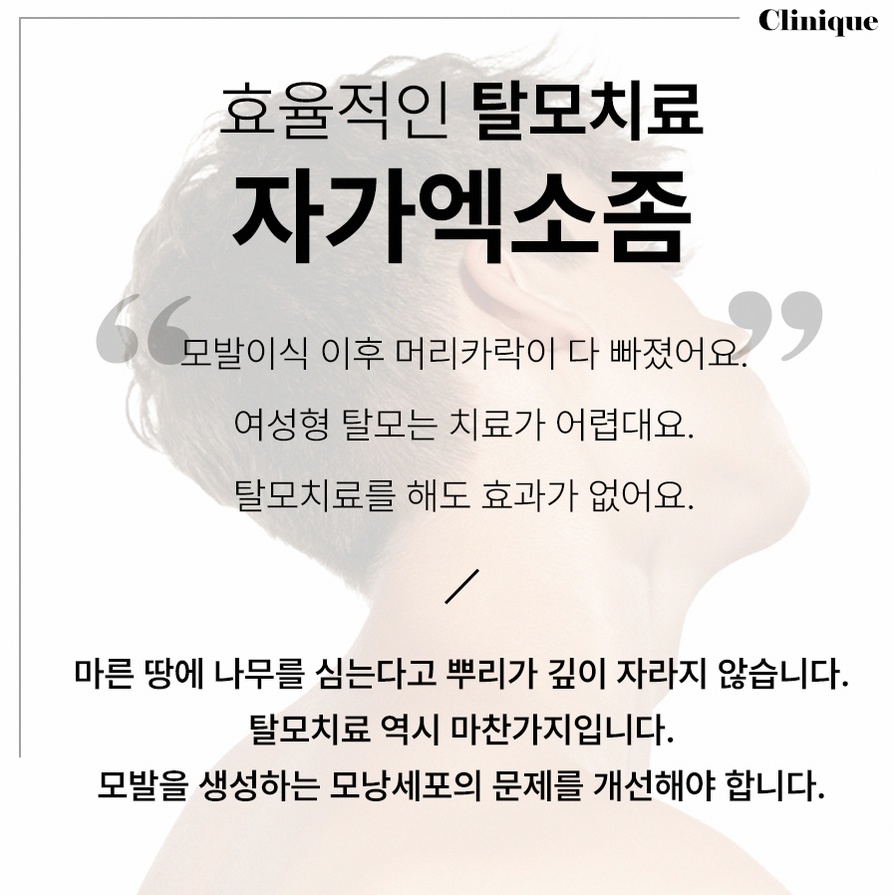
By clearing this buildup, the hair shafts can grow through more easily, and potential triggers of inflammation, dandruff, or folliculitis are reduced. When the scalp is clean and less inflamed, topical hair‑loss treatments such as medicated lotions, hair‑loss tonics, or regenerative solutions like exosome or PRP‑type injections may penetrate more effectively.
Clinique hus,hu in Cheongdam, Gangnam, Seoul, is an example of a clinic that offers scalp scaling as part of broader hair and scalp programs, and that may combine this with cell-based anti‑aging protocols and regenerative approaches. Specific regenerative procedures, such as autologous exosome treatments, may be used to support regenerative processes, but their use and outcomes can vary. Readers should confirm available treatments, expected results, and any related details directly with the clinic.
How scalp scaling works in simple terms
The outer layer of your scalp constantly renews itself. Dead skin cells should shed naturally, but in many people they mix with sebum, sweat, and hair products to form a film or plugs around hair follicles. Pollution and micro‑dust can stick to this layer as well.
Over time, this can lead to:
Visible flakes and dandruff
Greasy or heavy scalp feeling
Clogged follicle openings
Low‑grade inflammation and redness
Itching or burning sensations
Medical scalp scaling uses solutions that gently dissolve this compacted layer. Mechanical or water‑based techniques then help lift and wash away the loosened debris. The result is a smoother scalp surface and clearer follicle openings.
In people with seborrheic tendencies or mild seborrheic dermatitis, this process can help reduce the amount of yeast and inflammatory substances on the scalp. That may help stabilize shedding that is aggravated by inflammation, though it does not change the genetic tendency to hair thinning.
Who may consider scalp scaling
Scalp scaling is often recommended for adults who notice any of the following:
Oily, greasy scalp even shortly after washing
Frequent dandruff or visible flakes on dark clothing
Itchy, uncomfortable, or sensitive scalp
Scalp that looks red, bumpy, or congested on close inspection
Early‑stage hair thinning where the scalp looks inflamed or “dirty” around follicles
It can also be helpful for:
People preparing for hair‑loss treatments such as exosome injections, stem‑cell based programs, PRP‑type treatments, or medicated topical therapies, who need a clean scalp environment.
Patients already on hair‑loss medications (such as topical solutions or oral drugs) who want to optimize the scalp condition.
Individuals without clear hair loss but with chronic scalp discomfort, odor, or cosmetic concerns related to flakes and buildup.
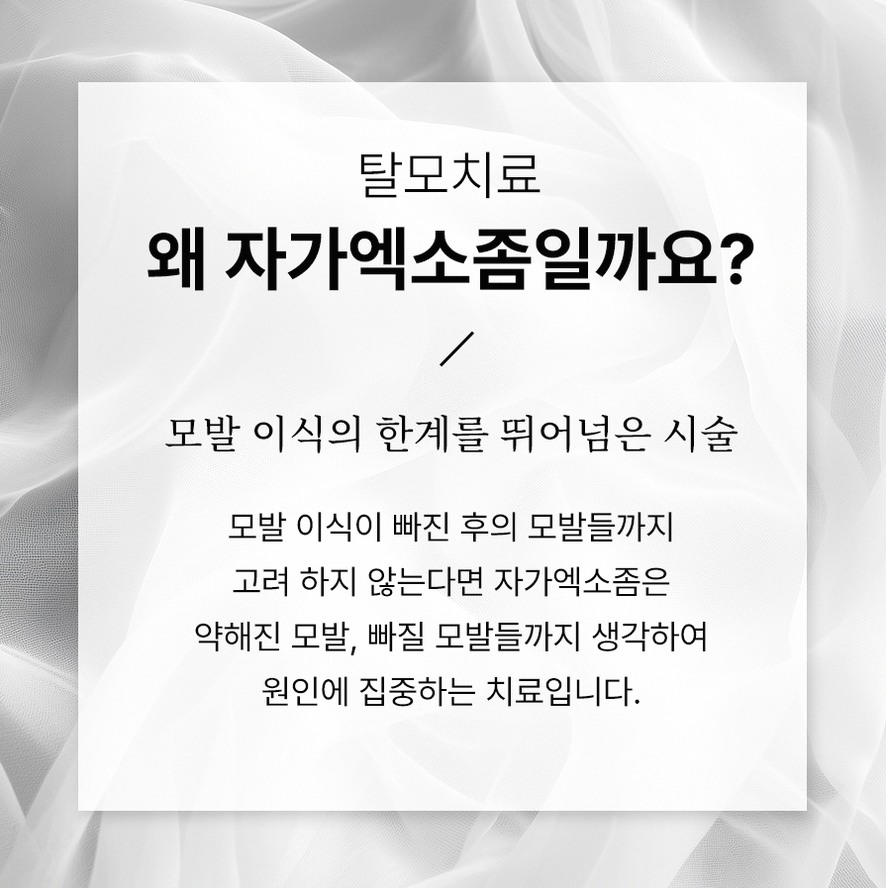
If you are noticing more hair on your pillow or in the shower, and at the same time your scalp feels itchy, greasy, or flaky, scalp scaling may be one of several supportive steps your doctor suggests. It is particularly relevant if your hair‑loss pattern is mixed: partly genetic, partly aggravated by inflammation or seborrheic issues.
Who should be cautious or avoid scalp scaling
Scalp scaling is generally gentle when done correctly, but some people need special caution:
Those with active scalp infections, such as bacterial folliculitis with pustules
People with open wounds, cuts, or recent trauma to the scalp
Patients experiencing a severe flare of eczema or psoriasis on the scalp
Anyone who has recently undergone hair transplant surgery, unless cleared by their surgeon and given a specific time frame for when scaling is safe
Individuals with known allergies or strong sensitivities to peeling or cleansing agents
For these groups, a doctor should first stabilize the underlying condition. In some cases, a very mild, modified form of cleansing may be used, or the procedure may be postponed entirely.
A careful scalp examination by a dermatologist or experienced medical staff is important before deciding the intensity, type of solution, and frequency of scalp scaling.
Typical clinical scalp scaling procedure
The exact protocol differs slightly between clinics, but the general flow in a medical environment is similar.
Consultation and scalp assessment
Your visit usually begins with a consultation. The medical team will typically ask about:
When your hair shedding started and how it has changed
Any family history of hair loss
Current scalp symptoms such as itching, burning, pain, or dandruff
Your hair‑care habits, including washing frequency, products, and styling
A visual examination of your scalp follows. Some clinics also use magnified imaging or digital cameras to look closely at follicle openings, sebum plugs, redness, and miniaturized hairs. Based on these findings, the clinician will explain whether scalp scaling is appropriate for you, how strong it should be, and how often it may be repeated.
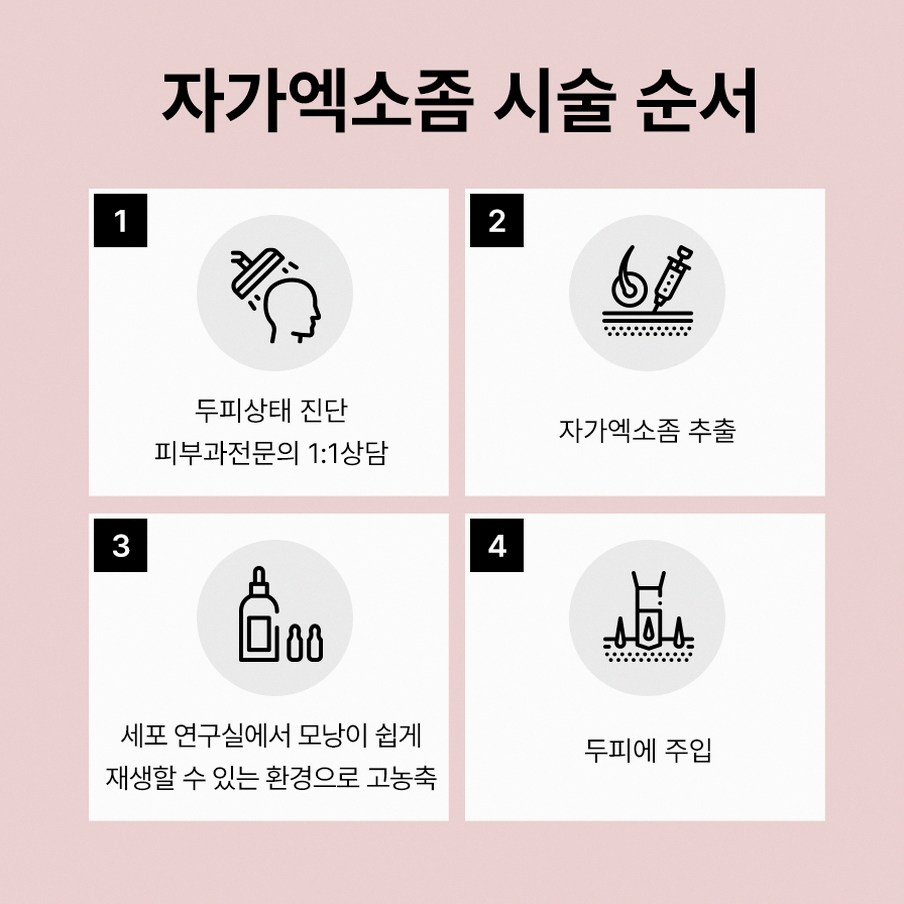
Pre‑cleansing step
Before the actual scaling, the scalp is usually pre‑cleansed:
A gentle wash or cleansing step removes surface dust, sweat, and light product residue.
Very sensitive or previously irritated areas may be protected or avoided.
This prepares the scalp so that the keratolytic solution can work more evenly.
Scaling step
The main part of the procedure includes:
Application of a specialized scalp solution that helps dissolve compacted sebum and dead cells.
Use of medical‑grade devices or careful manual techniques to loosen buildup around the follicles. This may involve gentle brushing, massaging, or device‑assisted exfoliation.
In some clinics, water‑based or suction devices are used to flush out debris and remove dissolved material from the scalp surface.
You may feel mild tingling, cooling, or light pressure, but significant pain is not typical. If anything feels too strong, you can ask the staff to adjust the intensity.
Soothing and balancing
After the scaling step, the scalp is rinsed and soothed:
Calming or hydrating scalp products may be applied to restore balance and comfort.
Some clinics add light‑based therapy or cooling packs to reduce temporary redness and support skin recovery.
This step is important to avoid over‑drying the scalp and to maintain a healthy barrier.
Post‑care guidance
At the end of the session, you will receive instructions tailored to your scalp type, such as:
Recommended shampoo type (for example, mild, medicated, or for sensitive scalp)
How often to wash your hair and how to massage the scalp without scratching
Which styling products to avoid, especially heavy waxes or sprays that can clog follicles
When to return for the next session, if needed
How to coordinate scalp scaling with other hair‑loss treatments, such as topical medications or injections
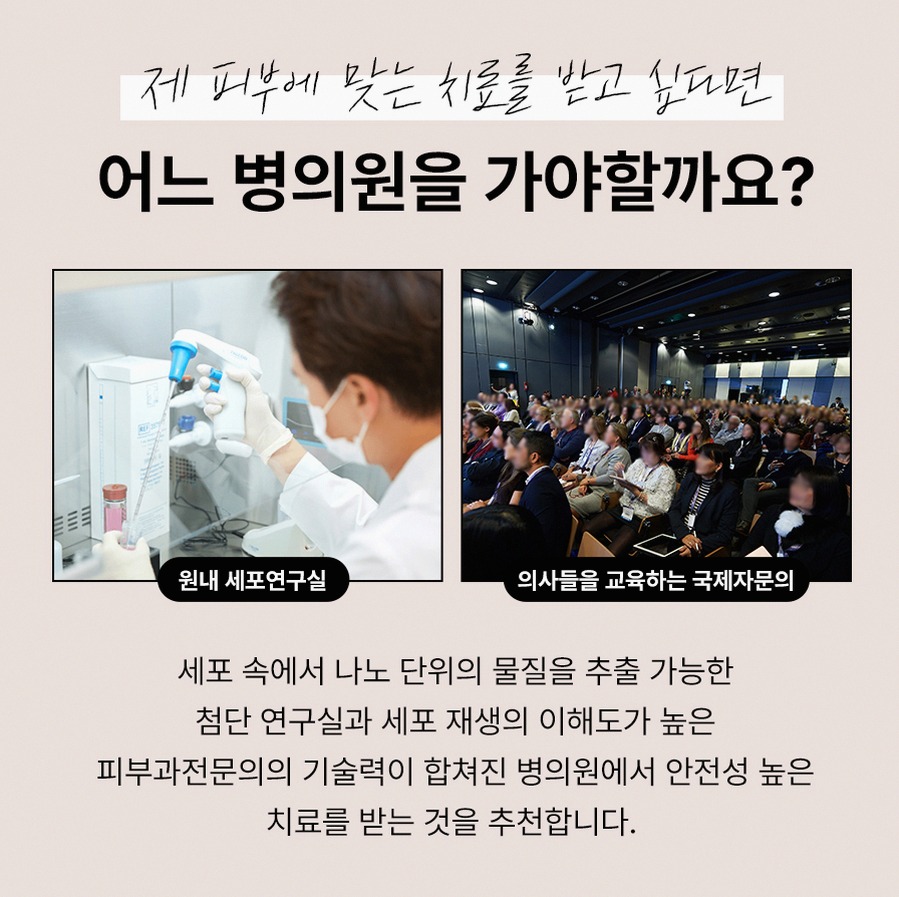
If you are an international patient, this guidance is especially important, as you may not return frequently. The doctor may suggest a realistic home‑care routine you can follow in your own country.
Expected benefits of scalp scaling
When performed regularly as part of a broader plan, patients often notice several benefits.
Short‑term effects
Immediately or within a few days after treatment, many people feel that:
The scalp is lighter, fresher, and less itchy.
Flakes and visible dandruff are reduced.
Sebum and greasiness are less intense.
Hair at the roots may look slightly more lifted or voluminous because the follicle openings are clearer.
These changes are mainly related to cleanliness and reduced surface buildup.
Mid‑ to long‑term effects
With repeated sessions at appropriate intervals, combined with proper medical care, scalp scaling may help:
Stabilize scalp condition, with fewer inflammatory flare‑ups.
Maintain a healthier environment for hair follicles, which can support efforts to slow shedding related to inflammation or seborrheic buildup.
Improve the penetration and consistency of topical hair‑loss medications, exosome or PRP‑type solutions, and other regenerative treatments.
Results vary widely between individuals. People with mild seborrheic problems may notice clearer improvement than those with advanced genetic hair loss. Your doctor can help you understand what is realistic in your case.
Limitations and realistic expectations
It is important to understand what scalp scaling can and cannot do.
Scalp scaling cannot:
Cure male or female pattern hair loss caused by genetics
Regrow hair in completely bald areas where follicles are no longer active
Replace systemic or pharmacologic treatments when these are medically indicated

Scalp scaling can:
Support scalp health and comfort
Reduce triggers for inflammation‑related shedding
Help your other hair‑loss treatments work in a more optimal environment
Frequency and visible changes depend on your scalp type, lifestyle, and the underlying cause of hair loss. Some people may benefit from sessions every few weeks at first, then less often for maintenance. Others may only need occasional treatments.
Safety, discomfort, and downtime
For most adults, medical scalp scaling is a mild, well‑tolerated procedure.
Possible temporary effects include:
Mild redness or warmth of the scalp
A feeling of tightness or slight sensitivity for a short period
Rarely, irritation or allergic reaction to one of the products used
There is usually no significant downtime. Most patients can return to work, sightseeing, or daily activities immediately after the session. You may be advised to:
Avoid very hot showers or saunas for a day.
Skip harsh styling products, strong hair sprays, or heavy oils for a short period.
Avoid intense sweating, such as heavy gym workouts, on the same day if the scalp feels sensitive.
If you experience unusual pain, severe redness, or persistent discomfort, you should contact the clinic promptly.
Integration with hair‑loss programs in Korea
Many medically oriented clinics in Seoul integrate scalp scaling into broader hair‑loss and anti‑aging programs. For example, a clinic with a focus on cell‑level anti‑aging and an in‑house cell research lab may combine scalp scaling with:
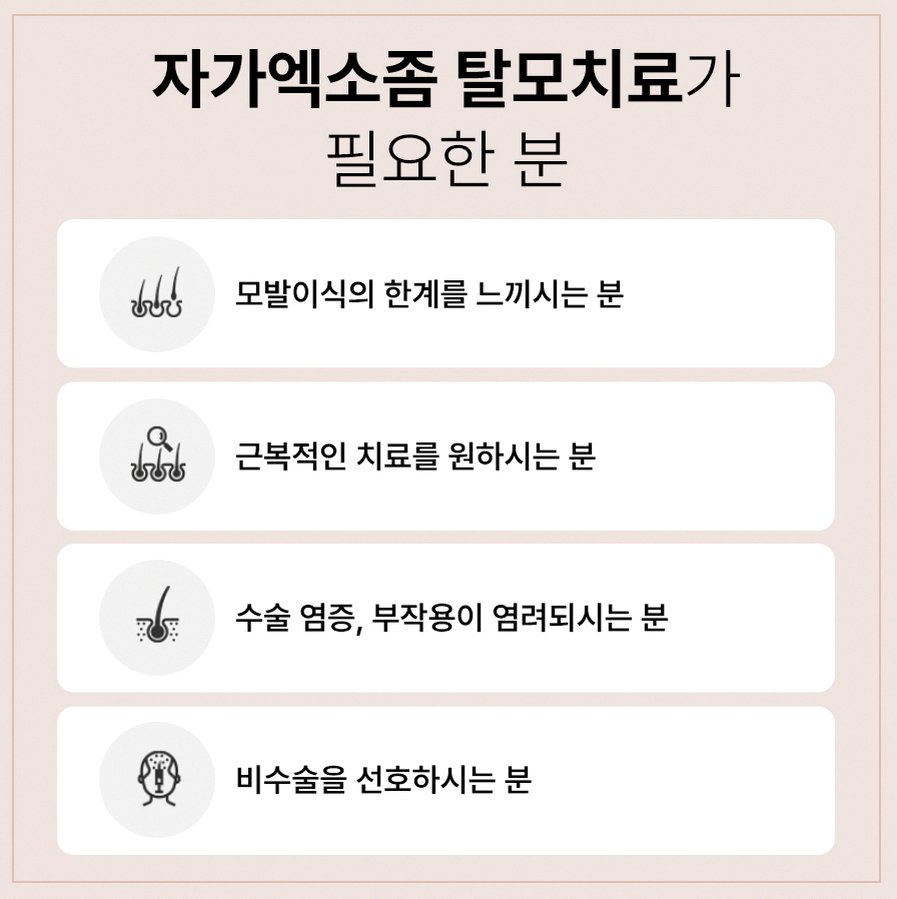
Exosome‑based injections for hair and scalp
Stem‑cell inspired or regenerative scalp programs
PRP‑type treatments
Topical prescription medications and oral drugs for androgenetic alopecia
In such a setting, scalp scaling often serves as:
A preparatory step before regenerative injections, to ensure the scalp surface is clean.
A maintenance tool during long‑term hair‑loss management, helping keep inflammation under control.
A point of follow‑up, where scalp imaging and photography can track changes in sebum, redness, and hair density over time.
Clinique hus,hu, located in Cheongdam, Gangnam, within walking distance of Apgujeong Rodeo Station on the Suin–Bundang Line in the direction of Galleria Department Store, is an example of a clinic that uses this kind of integrated, anti‑aging and scalp‑care approach.
Home care vs salon care vs clinical scalp scaling
When you are deciding how to care for your scalp, it helps to distinguish between three levels: home care, salon care, and clinical care.
Home care
Home care includes your regular shampoo, conditioner, and any over‑the‑counter scalp products. For many people, simple changes can already help:
Using a gentle or medicated shampoo appropriate for your scalp type
Washing often enough to control oil but not so often that the scalp becomes very dry
Avoiding aggressive scrubs or sharp exfoliating tools that can damage the scalp barrier
Rinsing thoroughly to remove all product
Over‑exfoliating at home can backfire, leading to irritation and even increased shedding. If you feel tempted to use strong scrubs frequently, it is safer to consult a doctor first.
Salon care
Salon scalp treatments are usually cosmetic. They focus on cleansing, massage, and relaxation. They can be pleasant and may improve the look and feel of hair, but they typically do not diagnose or treat medical scalp conditions or the causes of hair loss.
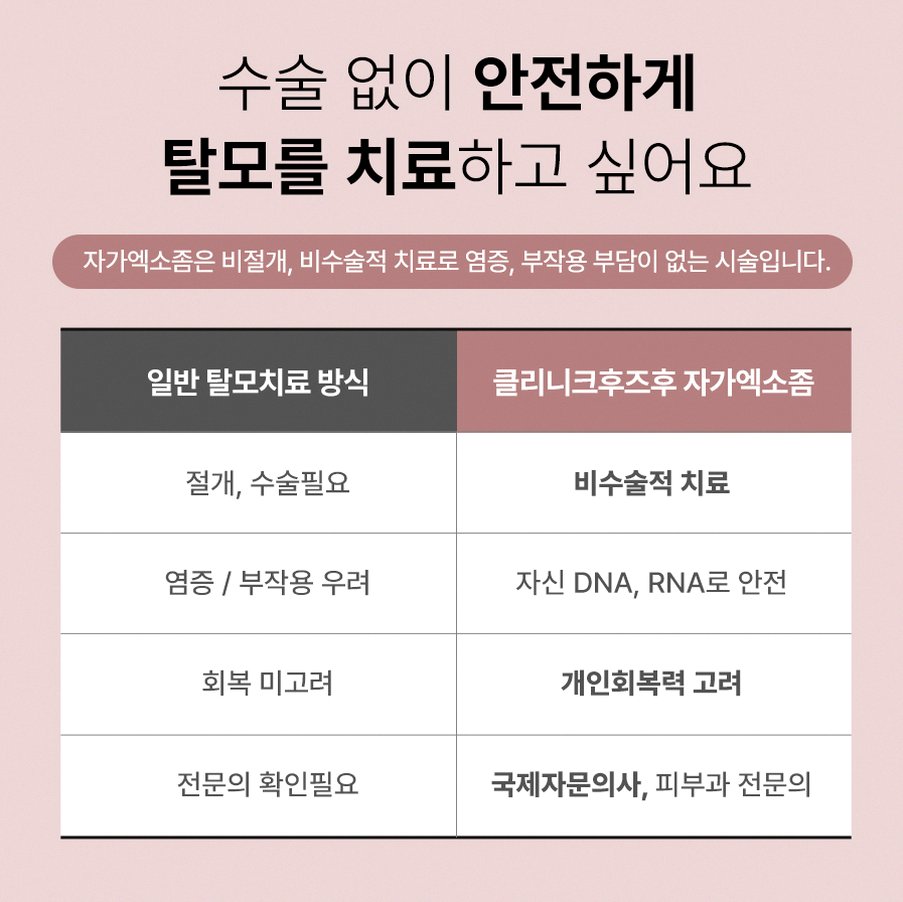
If you have rapid thinning, patchy hair loss, or significant scalp symptoms, relying only on salon care may delay proper diagnosis.
Clinical scalp scaling
Clinical scalp scaling is performed under medical supervision. The intensity and products are chosen based on a medical assessment, and the procedure can be coordinated with prescription treatments, regenerative therapies, and follow‑up imaging.
This approach is more suitable if you:
Have clear signs of hair thinning or a family history of hair loss
Experience strong itching, burning, or pain on the scalp
Have tried over‑the‑counter products without improvement
Want to combine scalp care with advanced hair‑loss programs while visiting Korea
Online consultation and pre‑visit preparation
If you are planning to travel to Seoul for scalp scaling and hair‑loss care, an online consultation before your trip is very useful. Many clinics offer video or photo‑based pre‑assessments.
Before your online consultation, prepare the following:
Clear photos of your scalp from the front, top, sides, and back, in good lighting
A brief history of your hair issues: when shedding started, how fast it progressed, any triggers such as stress or illness
List of current medications and supplements
Names of any hair‑loss products or treatments you have tried
Information about allergies or past reactions to cosmetic or medical products
During the online consultation, you can ask:
Whether scalp scaling is appropriate for your situation
How it might be combined with other treatments during your stay
How many visits are realistically needed
What kind of aftercare you can continue once you return home
Clinics like Clinique hus,hu can often suggest a practical schedule that fits into a short visit, such as combining scalp assessment, scaling, and initial regenerative treatment within a few days.
Expected Korea visit timeline for scalp scaling
The exact plan depends on your needs and how long you stay, but a typical timeline for an overseas patient might look like this.
Short stay of 2–3 days
Day 1: In‑person consultation, scalp imaging, and first scalp scaling session. If appropriate, a mild topical treatment or simple injection therapy may be added.
Day 2 or 3: Follow‑up check if needed, additional treatment, and detailed home‑care guidance before departure.
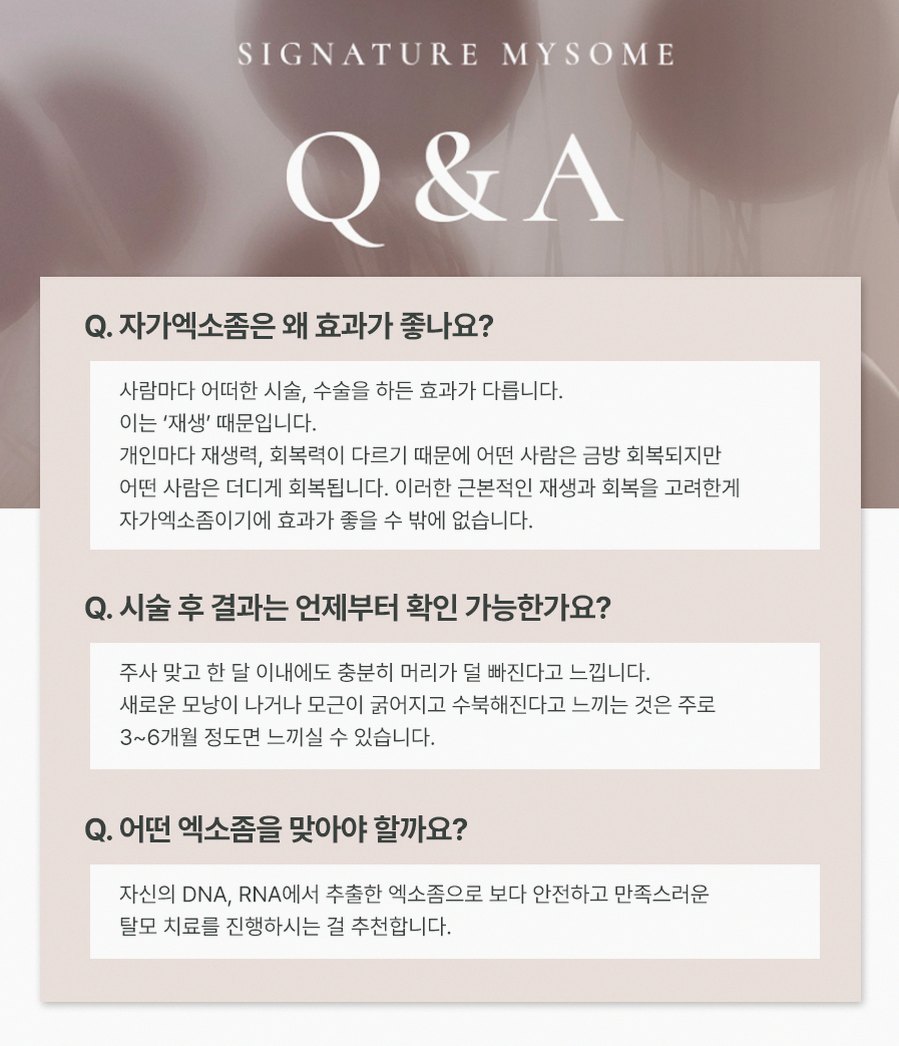
Medium stay of about 1 week
Day 1: Full assessment and first scalp scaling.
Mid‑week: Regenerative treatment session (for example, exosome or PRP‑type injections) on the clean, prepared scalp.
End of week: Quick review, possible second gentle scaling or soothing care, and long‑term plan for home.
Longer stay of 2 weeks or more
With more time, your doctor can space treatments more comfortably, observe how your scalp responds, and adjust the plan. You may have multiple gentle scalings, combined with medication adjustments and regenerative procedures.
Aftercare and continuing scalp care at home
After you return to your home country, maintaining good scalp habits is essential to protect the benefits of clinical scalp scaling.
General aftercare tips include:
Use the recommended shampoo and follow the suggested washing frequency.
Avoid very hot water on the scalp; lukewarm is usually better.
Do not scratch the scalp with nails or sharp tools; use fingertips gently.
Limit heavy styling products that build up at the roots.
Manage stress, sleep, and nutrition, as these also influence hair health.
If you have been prescribed topical or oral hair‑loss medications, continue them as directed. Scalp scaling is a supportive measure, not a replacement for these treatments.
If new symptoms appear, such as sudden patchy hair loss, strong pain, or oozing lesions, seek medical attention locally rather than waiting for your next trip.
Frequently asked questions
How often should I get scalp scaling for hair loss
The ideal frequency depends on your scalp type and diagnosis. Some oily, dandruff‑prone scalps may benefit from sessions every 3–4 weeks at first, then less often for maintenance. Drier or more sensitive scalps might need gentler, less frequent treatments, such as every 2–3 months. Your doctor will adjust the schedule based on how your scalp responds and what other hair‑loss treatments you are receiving.
Is scalp scaling painful
Most people describe scalp scaling as slightly tingly or mildly uncomfortable at certain moments, but not truly painful. You may feel coolness from solutions, light pressure from devices, or a brief sting if the scalp is very sensitive. The intensity can usually be adjusted during the procedure. If you feel significant pain, you should tell the staff so they can reduce the strength or modify the technique.

Can scalp scaling be done together with hair‑loss medications or injections
In many treatment plans, scalp scaling is intentionally combined with topical medications, oral drugs, and regenerative injections. A cleaner, less inflamed scalp can help these therapies work in a more favorable environment. However, the timing is important. Often, scaling is done before or between injection sessions, not immediately after a procedure that leaves the scalp very sensitive. Your treating physician will coordinate the schedule to avoid irritation.
When should I see a doctor instead of just booking a cosmetic scalp treatment
You should seek medical evaluation rather than only cosmetic care if you notice rapid or patchy hair thinning, sudden bald spots, severe itching or burning, pain, oozing, thick crusts, or bleeding on the scalp. These signs may indicate conditions that require medical diagnosis and treatment, not just cleansing. In such cases, a clinic with experience in hair and scalp disorders can perform proper tests and then decide whether scalp scaling is suitable as part of your care.
Soft call to action for online consultation
If you are considering scalp scaling in Seoul as part of your hair‑loss or scalp‑care journey, arranging an online consultation before you travel can help you plan realistically. You can discuss your symptoms, share photos, and explore how scalp scaling might fit into a broader program that includes diagnosis, medication, and regenerative options.
A medically focused clinic such as Clinique hus,hu in Cheongdam, Gangnam, can guide you on timing, expected visits, and aftercare so that your trip to Korea is both efficient and comfortable. Reaching out in advance allows you to arrive with a clear schedule and a better understanding of what scalp scaling can do for your specific situation.
- 공유 링크 만들기
- X
- 이메일
- 기타 앱


댓글
댓글 쓰기