Silhouette Soft Aftercare for Overseas Patients in Korea
- 공유 링크 만들기
- X
- 이메일
- 기타 앱
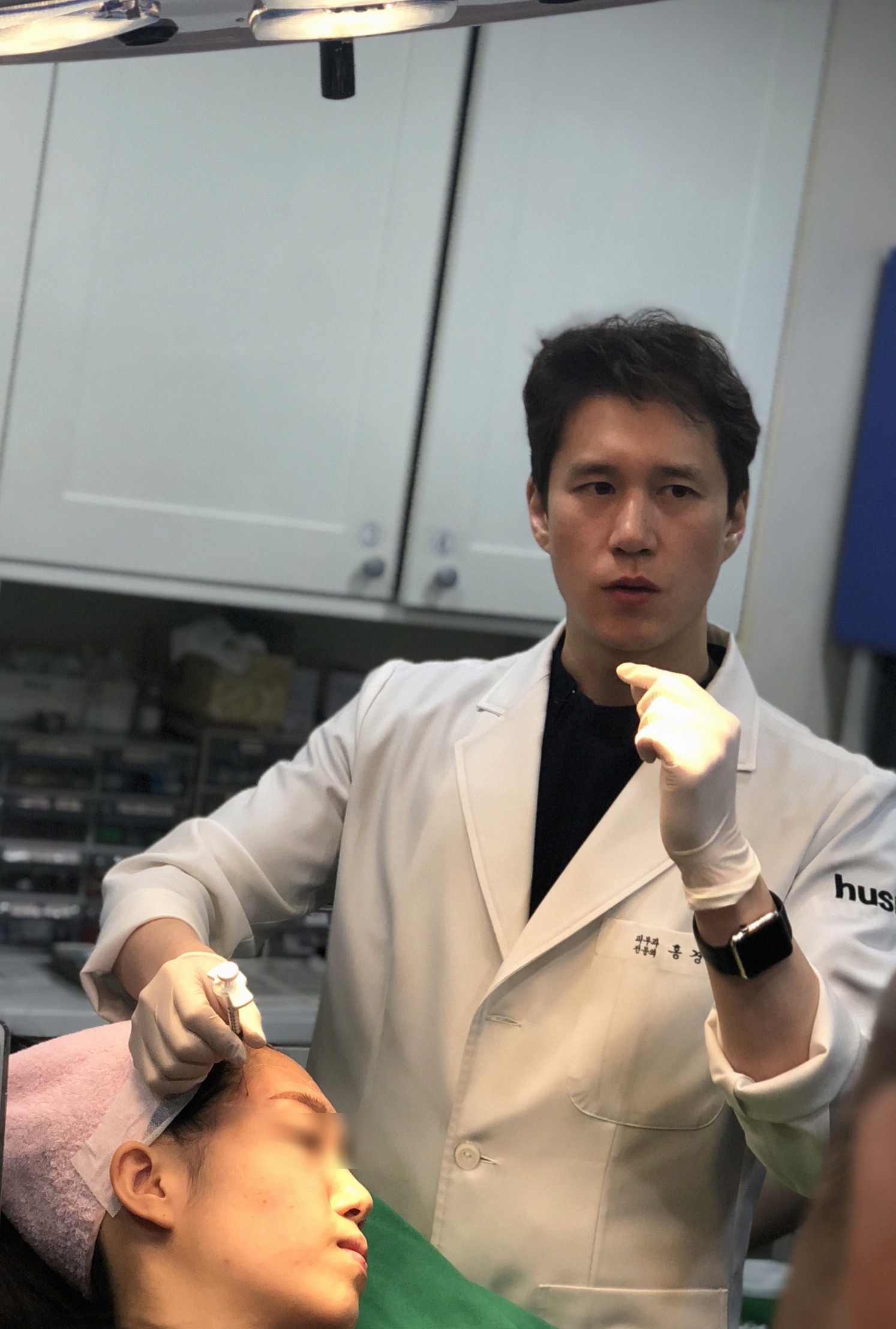
Direct answer: what you must know about Silhouette Soft thread lift aftercare
After a Silhouette Soft thread lift, expect a few days of swelling, tightness, and possible bruising. For the first week, keep your head elevated, avoid rubbing or pressing the treated area, and limit big facial movements, heavy exercise, alcohol, and heat exposure. Proper aftercare helps the lifted tissues settle smoothly, supports collagen production, and can make the result look more natural and last longer.
This guide explains step by step how to care for your face after Silhouette Soft lifting, especially if you are planning to visit Korea or have just had the procedure in Seoul.
What Silhouette Soft thread lifting is
Silhouette Soft is a type of thread lift that uses absorbable threads with small cones or barbs. These cones anchor into the deeper tissues of the face so that the doctor can gently reposition sagging areas and create a more defined contour.
Unlike simple PDO mono threads that mainly improve fine lines and skin texture, Silhouette Soft is designed for structural lifting and contouring. It is often used for the jawline, midface, cheeks, and nasolabial area to reduce the look of sagging and to restore a more youthful shape.
The threads gradually dissolve over time, but as they do, they stimulate collagen production in the surrounding tissue. This collagen support helps maintain the lifting effect for longer than the physical presence of the thread itself.
Because Silhouette Soft threads have stronger lifting power and are placed deeper than many basic thread types, aftercare is especially important. Good post-thread lift care reduces the risk of complications, helps the lift settle evenly, and supports a natural-looking result.
Who may consider Silhouette Soft thread lifting
Silhouette Soft thread lifting may be considered by people who:
Have mild to moderate facial sagging, such as early jowls or deepening nasolabial folds.
Prefer a non-surgical option with shorter downtime compared with a surgical facelift.
Want more definition in the cheek and jawline area without removing skin.
Understand that results are not permanent and that aging will continue.
It is usually more suitable for patients with realistic expectations who are willing to follow detailed aftercare instructions. Your individual suitability should always be confirmed in consultation with a qualified doctor.
Preparing from overseas: online consultation and planning
If you are traveling to Korea for Silhouette Soft thread lifting, preparation before your visit can make your experience smoother and your aftercare safer.
Before your trip, it is helpful to:
Arrange an online consultation: Share photos from the front and both sides in good lighting. Mention your main concerns (for example, jowls, midface, nasolabial folds) and any previous procedures.
Prepare your medical history: List past procedures, ongoing medications (especially blood thinners, supplements like fish oil, ginkgo, or high-dose vitamin E), allergies, and any history of keloid or abnormal scarring.
Clarify your schedule: Tell the clinic how many days you will stay in Korea, when you arrive, and when you leave. This helps the team plan your procedure date and follow-up visits.
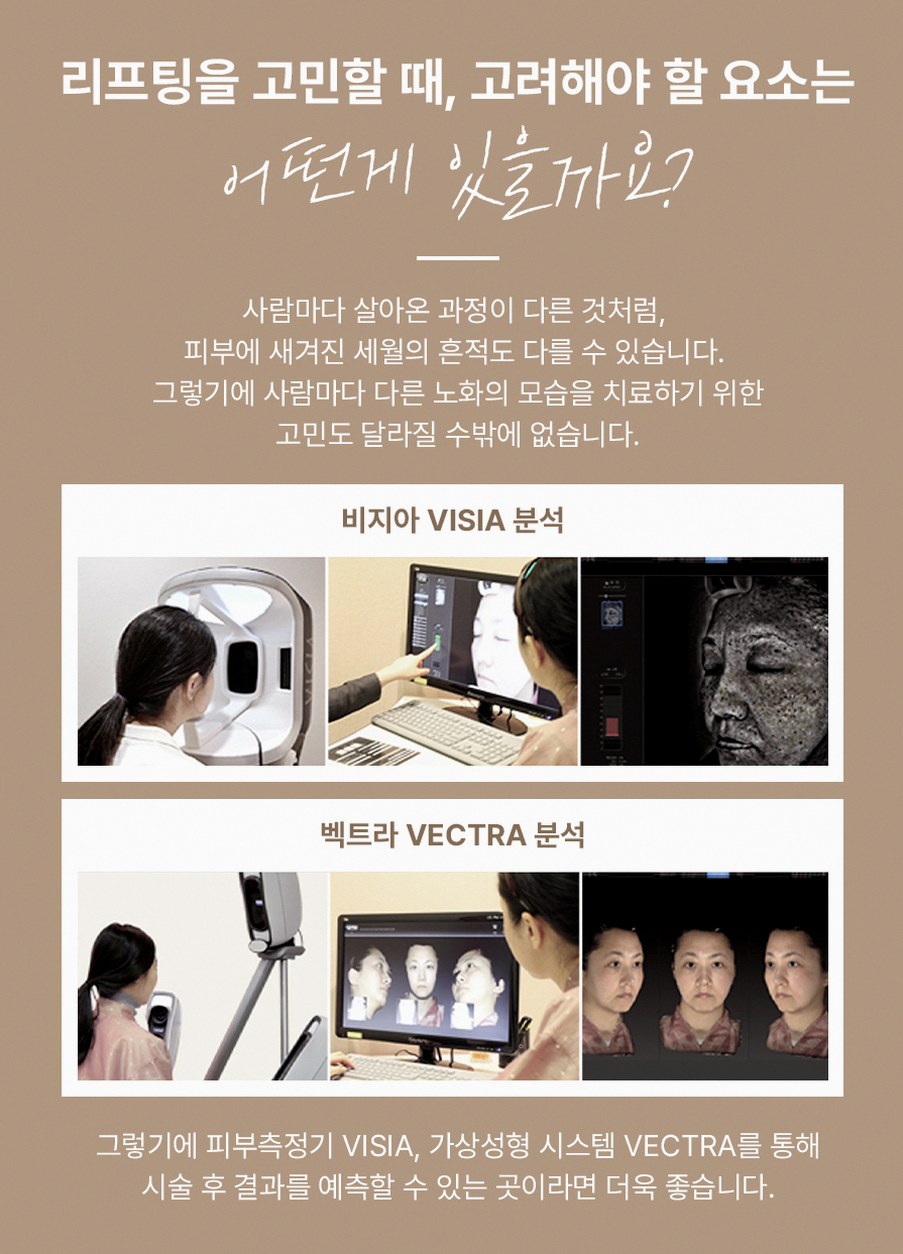
Ask about downtime: Ask how many days of visible swelling or bruising you should expect, and when it is realistic to attend meetings, sightseeing, or flights after the procedure.
Clinique hus,hu in the Cheongdam area of Gangnam, near Apgujeong Rodeo Station, offers anti-aging and lifting-focused care with a range of thread and device options. For overseas patients, this kind of structured, pre-visit communication is important to align expectations and plan aftercare.
Typical Korea visit timeline for Silhouette Soft thread lifting
Every clinic has its own process, but a common timeline for overseas patients might look like this.
Day 1: Arrival and in-person consultation
You meet the doctor, have a facial examination, and discuss your goals. The doctor explains which areas can be lifted, what type and number of threads are recommended, and what kind of result is realistic. Photos are usually taken for medical records.
Day 1 or Day 2: Procedure day
Silhouette Soft threads are placed under local anesthesia. The procedure time varies but is often under one hour once numbing is complete. You rest briefly afterward, receive written aftercare instructions, and then you can return to your accommodation.
Day 2–3: Early check-up (if scheduled)
Some clinics offer a short review to check swelling, entry points, and symmetry. This is a good time to ask about any sensations you are worried about and to confirm when you can resume specific activities.
Day 5–7: Final in-person review before departure
Before you fly home, a last in-person check helps ensure that healing is on track. The doctor can reinforce long-term aftercare and advise on when to combine other treatments, if needed.
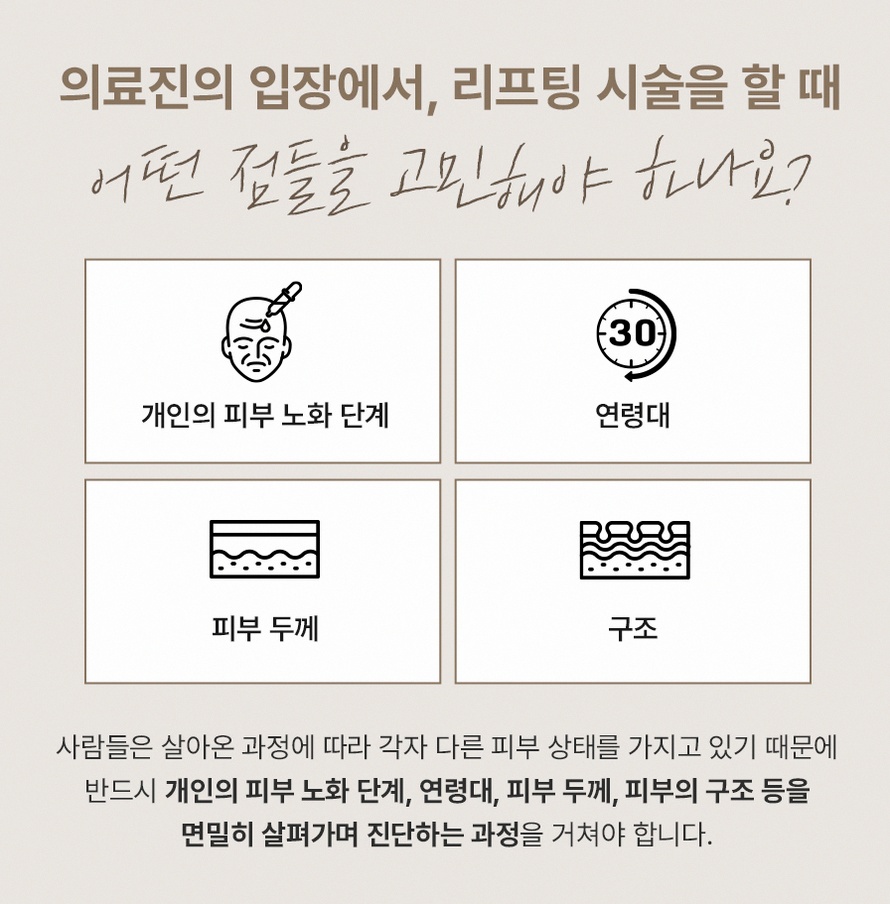
After you return home, follow-up may continue online with photos and video calls.
Immediate post-procedure period (day 0–3)
Normal reactions
In the first 1 to 3 days after Silhouette Soft thread lifting, it is common to notice:
Swelling and mild asymmetry, especially around the entry and exit points of the threads and along the lifted line.
Bruising or small needle marks.
A feeling of tightness or pulling when talking, chewing, or making big facial expressions.
Mild pain or tenderness when touching the treated area.
These reactions are usually temporary and tend to improve over several days.
What to do
Cold compress: Use a wrapped ice pack or cold gel pack for 10 to 15 minutes at a time, several times a day during the first 24 to 48 hours. Do not press hard on the face. Gently rest the pack nearby so you cool the area without pushing on the threads.
Head elevation: Sleep with your head higher than your heart. Two pillows or a semi-upright position can help reduce swelling. Try to avoid lying flat in the first couple of nights.
Pain control: Use the pain medication prescribed by your doctor, or approved over-the-counter options if recommended. Some doctors ask you to avoid aspirin or certain high-dose anti-inflammatory drugs due to bleeding risk, so always follow your clinic’s advice.
Wound care: Keep the small entry points clean and dry. If your doctor gave you a topical antiseptic or specific cleanser, use it exactly as directed. Do not apply random ointments without checking first.
Hygiene: Wash your hands before touching your face. Avoid rubbing, scratching, or massaging the treated area, even if it feels itchy or tight.
What to avoid
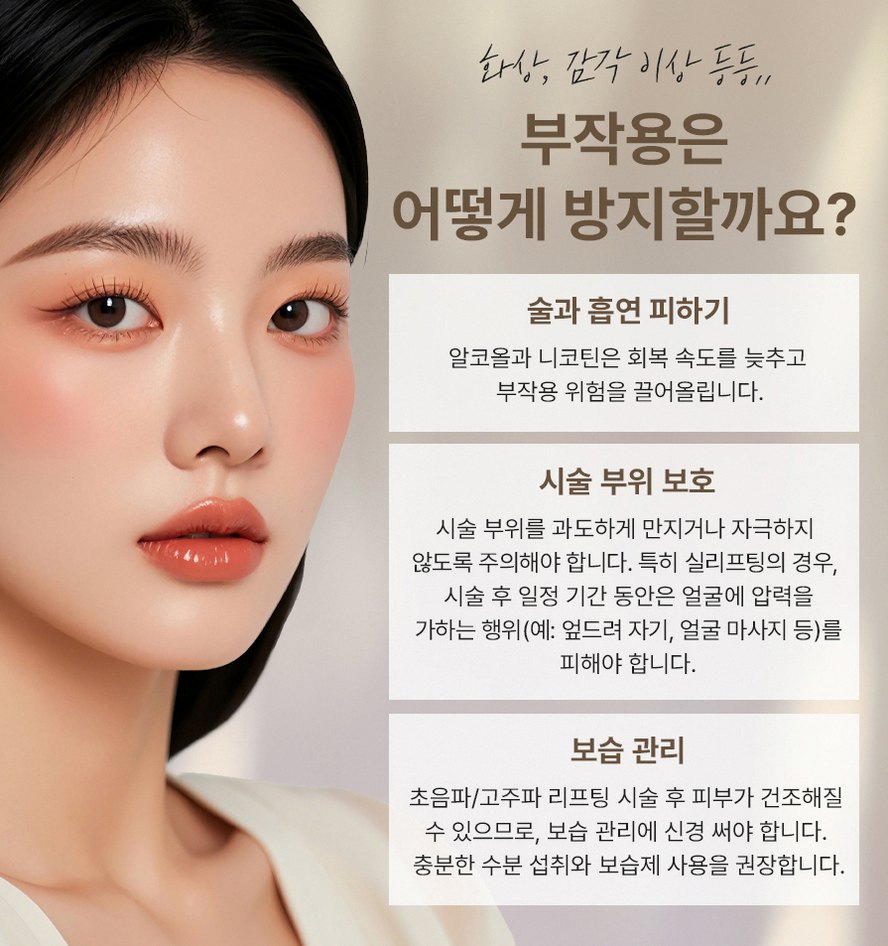
Do not use hot packs, steam rooms, saunas, or very hot baths on the face.
Avoid alcohol and smoking, as they can worsen swelling and slow healing.
Avoid heavy exercise, running, or activities that increase facial blood flow and pressure, such as intense yoga with long periods of bending forward.
Try not to sleep on your side or stomach, because pressure from the pillow can shift the threads.
Early recovery (about day 3–7)
Expected changes
From day 3 onward, many patients notice:
Swelling and bruising gradually decrease.
Tightness and pulling are still present but feel more tolerable.
Small irregularities or the sense of a line under the skin when gently touching the area.
The face may still look slightly lifted or “stiff” compared with the final result. This usually softens over the next few weeks.
Care instructions
Cleansing: You can usually switch from cold compresses to gentle lukewarm cleansing. Use cool to lukewarm water and avoid very hot water on the face.
Skincare: Choose mild, non-irritating products. A gentle cleanser and simple moisturizer are usually safe if your doctor agrees. Avoid strong acids (AHA, BHA), retinoids, scrubs, and exfoliating brushes on the treated areas during this week.
Makeup: Many patients can apply light makeup after 24 to 48 hours, once the entry points are closed and clean. Apply with clean fingers or soft tools and avoid heavy rubbing or dragging motions.
Sleeping position: Continue to sleep on your back if possible. Avoid pressing your face into the pillow or sleeping with your hand under your cheek.
Activity restrictions
Avoid wide mouth opening, such as big yawns or taking large bites of hard food. Cut food into smaller pieces to reduce strain.
Try not to make extreme facial expressions that strongly pull on the lifted area.
Do not have facial massages, gua sha, rollers, or at-home beauty devices over the treated zones.
Avoid dental treatment that requires prolonged mouth opening unless cleared by your doctor. If you know you need dental work, discuss timing before your thread lift.
Stabilization phase (about week 2–4)
What is happening under the skin
During weeks 2 to 4, the threads start to integrate with the surrounding tissues, and collagen stimulation progresses. The lifted contour usually becomes more natural as swelling settles and the skin adapts to its new support.
Normal sensations
You may still notice:
Intermittent tightness or mild discomfort when chewing, laughing, or sleeping on your side.
Slight unevenness or shallow dimpling in some areas. These often soften as the tissues relax and collagen forms.
These sensations are usually mild and tend to improve gradually. If they are severe or getting worse, you should contact your clinic.
Care points
Do not self-massage aggressively to “fix” dimples or lumps. In some cases, gentle stretching or specific massage may be recommended, but only follow instructions given by your doctor.
Continue to avoid strong pressure or pulling on the skin, including heavy facial treatments.
Maintain good sun protection. Use a broad-spectrum sunscreen and consider a hat when outdoors. This helps protect healing tissue and may reduce the risk of pigmentation in areas that had bruising.
Lifestyle
Light exercise such as walking is usually fine by this stage, and many patients can return to more regular workouts after about 1 to 2 weeks if there are no complications. High-impact sports, contact sports, or activities with risk of facial impact should be delayed longer, as advised by your doctor.
Minimize alcohol and smoking as much as possible. Good blood flow and oxygen supply support collagen formation and may help maintain your result.
Longer-term care (after 1 month)
Daily life
After about one month, most people can return to all normal daily activities, including usual exercise, facial movements, and travel. The lifted result often looks more natural at this stage than in the first week.
However, the way you care for your skin and general health can still influence how long your Silhouette Soft thread lift looks its best.
Habits that support longevity
Consistent sun protection: Daily sunscreen, hats, and avoiding strong midday sun help protect collagen and prevent premature aging.
Stable weight: Large, rapid weight loss can reduce facial volume and may lessen the visible lifting effect. Aim for gradual, stable changes if you plan to lose weight.
Healthy lifestyle: Adequate sleep, hydration, and balanced nutrition support skin quality and collagen. A diet rich in vegetables, lean protein, and healthy fats can be helpful.
Avoid frequent strong facial massages: Repeated, forceful pulling or kneading of the skin can potentially disturb the support created by the threads. Choose gentle treatments and inform therapists that you have had a thread lift.
Combining with other treatments
After sufficient healing time, some patients choose to combine Silhouette Soft with other non-surgical treatments to maintain or enhance results, such as energy-based lifting devices or skin quality boosters.
These may include ultrasound-based lifting, radiofrequency tightening, or injectable skin boosters. Timing is important: if done too early or with inappropriate settings, some procedures could affect the threads. Always discuss the plan with your doctor so that treatments are spaced and adjusted safely.
Some clinics, including Clinique hus,hu, also offer cell and anti-aging programs such as exosome-based injections or treatments based on stem cell principles to support skin quality around the lifted area when medically appropriate.
What is not normal: warning signs
While mild discomfort and swelling are expected, certain symptoms need prompt attention. Contact your clinic or seek medical care if you notice:
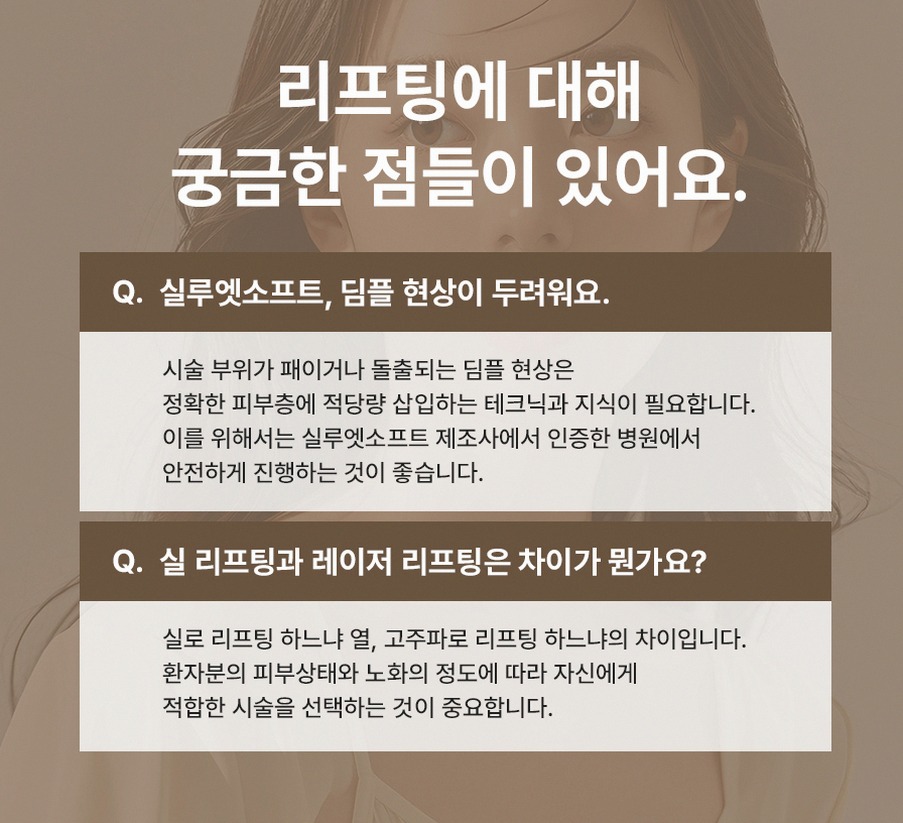
Sudden, severe pain or rapidly increasing swelling on one side of the face.
Signs of infection: spreading redness, warmth, pus, fever, or chills.
Visible thread exposure through the skin or inside the mouth.
Persistent, deep dimpling or severe asymmetry that does not improve over 2 to 3 weeks.
Numbness or weakness in facial muscles.
Do not try to cut, pull, or adjust any thread yourself, even if it is visible or uncomfortable. Self-treatment can lead to infection, scarring, or more complex problems. Always let a medical professional handle any thread-related issue.
How to choose a clinic and why aftercare support matters
Safe Silhouette Soft thread lifting depends on several factors beyond the procedure itself.
Proper indication and design: The doctor should assess whether Silhouette Soft is appropriate for your degree of sagging and skin type, and design lifting vectors that suit your facial anatomy.
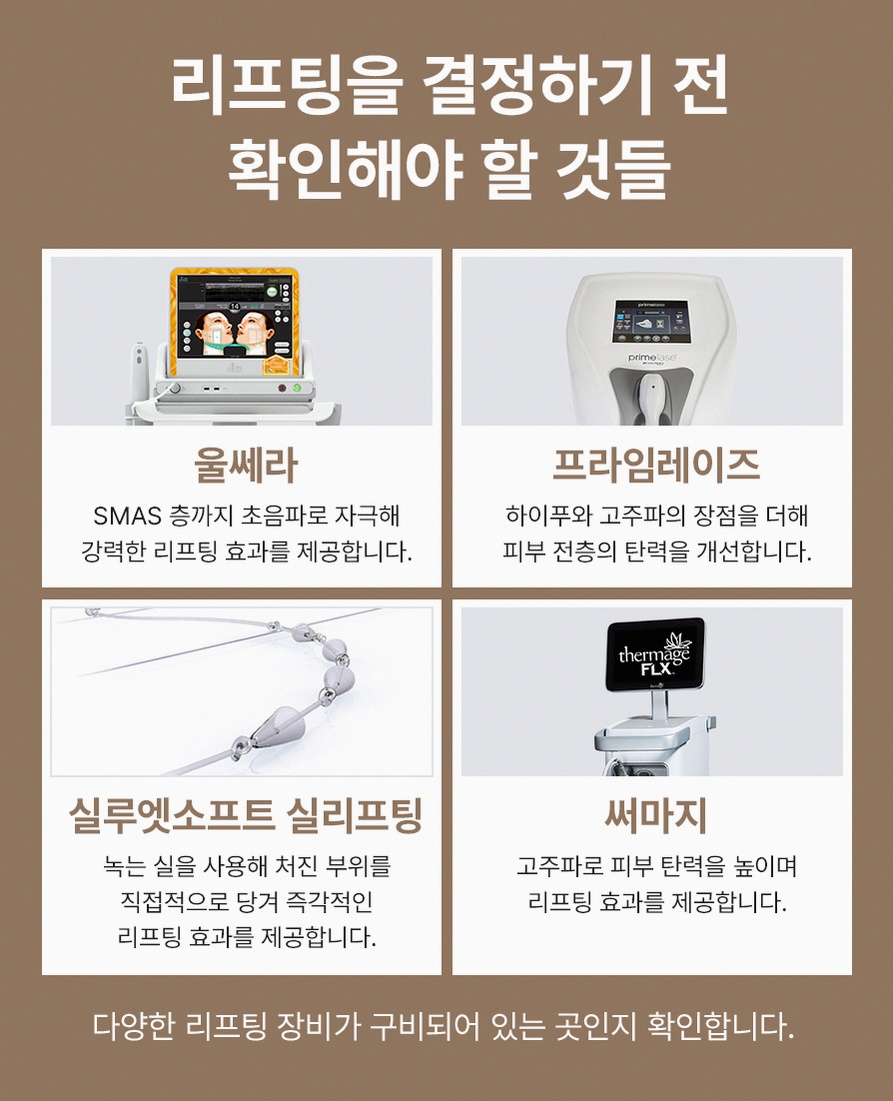
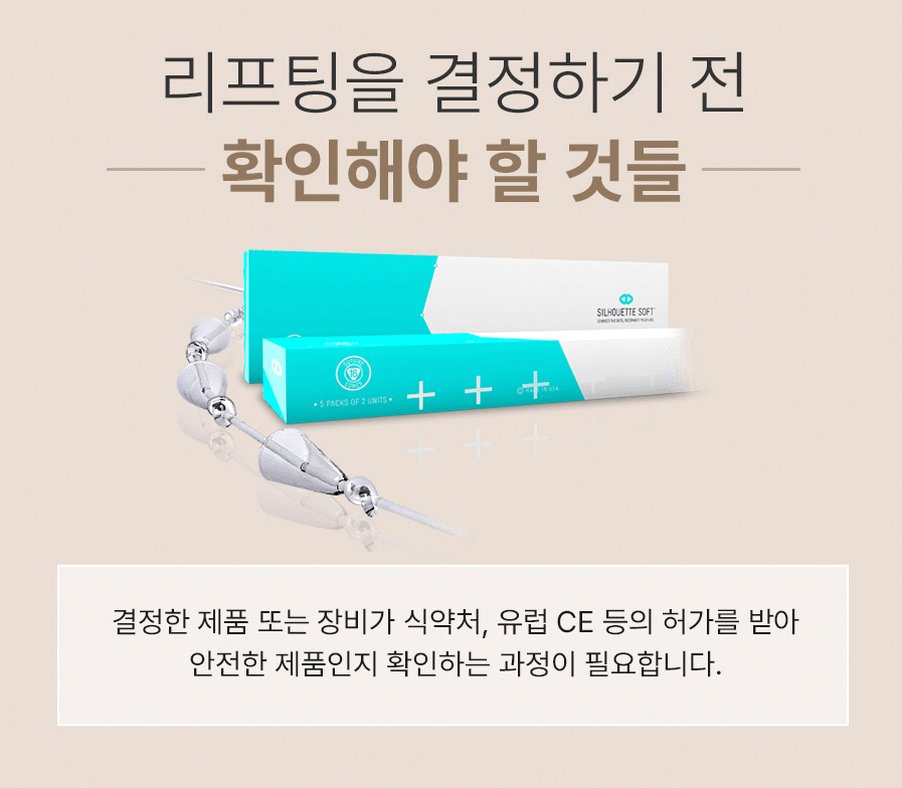
Use of genuine threads: Authentic, approved threads help ensure predictable behavior and safety standards.
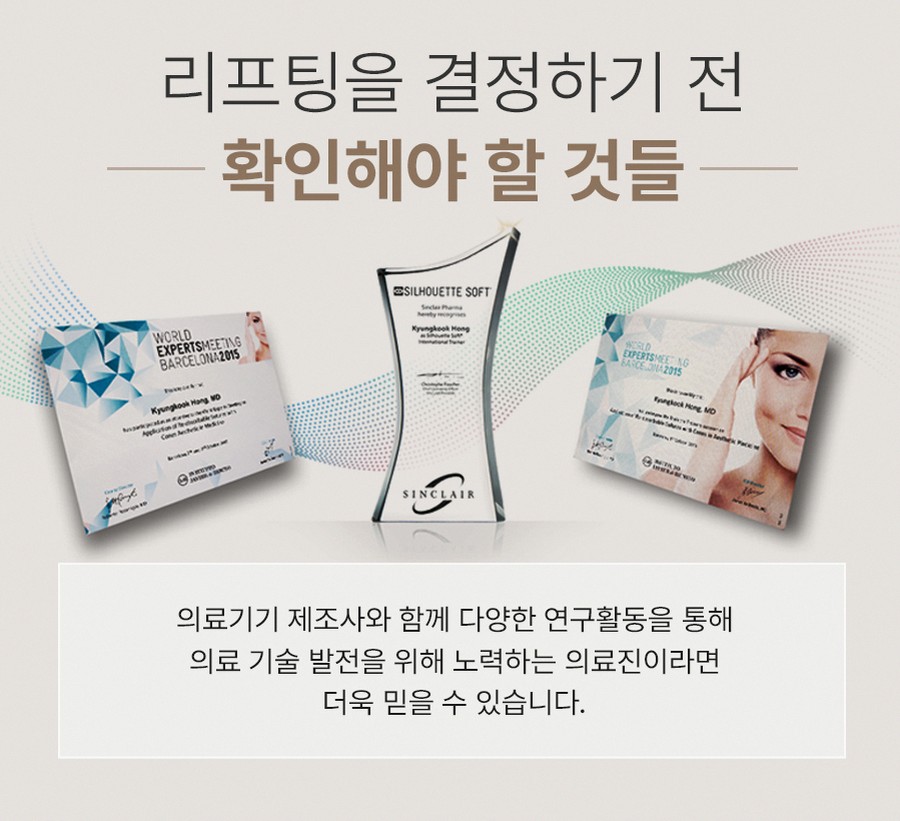
Experience with complications and follow-up: A team that is familiar with thread lifting should also be prepared to manage bruising, swelling, dimpling, or rare complications, and offer structured follow-up visits.
For overseas patients, it is especially important to ask in advance:
How many follow-up visits are included during your stay.
How the clinic handles questions once you return home (for example, email, messaging apps, or video calls).
What written aftercare instructions you will receive in a language you understand.
Clinique hus,hu, located in the Cheongdam area of Gangnam near Apgujeong Rodeo Station, focuses on anti-aging and lifting with multiple thread and device options. When comparing clinics, consider not only cost but also how clearly they explain the procedure, risks, aftercare, and follow-up support.
FAQ about Silhouette Soft thread lift aftercare
How long does swelling last after a Silhouette Soft thread lift?
Most swelling from a Silhouette Soft thread lift improves significantly within 3 to 7 days, although mild puffiness can persist for up to 2 weeks in some people. Bruising, if present, usually fades over 7 to 14 days. The exact timeline varies depending on your skin type, the number of threads, and how strictly you follow aftercare such as cold compresses, head elevation, and avoiding alcohol and heavy exercise.
When can I wash my face and apply makeup after thread lifting?
In many cases, gentle face washing with lukewarm water and a mild cleanser is allowed from the first day, as long as you avoid scrubbing the entry points and do not rub the skin. Makeup is often permitted after 24 to 48 hours, once the small puncture sites have closed and look clean. Always apply products gently and follow your clinic’s specific instructions, because recommendations can differ slightly between doctors.
How should I sleep after Silhouette Soft lifting, and for how long?
For the first few nights, try to sleep on your back with your head elevated on two pillows or in a semi-upright position. This helps reduce swelling and minimizes pressure on the threads. Ideally, avoid sleeping on your side or stomach for at least 1 week, and longer if your doctor advises. If you tend to roll during sleep, using pillows around your body can help keep you in a more stable position.
When can I exercise or go to the gym again?
Light walking is usually fine soon after the procedure, but more intense exercise that raises your heart rate and blood pressure should be avoided for about 5 to 7 days, or as advised by your doctor. High-impact workouts, heavy weightlifting, or contact sports may need to be delayed for 2 weeks or more to protect the threads and reduce the risk of bruising or swelling. Always confirm the timing with your treating clinic based on your individual case.
Is it okay to get facial massage or skincare treatments after a thread lift?
Strong facial massage, gua sha, rollers, and many in-clinic facial devices should be avoided over the treated areas for several weeks after Silhouette Soft lifting. Gentle skincare treatments that do not involve deep pressure may be allowed earlier, but only with your doctor’s approval. Inform any therapist that you have had a thread lift and when it was done, so they can adapt the treatment or avoid certain areas.
What should I do if I feel a lump or see dimpling after the procedure?
Small lumps or mild dimpling can be normal in the early phase as tissues adjust around the threads. These often soften and become less visible over 2 to 3 weeks. Do not press, pinch, or massage the area aggressively on your own. If the lump is painful, growing, or the dimpling is deep and not improving, contact your clinic. Your doctor can assess whether gentle in-office adjustment or other management is needed.
How long do Silhouette Soft results last, and does aftercare really affect longevity?
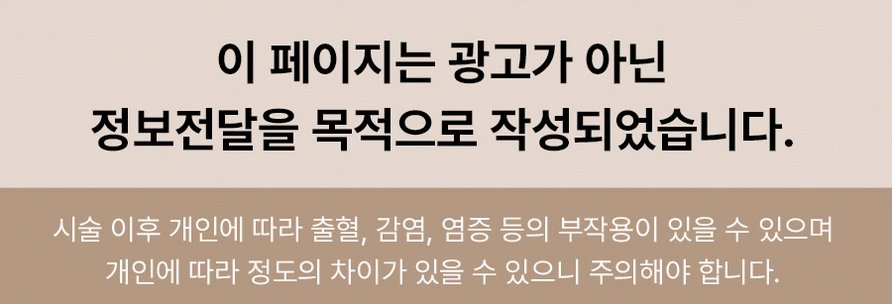
The visible effect of Silhouette Soft thread lifting typically lasts around 12 to 18 months for many patients, although this can vary. As the threads dissolve, collagen support remains for some time, but natural aging continues. Good aftercare and long-term habits such as sun protection, avoiding smoking, maintaining stable weight, and not pulling on the skin with strong massages can help you enjoy the result for as long as your skin and lifestyle allow.
Soft call to action for overseas patients
If you are considering Silhouette Soft thread lifting in Korea and want personalized guidance on aftercare, an online consultation before your trip can be very helpful. You can share your photos, medical history, and travel schedule so the medical team can advise whether this treatment suits your needs and how to plan your stay.
Clinique hus,hu welcomes inquiries from international patients who are interested in anti-aging and lifting procedures in the Cheongdam, Gangnam area. Reaching out in advance allows you to understand the procedure, expected downtime, and detailed aftercare so you can travel with confidence and focus on a safe, well-managed recovery.
- 공유 링크 만들기
- X
- 이메일
- 기타 앱


댓글
댓글 쓰기