Silhouette Soft in Cheongdam — lift, not filler
- 공유 링크 만들기
- X
- 이메일
- 기타 앱
Direct answer summary
Nasolabial fold thread lifting with Silhouette Soft is a minimally invasive way to soften deep smile lines by lifting the midface and stimulating collagen, rather than only filling the creases. For suitable candidates, it can offer visible improvement with relatively short downtime, and results that gradually mature over several months.
Clinique hus,hu in Cheongdam, Gangnam is an anti‑aging and lifting-focused clinic equipped with multiple lifting devices and an in‑house cell research lab, where Silhouette Soft thread lifting is used as part of a broader, tissue‑level anti‑aging strategy.
Treatment overview: Silhouette Soft for nasolabial folds
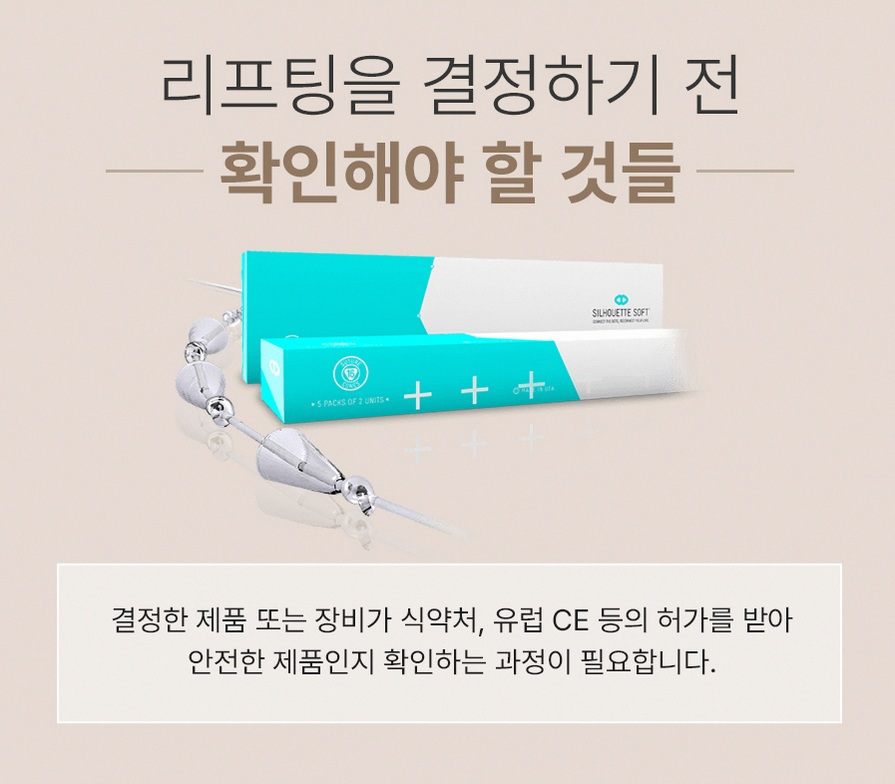
Silhouette Soft is a thread system intended to provide mechanical lift and to support tissue remodeling as part of a lifting treatment.
For nasolabial folds, the goal is not to chase the line on the surface, but to support the sagging midface that is pushing tissue down toward the mouth. By placing Silhouette Soft threads along carefully planned vectors, the doctor can elevate the cheek fat pads, soften the fold, and subtly lift the corners of the mouth.
Beyond the immediate lift, Silhouette Soft also stimulates collagen production around the threads and cones as they gradually dissolve. This collagen remodeling can help improve skin firmness and support over time, contributing to a more youthful contour even after the threads themselves are absorbed.
Why nasolabial folds deepen with age
Nasolabial folds are not only surface wrinkles. They are the visible result of deeper structural changes in the midface.
With age, several processes occur at the tissue and cellular level. Fat pads in the cheeks lose volume and descend. Ligaments that once held the midface firmly in place become laxer. Collagen and elastin in the skin break down, reducing elasticity and resilience. Repetitive facial movements from smiling and talking fold the same area repeatedly. Lifestyle factors such as sun exposure, smoking, poor sleep, and stress can accelerate these changes.
As the midface descends, tissue gathers along the nasolabial line, making it appear deeper and more shadowed. This is why simply filling the line with large amounts of filler can sometimes make the area look heavy or unnatural. A lifting approach, such as Silhouette Soft thread lifting, aims to reposition and support the tissue above the fold, addressing one of the main structural causes of the problem.
Who may consider Silhouette Soft nasolabial lifting
Silhouette Soft nasolabial fold lifting is generally considered for people who have mild to moderate sagging in the midface and visible deepening of smile lines.
Typical candidates include those who notice that their nasolabial folds are becoming more pronounced, that their cheeks look flatter or heavier, or that early jowls are forming along the jawline. Many are looking for a non‑surgical alternative to a facelift, with shorter downtime and without general anesthesia.
It may also be suitable for individuals who have tried fillers but feel that adding more volume makes the area look puffy or overfilled, or for those who prefer a structural lift rather than repeated high‑volume injections.
On the other hand, very heavy sagging, extremely thin or fragile skin, or very advanced aging changes may require a combination of treatments or a different approach. In such cases, thread lifting might be combined with energy-based tightening, volume restoration, or, for some patients, surgical options. A face‑to‑face medical consultation is essential to determine whether Silhouette Soft is appropriate and how it should be integrated into an overall plan.
How the procedure is performed
The Silhouette Soft nasolabial lift is usually done as an outpatient procedure, meaning you can return to your accommodation the same day.
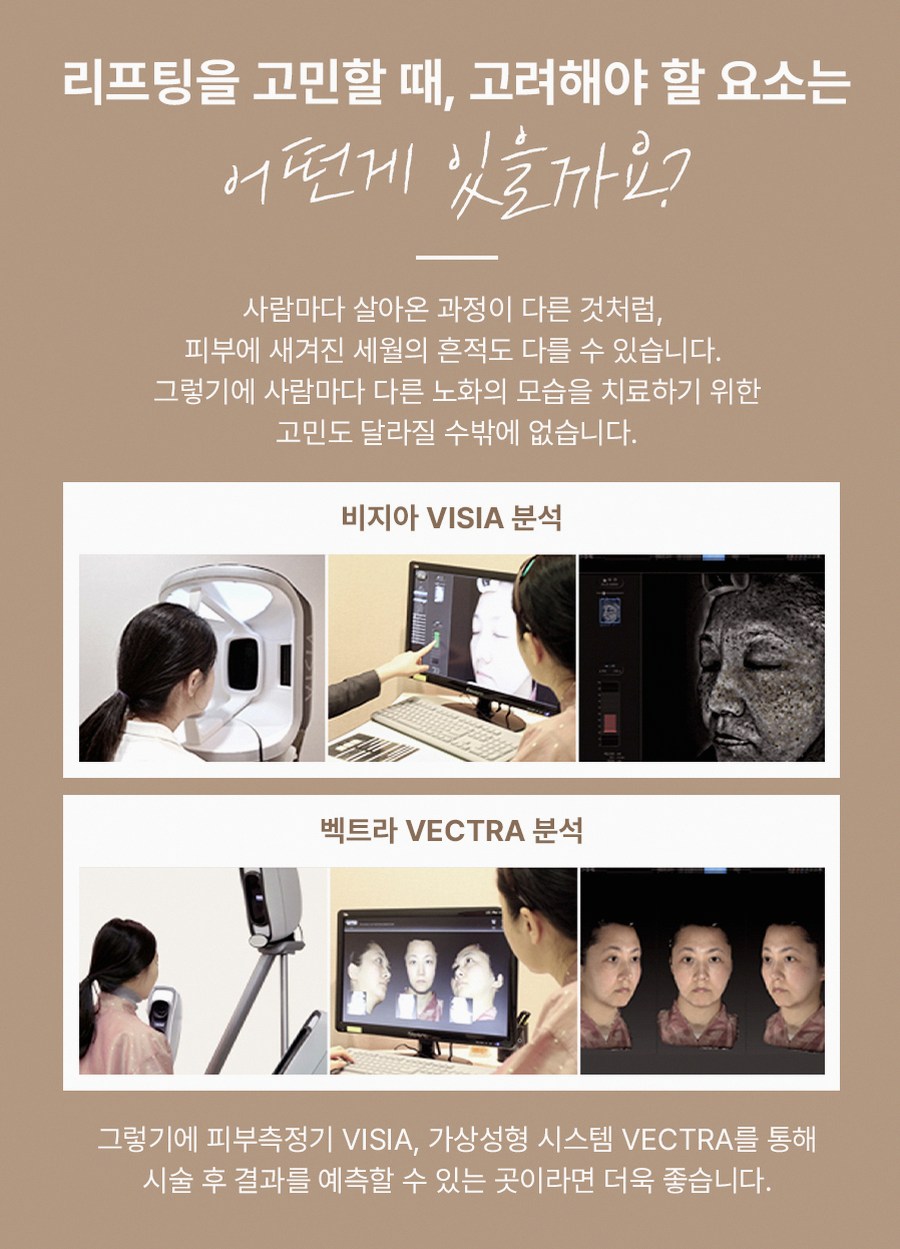
First, there is a detailed consultation and facial analysis. The doctor examines your skin thickness, fat distribution, ligament support, and existing treatments such as fillers or previous threads. Standardized photographs are taken, and in some cases imaging tools or 3D analysis may be used to plan the lift and document the baseline.
Next, the lifting vectors are designed. This is a key step where the doctor marks the entry and exit points and the direction of the threads. For nasolabial folds, vectors typically support the midface and cheek area, aiming to redistribute tissue upward rather than pulling only at the line itself.
Local anesthesia is then applied to the small entry points and along the planned thread paths to minimize discomfort. Once the area is numb, the Silhouette Soft threads are inserted through tiny punctures using a fine needle or cannula. The threads are advanced along the pre‑planned vectors under the skin.
After placement, the doctor gently adjusts the tension of the threads, engaging the cones and lifting the tissue. You may be asked to sit up so the lift can be evaluated in a natural position. Fine adjustments are made to balance both sides and achieve a natural, symmetrical result.

Finally, the entry points are cleaned, and small dressings may be applied if needed. You receive post‑procedure instructions, and in most cases you can leave the clinic shortly afterward.
Expected effects and duration
Most patients notice an immediate change after Silhouette Soft thread lifting. The nasolabial folds often look softer, the midface appears more supported, and the corners of the mouth may be slightly lifted. The overall effect is usually described as a fresher, less tired appearance rather than a dramatic transformation.
Over the following weeks to months, the collagen stimulation effect develops. As your body responds to the threads and cones, new collagen forms around them, helping to maintain support even as the material gradually dissolves. This process contributes to more stable, natural‑looking improvement.
The duration of effect varies by individual, depending on factors such as age, skin quality, lifestyle, and how advanced the sagging was at baseline. Visible benefits vary and may last different lengths for different patients. Gentle maintenance with other treatments, such as energy‑based tightening or skin quality procedures, can help extend the overall anti‑aging result.
It is important to understand that the goal is softening and support, not complete erasure of every line. Fine surface wrinkles, especially those caused by sun damage or very thin skin, may still be present and might be better addressed with complementary treatments.
Pain, downtime, and possible side effects
During the procedure, local anesthesia significantly reduces pain, but you may feel pressure, movement, or brief discomfort when the needle or cannula passes through the tissue.
After the procedure, mild pain or tightness along the thread paths is common for a few days. Some patients describe a pulling sensation when making certain facial expressions. Bruising and swelling can occur around the entry points or along the lifted area, and are usually mild to moderate.
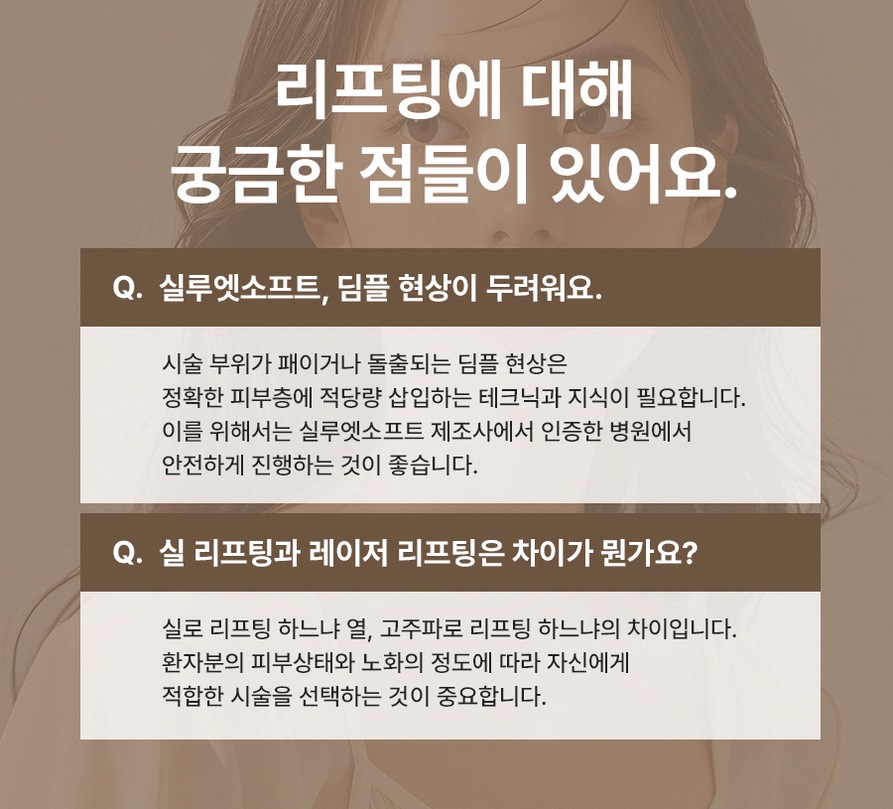
Temporary asymmetry or small dimples in the skin can appear in the early phase as the tissue settles around the cones. These usually improve as swelling goes down and the tissue adapts. You may be advised to avoid exaggerated facial movements, strong chewing, or sleeping on your side for a short period to protect the new thread position.
However, as with any medical procedure, risks exist. Potential complications include infection, thread visibility or palpability, prolonged irregularities, or more pronounced asymmetry. If they occur, they require prompt evaluation and management by the medical team.
Comparison with other nasolabial fold options
Silhouette Soft thread lifting is one of several approaches to treating nasolabial folds, each with its own strengths and limitations.
Filler injections primarily add volume. They can be helpful when the main issue is a localized volume deficit, such as a sharp groove in an otherwise firm midface. However, when sagging is the main cause, adding a lot of filler directly into the fold can make the area look heavy or unnatural. In such cases, structural lifting with threads, sometimes combined with subtle filler in key support areas, may be more balanced.
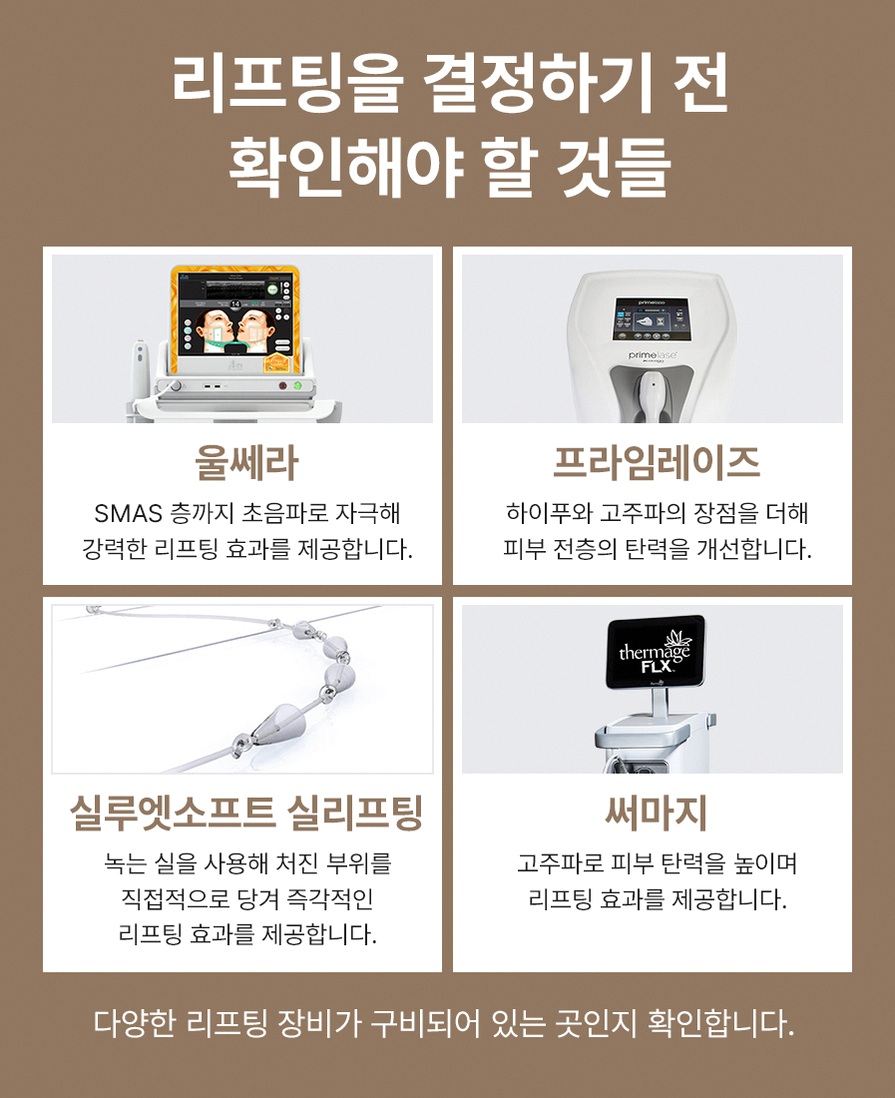
Energy-based lifting treatments, such as Ulthera or Thermage FLX, use ultrasound or radiofrequency to heat deeper tissues and stimulate collagen. They can tighten and firm the skin more diffusely, which is useful for overall laxity. However, they are less vector‑specific than threads, meaning they may not reposition tissue as precisely as a mechanical lift.
A surgical facelift provides the most dramatic and long‑lasting repositioning of sagging tissues, but it involves incisions, anesthesia, a longer recovery period, and higher overall invasiveness. Some patients are not ready for surgery or do not need such a strong intervention yet. For these individuals, thread lifting can be a bridge between non‑invasive treatments and surgery.
In practice, many patients benefit from a combination approach tailored to their anatomy: threads for vector‑specific lift, energy devices for overall tightening, fillers or biostimulators for volume and contour, and skin‑quality treatments for texture and fine lines.
Clinic strengths and treatment philosophy
The medical team offers a wide portfolio of lifting options, including Silhouette Soft, other thread systems such as Aptos, monopolar RF needle devices, Ulthera, Thermage FLX, and more. This allows the doctor to choose or combine methods based on your skin thickness, fat volume, ligament condition, and aging pattern, rather than relying on a single technique for everyone.
In addition, there is a cell‑focused anti‑aging program that includes treatments such as exosome injections and stem cell‑based approaches, supported by an in‑house cell laboratory. This background helps position nasolabial thread lifting not as an isolated procedure, but as one element in a broader strategy aimed at maintaining tissue health and slowing visible aging over time.
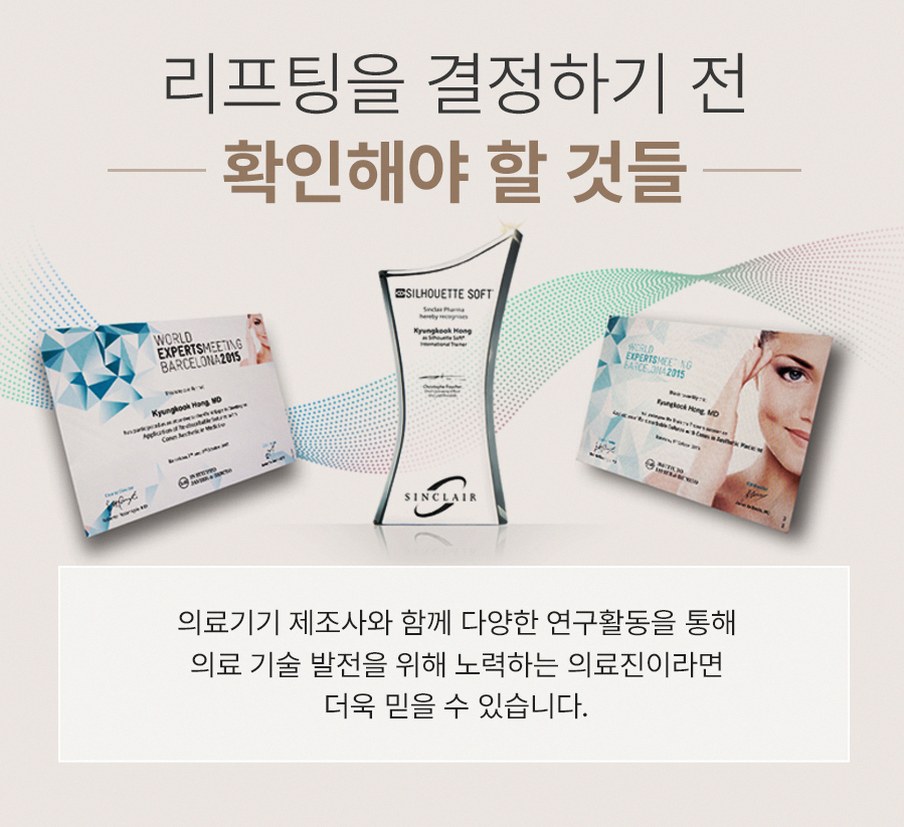
The medical staff consists of physicians with dermatology training and academic and international experience in lifting and volumizing treatments, including lectures and publications on thread and filler techniques. Emphasis is placed on individualized assessment, conservative design to avoid over‑lifting or unnatural expressions, and clear pre‑ and post‑care protocols.
Online consultation and pre‑visit preparation for overseas patients
If you are considering Silhouette Soft nasolabial lifting in Korea, an online consultation is often the first step. You can usually contact the clinic via phone or major online channels to share your concerns and medical background.
To make the most of your remote consultation, prepare clear photographs of your face in good lighting: front view, 45‑degree angles, and side views with a neutral expression and a gentle smile. If you have had previous treatments such as fillers, threads, or energy-based lifting, note the type, area, and approximate dates.
Before your consultation, it is helpful to prepare a short checklist of questions. For example, you may want to ask which combination of treatments is recommended for your degree of nasolabial folds, how many threads are typically used, what kind of anesthesia is applied, and what downtime you should plan for based on your travel schedule.
Also, share your general health information, including chronic conditions, medications, allergies, and any history of keloids or poor wound healing. This information helps the doctor assess safety and suitability.
Expected Korea visit timeline
Many overseas patients plan their visit to Korea carefully to fit both treatment and recovery into a limited stay.
A common schedule is to have an in‑person consultation and the Silhouette Soft procedure on the same day or within one or two days of arrival, depending on the complexity of your case and any additional treatments planned.
In general, you may want to stay in Korea for several days after the procedure to allow for follow‑up checks and early recovery. Mild swelling or bruising is common in the first few days, so you might prefer to keep your schedule light, avoiding important social events or professional meetings during that time.
Many patients often resume light daily activities and desk work within a few days, but recovery varies; intense exercise, sauna visits, or heavy lifting are usually postponed for a short period as advised by the doctor. Makeup may be resumed after a short period per the doctor's guidance, taking care to avoid the tiny entry points until they are fully closed.

The clinic is located in Cheongdam, Gangnam, within walking distance of Apgujeong Rodeo Station on the Bundang Line, which makes it relatively convenient to access from major hotel areas and transportation hubs in Seoul.
Pre‑treatment checklist for safety
Before undergoing Silhouette Soft nasolabial lifting, it is important to share a complete medical history with the doctor.
Inform the team about any chronic illnesses, such as cardiovascular disease, autoimmune conditions, or diabetes, and provide a list of medications you are taking. This is especially important for anticoagulants or blood‑thinning drugs, including aspirin, as well as supplements like high‑dose omega‑3, vitamin E, or ginkgo, which can increase bruising risk. Do not stop prescribed medications on your own; any adjustments should be made under the guidance of your physician at home and the treating doctor in Korea.
Mention any previous procedures in the midface and nasolabial area, including fillers, threads, or surgical interventions. This helps avoid overlapping thread paths with old threads or placing lift vectors in areas where filler might interfere.
If you have a history of keloids, hypertrophic scars, or delayed wound healing, this should be discussed in detail, as it may influence the choice of entry points or even the decision to proceed.
Aftercare and recovery guidance
After Silhouette Soft thread lifting, careful aftercare supports smoother healing and more stable results.
You will usually be advised to avoid strong facial massages, beauty devices on the treated area, or aggressive skin care for a certain period. Excessive chewing of very hard foods, wide yawning, or exaggerated facial expressions may be discouraged in the first days to protect the threads as they integrate.
Sleeping on your back with your head slightly elevated is often recommended for several nights to reduce swelling and avoid pressure on the treated side. If you tend to sleep on your side or stomach, it can help to prepare pillows or supports in advance.
Cold compresses may be suggested in the first 24 to 48 hours to help with swelling, as long as they are applied gently and not directly over the thread entry points. You may receive medication such as pain relievers or antibiotics according to the doctor’s protocol.
Monitor the area for signs of infection, such as increasing redness, warmth, significant pain, or discharge, and for unusual or persistent asymmetry. If any of these occur, contact the clinic promptly for evaluation.
Realistic expectations
Silhouette Soft nasolabial lifting is designed to provide structural support and softening of deep smile lines, not to erase every trace of aging.
You can reasonably expect a more rested, balanced appearance, with reduced heaviness around the mouth and improved midface contour. However, fine surface wrinkles, sun damage, and very deep static lines may still be visible. These concerns often respond better to complementary treatments such as skin boosters, laser resurfacing, or radiofrequency microneedling.
The focus is on natural‑looking improvement. Over‑lifting can create an unnatural or “pulled” expression, so experienced doctors generally favor a conservative approach that can be adjusted or complemented over time, rather than attempting maximum lift in a single session.

Frequently asked questions
How long does Silhouette Soft nasolabial lifting last?
The threads themselves are gradually absorbed, but the collagen they stimulate can help maintain some support beyond that period. Maintenance treatments, such as energy-based tightening or additional threads after a suitable interval, may be recommended based on your individual aging pattern.
Can Silhouette Soft be repeated or combined with fillers and energy devices?
In many cases, Silhouette Soft can be combined with other treatments for a more comprehensive result. For example, subtle fillers may be used in the midface or chin to refine contours, while energy-based devices such as Ulthera or Thermage FLX can improve overall skin firmness. Repeating thread lifting is usually possible after the tissues have fully healed and enough time has passed, but the exact timing and plan should be decided with your doctor, taking into account previous threads and your current anatomy.
When is thread lifting not recommended for nasolabial folds?
Thread lifting may not be recommended if there is very advanced sagging that would be better addressed surgically, if the skin is extremely thin and fragile, or if there are active skin infections or uncontrolled medical conditions. It may also be unsuitable for individuals with certain bleeding disorders or severe tendencies to keloid formation. A thorough consultation and sometimes additional tests are needed to determine whether thread lifting is appropriate and safe in your case.
How soon can I return to work and wear makeup?
Many patients feel comfortable returning to light work and daily activities within one to two days after Silhouette Soft thread lifting, especially if their job does not require heavy physical effort. Makeup can usually be applied after about 24 hours, avoiding the exact entry points until they are fully closed and no longer sensitive. If you are traveling from overseas, it is wise to allow at least a few days after the procedure before any important public events or photography.
Will I be able to feel or see the threads?
In the early days after the procedure, you may feel some tightness or be aware of the thread paths when touching your face or making certain expressions. This usually decreases as swelling subsides and the tissues adapt. In most cases, the threads are not visible on the surface once healing progresses, although very thin skin or incorrect placement can increase the risk of visibility or palpability. If you notice persistent irregularities, you should return to the clinic for assessment.
Is Silhouette Soft suitable for first‑time anti‑aging patients in their 30s and 40s?

For some patients in their 30s or 40s who are beginning to notice nasolabial folds and mild sagging, Silhouette Soft can be a preventive or early‑intervention option. It may help support facial structures before more advanced aging changes occur. However, not everyone in this age group needs threads; some may benefit more from skin quality treatments, light volume restoration, or energy-based tightening alone. A personalized evaluation is essential to decide whether thread lifting is the right first step for you.
Soft call to action
If you are considering Silhouette Soft thread lifting for nasolabial folds during a visit to Seoul and would like an individualized assessment, you can contact Clinique hus,hu for an online consultation before you travel. By sharing photos and medical information in advance, you can receive a tailored treatment plan and a realistic schedule for your stay in Korea.
This article is intended for general information only and does not replace a personal consultation, diagnosis, or treatment plan from a qualified medical professional. Individual results and suitability vary, and all medical procedures carry potential risks that should be discussed in detail with your doctor.
- 공유 링크 만들기
- X
- 이메일
- 기타 앱


댓글
댓글 쓰기