Silhouette Soft thread lift in Seoul for facial sagging and contouring
- 공유 링크 만들기
- X
- 이메일
- 기타 앱
Direct answer summary
Silhouette Soft is a branded absorbable thread lift designed to provide mechanical lifting and to encourage a healing response that can increase local collagen over time. It generally offers more lifting than injections alone while being less invasive than a surgical facelift. In Cheongdam, Gangnam, clinics including Clinique hus,hu list Silhouette Soft among their anti-aging treatments alongside other lifting devices and collagen-stimulating procedures.
This guide explains what Silhouette Soft is, how it works, who may benefit, how a visit to Seoul typically unfolds for overseas patients, and what to ask during an online or in-person consultation.
What is Silhouette Soft
Silhouette Soft is a minimally invasive thread lifting procedure designed to improve facial sagging and contour definition. It uses absorbable sutures made from materials commonly used in medical devices, with small, bidirectional cones along the thread.
These cones act like anchors in the deeper layers of the skin and underlying tissue. When the doctor gently tightens the thread, the cones catch and lift the tissue upward, improving the appearance of jowls, sagging cheeks, and folds around the mouth.
Typical treatment areas
Common areas treated with Silhouette Soft include the mid-face, to lift flattened or sagging cheeks and soften nasolabial folds, the jawline and jowls, to improve lower face definition, marionette lines around the corners of the mouth, and the eyebrow or temple area, to provide a subtle lateral brow lift and open the eye area.
In some cases, Silhouette Soft is used in the neck or lower face transition zone to smooth early sagging, depending on skin quality and anatomy.
Where Silhouette Soft fits among anti-aging options
Silhouette Soft sits between non-lifting procedures and surgery. Compared with fillers, which mainly add volume and structure, Silhouette Soft provides a mechanical lifting effect and stimulates collagen along the thread path. Compared with surgical facelift, it is performed under local anesthesia, uses small entry points rather than long incisions, and has shorter downtime, but it cannot match the power of surgery for very advanced sagging.
How Silhouette Soft works
Silhouette Soft provides an immediate mechanical lift; clinicians also describe a subsequent healing response around the threads that may support tissue over time.
Immediate lifting effect
During the procedure, the doctor inserts the thread through a fine needle or cannula along pre-planned paths, called vectors. The bidirectional cones on the thread grip the tissue in opposite directions. When the thread is gently tightened, the tissue is repositioned upward and slightly backward, creating an instant lifting effect.
This mechanical lift is visible right after treatment. There may be a deliberate slight overcorrection, because the tissues relax a little in the first days.
Collagen stimulation over time
The thread and cones are made of absorbable materials that are gradually broken down by the body over many months. As this happens, they trigger a controlled healing response. Fibroblast cells in the skin are stimulated to produce new collagen around the thread path.
This new collagen can contribute to longer-term support as tissues heal and remodel, which may make the lift appear more integrated with surrounding tissue over time.
Who may consider Silhouette Soft
Silhouette Soft is generally considered for people with mild to moderate facial sagging who want visible lifting without surgery.
Typical indications
Common indications include mild to moderate sagging of the cheeks, early jowls and blurring of the jawline, deepening nasolabial folds and marionette lines, and slight drooping of the outer eyebrows or temple area.
Ideal candidates
People who may benefit most often share several features. They have mild to moderate laxity rather than very heavy or severely sagging tissue. Their skin has some thickness and elasticity; extremely thin or very sun-damaged skin may not hold the cones as well. They are not ready or willing to undergo a surgical facelift but want more than a subtle tightening. They prefer local anesthesia and a relatively short recovery period.
Age is less important than tissue quality, but many suitable candidates are in their late 30s to 50s. Older patients with good skin quality and realistic expectations can also benefit.
Who may not be ideal
Silhouette Soft may be less suitable for people with very thin, fragile skin where the cones could become visible, very heavy lower face sagging where surgery might be more appropriate, uncontrolled medical conditions or active infections in the treatment area, or unrealistic expectations, such as expecting surgical-level tightening from a minimally invasive procedure.
A detailed consultation is essential to decide whether Silhouette Soft alone, a combination plan, or a different treatment is more appropriate.
Treatment process overview
While each clinic has its own protocol, the overall Silhouette Soft process follows several common steps.
Consultation and facial analysis
First, the doctor listens to your concerns: jowls, jawline, mid-face sagging, nasolabial folds, marionette lines, or eyebrow droop. They review your medical history, medications, smoking status, and any previous fillers, threads, or surgeries.
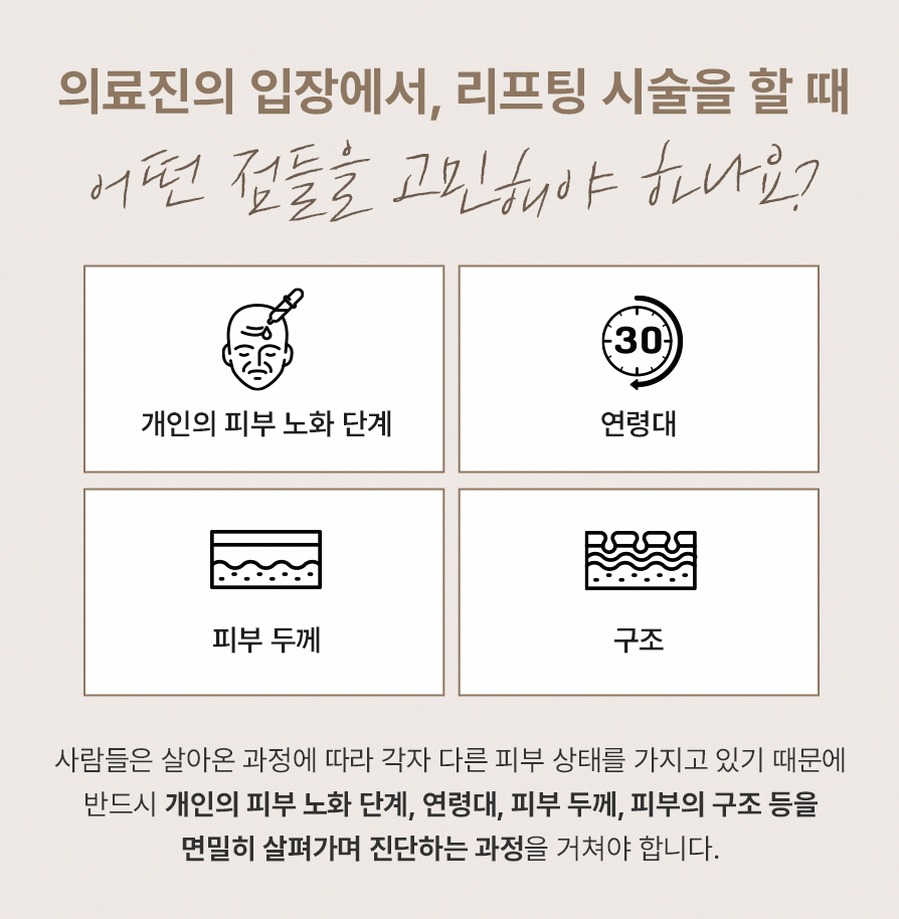
A facial analysis is then performed. The doctor assesses skin thickness and elasticity, degree and pattern of sagging, volume loss versus laxity, facial asymmetry, and how your face moves when you smile or talk. Existing fillers or threads are considered, as they can affect thread placement and safety.
Planning vectors and entry points
Based on this analysis, the doctor designs the lifting vectors: the direction and depth in which each thread will be placed. Entry and exit points are marked on the skin. For example, for mid-face lifting, vectors may run from the cheek area toward the temple or upper face anchoring points. For jawline lifting, vectors may run from the jowl area toward more stable tissue in front of the ear.
The number of threads needed depends on the areas treated, the degree of sagging, and the desired intensity of change.
Anesthesia and insertion
The skin is cleansed and disinfected. Local anesthesia is injected at the entry and exit points, and sometimes along the thread path, to minimize discomfort.
Using a fine needle or blunt-tipped cannula, the doctor introduces the Silhouette Soft thread along the planned vector. The cones are positioned in the correct tissue plane, usually the deeper subcutaneous layer, to provide secure anchoring.
Positioning and tightening
Once the thread is in place, the doctor gently pulls on the ends to engage the cones and lift the tissue. The skin is smoothed to avoid dimpling, and the lift is adjusted to achieve symmetry between both sides of the face.
Any excess thread is trimmed, and small entry points are covered.
Immediate post-procedure checks
Before you leave, the doctor checks for symmetry, appropriate degree of lift, and any dimpling or irregularities. Mild dimpling can often be smoothed immediately with massage techniques at the correct depth. Slight overcorrection is sometimes intentional, as tissues relax over the first days.
Expected results and timeline
Silhouette Soft offers a combination of immediate and gradual benefits.
Right after treatment
You can usually see a lifting effect immediately after the procedure. The cheeks may look higher, the jawline more defined, and folds around the mouth softer. There may also be some swelling and mild asymmetry at first, which can make the lift look stronger than it will once everything settles.
Over the following months
In the first two weeks, swelling decreases and the tissues adapt to their new position. Any minor irregularities usually soften as the skin relaxes around the threads.
From around 2 to 3 months onward, collagen production becomes more noticeable. The skin often feels firmer and more elastic along the thread paths, supporting a more natural, integrated lift.
Duration of effect
Duration varies by patient and is not guaranteed. Some reports and clinical observations suggest results can persist for many months, but individual outcomes differ. Factors such as age, smoking, sun exposure, weight changes, and overall skin condition all influence longevity.
Some patients choose maintenance treatments, either repeating Silhouette Soft or combining with other tightening or volumizing procedures over time.
Recovery and aftercare
Most people can return to light daily activities quite soon after Silhouette Soft, but there are important aftercare steps.
Typical downtime
Common short-term effects include swelling and mild bruising along the thread paths or at entry points, tenderness or tightness when moving facial muscles, and temporary dimpling or irregularity in some areas.
These usually improve within a few days to two weeks. Makeup can often be used after a short period, once entry points have closed and the doctor confirms it is safe.
Short-term restrictions
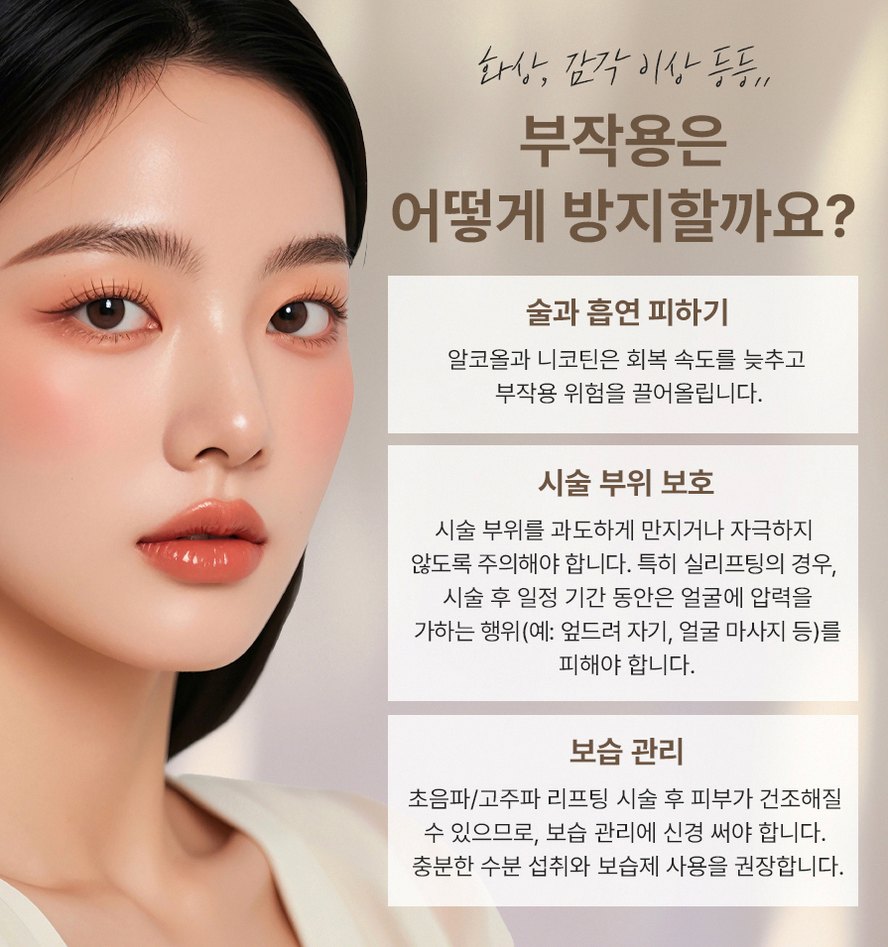
For the first days to weeks, you are usually advised to avoid strong facial movements such as exaggerated chewing or yawning, very chewy foods that require intense jaw work, facial massage, beauty treatments, or dental procedures that involve stretching the mouth, sleeping face-down or on the side that puts pressure on the treated area, and high-impact exercise or sports that could jolt or strain the face.
Your doctor will give specific time frames, but many restrictions are most important during the first 1 to 2 weeks.
Return to work and social life
Many patients feel comfortable returning to office work within a few days, depending on bruising and swelling. For important social events or photography, it is reasonable to allow at least 1 to 2 weeks for the appearance to settle.
Safety and possible side effects
Silhouette Soft is considered a minimally invasive procedure, but it is still a medical treatment with potential side effects.
Common, usually temporary issues
Common short-term effects include swelling and bruising, tenderness or tightness when moving the face, mild asymmetry as swelling differs from side to side, and temporary dimpling or irregular contours.
These usually resolve with time. Skilled providers can often adjust minor dimpling or unevenness early on.
Less common complications
Less common, but more significant, complications may include thread visibility or palpability under thin skin, thread migration or loss of anchoring, infection along the thread path, prolonged pain or inflammation, and persistent irregular contours or asymmetry.
The risk of complications is reduced when the procedure is performed by an experienced doctor with strong anatomical knowledge, careful aseptic technique, and access to appropriate follow-up care.
Comparison with other treatments
Many patients compare Silhouette Soft with other thread types, energy-based lifting devices, and fillers.
Silhouette Soft vs conventional PDO threads
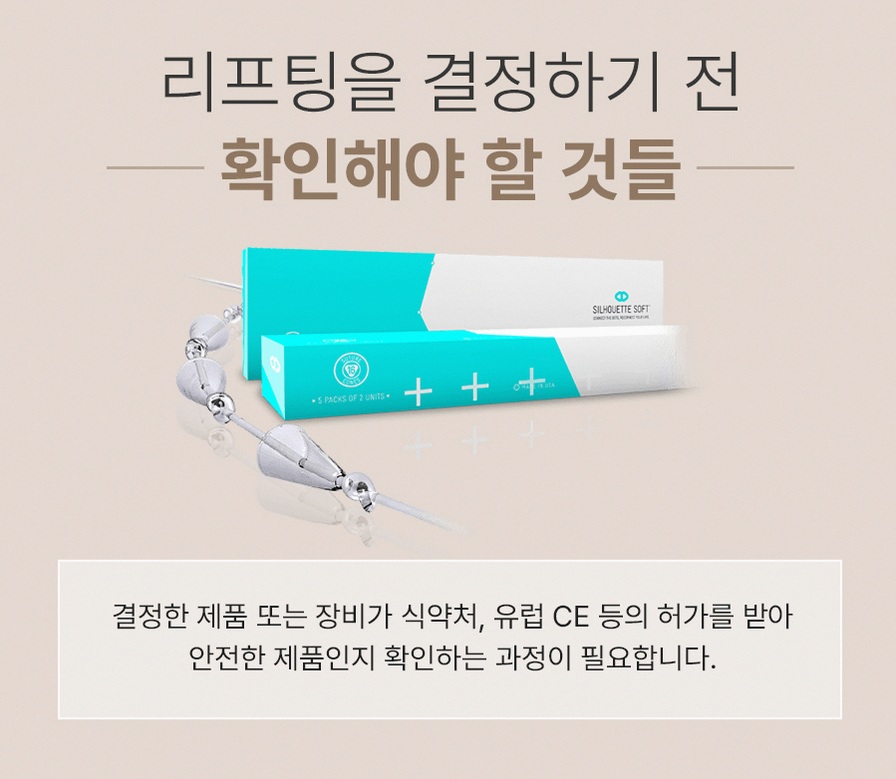
PDO threads are made from a different absorbable material and usually have barbs rather than cones. They are often used in larger numbers and can be helpful for mild lifting and collagen stimulation.
Silhouette Soft uses fewer threads with bidirectional cones designed for stronger mechanical lift and a particular collagen response. The choice between Silhouette Soft and PDO threads depends on the degree of sagging, skin thickness, and the doctor’s assessment.
Silhouette Soft vs energy-based lifting
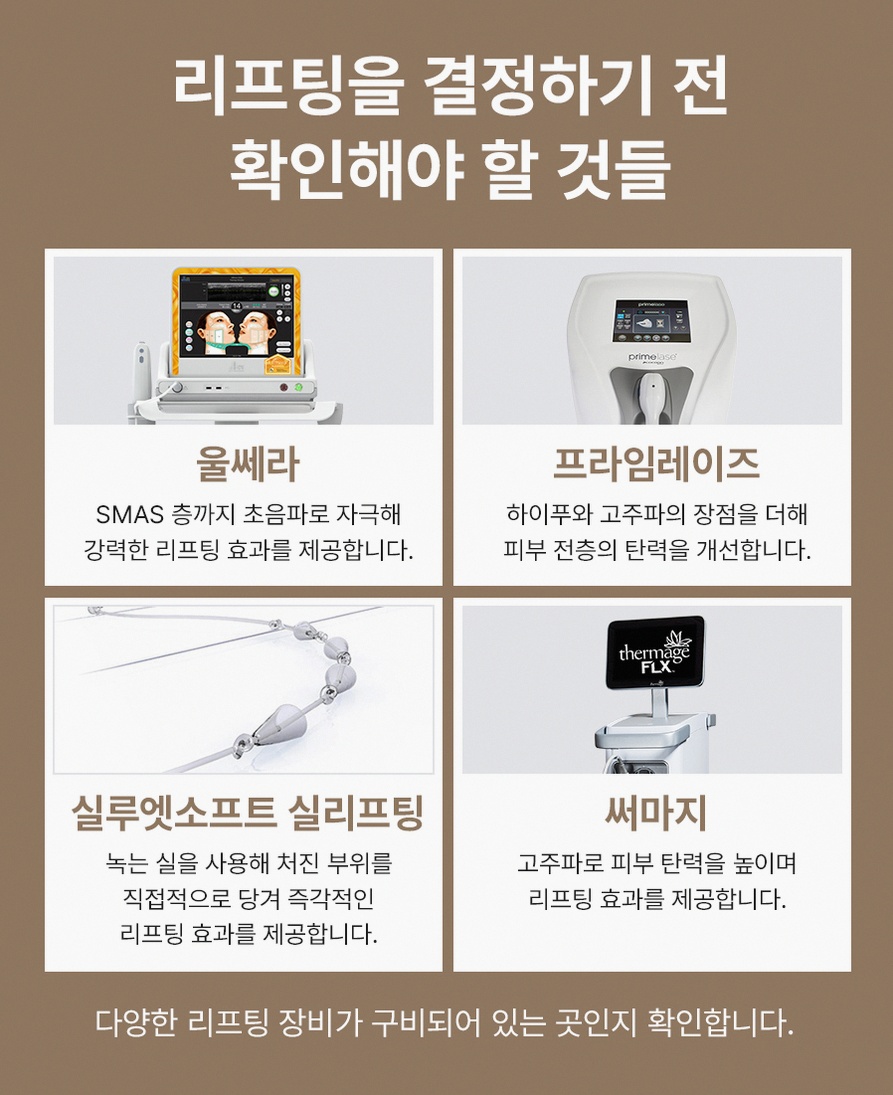
Energy-based devices such as Thermage FLX, Ulthera Prime, Exion, and Emface use heat, ultrasound, radiofrequency, or electromagnetic energy to tighten tissues and stimulate collagen without inserting threads.
These devices are excellent for improving skin firmness and texture, but they do not physically reposition tissues in the same way as a mechanical thread lift. Silhouette Soft provides a structural lift, while devices focus on tightening and collagen from the outside in. Many clinics combine both approaches: threads for lift and devices for overall tightening.
Silhouette Soft vs fillers and volumizing agents
Fillers and biostimulatory products such as Ellanse are used to restore lost volume, contour cheeks or chin, and support facial structures. They are not primarily designed to pull tissues upward.
Silhouette Soft can complement fillers by lifting sagging tissue, while fillers replace volume in deflated areas. For example, a patient might have Silhouette Soft for jowl and mid-face lift, plus fillers for hollow under-eyes or flat cheeks. The exact combination depends on each person’s anatomy and goals.
How a Cheongdam clinic may approach Silhouette Soft
In Cheongdam, Gangnam, Seoul, many clinics focus specifically on anti-aging and lifting. Clinique hus,hu is an example of a clinic located within walking distance of Apgujeong Rodeo Station on the Bundang Line, in a district known for premium beauty and medical services.
Medical expertise and lifting ecosystem
At such clinics, Silhouette Soft is usually one of many lifting options. Alongside Silhouette Soft, they may offer Aptos threads, Exion monopolar needle radiofrequency, Emface, Thermage FLX, Ulthera Prime, Prime Raise, Onda, Exilis Ultra, and other technologies.
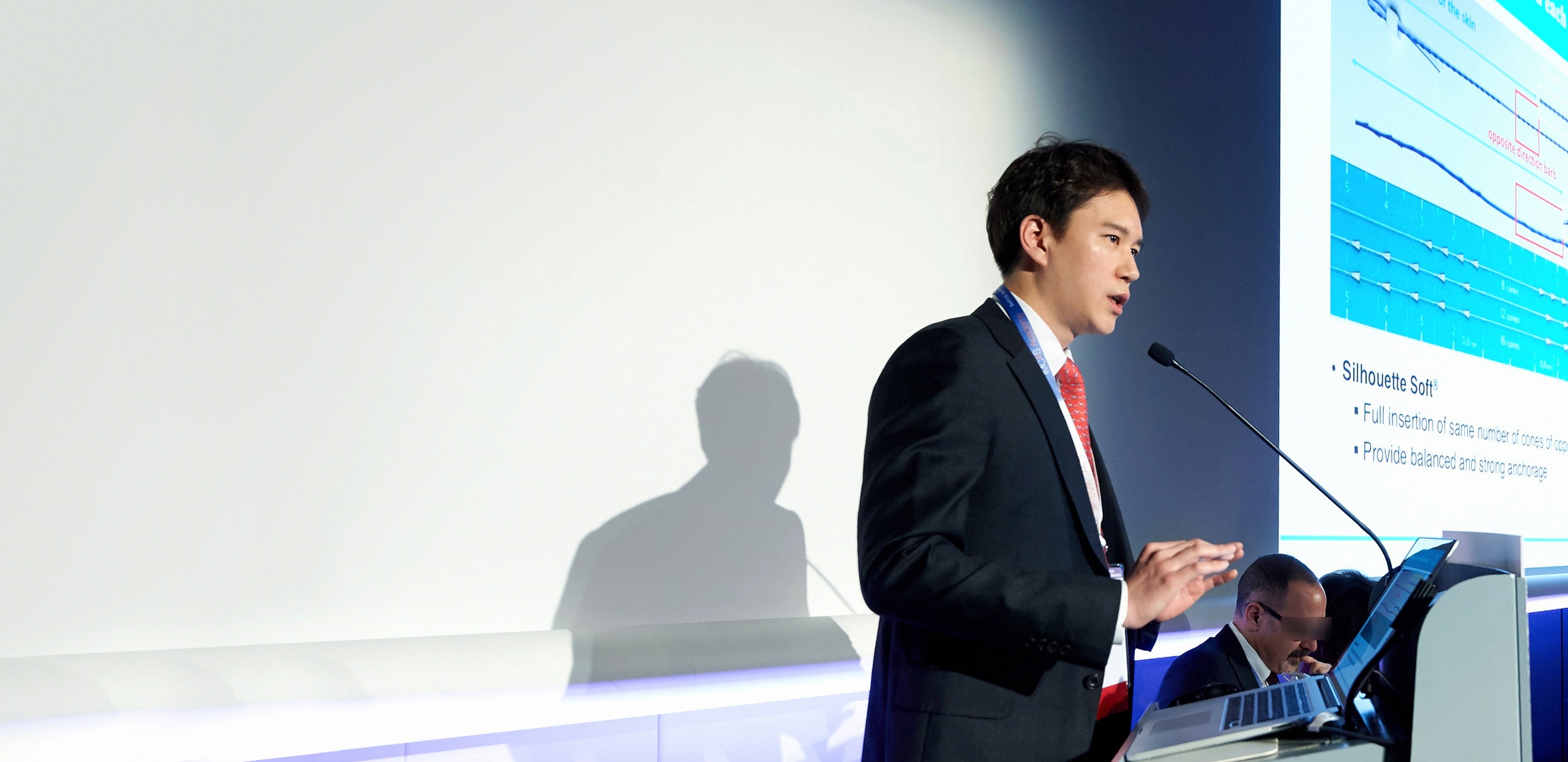
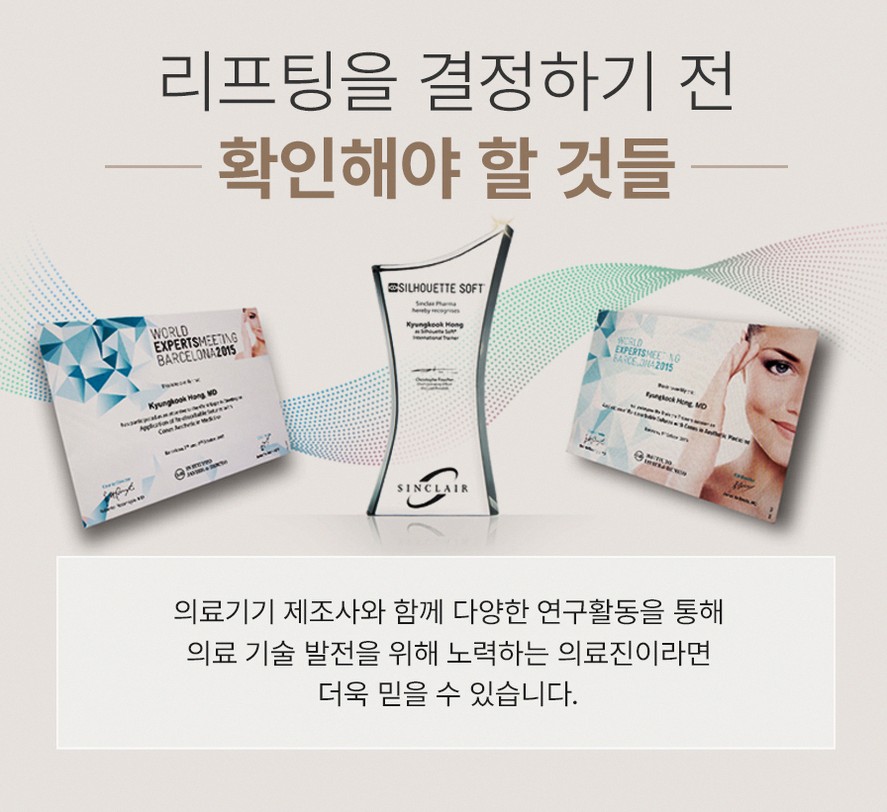
Some doctors have academic and clinical backgrounds in thread lifting and collagen-stimulating treatments, with publications in international dermatologic surgery journals and lectures at global aesthetic conferences such as IMCAS and AMWC. This kind of experience can be helpful when tailoring advanced lifting strategies and combination treatments.
Cell-level anti-aging philosophy
Certain Cheongdam clinics emphasize the difference between simply looking tighter and actually improving skin quality at a cellular level. This may include in-house cell research labs, autologous exosome injections, stem cell-based approaches, and protocols that combine lifting with skin regeneration.
In this context, Silhouette Soft is not used alone, but as part of an integrated plan: threads for mechanical lift, devices for tightening and collagen, and cellular or volumizing treatments to improve texture and resilience.
Diagnostics and planning tools
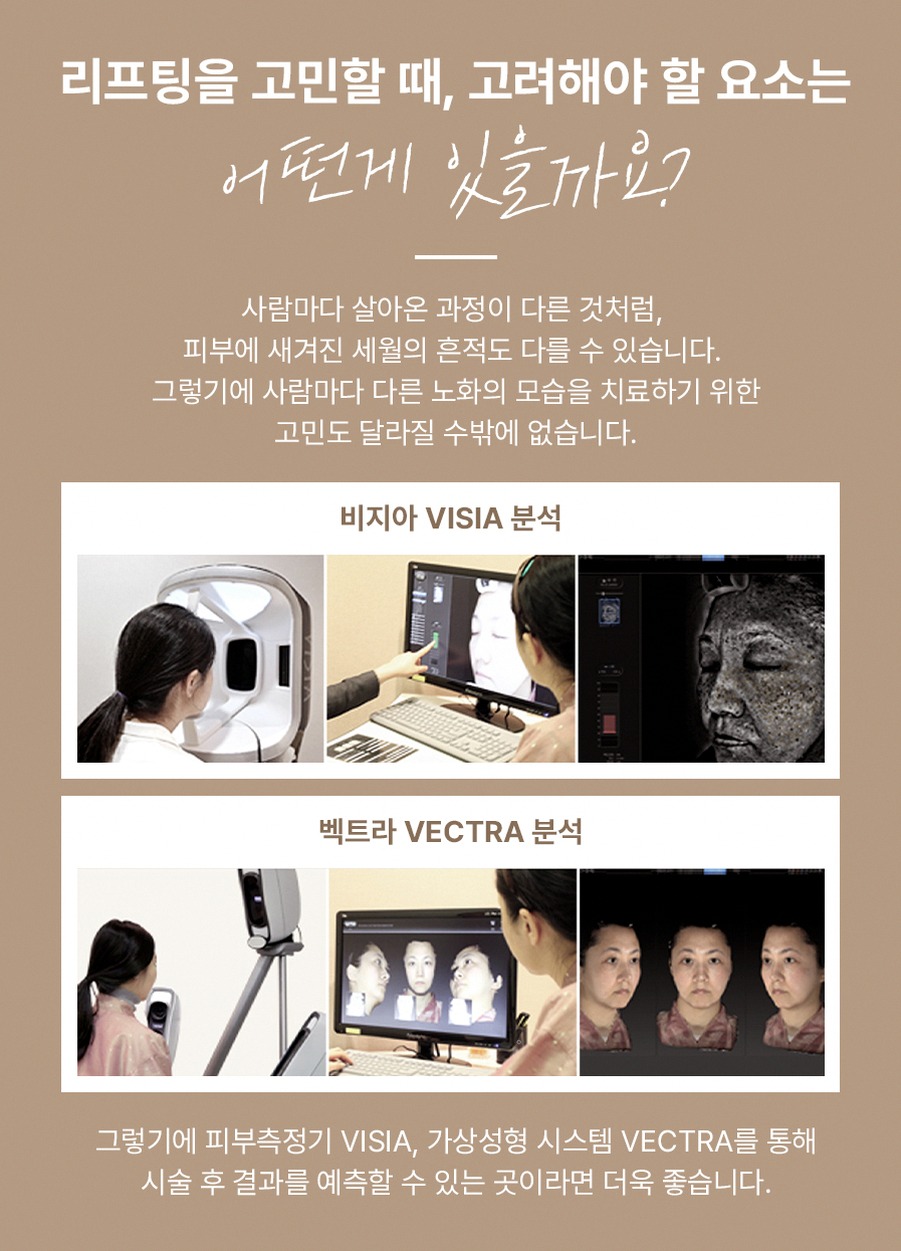
Advanced clinics often use imaging and diagnostic tools such as Visia or Vectra to analyze skin condition, pigmentation, pores, vascular issues, and three-dimensional facial structure. These tools help visualize asymmetries, volume deficits, and sagging patterns before planning thread vectors and combination treatments.
Online consultation and pre-visit preparation
For overseas patients, the journey usually starts with an online consultation.
What to share before your visit
To make the most of your online consultation, prepare clear front and side photos in good lighting, without heavy makeup, a brief medical history including medications, allergies, and any chronic conditions, information on previous aesthetic treatments such as fillers, threads, energy-based lifting, or surgeries, and your main concerns and priorities: for example, jowls and jawline, nasolabial folds, mid-face sagging, or eyebrow droop.
Questions to consider
Before you speak with the clinic, it helps to think about your tolerance for downtime and bruising, your desired level of change, whether you prefer a subtle, natural lift or a more noticeable improvement, your schedule in Korea and how many days you can stay, and whether you are open to combination treatments, such as adding Thermage FLX, Ulthera Prime, Exion, or fillers.
During the online consultation, ask about the likely number of threads for your case, whether they recommend combining Silhouette Soft with other treatments, approximate recovery expectations, and how many in-person visits will be needed.
Typical Korea visit timeline for Silhouette Soft
Every case is different, but a common timeline for international patients might look like this.
Day 1: In-person consultation
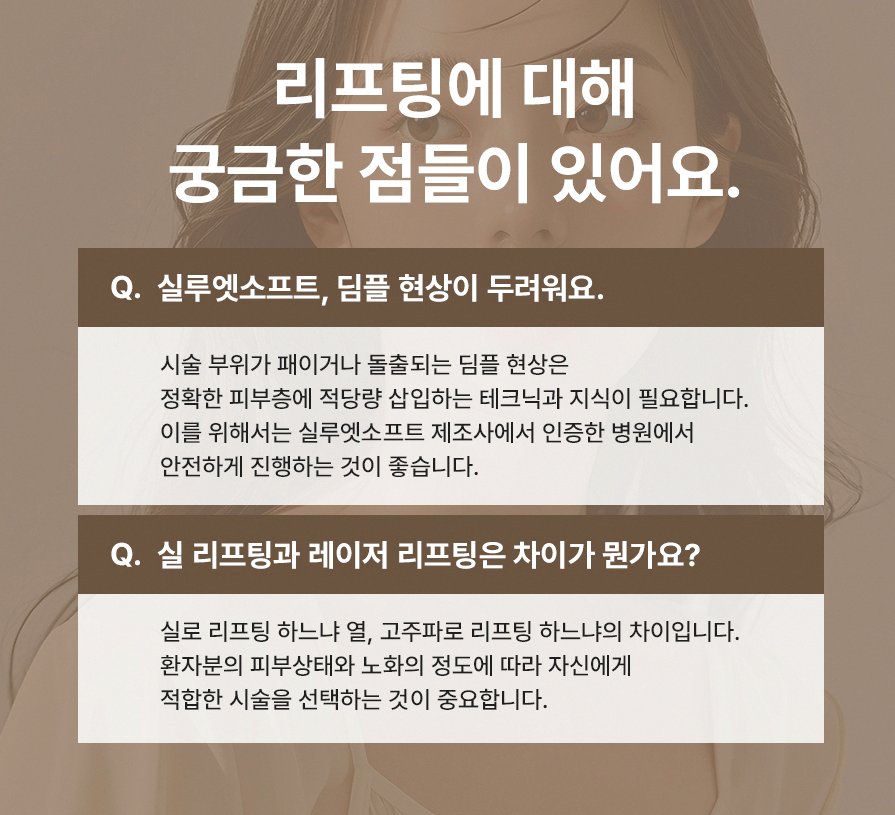
You meet the doctor, review your concerns, and undergo a detailed facial analysis. The doctor confirms whether Silhouette Soft is suitable, explains risks and benefits, and finalizes the plan, including any combination treatments.
Day 1 or 2: Procedure day
Silhouette Soft is often performed on the same day as consultation or the next day, depending on scheduling and whether other procedures are planned. The treatment itself usually takes less than an hour after preparation.
Days 1 to 3: Early recovery
You may experience swelling, mild pain, tightness, and bruising. Most patients can move around the city, but may prefer quiet activities and minimal social engagements.
Days 4 to 7: Settling phase
Swelling and bruising usually start to improve. Many patients feel comfortable with light sightseeing or returning to remote work.
Days 7 to 10: Follow-up
Some clinics schedule a follow-up visit to check symmetry, healing, and address any small issues such as dimpling. After this, most overseas patients can safely fly home.
Aftercare back home
Once you return home, you should continue to follow the aftercare instructions given by the clinic. If you have any concerns, you can usually send photos and updates by email or messaging for remote follow-up.
Choosing a Silhouette Soft provider
When selecting a clinic for Silhouette Soft, especially abroad, consider several factors.
Qualifications and experience
Look for a board-certified dermatologist or plastic surgeon with specific experience in thread lifting. Ask how often they perform Silhouette Soft and similar procedures, and whether they participate in ongoing education, scientific meetings, or publications related to aesthetic medicine.
Range of treatment options
Clinics that offer multiple lifting and skin-quality options, rather than only one device or one type of thread, can tailor the plan more precisely. If a clinic has access to Silhouette Soft, other threads, energy-based devices like Thermage FLX, Ulthera Prime, Exion, and volumizing treatments such as Ellanse or hyaluronic acid fillers, they can design a more individualized approach.
Communication and expectations
A good provider will clearly explain what Silhouette Soft can and cannot achieve, possible side effects, and realistic outcomes. They will discuss aftercare, downtime, and how the procedure fits into your travel schedule.
Why experience matters
Proper vector design and depth of insertion are crucial for a natural, symmetric result and for reducing complications. Experienced doctors are more likely to anticipate how your tissues will respond, manage minor issues such as dimpling or mild asymmetry, and advise when combination treatments or alternative options are more appropriate than threads alone.

Practical information for overseas patients
Cost
Prices for Silhouette Soft vary depending on the number of threads used, the areas treated, the doctor’s expertise, and whether combination treatments are included. Most clinics provide a detailed quote only after in-person assessment or a thorough online consultation with photos.
Treatment time and same-day return
Including consultation, preparation, and the procedure itself, you can usually expect to spend a few hours at the clinic on treatment day. Most patients go back to their hotel the same day.
Soft call to action
If you are considering Silhouette Soft in Seoul and would like to explore whether it suits your face shape, skin quality, and travel plans, start with an online consultation. Some clinics in Cheongdam offer online consultations and pre-visit photo review; contact Clinique hus,hu via KakaoTalk, Naver Blog, or YouTube to confirm what services they provide before you travel.
Frequently asked questions
What is Silhouette Soft and how is it different from regular thread lifts?
Silhouette Soft is a branded, absorbable thread lift that uses bidirectional cones along the thread to anchor and lift tissue, while also stimulating collagen over time. Many conventional thread lifts use PDO threads with barbs rather than cones and are often placed in larger numbers for subtle lifting and skin improvement. Silhouette Soft is designed to provide a more defined mechanical lift with fewer threads and a particular collagen-stimulating profile. The best choice depends on your degree of sagging, skin thickness, and overall treatment plan.
How long do Silhouette Soft results last?
, though this can vary by individual. Factors such as age, skin quality, lifestyle, smoking, sun exposure, and weight changes all influence how long the results remain noticeable. The thread material itself is absorbed over time, but the collagen your body produces along the thread path can help maintain some support even after absorption. Your doctor can advise on possible maintenance or combination treatments.
Am I a good candidate if I have significant sagging or very thin skin?
Silhouette Soft works best for mild to moderate sagging in patients with reasonably good skin thickness and elasticity. If you have very significant sagging, a surgical facelift or other more powerful options may be more appropriate. If your skin is extremely thin and fragile, there is a higher risk of thread visibility or irregularities, and your doctor may recommend alternative treatments or a different thread type. A thorough in-person assessment is essential to determine suitability.
Can Silhouette Soft be combined with Thermage, Ulthera, or fillers?
Yes, Silhouette Soft is often combined with other treatments for a more comprehensive result. Energy-based devices such as Thermage FLX, Ulthera Prime, Exion, or Emface can tighten and stimulate collagen in the skin, while Silhouette Soft provides mechanical lift. Fillers or volumizing agents like Ellanse or hyaluronic acid can restore lost volume in areas such as the cheeks or under-eyes. The sequence and timing of combination treatments should be carefully planned by your doctor for safety and optimal collagen response.
How painful is the procedure and what kind of anesthesia is used?
Most patients describe Silhouette Soft as uncomfortable rather than very painful, thanks to local anesthesia. Numbing injections are given at entry and exit points, and sometimes along the thread path. You may feel pressure, pulling, or brief sharp sensations during insertion and tightening, but intense pain is not typical. Mild soreness or tightness afterward is common and usually managed with simple pain relief if needed.
What are the main side effects and how long is the downtime?
The main side effects are usually temporary and include swelling, bruising, tenderness, a feeling of tightness, and sometimes dimpling or mild asymmetry. These effects often improve significantly within a few days to two weeks. Most people return to office work within several days, but you may prefer to wait 1 to 2 weeks before important social events. Your doctor will give personalized advice based on the extent of your treatment.

When can I exercise, wear makeup, or get facial treatments again?
Light walking is usually fine soon after the procedure, but high-impact exercise and heavy lifting are typically postponed for at least one to two weeks, depending on your doctor’s advice. Makeup can often be applied after a short period, once entry points have closed and the skin is no longer sensitive, usually within a few days. Facial massages, strong facials, or other treatments that manipulate the skin should be avoided for several weeks to protect the threads.
How many threads will I need for my cheeks or jawline?
The number of Silhouette Soft threads needed depends on your facial structure, degree of sagging, and desired level of lift. Some patients may need only a few threads for a focused mid-face or jawline lift, while others may require more to address multiple areas. During consultation, the doctor will assess your face and propose a specific plan, including the number of threads and their placement.
Is Silhouette Soft reversible or removable if I do not like the result?
Silhouette Soft threads are absorbable, so they naturally break down over time. In some situations, if there is a significant issue such as misplaced threads or persistent irregularity, experienced doctors may be able to adjust or remove threads. However, removal can be technically challenging and is not always straightforward. This is why careful planning, realistic expectations, and choosing an experienced provider are very important before undergoing the procedure.
This article is for general information only and is not a substitute for a personal consultation with a qualified medical professional. Individual assessment and advice from your own doctor or treating clinic are essential before deciding on any medical or aesthetic procedure.
- 공유 링크 만들기
- X
- 이메일
- 기타 앱


댓글
댓글 쓰기