Sunken Upper Eyelid Filler Treatment in Seoul for Tired-Looking Eyes
- 공유 링크 만들기
- X
- 이메일
- 기타 앱
Direct answer summary
Sunken upper eyelid filler is a non-surgical way to soften hollow, bony-looking upper eyelids and a sunken eye appearance. At Clinique hus,hu in the Sinsa–Cheongdam area near Apgujeong Rodeo Station in Gangnam, this treatment is approached as part of a broader anti-aging and facial contour plan, with a focus on safety, subtle results, and detailed anatomical analysis.
What is a sunken upper eyelid?
A sunken upper eyelid describes an eye area where the upper lid looks hollow or empty instead of smooth and gently full. The bony rim above the eye can become clearly visible, and a deep crease or groove may form between the brow and the eyelid. This hollow creates shadows that make the eyes look tired, sad, or older than your actual age, even when you feel well-rested.
Many people describe their eyes as looking skeletal or deep-set, especially in certain lighting or when they look down. Makeup can be harder to apply because eyeshadow falls into the hollow, and eyeliner may not show as clearly.
Common causes of sunken upper eyelids
Several factors can lead to this hollowed look:
Aging and fat loss: With age, the natural fat pads around the upper eyelid and brow gradually thin. The skin also loses elasticity, so it no longer drapes smoothly over the bone.

Genetic deep-set eyes: Some people are born with deeper eye sockets and a more prominent brow bone. As they age or lose volume, this natural structure can make hollows more obvious.
Weight loss: Significant weight loss can reduce facial fat, including around the eyes, revealing the bony rim more clearly.
Previous eye surgery: Past eyelid surgery or fat removal can sometimes leave the upper eyelid looking too hollow over time.
Lifestyle and health: Long-term stress, lack of sleep, smoking, and certain medical conditions can accelerate volume loss and skin aging around the eyes.
How upper eyelid filler works
Upper eyelid filler, sometimes called supraorbital rim or upper eyelid hollow correction, is a non-surgical volumizing treatment. It usually uses hyaluronic acid filler or other suitable injectable materials that can safely integrate with the surrounding tissues.
The core concept is not to create a swollen eyelid, but to replace a carefully measured amount of lost volume along the upper eyelid and brow area. By smoothing the transition from the bony rim to the eyelid, the hollow and its shadow are softened, so the eyes appear brighter and more awake.
Where the filler is placed
Depending on your anatomy, volume may be placed in several related zones:
Along the upper eyelid hollow itself to gently lift the sunken area.

Along or slightly above the supraorbital rim (the bone above the eye) to create a smoother contour.
Around the brow or upper outer eye area to support the frame of the eye.
In some cases, subtle volume in the temple region can also help balance the upper face and indirectly improve the impression of hollow eyes.
The aim is to restore a natural, soft curve from brow to eyelid, not to erase the eyelid crease or make the eyes look smaller.
Who may consider sunken upper eyelid filler
Upper eyelid filler is generally considered for adults who notice:
Mild to moderate hollowing of the upper eyelids.
A visible bony rim and deep groove above the eye.
Eyes that look tired, sad, or older despite enough sleep.
Asymmetry between the left and right upper eyelids.
It is often chosen by people who:
Prefer a reversible, less invasive option compared to surgery.
Want to test how added volume looks before considering fat grafting.
Have busy work schedules and need minimal downtime.
Live or work near Gangnam, Cheongdam, or central Seoul and are looking for a quick in-and-out treatment.
When filler may not be enough
Filler alone has limitations. It may not be the main solution if you have:
Very loose upper eyelid skin that hangs over the lashes.

Significant drooping of the eyelid itself (ptosis).
Excess skin folds that obstruct vision.
In these cases, surgical procedures such as upper blepharoplasty, fat repositioning, or lifting may be more appropriate. Sometimes a combination approach is recommended, for example, surgery for excess skin plus subtle filler for remaining hollows. A detailed consultation is important to decide the safest and most effective plan.
Filler choice and safety considerations
The upper eyelid area is one of the most delicate zones of the face. The skin is thin, the space is tight, and important blood vessels and nerves are close by. For this reason, safety and technique are more critical here than in many other filler areas.
Key safety principles include:
Experienced injector and anatomy knowledge: Understanding the three-dimensional structure of the eye socket, vessels, and fat compartments is essential to reduce risks.
Conservative dosing: Small amounts of filler are placed gradually, with constant checking of eyelid movement and eye opening. Overfilling can make the eyes feel heavy or look unnatural.
Soft, moldable fillers: Products with an appropriate softness and flexibility are often preferred in this area so they can blend smoothly with the surrounding tissues.

Reversibility: Choosing fillers that can be dissolved with an enzyme if needed provides an extra safety layer and peace of mind.
Clinique hus,hu has extensive experience with different types of fillers and lifting procedures, which helps in designing a precise contour around the upper eyelid that harmonizes with the rest of the face.
Treatment process step by step
Pre-treatment consultation
Your visit usually begins with a detailed consultation and facial analysis. The medical team will:
Evaluate your eye shape and depth of the eye socket.
Check for asymmetry between the two sides.
Assess skin thickness, elasticity, and existing wrinkles.

Review any previous eye surgery, filler, or other treatments.
Discuss your overall anti-aging goals, not only the upper eyelids.
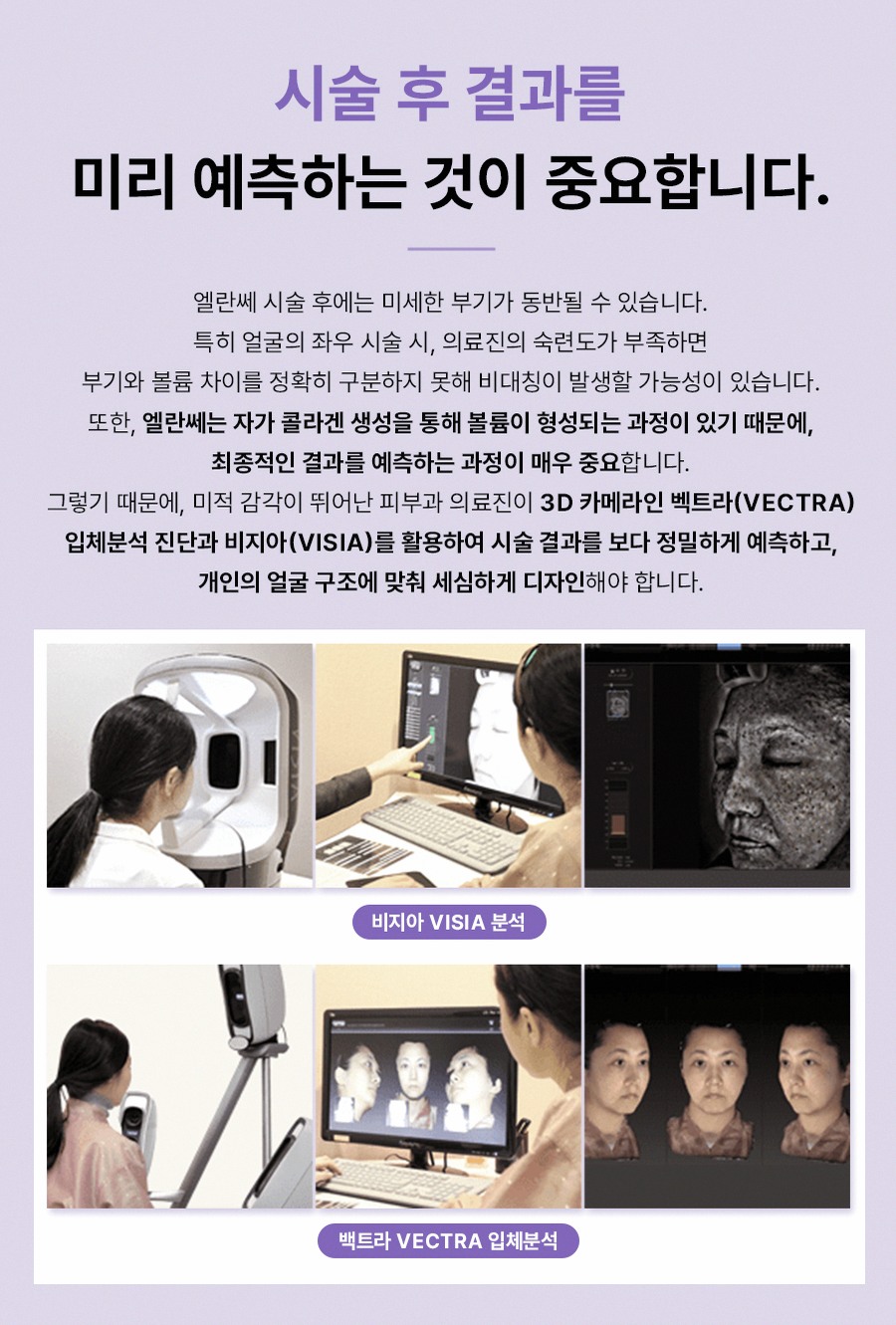
Some clinics, including this one, may use imaging or diagnostic tools to analyze facial volume, skin condition, and symmetry as part of a holistic beauty and aging plan.
Preparation on the day
On the treatment day, the steps typically include:
Cleansing: The upper eyelid and surrounding area are gently cleansed and disinfected.
Marking: Injection points and target zones are marked while you are sitting up, so the natural fall of the tissues can be seen.
Anesthesia: A topical numbing cream or local anesthetic may be used to increase comfort.
Injection technique
The injector may use a fine needle, a blunt-tipped cannula, or a combination of both. A cannula can help reduce the risk of bruising and may allow safer navigation in delicate areas.

Small amounts of filler are placed in layers, often starting slightly away from the most delicate part of the eyelid and then refined as needed.
Throughout the procedure, the injector will:
Check symmetry between both eyes.
Ask you to open and close your eyes to see how the filler behaves with movement.
Assess the contour from different angles and under different lighting.
After placement, the filler is gently molded and smoothed with light pressure to create a natural curve.
Total time
The actual injection time is relatively short, making this a convenient option for office workers or travelers with tight schedules.
Expected results and longevity
Immediate changes
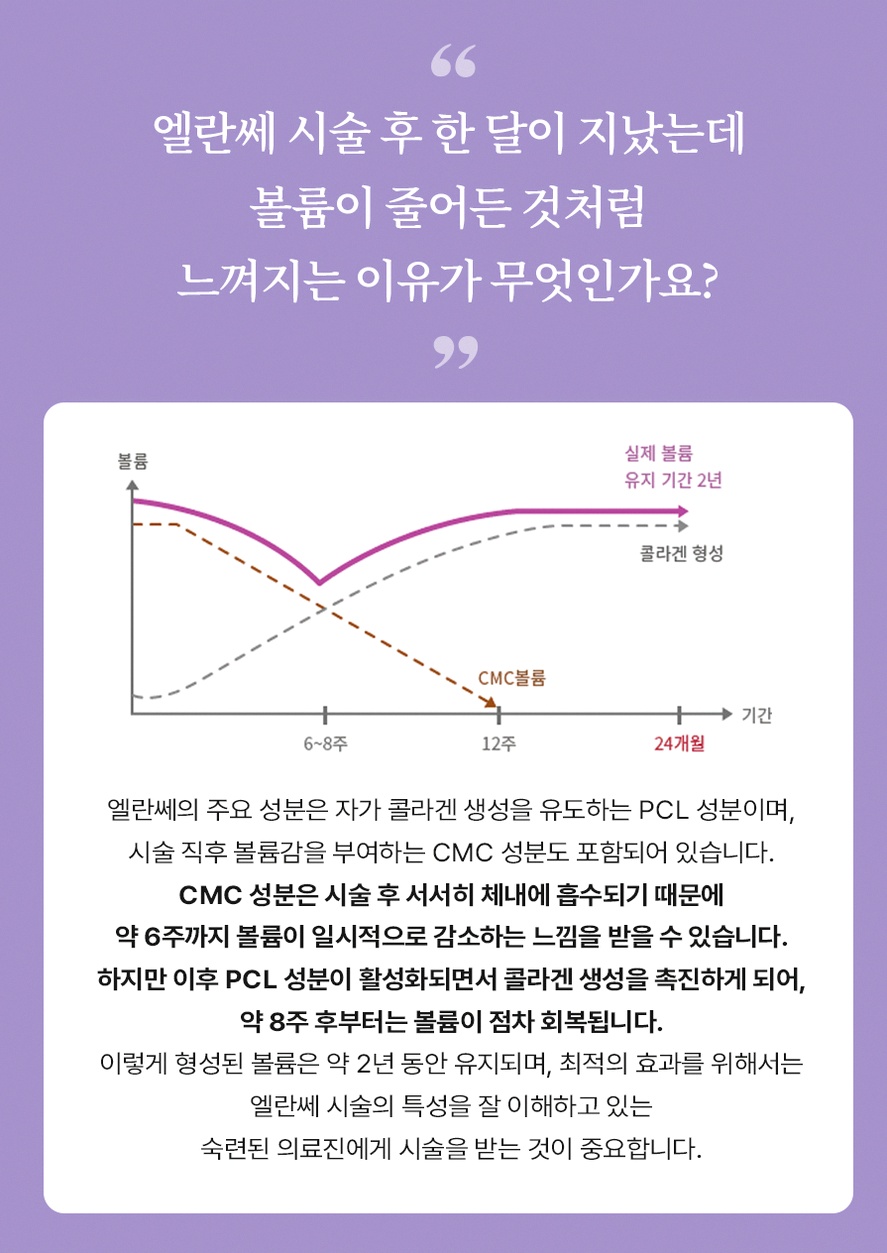
Most patients see an immediate softening of the hollow and a reduction in the shadow above the eye. The bony rim tends to look less sharp, and the upper eyelid area appears smoother and less skeletal.

However, mild swelling is common in the first few days, which can temporarily make the area look slightly fuller or uneven. As swelling settles, the final result becomes clearer.
Natural movement
When performed conservatively, upper eyelid filler should not interfere with normal eyelid movement. You should still be able to open and close your eyes comfortably and apply eye makeup as usual once any initial tenderness has resolved.
Duration of effect
The longevity of the result depends on several factors:
Type of filler used.
Your metabolism and lifestyle.
The amount of correction needed.
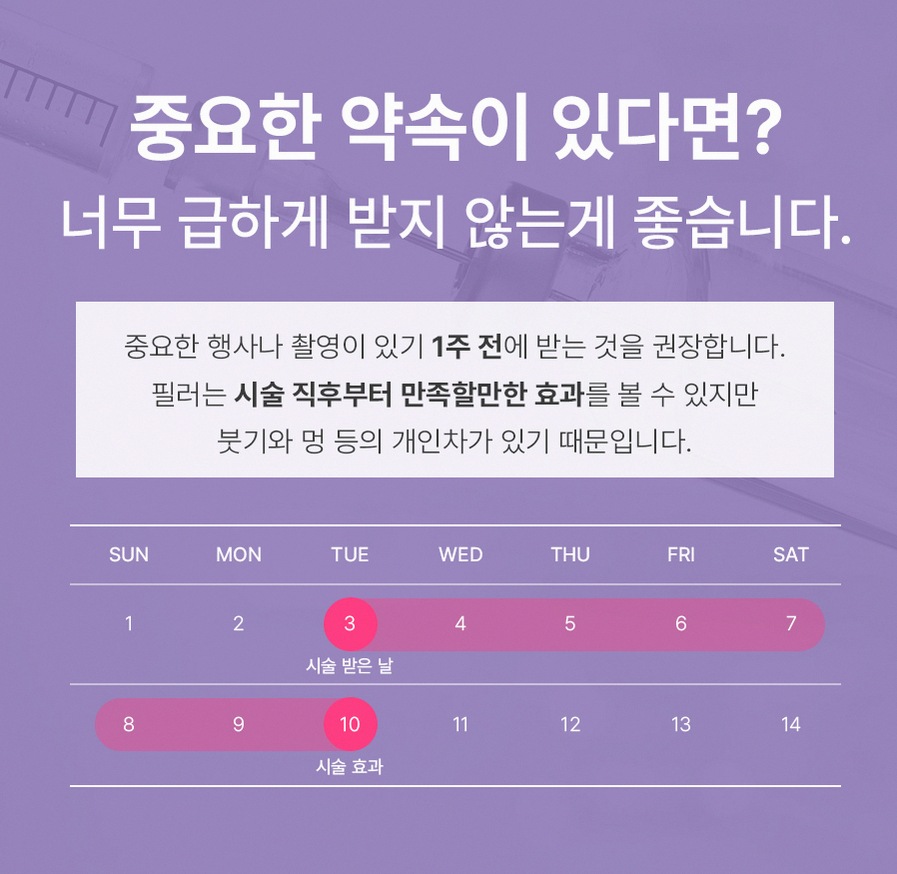
In general, results may last from several months up to over a year. Because the upper eyelid is a dynamic area and the volume used is usually modest, some people prefer regular, smaller touch-ups to maintain a stable and natural look.
Touch-up and maintenance
A follow-up visit may be recommended a few weeks after the first treatment to check symmetry and fine-tune the result if needed. Over time, you and your doctor can adjust the plan based on how your face continues to age and how the filler behaves in your tissues.
Downtime, side effects, and aftercare
Typical downtime
Most people can return to their daily activities soon after treatment. However, you should plan for the possibility of:
Mild swelling or puffiness around the upper eyelid.
Redness or small injection marks.
Light bruising that may last several days.
Slight asymmetry in the first few days as swelling settles.
These effects are usually temporary and can often be covered with makeup after a short period, depending on the clinic’s advice.
Rare but serious risks
Because the upper eyelid is a high-risk area with important blood vessels, there are rare but serious potential complications, such as:
Vascular compromise, where blood flow to an area is reduced.
Visual disturbance if a vessel related to the eye is affected.
Persistent lumps, irregularities, or overcorrection.
These risks are minimized by careful product selection, conservative dosing, and experienced technique, but they cannot be completely eliminated. It is important to choose a clinic that explains these possibilities clearly and has protocols in place for prompt management.
Aftercare tips
To support a smooth recovery, you will usually be advised to:
Avoid rubbing, pressing, or massaging the upper eyelid area unless specifically instructed.
Sleep with your head slightly elevated on the first night to help reduce swelling.

Avoid intense exercise, sauna, hot baths, and alcohol for a short period after treatment.
Use cool compresses gently if recommended by the clinic.
Contact the clinic promptly if you notice increasing pain, sudden color change of the skin, significant visual changes, or persistent asymmetry.
Comparison with other treatment options
Fat grafting
Fat grafting uses your own fat, usually taken from another part of the body, to fill hollows around the eyes. It can provide longer-lasting volume but involves a surgical procedure, anesthesia, and more downtime. It is also harder to reverse or adjust once the fat has integrated.
Upper eyelid filler can be a way to preview how added volume might look before committing to fat grafting.
Surgical blepharoplasty or fat repositioning
Surgery is often recommended when there is significant excess skin, drooping, or structural issues that filler cannot correct. It can remove or reposition tissue and change the eyelid fold more dramatically.

For many people with mild to moderate hollowing but no major drooping, filler may be a less invasive first-line option. In more advanced cases, a combination of surgery and subtle filler may be ideal.
Skin-only treatments
Treatments such as lasers, radiofrequency, or lifting threads can improve fine wrinkles and mild laxity around the eyes, but they do not replace lost volume. They may be used together with filler to address both texture and fullness.
Why consider this clinic in Seoul
Clinique hus,hu is located in the Sinsa–Cheongdam area near Apgujeong Rodeo Station in Gangnam, making it convenient for residents, office workers, and international visitors staying in central Seoul.
The clinic focuses on anti-aging and facial contouring, offering a wide range of lifting and skin-tightening devices such as Thermage FLX, ultrasound-based lifting systems, and RF microneedling. This allows the team to design combination plans where upper eyelid filler is integrated with other treatments when needed, rather than treated in isolation.
Instead of simply filling one hollow, the goal is to understand how your entire eye area and face will change over time and plan accordingly.
Online consultation and pre-visit preparation for overseas patients
If you are considering traveling to Korea for sunken upper eyelid filler, an online consultation is a practical first step. To make this efficient and accurate, prepare the following in advance:

Clear photos: Take high-resolution photos of your face from the front, 45-degree angle, and side, both with eyes open and gently closed. Good natural lighting helps the team see the true degree of hollowing and asymmetry.
Medical history: Share any history of eye surgery, eyelid procedures, fillers, or other injectables. Mention any eye conditions, allergies, or medications, especially blood thinners.
Main concerns: Write down what bothers you most. Is it the shadow, the visible bone, asymmetry, or looking tired in photos? Clear priorities help shape the plan.
Schedule and travel dates: Inform the clinic of your planned travel dates and how many days you can stay in Seoul. This helps them suggest an appropriate timeline for treatment and follow-up.
During the online consultation, you can ask about expected improvements, realistic limits, possible combination treatments, and how to coordinate the procedure with your travel schedule.
Expected Korea visit timeline
For many overseas patients, a typical timeline might look like this:
Day 1: Arrival in Seoul. Rest, adjust to the time zone, and avoid heavy alcohol intake.
Day 2: In-person consultation and imaging if needed. Depending on clinic scheduling, any required pre-consultation imaging, and the doctor's assessment, same-day upper eyelid filler treatment may be possible; please confirm availability in advance.
Days 3–4: Light sightseeing or work. You may have mild swelling or small bruises, so plan flexible activities and consider sunglasses for comfort.
Day 5–7: Optional follow-up visit to check symmetry, adjust if needed, and review aftercare before you leave Korea.
If your stay is shorter, the clinic can help you prioritize essential visits and provide instructions for remote follow-up once you return home.
Aftercare and long-term planning
After your treatment and initial healing, it is helpful to:
Observe how your eyes look in different lighting and expressions.
Note how long the results last before you feel the hollow returning.
Communicate with the clinic if you plan to return to Korea for future touch-ups or if you need coordination with a local clinic in your home country.

Because aging is a continuous process, a long-term plan may include a combination of volume maintenance, skin tightening, and lifestyle advice to keep the eye area looking fresh and natural.
FAQ
Is upper eyelid filler safe for sunken eyes?
Upper eyelid filler can be performed safely when handled by an experienced injector with detailed knowledge of eyelid anatomy and a conservative approach. However, the area is considered high-risk because of thin skin and important blood vessels, so choosing a clinic that explains both common and rare risks clearly is essential. Using appropriate products, careful techniques, and having protocols for managing complications all contribute to making the procedure as safe as possible.
How long does sunken upper eyelid filler last, and when should I get a touch-up?
The effect typically lasts from several months to over a year, depending on the filler type, your metabolism, and how much movement and stress the area experiences. Many people schedule a light touch-up before the full effect fades, which can help maintain a stable, natural look over time. During follow-up visits, your doctor can adjust the amount and placement of filler based on how your eyelids have changed.
Will my eyes look smaller or heavier after filler?
When done correctly and conservatively, upper eyelid filler should not make your eyes look smaller or heavy. The goal is to soften the hollow and shadow while preserving your natural eyelid crease and eye opening. Overfilling can cause a puffy or droopy look, which is why careful dosing and step-by-step evaluation during the procedure are important.
What if I do not like the result – can it be reversed?
If a hyaluronic acid filler is used, it can usually be dissolved with an enzyme injection that gradually breaks down the product. This offers an extra layer of reassurance for people who are nervous about permanent changes. It is still important to communicate clearly with your doctor from the beginning about your preferences for subtlety and natural results to reduce the chance of dissatisfaction.
How do I choose between filler, fat graft, and surgery for sunken upper eyelids?

The choice depends on the main problem and its severity. For mild to moderate hollows without major drooping, filler is often a flexible, reversible first option. If you have significant excess skin or structural issues, surgery may be more suitable. Fat grafting may be considered when you want longer-lasting volume and are comfortable with a surgical procedure. A thorough consultation that includes examination of your eyelids, brow, and overall facial balance is the best way to decide.
Soft call to action
If your upper eyelids look hollow, tired, or skeletal and you are curious whether filler could help, you can start with an online consultation with Clinique hus,hu before planning a trip to Seoul. By sharing clear photos and your concerns in advance, you can receive a personalized, medically grounded opinion on whether sunken upper eyelid filler is appropriate for you and how it might fit into a broader anti-aging plan.
This article is for general information only and does not replace a personal consultation or medical examination. Individual suitability, risks, and results vary, and all decisions about treatment should be made in direct discussion with qualified medical professionals.
- 공유 링크 만들기
- X
- 이메일
- 기타 앱


댓글
댓글 쓰기