Types of thread lifting and how Silhouette Soft fits in
- 공유 링크 만들기
- X
- 이메일
- 기타 앱
Direct answer summary
There are several main types of thread lifting, including smooth mono threads, cog or barbed threads, and cone‑based systems such as Silhouette Soft. Silhouette Soft is a branded cone‑type thread lift designed to reposition the midface and jawline while encouraging longer‑term firming through collagen production. It is usually suited to people with mild to moderate sagging who want visible lifting but are not ready for surgery.
If you are considering a trip to Korea for anti‑aging treatment, understanding how Silhouette Soft compares with other thread options and with device‑based lifting can help you have a more focused consultation at a clinic such as Clinique hus,hu in the Cheongdam area of Gangnam, near Apgujeong Rodeo Station.
What is thread lifting
Thread lifting is a minimally invasive aesthetic procedure that uses thin, dissolvable threads placed under the skin to support and reposition sagging tissues. The threads are usually made from materials that have been used safely in medical sutures for many years, and they gradually dissolve over time.
The procedure has two main goals. First, to create an immediate mechanical lift by catching and repositioning the skin and underlying soft tissue. Second, to stimulate your own collagen production along the thread path, which can improve firmness and skin quality over several months.
Thread lifting is generally recommended for mild to moderate laxity, such as early jowls, softening of the jawline, or a tired midface. It does not replace a full surgical facelift, which is still the standard for very heavy sagging or significant excess skin. However, for many people in their 30s to 50s who want a noticeable but subtle improvement with shorter downtime, threads can be a useful option.
Types of thread lifting
There are several main categories of thread lifting, each with different strengths and indications. Silhouette Soft sits within the cone‑based thread category.
Mono threads (smooth threads)
Mono threads are thin, smooth dissolvable threads placed in a mesh pattern under the skin. They do not have barbs or cones, so they have limited lifting power.
Instead, their main role is to stimulate collagen and slightly tighten the skin. They are often used for fine lines, crepey skin, and areas where you want to improve texture rather than change facial contours. Common treatment areas include the cheeks, under the chin, neck, and sometimes around the eyes or forehead.
Results from mono threads are usually subtle and gradual. Downtime is generally mild, with possible small needle marks, light bruising, or tenderness for a few days. Because they do not strongly reposition tissue, they are not the first choice when the main concern is jowls or a drooping midface.
Cog or barbed threads
Cog or barbed threads have tiny hooks or barbs along the thread. These barbs catch into the surrounding tissue, allowing the practitioner to gently pull and secure the skin in a lifted position.
They are commonly used for lifting the jawline, cheeks, and lower face, and sometimes for the neck. Compared with mono threads, cog threads offer stronger lifting power and more visible contour changes, but they may also have slightly more downtime, with swelling, bruising, or temporary irregularities along the thread path.
Cog threads also stimulate collagen as they dissolve, so there is a combination of immediate lifting and gradual firming.
Cone‑based threads (Silhouette Soft)
Cone‑based threads use small, three‑dimensional cones along the thread instead of barbs. Silhouette Soft is one of the most widely known systems in this category.
The cones are designed to anchor gently into the tissue when the thread is placed and then adjusted. Because they are arranged in a bidirectional pattern, they can hold the tissue in a more controlled way, creating defined lifting vectors for the midface and jawline.
Suspension and combined techniques
In real practice, thread lifting is often combined with other treatments. For example, a practitioner may use mono threads for fine lines and skin quality, cog or cone‑based threads for lifting, and device‑based tightening such as ultrasound or radiofrequency for deeper tissue support.
This layered approach can be especially useful for international patients who want to maximize the benefit of a single visit to Korea. It allows the clinic to address skin laxity, volume loss, and skin texture in a coordinated plan rather than relying on one method alone.
What is Silhouette Soft
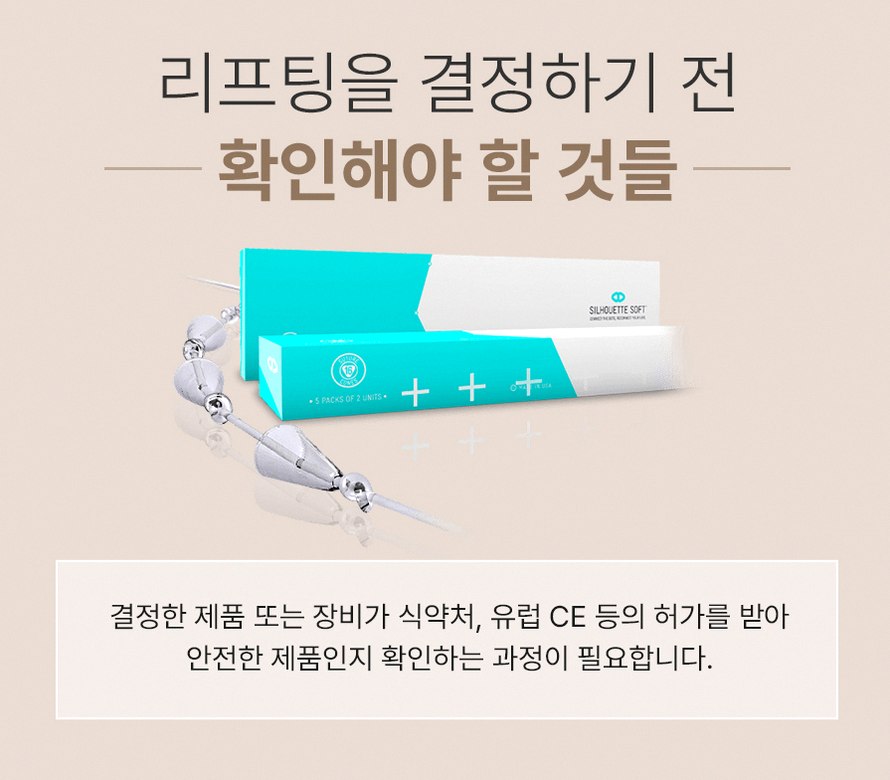
Silhouette Soft is a branded, minimally invasive thread‑lifting system that uses bidirectional, cone‑based absorbable threads made from synthetic materials commonly used in medical sutures. These threads are designed to gradually resorb and are intended to encourage collagen formation over time.
Along each Silhouette Soft thread, there are tiny cones that act as anchors. During the procedure, the practitioner inserts the thread under the skin along a planned path, then gently adjusts it so that the cones catch the tissue and create a lifting effect. Because the cones are arranged in opposite directions, they can hold the tissues in a stable, repositioned position.
Silhouette Soft is typically used for areas such as the midface, cheeks, nasolabial folds, marionette lines, jawline contour, and in selected cases, the neck or eyebrow area. It is often chosen for patients who want a more structural, contour‑focused lift with collagen stimulation, while still avoiding surgical incisions.
How Silhouette Soft works
Silhouette Soft has a two‑phase effect.
First, there is an immediate mechanical lift. As the cones engage the tissue and the threads are adjusted, sagging areas such as the midface or jawline can be repositioned slightly upward and backward. This can soften nasolabial folds, reduce early jowls, and restore a more defined facial contour.
Second, there is a gradual biological effect. Over several months, this new collagen can help improve firmness, elasticity, and skin quality in the treated area.
The threads themselves slowly dissolve over time, but some of the collagen framework they leave behind may persist longer, contributing to a more sustained improvement even after the material is absorbed.
How Silhouette Soft differs from cog threads and mono threads
Compared with mono threads, Silhouette Soft is designed primarily for lifting and contouring rather than just skin texture. Mono threads are thin and smooth, so they mainly act as a collagen stimulator. Silhouette Soft, with its cones, provides a more substantial mechanical lift and is usually used for deeper sagging.
Compared with cog or barbed threads, Silhouette Soft uses cones instead of hooks. The cones can allow for more controlled vector planning and distribution of tension along the thread. Some patients and practitioners feel this can create a smoother, more natural lift when used appropriately, especially in the midface.
However, the choice between cone‑based and barbed threads depends on individual anatomy, skin thickness, and treatment goals. Both types stimulate collagen and both can have temporary side effects such as swelling, bruising, dimpling, or a feeling of tightness.
Who may consider Silhouette Soft
Ideal candidates for Silhouette Soft are usually adults with mild to moderate skin laxity who notice early signs of aging such as:
Sagging in the midface with a tired or flattened cheek area
Deepening nasolabial folds or marionette lines
Early jowls and a softer jawline contour
Mild neck laxity in selected cases
These patients often want visible lifting and contour improvement but are not ready for a surgical facelift, either because they prefer less downtime, want to avoid general anesthesia, or simply want a more conservative step.
Less ideal candidates include those with very heavy or thick skin and severe laxity, who may be better suited to surgery or a combined approach. People with extremely thin skin may have a higher risk of thread visibility or surface irregularities. Individuals with unrealistic expectations of a dramatic surgical‑level result from threads alone may also be disappointed.
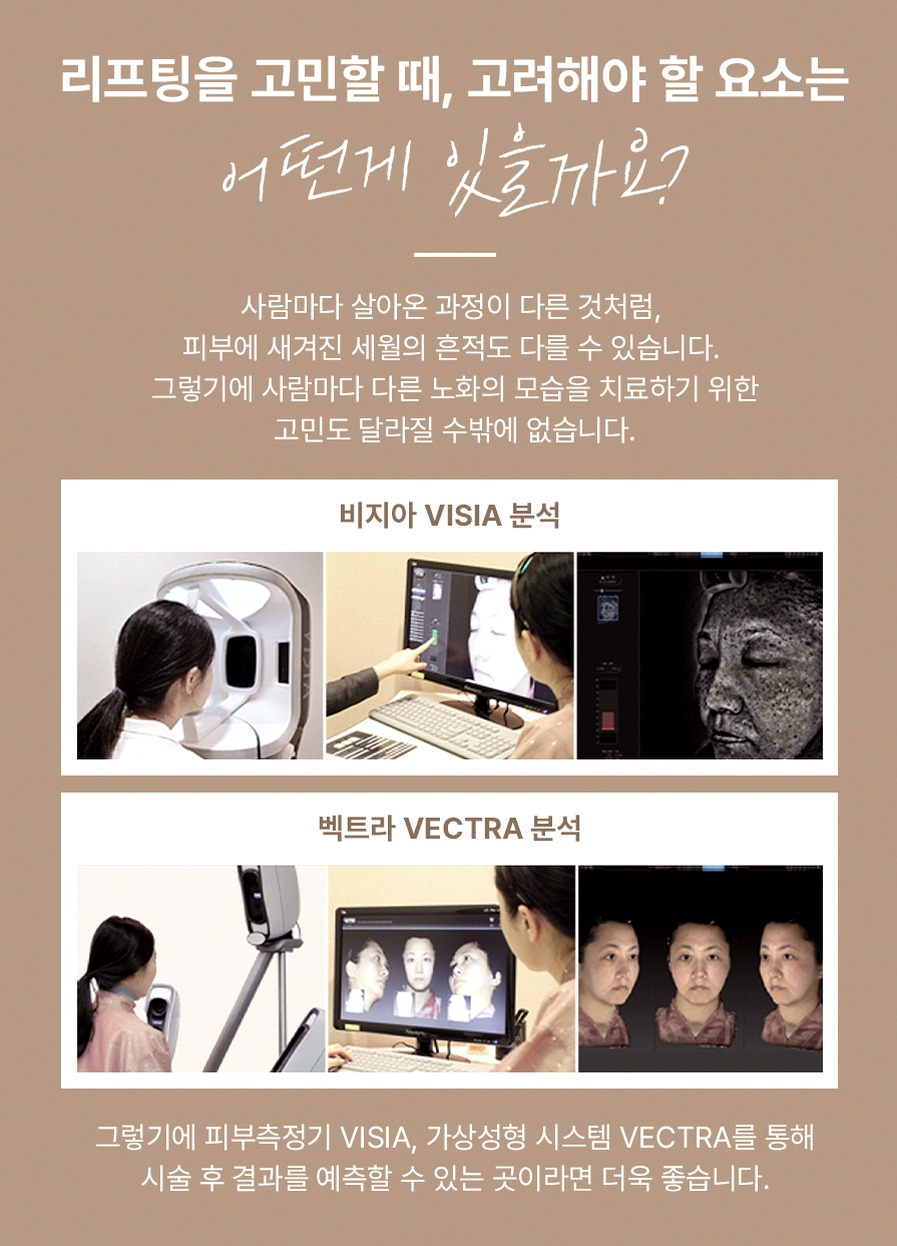
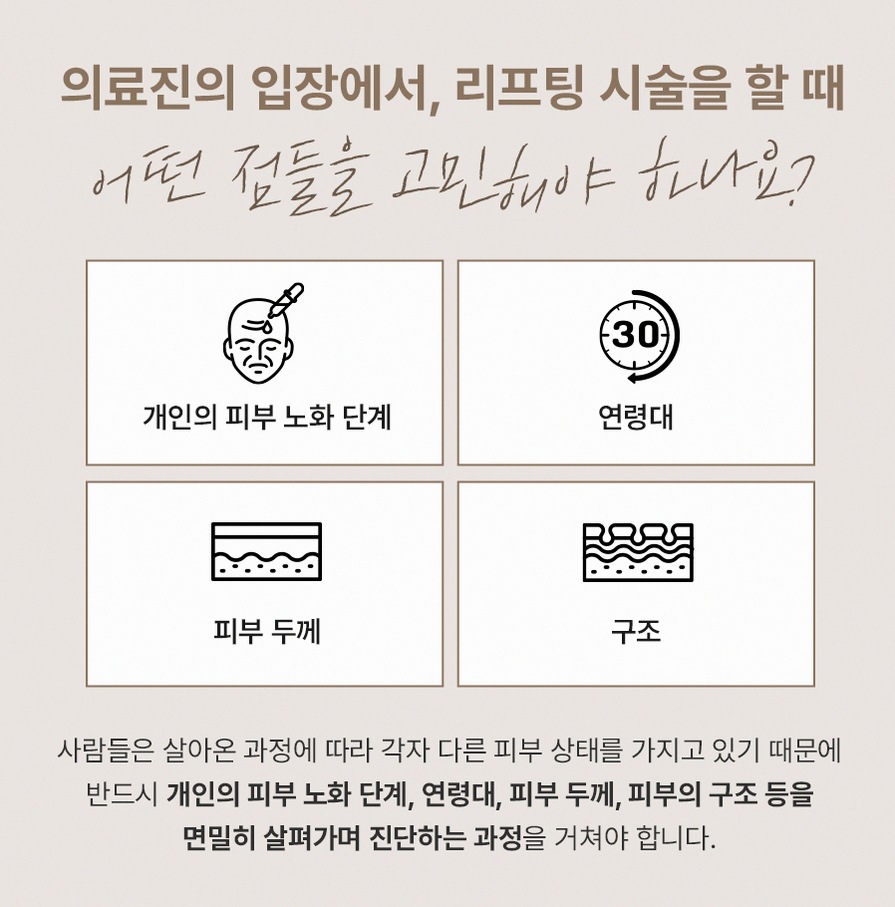
A face‑to‑face assessment is essential. The practitioner will evaluate skin thickness, fat volume, bone structure, degree of laxity, and overall facial balance before recommending Silhouette Soft or another method.
Treatment overview for Silhouette Soft in Korea
If you are planning to travel to Seoul for Silhouette Soft, it can be helpful to understand the usual steps of the procedure at a specialist clinic.
Pre‑treatment consultation
The process begins with a detailed consultation. The practitioner will examine your face from different angles, assess skin laxity, volume loss, and any asymmetry, and review your medical history. It is important to mention any medications you take, especially blood thinners, as well as previous procedures such as fillers, thread lifts, or energy‑based treatments.
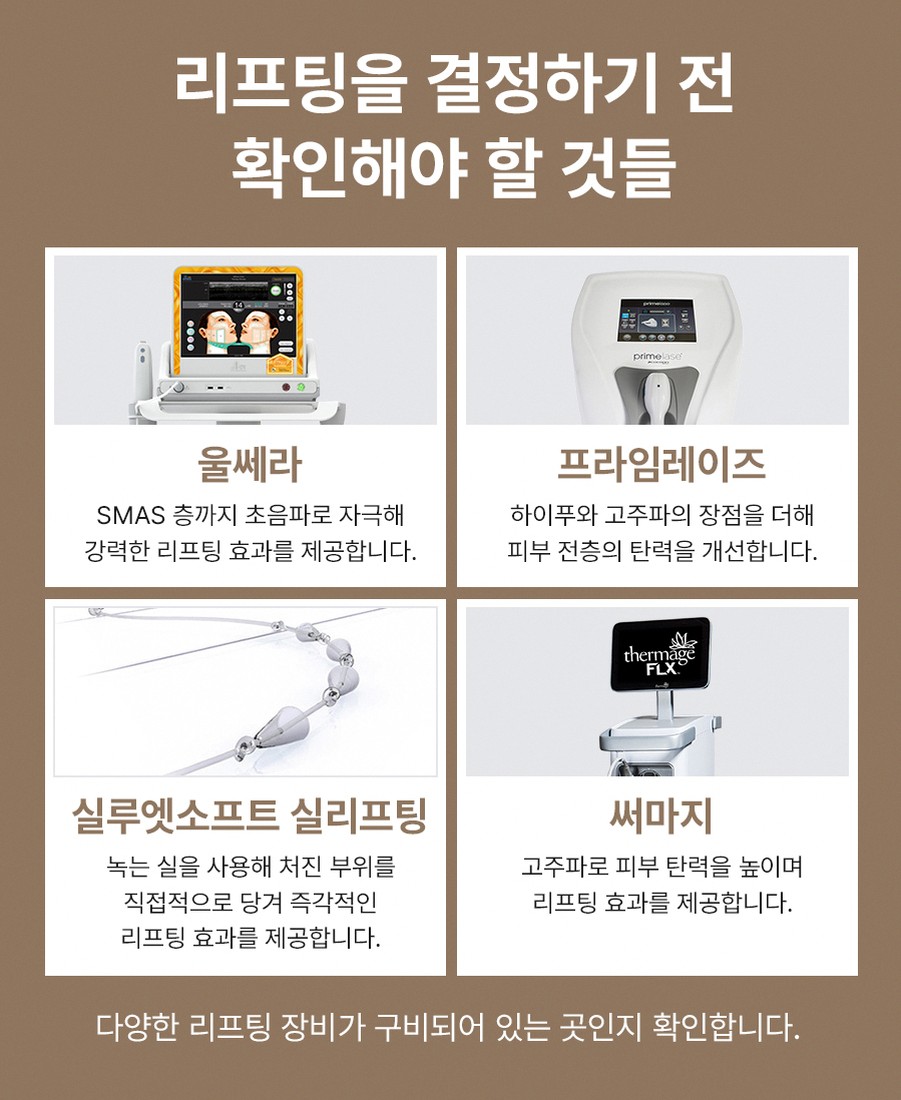
You will discuss your main concerns, such as jowls, midface sagging, or neck laxity, and your preferred level of downtime. The doctor may also suggest combination treatments such as Ulthera Prime, Thermage FLX, Emface, or fillers if volume loss or deeper tissue laxity is significant.
Planning and design
Once Silhouette Soft is selected as part of your plan, the practitioner will design the lifting vectors. This includes marking entry and exit points and drawing the paths along which the threads will be placed.
The number of threads and cones used depends on the size of the treatment area and the degree of sagging. For example, lifting both cheeks and the jawline may require several threads per side, while a smaller correction might use fewer.
Procedure day
On the day of the procedure, the skin is cleansed thoroughly and an antiseptic solution is applied. Local anesthesia is injected along the planned entry and exit points, and sometimes along the thread path, to keep you comfortable.
The Silhouette Soft threads are then inserted using a needle or cannula following the marked vectors. After placement, the practitioner gently adjusts the threads so that the cones engage the tissue and create the desired lift. You may be asked to sit up during this step so the doctor can check the effect in a natural position.
Once the lift is balanced and symmetrical, the thread ends are trimmed and the small entry points are cleaned. A light dressing or small adhesive strips may be applied for a short time.
Duration and downtime
The procedure is often completed in a single appointment, with total time varying according to the number of areas treated. Most patients can leave the clinic the same day.
In the first few days, you can expect some swelling, bruising, and a feeling of tightness or pulling, especially when talking or smiling. Mild dimpling or irregularity at the entry points or along the thread path can occur but often improves as the tissues settle.
Many people return to light daily activities within a few days, but it is common to be advised to avoid heavy exercise, facial massages, or exaggerated facial movements for a short period. Your clinic will give you specific guidance based on your case.
Results, longevity, and maintenance
Immediately after Silhouette Soft, you may see a noticeable lift in the treated areas, although swelling and over‑correction can make the result look slightly exaggerated at first. Over the following days and weeks, swelling reduces and the lift usually appears more natural.
In the medium term, over several months, collagen production around the cones can improve firmness and skin quality. Many patients feel that the face looks more supported and the skin texture subtly improves.
The threads themselves gradually dissolve over many months. The visible effect is not permanent, and its duration varies between individuals; benefits commonly last several months and depend on factors such as lifestyle, age, skin quality, and the number and placement of threads.
Maintenance may include repeat thread lifting after a certain interval, or combining Silhouette Soft with other treatments. For example, deeper tightening with Ulthera Prime or Thermage FLX, non‑invasive lifting with Emface or Prime Raise, or volume restoration with fillers such as Ellanse or hyaluronic acid can help maintain overall facial balance.
Some clinics also offer cell‑based treatments such as exosome or other skin‑repair injections. These approaches are described as potentially supporting regenerative signalling or skin repair processes and may be offered alongside mechanical lifting, rather than replacing it.
Safety, side effects, and risk management
Like any medical procedure, Silhouette Soft has potential side effects and risks.
Common, usually temporary issues include swelling, bruising, tenderness along the thread path, and a feeling of tightness or pulling when moving facial muscles. Mild dimpling, puckering, or irregularity of the skin can occur, especially near the entry points, but these often improve as the tissues adapt.
Less common but more serious risks include infection, thread exposure, prolonged asymmetry, nerve irritation, or persistent irregularity. In rare cases, thread adjustment or removal may be needed.
Risk can be reduced but not eliminated by choosing an experienced practitioner who understands facial anatomy, uses safe insertion planes, and plans lifting vectors carefully to avoid over‑pulling or unnatural expressions. Strict sterile technique and clear aftercare instructions are also important.
When comparing clinics, it is wise to look beyond price or the number of threads offered. Consider whether the clinic provides a thorough consultation, explains risks and benefits clearly, and offers follow‑up care if concerns arise.
How a multi‑modality clinic chooses Silhouette Soft
In a clinic equipped with multiple thread systems and energy‑based devices, Silhouette Soft is one option within a broader lifting strategy.
Silhouette Soft may be prioritized when the main goals are structural lifting of the midface and jawline, contour definition, and collagen stimulation, and when the patient prefers a minimally invasive approach instead of surgery.
Other thread types or devices may be chosen instead of, or in combination with, Silhouette Soft. For example, mono threads can be added for fine lines and general skin quality, while cog threads may be selected for specific localized lifting needs.
Ultrasound or radiofrequency devices such as Ulthera Prime or Thermage FLX can tighten deeper layers without adding foreign material, which may suit patients who are cautious about threads or who need foundational tightening before lifting. Emface or Prime Raise can offer non‑invasive lifting and muscle or fascial stimulation.

Volume loss is another key factor. If hollowing or deflation is more prominent than sagging, fillers such as Ellanse or hyaluronic acid may take priority, with or without threads. Cell‑based anti‑aging approaches, supported by an in‑house lab such as the Recovery Lab at Clinique hus,hu, can further target skin quality and recovery.
For overseas patients, a multi‑modality clinic can tailor a plan to the length of your stay, combining Silhouette Soft with other treatments in a logical sequence while allowing enough time for initial recovery before you fly home.
Online consultation and pre‑visit preparation
Before traveling to Korea, an online consultation can help you decide whether Silhouette Soft, another thread type, or a different lifting method is likely to suit your needs.
To make the most of your online consultation, prepare the following:
Clear photos of your face from the front, both sides, and at a 45‑degree angle, in good lighting without heavy makeup
A brief description of your main concerns, such as jowls, midface sagging, neck laxity, or overall tired appearance
Your medical history, including medications, allergies, and previous aesthetic procedures
Your travel dates and how many days you can stay in Seoul
During the consultation, ask about which type of thread lifting is recommended for your anatomy, whether Silhouette Soft is suitable, and whether the doctor suggests combining threads with devices or fillers. Also ask about expected downtime, when you can safely fly, and what kind of follow‑up is possible once you return home.
Expected Korea visit timeline
For many international patients, a typical visit for Silhouette Soft in Seoul might follow this kind of schedule:
Day 1: In‑person consultation and detailed assessment. If both you and the doctor agree, some patients may have the procedure on the same day, depending on preparation and scheduling.
Day 2 to 3: Early recovery period. Swelling and mild bruising are common. Light sightseeing is usually possible if you feel comfortable, but it is wise to avoid intense activities.
Day 4 to 7: Swelling gradually improves. A short follow‑up visit may be scheduled to check healing and answer questions before you leave Korea.
Your exact schedule will depend on your treatment plan and how far you have traveled. It is generally advisable to allow at least a few days between the procedure and your return flight so that any early issues can be addressed locally.
Aftercare for Silhouette Soft
After Silhouette Soft, clinics usually provide specific aftercare instructions. While advice may vary, common recommendations include:
Avoiding heavy exercise, saunas, and very hot baths for a short period
Sleeping on your back with your head slightly elevated for a few nights to reduce pressure on the treated area
Avoiding strong facial massages or treatments over the thread area until cleared by your doctor
Being gentle with facial movements and avoiding exaggerated expressions in the first days if possible
You may be given pain relief for the first day or two if needed. If you notice increasing pain, redness, heat, or discharge, you should contact the clinic promptly, as these can be signs of infection or other complications.
Frequently asked questions
What is the difference between Silhouette Soft and other thread lifts
Silhouette Soft uses cone‑based, bidirectional threads made from collagen‑stimulating materials such as PLLA or a PLLA and PLGA mix. The cones anchor into the tissue to create a controlled lift and encourage collagen production.
Other thread lifts may use smooth mono threads, which mainly improve skin texture, or cog and barbed threads, which lift using tiny hooks. The best choice depends on your anatomy and goals. Silhouette Soft is often selected when midface and jawline contouring with collagen stimulation is a priority.
How long do Silhouette Soft results last
Silhouette Soft threads gradually dissolve over time, and the visible lifting effect is not permanent. Many patients experience noticeable benefit for around 12 to 18 months, though this can be shorter or longer depending on age, skin quality, lifestyle, and technique.
Some of the collagen framework created around the cones may persist beyond the life of the thread, which can help maintain some firmness. Maintenance treatments, including repeat threads or combination with devices and fillers, can be planned based on how your face changes over time.

Is Silhouette Soft painful, and what is the downtime like
During the procedure, local anesthesia is used to numb the entry and exit points and the thread path, so most patients feel pressure and pulling rather than sharp pain. Some discomfort can occur, but it is usually manageable.
Afterwards, you can expect swelling, bruising, and a feeling of tightness or pulling for several days. Mild dimpling or irregularity can appear but often improves as the tissues settle. Many people return to light daily activities within a few days, but it is sensible to avoid heavy exercise and strong facial treatments for a short period.
Can Silhouette Soft replace a surgical facelift
Silhouette Soft cannot fully replace a surgical facelift, especially in cases of severe sagging or large amounts of excess skin. It is designed for mild to moderate laxity and offers a more modest, subtle lift with shorter downtime.
For some patients, thread lifting can delay the need for surgery or serve as an intermediate step. In others, a combination of threads, devices, and volume restoration may provide enough improvement. A thorough consultation is needed to decide whether threads alone are appropriate or whether surgery should be considered.
Who is not a good candidate for Silhouette Soft
People with very heavy, thick skin and advanced sagging may not achieve sufficient lifting from Silhouette Soft alone and may be better suited to surgical options or a combined plan. Individuals with extremely thin skin may have a higher risk of thread visibility or surface irregularities.
Those with uncontrolled medical conditions, active skin infections in the treatment area, or certain bleeding disorders may also be unsuitable. In addition, patients who expect a dramatic, long‑lasting surgical result from a minimally invasive thread lift may not be satisfied. An honest discussion of expectations is essential.
Can Silhouette Soft be combined with Ulthera, Thermage, or fillers
Yes, Silhouette Soft is often combined with other treatments. Ultrasound or radiofrequency devices such as Ulthera Prime or Thermage FLX can tighten deeper tissues, while Silhouette Soft provides mechanical lifting and collagen stimulation in the midface and jawline.
Fillers such as Ellanse or hyaluronic acid can restore lost volume in areas like the cheeks or temples, complementing the lifting effect. The sequence and timing of these treatments should be planned carefully by your doctor to minimize risk and optimize results.

What should I avoid after a Silhouette Soft procedure
After Silhouette Soft, you are usually advised to avoid heavy exercise, saunas, and very hot baths for a short period, to reduce swelling and protect the threads. Strong facial massages, dental procedures that require wide mouth opening, and other treatments over the thread area are often postponed until healing is more advanced.
You may also be asked to avoid sleeping on your side or stomach for a few nights to prevent pressure on the treated area. Your clinic will give you specific instructions based on your case, and following them carefully can help reduce complications.
Soft call to action for online consultation
If you are considering Silhouette Soft or other types of thread lifting during a visit to Seoul, an online consultation can help you understand which options match your facial structure, age, and expectations. Clinique hus,hu in the Cheongdam area of Gangnam, near Apgujeong Rodeo Station, offers Silhouette Soft within a broader lifting and anti‑aging program that includes multiple thread systems, device‑based tightening, and cell‑focused treatments.
Before you book flights, gather clear photos and a summary of your medical history, and reach out to discuss whether Silhouette Soft, another thread type, or a combined plan may be appropriate for you. Personalized assessment and realistic expectations are key to choosing the right treatment and making the most of your time in Korea.
- 공유 링크 만들기
- X
- 이메일
- 기타 앱


댓글
댓글 쓰기