Under eye filler in Seoul: non-surgical help for tired-looking eyes
- 공유 링크 만들기
- X
- 이메일
- 기타 앱
Introduction: under eye filler in simple terms
less tired.
It is usually chosen by people who see a visible groove under the eyes, feel they look exhausted even after good sleep, or notice early volume loss and lines in their late 20s to 50s. At clinics such as Clinique hus,hu in Cheongdam, under eye filler is viewed as one part of a broader anti-aging plan that also considers skin quality, midface support, and long-term tissue health.
For international patients visiting Seoul, under eye filler can be a practical, non-surgical option with relatively short downtime, especially when combined thoughtfully with other eye-area treatments.
What is under eye filler and how it works
Under eye filler, also called tear trough filler, is designed to improve the transition between the lower eyelid and the upper cheek.

Why the under eye area looks tired
Several anatomical factors can create dark circles and hollows:
Tear trough depression: A natural groove forms where the eyelid meets the cheek. When this deepens, it casts a shadow.
Volume loss in the midface: As we age, fat pads in the cheeks shift and shrink, reducing support under the eyes.
Thinning skin: The skin under the eyes is very thin, so underlying vessels and structures become more visible.
Pigment and vessels: Brown pigment, or blue-purple color from visible blood vessels, can make the area look darker.
Types of fillers used
Hyaluronic acid fillers are the most common choice for under eye filler. They are gel-like substances that attract water, integrate with surrounding tissue, and can be dissolved with an enzyme (hyaluronidase) if needed. Softer, more elastic hyaluronic acid products are usually preferred in this delicate area.
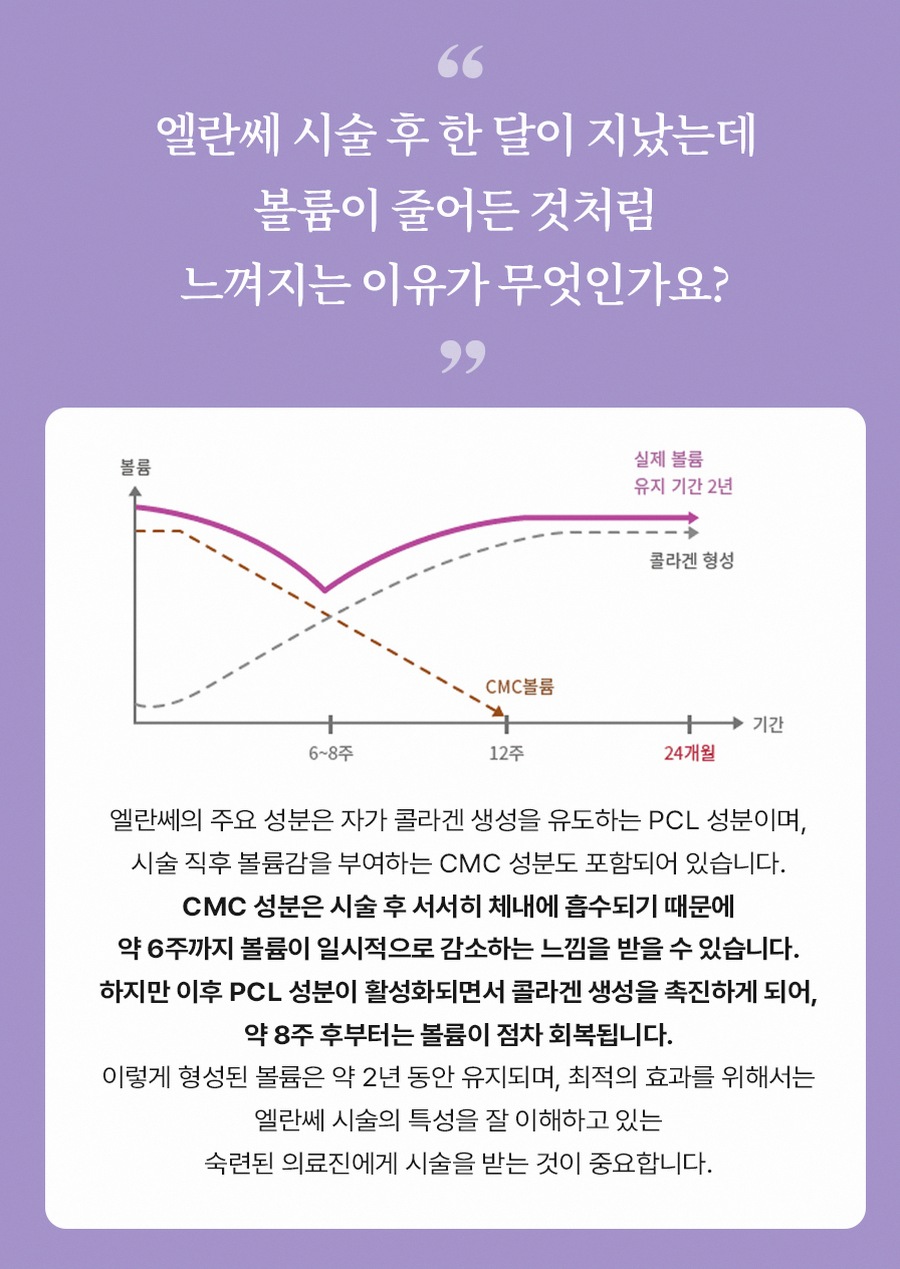
Collagen-stimulating fillers such as Ellanse are sometimes used nearby, especially in the mid-cheek, to support the under eye from below. Because the eyelid skin is thin, these products are generally not placed too superficially directly under the eye, but rather in deeper planes or adjacent areas to lift and smooth the contour.
How under eye filler improves the appearance
By filling the hollow and smoothing the step between the eyelid and cheek, under eye filler can:

Soften the groove so light reflects more evenly.
Reduce the shadow effect that makes dark circles look worse.
Give a more rested, less sunken appearance.
In some people, improving the contour alone significantly reduces the impression of dark circles, even if some pigment remains.
Who may be a good candidate for under eye filler
Under eye filler is not suitable for everyone. A careful in-person assessment is important, especially in such a delicate area.
Good candidates
Mild to moderate hollows: The best results are usually seen in people with noticeable grooves or volume loss, but not extreme sagging.
Relatively elastic skin: When the skin still has some firmness, filler can sit more smoothly.
Early to moderate aging: People who are not yet at the stage where surgery is clearly needed.
Preference for non-surgical options: Those who want a reversible, minimally invasive approach with short downtime.
Cases that need caution or alternative plans
Very thin, crepey skin with many wrinkles: In these cases, simply adding volume may not be enough and can even look uneven. Skin quality treatments such as fractional laser, radiofrequency (RF) devices, or exosome and skin booster injections may be recommended before or together with filler.
Prominent eye bags: If under eye fat is bulging strongly, under eye filler alone may not correct the problem and can sometimes make puffiness more obvious. Lower eyelid surgery (blepharoplasty) or a combined approach may be more appropriate.
Strong pigmentation: Brown or bluish discoloration from pigment or vessels will not disappear with filler alone. Pigment or vascular lasers, or other skin treatments, may be needed.
Significant asymmetry or previous filler: Patients with old filler, especially if it has migrated or caused puffiness, may require dissolving and careful planning before new treatment.
Because of these variables, a one-size-fits-all filler plan is not advisable. A personalized diagnosis is essential.
Consultation and assessment for overseas patients
For international patients, much of the initial planning can begin online, but a final decision is always made after an in-person examination.
What a careful assessment includes
Skin thickness and elasticity: The doctor checks whether the skin can support filler smoothly or if it needs conditioning first.
Fat bulging versus hollowing: The balance between eye bags and hollows determines whether filler, surgery, or combination treatments are more suitable.
Midface and cheek support: Often, the under eye problem is partly due to loss of cheek volume. In such cases, treating the midface with filler or lifting devices can indirectly improve the tear trough.
Left-right asymmetry: Subtle differences between the two sides of the face are noted so the injection plan can be adjusted accordingly.
Broader anti-aging and diagnostic approach
nd placement to support longer-term tissue health rather than only short-term cosmetic change.
Online consultation and pre-visit preparation
Before traveling to Seoul, it is helpful to:
Send clear photos: Front, 45-degree, and side views in natural lighting, both relaxed and smiling, so the clinic can roughly evaluate hollows, bags, and skin.
Share medical history: Include any history of eye disease, previous under eye filler or surgery, allergies, and medications such as blood thinners.

Clarify your goals: For example, whether you mainly want to reduce hollows, soften lines, or improve color. This helps the doctor prioritize treatments.
Prepare questions: Write down what you want to ask, such as expected downtime, possible combination treatments, and what happens if you need a touch-up.
This preparation makes your in-person consultation in Seoul more efficient and focused.
How under eye filler is performed
Typical steps
Cleansing and anesthesia: The under eye and cheek area are thoroughly cleansed. A topical numbing cream, local anesthetic injection, or both may be used to reduce discomfort.
Marking: The doctor marks safe zones and entry points, taking into account important blood vessels and ligaments.
Cannula or needle: Many practitioners prefer a blunt-tipped cannula for under eye filler because it can reduce the risk of bruising and vascular injury. In some cases, a fine needle is used for precise placement.

Layered injection: Small amounts of filler are placed slowly, often starting in the midface or cheek to restore support, then refining the tear trough itself. The goal is to build volume gradually in the correct plane.
Molding and symmetry check: The doctor gently shapes the filler and asks you to sit up to assess the result in a natural position, checking both sides for balance.
Conservative dosing and staged treatment
A safety-focused approach usually favors conservative dosing. It is often better to under-correct slightly at the first session and add more at a follow-up visit than to overfill in one day. This is especially true for first-time filler patients or those with very thin skin.
Devices and combination treatments around the eyes
Under eye filler is only one tool for non-surgical under eye rejuvenation. In many cases, combining it with other treatments gives a more natural, balanced result.
Skin tightening and lifting
Thermage FLX: A radiofrequency device that can help tighten skin and stimulate collagen, often used for overall facial tightening including the eye area.
Ulthera Prime or similar ultrasound lifting devices: Target deeper layers to lift and support the midface, which can indirectly improve the tear trough.
RF microneedling: Combines microneedles with RF energy to improve fine wrinkles and skin texture around the eyes.
Lasers for dark circles and texture
Fractional lasers: Can improve fine lines, pores, and overall texture under the eyes.
Pigment and vascular lasers: Used when brown pigment or visible vessels are a major cause of dark circles.
Skin repair and cell-focused treatments
Exosome-based injections: Aim to support skin regeneration and improve quality.
Skin boosters: Light hyaluronic acid or similar products injected superficially to hydrate and smooth fine lines.
At a clinic with multiple devices and a strong anti-aging focus, the doctor can choose under eye filler alone or in combination, rather than recommending filler when another method would be more suitable.
Results: what to expect and how long it lasts
Onset of results
Most patients see an immediate reduction in hollowness and shadows right after injection. However, mild swelling and sometimes small irregularities are common in the first few days.
Final results are usually evaluated after about 1 to 2 weeks, once swelling has subsided and the filler has settled.
Duration

Supportive cheek fillers or collagen-stimulating fillers in the midface may last longer, indirectly helping to maintain the under eye area even after the direct tear trough filler has partially absorbed.
Natural-looking outcome
The goal of under eye filler is not to erase every line or create a completely flat surface, but to soften the hollow and reduce the tired look. A subtle, rested appearance is usually more natural than a heavily filled under eye.
Safety, risks, and how clinics manage them
Any filler injection carries risks, and the under eye region is especially delicate. Choosing an experienced team and following instructions carefully can help reduce complications.
Common, mild side effects
Temporary swelling and redness at injection sites.
Mild bruising, which may last a few days.
Slight asymmetry or unevenness in the first week, often improving as swelling resolves.
Potential complications
Overfilling or lumpiness: Too much filler or superficial placement can cause visible bumps.
Tyndall effect: A bluish hue if hyaluronic acid is placed too close to the surface.
Irregularities in very thin skin: Filler may be more visible in people with extremely thin tissue.
Vascular complications: Rare but serious events such as vessel occlusion can occur if filler enters a blood vessel.
Safety strategies
Detailed knowledge of facial anatomy and cautious technique.
Use of cannulas in many cases to reduce the chance of vessel injury.
Slow, low-pressure injections and careful aspiration when using needles.
Availability of hyaluronidase to dissolve hyaluronic acid filler if necessary.

Conservative dosing and scheduled follow-up to adjust results.
Clinics with a background in anti-aging, stem cell, and exosome work often emphasize tissue health and regeneration, which can support more thoughtful planning of filler volume and placement.
Aftercare and recovery
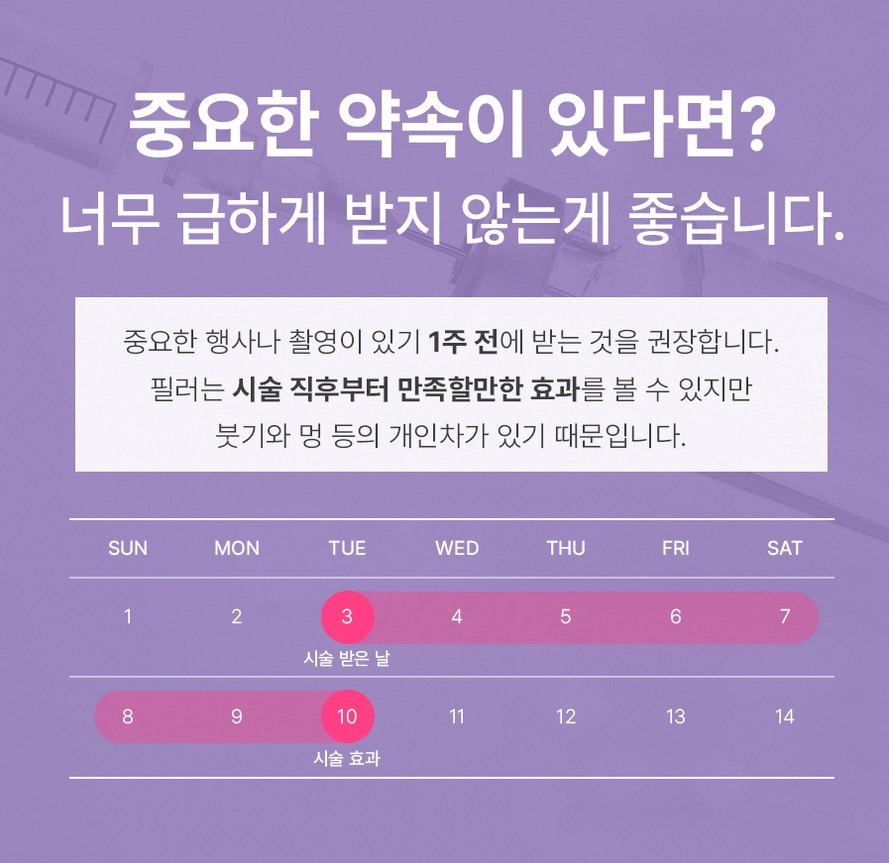
Most people can return to routine daily activities immediately after under eye filler, making it convenient for travelers.
Typical recovery timeline
First 24 to 48 hours: Mild swelling, tightness, or tenderness are common. Small bruises may appear.
First week: Swelling and bruising gradually improve. The area starts to look more natural.
1 to 2 weeks: Final shape becomes clearer. A follow-up visit is often scheduled around this time.
Basic aftercare tips
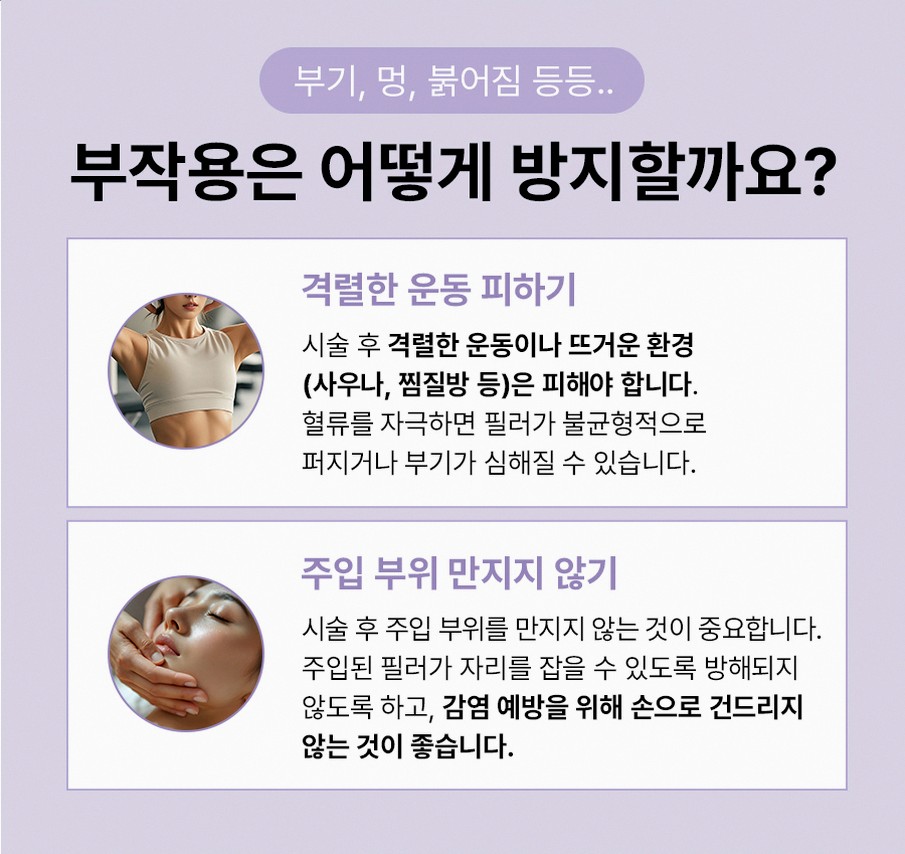
Avoid rubbing or pressing the under eye area for several days.
Sleep with your head slightly elevated on the first night to help reduce swelling.

Avoid intense exercise, saunas, and heavy alcohol for 24 to 48 hours, as these can increase swelling or bruising.
Do not apply heavy makeup immediately over injection points; follow your clinic’s specific guidance.
Attend your follow-up appointment to check symmetry and decide whether a small touch-up is needed.
Comparison with other under eye treatments
When you are comparing options such as under eye filler, laser, lifting, or fat grafting, it helps to understand what each method can and cannot do.
Under eye filler
Best for: Hollows and mild to moderate volume loss, with relatively good skin quality.
Pros: Non-surgical, quick, reversible (for hyaluronic acid), short downtime.
Limitations: Does not remove large eye bags or strong pigment; results are temporary.

Lower eyelid surgery (blepharoplasty)
Best for: Prominent eye bags, loose lower eyelid skin.
Pros: Can remove or reposition fat and excess skin for more structural change.
Limitations: Involves surgery, anesthesia, and longer recovery; not everyone needs this level of intervention.
Fat grafting
Best for: Patients who want a more permanent volume solution and are comfortable with a surgical procedure.
Pros: Uses your own fat; can treat larger areas of volume loss.
Limitations: Requires fat harvesting, has variable fat survival, and longer downtime.
Lasers and skin treatments only
Best for: Fine lines, pigment, and texture issues when volume is adequate.

Pros: Improve skin quality and color.
Limitations: Do not replace missing volume when hollows are the main concern.
Many experienced clinics combine methods, for example, under eye filler plus cheek support, plus a skin treatment, to address volume, texture, and color together.
Why choose a specialized anti-aging clinic in Seoul
For overseas patients, it can be reassuring to choose a clinic that looks at the under eye area in the context of overall aging, not just as a single line to fill.
Key points to consider
Medical team background: Doctors with strong experience in injectables, lifting devices, and anti-aging medicine are often better equipped to design a balanced plan.
In-house cell and exosome programs: A clinic that runs its own cell research lab and exosome or stem cell programs shows a focus on tissue regeneration and long-term skin health.
Range of devices and treatments: Access to RF, ultrasound, lasers, lifting threads, and body contouring allows the clinic to recommend what you truly need instead of a single standard package.
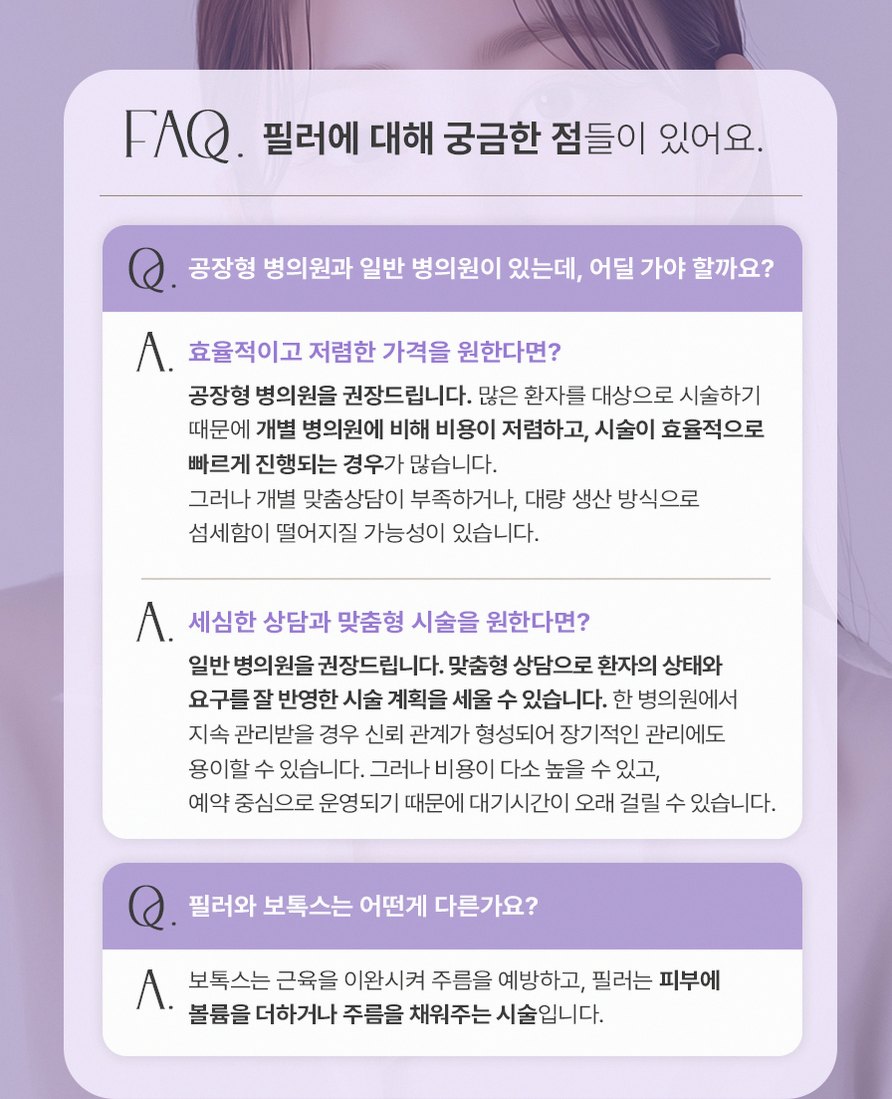
Clinique hus,hu in Cheongdam, Gangnam, integrates under-eye filler with cell-level anti-aging concepts and a wide range of device options, offering a comprehensive, personalized treatment approach. Medical staff credentials are listed on the clinic website; please confirm individual specialist titles directly with the clinic.
Expected Korea visit timeline for under eye filler
While exact schedules vary, many international patients can plan their Seoul visit as follows:
Before arrival: Online consultation, photo review, and preliminary plan. You can also discuss possible combination treatments and approximate recovery.
Day 1: In-person consultation, detailed examination, and final decision. If both you and the doctor agree, under eye filler and related treatments may be performed the same day.
Day 2 to 3: Light swelling or bruising; you can usually continue sightseeing or meetings with basic precautions.
Day 5 to 7: Most visible swelling is gone. Many patients feel comfortable returning home by this time.
1 to 2 weeks: If you are staying longer or returning to Seoul, a follow-up visit can be scheduled. Otherwise, online follow-up with photos is often possible.
FAQs about under eye filler
How do I know if under eye filler is right for me or if I need surgery instead?
If your main issue is a hollow groove and you do not have very large eye bags or very loose skin, under eye filler may be a suitable option. If you have significant fat bulging, sagging skin, or very deep wrinkles, lower eyelid surgery or a combined approach might be more appropriate. An in-person examination is essential to decide, and many clinics can give you an initial opinion based on photos before you travel.

Is under eye filler painful, and what kind of anesthesia is used?
Most patients describe under eye filler as mildly uncomfortable rather than very painful. Numbing cream is usually applied, and in some cases a small amount of local anesthetic is injected. Many fillers also contain lidocaine, a local anesthetic, which helps reduce discomfort during the procedure. You may feel pressure or a strange sensation, especially when a cannula is passed under the skin, but this is typically brief.
How long does under eye filler last, and how often can I repeat it?
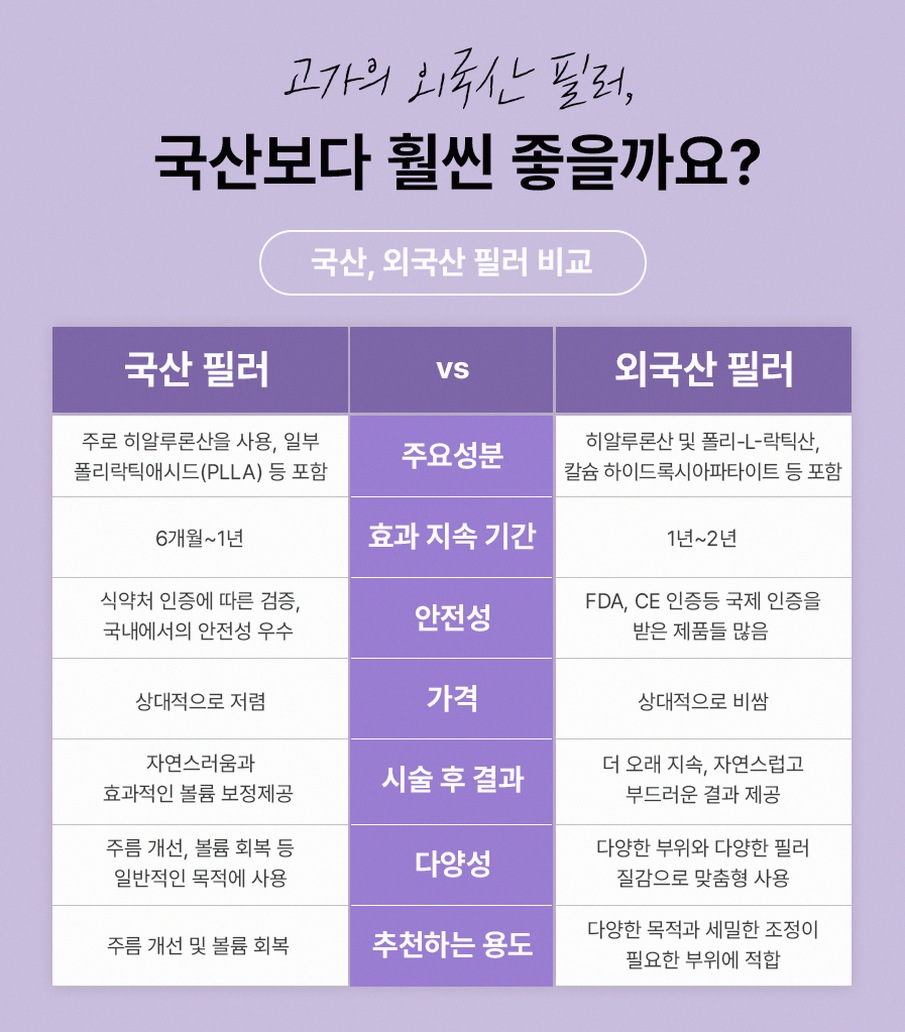
Hyaluronic acid under eye filler usually lasts around 6 to 12 months, though this can vary from person to person. Some people choose to repeat the treatment once a year to maintain their results, while others wait longer. Your doctor will advise on the right interval for you, taking into account how your tissue responds and whether you are combining it with other anti-aging treatments.
Can under eye filler make dark circles worse or cause puffiness?
If under eye filler is placed too superficially, in excessive amounts, or in the wrong patient (for example, someone with strong eye bags), it can lead to puffiness or a bluish tint. This is why careful assessment, conservative dosing, and correct technique are important. When done appropriately, under eye filler usually softens shadows rather than making dark circles worse. If hyaluronic acid filler does cause an unwanted effect, it can often be adjusted or dissolved.
What happens if I do not like the result of my under eye filler?
If you are not satisfied with the appearance after the initial swelling has settled, you should return to the clinic for evaluation. Sometimes a small touch-up or gentle molding can improve the outcome. If a hyaluronic acid filler was used and the problem is due to overfilling or placement, hyaluronidase can be injected to dissolve part or all of the filler. It is important to wait until the early healing phase has passed before making major changes.
Is under eye filler safe for first-time filler patients?
Under eye filler can be performed safely in first-time patients when proper precautions are taken. Because the area is delicate, many doctors use especially conservative amounts and may suggest staging the treatment in two sessions. A detailed consultation about your medical history, expectations, and risk tolerance is essential before proceeding.
Can I combine under eye filler with exosome or skin booster treatments?
Yes, under eye filler is often combined with exosome-based injections or skin boosters to improve overall skin quality and fine lines. The timing and sequence depend on your specific condition; sometimes skin quality treatments are done first, especially if the skin is very thin or crepey. Your doctor will plan the order to minimize swelling and optimize results.
How soon before an important event should I get under eye filler?
It is generally wise to schedule under eye filler at least 2 weeks before a major event such as a wedding, photo shoot, or important meeting. This allows time for initial swelling and any bruising to settle, and for minor adjustments if needed. While many people look presentable within a few days, planning extra time reduces stress.

Soft call to action for overseas patients
If you are considering under eye filler in Seoul to improve hollows, dark shadows, or fine wrinkles, an online consultation is a practical first step. By sharing clear photos and your medical history, you can receive a preliminary assessment, learn whether you are a good candidate, and understand which combination of treatments might suit you best.
Clinics like Clinique hus,hu in Cheongdam, near Apgujeong Rodeo Station, can help you plan your visit schedule, expected recovery, and follow-up options before you book your flight.
This article is for general information only and does not replace a personal consultation with a qualified medical professional. Individual results and suitable treatments vary, and all procedures involve potential risks that should be discussed in detail with your doctor before deciding.
- 공유 링크 만들기
- X
- 이메일
- 기타 앱


댓글
댓글 쓰기