Aptos lifting in Seoul: overseas checklist for patients
- 공유 링크 만들기
- X
- 이메일
- 기타 앱
Aptos lifting is a minimally invasive thread lift that uses specially designed Aptos threads to gently reposition sagging facial tissues and improve contours such as the jawline, midface, and lower face. It is usually performed under local anesthesia; procedure time varies by treatment area and clinic—Clinique hus,hu reports that many appointments may take under an hour depending on the areas treated—and generally offers a subtle to moderate lifting effect with shorter downtime than surgery. In Cheongdam, Gangnam, Clinique hus,hu integrates Aptos lifting into broader anti-aging plans that also focus on skin quality and cell-level regeneration, so it can be combined with energy devices or regenerative injections when appropriate.
This guide explains what Aptos lifting is, who may consider it, how to prepare from overseas, what a typical visit to Korea looks like, and what to expect during recovery.
What is Aptos lifting
Aptos lifting overview
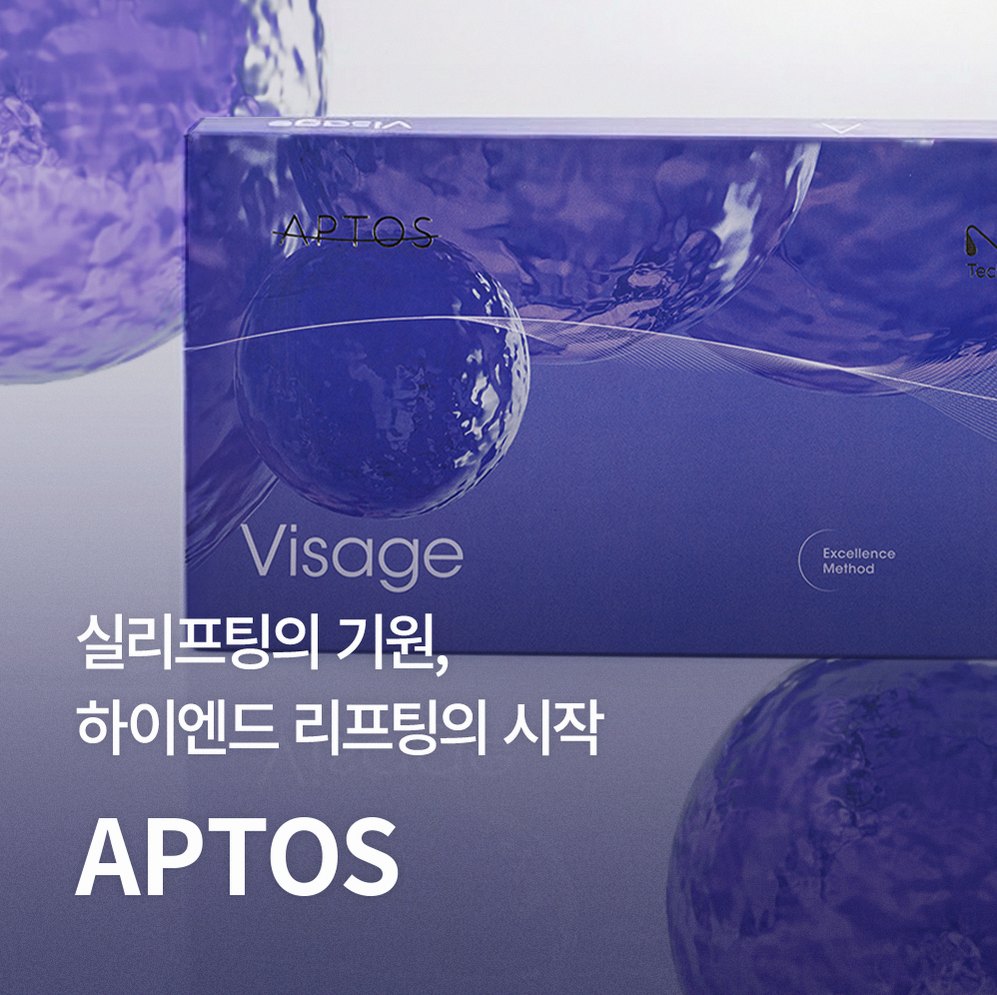
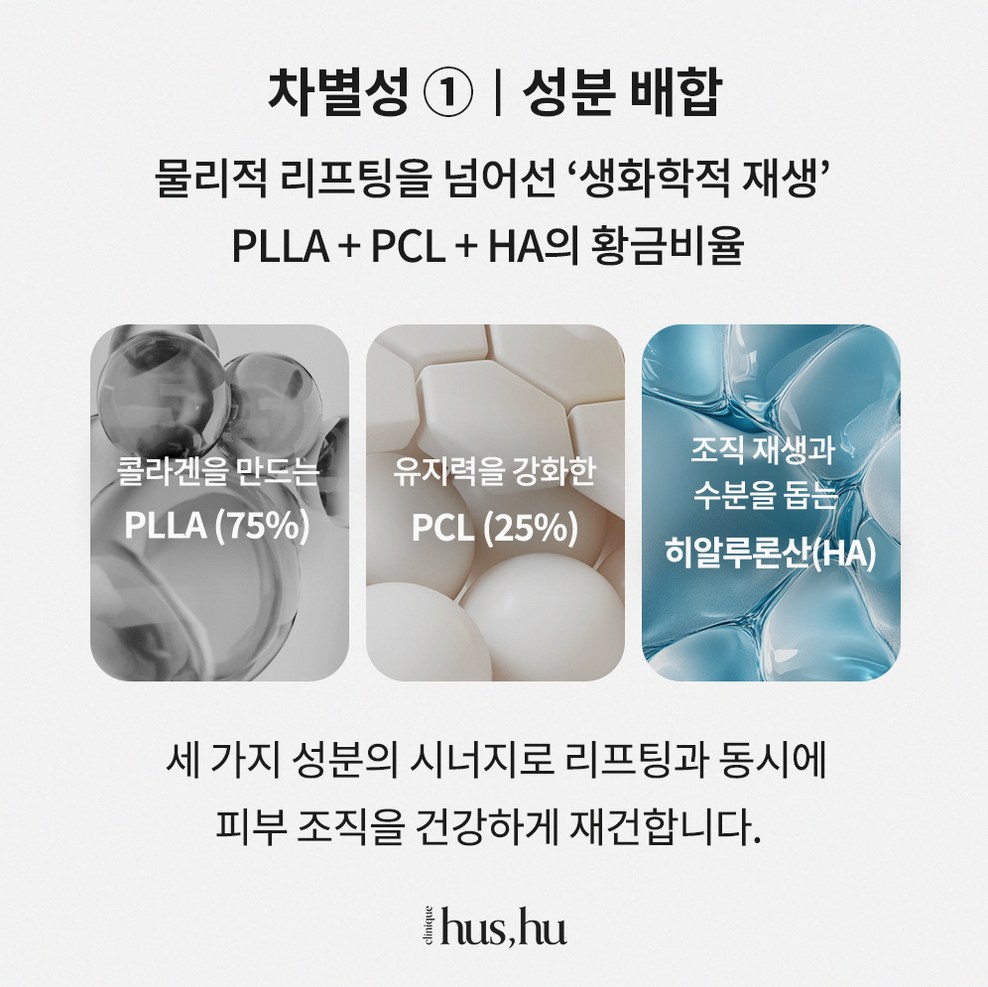
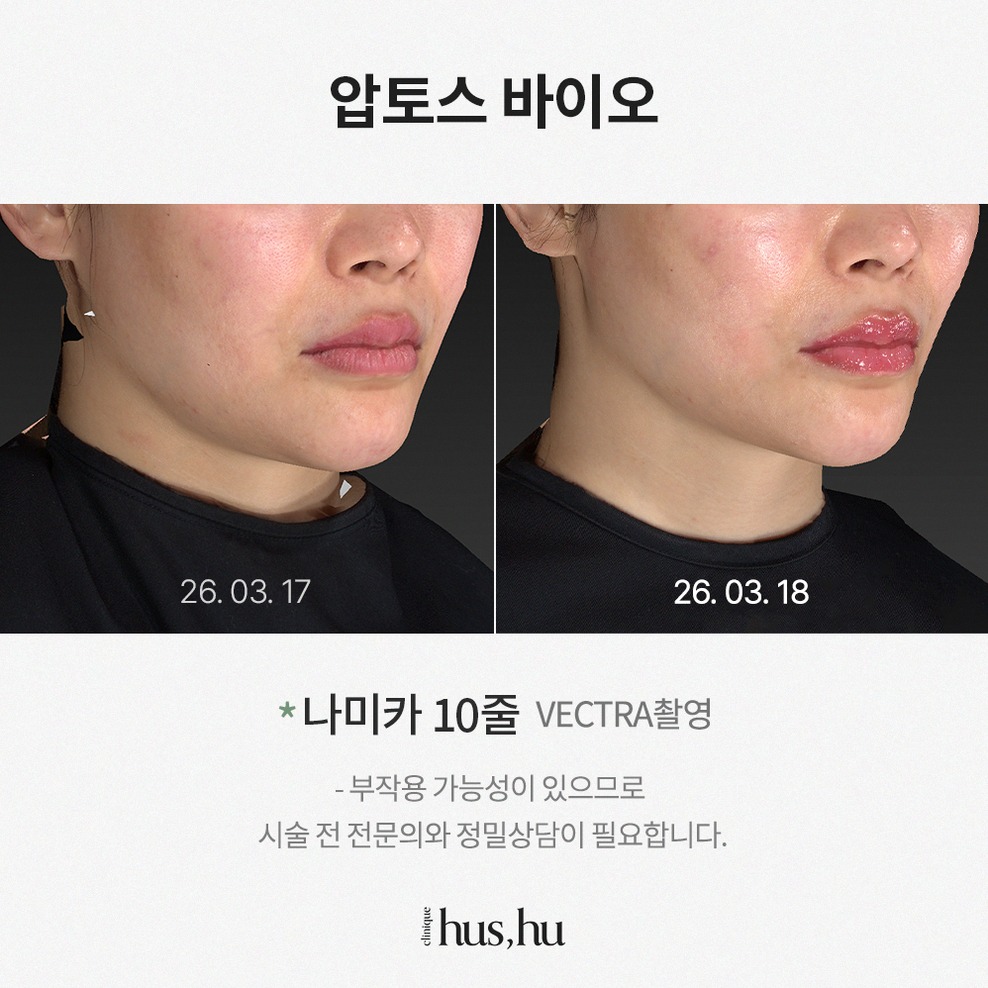
Aptos lifting is a type of thread lift that uses branded Aptos threads to mechanically support and lift sagging facial tissues. These threads have tiny barbs or special textures that grip the tissue and hold it in a more youthful position.
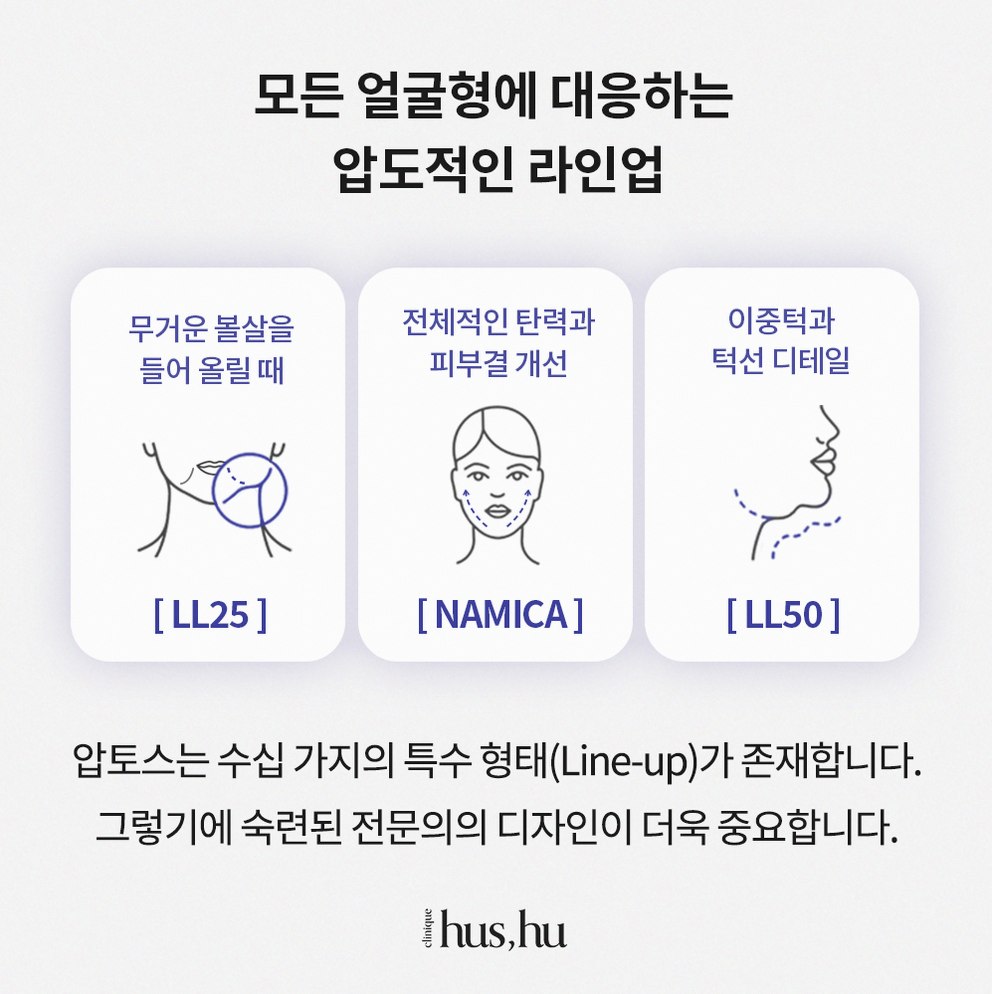
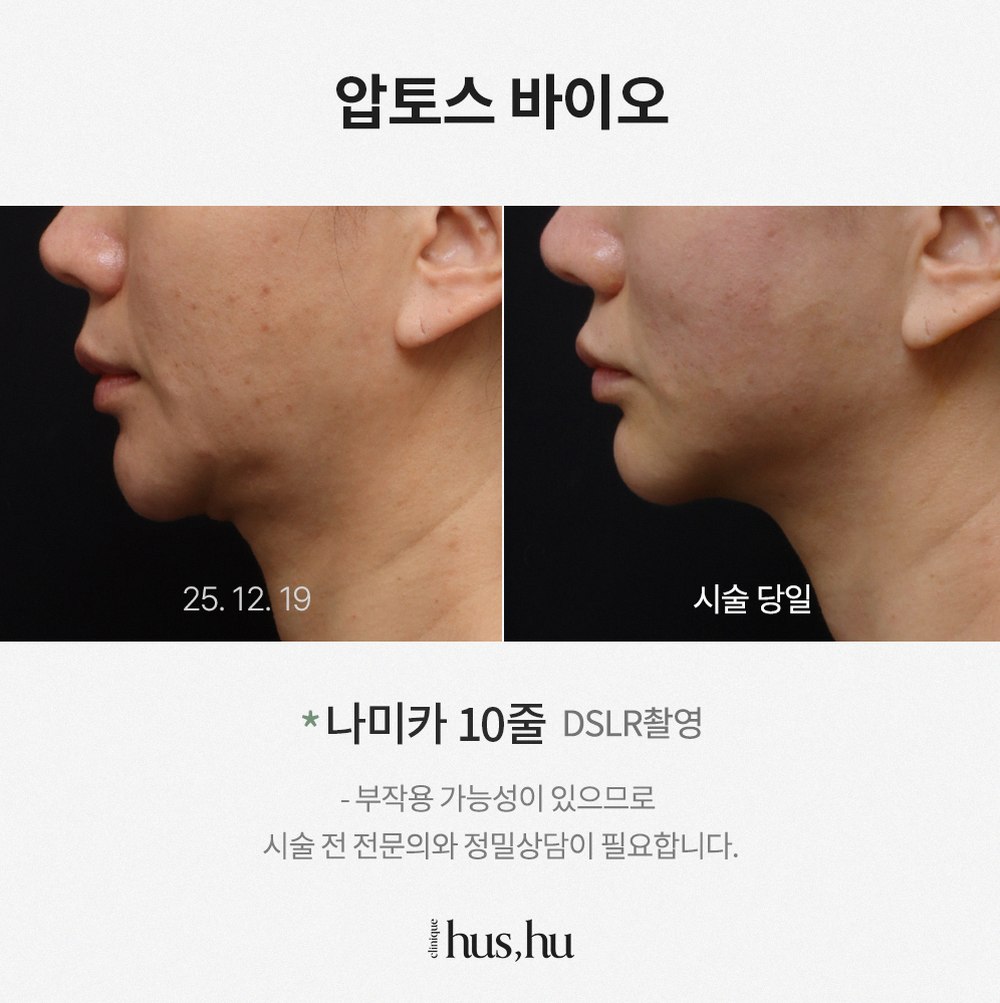
Different models such as Namica 19, LL25, and LL50 can be chosen depending on the area, degree of sagging, and desired lifting direction. The goal is to improve early jowls, soften nasolabial folds and marionette lines, define the jawline, and in some cases address mild neck laxity, without the incisions and long recovery associated with a surgical facelift.
How Aptos threads work
During the procedure, the doctor creates small entry points in the skin, usually with a needle or cannula. Through these points, the Aptos threads are inserted along pre-planned vectors in the deeper tissue layers.
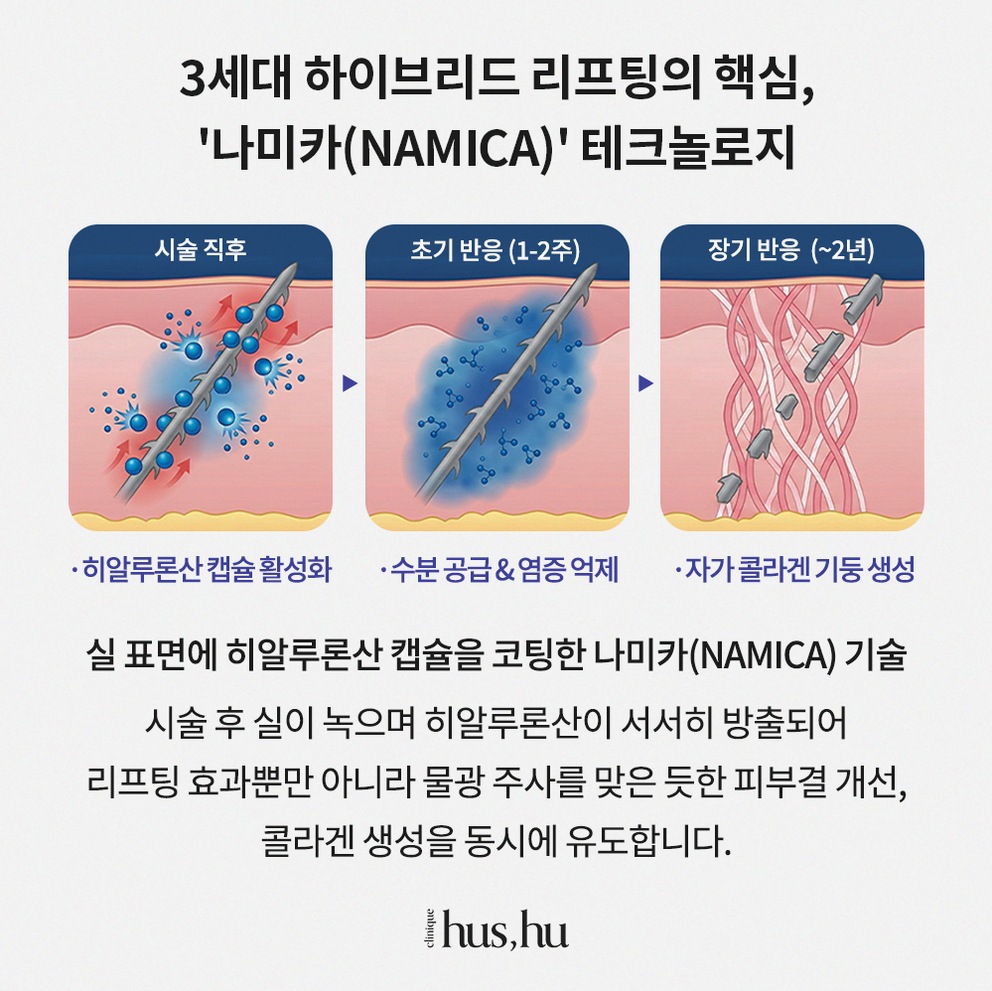
The barbs or textured segments on the threads catch the surrounding tissue. When the threads are gently tightened, the soft tissue is lifted and repositioned. The lift is visible immediately, although there may be some swelling that temporarily exaggerates or hides the final result.
Over the following weeks and months, your body forms collagen around the threads. This collagen support can help maintain improved firmness and contour even as the threads themselves gradually lose strength or are absorbed, depending on the thread type.
Areas that can be treated
Aptos lifting is typically used for
Midface sagging, such as flattened cheeks and deepening nasolabial folds
Early jowling and blurring of the jawline
Marionette lines around the corners of the mouth
Certain cases of mild neck laxity or double chin contouring
It is not designed to replace a full surgical facelift in cases of severe sagging, but rather to address early to moderate aging changes.
Who may consider Aptos lifting
Suitable candidates
Aptos lifting is generally considered for adults who have
Mild to moderate skin laxity in the midface, jawline, or lower face
Relatively good skin thickness and elasticity
Clear, realistic expectations of a subtle to moderate lift, not a dramatic transformation
A desire to avoid general anesthesia and long surgical recovery

It can be a good option for people who feel that non-invasive tightening treatments like ultrasound or radiofrequency are no longer enough on their own, but who are not ready for or do not need a surgical facelift.
Who should be cautious
Aptos lifting is not ideal for everyone. Extra caution or alternative options may be recommended if you have
Very thin or severely lax skin, where threads may become visible or fail to provide sufficient support
Very heavy tissue or advanced sagging that would respond better to surgery
Significant facial asymmetry that may be difficult to correct with threads alone
Uncontrolled systemic disease, bleeding disorders, or active skin infection in the treatment area
A history of keloid formation or current use of anticoagulant medications, which require careful individual assessment
A thorough consultation is essential to determine whether Aptos lifting is appropriate for your face and medical situation.
Aptos lifting within a broader anti-aging strategy
In this setting, Aptos lifting is often combined with other treatments such as
Energy-based tightening: HIFU (for example Ulthera Prime), radiofrequency tightening (for example Thermage FLX), monopolar needle RF (for example Exion), or facial muscle stimulation (for example Emface) to improve skin firmness and support.
Regenerative injections: Some clinics offer advanced regenerative approaches—examples include autologous exosome programs such as Mysome, combined protocols like Thermage FLX plus exosomes, or non-cultured autologous cell-concentration systems such as Harvest SmartPReP2—intended to support skin quality from within. These are advanced procedures with variable outcomes; their regulatory status, indications, and safety profiles can differ, so discuss risks, benefits, and consent with your treating clinic.
Volume and contour support: fillers such as Ellanse, Lapullen, Restylane, or Juvederm to restore lost volume and refine contours where threads alone are not enough.
Clinics with many devices and techniques can build a staged plan that may include Aptos lifting at one point, and energy or regenerative procedures before or after, depending on your needs.
How Aptos lifting compares with other treatments
Compared with energy-based devices
Aptos threads physically reposition tissue. They pull and hold sagging structures upward along specific vectors.
Energy-based devices such as Thermage FLX, Ulthera Prime, Exion, or Emface mainly work by heating deeper layers of the skin or stimulating muscles to trigger collagen production and tightening. They improve firmness and texture but do not mechanically pull tissue up.
In many cases, combining both approaches can be helpful. Threads provide an immediate contour change, while energy devices support long-term tightening and skin quality.
Compared with fillers
Fillers restore volume where it has been lost, for example in the cheeks, temples, or around the mouth. They can indirectly improve sagging by creating structural support, but they do not actually pull tissue upward.
Aptos lifting can be used to reposition sagging tissue, while fillers are used to replace volume and smooth transitions. For some faces, both are needed: threads for lift, fillers for shape.
Compared with surgical facelift
Aptos lifting is less invasive than surgery. It uses small entry points instead of long incisions, is usually performed under local anesthesia, and has a shorter recovery period.
However, the effect is more modest and temporary compared with a surgical facelift. Aptos lifting is best positioned as an intermediate step for early to moderate aging, not as a substitute for surgery in cases of severe sagging.
Online consultation and pre-visit preparation
Preparing from overseas
If you live outside Korea, an online consultation is usually the first step. Before contacting the clinic, it helps to prepare
Clear photos of your face and neck from the front, 45-degree angles, and both profiles, taken in good natural light without filters
A brief description of your main concerns, such as “early jowls,” “sagging around the mouth,” or “looser neck skin”
Information on any previous treatments, including thread lifts, HIFU, RF, fillers, or surgery, and when they were done
A list of current medications and health conditions, especially blood thinners, autoimmune diseases, or bleeding disorders

During online consultation
In a remote consultation, the medical team will typically
Assess your facial structure, skin thickness, and degree of laxity from your photos
Discuss whether Aptos lifting alone is likely to meet your goals, or whether it should be combined with other treatments such as Thermage FLX, Ulthera Prime, Exion, Emface, or fillers
Explain the expected level of lift, possible side effects, and realistic longevity of results for your age and skin condition
Review your medical history and any factors that may increase risk or affect recovery
Outline a tentative treatment plan and suggest how many days in Korea you should plan for
Questions to ask before you book
Before finalizing your trip, it is wise to ask
Which areas of my face are you planning to lift with Aptos threads, and how many threads are estimated?
Do you recommend combining Aptos lifting with any energy devices or injections for my case? If so, in what order?
How many days of visible swelling or bruising should I expect based on your experience with similar patients?
What aftercare visits are recommended, and can any follow-up be done online once I return home?
Having these answers in advance helps you plan your schedule, flights, and any time off work.
Expected Korea visit timeline
Arrival and consultation
Many overseas patients arrive one or two days before the planned procedure. This allows time for
In-person consultation and detailed facial analysis
Review of your expectations versus what Aptos lifting can realistically achieve
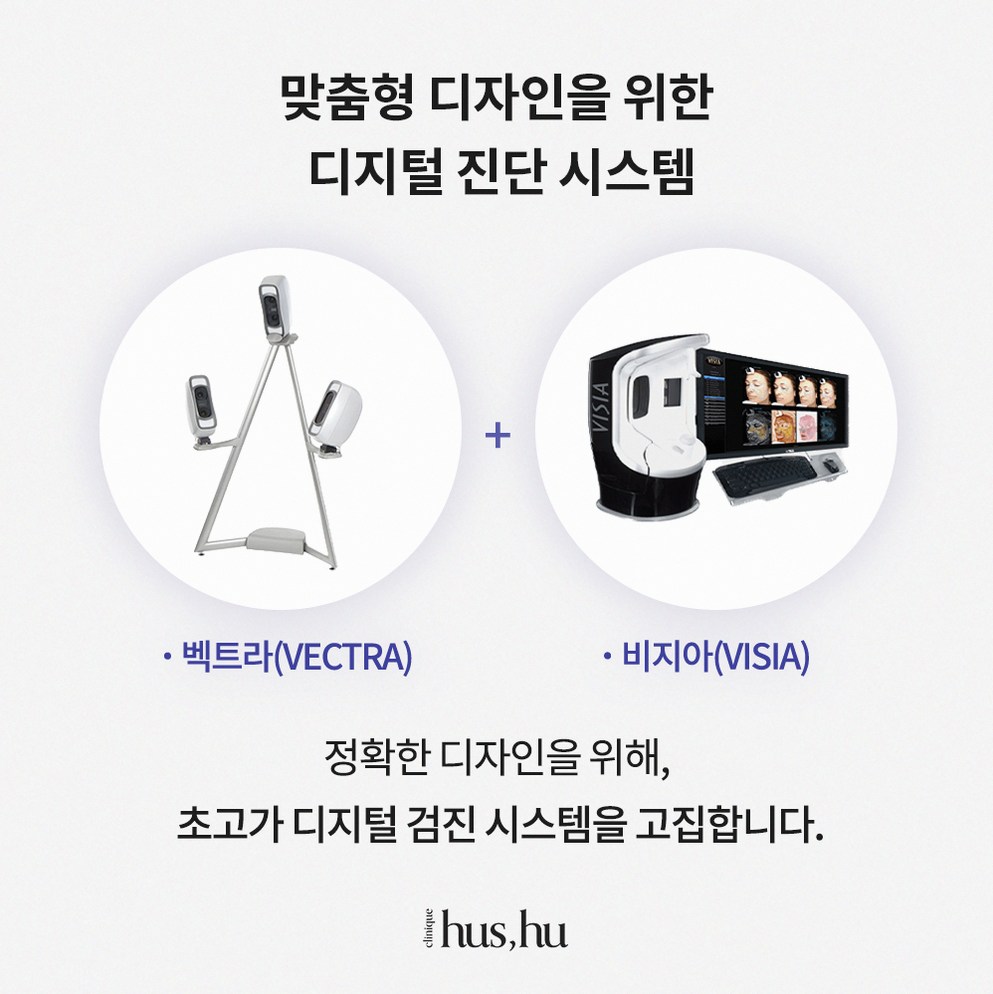
Additional imaging, such as Visia or Vectra, if the clinic uses these systems as part of a holistic assessment
Discussion of whether to add or adjust any combination treatments, such as Thermage FLX, Ulthera Prime, Exion, or fillers
Procedure day
On the day of Aptos lifting, you can expect the following steps
Photography and marking of vector lines and anchoring points on your face
Application of topical numbing cream if used, followed by local anesthesia injections along the planned thread paths
Creation of small entry points with a needle or cannula
Insertion of Aptos threads along pre-marked vectors, followed by gentle mechanical lifting of tissues
Adjustment of tension to achieve balanced lift, trimming of thread ends, and application of small dressings if needed
The procedure usually takes about 30–60 minutes, depending on how many areas are treated.
Early recovery in Seoul
Most patients can leave the clinic shortly after the procedure. You may experience

Swelling and mild bruising, especially along the thread paths
A feeling of tightness or pulling when you smile, chew, or talk
Slight asymmetry from swelling, which usually improves as the tissues settle
Clinics often recommend staying in Korea for several days after Aptos lifting so that any early issues can be checked. A common pattern is
Day 0: Procedure
Day 1–3: Swelling and possible bruising; follow-up visit if advised
Day 4–7: Gradual reduction of swelling, with most people able to go out with light makeup and simple masking
If possible, avoid scheduling important photo events or meetings in the first week.

Aftercare and recovery
Immediate aftercare
Right after Aptos lifting, you will usually be advised to
Apply cold packs intermittently for the first day or two to reduce swelling
Sleep on your back with your head slightly elevated for several nights
Avoid pressing or massaging the treated areas unless specifically instructed
Short-term restrictions
For a short period after the procedure, many doctors recommend
Avoiding strenuous exercise and heavy lifting for about one to two weeks
Minimizing exaggerated facial movements, such as big yawns or very wide smiles, in the early days
Avoiding facial massages, facial treatments, or dental procedures that require strong mouth opening for a few weeks
Being gentle when washing your face or applying skincare products
These precautions help the threads stabilize in their new position.
Healing and results timeline
You will see an immediate lifting effect, but it is normal for the face to look slightly uneven or over-lifted at first due to swelling. Over the next
1–2 weeks: Swelling and bruising gradually improve. The face starts to look more natural.
4–8 weeks: Collagen begins to form around the threads, and the lift becomes more settled and refined.
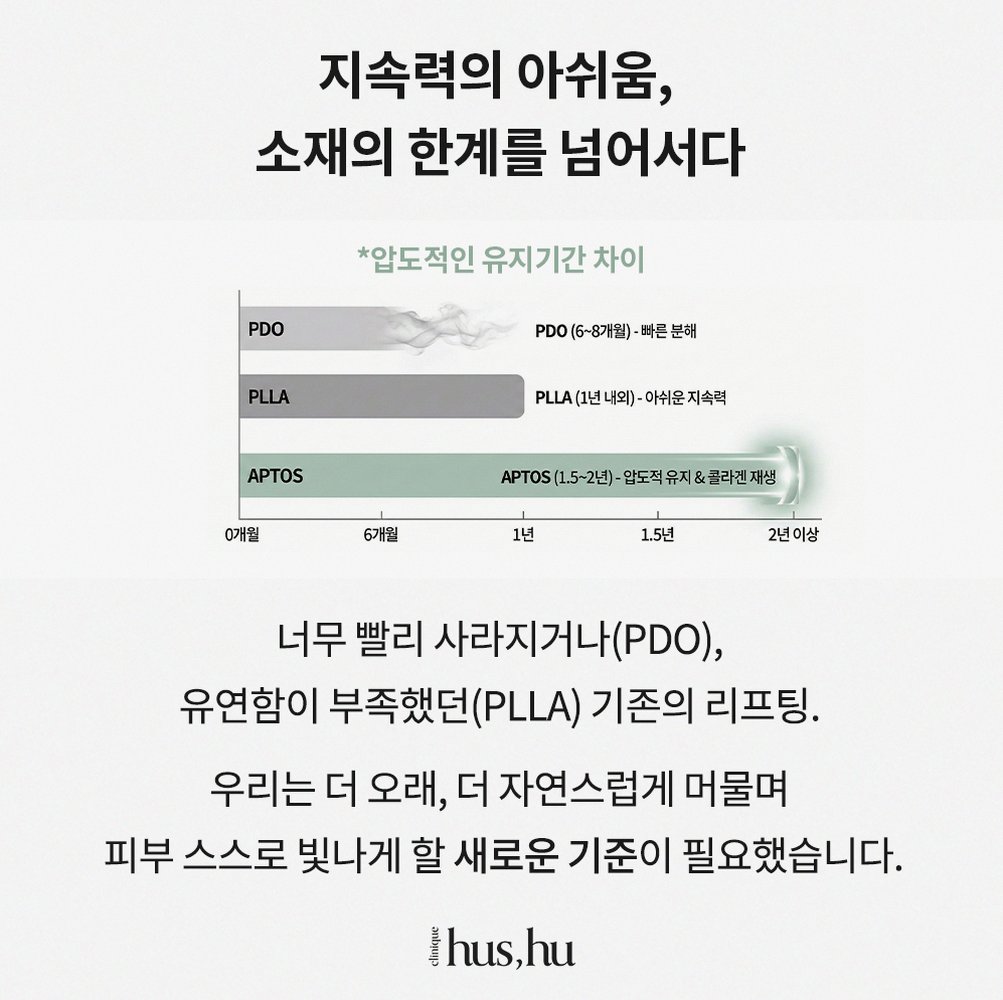
Several months to 1–2 years: The supportive collagen continues to help maintain improved contours, although the exact duration varies with thread type, skin quality, and lifestyle.
Results are considered semi-permanent. Many patients discuss touch-up or complementary treatments after about one to two years, depending on how their aging process continues.
Safety, risks, and risk management
Common side effects
Common, usually temporary side effects include
Swelling, redness, and bruising along the thread paths
Mild pain or discomfort, especially with facial movement in the first days
A feeling of tightness or pulling
Occasional small irregularities or palpable threads that often soften as tissues settle
Possible complications
Less common but important risks to be aware of are
Asymmetry or insufficient lift, which may require adjustment or additional threads
Thread visibility or migration, especially in very thin or unsuitable skin
Surface dimpling or irregularities if the thread catches too superficially
Infection along the thread path, which may require medication or, rarely, thread removal
Nerve or vessel injury is rare but must be discussed as a potential risk
How clinics manage risk
Risk management depends on
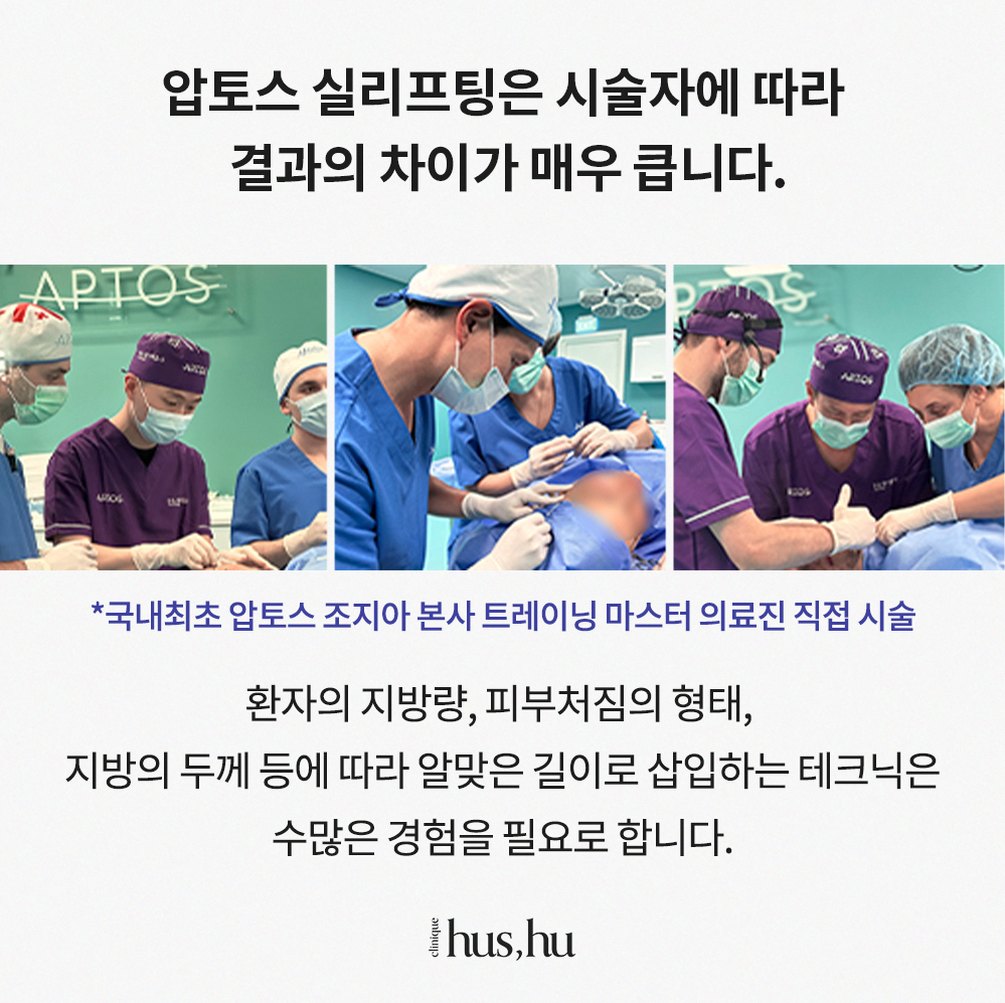
Careful patient selection and realistic planning of what Aptos lifting can and cannot do
Detailed anatomical understanding and precise marking of vectors and anchoring points
Strict sterile technique during the procedure
Clear aftercare instructions and scheduled follow-up to monitor healing
Clinics that work with multiple thread systems and lifting devices can also recommend a different modality if Aptos threads are not the best match for your face.
Experience and equipment context
In Cheongdam, Gangnam, some aesthetic clinics highlight their use of many different devices and lifting methods. For example, alongside Aptos threads, they may offer Silhouette Soft threads, Ulthera Prime, Thermage FLX, Exion, Emface, Prime Raise, Onda, Exilis Ultra, AdvaTx, and other systems.
This range allows more precise customization rather than a one-size-fits-all approach. Medical teams with backgrounds in injectables, thread lifting, and academic work typically develop evidence-based protocols that match specific techniques to each patient’s anatomy and goals.
For international patients, asking about the available devices and why a particular combination is recommended can give you insight into how tailored your plan really is.
Frequently asked questions about Aptos lifting
How long can Aptos lifting results last?
Most patients can expect the visible effects of Aptos lifting to last around one to two years, though this varies. Factors include your age, skin thickness, lifestyle, smoking status, sun exposure, and how quickly your body breaks down collagen.
Some people choose a touch-up with additional threads or combine energy-based tightening and regenerative treatments to support longer-lasting firmness. Your doctor can give a more specific estimate after examining your skin and facial structure.
What level of pain and downtime should I expect?
During the procedure, local anesthesia is used, so you may feel pressure and movement but should not feel sharp pain. After the procedure, mild to moderate soreness, tightness, and tenderness are common for a few days.
Most people can return to light daily activities within a couple of days, but swelling or bruising can be visible for one to two weeks. Planning a few quiet days in Seoul after the procedure is usually wise, especially if you are flying in from overseas.
Which areas respond best to Aptos lifting?
Aptos lifting tends to work best for early jowls, jawline definition, midface sagging, and marionette lines. It can also help in selected cases of mild neck laxity.
If there is significant volume loss or very heavy, drooping tissue, your doctor may recommend combining threads with fillers or other lifting methods, or in some cases suggest that a surgical approach would be more appropriate.
Can Aptos lifting be combined with exosome or stem cell-based treatments?
Yes, in some clinics Aptos lifting is integrated into broader regenerative programs. Autologous exosome injections, combined protocols like Thermage FLX plus exosomes, or non-cultured autologous stem cell systems may be used to improve skin texture, elasticity, and recovery.
These treatments do not replace the mechanical lift of threads, but they may support overall skin quality and long-term maintenance. The timing and combination should be planned individually to avoid overloading the skin.
How do I know if I am not a good candidate for Aptos lifting?
You may not be an ideal candidate if you have very thin, fragile skin, severe sagging that clearly needs surgery, uncontrolled medical conditions, or a strong tendency to form keloids. Unrealistic expectations, such as wanting a surgical-level facelift result from threads, are also a warning sign.
A careful consultation that includes medical history, physical examination, and honest discussion of goals is the best way to determine whether Aptos lifting is right for you or whether another method would better match your needs.
Soft call to action
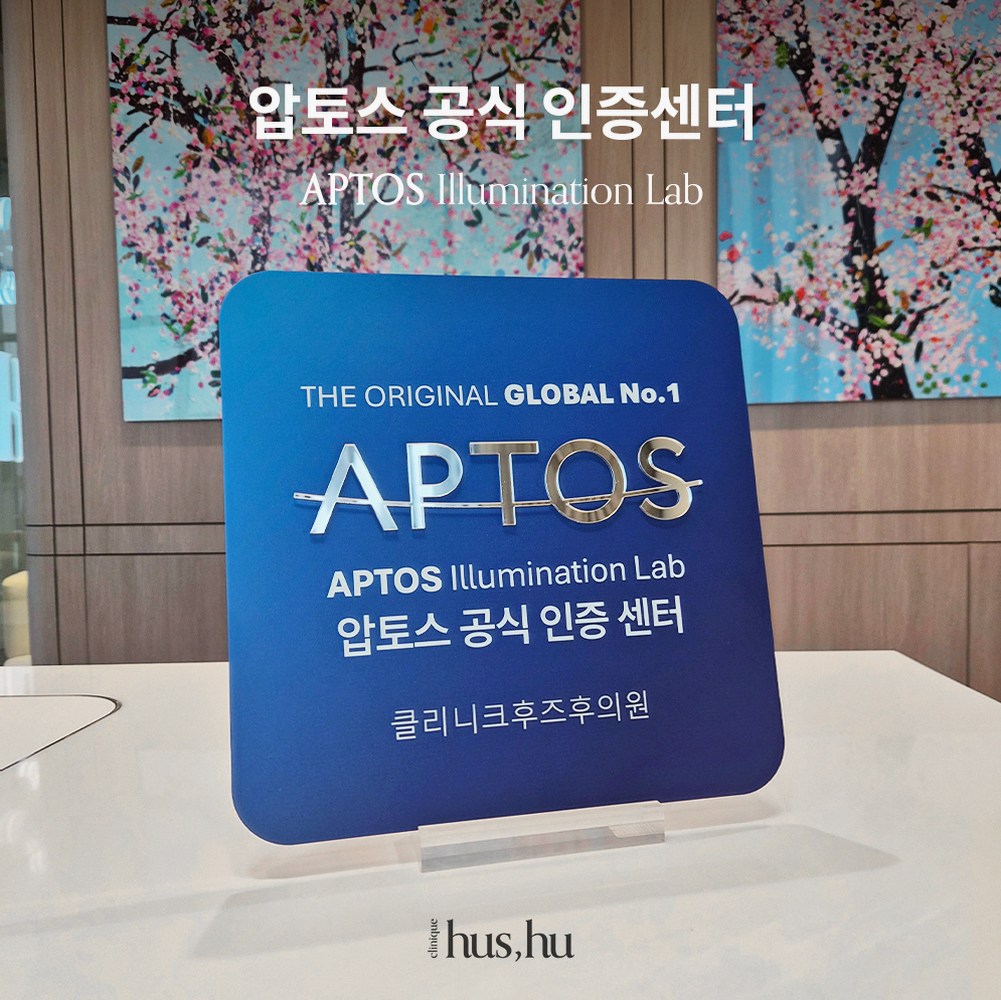
If you are considering Aptos lifting in Seoul and want a personalized plan that may include threads, energy-based tightening, and regenerative care, you can start with an online consultation. For specific information on international patient arrangements, scheduling, and practical travel planning, contact Clinique hus,hu in Cheongdam, Gangnam (near Apgujeong Rodeo Station on the Bundang Line) to confirm current processes and availability.
Share clear photos and your medical history, ask detailed questions about the recommended combination of treatments, and make sure you understand the expected results and recovery. With careful preparation, your visit to Korea for Aptos lifting can be planned in a safe and realistic way that fits your individual aging pattern and lifestyle.
- 공유 링크 만들기
- X
- 이메일
- 기타 앱


댓글
댓글 쓰기