Aptos thread lift duration: how long does it really last in Korea?
- 공유 링크 만들기
- X
- 이메일
- 기타 앱
Direct answer: how long does an Aptos thread lift last?
Many patients experience a visible lift that may last on the order of one to a few years, but individual results vary depending on age, skin quality, lifestyle, and treatment planning. Please confirm any specific duration estimates with the clinic.
The exact timing depends on the thread type and individual factors.
This guide explains what you can realistically expect from Aptos thread lifting, what affects the duration, and how overseas patients can plan a visit to Korea, using Clinique hus,hu in Cheongdam, Gangnam, as an example of a comprehensive, long-term approach.
What is an Aptos thread lift?
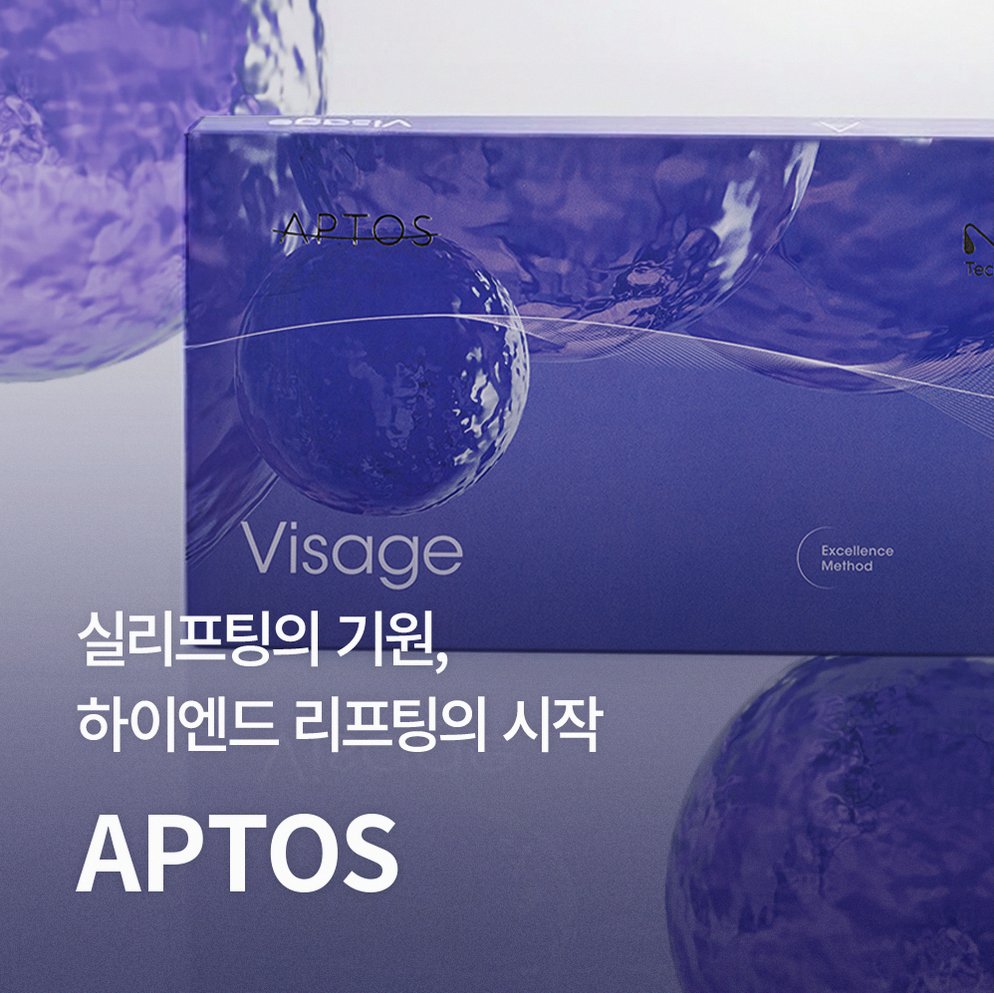
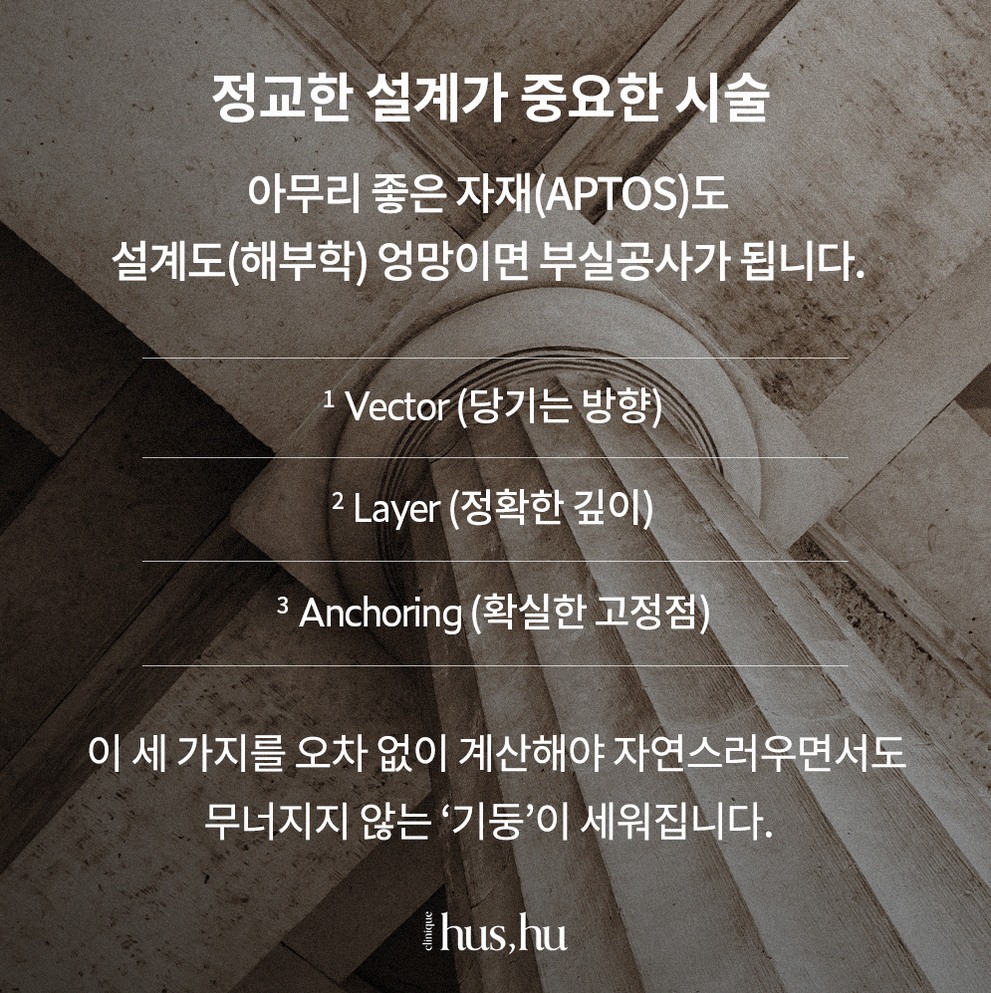
An Aptos thread lift is a minimally invasive lifting procedure that uses fine, barbed or cogged threads to gently reposition sagging facial tissue. Through small entry points in the skin, the doctor passes the threads along planned vectors and anchors them in the deeper layers, then tightens them to lift areas such as the jawline, cheeks, nasolabial folds, and marionette lines.
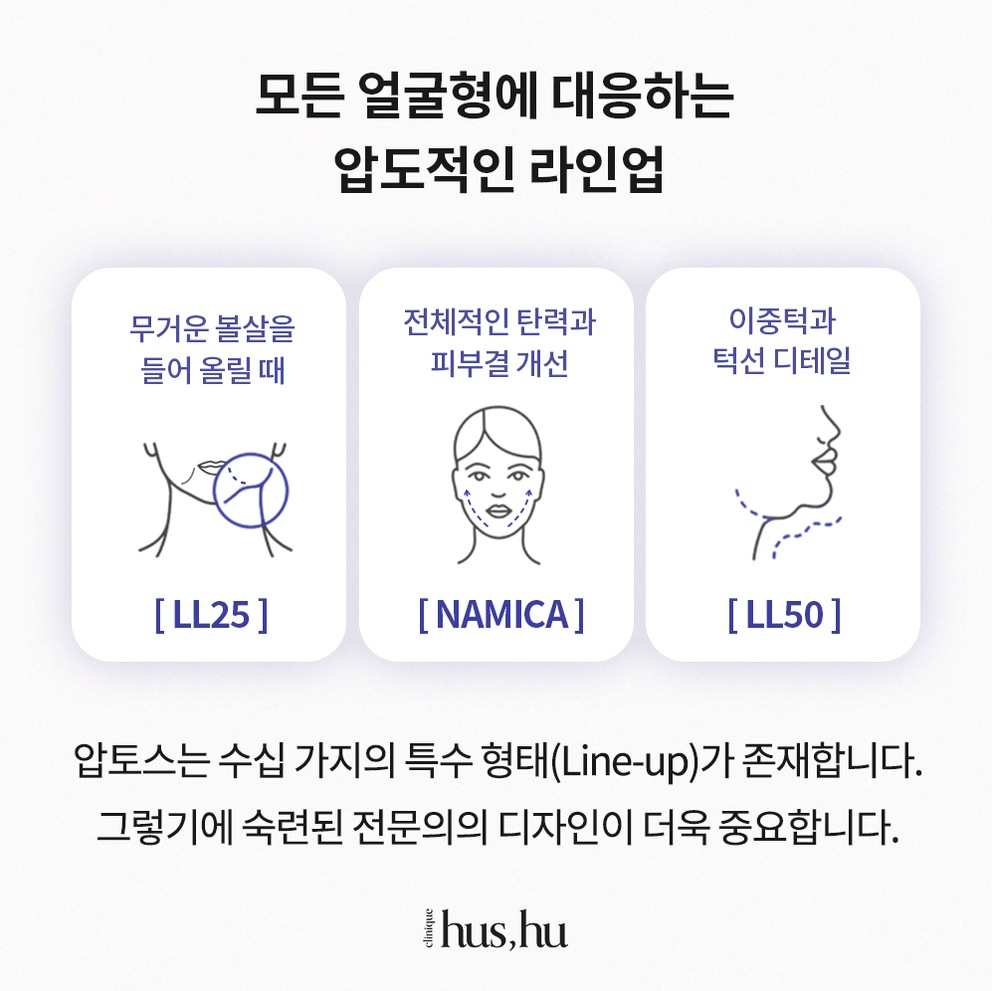
Aptos Namica threads are one family within the Aptos range. Different models, such as Namica 19, LL25, and LL50, have different lengths and designs. Shorter threads may be used for smaller areas or milder sagging, while longer or stronger lifting threads may be chosen for heavier tissue or broader lifting of the midface and jawline.
Because the procedure uses fine instruments and small entry points, it is usually done under local anesthesia, with relatively short downtime compared with surgery. However, it is still a medical procedure that requires careful planning and realistic expectations.
Typical duration of Aptos thread lift results
Visible lifting effect
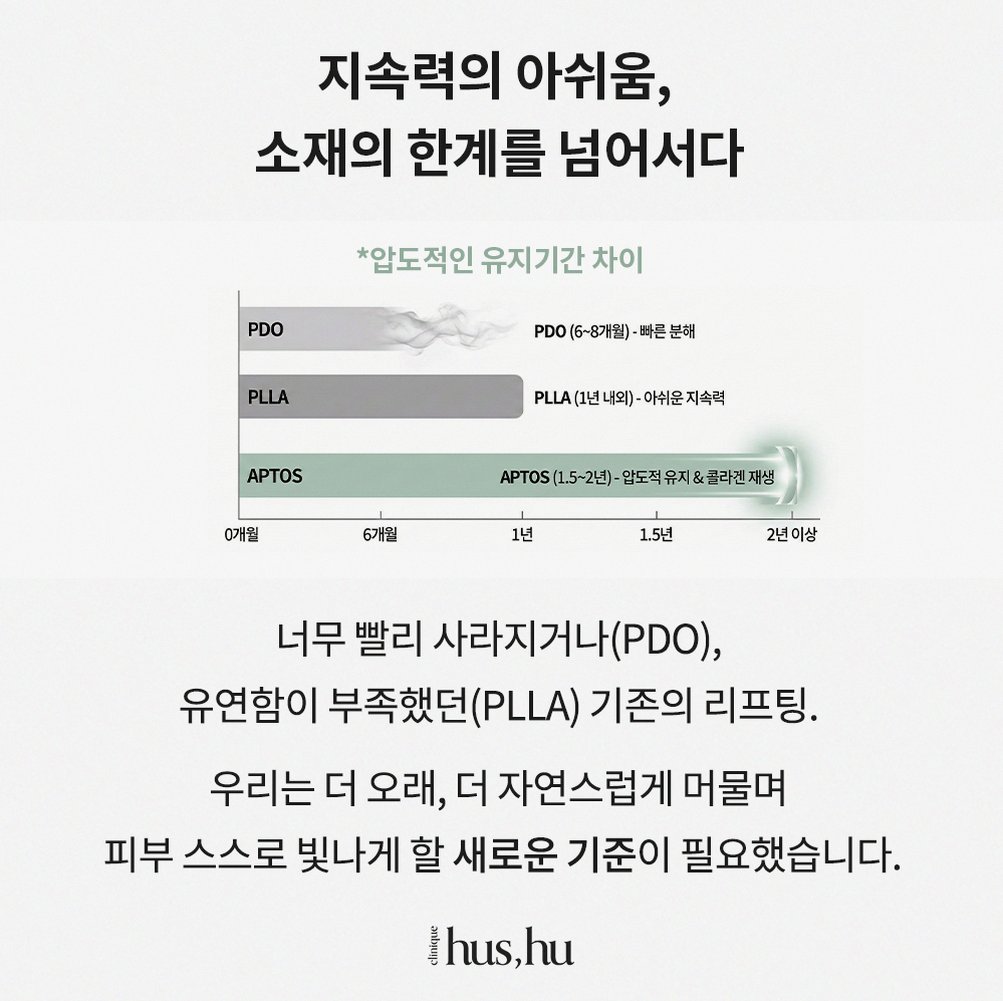
Some people, especially those with thicker, more elastic skin and mild sagging, may feel that the improvement remains noticeable for up to 2 to 3 years. Others, particularly with thin or very lax skin, may see the lift soften earlier.
Collagen and skin firmness
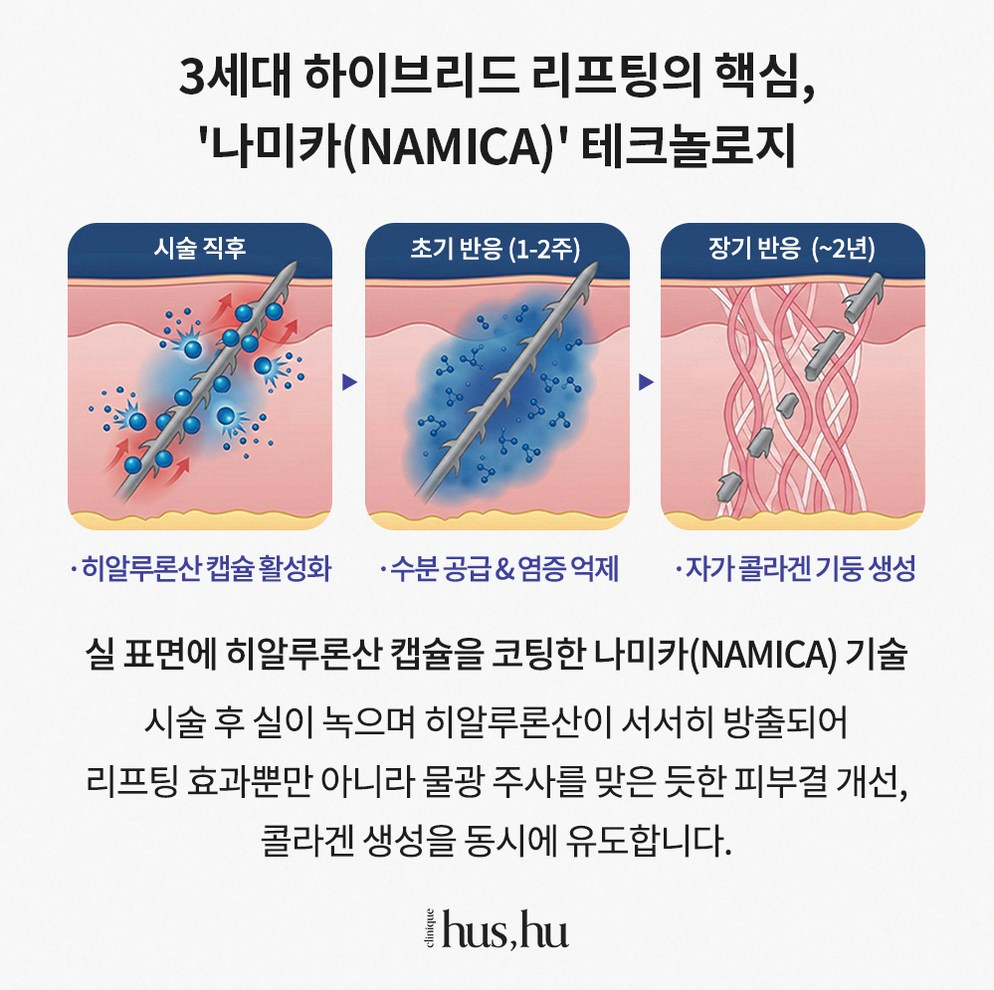
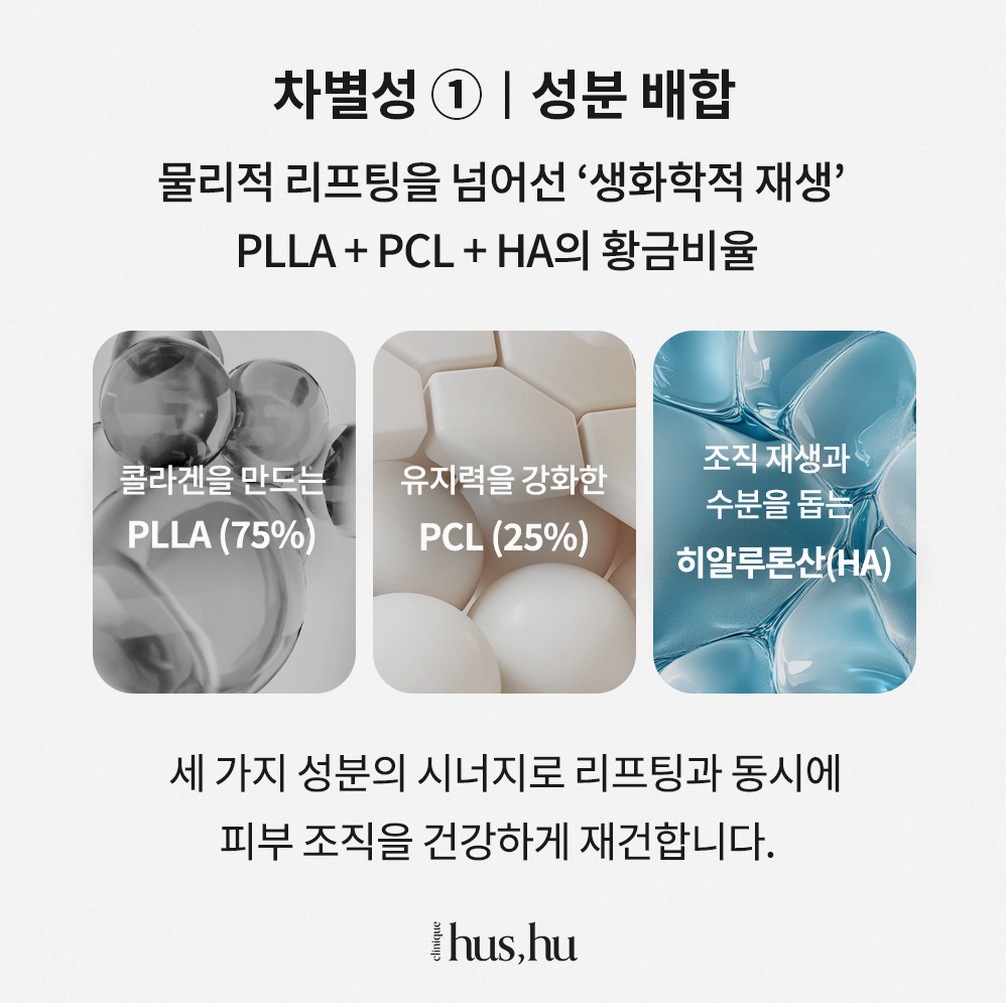
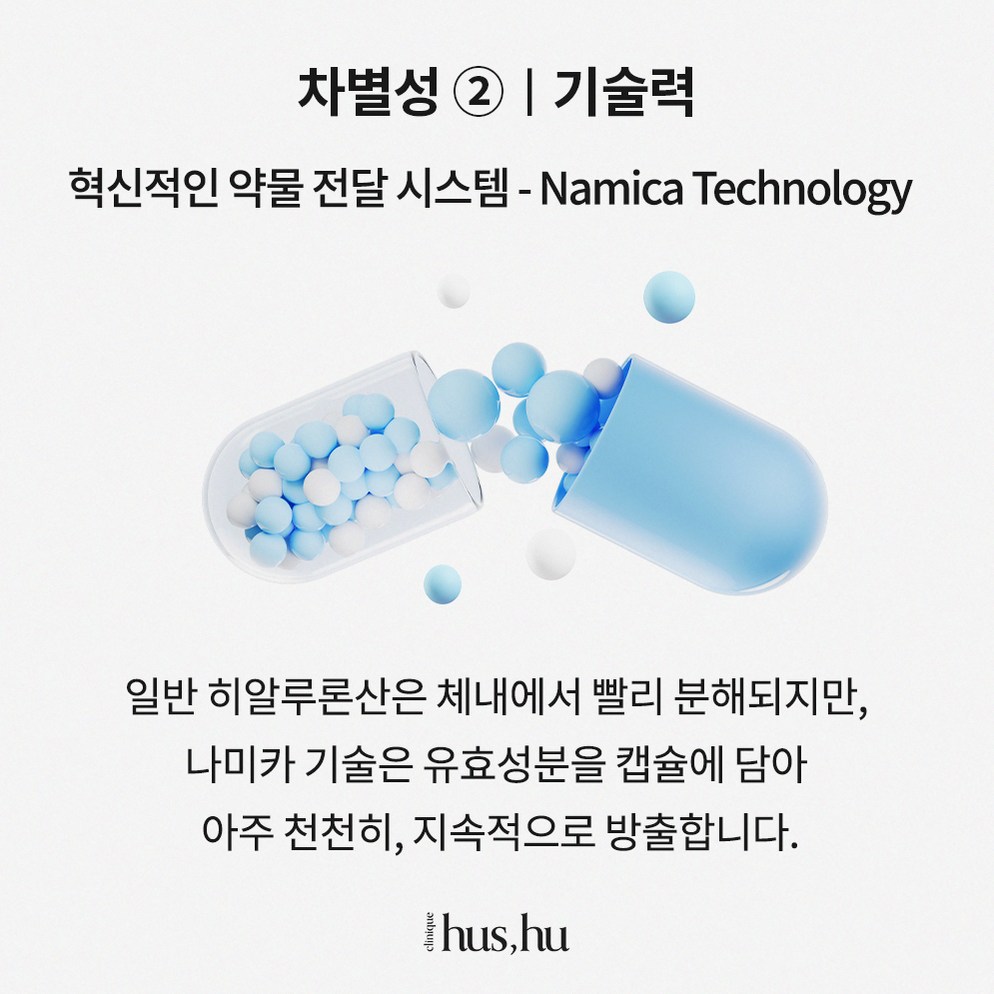
Aptos threads are designed not only to lift but also to stimulate collagen around the threads. As the material slowly dissolves, your own tissue builds a kind of internal support. This collagen effect can outlast the physical presence of the thread itself.
This means that even when the clear lifting effect has reduced, many patients still notice that their skin feels a bit firmer or better supported than before treatment.
Patient satisfaction
Duration is not just about what the doctor sees; it is also about when you personally feel that sagging has returned to a level that bothers you. For some, this may be around 1.5 to 2 years. For others, especially if they combine threads with other anti-aging treatments, satisfaction can last longer.
Factors that affect how long Aptos results last
Thread type and design
Longer, stronger lifting threads are generally used for more significant lifting, such as the jawline and midface. These may provide a more pronounced and sometimes longer-lasting effect compared with lighter, shorter threads used for subtle support.
Within the Aptos Namica series, different models are chosen based on the area, depth, and degree of sagging. Proper matching of thread type, length, and number of threads to your facial anatomy is one of the most important factors for both safety and duration.

Age and skin quality
Younger patients or those with good skin thickness and elasticity often enjoy longer-lasting results. Their tissue holds the threads well and responds strongly with collagen production.
If your skin is very thin, sun-damaged, or has severe laxity, the lift may not last as long, and the improvement may be more subtle. In such cases, threads may be combined with other treatments to improve skin quality first.
Lifestyle and daily habits
Lifestyle can significantly influence how long your Aptos lift looks good.
Smoking and heavy alcohol intake can impair collagen and healing, potentially shortening the duration. Frequent or intense sun exposure without proper protection breaks down collagen faster. Large weight fluctuations after treatment can change the facial fat distribution and pull against the threads. Poor sleep habits and chronic stress can also affect skin health over time.
Treatment plan and combination therapy
An Aptos thread lift can be done alone, but many clinics in Cheongdam and Gangnam design a broader anti-aging strategy around it.
Energy-based lifting treatments such as monopolar radiofrequency or focused ultrasound can help maintain tissue tightness after threads. These devices deliver energy into deeper layers of the skin to stimulate collagen and support the lifted structure.
Regenerative injections, including exosome-based approaches offered by the clinic, are designed to support skin regeneration or help deliver regenerative signals rather than to guarantee specific results. When used thoughtfully alongside thread procedures, they may contribute to more durable or natural-looking outcomes for some patients. Individual responses vary; discuss expectations and suitability with the clinic.
Volume restoration with fillers or collagen stimulators may also be considered when sagging is partly due to volume loss rather than only loose skin. Balancing lift and volume often leads to a more harmonious and longer-lasting outcome.
Aftercare and follow-up
Regular follow-up visits allow the doctor to check how the threads are integrating and to suggest supportive treatments at the right time, rather than waiting until sagging fully returns.
Timeline of changes after Aptos thread lifting
First week
Right after the procedure, you see an immediate mechanical lift from the threads. However, this early stage also includes swelling, tightness, and sometimes mild asymmetry as tissues adjust.
During the first week, the result is not yet final. The face can look slightly over-lifted or uneven until swelling settles and the threads find their stable position.
1 to 3 months
Over the next 1 to 3 months, swelling gradually subsides, and the lift becomes more natural. The threads begin to integrate with the surrounding tissue, and early collagen stimulation starts to contribute to firmness.
This is usually the period when patients begin to see how the final contour will look.
6 to 12 months
From around 6 to 12 months, the lift is often at its most stable and natural-looking. The mechanical support from the threads and the biological support from new collagen work together.
Most patients feel this is the phase when they look refreshed but not obviously treated.
12 to 24 months and beyond
After about a year, the threads continue to dissolve gradually, and natural aging processes go on. The lift slowly softens rather than disappearing overnight.
Between 12 and 24 months, many people start to notice a gradual return of sagging, especially along the jawline and around the mouth. Some may consider a touch-up or combination treatments at this stage.
Even when the main lifting effect has faded, some structural improvement and collagen support often remain compared with never having had the treatment.
What “duration” really means for Aptos lifts
It is important not to think of Aptos thread duration as an on/off switch. There is no exact date when the face suddenly returns to baseline. Instead, there is a curve: a strong improvement at first, a stable phase, then a slow decline.
Also, different aspects last for different lengths of time:
The visible lifting of jowls and midface tends to be most noticeable for 1 to 2 years. Skin firmness and texture improvements from collagen may last longer. Your personal feeling of satisfaction depends on your expectations and how you age during that time.
Who is likely to enjoy longer-lasting results?
Patients with mild to moderate sagging, rather than very heavy jowls, usually see the most natural and durable lift. Good skin thickness and elasticity help the threads grip and hold.
People who understand that a thread lift is not a replacement for a surgical facelift in severe cases tend to be more satisfied. They see Aptos as part of a long-term anti-aging plan rather than a once-in-a-lifetime solution.
Who may see shorter duration?
If your skin is very thin or atrophic, or if you have severe laxity, the lift may be less strong and fade more quickly. Significant weight changes after the procedure can also shorten the apparent duration.
Patients who expect a permanent or surgical-level lift may feel disappointed even if the medical result is reasonable. Clear communication with the doctor before treatment is essential.
How to make your Aptos thread lift last longer
Healthy lifestyle
Maintain a stable weight as much as possible. Large weight loss or gain can change facial volume and pull against the lifted tissues.
Avoid smoking and limit alcohol, as both can damage collagen and slow healing. Prioritize good sleep and stress management to support skin regeneration.
Sun protection and skincare
Daily sun protection is one of the simplest ways to protect your collagen. Use a broad-spectrum sunscreen, wear hats or seek shade, and avoid intense midday sun when possible.
Medical-grade skincare, especially products that support collagen and barrier function, can help maintain the quality of the skin over your threads.
Regular professional follow-up
Plan follow-up visits to monitor sagging and skin quality. Rather than waiting until the lift has completely faded, your doctor may suggest supportive treatments, such as gentle energy-based tightening or regenerative injections, at earlier stages.
This step-by-step approach can extend the overall period during which you feel your face looks lifted and refreshed.
Combination strategies in a comprehensive clinic setting
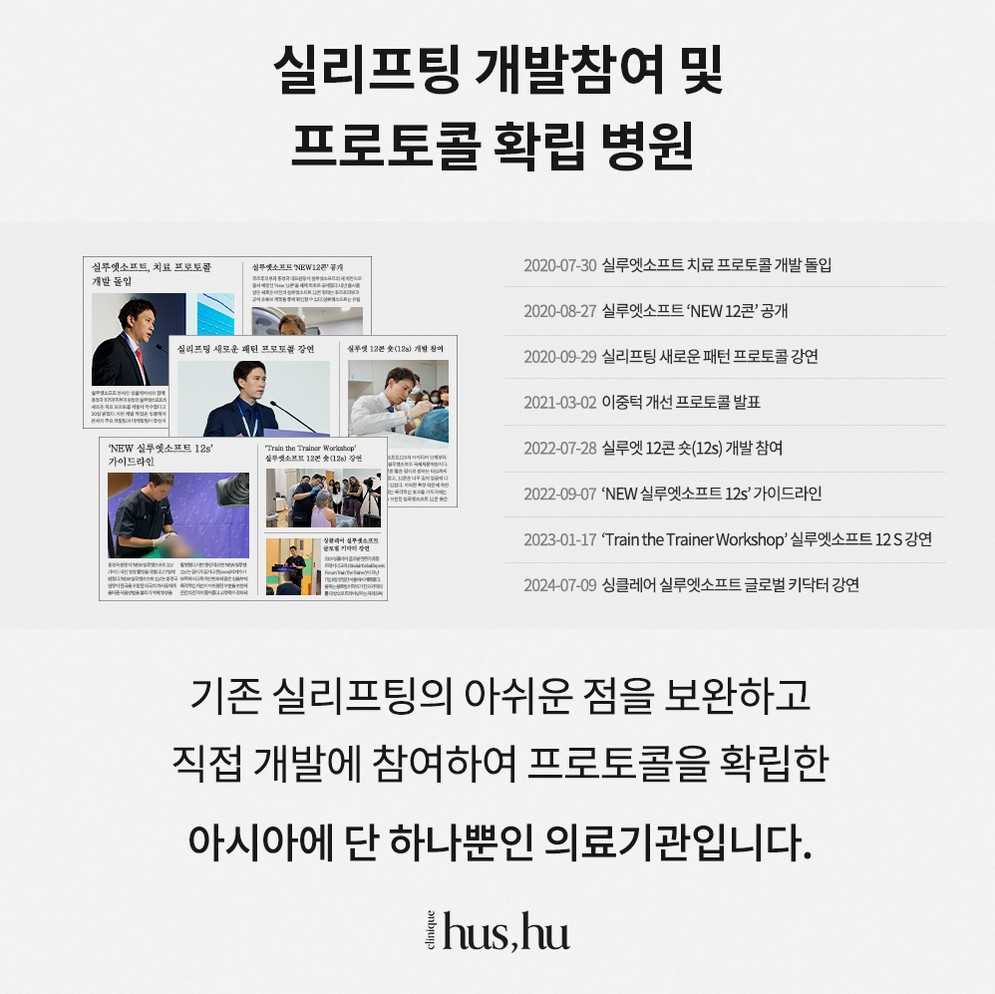
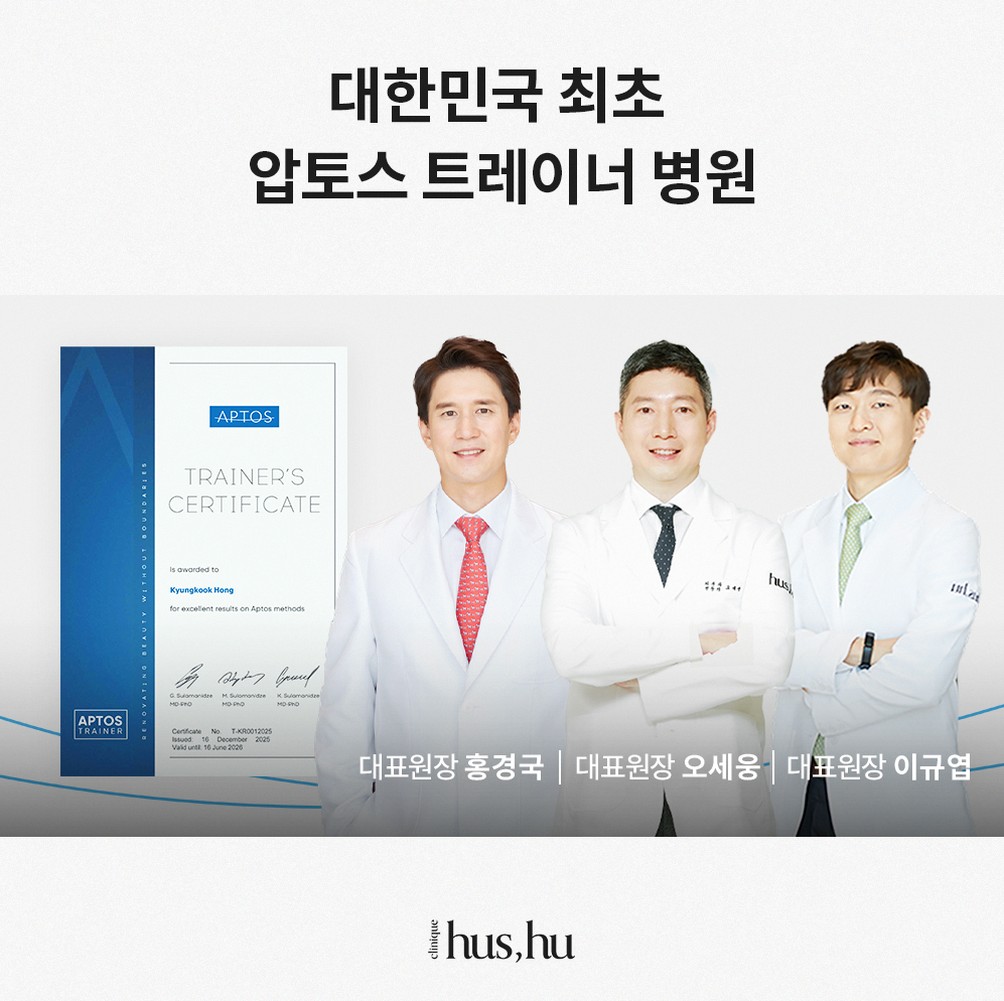
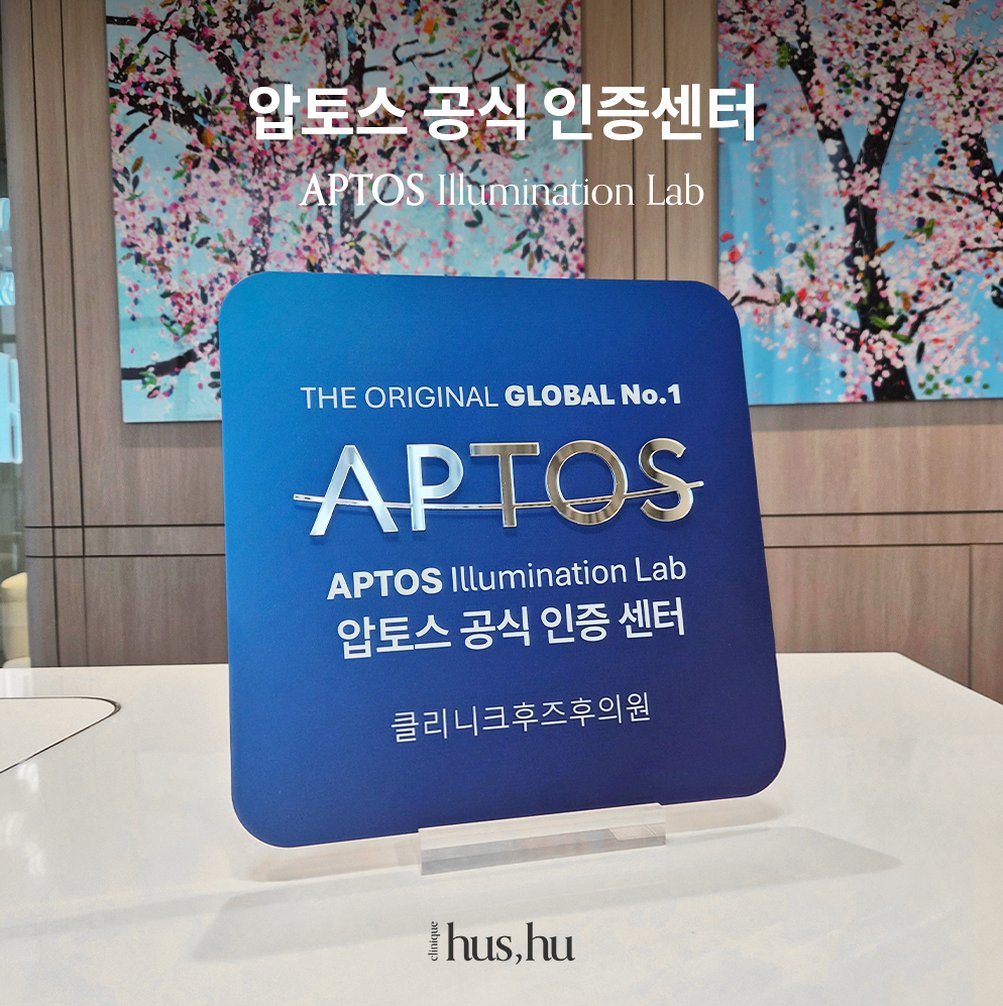
In Cheongdam, Gangnam, near Apgujeong Rodeo Station, some clinics focus on anti-aging from the cellular level, not only on surface lifting. Clinique hus,hu is an example of a clinic that integrates Aptos thread lifting into broader anti-aging programs.
Such a clinic may have an in-house cell research lab and use autologous exosome or stem-cell-based therapies to support healing and skin quality. When combined with Aptos threads, this approach aims to build a healthier foundation under the lifted tissue.
A wide lifting portfolio, including multiple thread systems and more than 20 aesthetic and lifting platforms such as monopolar radiofrequency, ultrasound, and facial muscle stimulation, allows the medical team to customize both the intensity and the expected duration of lifting.
Instead of relying on a single method, the doctor can design a long-term plan: for example, Aptos threads for structural lift, energy-based devices at intervals to maintain tightness, and regenerative treatments to keep the skin biologically younger.
For international patients, this means you can plan your visit not only around a one-time procedure, but also around a roadmap for maintenance, whether done in Korea or partly in your home country.
When to consider a repeat Aptos thread lift
Many patients consider a repeat Aptos treatment around 1.5 to 2 years after the first procedure, when they feel that sagging has returned to a level that bothers them.
In some cases, a smaller touch-up with fewer threads in specific areas may be done earlier, for example, to support the jawline or lift the corners of the mouth.
The ideal timing is highly individual and should be decided after an in-person assessment. Your doctor will consider your previous response, skin condition, and overall aging pattern.
Who may consider Aptos thread lifting in Korea?
Aptos thread lifting may be suitable if you:
Have mild to moderate sagging of the midface, jawline, or lower face. Prefer a minimally invasive option with shorter downtime than surgery. Understand that results are temporary and part of a broader anti-aging strategy. Are willing to follow aftercare instructions and consider maintenance treatments.
If you have very advanced sagging, a surgical facelift may be more appropriate. A detailed consultation will help you understand which option aligns best with your goals.
Online consultation and pre-visit preparation for overseas patients
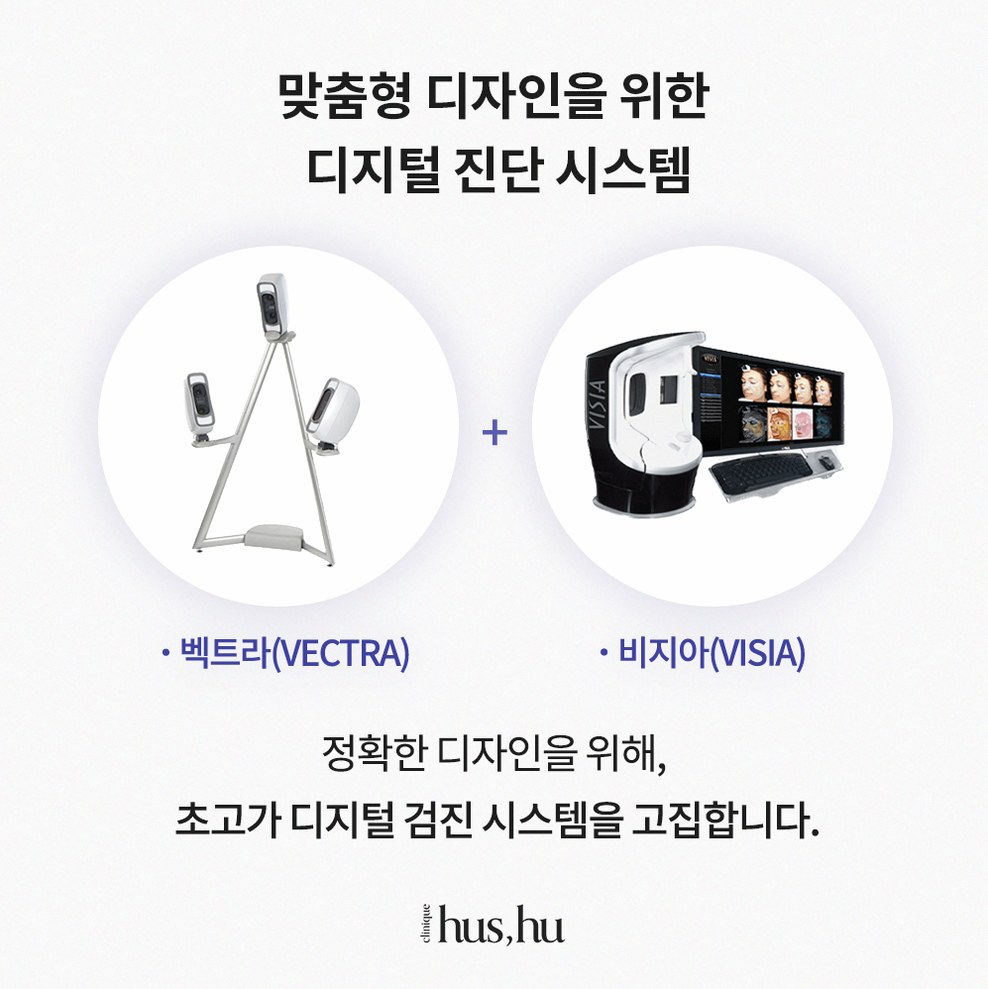
Before traveling to Seoul, it is helpful to arrange an online consultation. Many clinics in Cheongdam offer video or photo-based assessments.
To prepare, you can:
Take clear photos of your face from the front, 45-degree angle, and side, in good lighting. List your main concerns (for example, jowls, nasolabial folds, marionette lines) and what you hope to improve. Prepare a brief medical history, including medications, allergies, and previous aesthetic or surgical procedures.
During the online consultation, consider asking:
Which Aptos thread types and areas are being considered for you, and why. How the doctor expects your individual duration to be, based on your age and skin. Whether they recommend combining threads with energy-based or regenerative treatments. What the expected recovery timeline is for an overseas patient.
Having these questions ready helps you compare clinics and choose a team whose approach and explanations feel clear and realistic.
Expected Korea visit timeline for Aptos thread lifting
While each clinic has its own schedule, a typical visit for international patients might look like this:
Day 1: In-person consultation, facial examination, and treatment planning. Some patients may have pre-treatment photos and skin analysis done on this day.
Day 2: Aptos thread lifting procedure. The procedure itself usually takes from under an hour to a couple of hours, depending on the complexity.
Days 3 to 5: Early recovery period. Mild swelling, tightness, and possible bruising are common. A follow-up check may be scheduled to review healing and give detailed aftercare guidance.
Days 6 to 10: Many patients feel comfortable going out with light makeup. If you are traveling from overseas, you may plan to stay in Seoul for about a week to allow for follow-up and to manage any early concerns.
After you return home, some follow-up can often be done online, with photo updates and video calls.
Aftercare tips that influence duration
After Aptos thread lifting, clinics commonly advise:
Sleep on your back with your head slightly elevated for a certain period. Avoid pressing your face into the pillow or sleeping on your side. Do not massage or rub the treated areas until your doctor says it is safe. Limit wide mouth opening, very chewy foods, or intense facial movements in the early days. Postpone dental procedures or other facial treatments for the time recommended.
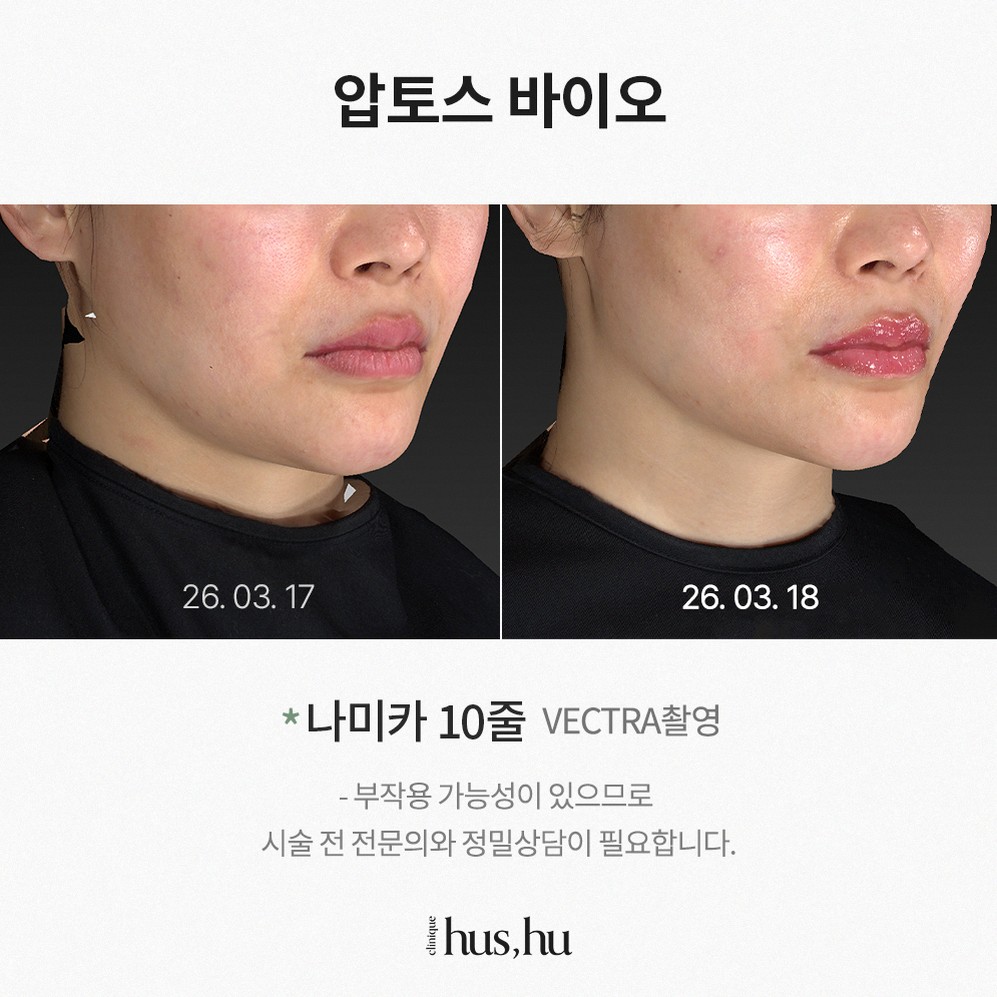
Following these instructions helps the threads stay in their intended position and reduces the risk of early loosening or asymmetry, which can affect how long the result lasts.
Frequently asked questions
How long does an Aptos thread lift usually last?
Most patients experience a visible lifting effect for about 1 to 2 years. Some maintain noticeable improvement up to around 2 to 3 years, especially if they have good skin quality and support the threads with healthy habits and combination treatments.
The threads gradually dissolve, but the collagen they stimulate can help maintain some firmness beyond the main lifting period.
When will I see my final Aptos thread lift result?
You see an immediate lift right after the procedure, but this is not the final result. Swelling and tightness in the first week can make the face look slightly over-lifted.
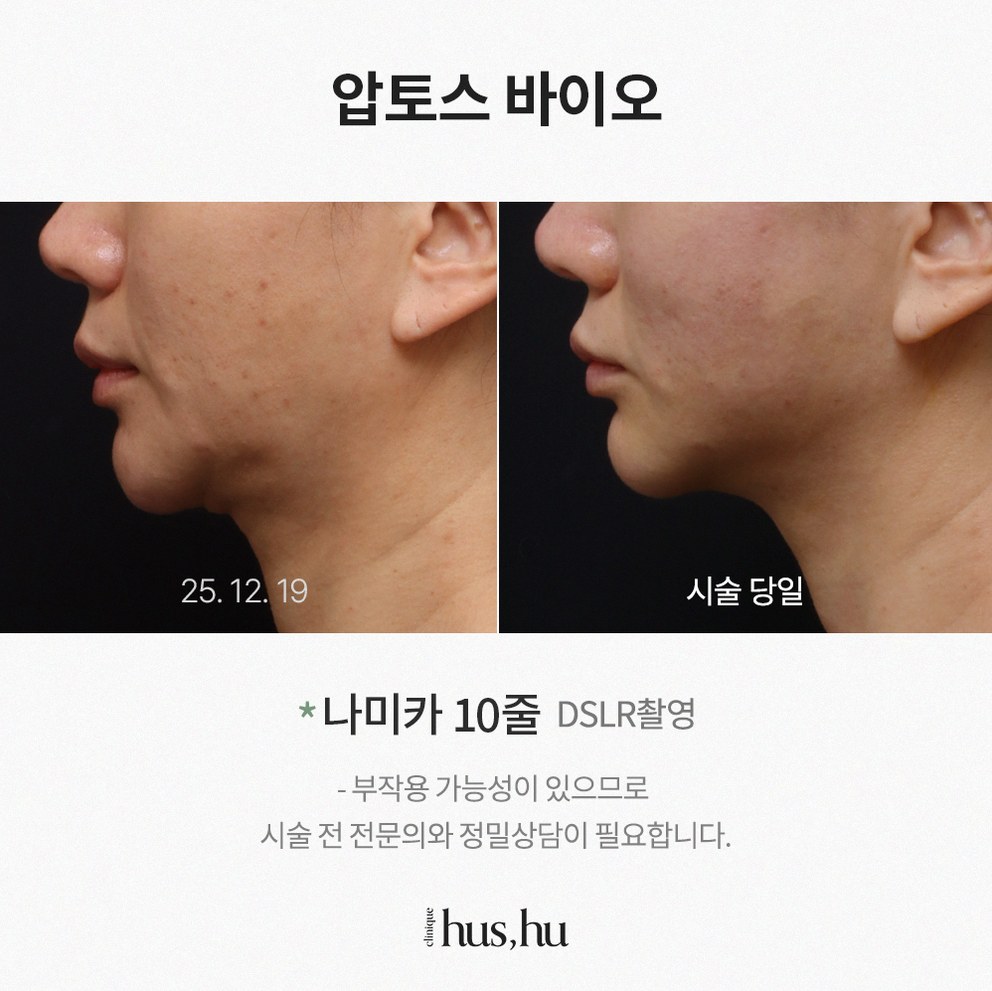
Most people see their result settle between 1 and 3 months, when swelling has reduced and the threads have integrated with the tissue. The look often continues to refine slightly over the first 6 months as collagen develops.
Does the effect disappear completely once the threads dissolve?
No, the effect does not suddenly vanish on the day the threads dissolve. As the material breaks down, the mechanical lift gradually softens, but the collagen framework your body built around the threads can remain.
This means that even when the lift is no longer as strong, your skin may still be somewhat firmer and better supported than before treatment.
How often can I repeat an Aptos thread lift?
Many patients consider repeating Aptos thread lifting around every 1.5 to 2 years, depending on how their face ages and how satisfied they are with the remaining lift.
In some cases, smaller touch-ups in specific areas may be done earlier. The exact interval should be decided with your doctor after assessing your skin, previous response, and overall treatment plan.
What can I do to make my Aptos thread lift last longer?
To support longer-lasting results, maintain a stable weight, avoid smoking, protect your skin from the sun, and use appropriate skincare. Follow all aftercare instructions carefully, especially in the first weeks.
Regular follow-up and, when appropriate, combination treatments such as energy-based tightening or regenerative injections can help maintain tissue quality and support the lift.
Is the duration different between Aptos and other thread brands?
Different thread brands use different materials, designs, and techniques, which can influence both the character and duration of the lift. Aptos threads are known for their specific barbing patterns and lifting concepts.
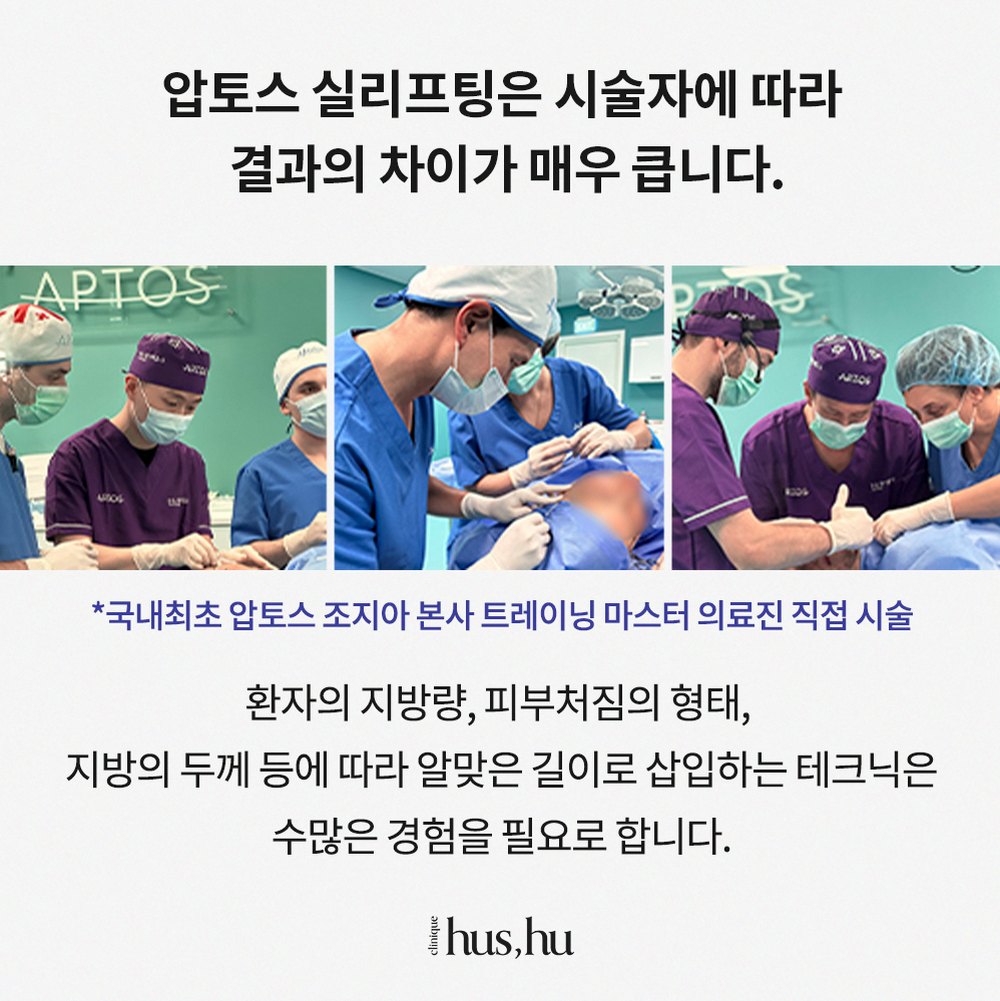
However, the most important factors for duration are proper patient selection, thread choice, vector design, and aftercare, regardless of brand. An experienced medical team familiar with multiple systems can explain how Aptos compares to other options in your particular case.
Does combining Aptos with RF or ultrasound lifting make results last longer?
Combining Aptos threads with monopolar radiofrequency or focused ultrasound treatments can help maintain tissue tightness and collagen after the lift. These devices deliver controlled energy into deeper layers to stimulate ongoing collagen production.
While they do not freeze aging, they can support the lifted structure and potentially extend the period during which the face looks firm and refreshed.
Soft call to action for online consultation
If you are considering an Aptos thread lift in Seoul and want a realistic estimate of how long it might last in your specific case, an online consultation is a helpful first step. At Clinique hus,hu in Cheongdam, Gangnam, near Apgujeong Rodeo Station, the medical team can review your photos, discuss thread and device options, and outline a long-term anti-aging plan rather than a one-time procedure.
Before you decide, prepare your questions, compare different clinics’ approaches, and focus not only on immediate lift but also on how your results will be maintained over time.
- 공유 링크 만들기
- X
- 이메일
- 기타 앱


댓글
댓글 쓰기