Autologous exosome scalp care — who it suits & visit timeline
- 공유 링크 만들기
- X
- 이메일
- 기타 앱
Direct answer summary
You will find who this approach may suit, how to prepare from overseas, what a typical visit timeline looks like, and what kind of aftercare and expectations are realistic.
Understanding female hair loss
Female hair loss often looks different from the classic male pattern. Instead of obvious bald patches, many women notice gradual changes:
You may see more scalp through your part line, especially under bright light.
Your ponytail may feel thinner than it used to.
The top or crown can look less dense, even if the hairline at the front seems similar.
You may find more hair in the drain, on your pillow, or in your brush.
These changes can be subtle at first and easy to dismiss, but they are often early warning signs that hair follicles are becoming weaker.
Common causes of female hair loss
Female hair loss is usually driven by several factors at the same time.
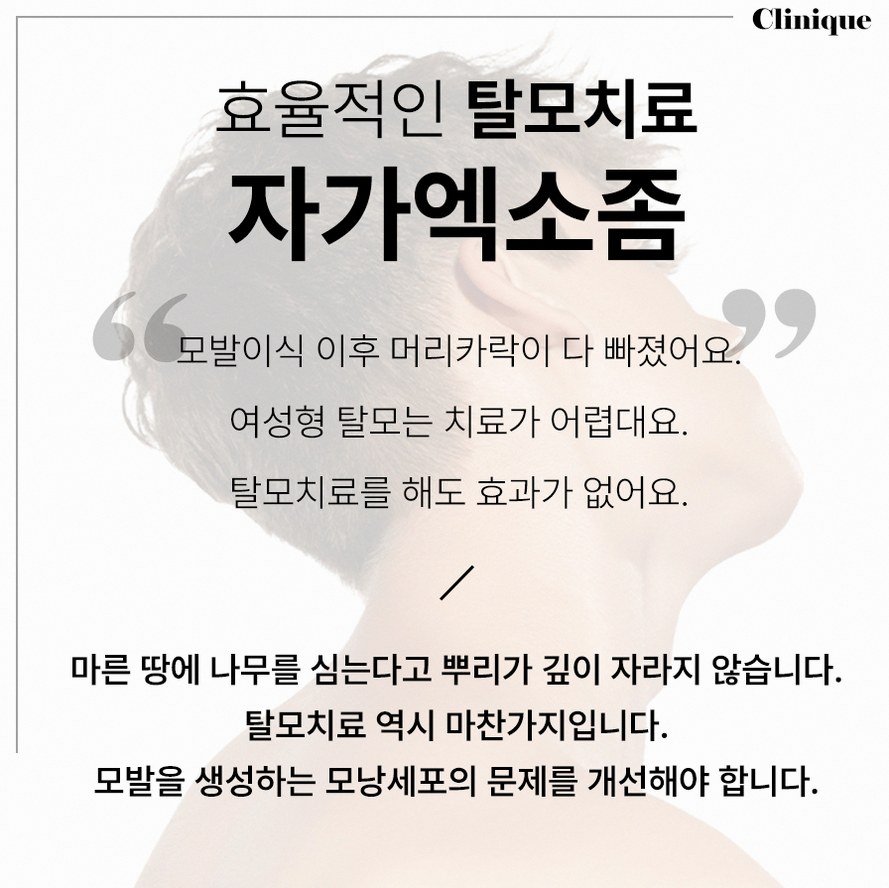
Hormonal changes are a major cause. Many women notice increased shedding after childbirth, during perimenopause, or after menopause. Shifts in estrogen and other hormones can affect how long hair stays in its growth phase.
Genetic predisposition also plays a role. If close female relatives have thinning hair or widened part lines, you may be more prone to similar changes.
Chronic stress can push more hairs into a shedding phase. Major life events, illness, or long‑term emotional stress can all contribute to increased hair fall.
Nutritional imbalance, such as low iron, inadequate protein intake, or deficiencies in certain vitamins, can weaken hair shafts and slow growth.
Harsh styling or chemical treatments, including frequent bleaching, tight hairstyles, or strong straightening procedures, can damage both the hair shaft and the scalp.
Scalp inflammation, such as chronic dandruff, seborrheic dermatitis, or irritation from products, can create an unhealthy environment for follicles.
Finally, aging of hair follicles themselves means that, over time, each follicle may produce thinner, shorter hairs. This is why a clinic that focuses on anti‑aging at the cellular level may approach female hair loss as more than a cosmetic issue.
Why early diagnosis matters
Hair follicles that repeatedly produce thinner hairs can eventually become so miniaturized that they stop growing visible hair. Once this happens, it is harder to recover density.
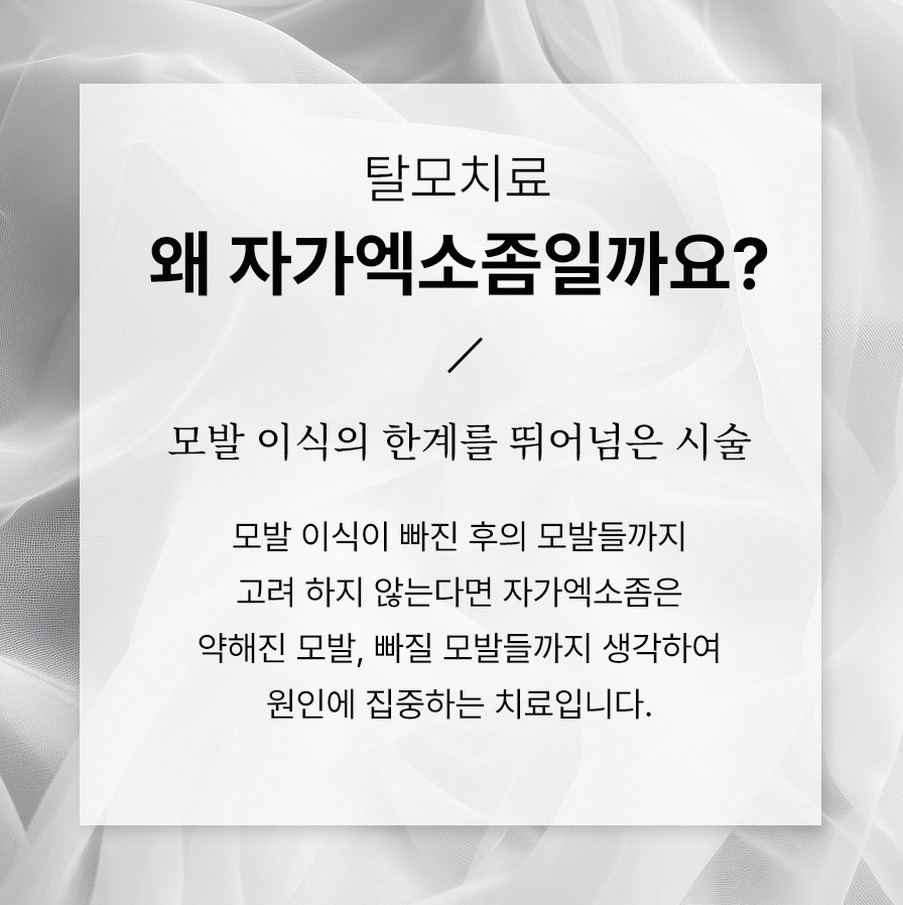
Early evaluation allows a specialist to identify whether your follicles are still active and what is driving the shedding. A typical professional assessment for female hair loss includes:
A detailed medical history, including timing of hair changes, pregnancies, menstrual or menopausal status, and any recent illnesses.
A review of medications and supplements, since some can increase shedding.
Questions about lifestyle, stress levels, sleep, and diet.
A scalp and hair shaft examination, often with magnified imaging, to check density, thickness, and signs of inflammation.
Blood tests when needed, for example to look for anemia, thyroid issues, or nutritional deficiencies.
At a dermatology‑based anti‑aging clinic, female hair loss is usually evaluated together with overall scalp and skin condition. This helps distinguish between purely hormonal or genetic thinning and hair loss influenced by chronic scalp irritation, inflammation, or systemic health issues.
Treatment concept at this clinic
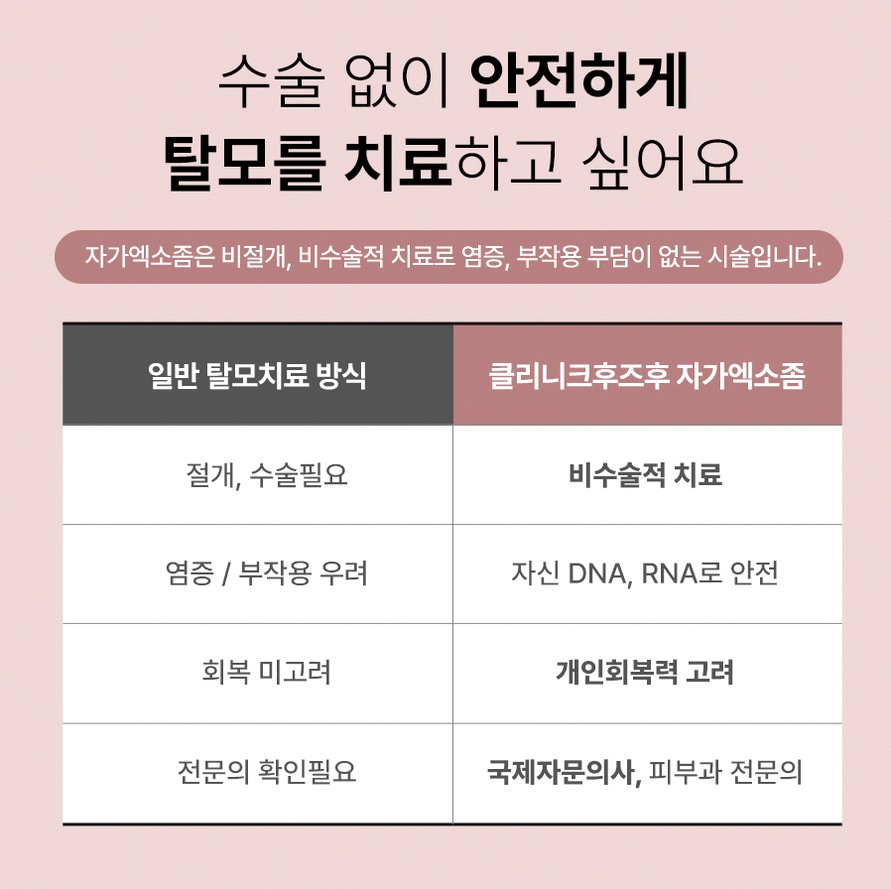
The female hair loss program described here is non‑surgical and focused on improving the scalp environment and hair follicle health at the cellular level.
The core elements are:
Autologous exosome therapy for the scalp, using exosomes derived from your own cells.
Scalp‑focused anti‑aging and regeneration strategies to support healthier follicles.
Supportive medical and lifestyle management, such as guidance on hair care, nutrition, and stress.
The aim is not simply to hide thinning or temporarily increase volume, but to work on the underlying condition of the scalp and follicles, in line with the clinic’s broader philosophy of cell‑based rejuvenation.
Autologous exosome therapy explained
Autologous exosomes are derived from a patient's own tissue or blood and are processed by the clinic for potential use in regenerative procedures. Processing methods, quality controls, and the clinical evidence base can vary between providers and across jurisdictions. Autologous cell processing is a sensitive area that may require informed consent and specific oversight; it should not be assumed to be universally approved or proven. Confirm the clinic's processing protocols, safety procedures, and the local regulatory and legal status of these treatments with the provider before proceeding.
Exosomes are tiny vesicles naturally released by cells. They carry growth factors and signaling molecules that cells use to communicate, especially during tissue repair and regeneration.
Autologous exosomes are prepared from your own tissue or blood. Because they are self‑derived, they are intended to be more compatible with your body than non‑autologous products.
In the context of female hair loss, the goal of exosome therapy is to:
Support the function of hair follicles that are becoming weaker.
Improve the scalp environment, including microcirculation and tissue quality.
Encourage the growth of thicker, stronger hair shafts over time.
Slow the progression of thinning in areas that are starting to lose density.
How the autologous exosome program works
While details can vary depending on your individual situation, the general process usually follows several steps.
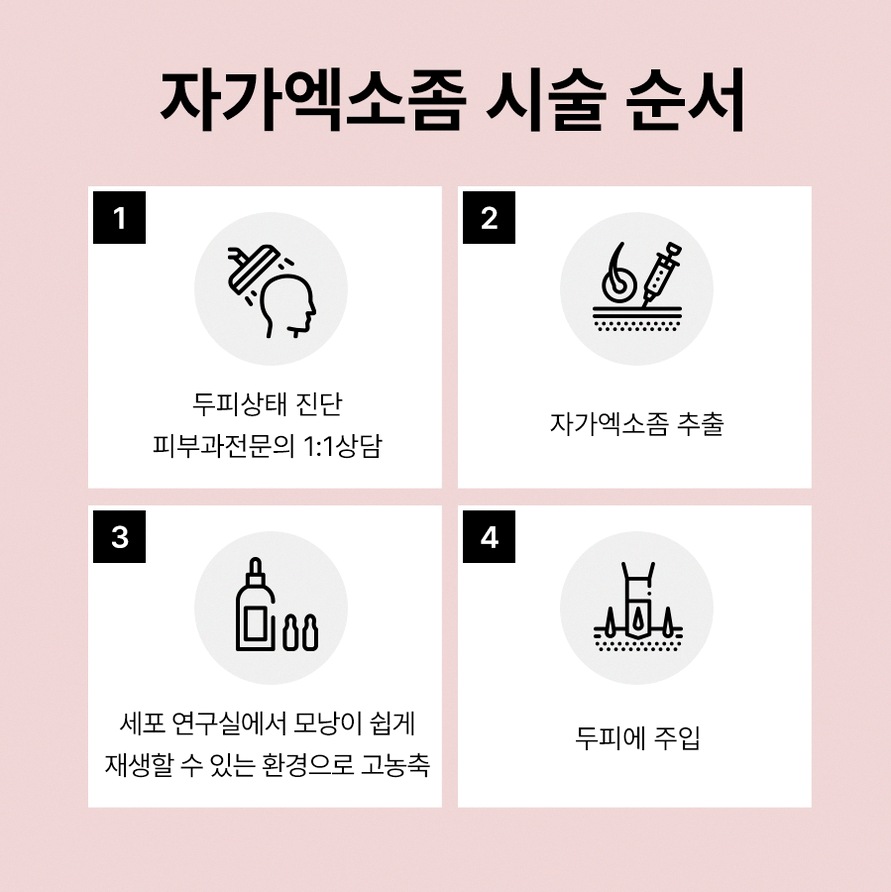
Step 1: Consultation and scalp assessment
Your visit begins with a consultation where your symptoms, medical history, and expectations are discussed. The scalp is examined visually and, in many cases, with magnified imaging to document density and hair shaft thickness.
At this stage, the clinician will determine whether you are a suitable candidate for an autologous exosome program, or whether other approaches should be considered first.
Step 2: Collection of your own material
If you are a candidate, a small amount of your own tissue or blood is collected. This is done following a non‑cultured, autologous principle, meaning the material is processed but not expanded in culture.
Step 3: Processing in an in‑house lab
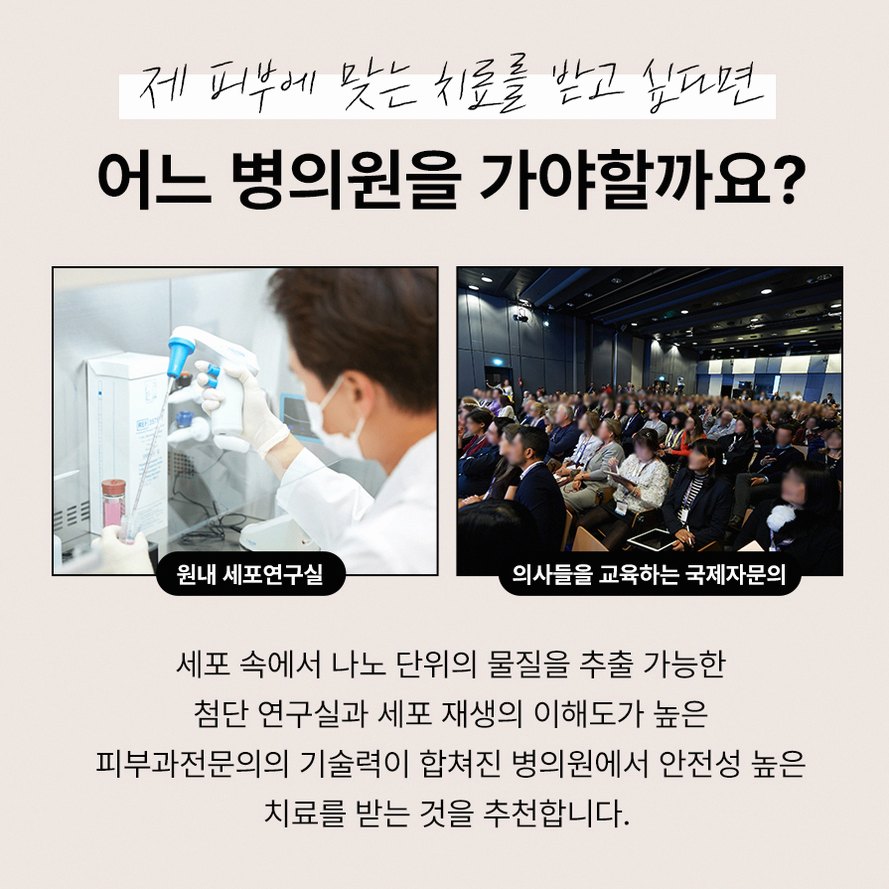
Clinique hus,hu operates an in‑house cell research lab, often referred to as a Recovery Lab. In this controlled environment, your sample is processed to isolate and prepare exosome‑rich material.
This step focuses on maintaining quality and safety standards during preparation, which is important when working with cell‑derived products.
Step 4: Delivery into the scalp
Once prepared, the exosome‑rich solution is delivered directly to areas of thinning via precise injections or targeted application. Local anesthesia or numbing measures may be used to increase comfort.
The procedure is typically performed on an outpatient basis. After a short observation period, most patients can return to everyday activities with basic precautions.
Expected goals and realistic timelines
The goals of autologous exosome scalp therapy are gradual and supportive rather than instant or dramatic.
Many women are hoping for:
Improved scalp condition, with less discomfort or sensitivity.
Stronger hair shafts that break less easily.
A slower rate of thinning and, in some cases, an increase in visible density.
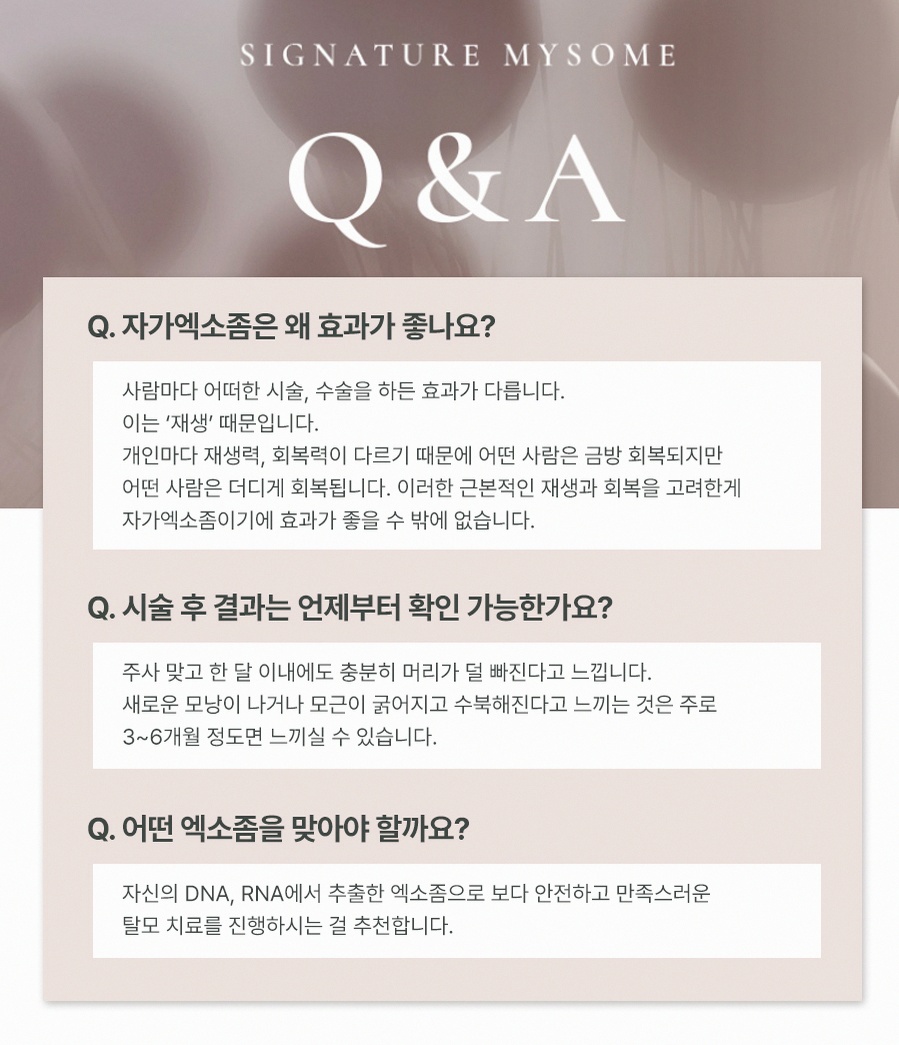
Because hair grows slowly, changes usually appear over several months. Multiple sessions are often recommended, spaced according to your response and the severity of your hair loss.
Individual response varies depending on age, hormonal status, genetic factors, and how advanced the thinning is at the time of treatment. This is why early consultation is encouraged, before the scalp is clearly visible or follicles are severely miniaturized.
Integration with other anti‑aging and skin treatments
This clinic is primarily an anti‑aging and dermatology center with experience in cell‑based therapies, regenerative injections, and energy‑based devices for skin.
For female hair loss, this background is used in several ways:
Evaluating whether scalp aging, chronic inflammation, or skin conditions are contributing to your hair loss.
Identifying stress‑related skin or scalp issues that may be worsening shedding.
Coordinating scalp care with broader anti‑aging strategies, when appropriate, to address systemic factors that affect both skin and hair.
The focus remains on the scalp, but understanding your overall skin health can help design a more complete and realistic plan.
Who may consider this program
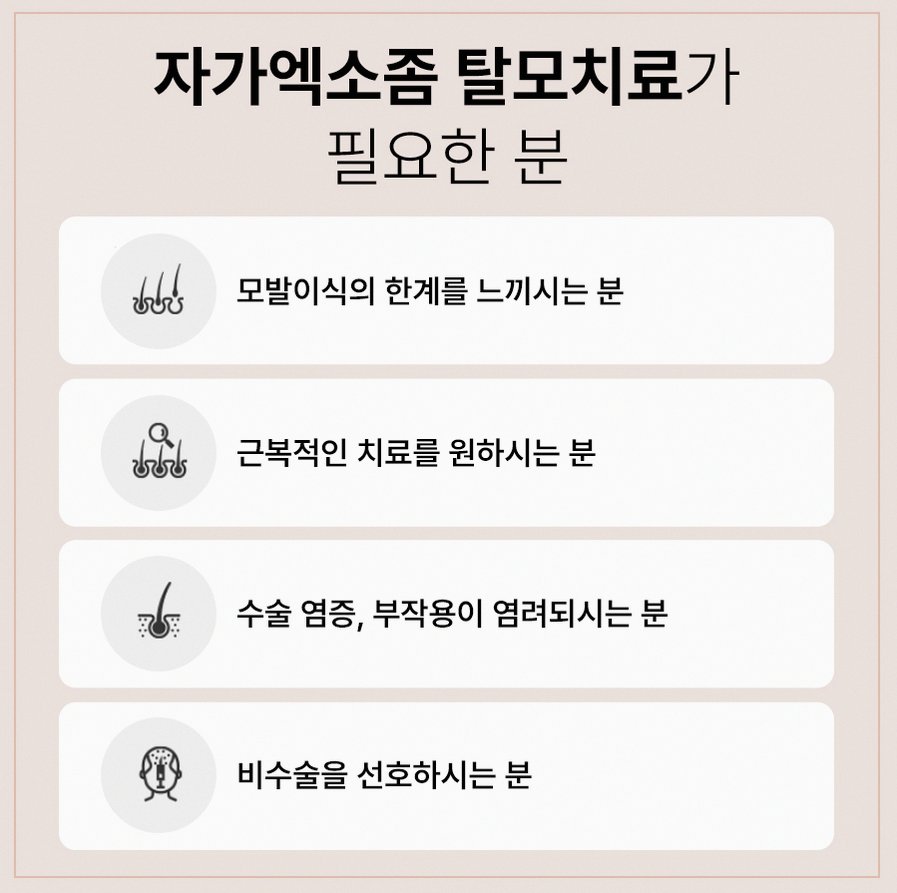
The non‑surgical female hair loss program may be suitable if you are experiencing one or more of the following:
Gradual thinning on the top of your head or along your part line.
A ponytail that feels noticeably thinner than it did a few years ago.
Increased shedding after childbirth, during perimenopause, after menopause, or following a major period of stress.
Visible scalp through your hair in certain lighting, even if others do not notice it yet.
Chronic scalp discomfort, sensitivity, or a feeling that your scalp is not as healthy as before.
It may also be of interest if:
You prefer non‑surgical, minimally invasive options rather than hair transplant surgery.
You have tried over‑the‑counter shampoos, tonics, or supplements without sufficient improvement.
You would like a medically supervised program that looks at your scalp, hormones, and lifestyle together.
Initial online consultation and pre‑visit preparation
For overseas patients, an online consultation is often the first step. This allows you to understand whether the program is appropriate before planning a trip to Seoul.
Before your online consultation, it is useful to prepare:
A brief timeline of your hair loss, including when you first noticed changes and any major life events or hormonal changes around that time.
A list of current medications, supplements, and any previous hair loss treatments you have tried.
Clear photos of your scalp and hair from the front, sides, top, and back, taken in good lighting.
Information about your menstrual status, pregnancies, or menopause, if relevant.
Any recent blood test results, especially for thyroid function, iron levels, or vitamin deficiencies, if you have them.
During the online consultation, you can discuss:
Whether autologous exosome therapy is likely to be suitable.
How many sessions might be recommended based on your situation.
How to schedule your visit so that consultation, testing, and treatment fit into your travel plans.
Any medical conditions that might affect eligibility.
Expected Korea visit timeline
The exact schedule will depend on your needs and length of stay, but the following is a common structure for overseas patients.
Day 1: In‑person consultation and assessment
You visit the clinic in Cheongdam, Gangnam, near Apgujeong Rodeo Station, Exit 4. After walking straight toward Galleria Department Store, you can reach the clinic area.
During this visit, your scalp is examined in detail, and any necessary tests are arranged. Your treatment plan, including the number and spacing of exosome sessions, is confirmed.
Day 2 or 3: Sample collection and first exosome session
Once you are cleared for treatment, your autologous sample is collected and processed in the in‑house lab. On the same day or soon after, the exosome‑rich material is delivered to your scalp.
Most patients can return to their hotel or other activities on the same day, with advice on how to care for the treated area.
Subsequent days: Additional sessions or follow‑up
If multiple sessions are planned during a single trip, they may be spaced several days apart, depending on the protocol and your schedule.
If you are staying for a shorter period, the clinic may design a plan that combines in‑clinic treatment during your visit with at‑home care and follow‑up online.
After you return home, follow‑up can often be done through online consultations and photo updates to monitor progress and adjust recommendations.
Safety, comfort, and medical oversight
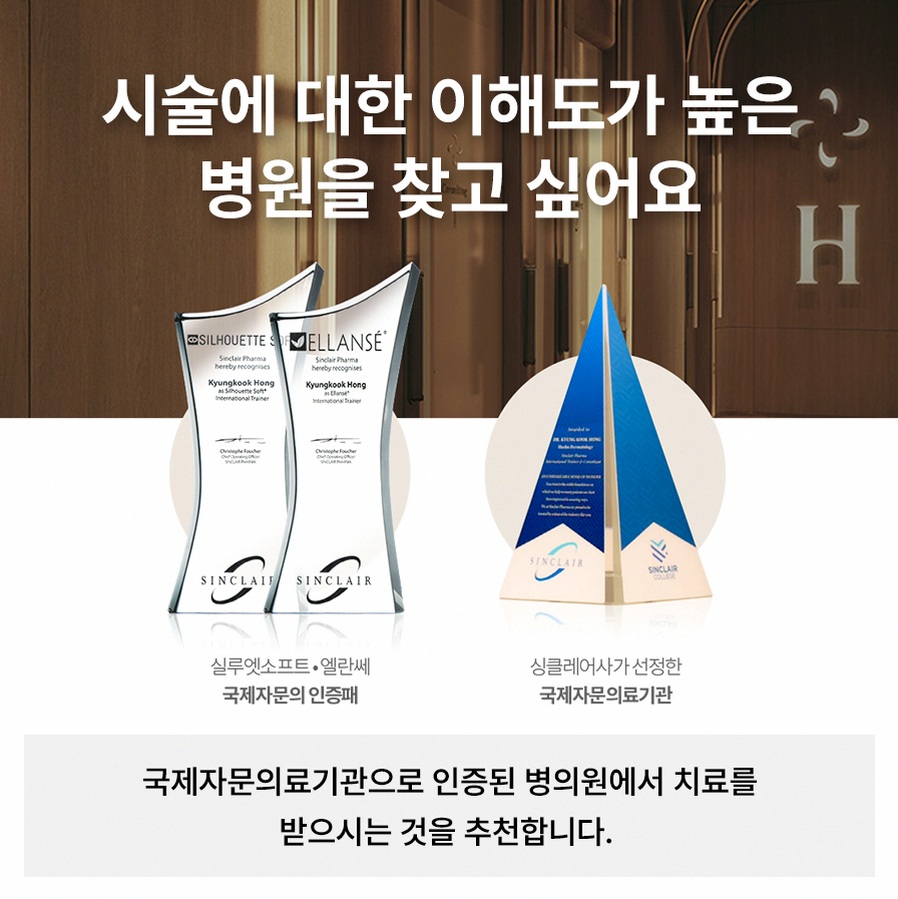
The female hair loss program is overseen by physicians with training in hair and scalp conditions within a dermatology and anti‑aging framework. Confirm individual clinician credentials and specialist status with the clinic during consultation.
Before starting treatment, you will be asked about:
Chronic illnesses, such as autoimmune diseases or bleeding disorders.
Allergies, including reactions to anesthetics or previous injections.
Pregnancy or breastfeeding status.
Current medications, including blood thinners or hormonal treatments.
It is important to mention any previous scalp treatments, strong hair dyes, or procedures, as these can affect the condition of your scalp and how it responds.
At‑home care and lifestyle guidance
In‑clinic treatments are only part of long‑term hair health. You can expect to receive guidance on how to care for your hair and scalp at home.
Gentle hair care
You may be advised to:
Avoid excessive heat styling and very hot blow‑dryers.
Limit tight hairstyles that pull on the roots, such as high ponytails or tight buns.
Be cautious with harsh chemical treatments, including frequent bleaching or strong straightening.
Scalp hygiene
Maintaining a clean, balanced scalp is important. This may include:
Using shampoos suited to your scalp type, whether dry, oily, or sensitive.
Avoiding overly aggressive scrubbing or scratching.
Managing dandruff or inflammation with appropriate products or medications.
Lifestyle and nutrition
Stress management, adequate sleep, and a balanced diet all support hair health. You may be encouraged to:
Ensure sufficient protein intake.
Check and correct deficiencies such as iron or vitamin D, under medical guidance.
Incorporate relaxation techniques or stress‑reducing activities into your routine.
These measures support but do not replace professional treatment. They help create a more favorable environment for your follicles to respond to in‑clinic therapies.
Managing expectations and long‑term planning
Female hair loss is often chronic and influenced by ongoing factors such as hormones and aging. For many women, the goal is long‑term management rather than a one‑time fix.
You should expect:
Gradual changes over several months rather than immediate visible results.
The possibility of maintenance sessions or periodic reviews to keep shedding under control.
Adjustments to your plan if your hormonal status changes, for example around menopause.
Regular monitoring allows early response if shedding patterns change, helping to protect remaining density.
Frequently asked questions
What kind of results can I realistically expect from autologous exosome treatment?
Most women can expect gradual improvements in scalp condition and hair shaft quality rather than sudden dramatic changes. Some notice reduced shedding and a feeling of stronger, fuller hair over time. The degree of visible thickening varies and depends on how advanced your hair loss is, your age, hormones, and genetics. Your doctor will discuss realistic goals for your specific case during consultation.
How many sessions are usually needed, and how often?
The number and frequency of sessions depend on your starting point and response. Many programs begin with several sessions spaced weeks apart, followed by reassessment. Some patients may then move to a maintenance schedule with less frequent visits. During your initial consultation at Clinique hus,hu, a personalized plan is created based on your scalp examination and medical history.
Is the procedure painful, and is there downtime?
Local anesthesia or numbing measures are typically used to make the injections more comfortable. You may feel pressure or mild discomfort during the procedure, but it is usually well tolerated. After treatment, the scalp can feel tender or slightly swollen for a short time, but most patients can return to normal daily activities the same day, following basic care instructions.
Can I combine this with other hair loss treatments I am already using?
In many cases, exosome therapy can be combined with other medical hair growth agents, nutritional support, or topical products, but this should be carefully coordinated. It is important to tell your doctor about everything you are currently using, including over‑the‑counter items and supplements. The clinic will then design a safe combination plan and may adjust or pause certain products around the time of your sessions.

Soft call to action for online consultation
If you are starting to notice a wider part line, a thinner ponytail, or more hair in the shower, it may be the right time to seek a professional opinion rather than waiting for obvious bald spots.
Clinique hus,hu in Cheongdam, Gangnam, offers online consultations for overseas patients interested in non‑surgical, cell‑focused female hair loss treatment using autologous exosomes and scalp anti‑aging care. Through a preliminary online assessment, you can find out whether this approach suits your situation and how to plan a visit to Seoul.
You can contact the clinic via phone, online messaging, or social platforms during their consultation hours to ask questions, share photos, and schedule an appointment. Early evaluation gives you more options to protect your hair density and plan a long‑term strategy for scalp health.
- 공유 링크 만들기
- X
- 이메일
- 기타 앱


댓글
댓글 쓰기