Early Signs of Hair Loss: How to Catch Thinning Hair Before It Shows
- 공유 링크 만들기
- X
- 이메일
- 기타 앱
For common pattern hair loss, early changes are often subtle thinning rather than sudden bald spots; however, some conditions (for example, alopecia areata or severe inflammatory scalp disease) can cause rapid, patchy loss and require prompt evaluation. Typical early signs include a gradually wider part, more scalp showing under bright light, a thinner ponytail, extra hair in the shower or on your pillow for several weeks, and new hairs growing back finer and softer than before. If these changes continue for more than a few months, it is worth getting a professional scalp and hair evaluation, especially if you have a family history of hair loss.
This guide is written for international patients who are considering a medical visit to Korea and want to understand early hair loss, non surgical treatment options, and how a visit to a hair focused anti aging clinic in Seoul might look.
What is normal shedding and what is early hair loss?
Everyone loses hair every day. Each hair on your scalp follows a natural cycle: a long growth phase, a short transition phase, and a resting phase before it falls out and is replaced by a new hair. Because of this cycle, some daily shedding is normal.
Normal shedding tends to be fairly stable. Some days you may notice a little more hair in the shower, but it usually returns to your personal baseline within a week or two. You do not see clear thinning or more scalp than before.
Early hair loss is different. Warning signs include a sudden or gradual increase in shedding that continues for several weeks, combined with visible changes in hair volume or density. It is not only about how many hairs you see, but also about how your hair looks and feels overall.
For example, if your ponytail feels noticeably thinner, or you see more scalp when your hair is wet, or styling becomes harder because your hair does not cover as well as before, these can all be early signs of hair loss even if you are not counting every single hair.
Typical early signs of hair loss you should not ignore
Gradual widening of the part line
One of the most common early signs, especially in women, is a slowly widening part line on the top of the head. You may notice that the line where you part your hair looks broader in photos, or that it takes more effort to hide the scalp when you change your hairstyle.
More scalp showing in bright light or when wet
Another subtle sign is increased scalp visibility. Under bathroom lighting, in fitting rooms, or outdoors in the sun, you may notice more skin showing through your hair, especially on the crown or mid scalp area. After a shower, if the scalp is much more visible than it used to be, this can indicate reduced density.
Thinning ponytail
If you tie your hair regularly, pay attention to the thickness of your ponytail. Many people first notice that they need to wrap a hair tie an extra time, or that the ponytail feels lighter and less full. This reflects a decrease in the number or thickness of hairs, even if the hairline itself looks unchanged.
Increased hair on pillow, shower drain, or brush
Seeing some hair on your pillow or in the drain is normal. What matters is change over time. If you repeatedly clear large amounts of hair from the shower drain, or your brush fills up much faster than it did a few months ago, and this continues for several weeks, it may indicate early hair loss.
Receding hairline or thinning at the crown
In men, early androgenetic or pattern hair loss often appears as a slowly receding hairline at the temples or along the forehead, or as thinning at the crown. In women, the hairline usually stays in place, but the central part and crown area may become more see through.
Miniaturized hairs growing back thinner and softer
Another important early sign is a change in hair quality. New hairs may grow back finer, shorter, and softer than your previous hair. This process, called miniaturization, means the hair follicles are producing weaker hairs over time. You might notice more small, wispy hairs that never seem to grow to full length.
Changes in scalp condition
Sometimes early hair loss is accompanied by changes in the scalp: increased oiliness, redness, itching, burning, or flaking. While these symptoms do not always mean hair loss, ongoing irritation and inflammation can stress hair follicles and accelerate shedding.
Keep in mind that early signs can look different depending on sex, age, and cause. Genetic pattern hair loss, stress related shedding, hormonal changes, and inflammatory scalp diseases can all present differently, which is why a proper diagnosis is important.
Common causes behind early hair loss symptoms
Genetic pattern hair loss
Androgenetic alopecia, often called pattern hair loss, is the most common cause in both men and women. It is influenced by genetics and hormones. In men, it often starts with temple recession and crown thinning. In women, it usually appears as diffuse thinning over the top of the head while the frontal hairline is relatively preserved.
Stress related shedding
Telogen effluvium is a type of shedding that can occur a few months after a trigger such as high fever, surgery, crash dieting, childbirth, severe emotional stress, or a major illness. Many hairs shift into the resting phase at once, so you see increased shedding all over the scalp. The hair may feel less dense, but there are usually no distinct bald patches.
Hormonal changes
Thyroid disorders, pregnancy, postpartum changes, and menopause can all affect the hair cycle. Androgen imbalance, polycystic ovary syndrome, and other hormonal conditions may also contribute to early thinning, especially in women.
Nutritional factors
Insufficient protein intake, low iron stores, vitamin D deficiency, and restrictive diets can all impact hair growth. Hair is not an essential organ, so the body will prioritize more vital functions when nutrients are limited, and hair may become thinner or shed more easily.
Scalp conditions and inflammation
Seborrheic dermatitis, psoriasis, and other inflammatory scalp disorders can cause itching, flaking, and temporary shedding. In more severe inflammatory or scarring conditions, hair follicles can be damaged, making early diagnosis and treatment especially important.
Because many different conditions can cause similar early symptoms, self diagnosis is often unreliable. A professional evaluation helps identify the underlying cause and guide appropriate treatment.
Why early diagnosis of hair loss matters
Hair follicles can shrink and weaken over time. In the earliest stages, the follicles are usually still alive and capable of producing healthier hair if the cause is addressed. Once follicles become severely miniaturized or are destroyed, regrowth is much more difficult or not possible.
Starting evaluation and treatment in the early phase can help preserve existing hair density, slow progression, and in some cases improve thickness. Waiting until obvious bald spots appear usually means that more aggressive or surgical options may be needed and that some hair loss may be permanent.
A professional hair loss assessment typically includes a detailed medical history, review of family history, visual examination of the scalp, and sometimes dermatoscopic imaging to look closely at the follicles. Blood tests may be recommended to check for hormonal or nutritional issues.
In Seoul, some clinics integrate hair loss assessment into a broader anti aging and cell focused framework. For example, Clinique hus,hu in Cheongdam offers scalp diagnosis and hair programs within a system that also addresses tissue health and regeneration at the cellular level.
Non surgical options for early hair loss
Medical therapies
For many people with early pattern hair loss, topical or oral medications can help slow progression and support thicker growth. These treatments generally work by improving blood flow to follicles, modifying hormonal effects on the scalp, or prolonging the growth phase of the hair cycle. The exact choice depends on sex, age, medical history, and pregnancy plans, and should be decided with a physician.
Scalp care and environment
Managing dandruff, excess sebum, and low grade inflammation can create a healthier environment for hair follicles. This may include medicated shampoos, gentle cleansing routines, and targeted treatments for scalp conditions. A calm, balanced scalp can support better hair quality over time.
Lifestyle and nutrition
Adequate protein intake, sufficient iron and vitamin D, and overall balanced nutrition are important for hair growth. Chronic stress, poor sleep, and smoking can negatively affect circulation and hormone balance, which may worsen hair loss. While lifestyle changes alone may not reverse genetic hair loss, they can support medical treatments and overall scalp health.
Advanced clinic based treatments
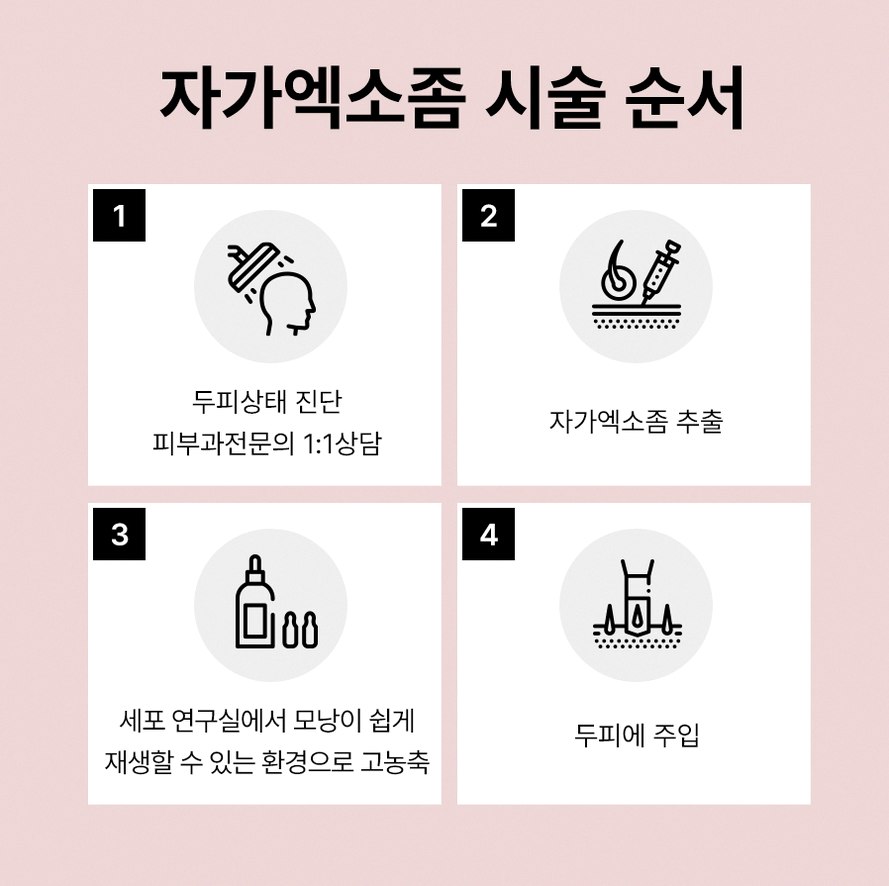
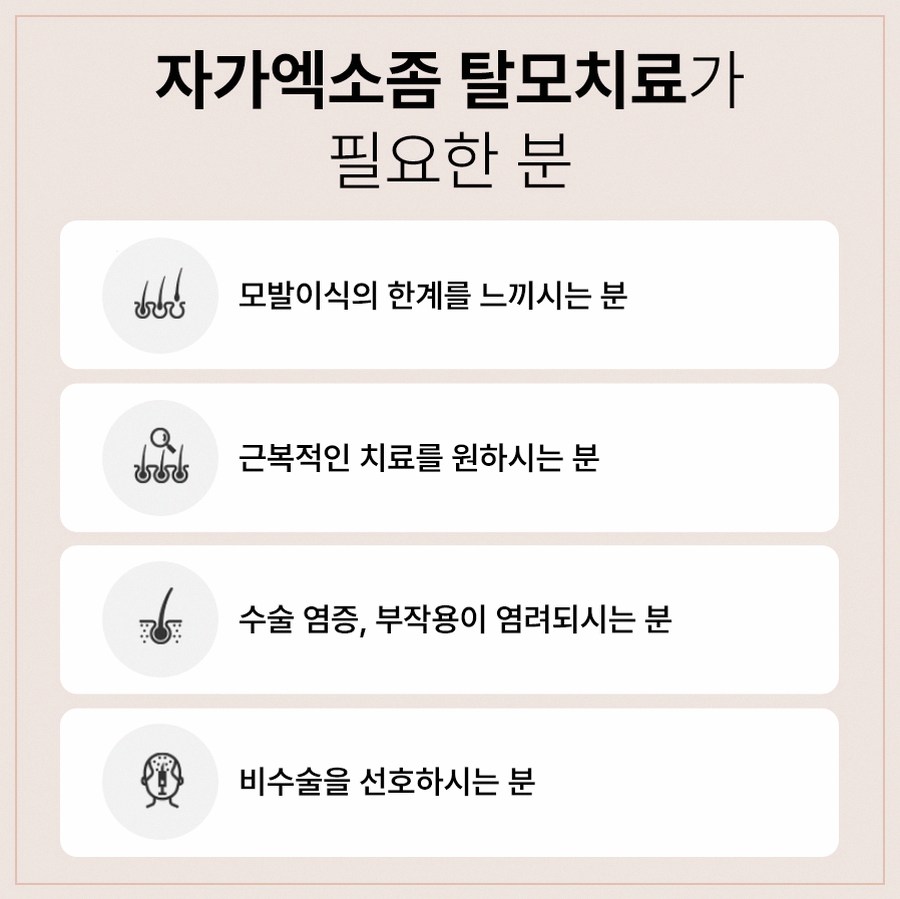
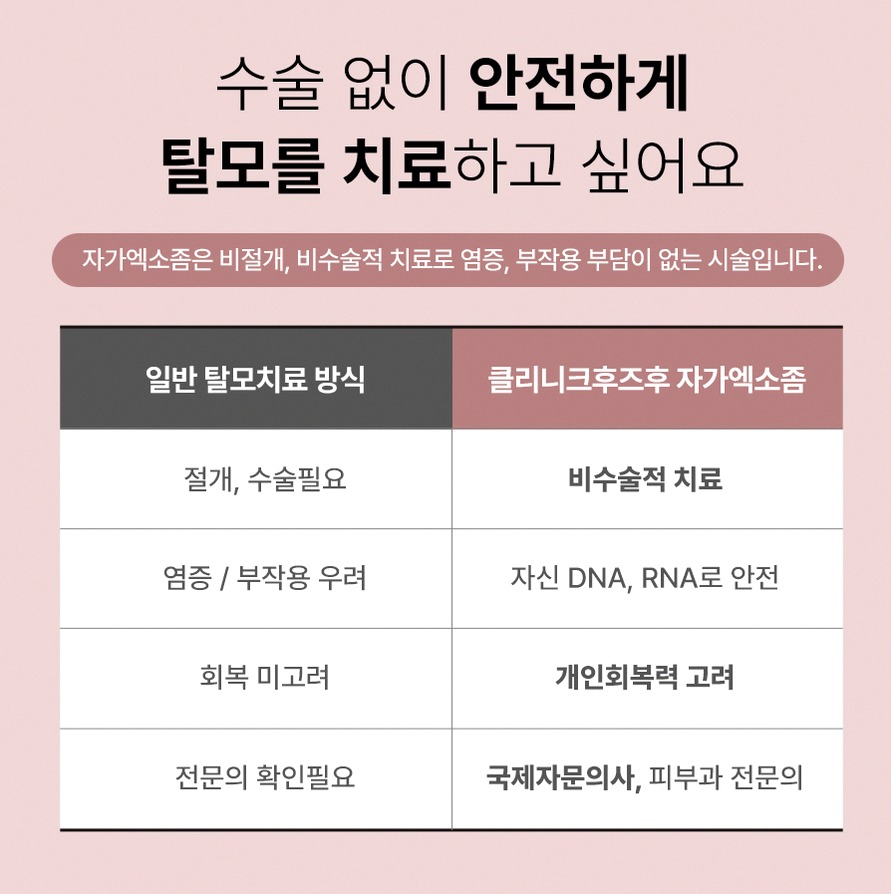
Some hair focused anti aging clinics in Korea offer advanced non surgical procedures for early hair loss. Examples include autologous exosome programs, where cell derived vesicles from your own tissues are processed and injected or applied to the scalp with the aim of supporting follicle function and reducing inflammation. These approaches are part of emerging regenerative medicine and are still under active research.
Other protocols may combine energy based devices, such as radiofrequency or ultrasound systems, with cell based injections or topical applications to improve scalp microcirculation and tissue quality. Low level laser or light therapies may also be used as supportive treatments.
These options are not suitable or necessary for everyone. Their use depends on a clear diagnosis, the stage of hair loss, overall health, and a discussion of potential benefits and limitations with a qualified physician.
How a specialized anti aging clinic may approach early hair loss
Some clinics in Seoul approach hair loss as one part of overall aging and tissue health rather than as a purely cosmetic issue. In this model, the goal is to maintain the vitality of hair follicles alongside skin and other tissues.
A typical process in such a clinic may include detailed scalp imaging to measure hair density and thickness, evaluation of hair miniaturization patterns, and tracking changes over time. Based on this information, the medical team can design a personalized plan that may combine medication, scalp procedures, and cell focused therapies.
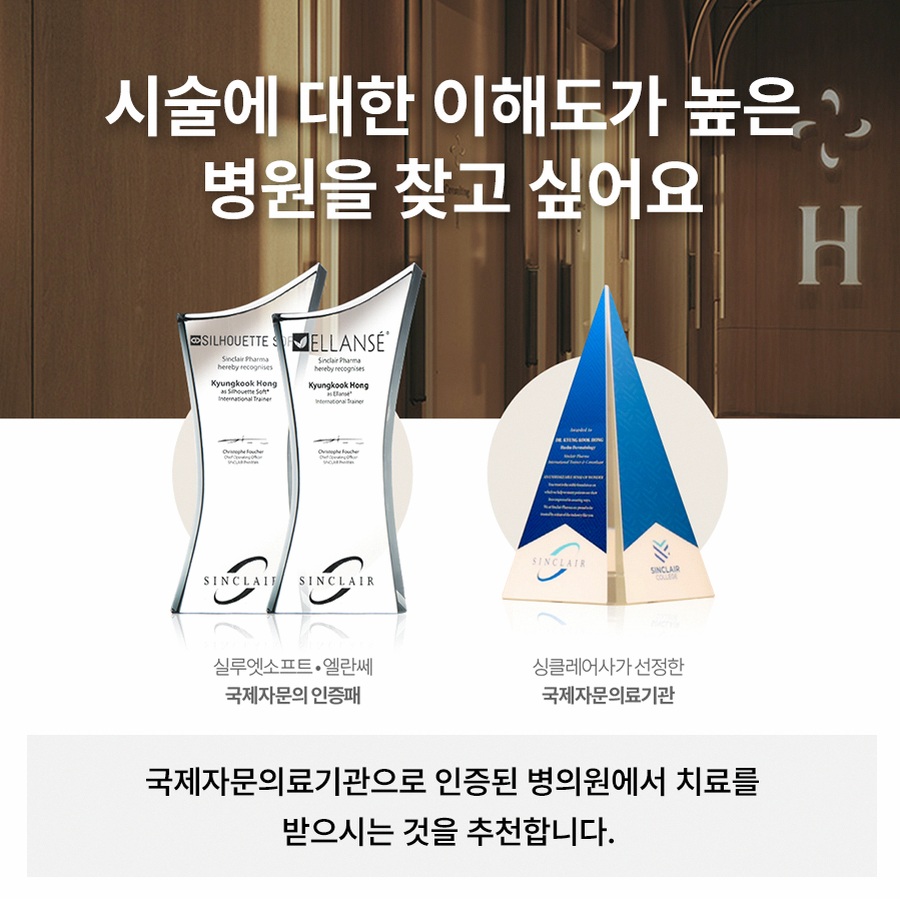
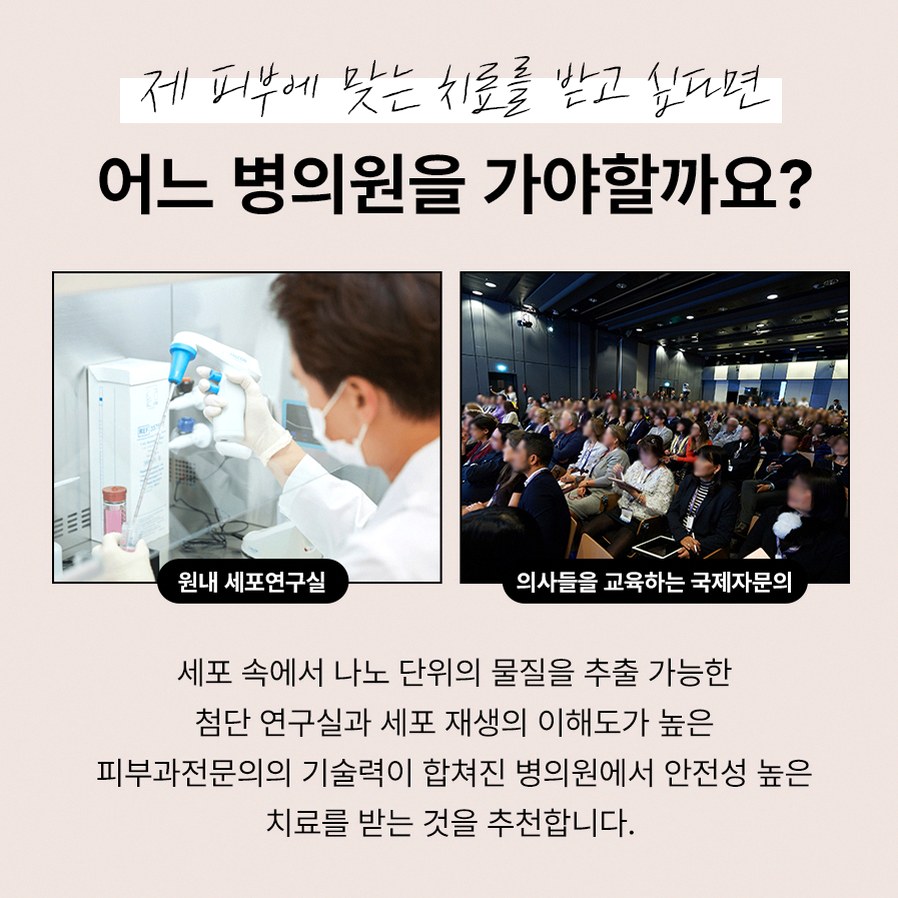
Clinics with in house cell research facilities may offer autologous exosome hair programs as part of their anti aging lineup. At Clinique hus,hu in Cheongdam, Gangnam, for example, hair loss management is integrated into a broader system of regenerative treatments, with attention to both clinical safety and realistic expectations.
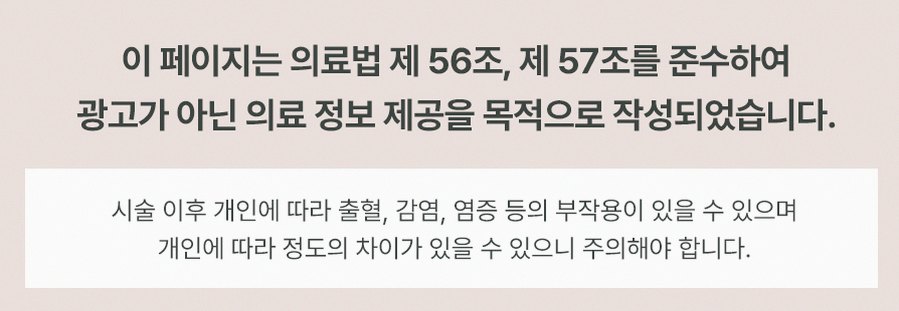
Because these are medical procedures, they require proper indication, informed consent, and an understanding that results vary between individuals and are not guaranteed. Patients should be informed of common, procedure‑specific risks: for injectable treatments (such as neuromodulators and fillers) and thread lifts, this may include bruising, swelling, temporary dimpling or contour irregularities, and, in rare cases, vascular complications; for laser and other energy‑based treatments, common effects include transient redness, swelling, and temporary changes in skin pigmentation. Proper technique, pre‑ and post‑procedure care, and timely follow‑up can reduce risks, but individual responses differ and adverse effects may occur. Discuss any questions or concerns with your physician before treatment.
Who may consider early, non surgical hair loss management in Korea
You may be a good candidate to explore non surgical hair loss care in Korea if you:
Have noticed early signs such as a wider part, thinner ponytail, or increased shedding over the last few months.
Have a family history of pattern hair loss and are starting to see similar changes in your 20s, 30s, or 40s.
Prefer to act early with medical and regenerative options before considering surgical procedures.
Are planning a trip to Seoul and would like a structured assessment and treatment plan you can continue at home.
A consultation can help determine whether your hair changes are temporary and reversible, or part of a progressive pattern that benefits from early intervention.
Online consultation and pre visit preparation
If you are overseas, starting with an online consultation can save time and help you decide whether a trip to Korea is appropriate.
Before your online consultation, it is helpful to prepare:
Clear photos of your scalp and hair from the front, sides, top, and back, taken under good lighting.
Any older photos from one or two years ago for comparison.
A list of your current medications, supplements, and recent medical history, including major illnesses, surgeries, childbirth, or significant stress events.
Information about your diet, sleep pattern, and hair care routine.
During the online consultation, you can discuss your concerns, review visible early signs, and ask what type of in clinic evaluation and treatments might be suitable. This is also a good time to clarify how many visits are recommended, how long you should stay in Seoul, and what follow up can be done remotely.
Expected Korea visit timeline for early hair loss care
For early, non surgical hair loss management, many international patients can plan a relatively short stay in Seoul. While exact schedules vary by clinic and program, a common pattern might look like this:
Day 1: In person consultation and scalp diagnosis. This may include high resolution scalp imaging, density and thickness measurements, and medical evaluation. A personalized plan is discussed.
Day 2 to Day 5: Initial treatment sessions if indicated, such as medical scalp procedures, injections, or device based therapies. Some programs group several sessions within one week, while others space them out more.
Day 5 to Day 7: Final review before departure, adjustment of home care regimen, and planning of maintenance treatments or follow up visits on future trips.
If you have limited time, some clinics can condense evaluation and the first treatment into a single day, with the rest of the plan carried out at home using medications and scalp care products, plus occasional return visits.
Always confirm the exact schedule with the clinic, as protocols differ and must be adapted to your health status and travel plans.
Aftercare and ongoing management
Hair growth is a slow process. Even after starting treatment, it usually takes several months to see visible improvement. Aftercare focuses on consistency and patience.
You may be advised to:
Use prescribed topical or oral medications regularly.
Follow a gentle scalp care routine with recommended shampoos or treatments.
Avoid harsh chemical treatments or tight hairstyles that pull on the hair.
Maintain a balanced diet and manage stress as much as possible.
If you receive cell based or exosome treatments, the clinic may schedule follow up sessions at specific intervals and ask you to send updated scalp photos between visits. Regular monitoring helps adjust the plan over time.
When to see a doctor about early hair loss signs
You should consider seeing a doctor or hair focused clinic if:
Shedding or thinning has lasted more than three months.
Your part looks clearly wider or your scalp is more visible compared with old photos.
You have a strong family history of hair loss and notice early changes in your 20s or 30s.
Hair loss is sudden, patchy, or associated with pain, severe itching, or thick scaling.
Visiting in the early phase allows more conservative, non surgical options and helps protect the follicles before they are severely weakened.
Practical self check tips before your appointment
To make your consultation more effective, you can perform a simple self check over a few weeks:
Take clear photos of your scalp now and compare them with older images under similar lighting.
Observe how much hair collects on your pillow, in the shower drain, and in your brush over two to four weeks rather than focusing on a single day.
Notice any changes in hair texture, styling difficulty, or how often the scalp shows through.
Bring this information, along with your questions and concerns, to your appointment. It helps the medical team understand your situation and track progress.
FAQ: early hair loss symptoms and treatment
How many hairs lost per day is considered early hair loss?
Instead of focusing on a specific number, pay attention to changes over time. If you consistently see much more hair than usual for several weeks and also notice visible thinning or a wider part, it is reasonable to seek a professional evaluation.
Can early hair loss reverse on its own?
In some cases, yes. For example, shedding after a high fever, childbirth, or short term stress often improves once the trigger is resolved, though it can take several months. However, genetic pattern hair loss usually progresses slowly over time. It may respond well to early treatment, but it rarely reverses completely on its own. A doctor can help distinguish between temporary shedding and progressive hair loss.
Is it too early to see a doctor if I only notice a slightly wider part?
It is not too early. A slightly wider part, especially if it is new and continues to change, is exactly the kind of early sign that benefits from medical assessment. Early visits allow for more options and usually simpler, non surgical approaches. Even if your shedding turns out to be temporary, you gain reassurance and guidance on how to support healthy hair.
Are cell based or exosome treatments safe for everyone?
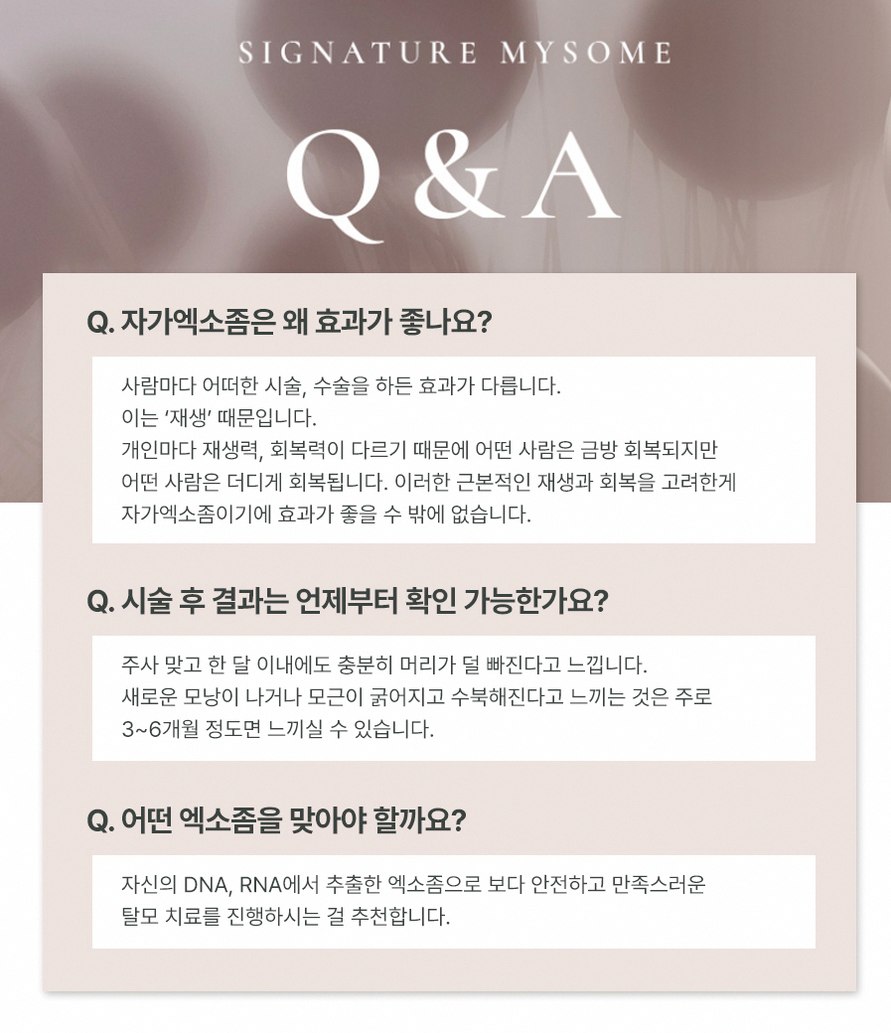
Cell based and exosome therapies are medical procedures and are not suitable for everyone. They have specific indications, potential risks, and ongoing research behind them. Safety depends on how they are prepared and administered, as well as your overall health and scalp condition. A qualified physician should explain the evidence, possible side effects, and alternative options before you decide.
How long does it take to see improvement after starting early treatment?
Hair grows slowly, so Some may see reduced shedding earlier, but visible density changes take time. Consistent use of prescribed treatments and regular follow up are important to give the follicles enough time to respond.
Soft call to action for overseas patients
If you are starting to notice early signs of hair loss and are planning a visit to Seoul, arranging an online consultation in advance can help you make the most of your trip. You can discuss your symptoms, share photos, and explore whether non surgical options such as medical therapy, scalp procedures, or autologous exosome programs might be appropriate for your situation.
Clinique hus,hu is located in Cheongdam, Gangnam, near Apgujeong Rodeo Station on the Suin Bundang Line, exit 4 toward Galleria Department Store, making it convenient for international visitors staying in central Seoul. Reaching out in advance allows the team to suggest a realistic schedule and prepare a personalized plan focused on preserving and strengthening your existing hair in the earliest stages.
Recognizing early hair loss symptoms and acting on them is a practical way to care for both your appearance and your long term scalp health. If you are unsure whether what you are seeing is normal shedding or something more, a professional opinion can provide clarity and options.
- 공유 링크 만들기
- X
- 이메일
- 기타 앱


댓글
댓글 쓰기