Early Signs of Hair Loss: How To Recognize Them And What To Do Next
- 공유 링크 만들기
- X
- 이메일
- 기타 앱
Introduction: what early signs of hair loss really look like
When hair loss begins, it is often subtle. Instead of obvious bald patches, most people first notice small changes: more hair on the pillow, a slightly wider part line, or a ponytail that feels thinner than before. These are typical early signs of hair loss, and recognizing them in time can make a real difference to how well treatment works.
This guide explains how to recognize early hair loss, how to tell it apart from normal or temporary shedding, and when it is worth seeing a specialist. It also outlines common treatment options, including regenerative approaches such as autologous exosome programs, and offers practical advice for international visitors who may consider evaluation and care in Korea.
What counts as early hair loss
Hair naturally grows, rests, and sheds in cycles. It is normal to lose some hairs daily; noticeable increases over time are more concerning. Early hair loss usually means that more hairs than usual are leaving the growth phase and not being replaced with equally strong new hairs. The result is gradual thinning.
Several patterns can show up in the early stage.
Androgenetic hair loss in men often begins with a receding hairline at the temples or thinning on the crown. In women, it more often appears as a widening part line or diffuse thinning over the top of the scalp.
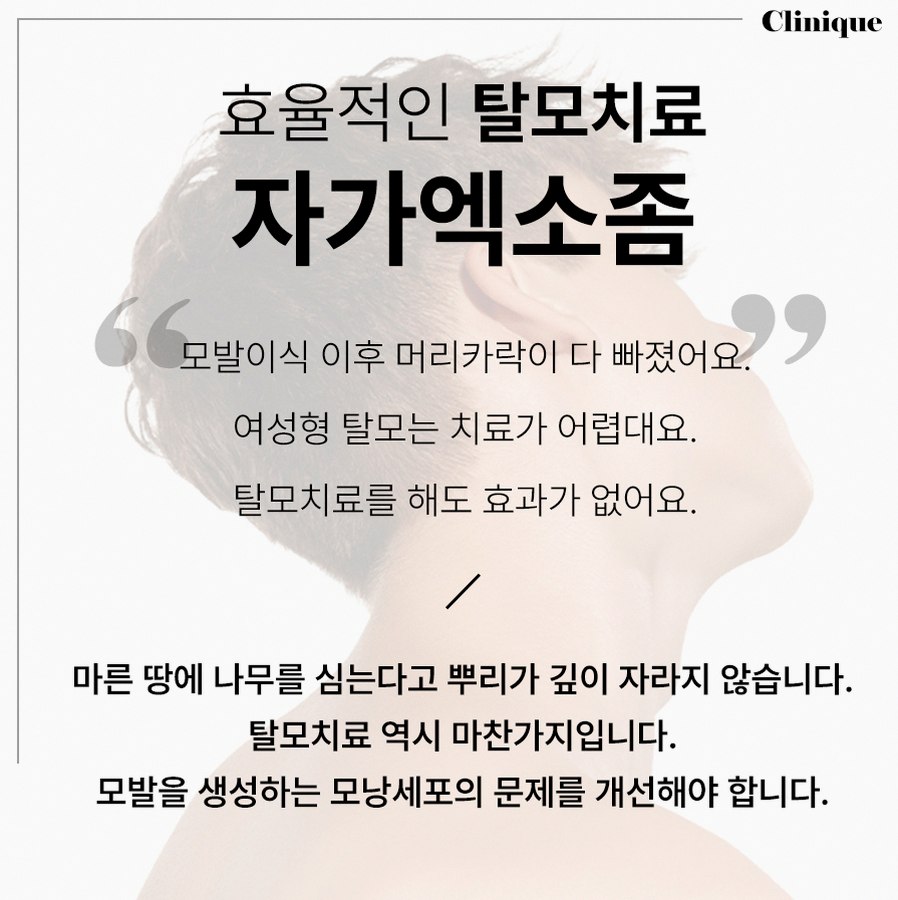
Diffuse thinning can also occur without a strong family pattern. Hair may look generally less dense all over, especially on the top of the head.
Stress related shedding, sometimes called telogen effluvium, can cause a sudden increase in hair fall a few months after a major stress, illness, strict diet, or childbirth. In many cases this is temporary, but it can overlap with pattern hair loss.
The key point is that early hair loss is usually about subtle changes in density, volume, and hair quality, not just visible bald patches.
Typical early signs of hair loss
Increased daily shedding
One of the earliest signs is noticing more hair than usual in places where you normally see some shedding.
You may see more hair on your pillow in the morning, more strands in the shower drain, or more hair collecting on the floor or your desk. Your hairbrush or comb may fill up faster than before.
Some shedding is normal, so a single day with more hair fall is not necessarily a problem. What matters is a persistent increase over weeks to months, especially if you also notice changes in thickness or coverage.
Changes in hairline
In men, early hair loss often shows as a slow recession of the frontal hairline, especially at the temples. The shape of the hairline gradually changes, and the forehead may look taller in photos taken over several years.
In women, the frontal hairline usually stays in place, but the central part line can slowly widen. You may notice more scalp showing when you part your hair in the middle or tie it back.
Reduced hair volume and density
Many people first sense hair loss through touch rather than sight. A ponytail that once felt thick may now feel slimmer. Hair clips or bands may need to be wrapped around more times to hold the hair.
Hair may also look flatter overall, with less ability to cover the scalp. Styles that used to look full may now appear limp, even if the length is the same.
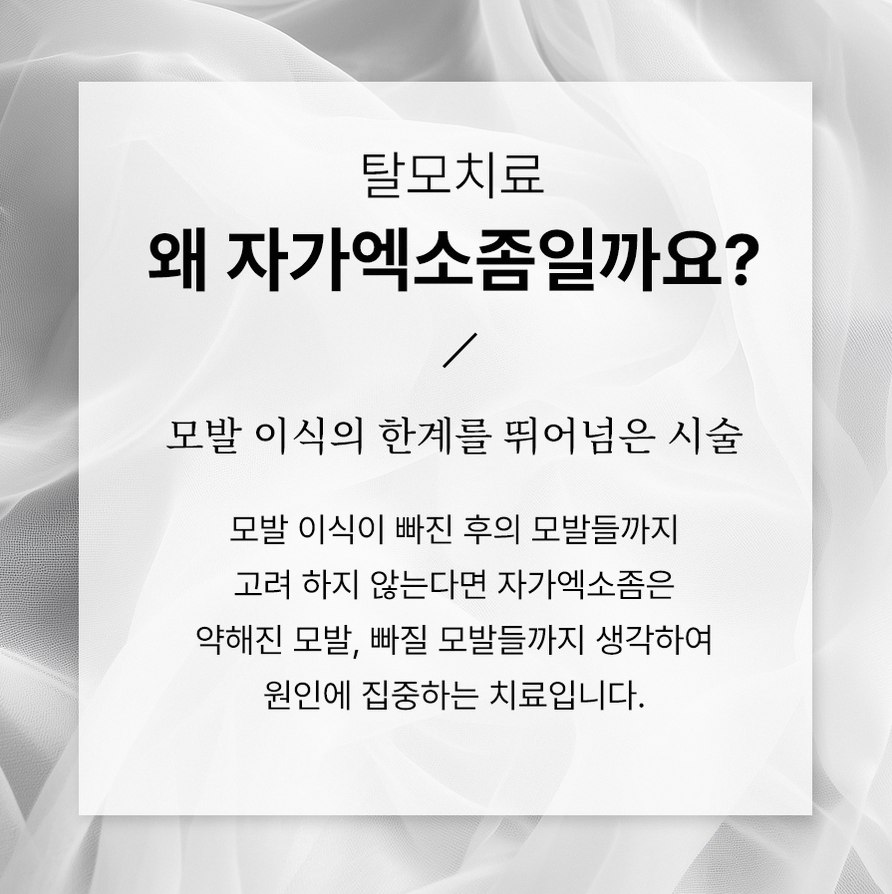
More visible scalp
Under bright bathroom lights or in outdoor photos, you may see more of your scalp shining through the hair. This can happen at the crown, along the part line, or across the top of the head.
Sometimes friends or family notice first when they see the top of your head in photos or when you are seated under strong overhead lighting.
Change in hair quality
Early hair loss is not only about the number of hairs; it is also about their quality. Hairs can become finer and weaker as follicles miniaturize. Over time, thick terminal hairs may be replaced by thinner, softer hairs.
You may notice that your hair breaks more easily, tangles more, or lacks its previous elasticity and bounce. Styling may not hold as well as before.
Scalp symptoms that may accompany early hair loss
Some people experience scalp changes along with early hair loss. These can include itching, flaking, redness, or a feeling of tightness or sensitivity.
Scalp inflammation can stress hair follicles and may worsen hair loss if not managed. Persistent discomfort, visible scaling, or patches of redness are reasons to seek a professional scalp and hair evaluation.
How to distinguish early hair loss from temporary shedding
It is natural to worry when you see more hair in the shower, but not all shedding means permanent loss. Understanding the difference between temporary shedding and progressive hair loss can help you decide when to seek help.
Temporary shedding often has a clear trigger. Common causes include seasonal changes, childbirth, a recent high fever or infection, major surgery, rapid weight loss, severe dieting, or a period of intense emotional stress. Certain medications or hormonal changes can also lead to increased shedding.
In these situations, many hairs enter the resting phase at the same time and then shed a few months later. The scalp may still look fairly even, without a specific pattern of thinning. In many cases, hair gradually recovers once the trigger is resolved, although this can take several months.
Pattern type hair loss, such as male or female pattern thinning, tends to progress slowly and follows a more recognizable distribution. In men, this often means recession at the temples and thinning at the crown. In women, it may appear as a widening part line and decreased density over the top of the scalp.
Sometimes both conditions overlap. For example, someone with a genetic tendency to pattern hair loss may also experience temporary shedding after stress or illness. Because patterns can be mixed, self diagnosis based only on internet photos is unreliable. A professional evaluation is the safest way to clarify what is happening.
Self check tips at home
You can perform simple self checks to monitor your hair over time. These are screening tools, not a substitute for medical assessment, but they can help you notice changes earlier.
Compare photos. Look at older and recent photos of your hairline, crown, and part line under similar lighting if possible. Pay attention to how much scalp is visible and whether the hairline shape has changed.
Monitor ponytail thickness. If you usually tie your hair back, notice how thick the ponytail feels in your hand and how many times you need to wrap a hair tie. A gradual decrease over several months can indicate thinning.
Track shedding over time. Instead of counting every hair, simply note whether increased shedding persists for several months. Short-term increases after a stressful event may improve, but persistent shedding plus thinning is more concerning.
Check the scalp under bright light. Use a mirror or ask someone to look at the top and back of your head under strong light. Look for areas where the scalp is more visible than before.
Remember that these checks cannot confirm a diagnosis. They are meant to guide you on when to consider a professional scalp and hair evaluation.
Why early diagnosis is important
Many common forms of hair loss are progressive. This means that over time, affected hair follicles can produce thinner and shorter hairs, and in advanced stages some follicles may stop producing hair altogether.
Once follicles are severely miniaturized or lost, regrowth becomes much more difficult. Early diagnosis allows treatment to begin while follicles are still active and responsive.
Starting treatment early can help slow or sometimes halt progression, improve hair thickness and quality, and preserve existing follicles before they are irreversibly damaged. Even if full restoration to your thickest past state is not possible, maintaining current density and preventing further loss can make a significant difference in appearance.
There is also an emotional side. Hair loss can affect self esteem, social confidence, and daily comfort. Many people feel anxious or preoccupied when they first notice thinning. Addressing the issue early, with clear information and a realistic plan, can reduce long term stress.
What to expect from a professional evaluation
When you visit a clinic for early hair loss, the process usually involves several steps designed to identify the main cause or combination of causes.
Medical history. The doctor or medical team will ask about when you first noticed changes, how quickly they have progressed, and whether anyone in your family has hair loss. They may ask about your menstrual cycle or menopause status if you are female, as well as pregnancy or childbirth history.
Lifestyle and health review. Questions often include diet, recent weight changes, sleep patterns, stress levels, and any major life events. You will usually be asked about past illnesses, chronic conditions, and medications or supplements you are taking.
Scalp and hair examination. The scalp is examined visually and often with a magnifying device or dermatoscope. This allows close inspection of hair shaft thickness, follicle density, and scalp condition. The doctor may gently pull on small bundles of hair to assess how many strands come out.
Laboratory tests. Depending on your history and exam, blood tests may be recommended. These can check for anemia, thyroid function issues, iron and vitamin levels, and in some cases hormonal imbalances. Identifying correctable internal factors can be an important part of treatment.
Based on these findings, the clinic can propose a tailored plan. Because multiple factors often contribute to hair loss, a combination approach is common.
Treatment options for early hair loss
Treatment for early hair loss usually aims to protect existing follicles, improve scalp health, and support thicker, stronger hair growth. Options can include home based therapies and in clinic procedures.
Topical and oral medications. These may work by improving blood flow to follicles, prolonging the growth phase of hair, or influencing hormones that affect hair miniaturization. Specific choices depend on your sex, age, health status, and type of hair loss. A doctor will explain potential benefits and side effects.

Scalp focused treatments. Medical scalp care can include treatments to reduce inflammation, control dandruff or seborrheic dermatitis, and improve the scalp environment. Gentle medical peels, light based therapies, or other device based procedures may be used to calm irritation and support follicles.
Nutritional and systemic support. When blood tests show deficiencies in iron, vitamin D, or other nutrients, supplements may be recommended. Addressing thyroid or hormonal issues, in cooperation with appropriate specialists, can also be part of a comprehensive plan.
Regenerative and cell based approaches. In some clinics, regenerative treatments are used to provide growth factors or signaling molecules that support follicle health. These can include therapies using components derived from the patient’s own blood or cells, as well as exosome based programs.
The best results often come from combining lifestyle adjustments, medical therapy, and in clinic procedures tailored to the individual’s pattern and cause of hair loss.
Regenerative care and autologous exosome programs
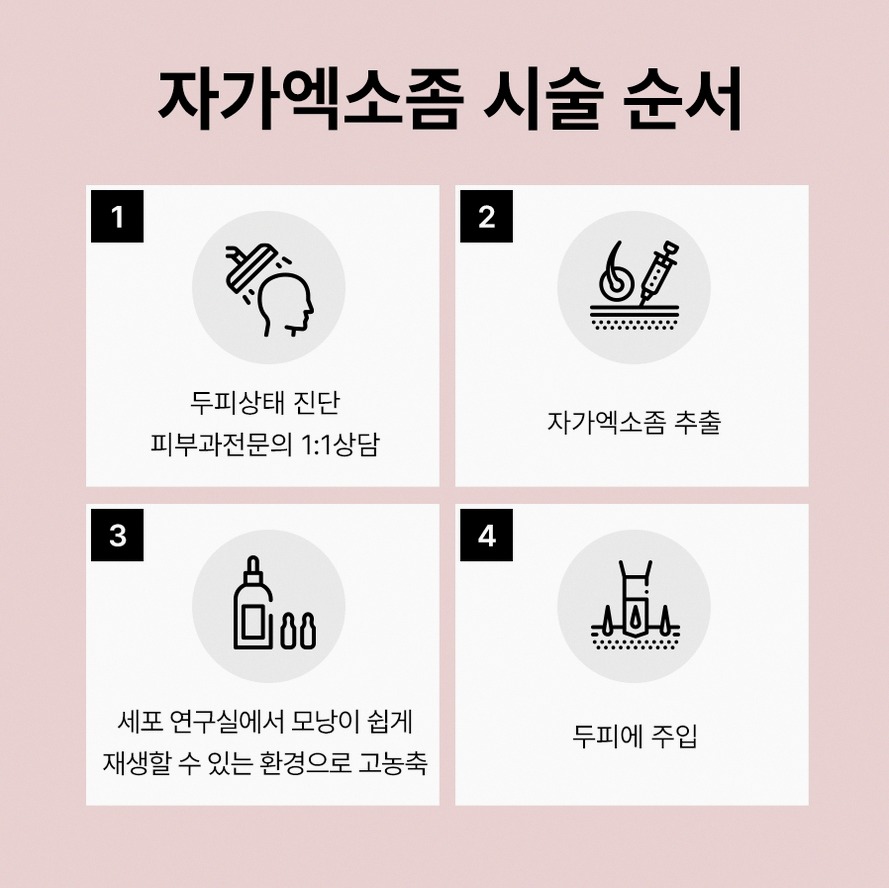
Within the broader field of hair loss management, regenerative medicine focuses on supporting the hair follicle at a cellular level. One example is an autologous exosome hair program.
Autologous means that the material used comes from your own body. In this context, These preparations can contain exosomes and other signaling molecules.
Exosomes are tiny vesicles that cells use to communicate. They can carry proteins, lipids, and genetic material that influence how nearby cells behave. In hair loss care, the idea is that exosomes from your own cells may help create a more supportive environment around hair follicles.
An autologous exosome hair program is usually positioned as a regenerative option that complements conventional treatments. It does not replace medical therapy or lifestyle changes, but may be added to a plan for early hair loss to act more directly at the cellular level.
How Clinique hus,hu fits into early hair loss care
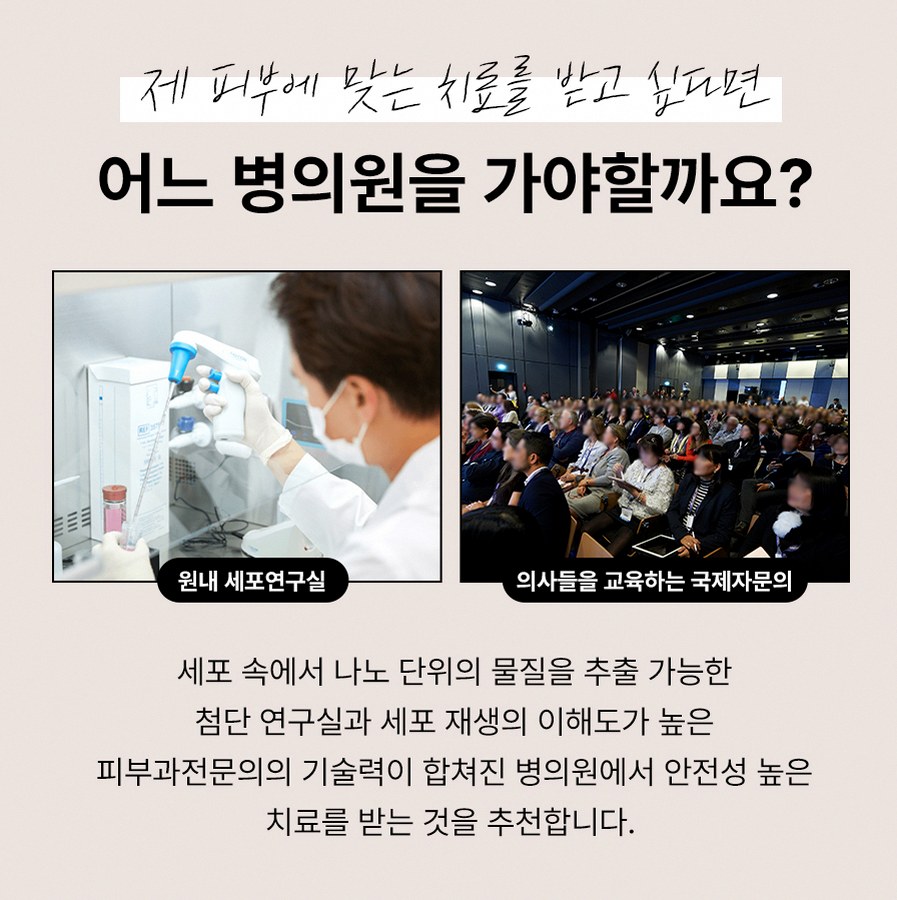
Clinique hus,hu is a dermatology and anti aging clinic in Cheongdam, Gangnam, Seoul, near Apgujeong Rodeo Station on the Suin–Bundang Line, Exit 4. The clinic focuses on cell level anti aging and regenerative treatments and operates an in house cell research laboratory called Recovery Lab.
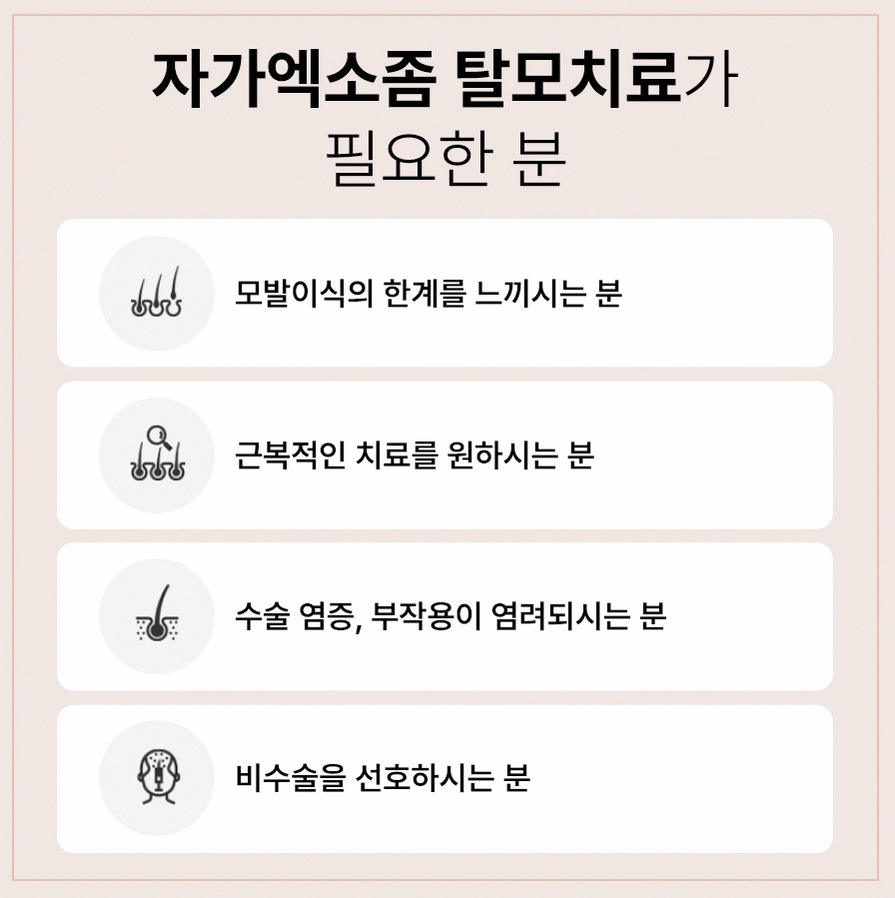
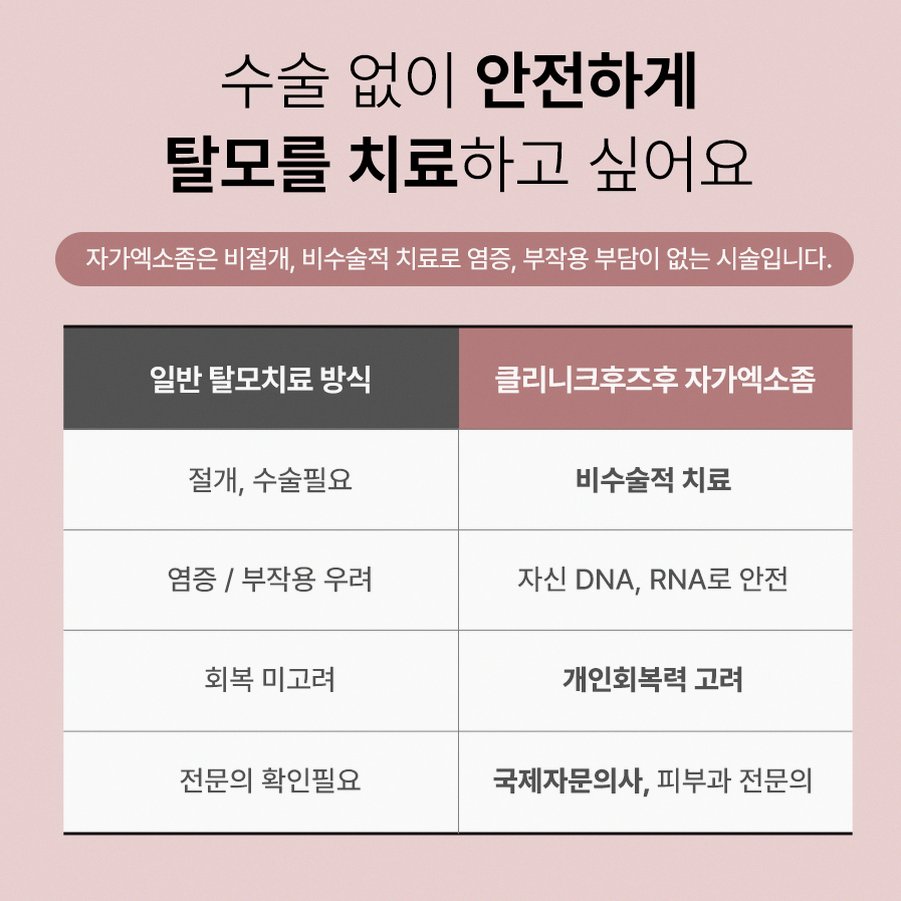
Within its broader anti aging system, the clinic offers an autologous exosome hair program that uses components derived from the patient’s own cells, following an autologous cell principle.
For international visitors staying in or near Gangnam and Cheongdam, the location allows convenient access for consultation, follow up visits, and combined skin and hair anti aging care.
Safety, expectations, and limitations
Any medical treatment for hair loss should be approached with realistic expectations. Results vary depending on the cause of hair loss, how advanced it is, your general health, and how consistently you follow the recommended plan.
Early intervention can often slow progression and improve density, but it may not completely restore hair to the thickest level you had in your teens or early twenties. The goal is usually to stabilize loss, strengthen existing hair, and achieve visible but natural looking improvement.
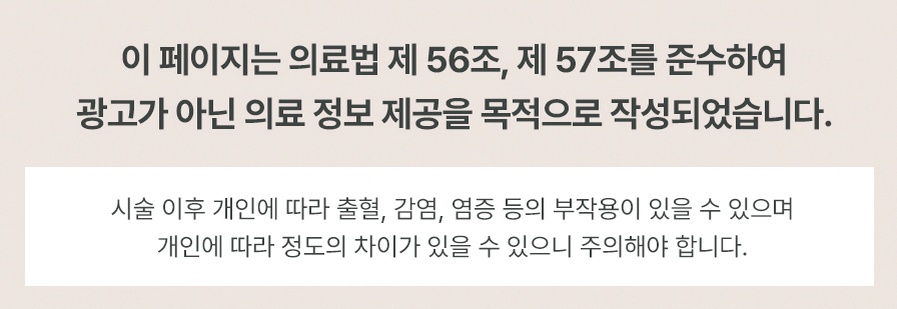
Procedures such as injections, device-based treatments, or regenerative therapies should be performed by qualified medical professionals after proper assessment. Before starting, it is reasonable to ask about the scientific evidence behind each recommended treatment, the expected number of sessions, the likely timeline for results, and how maintenance will be handled. You should also be informed about common, procedure-specific side effects — for example, injectables and fillers can cause bruising, swelling, redness, or tenderness (and, rarely, vascular complications); thread lifts may lead to temporary bruising, swelling, or dimpling; laser treatments commonly cause transient redness and can sometimes affect pigmentation; regenerative injections may cause mild soreness or swelling and carry a small risk of infection or reaction. Individual experiences vary, and the clinic should provide a detailed, procedure-specific risk, discomfort management, and aftercare plan during consultation.
Lifestyle and self care for early hair loss
Lifestyle changes alone rarely reverse progressive hair loss, but they can support medical treatment and improve overall scalp health.
Nutrition. Hair is made of protein, so adequate protein intake is important. Iron, zinc, vitamin D, and certain B vitamins also play roles in healthy hair growth. Extreme dieting or restrictive eating patterns can trigger shedding. A balanced diet, or guidance from a nutrition professional when needed, can be helpful.
Stress and sleep. Chronic stress and poor sleep can disrupt hormonal balance and hair cycles. Techniques such as regular exercise, relaxation practices, and consistent sleep routines may not cure hair loss, but they support overall health and may reduce additional shedding triggers.
Hair styling habits. Frequent bleaching, harsh chemical treatments, very tight hairstyles, and excessive heat styling can damage hair shafts and sometimes stress follicles. Choosing gentler products, avoiding constant traction styles, and limiting high heat tools can reduce breakage and irritation.
Scalp care. Using mild shampoos suited to your scalp type, avoiding aggressive scratching, and treating dandruff or seborrheic dermatitis promptly can help maintain a healthier environment for hair.
When to seek professional help
You do not need to wait for obvious bald spots before seeing a specialist. Earlier consultation generally offers more options and better potential outcomes.
Consider visiting a clinic if you notice any of the following.
A clearly widening part line or more scalp showing through the hair.
A receding hairline at the temples or thinning at the crown.
Persistent increased shedding lasting more than several months.
Scalp symptoms such as itching, burning, or scaling along with hair loss.
If you are planning a visit to Korea and are concerned about early hair loss, you can arrange an online consultation in advance to discuss your situation and plan your schedule.
Online consultation and pre visit preparation for overseas patients
For international patients, an online consultation is often the first step. You can usually contact the clinic through email, messaging apps, or online forms to describe your concerns and share photos.
To prepare, it helps to gather the following information.
Clear photos of your hairline, crown, part line, and sides under good lighting.
A brief history of when you first noticed changes and how they have progressed.
A list of current medications, supplements, and any recent major illnesses or surgeries.
Information about family history of hair loss.
During the online consultation, you can ask about possible causes, suggested evaluation steps, and which treatments might be appropriate for early hair loss in your case. This is also a good time to discuss how many visits may be needed, approximate scheduling, and how treatments can be coordinated with your travel plans.
Expected Korea visit timeline for early hair loss care
The exact schedule will depend on your chosen treatments and length of stay, but a typical structure might look like this.
Day 1–2: In person consultation and diagnostic evaluation, including scalp and hair examination and any necessary blood tests. A personalized plan is discussed.
Day 2–7: Initial treatments, which may include topical or oral prescriptions, scalp care procedures, and the first session of any regenerative program if indicated.
Week 2 or later: For longer stays, follow up sessions may be scheduled several days apart. If your stay is short, the clinic may focus on starting treatments and planning how you can continue care at home.
Because hair growth cycles are slow, visible improvements usually appear over several months. Even if you cannot remain in Korea for that long, a well planned visit can establish a solid foundation and clear follow up strategy with your local doctor.
Aftercare and ongoing management
After in clinic treatments, you will receive instructions for home care. These may include how to apply topical solutions, how often to wash your hair, which products to avoid, and what to expect in the first few weeks.
Some people experience a temporary increase in shedding when starting certain treatments, as older hairs are pushed out to make way for new growth. Your medical team should explain if this is expected in your case.
Long term management often involves continuing topical or oral therapies, periodic in clinic sessions if feasible, and monitoring with photos every few months. Staying in contact with your clinic through online follow up can help adjust your plan as needed.
If you have been treated at a clinic in Seoul such as Clinique hus,hu, you can usually arrange remote check ins to discuss progress, side effects, and any questions that arise after you return home.
FAQ: early signs of hair loss and treatment in Korea
Is my shedding normal or is it an early sign of hair loss
Some daily shedding is normal, but a clear and persistent increase lasting more than three months, especially when combined with thinning or a wider part line, may indicate early hair loss. If you are unsure, comparing old and new photos and seeking a professional scalp evaluation can help clarify the situation. A doctor can also check for temporary triggers such as illness, stress, or nutritional issues.
Can early hair loss be reversed
In many cases, early hair loss can be improved or stabilized, especially when treatment starts before follicles are severely miniaturized. The goal is often to slow or stop progression and strengthen existing hair rather than to promise complete restoration. Response varies by individual, so a personalized plan and regular follow up are important.
How long does treatment take to show results
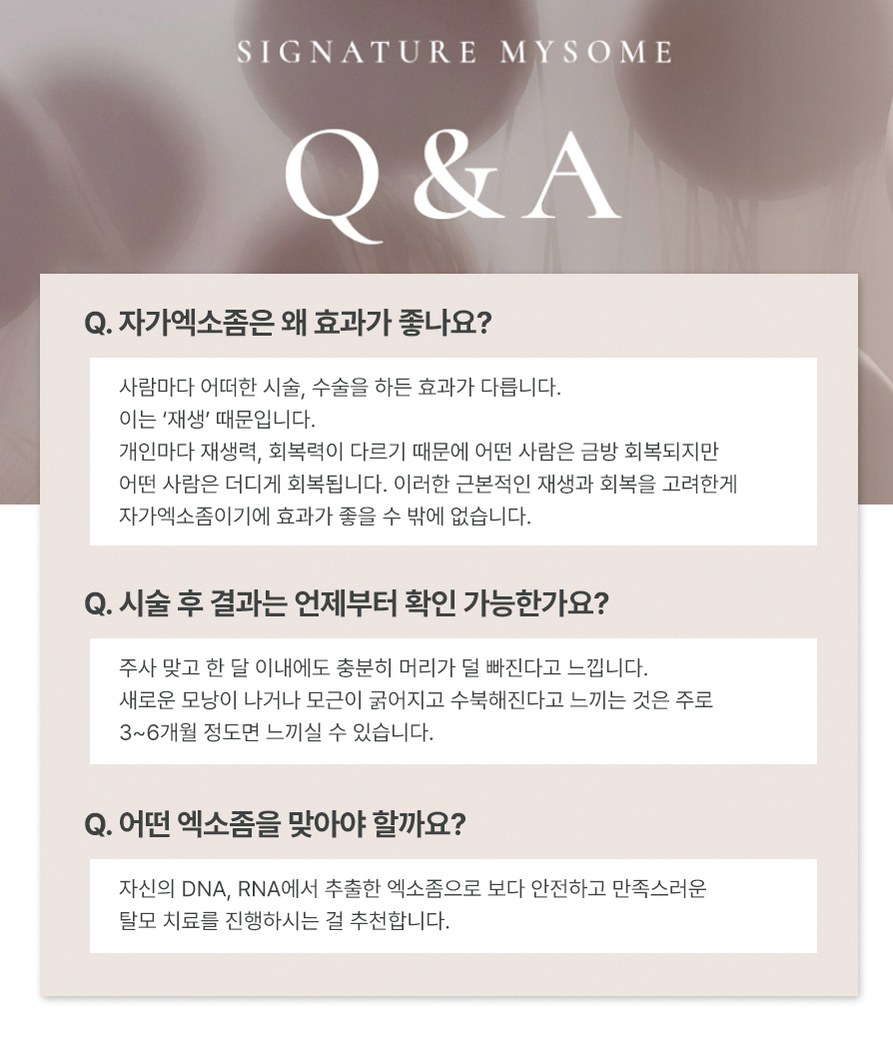
Hair grows slowly, so visible improvements often take several months and timelines vary by treatment and individual. Some people notice reduced shedding or improved hair texture earlier. Regenerative and exosome-based programs may be scheduled in a series of sessions, with results evaluated over time. Your doctor can outline a realistic timeline based on your specific plan.
Is it worth traveling to Korea for early hair loss treatment
Korea offers a wide range of hair and scalp treatments, including medical therapy, advanced scalp care, and regenerative programs. For some patients, combining a trip with a thorough evaluation and the start of a structured treatment plan is worthwhile, especially if local options are limited. Before traveling, an online consultation can help you understand what to expect, how many visits you may need, and how to continue care after returning home.
Soft call to action for online consultation
If you have started to notice early signs of hair loss and are considering evaluation in Seoul, arranging an online consultation can be a practical first step. You can share your concerns, medical history, and photos, then receive guidance on possible causes and treatment options.
Clinics such as Clinique hus,hu, located in Cheongdam near Apgujeong Rodeo Station, offer scalp and hair assessments within a broader anti aging and regenerative system, including an autologous exosome hair program. By discussing your situation in advance, you can plan a visit that fits your schedule and gives you a clear path forward for managing early hair loss.
- 공유 링크 만들기
- X
- 이메일
- 기타 앱


댓글
댓글 쓰기