Factors that determine hair loss treatment price in Cheongdam
- 공유 링크 만들기
- X
- 이메일
- 기타 앱
Hair loss treatment cost in Seoul – direct answer first
There is no single fixed price for hair loss treatment in Seoul, even within one district like Gangnam or Cheongdam. The cost depends on what is causing your hair loss, how advanced it is, which medical methods are chosen (medication, injections, device‑assisted therapy), and how long you continue treatment. Because hair loss is usually a chronic condition, it is more accurate to think about the total cost of a treatment course over several months rather than the price of one session.
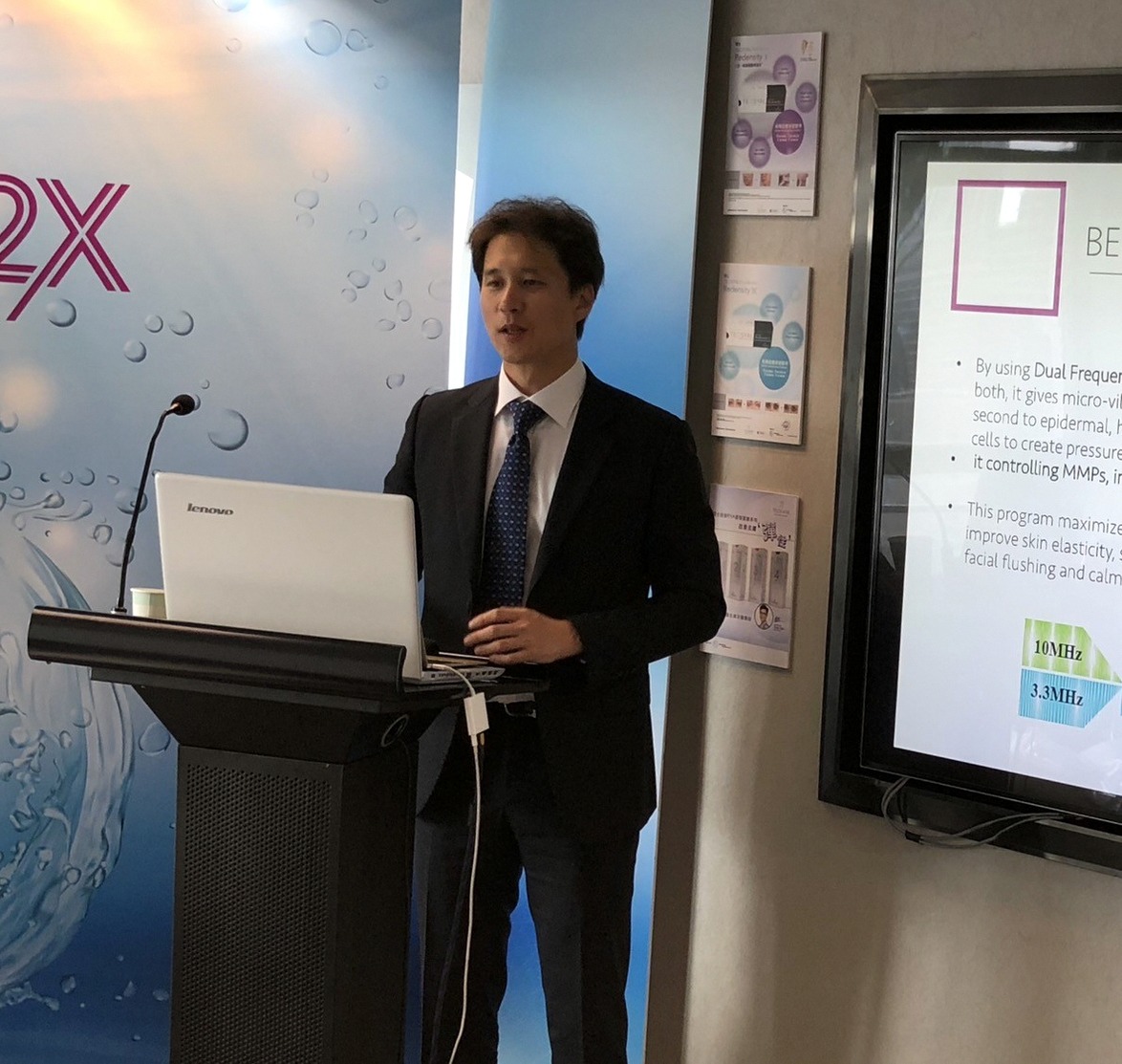
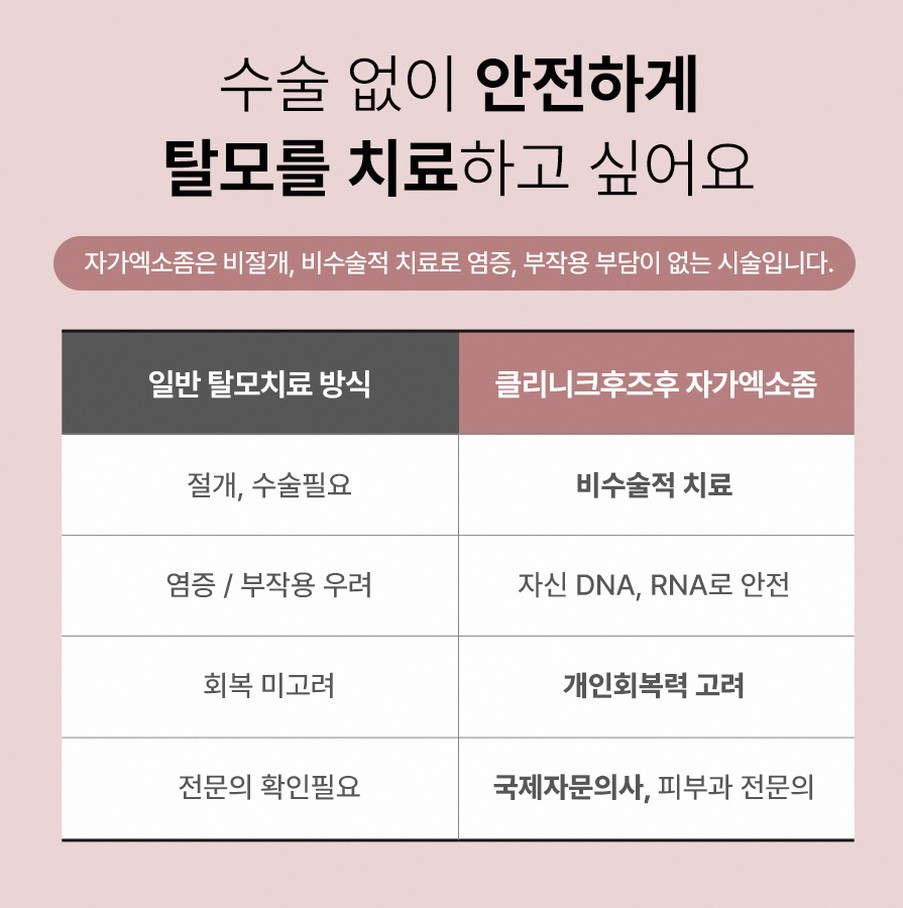
A clinic such as Clinique hus,hu in the Cheongdam area focuses on non‑surgical, medical hair loss care using regenerative and exosome‑based programs. This type of approach tends to be more personalised and cell‑focused than mass‑market hair packages, so unit prices can be higher, but the goal is to support the scalp and follicles at a deeper biological level.
Overview of non‑surgical hair loss treatment in Korea
In Korea, non‑surgical hair loss treatment usually combines several elements: medical diagnosis, medication, scalp care, and sometimes regenerative injections or devices. The aim is to slow down progression, preserve existing follicles, and improve hair density and quality where possible.
Instead of offering one universal package, a medical team will typically start with a detailed consultation, classify the type and stage of hair loss, and then design a stepwise plan. For example, a patient with early thinning may begin with medication and medical scalp care, while someone with more visible scalp might add autologous exosome injections or regenerative therapies.
Who may consider this type of treatment
Non‑surgical, regenerative hair loss programs in Gangnam and Cheongdam are usually considered by:
Adults who notice increased shedding, widening part lines, or a more visible scalp and want to act before hair loss becomes advanced.
Men and women with a family history of pattern hair loss who want medical monitoring and early intervention.
Patients who have tried over‑the‑counter shampoos or tonics without clear benefit and now prefer medically supervised treatment.
Individuals interested in cell‑level or exosome‑based approaches and willing to invest in a structured program rather than a short, one‑time procedure.
People who are also concerned about facial aging and would like to coordinate scalp and anti‑aging care in one place.
What determines hair loss treatment cost?
Type of hair loss
The first major cost factor is the type of hair loss.
Androgenetic hair loss (male or female pattern) is the most common. It often responds to long‑term medication and may be combined with regenerative injections to support miniaturised follicles. In these cases, the monthly cost can range from relatively modest (medication only) to higher (medication plus injections and devices).
Diffuse thinning, stress‑related shedding, or hair loss related to medical conditions may require more investigation and sometimes more intensive scalp treatments. If the main issue is inflammation or scalp disease, treatment may initially focus on controlling that, which can change the cost structure.
Some types of hair loss respond mainly to medication, while others benefit from regenerative injections or device‑assisted therapies. Injections and devices are usually more expensive per session than tablets or topical solutions.
Severity and area of hair loss
The more advanced the hair loss, the more sessions or higher doses are usually needed.
Early thinning with minimal visible scalp often requires lower doses and fewer injection points per session. This can keep the total program cost lower.
Visible scalp, receding hairlines, or thinning at both the crown and frontal areas typically need more extensive treatment. The doctor may recommend more frequent sessions at the beginning, which increases the total cost over the first few months.
Very advanced hair loss, where follicles are largely lost, may not respond well to non‑surgical treatment alone. In such cases, a clinic may discuss realistic expectations and sometimes compare non‑surgical care with surgical options like hair transplant, which are generally priced very differently.
Treatment method
The chosen method is one of the strongest drivers of cost.
Basic medical management
This includes oral medications, topical solutions, and medical shampoos prescribed after a scalp and hair evaluation. It usually has the lowest monthly cost but must be continued long term to maintain benefits.
Costs vary depending on whether you use brand‑name or generic drugs, how many products are combined, and how often you return for follow‑up visits and monitoring.
Injection‑based scalp treatments
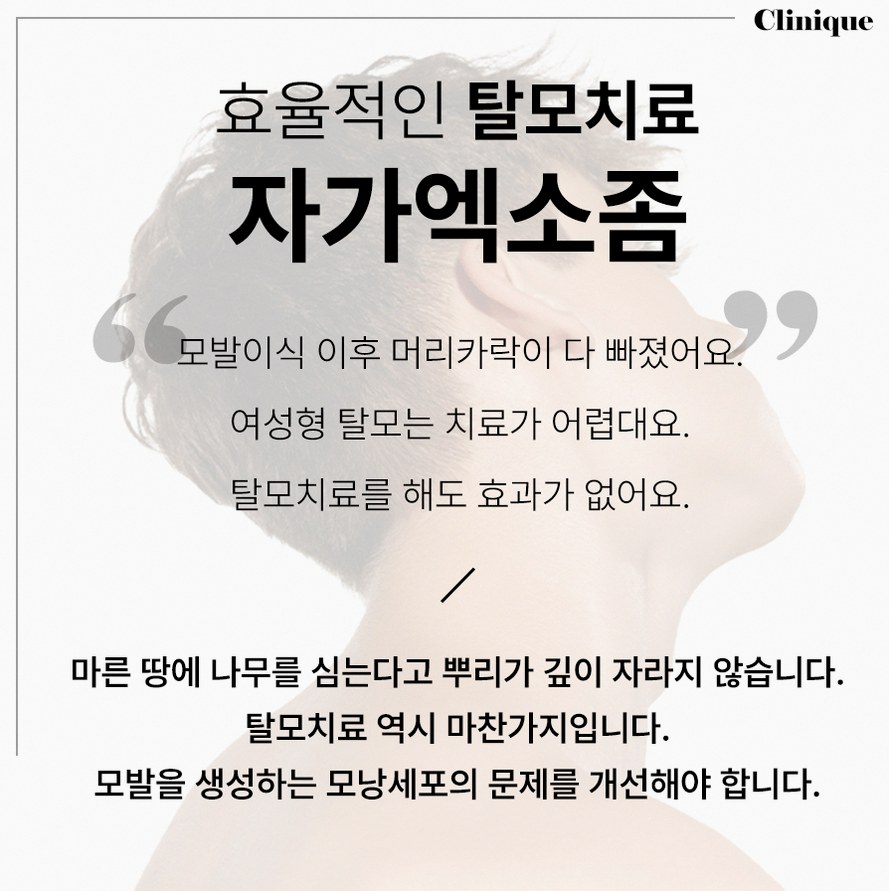
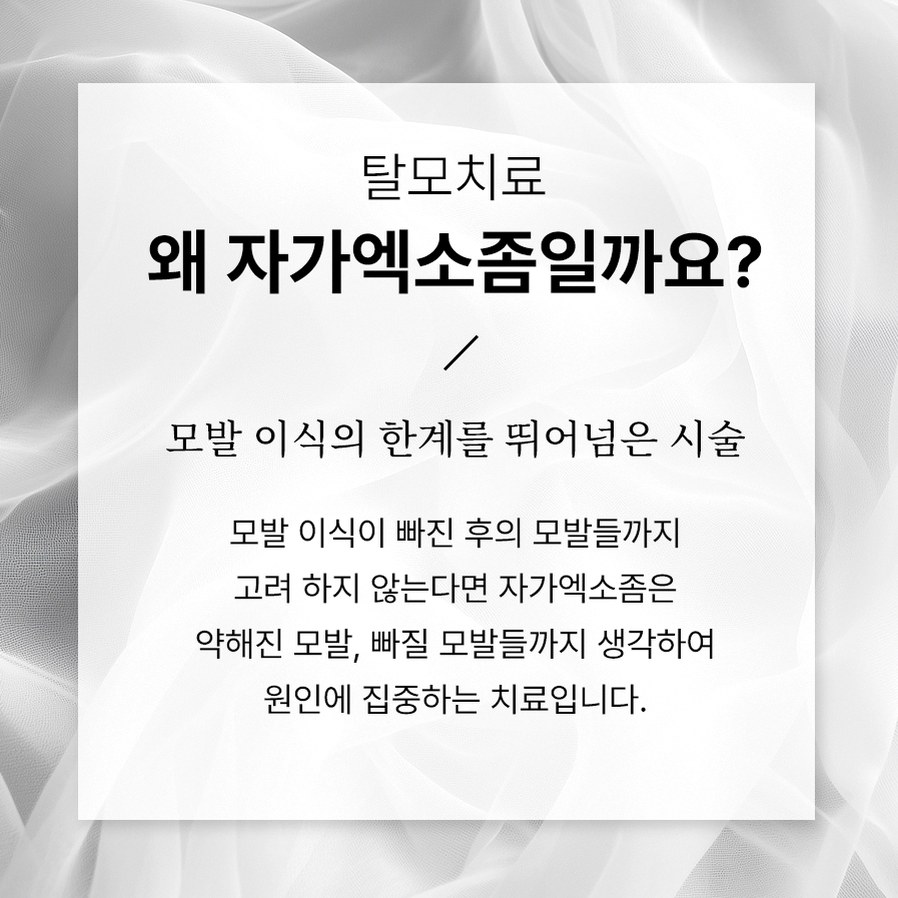
Autologous exosome programs use the concept of exosomes derived from the patient’s own cells to support the scalp environment and hair follicle condition. Exosomes are tiny vesicles released by cells that carry signaling molecules. In regenerative medicine, they are used to support tissue repair and help regulate inflammation.
An autologous approach, where the patient’s own material is processed and used, is more complex than simply injecting an off‑the‑shelf product. This extra processing, sterility management, and protocol design generally increase the cost per session.
Other regenerative or skin repair injections, such as DNA or PDRN‑type solutions, may be adapted for use around the scalp. These aim to improve tissue quality and microcirculation, creating a more favourable environment for hair. They are not a stand‑alone cure, but can be part of a broader program.
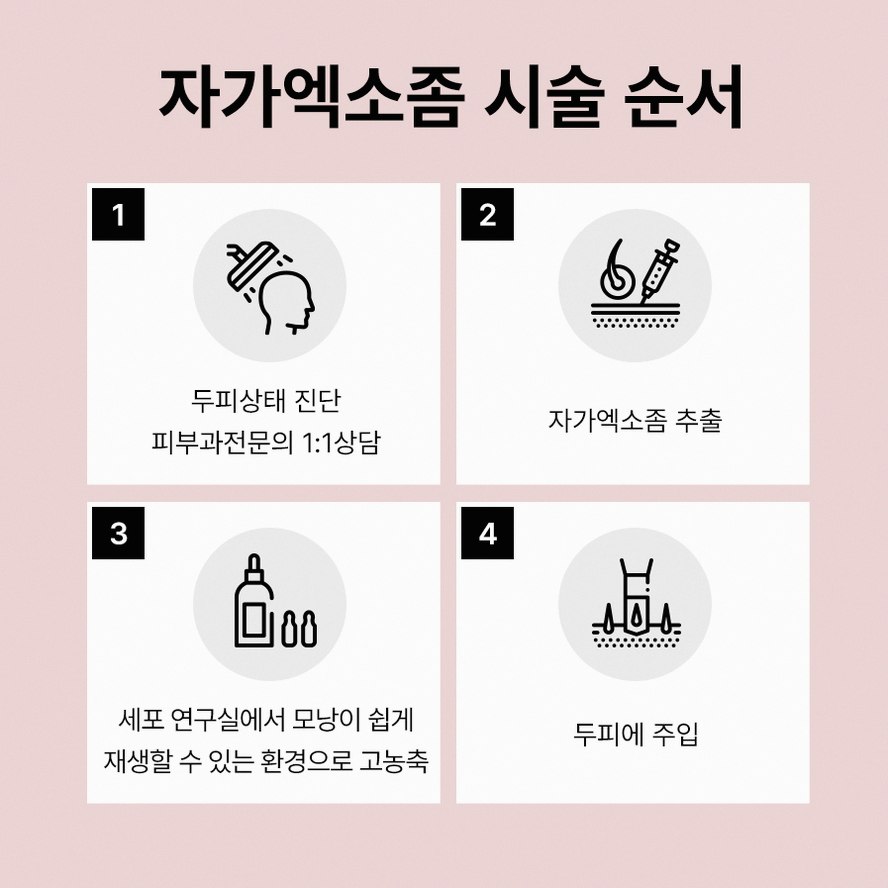
Injection therapies typically have a higher per‑session price than medication and are often packaged as a series, for example every two to four weeks for several months.
Device‑assisted treatments
Some clinics use energy‑based devices originally developed for skin regeneration, such as radiofrequency or ultrasound, around the scalp or forehead. The goal is to support circulation and tissue quality, not to promise dramatic hair regrowth.
In a clinic with a wide portfolio of premium devices for anti‑aging and tissue support, these technologies can be integrated into a hair preservation plan. Costs depend on the specific device, the size of the treated area, the number of passes, and whether devices are combined with injections in the same session.
Combination programs
Many patients receive a combination of medication, injections, and device‑assisted therapy. Integrated programs are usually structured over three to twelve months, with a clear schedule and milestones.
While the per‑session cost may seem high, the key is to understand the total program cost over the recommended period, including follow‑up and maintenance. Combination programs naturally cost more than medication alone, but they may offer more comprehensive support for the scalp and hair.
Treatment period and frequency
Hair grows in long cycles, and follicles take time to respond. Visible change in density or thickness often requires at least three to six months of consistent care, and maintenance usually continues beyond that.
If you choose a program with frequent injections in the first few months, the initial cost will be higher, then may decrease as the interval between sessions is extended for maintenance.
When comparing clinics, it is important to ask not only the price per session, but also how many sessions are recommended in the first six to twelve months. This gives a more realistic picture of the total investment.
Clinic system and staff
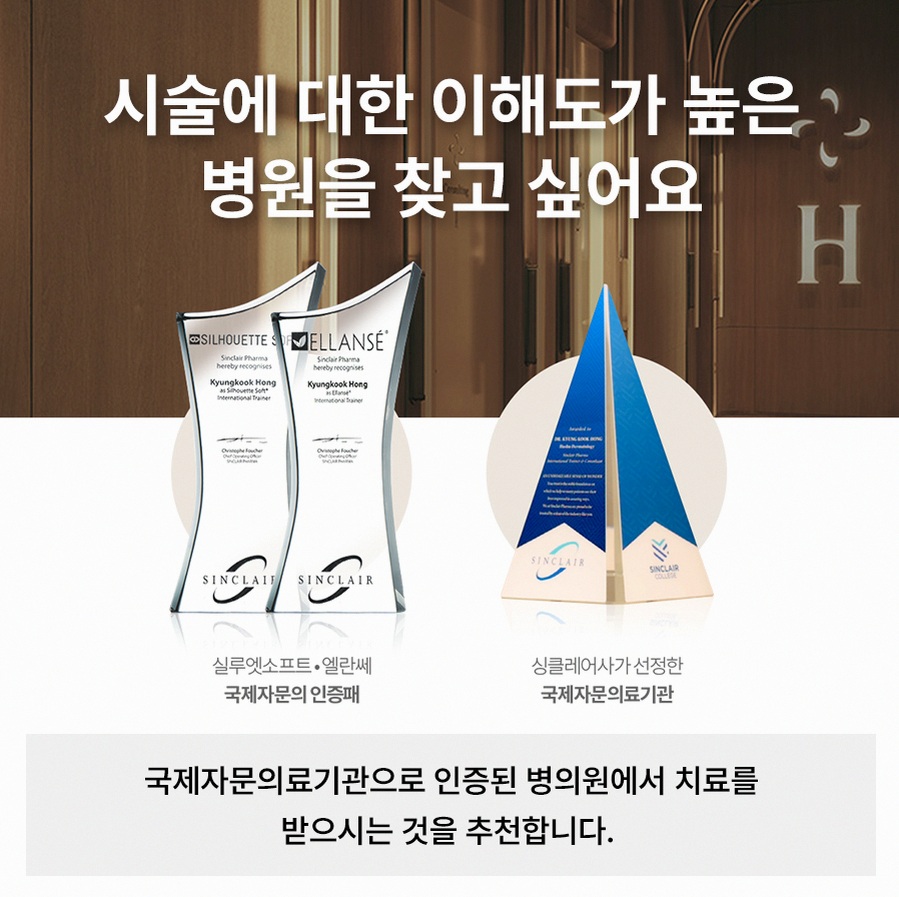
A dermatology‑based medical approach typically includes proper diagnosis, imaging, and follow‑up, which adds professional time and equipment costs. Quick sales consultations without detailed evaluation may appear cheaper but might not address the underlying cause.
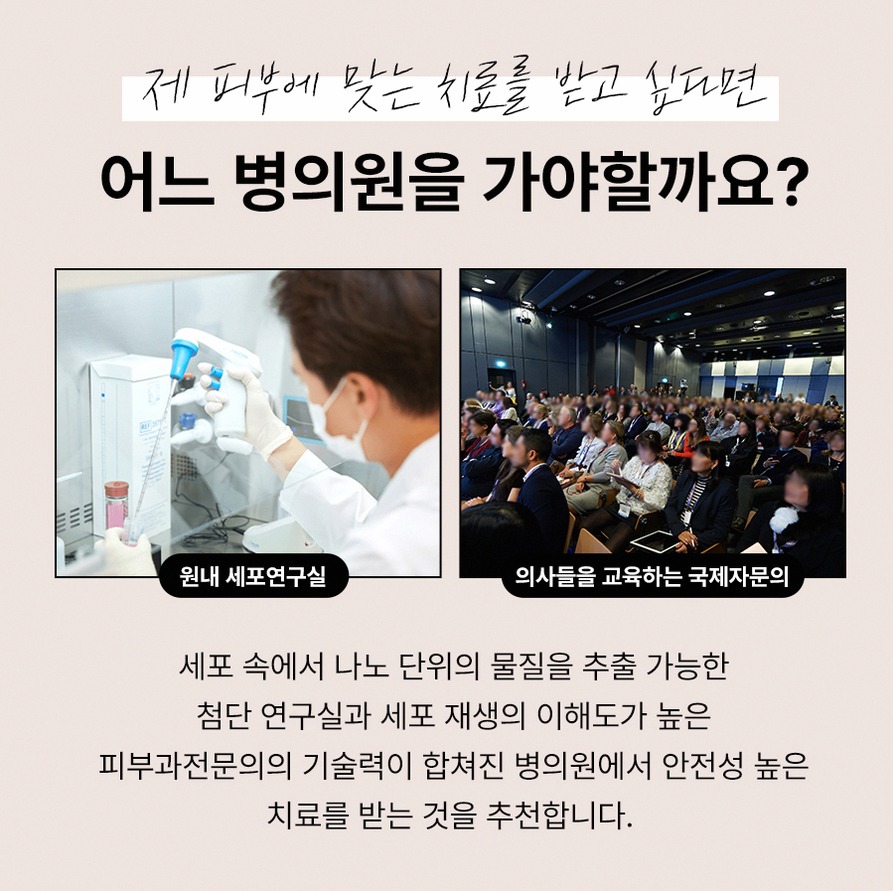
Clinics that operate an in‑house cell research lab and use autologous cell or exosome concepts invest in specialised equipment, protocols, and quality control. This can increase unit costs but is intended to improve biological relevance and safety.
Types of non‑surgical hair loss treatments to compare
Basic medical therapy
For many patients, the foundation of hair loss treatment is medication. This may include oral drugs that influence hormone pathways, topical solutions that stimulate follicles, and medical shampoos to control scalp inflammation or oiliness.
Monthly costs are generally lower than for injection or device programs, but they continue for as long as you want to maintain results. Stopping medication often leads to gradual return of hair loss.
When comparing clinics, ask whether the prescription is tailored to your health status and risk profile, and how often follow‑up blood tests or monitoring are recommended.
Injection‑based scalp treatments
Autologous exosome programs and regenerative injections are usually positioned as advanced options for patients who want more intensive support than medication alone.
Because these involve specialised materials and techniques, they are priced higher per session. Many clinics recommend a series of sessions over a few months, followed by maintenance at longer intervals.
Regenerative injections adapted for the scalp, such as DNA or PDRN‑type solutions, may be used to support tissue repair and microcirculation. These can be combined with exosome‑based approaches or used as a stepwise upgrade from basic medical therapy.
Device‑assisted programs
Energy‑based devices used in anti‑aging, such as radiofrequency or ultrasound, may be applied around the scalp and forehead to support tissue quality. While they are not a direct replacement for hair transplant surgery, they can be part of a comprehensive plan to preserve hair and improve the surrounding tissues.
Costs depend on the device brand, treatment parameters, and whether the session is stand‑alone or combined with injections. Premium devices tend to have higher per‑session fees, but may allow more precise control and customisation.
Integrated anti‑aging and hair loss programs
Some patients visiting Gangnam and Cheongdam are not only worried about hair loss but also about facial aging, skin texture, or contour. For these individuals, it can be efficient to design an integrated program that addresses both scalp and face.
For example, a patient might combine an autologous exosome scalp program with facial lifting or skin regeneration sessions, scheduled together to minimise travel and downtime. These combined plans naturally cost more than scalp‑only programs, but they can be more convenient and coherent for long‑term anti‑aging care.
How a clinic typically evaluates hair loss before giving a quote
Initial consultation
Before discussing exact costs, a responsible clinic will usually conduct a detailed consultation. This includes medical history, such as family pattern of hair loss, hormonal issues, medications, stress level, diet, and lifestyle.
The scalp and hair are examined for density, miniaturisation, and signs of inflammation or disease. Some clinics use imaging systems to document and analyse the condition of the scalp and hair follicles.
Diagnosis and classification
The doctor classifies the pattern and stage of hair loss and looks for coexisting scalp conditions such as seborrheic dermatitis, atopic tendencies, or acne‑like lesions. These can influence which treatments are safe and effective, and therefore affect cost.
If necessary, additional tests may be recommended to rule out nutritional deficiencies or hormonal problems.
Personalised plan and quotation
After diagnosis, the clinic proposes a stepwise plan. This often starts with baseline medical therapy, then adds optional regenerative injections or device sessions depending on the patient’s goals and budget.
Costs are usually explained both per session and as a package over a certain time frame. The clinic should clarify what is included: number of sessions, type of medication, follow‑up visits, and any imaging or lab tests.
What to check about cost before choosing a clinic
When you compare hair loss treatment costs in Gangnam or Cheongdam, it helps to go beyond the headline price.
Ask what is included in the quoted price. Does it cover only the injections, or also consultation, scalp imaging, medication, and aftercare? Are there separate fees for follow‑up visits?
Confirm who performs the diagnosis and procedures. Ask whether an experienced physician is responsible for your medical plan, and how much time is allocated for consultation at each visit.
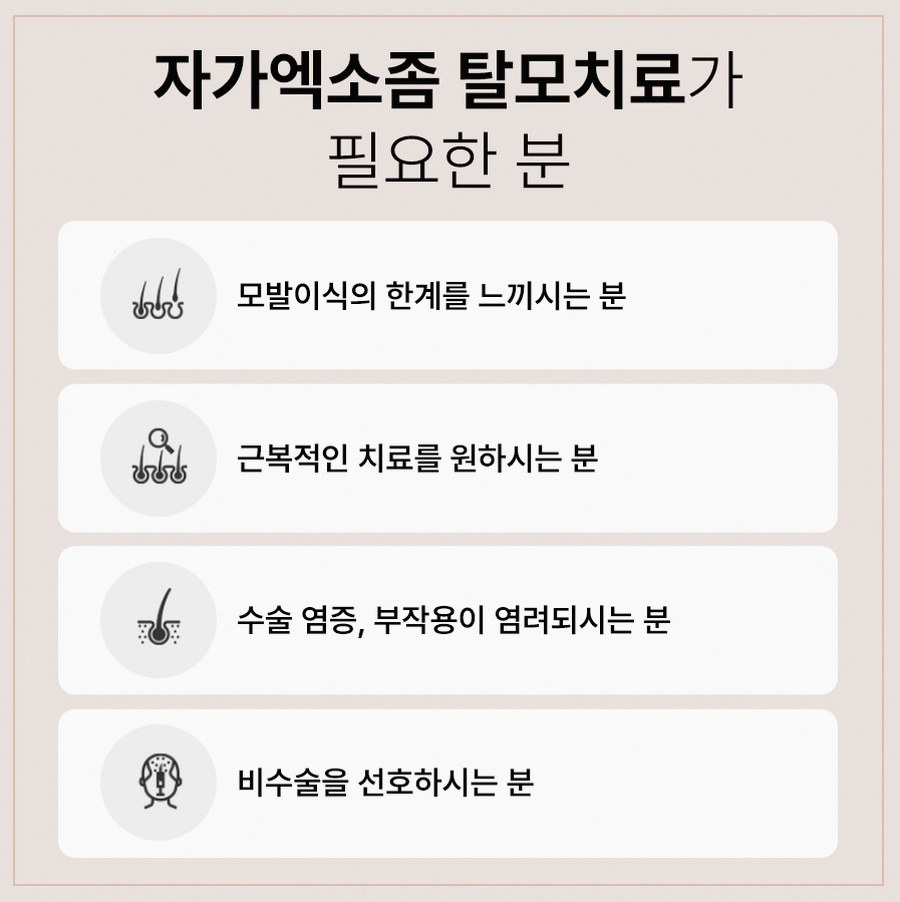
Ask about the type of regenerative material. Is the approach autologous, using your own cells or cell‑derived components, or is it based on commercial products? Is there an in‑house lab, and how is sterility managed?
Check whether the plan is realistic for long‑term maintenance. A very short, low‑cost package may not be enough for a chronic condition like hair loss. Ask what kind of maintenance is expected after the initial program and how much that might cost.
Be cautious of overly aggressive guarantees of full regrowth or extremely low prices that rely on very short consultations. Hair loss treatment is a medical process, and individual responses vary.
Why some patients choose a regenerative, cell‑focused clinic
Some patients are willing to accept higher unit costs to receive care at a clinic that integrates dermatology, anti‑aging, and regenerative medicine.
A cell‑focused clinic may use autologous exosome concepts and non‑cultured cell principles to prioritise safety and biological compatibility. An in‑clinic cell research lab can support continuous development of protocols for tissue regeneration and scalp support.
A broad portfolio of devices allows the medical team to tailor combination therapies for both scalp and surrounding tissues, aligning hair preservation with facial anti‑aging. For many patients in their 30s to 50s, hair loss is just one aspect of the overall aging process, so this integrated approach can be attractive.
Online consultation and pre‑visit preparation for overseas patients
If you are considering travelling to Seoul for hair loss treatment, an online consultation is a practical first step.
Before your online consultation, prepare clear photos of your scalp from the front, top, sides, and back in good lighting. Make a list of current medications and supplements, previous hair treatments, and any medical conditions.
Write down your main concerns and goals. For example, whether you prioritise slowing further loss, improving density in specific areas, or combining scalp care with facial anti‑aging.
During the online consultation, ask which treatment methods are likely to be recommended in your case, how many sessions are typically needed, and how they can be scheduled within your travel dates. You can also ask for a rough cost range for different program levels, understanding that final pricing will be confirmed after in‑person examination.
Expected Korea visit timeline for hair loss treatment
For overseas patients, the visit schedule can be adapted to your stay.
Short stay of one week or less may allow for initial consultation, diagnostic imaging, and the first treatment session, such as autologous exosome injections or regenerative scalp therapy. Medication can be prescribed for several months.
Stay of two to four weeks can include multiple treatment sessions spaced a few days apart, especially for injection or device‑assisted programs. This can intensify the early phase of treatment before you return home.
Longer‑term follow‑up is often done through online consultations and photo updates, with in‑clinic visits scheduled when you next travel to Korea. Maintenance sessions can be planned at intervals of several months, depending on your response and schedule.
Aftercare and maintenance
After injection‑based scalp treatments, mild redness, swelling, or tenderness are common for a short period. You may be advised to avoid hot baths, saunas, intense exercise, or alcohol for a day or two. Gentle scalp care and avoiding harsh chemical treatments for a short time are usually recommended.
For device‑assisted treatments, aftercare depends on the type of energy used. The clinic will explain specific instructions to protect the treated area and support healing.
Medication‑based therapy requires consistent daily use. Stopping suddenly can lead to renewed shedding. Regular follow‑up helps adjust doses and monitor for side effects.
In all cases, expectations should be realistic. The main goals are to slow progression, maintain existing follicles, and improve density and hair quality where possible, rather than to promise complete restoration for every patient.
Frequently asked questions about hair loss treatment cost in Gangnam
How much does hair loss treatment usually cost in Gangnam, and why do prices vary so much?
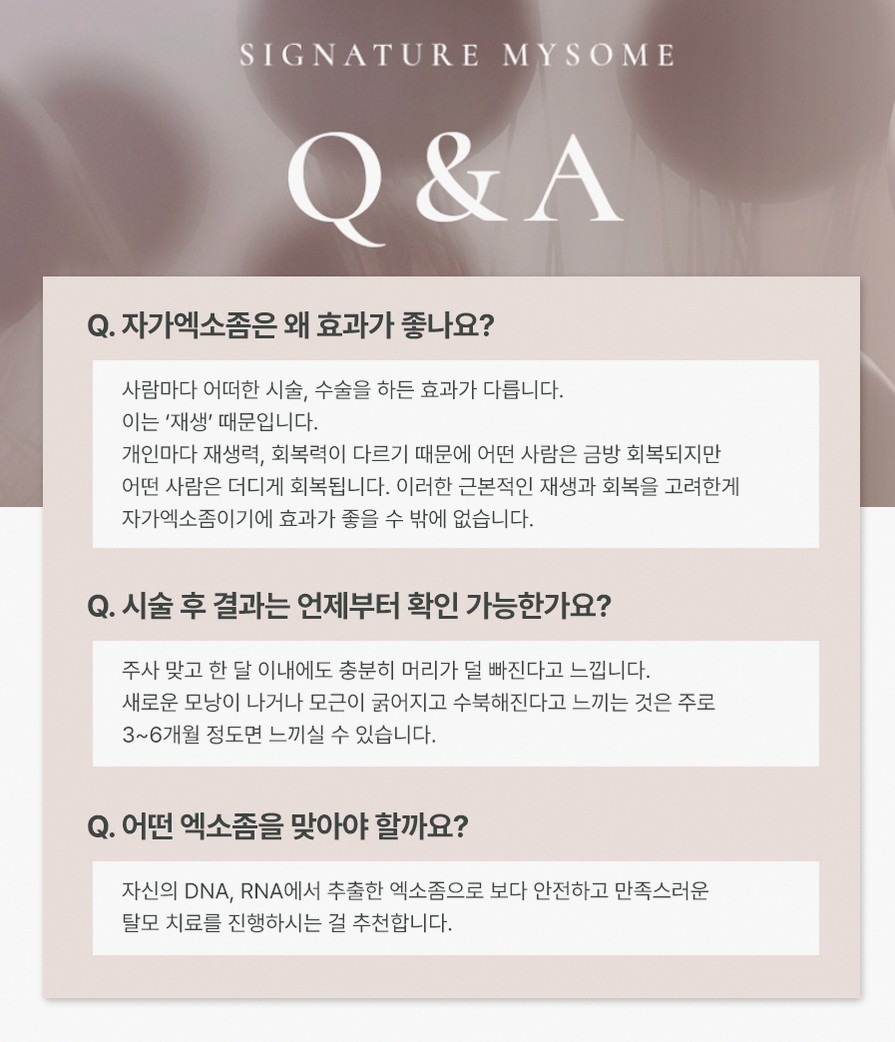
Prices in Gangnam range widely because they reflect different approaches. Basic medical therapy with consultation and medication usually has the lowest monthly cost. Once you add regenerative injections, autologous exosome programs, or premium device‑assisted treatments, the per‑session cost increases.
Clinics with a strong focus on regenerative medicine and in‑house cell research often invest more in equipment and protocols, which is reflected in pricing. The total cost also depends on how many sessions you need over three to twelve months, not just the price of a single visit.
Is an autologous exosome hair loss program more expensive than standard medication, and what do you get for the extra cost?
Autologous exosome programs are generally more expensive per session than standard medication because they involve processing the patient’s own material, strict sterility control, and more complex protocols. You are paying for a cell‑level approach that aims to support the scalp environment and hair follicles more directly.
Medication remains important and is often combined with exosome‑based therapy. The added value of an autologous program is the regenerative support it may provide, but the degree of visible improvement varies by individual, and no method can guarantee full regrowth.
How long do I need to continue treatment before I see visible changes in hair density?
Most patients are advised to continue treatment for at least three to six months before expecting clear visible changes. Some notice reduced shedding earlier, but density and thickness improvements usually take longer because hair cycles are slow.
For chronic conditions like androgenetic hair loss, ongoing maintenance is important. After an initial intensive phase, the frequency of injections or device sessions may be reduced, but medication and scalp care often continue long term to preserve results.
Can I combine hair loss treatment with facial anti‑aging procedures in one program?
Yes, many overseas patients choose to combine scalp treatment with facial anti‑aging procedures during the same visit to Seoul. A clinic with a strong anti‑aging and regenerative focus can design a schedule that coordinates both, for example exosome‑based scalp sessions together with lifting or skin regeneration treatments.
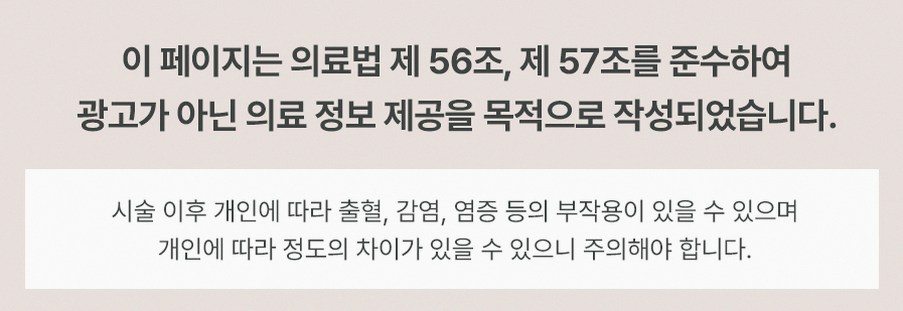
This integrated approach can be more efficient for time and travel, but it also increases the total cost. During your online consultation, discuss your priorities and budget so the clinic can propose a realistic combined plan.
Soft call to action and location information
If you are comparing hair loss treatment costs in Seoul and want a clearer idea of what a regenerative, non‑surgical program might involve, you can start with an online consultation. By sharing photos, medical history, and your goals, you can receive a personalised outline of possible treatment steps and an estimated cost range before you book flights.
Clinique hus,hu is located in the Cheongdam area of Gangnam, Seoul, near Apgujeong Rodeo Station on the Suin–Bundang Line. From exit 4, you walk straight in the direction of Galleria Department Store. Consultations can usually be reserved by phone or major local messaging platforms, with real‑time chat available during daytime hours.
An online discussion with the clinic’s team can help you understand which options match your condition and how to plan your visit and budget in a realistic way.
- 공유 링크 만들기
- X
- 이메일
- 기타 앱


댓글
댓글 쓰기