Filler Side Effects Guide For International Patients In Korea
- 공유 링크 만들기
- X
- 이메일
- 기타 앱

Direct answer summary
Dermal fillers can safely restore volume, contour the face, and improve skin quality when they are performed with the right product, technique, and follow-up. However, side effects do occur. Most are mild and temporary, such as swelling or small bruises, while a few rare complications, such as vascular problems or severe inflammation, need urgent specialist care. Understanding what is normal, what is a warning sign, and how experienced clinics in Seoul prevent and manage these issues will help you make safer decisions about treatment.
This guide is written for overseas patients considering or already having fillers in Korea, including treatments around Cheongdam and Gangnam near Apgujeong Rodeo Station, at clinics such as Clinique hus,hu.
What dermal fillers are and why they are used
Dermal fillers are injectable gels placed under the skin to replace lost volume, contour facial features, and smooth lines. They can also improve skin quality and fine texture when used as skin boosters.
Common filler types include hyaluronic acid fillers such as Restylane and Juvederm lines (Volux, Volite, Voluma, Volift, Volbella), collagen-stimulating fillers such as Ellanse, long-lasting volumizers such as Lafullen, and skin-boosting products like Juvelook. Each product has different properties, such as softness, lifting power, and duration.
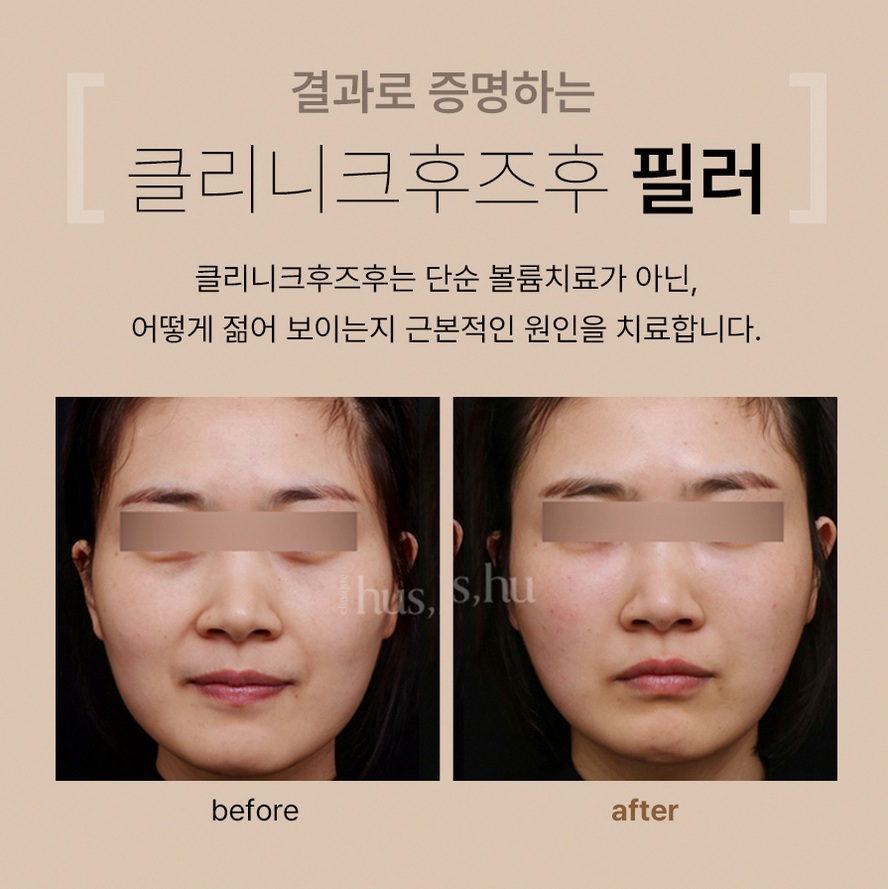
Fillers are used for areas like cheeks, under-eye hollows, temples, nasolabial folds, lips, jawline, and chin, as well as for overall skin hydration and glow. Because they are popular and widely used, many people forget that they are still medical procedures with real risks. Side effects depend on the product, injection depth, treatment area, and especially the injector’s skill and judgment.
Types of filler side effects by timing and severity
Early, common, usually mild reactions
In the first hours to days after filler injections, it is very common to experience short-term reactions such as redness at the injection site, mild to moderate swelling, and tenderness or a bruised feeling. Small bruises, tiny needle marks, and a feeling of tightness or fullness can also appear.
Because one side of the face may swell more than the other, temporary asymmetry is normal in the first few days. These early reactions usually improve within a few days and are mostly gone within about one week.
Basic home care often includes gentle cold compresses for the first 24 to 48 hours, sleeping with the head slightly elevated, and avoiding alcohol, very spicy food, saunas, hot baths, and intense exercise for a short period. Unless your doctor specifically instructs you, you should avoid strong massage or pressing on the treated area in the first days, because this can move the filler or worsen bruising.
Technique- or product-related issues (days to weeks)
Some side effects appear after the initial swelling settles and are more related to the way the filler was placed or the type of product used. These usually become noticeable from several days to a few weeks after treatment.
Overfilling or unnatural volume can cause a “pillow face” look, overly rounded cheeks, too sharp or long chins, or very flat nasolabial folds that look unnatural when you smile. Lumps or nodules may be felt or seen when filler is placed too superficially, when the product aggregates, or when it is not evenly distributed.
The Tyndall effect is a bluish or grayish hue under the skin, most often under the eyes, when hyaluronic acid filler is injected too close to the surface. In thin-skinned areas such as under-eye, lips, or nose bridge, filler can sometimes be visible as ridges or irregular texture.
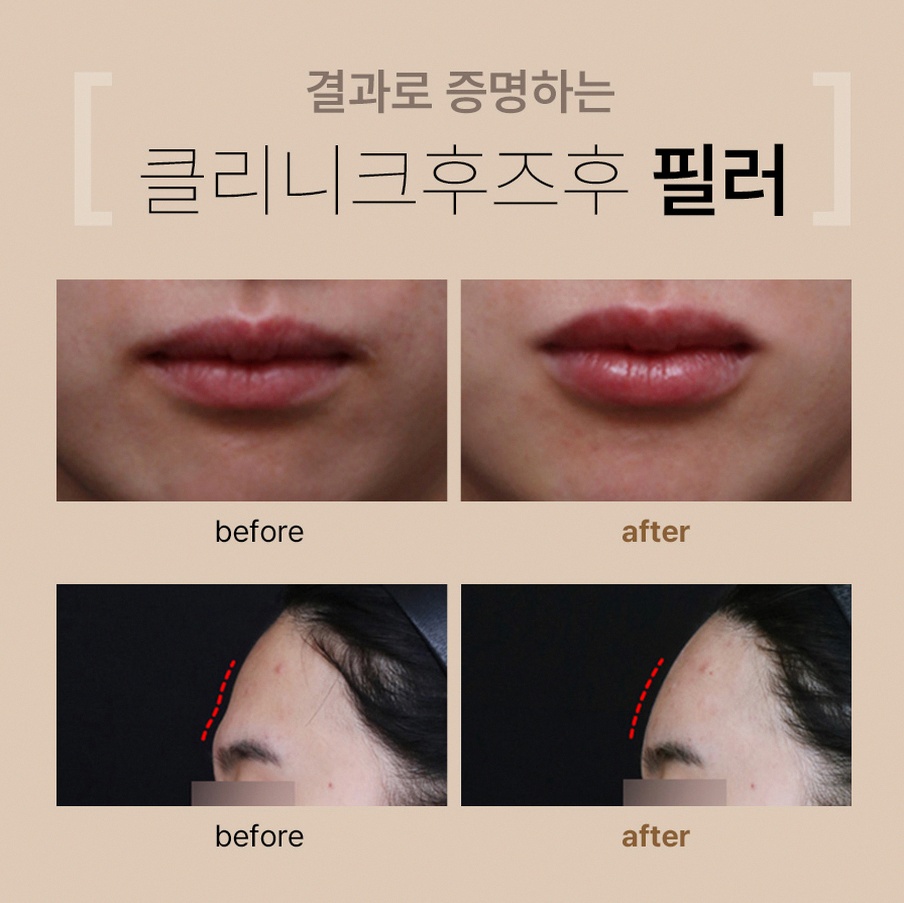
If asymmetry or irregularities remain after swelling has gone, an experienced injector can often improve them with expert massage, small adjustment injections, or, for hyaluronic acid fillers, dissolving part of the product with hyaluronidase. This is one reason follow-up visits are important.
Inflammatory and immune-related reactions
Some side effects are related to inflammation or the immune system. These may appear early or be delayed.
Prolonged swelling, redness, warmth, or increasing pain can suggest infection or a strong inflammatory response. The skin may feel hot and tender, and you may notice general discomfort or even fever. This needs prompt medical evaluation to decide whether antibiotics, anti-inflammatory medication, or other treatment is needed.
Delayed inflammatory nodules or granulomas can appear weeks to months after treatment. These are firm or tender lumps caused by a chronic inflammatory reaction around the filler, and they are more relevant for collagen-stimulating fillers such as Ellanse or some long-lasting volumizers. They are uncommon but can be challenging to treat, sometimes requiring a combination of medications and local injections.
Allergic-type reactions, such as widespread itching, hives, or swelling beyond the treated area, are rare with modern fillers but still possible. If you notice rapid swelling of the face, lips, or throat, difficulty breathing, or widespread rash, you should seek emergency care immediately.
Vascular complications and vision-related risks
The most serious filler complications are vascular events, when filler is accidentally injected into a blood vessel or compresses it strongly from outside. This can reduce or block blood flow to the skin or, in very rare cases, to the eye.
Early warning signs include sudden, severe or unusual pain during or shortly after injection, whitening or blanching of the skin, mottled or net-like discoloration, and coldness or dusky color changes along the course of a blood vessel. These signs are especially important in high-risk areas such as the nose, glabella (between the eyebrows), and forehead.

If blood flow is not quickly restored, the skin can be damaged and may develop necrosis (tissue death). In rare but serious cases, if filler reaches vessels related to the eye, it can lead to vision problems or even vision loss.
This is a true emergency. Immediate intervention by an experienced injector is needed, especially if a hyaluronic acid filler was used. Management may include high-dose hyaluronidase injections in and around the affected area, warm compresses, medications that help dilate blood vessels, and very close monitoring. In some cases, urgent referral to an eye specialist is necessary.
Long-term and aesthetic side effects
Longer-term issues may develop months after repeated or excessive filler use. Filler migration can cause product to move to unintended areas, creating puffiness away from the original injection site. Chronic under-eye or midface swelling can occur when too much filler is used or when it is placed in the wrong tissue plane.
Over time, repeated overfilling can distort facial proportions, making the face look heavy or artificial even at rest. In some people, repeated injections in the same area may contribute to tissue changes or fibrosis.
To reduce these risks, conservative dosing, respecting natural anatomy, and long-term treatment planning are essential. The goal should be subtle, harmonious improvement over years, not chasing maximum volume in a single session.
Who may consider filler treatment despite side effect concerns
You may still be a good candidate for fillers even if you are worried about side effects, especially if you have realistic expectations and are willing to prioritize safety.
People who commonly benefit from fillers include those with age-related volume loss in the cheeks, temples, or under-eyes, younger patients seeking subtle contouring of the nose, jawline, or chin, and individuals wanting to soften lines such as nasolabial folds or marionette lines. Patients looking to improve skin hydration and fine texture may consider skin-boosting fillers like Juvelook or very soft hyaluronic acid products.
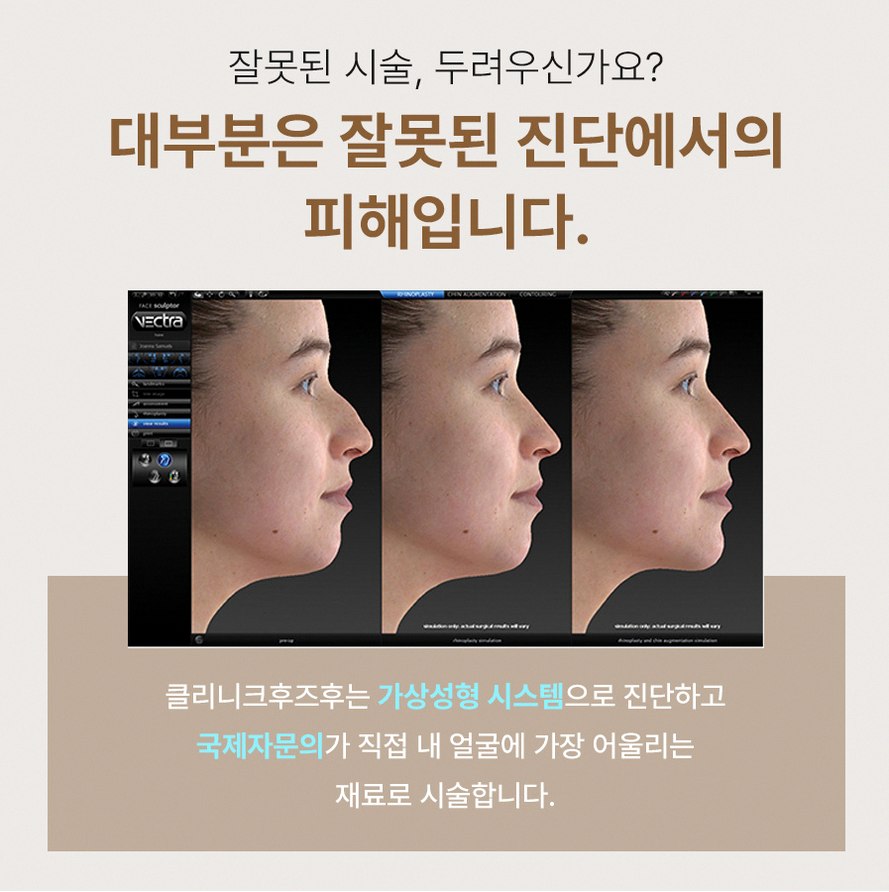
However, if you have a history of severe allergies, autoimmune disease, bleeding disorders, or previous complications from fillers, you should discuss these carefully with your doctor. A thorough consultation is essential to decide whether filler is appropriate and which type, if any, is safest for you.
Risk factors for filler side effects
Side effects are not random. Certain factors increase risk.
Injector-related risks include limited knowledge of facial anatomy, inadequate training, poor aseptic technique, and inappropriate product choice or injection depth. Rushed procedures, lack of proper assessment, and absence of emergency protocols also increase risk.
Product-related risks include using non-approved or counterfeit fillers, mixing different products in the same tissue plane, and choosing very long-lasting fillers for thin or highly mobile areas such as lips or under-eyes.
Patient-related risks include underlying medical conditions such as autoimmune diseases, clotting or bleeding problems, and current use of medications like anticoagulants or some supplements that increase bruising. A history of strong inflammatory reactions, keloids, or previous unknown fillers in the same area also matters.
Some treatment areas are naturally higher risk. The nose, glabella, forehead, and under-eye region have more complex or delicate blood supply and thinner tissues, so they require advanced skill and careful technique.
How specialized clinics reduce and manage side effects
Pre-treatment assessment
A careful pre-treatment assessment is the first step in reducing complications. This usually includes a detailed medical history covering medications, allergies, previous filler or surgery, and any autoimmune or systemic conditions.

Many clinics in Cheongdam and Gangnam use imaging systems and structured facial analysis to understand volume loss, skin thickness, and asymmetry before planning injections. This can be part of a holistic beauty or anti-aging program that looks at the face from multiple angles.
A responsible clinic will also explain realistic outcomes, possible side effects, and emergency procedures before treatment, and will obtain informed consent. This conversation is your chance to ask questions and clarify your concerns.
Product selection and injection technique
Safety is strongly influenced by choosing the right filler for the right purpose. Well-studied, certified fillers such as Restylane and Juvederm lines (Volux, Volite, Voluma, Volift, Volbella), collagen-stimulating products like Ellanse, long-lasting volumizers such as Lafullen, and skin-quality boosters like Juvelook each have suitable indications and limitations.
Experienced injectors match filler rheology to the anatomical layer and goal. Softer, more spreadable products are used for fine lines and superficial hydration, while firmer, more lifting gels are reserved for deeper structural support in areas like the cheeks or jawline.
Layered treatment plans often combine fillers with lifting threads or energy-based devices such as Thermage FLX, Ulthera, or Emface. By improving skin tightness and support with devices, the clinic may use less filler overall, reducing the risk of heaviness or long-term overfilling.
The choice between needles and blunt-tipped cannulas also affects safety. Cannulas can reduce bruising and may lower vascular risk in some areas, while fine needles are still preferred in others. A skilled injector will select the tool based on anatomy and desired result.
Experienced medical team and complication management
Complex filler planning and complication management require a high level of expertise. Clinics with physicians who lecture internationally on fillers and lifting, or who participate in research on products like Ellanse and advanced volumizers, tend to have deeper experience with both results and side effects.

At a clinic such as Clinique hus,hu in Cheongdam, Gangnam, the team may include multiple physicians who focus on anti-aging and facial rejuvenation. This kind of environment often has structured protocols for preventing, recognizing, and treating complications.
Safety systems and emergency response
Well-organized clinics use strict aseptic protocols, standardized injection guidelines, and checklists for high-risk areas. They keep hyaluronidase and emergency kits on-site to respond quickly to vascular events.
Clear follow-up schedules and open communication channels, such as messaging apps or phone lines, allow patients to report unusual symptoms early. Some clinics also maintain in-house research or regenerative programs using exosomes or cell-based approaches, which may support tissue recovery in selected anti-aging or repair cases, although these are not substitutes for emergency management when a complication occurs.
What is normal and when to worry
After filler treatment, it is helpful to know what you can safely observe at home and what needs medical attention.
Normal reactions include mild to moderate swelling, redness at injection points, tenderness, small bruises, and slight asymmetry during the first few days. A feeling of tightness or fullness is also common. These usually improve steadily and are mostly resolved within about one week.
Warning signs include rapidly worsening or severe pain, marked redness or heat that spreads, significant swelling that continues to increase, fever, hard painful nodules, bluish or white patches of skin, or mottled discoloration. Any visual disturbance, such as blurred vision, double vision, or sudden severe headache, is an emergency.
As a general guide, if mild symptoms do not improve or are still noticeable after about one to two weeks, you should contact your clinic. If any severe symptom appears suddenly, especially within the first 24 to 72 hours, you should seek immediate medical attention.

Managing existing filler side effects
If you already have side effects from fillers, the best approach depends on the filler type and the problem.
For hyaluronic acid fillers, hyaluronidase can dissolve the product. This is often used to correct overfilling, asymmetry, lumps, Tyndall effect, or early vascular compromise. Dissolving can be done partially to refine shape or more completely if necessary.
Patients sometimes worry that hyaluronidase will damage their own tissue. When used appropriately by an experienced doctor, it is targeted mainly at the injected filler. Some temporary softening of the surrounding tissue can occur, but the body gradually restores its natural structure.
For non-hyaluronic acid fillers such as Ellanse or Lafullen, management is more complex because they cannot simply be dissolved. Treatment may involve anti-inflammatory medication, local injections, or staged corrections. In these cases, it is particularly important to see a specialist familiar with these products.
For aesthetic dissatisfaction without serious medical issues, a calm re-assessment of facial proportions and long-term goals is helpful. Sometimes the best plan is to wait for some natural reduction, then perform staged corrections rather than making aggressive changes immediately.
Preparing for your filler visit to Korea
Online consultation and pre-visit preparation
Before traveling to Seoul, many overseas patients start with an online consultation. You can usually send clear photos of your face from the front and sides, along with information about your age, medical history, medications, and previous treatments.
Prepare a list of questions, such as which filler types the clinic recommends for your case, how they manage side effects, what emergency protocols they have, and how follow-up will work after you return home. Ask whether they have experience with products you already have in your face, such as Ellanse, Lafullen, or specific Juvederm or Restylane lines.

It is helpful to share any previous complications or dissatisfaction, even if they occurred at another clinic or in another country. This information helps your new doctor plan safely.
Expected Korea visit timeline
For most filler treatments, you can plan a relatively short stay in Korea. Many patients have consultation and treatment on the same or next day, with a follow-up visit a few days later.
A typical schedule might be consultation and facial analysis on day one, treatment on day one or two, and a check-up around day three to seven. During this time, you can expect some swelling and possible bruising, so it is wise not to schedule important photos or events immediately after treatment.
If you are combining fillers with lifting devices such as Thermage FLX, Ulthera, or Emface, your clinic may suggest a specific order and timing. In some cases, device treatments are done first to tighten and lift, then fillers are added in a later session for fine contouring.
Aftercare and follow-up once you return home
After you leave Korea, you should still monitor your face and keep in touch with your clinic if anything unusual appears. Many clinics offer follow-up via messaging apps, email, or video calls.
Follow the aftercare instructions you received, including how long to avoid strong pressure on the face, when you can resume intense exercise or sauna, and what skincare products are safe to use. If you plan additional treatments in your home country, inform your local doctor about exactly which fillers and devices were used in Korea.
If you develop late side effects such as lumps, prolonged swelling, or delayed inflammatory reactions, contact your Korean clinic with photos and descriptions. They may guide you on whether to see a local specialist and can share your treatment details if needed.

Choosing a clinic to minimize filler side effects
When comparing clinics in Cheongdam, Gangnam, and other parts of Seoul, look beyond price or social media photos. Consider whether the clinic has physicians with visible experience in fillers and lifting, uses approved and traceable filler brands, and is willing to explain risks, side effects, and emergency plans.
Ask whether they keep hyaluronidase on-site, how they handle vascular complications, and what follow-up support they offer for international patients. Also ask how they integrate fillers with other anti-aging options such as Thermage FLX, Ulthera, Emface, or regenerative programs, so that you are not simply given more and more filler over time.
Clinics like Clinique hus,hu in Cheongdam, Gangnam often combine a range of fillers (Ellanse, Lafullen, Juvederm lines, Restylane, skin boosters like Juvelook) with lifting devices and cell-based anti-aging programs under a multi-physician team. This kind of comprehensive approach can help achieve natural results with less product and more attention to long-term safety.
Frequently asked questions about filler side effects
How long do typical filler side effects last
Most early side effects such as redness, swelling, and mild tenderness improve significantly within a few days and are usually minimal by about one week. Small bruises can sometimes take 7 to 14 days to fully fade. If mild lumpiness is due to swelling rather than product placement, it often softens over the first one to two weeks.
If you still have clear swelling, pain, or visible irregularities after two weeks, it is wise to contact your clinic for an assessment. Persistent or worsening symptoms may need in-person evaluation.
Can filler side effects appear months after treatment
Yes, some side effects can appear weeks to months later. Examples include delayed inflammatory nodules or granulomas, especially with collagen-stimulating fillers like Ellanse or long-lasting volumizers, and chronic puffiness or migration in areas such as under-eyes.
If you notice new lumps, redness, or swelling in an area that was treated months before, you should see a specialist familiar with the type of filler you received. Bringing your treatment records and product names will help guide management.

Is it safe to dissolve hyaluronic acid filler, and does it damage my own tissue
Dissolving hyaluronic acid filler with hyaluronidase is a common and generally safe procedure when performed by an experienced doctor. The enzyme breaks down the injected hyaluronic acid, allowing the body to clear it more quickly.
There can be temporary softening of the surrounding tissues, and in some cases, a slight loss of natural volume for a short period. However, your own hyaluronic acid and collagen are continuously renewed by the body, and the tissues typically recover over time.
Are collagen-stimulating fillers like Ellanse more risky than hyaluronic acid
Collagen-stimulating fillers such as Ellanse work differently from hyaluronic acid fillers. They stimulate your own collagen and can last longer, which is an advantage but also means that managing complications can be more complex, because they cannot be easily dissolved.
This does not automatically make them unsafe, but it does require careful patient selection, precise technique, and a clinic that understands how to prevent and handle possible delayed reactions. If you are considering these products, discuss both benefits and risks in detail with your doctor.
What should I do immediately if I suspect a vascular complication
If you experience sudden severe pain, whitening or bluish discoloration of the skin, mottled patterns, or visual changes during or soon after a filler injection, treat it as an emergency. Inform the injector immediately if you are still at the clinic.
If symptoms start after you leave, contact the clinic urgently and go to the nearest medical facility if you cannot reach them quickly. Do not wait to see if it improves on its own. Early treatment, especially for hyaluronic acid fillers, is critical to protect the skin and, in rare cases, vision.
How soon after a bad filler experience can I be treated again
The timing depends on the type and severity of the complication. If you had a mild aesthetic issue that was corrected with hyaluronidase, your doctor may suggest waiting several weeks for tissues to settle before planning new treatment.

If you experienced a more serious complication such as infection, necrosis, or strong inflammatory reaction, a longer healing period and careful re-evaluation are needed. Any future treatment should be planned by a specialist who understands your previous event and can adjust the approach to minimize risk.
Soft call to action for online consultation
If you are considering fillers in Korea or are worried about side effects from previous treatments, an online consultation can be a safe first step. You can share your concerns, medical history, and photos, and receive a personalized assessment before you travel.
Clinics in Cheongdam, Gangnam, including Clinique hus,hu, often support international patients with remote evaluations and structured visit plans. Taking time to ask detailed questions about safety, products, and complication management will help you feel more confident and prepared for your treatment journey.
- 공유 링크 만들기
- X
- 이메일
- 기타 앱


댓글
댓글 쓰기