First 3 Days Aftercare for Overseas Visitors in Korea
- 공유 링크 만들기
- X
- 이메일
- 기타 앱
Direct answer summary
After laser toning, treat your skin as if it is sun-sensitive and easily irritated for several days. Expect mild redness, warmth, dryness, and sometimes temporary darkening of spots. Focus on cooling, gentle cleansing, frequent moisturizing, and strict sun protection. Avoid heat, friction, harsh skincare acids, retinoids, scrubs, and picking at the skin. Watch for warning signs such as strong pain, swelling, blisters, or signs of infection, and contact your clinic if they appear. Consistent care between sessions helps support more stable, gradual improvement in pigmentation and overall skin tone.
Treatment overview: what is laser toning?
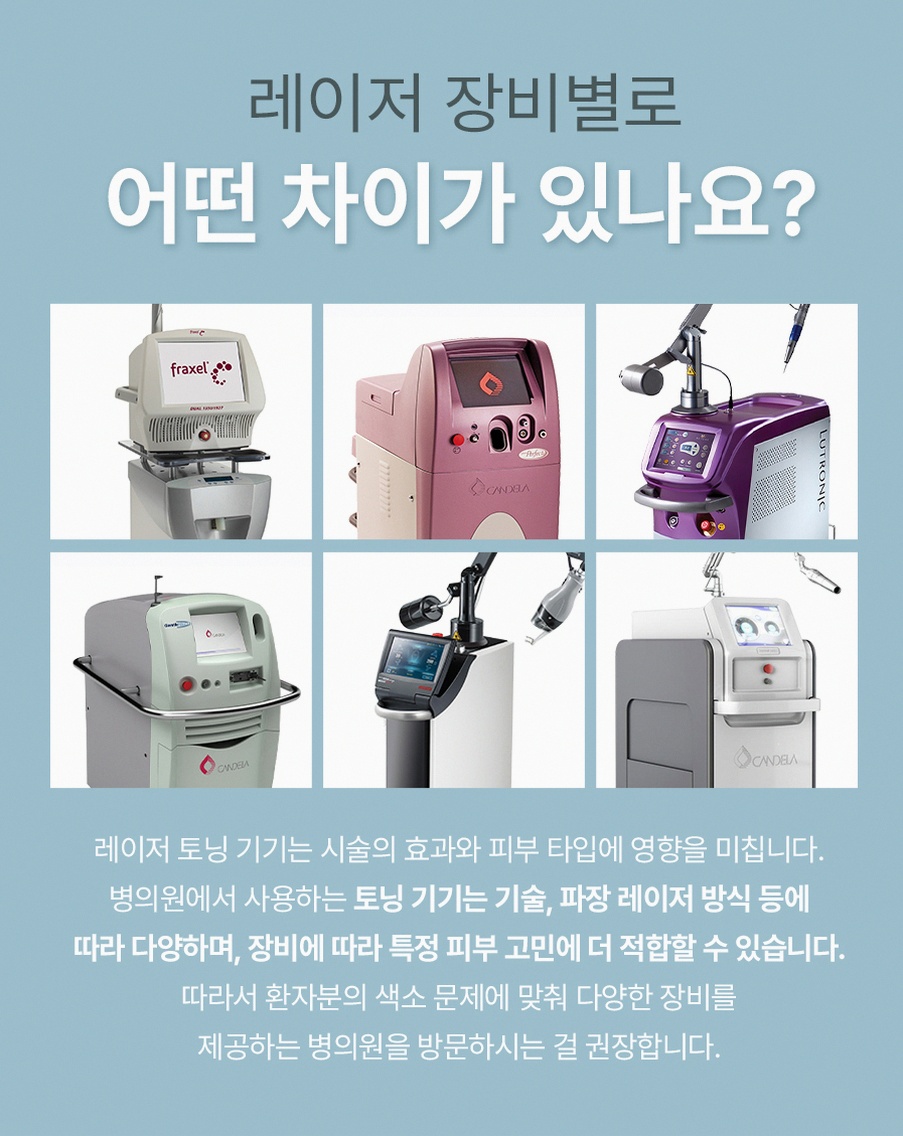
Laser toning is a low- to mid-energy laser treatment used to improve pigmentation and overall skin tone. It is commonly chosen for concerns such as melasma, sun spots, freckles, and dull or uneven skin. Rather than using one very strong session, laser toning usually works through multiple gentle treatments that gradually target pigment and support more even skin quality over time.
During a session, short pulses of laser energy are delivered to the skin. The energy is adjusted to be lower than many ablative or resurfacing lasers, which helps reduce downtime. However, it still affects pigment cells and the upper layers of the skin, so aftercare is important.
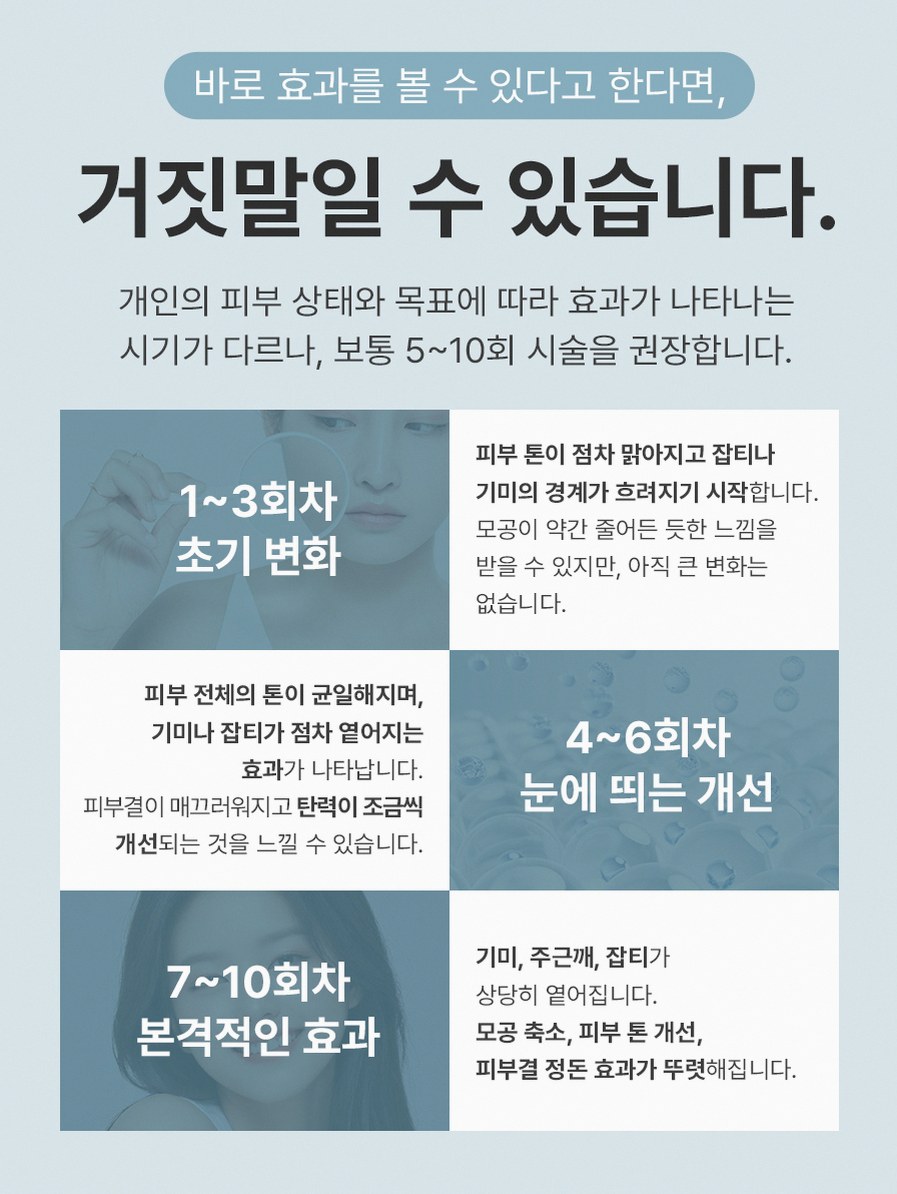
Results from laser toning are usually cumulative. Many people need a series of sessions spaced weeks apart, and maintenance sessions may be suggested later. Good aftercare helps stabilize pigment cells, protect the skin barrier, and reduce the chance of side effects such as rebound pigmentation, prolonged redness, or irritation.
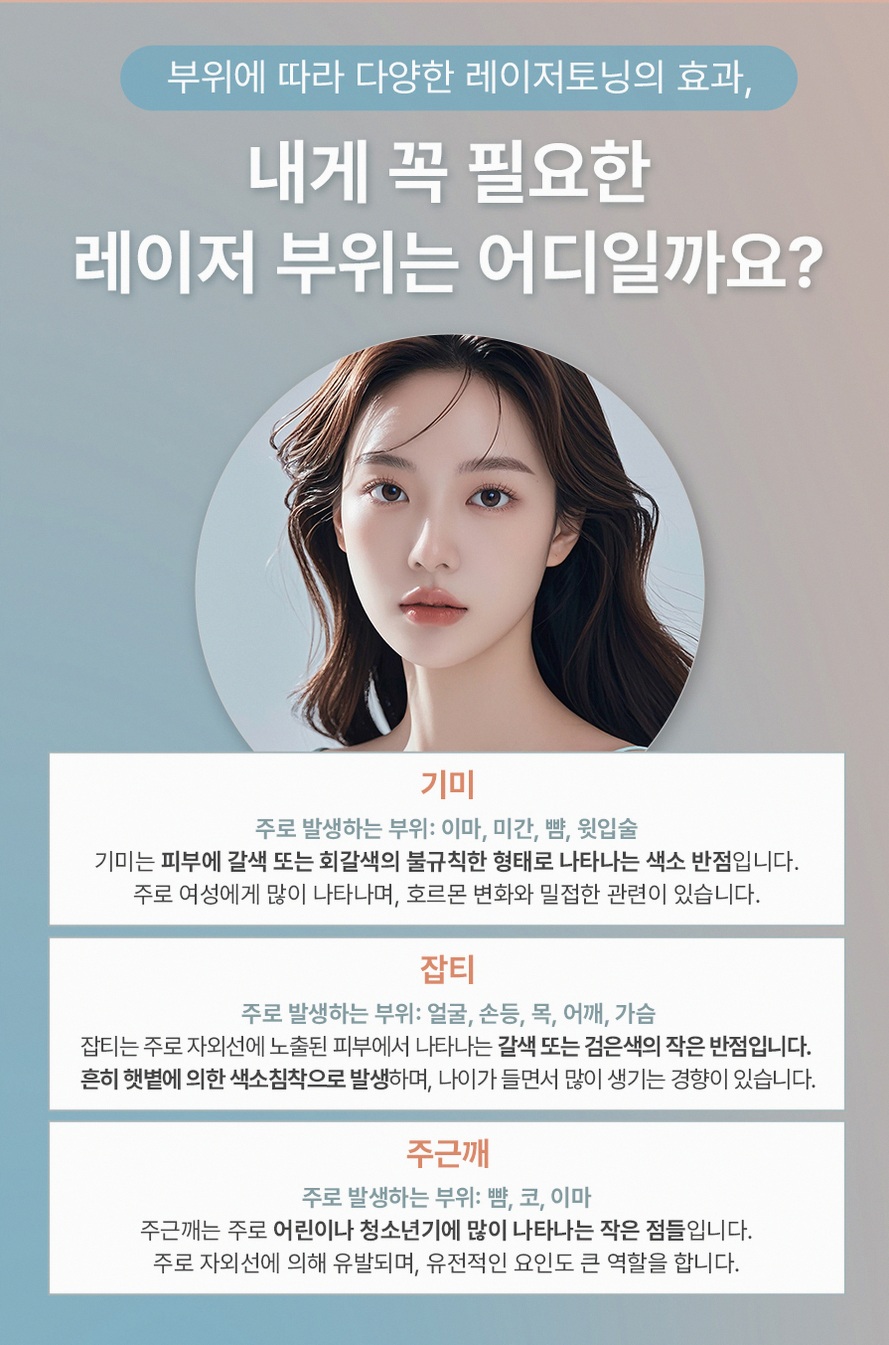
For overseas visitors, understanding how to care for your skin after each session is essential to support safe and consistent results.
Who may consider laser toning
Laser toning may be considered by adults who are concerned about:
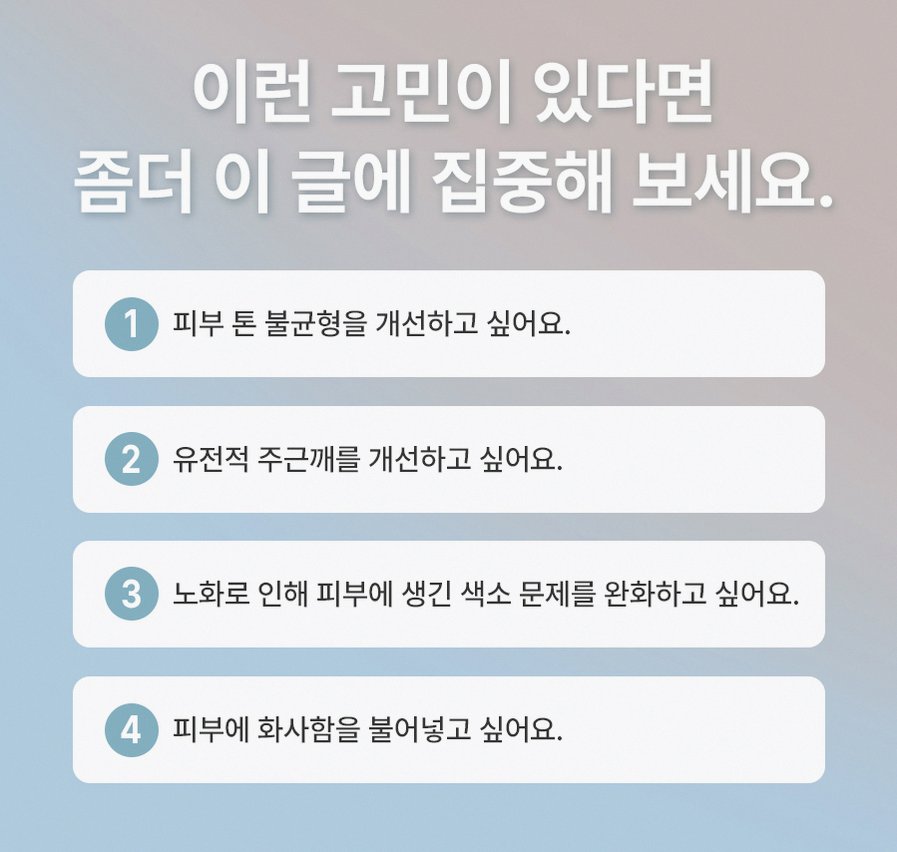
Melasma or patchy brown discoloration on the cheeks, forehead, or upper lip
Sun spots or age spots
Freckles and scattered pigmentation
Dull, uneven skin tone
Mild textural roughness or enlarged-looking pores
It is often chosen by people who prefer a gradual, lower-downtime approach instead of aggressive resurfacing. It may also be combined with other treatments, depending on your skin type and medical history.
However, laser toning is not suitable for everyone. People with very sensitive or reactive skin, a history of keloid scarring, active skin infections, or certain systemic conditions may need adjusted settings or alternative options. Those with darker skin tones or a strong tendency to develop post-inflammatory hyperpigmentation should have especially careful assessment and aftercare.
Because individual responses vary, a direct consultation with medical staff is important to decide whether laser toning is appropriate for you and to design a safe treatment plan.
Why aftercare matters so much
Even though laser toning uses relatively low to moderate energy, it still creates controlled stress in the skin. Pigment cells, superficial blood vessels, and the skin barrier can all react. Aftercare has several goals:
Support the skin barrier so it can recover without unnecessary irritation
Keep inflammation low, which may help reduce the risk of rebound pigmentation
Protect against ultraviolet light, a major trigger for melasma and other pigment issues
Reduce the chance of infection or scarring by avoiding picking and harsh treatments
In other words, what you do in the days after each session can influence how comfortably you recover and how stable your pigment becomes over a series of treatments.
Immediately after laser toning: what to expect
Right after your session, it is common to notice:
Mild redness or pinkness in the treated area
A feeling of warmth, tingling, or slight tightness
Temporary dryness or roughness
Some pigment spots may look slightly darker for a short time. This can be part of the process as pigment is broken up and moves toward the surface before fading.
These reactions usually improve within a few hours to a couple of days, depending on your skin type, the area treated, and the device settings. People with more sensitive skin or higher-energy settings may notice redness or dryness for a bit longer.
If you have had laser toning around the eyes, there may be a feeling of slight puffiness or tightness in that area. Strong pain, intense burning, or large blisters are not typical and should be discussed with your clinic promptly.
Essential aftercare steps in the first 1–3 days
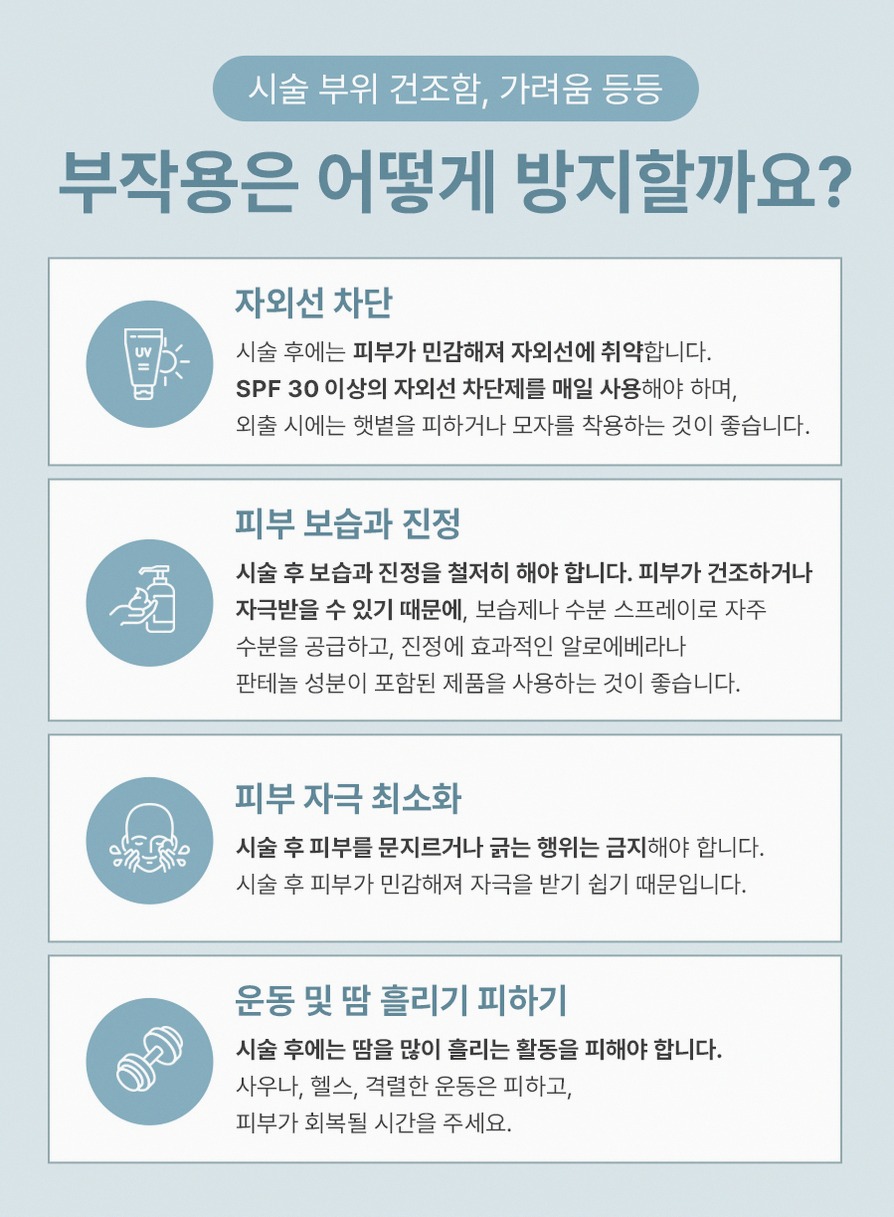
Cooling the skin safely
After treatment, gentle cooling can help reduce warmth and discomfort.
You can use a cool compress or cooling pack wrapped in a clean, soft cloth. Apply it for short intervals, such as 5–10 minutes at a time, with breaks in between.
Avoid placing ice directly on the skin, as this can cause cold injury or irritation.
Do not press hard on the treated area; simply rest the compress lightly on the skin.
Your clinic may provide cooling immediately after the procedure. At your accommodation, you can continue gentle cooling if your skin still feels warm, but stop if you feel numbness, excessive cold, or discomfort.
Moisturizing and supporting the barrier
Laser toning can temporarily weaken the skin barrier, leading to dryness, tightness, or flaking. Moisturizing is one of the most important aftercare steps.
Choose a gentle, fragrance-free moisturizer or cream designed for sensitive or post-procedure skin.
Look for barrier-supporting ingredients such as ceramides, panthenol, hyaluronic acid, or squalane.
Apply with clean hands, using light patting or smooth strokes without rubbing vigorously.
Avoid introducing strong active ingredients in the first few days unless your doctor has specifically recommended them. This includes high-strength acids, retinoids, or very strong vitamin C serums. Once your skin has calmed and your clinic approves, some of these ingredients may be reintroduced gradually.
Gentle cleansing
Cleansing should remove sweat, sunscreen, and pollution without stripping the skin.
Use a mild, non-foaming or low-foam cleanser without strong fragrance or harsh surfactants.
Wash with lukewarm water, not hot water.
Do not scrub the skin, use cleansing brushes, or rub with rough towels.
Pat the skin dry gently with a soft towel or let it air dry before applying moisturizer.
For the first 24 hours, some clinics may advise avoiding makeup or using only very light, non-comedogenic products. Follow the specific instructions you receive.
Sun protection and preventing pigmentation rebound
Ultraviolet exposure is one of the main reasons pigmentation can return or worsen after laser treatments. After laser toning, the skin may be more sensitive to the sun, and pigment cells can be more reactive.
Use a broad-spectrum sunscreen with a high SPF and strong UVA protection (often indicated as PA or a similar rating), applied generously to all treated areas.
Reapply every 2–3 hours when you are outdoors, and after sweating or wiping your face.
Combine sunscreen with physical protection such as wide-brimmed hats, sunglasses, and seeking shade when possible.
Avoid intentional tanning and minimize time outdoors during peak sun hours when you can.
If you are visiting Korea for a short period, remember that even walking between clinics, shops, and public transport can add up to significant sun exposure. Carry a small sunscreen in your bag and reapply regularly.

What to avoid after laser toning
Avoiding heat and friction
Heat can increase redness and may stimulate pigment cells, especially in people prone to melasma.
For at least a few days after treatment, try to avoid:
Hot baths and showers
Saunas and steam rooms
Hot yoga or very hot exercise environments
Intense workouts that cause heavy sweating and facial flushing
If you do exercise, choose lighter activity, keep sessions shorter, and cool the skin gently afterward.
Friction can also irritate the skin and disrupt the barrier. Avoid rubbing the face with towels, tight goggles or masks pressing on treated areas, or rough fabrics.
Avoiding irritants and harsh products
Until the skin has calmed, it is usually best to avoid:
Exfoliating acids such as AHA, BHA, and PHA
Retinoids, including prescription retinoids and high-strength retinol
Strong vitamin C serums with high percentages or low pH
Physical scrubs or peeling pads
At-home devices such as micro-needling rollers or intense light devices on the treated area
If you are unsure whether a product is safe to use, take a photo of the ingredient list and ask your clinic during consultation or follow-up.
No picking or scratching
After laser toning, some dark spots may become slightly more visible or form tiny micro-crusts. Dry patches and flakiness are also possible.
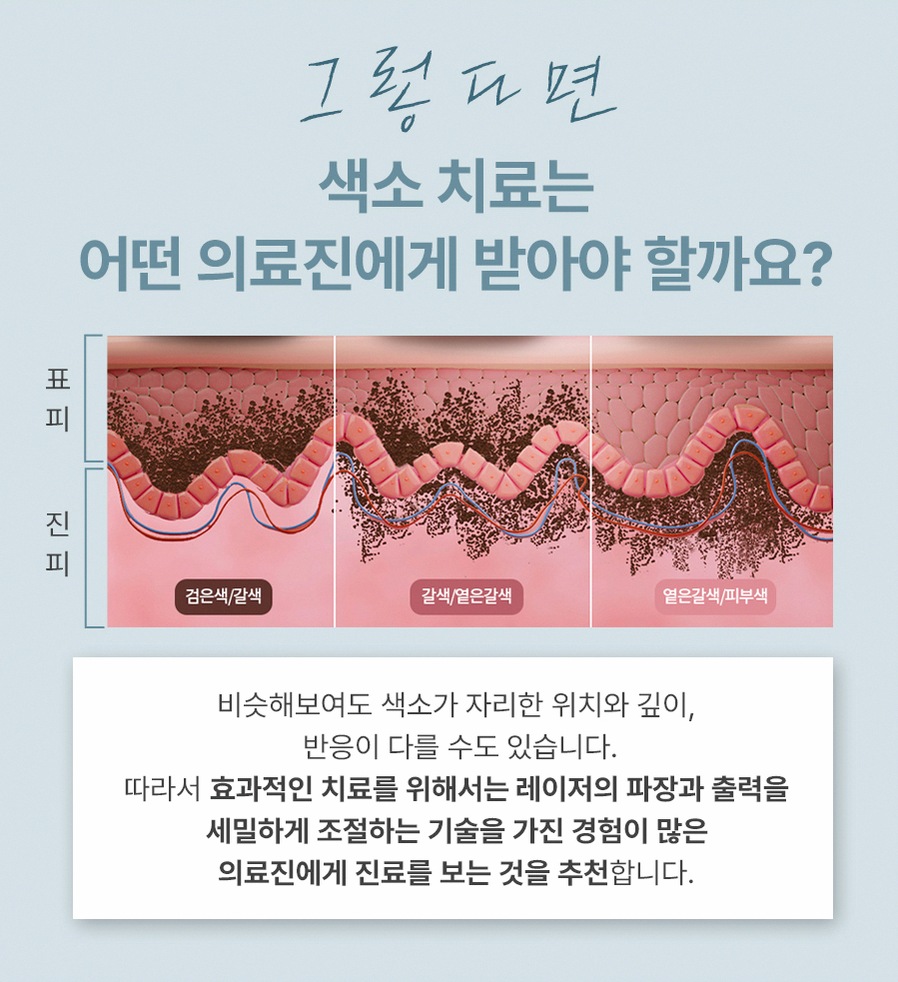
It is very important not to:
Pick at darkened spots
Scratch dry or itchy areas
Peel off flaking skin or small crusts
Picking can lead to post-inflammatory hyperpigmentation, scarring, or infection, especially in people with pigment-prone skin. Allow any changes to resolve naturally. If you feel itchy or uncomfortable, speak with your clinic about safe soothing options.
Avoiding overlapping cosmetic procedures
In the days after laser toning, avoid having other strong treatments on the same area without medical guidance, such as:
Additional laser or light-based procedures
Chemical peels
Strong micro-needling
If you are planning multiple treatments during a short stay in Korea, coordinate them through one medical team so that timing, intensity, and aftercare can be adjusted safely.
Ongoing care between sessions
Laser toning is usually performed as a series of sessions. What you do between appointments can be as important as the treatment itself.
Daily skincare routine suggestions
Gentle cleansing: Continue with a mild cleanser twice a day.
Hydrating toner or serum: Choose formulas with soothing and hydrating ingredients rather than strong exfoliating acids.
Barrier cream or moisturizer: Maintain a consistent moisturizing routine to keep the skin barrier supported.
Sunscreen every morning: Apply generously and reapply during the day, especially if you are outdoors.
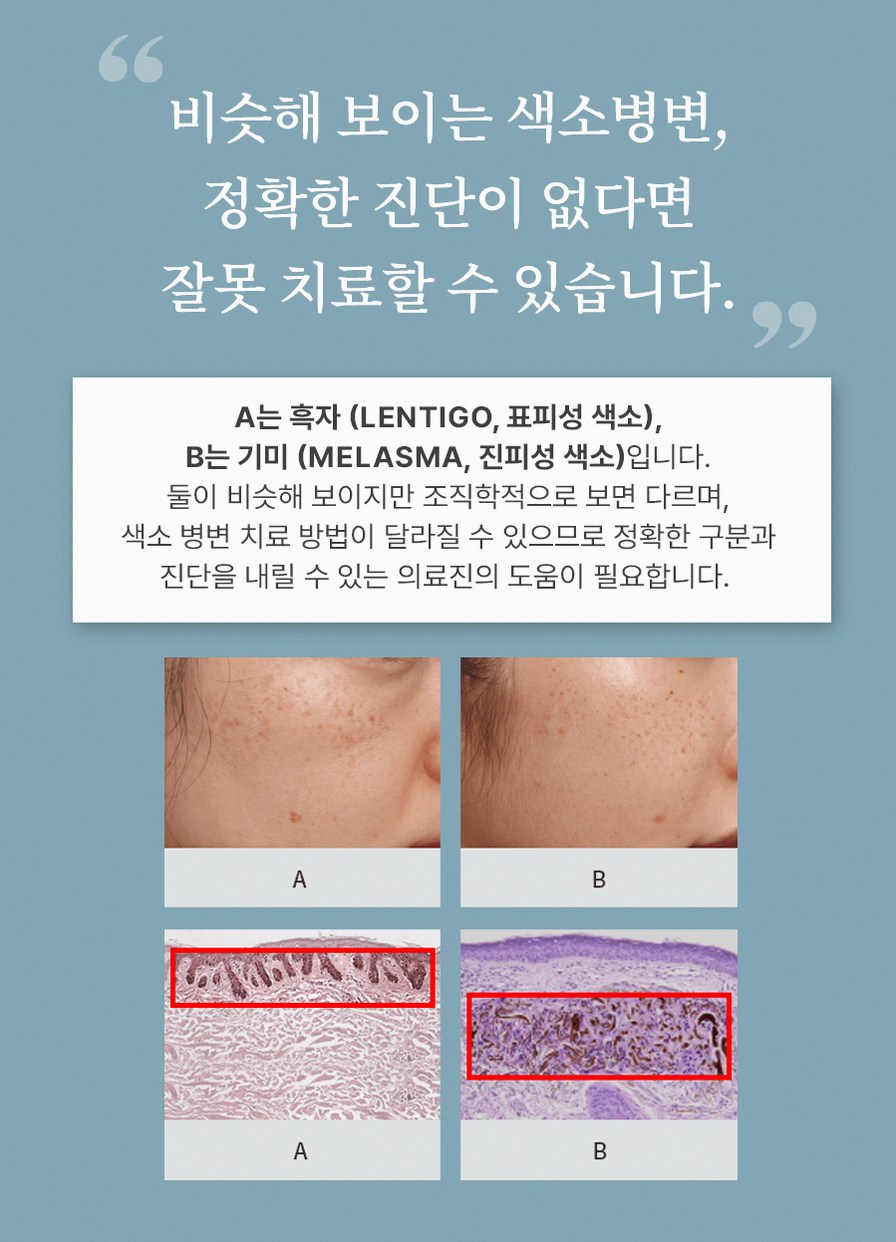
If your clinic recommends specific medical skincare products, use them as instructed. These may include pigment-stabilizing creams or mild brightening agents appropriate for your skin type.
Lifestyle factors that influence pigmentation
Several lifestyle factors can affect how stable your pigmentation is over time:
Sun exposure: Even small, repeated exposures can trigger melasma or sun spots. Make sun protection a daily habit, not just on treatment days.
Sleep and stress: Poor sleep and high stress may influence hormonal balance and inflammation, which can indirectly affect pigment conditions like melasma.
Smoking: Smoking can impact skin health and circulation and may contribute to dullness and slower recovery.
Heat exposure: Frequent use of hot saunas, very hot baths, or intense heat sources near the face may worsen flushing and pigment issues in some people.
Small, consistent habits often matter more than occasional perfect behavior. Aim for a realistic routine you can maintain at home after your visit to Korea.
Online consultation and pre-visit preparation
If you are an overseas patient planning to visit Seoul for laser toning, an online consultation before your trip can help you use your time more efficiently and plan realistic expectations.
Information to prepare for online consultation
Clear photos of your skin in natural light, without heavy makeup or filters
A list of your main concerns (for example, melasma on the cheeks, sun spots on the forehead, overall dullness)
Your medical history, including any skin conditions, allergies, or previous reactions to treatments
A list of your current skincare products and any prescription creams or medications
Any previous laser or light treatments you have had, and how your skin responded
During online consultation, you can ask about the likely number of sessions, approximate intervals, expected downtime, and recommended aftercare for your skin type.
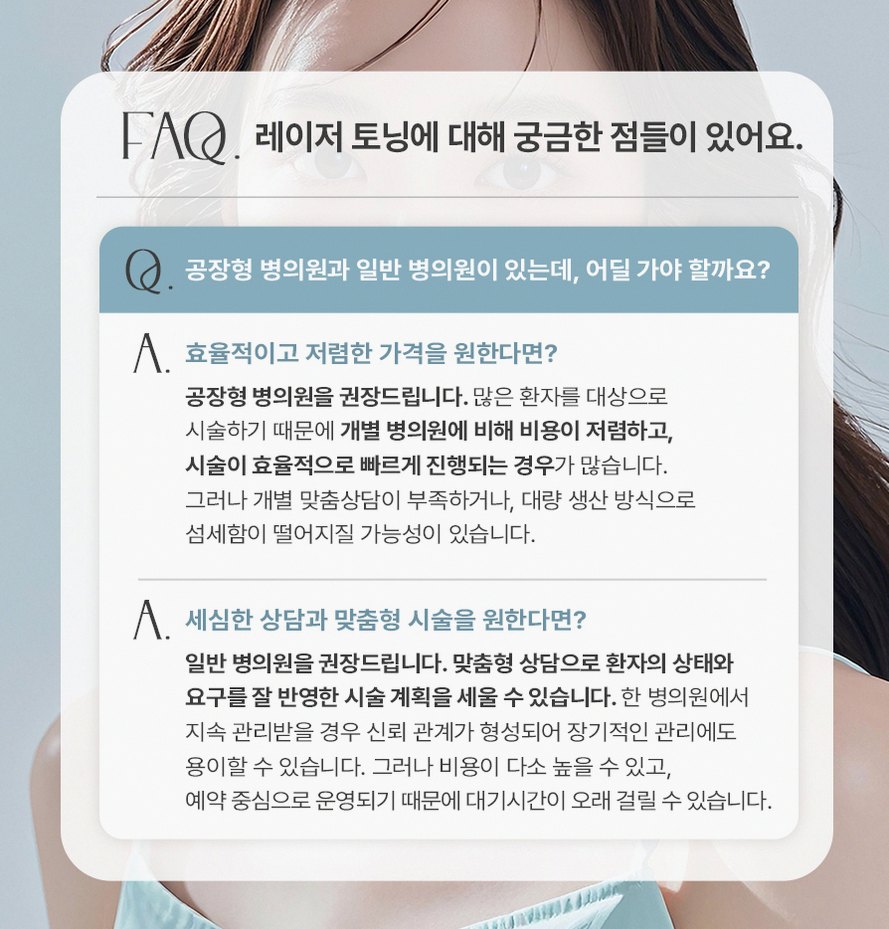
Questions to consider asking before booking
How many laser toning sessions are typically suggested for concerns like mine?
What kind of changes are realistic for my pigmentation, and over what time frame?
What should I avoid in my skincare routine before and after each session?
How many days after treatment should I plan for quieter activities in case of redness or dryness?
If I combine laser toning with other treatments, how will the schedule be arranged?
Having these questions written down can help you compare different clinics and choose a plan that fits your schedule, budget, and comfort level.
Expected Korea visit timeline for laser toning
Short visit with one or two sessions
If you are visiting Seoul for a short period, you may be able to have one or two laser toning sessions.
Day 1: In-person consultation, skin assessment, and first laser toning session if appropriate.
Days 1–3: Mild redness or dryness, careful aftercare with cooling, moisturizing, and sun protection.
Day 3–7: Skin usually looks calm; some people notice a subtle brightening or smoother feel, though major pigment changes often require multiple sessions.
Longer stay or repeated visits
For more significant or stable improvement in melasma or sun spots, a series of sessions is usually recommended, often spaced a few weeks apart.
If you plan a longer stay in Korea, your clinic may schedule several sessions during that time.
If you visit Korea regularly, your plan might include sessions during each trip, combined with home care and possibly topical treatments between visits.
Because schedules, skin types, and treatment plans vary, it is important to discuss your travel dates and lifestyle with your clinic so they can design a realistic timeline.
When to contact the clinic or doctor
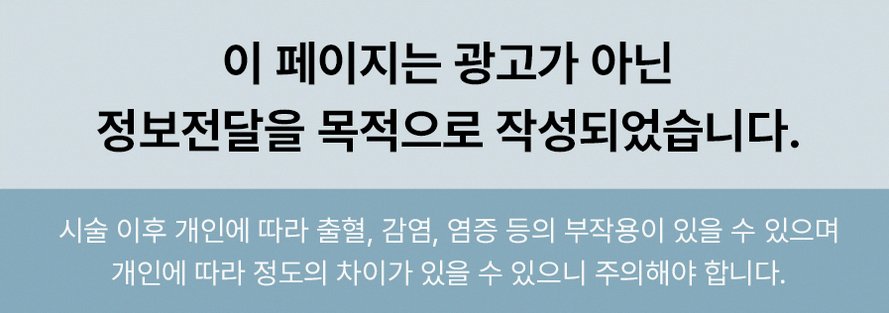
While mild redness, warmth, and dryness are common, certain symptoms should prompt you to contact your clinic or seek medical advice.
Red-flag symptoms include:
Intense or worsening pain that does not improve with simple measures
Severe swelling, especially if one side is much more swollen than the other
Blistering, open wounds, or oozing
Widespread rash, strong itching, or hives
Clear signs of infection such as yellow crusts, increasing redness, or fever
Unusual or prolonged darkening of large areas that seems to be getting worse rather than stabilizing
If you experience any of these, avoid applying random over-the-counter creams or home remedies without guidance. Instead, contact your clinic, share photos if possible, and follow their instructions.
Always follow the specific aftercare instructions provided by your own clinic, as they know the exact device, settings, and your skin history.
How a specialized clinic can support safe aftercare
A clinic with experience in pigmentation and anti-aging treatments can support you not only during the laser session but also throughout the aftercare period.
Clinique hus,hu, located in the Cheongdam–Gangnam area near Apgujeong Rodeo Station, offers multiple laser and energy-based devices for pigmentation and skin quality, along with medical skincare programs. This type of setting allows medical staff to:
Choose laser settings that match your skin type, pigmentation pattern, and sensitivity
Combine or alternate devices when appropriate for complex cases such as mixed melasma
Provide individualized aftercare plans, including which products to use or avoid
Offer follow-up visits or online check-ins to monitor your skin’s response and adjust the plan
For overseas patients, having a structured plan for both in-clinic treatment and at-home care can make the experience smoother and help reduce uncertainty.
Frequently asked questions about post-laser toning aftercare
Is it normal for spots to look darker after laser toning?
Yes, it can be normal for some pigment spots to look slightly darker or more defined in the days after laser toning. This may happen as pigment is broken up and moves closer to the surface. With proper aftercare and sun protection, these areas often fade gradually. However, if large areas become much darker or you are worried about the change, contact your clinic for assessment.
How long should I avoid makeup after laser toning?
Many people are advised to avoid makeup for at least the first 24 hours after treatment, especially heavy foundation or products that require strong rubbing to remove. After that, light, non-comedogenic makeup may be allowed if the skin is calm, but it is important to remove it gently with a mild cleanser. Always follow the specific guidance from your treating clinic, as recommendations can vary based on your skin and the device used.
When can I restart retinoids or exfoliating acids?
In many cases, retinoids and strong exfoliating acids are paused for several days before and after laser toning. You may be able to restart them once redness and sensitivity have completely settled, usually after several days to a couple of weeks, depending on your skin. It is safest to confirm the timing with your clinic, especially if you use prescription-strength products or have a history of irritation.
Can I do laser toning if I have very sensitive skin?
Some people with sensitive skin can still have laser toning with adjusted settings and careful aftercare, but others may be better suited to alternative treatments. A detailed consultation is essential. Be honest about your history of reactions, allergies, and previous procedures. Your clinic can then decide whether laser toning is appropriate and, if so, design a conservative starting plan and close follow-up.
Soft call to action for online consultation
If you are considering laser toning in Seoul and would like guidance tailored to your skin type, travel schedule, and pigmentation concerns, arranging an online consultation before your visit can be very helpful. You can share photos, discuss your goals, and review aftercare steps in advance so you know what to expect.
Clinique hus,hu welcomes inquiries from overseas patients who are planning treatments in the Cheongdam–Gangnam area. By preparing your questions and skincare history ahead of time, you can make the most of your time in Korea and support safer, more comfortable recovery after each laser toning session.
- 공유 링크 만들기
- X
- 이메일
- 기타 앱


댓글
댓글 쓰기