How often to schedule initial and maintenance sessions
- 공유 링크 만들기
- X
- 이메일
- 기타 앱
Direct answer: how often should I get laser toning?
For most people, laser toning for pigmentation and skin tone is started once every 1 to 2 weeks in the beginning, for a total of around 5 to 10 sessions spread over several months. After this initial series, many patients move to a maintenance schedule of once every 1 to 3 months, adjusted to their skin type, pigmentation pattern, and lifestyle.
The exact interval and total duration are not the same for everyone. They should be decided after an in‑person evaluation, and then adjusted based on how your skin responds over time.
What is laser toning?
Laser toning is a non‑ablative laser treatment that uses low energy and multiple passes over the skin to gently target melanin, the pigment that causes dark spots and uneven tone. Because the energy is lower and the skin surface is not removed, downtime is usually minimal compared with stronger resurfacing lasers.
Laser toning is commonly used for concerns such as melasma, freckles, sun spots, post‑inflammatory hyperpigmentation after acne or irritation, and general dullness or uneven skin tone. Many people also notice a subtle improvement in texture and brightness over a series of treatments.

It is different from high‑energy pigment lasers or ablative resurfacing. Those stronger procedures may aim to remove spots more quickly in one or a few sessions, but they usually involve more redness, crusting, or social downtime. Laser toning is gentler and better suited to gradual improvement, which is why it needs to be repeated at safe intervals.
Standard laser toning intervals
Initial intensive phase
In the early stage of treatment, laser toning is usually done more frequently to build momentum and steadily reduce excess pigment.
A common starting schedule is:
• Every 1 week: sometimes used for robust, less sensitive skin with diffuse pigmentation, when the laser settings are gentle and the skin recovers quickly.
• Every 1 to 2 weeks: a typical interval for many patients, balancing effectiveness and safety.
• Every 2 to 4 weeks: often chosen for sensitive or thin skin, or when higher energy settings are used, to allow more recovery time.
Even if two people have similar spots, their ideal interval can be different because their skin thickness, sensitivity, and healing capacity differ. The interval should always be confirmed by the treating doctor after checking your skin in person.
Maintenance phase
After the first series of sessions, once the pigmentation and overall tone have improved, the interval is usually extended. Many patients shift to:
• Once every 1 to 3 months as maintenance, especially if they have chronic melasma, a tendency to form new spots, or ongoing sun exposure.
This maintenance schedule is not mandatory for everyone, but it is often recommended for people who want to manage recurrence over the long term.
Typical number of sessions and treatment period
How many sessions you may need
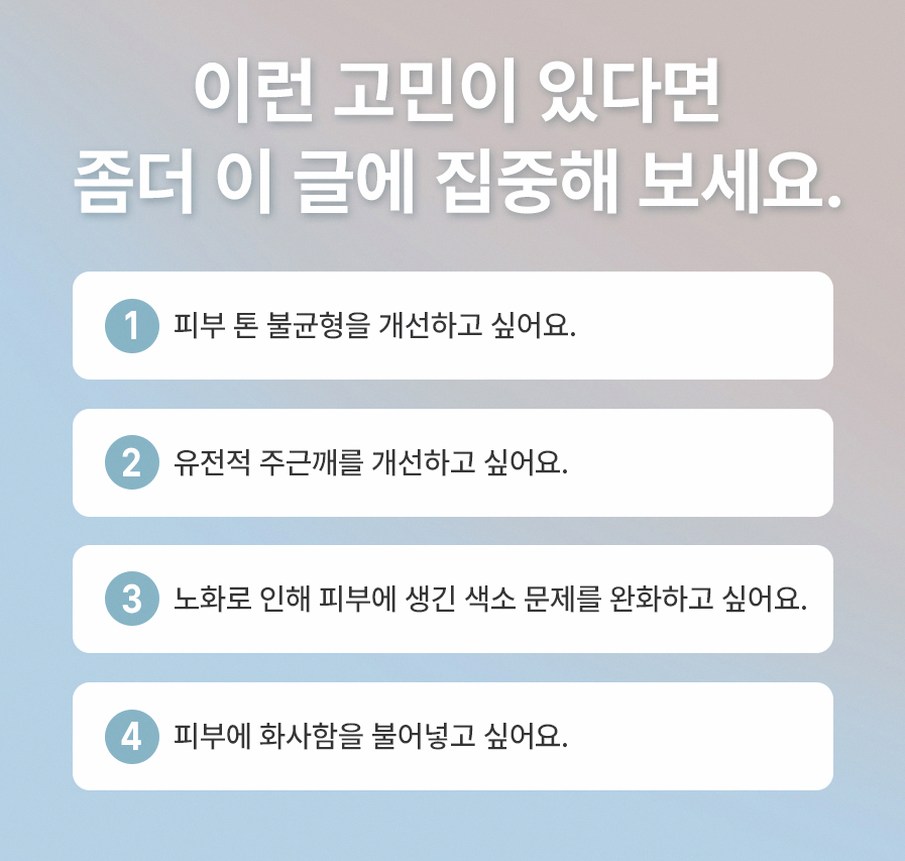
The number of laser toning sessions needed varies with the type and depth of pigmentation, but some general patterns are:
• For visible improvement in tone and mild pigmentation: around 5 to 10 sessions, spaced regularly, is common.
• For melasma: a longer‑term plan with gentle, repeated sessions is usually needed. Melasma is a chronic condition that tends to fluctuate with hormones and sun exposure, so it is managed rather than permanently erased.
• For scattered sun spots or post‑acne marks: the number of sessions can be fewer or more, depending on how dense and deep the spots are and whether other targeted lasers are combined.
Overall treatment duration
Because laser toning relies on repeated low‑energy treatments, the total treatment period is often several months. For example, if you have 8 sessions every 2 weeks, that already covers about 4 months. If you then move to maintenance every 2 to 3 months, the management can become part of your long‑term skin care plan.
It is important to understand that laser toning is a gradual process. You are unlikely to see the full effect after just one or two sessions. Stopping too early often leads to partial, less stable improvement.
Who may consider laser toning
Laser toning can be considered by people who:
• Have melasma or patchy brown pigmentation on the cheeks, forehead, or upper lip.
• Notice freckles, sun spots, or age spots that create an uneven tone.
• Have lingering dark marks after acne or inflammation.
• Feel their skin looks dull or tired and want a brighter, more even appearance with minimal downtime.
It may not be suitable or may need special caution if you:
• Have very dark or tanned skin at the time of treatment.
• Have a history of strong reactions or scarring from previous laser treatments.
• Are pregnant or have medical conditions or medications that affect pigmentation or healing.
A detailed consultation is essential to decide if laser toning is appropriate and how to schedule it safely.

Factors that change the ideal interval
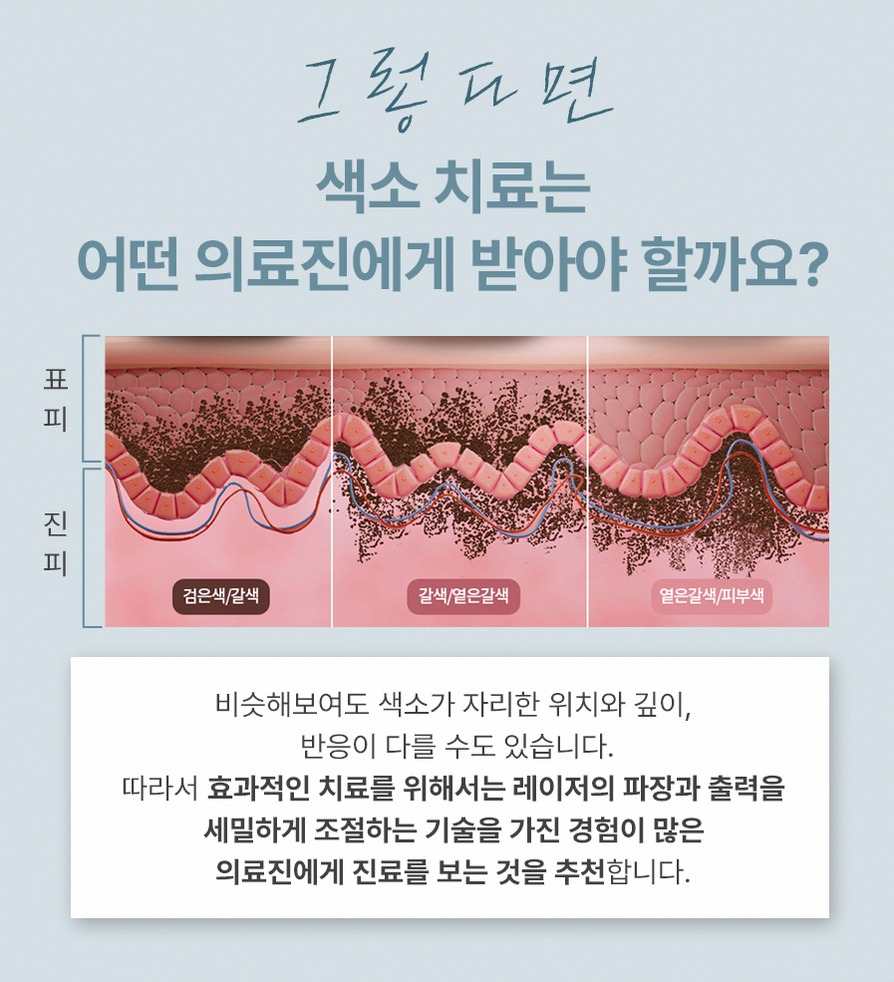
Skin type and sensitivity
Your natural skin type strongly influences how often you can safely receive laser toning.
• Dry, thin, or easily irritated skin may need longer gaps, such as every 2 to 4 weeks, to allow the barrier to recover.
• Oilier or thicker skin may tolerate shorter intervals, such as weekly or every 10 days, especially with conservative settings.
During your course, the doctor will watch for signs of excessive dryness, redness, or prolonged sensitivity. If these appear, the interval may be lengthened or the settings adjusted.
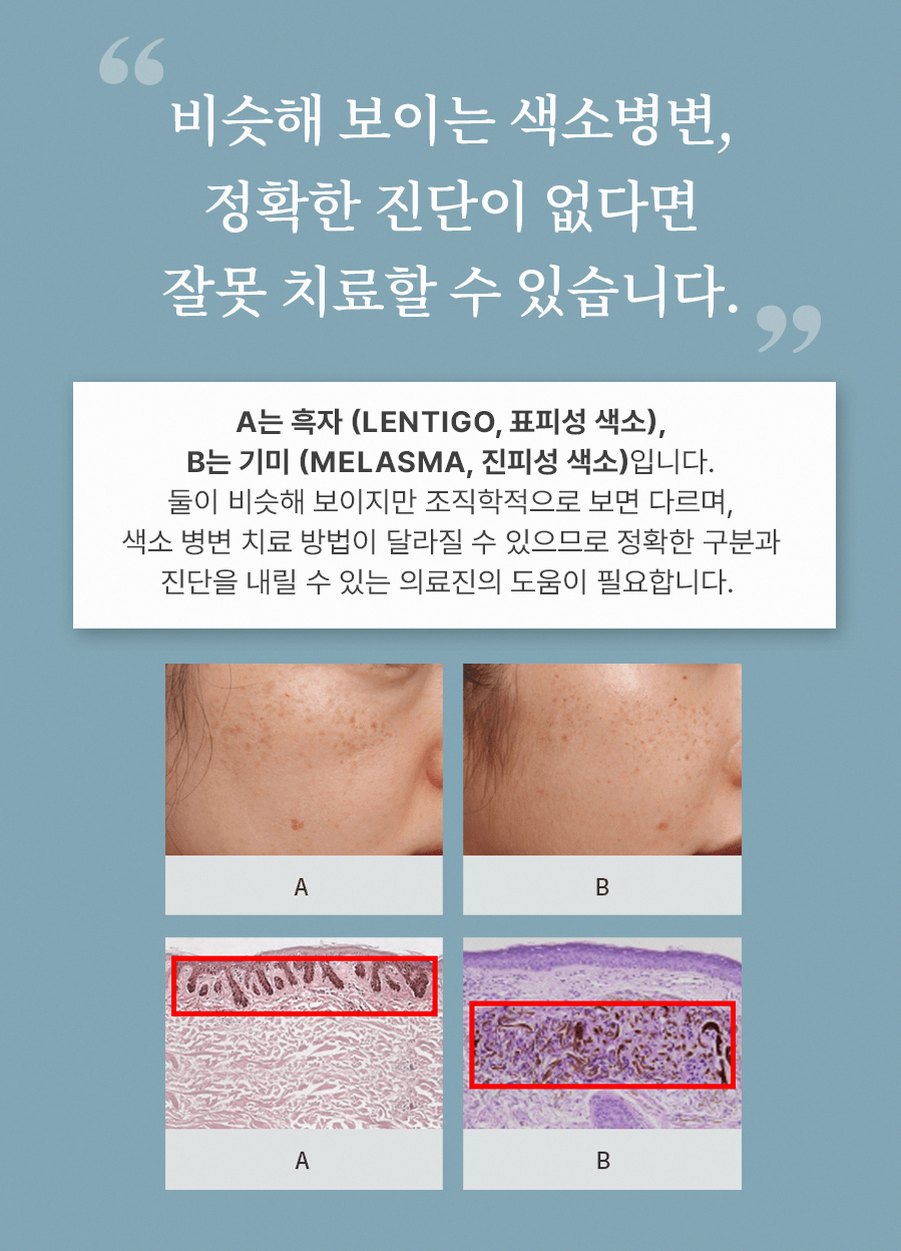
Type of pigmentation
Not all pigmentation behaves the same way.
• Melasma: tends to be deep, reactive, and easily aggravated by heat and irritation. It usually requires gentle settings and longer‑term management with more cautious intervals.
• Discrete sun spots or freckles: may respond well to a defined series of sessions, sometimes combined with more targeted lasers, with intervals tailored to how the skin recovers.
• Post‑inflammatory hyperpigmentation after acne or irritation: often improves with a combination of pigment control, inflammation control, and barrier support, so intervals are chosen to avoid re‑irritating fragile skin.
Device type and laser settings
Different laser platforms and settings influence how often your skin can be treated.
• Their fluence (energy level), spot size, and number of passes per session affect how intense each treatment is.
• Fractional or vascular lasers, if used together with toning, may require more spacing to prevent cumulative irritation.
When stronger settings or multiple devices are used in a single visit, the interval before the next session is often extended.
Concurrent treatments
If you are also receiving other treatments, such as energy‑based lifting, injections, or medical‑grade skincare procedures, your laser toning schedule may need to be adjusted.
The goal is to avoid overlapping irritation. For example, if you have a peel or another laser, your doctor may delay the next toning session by a week or more.
Lifestyle and sun exposure
Your daily habits matter.
• If you spend a lot of time outdoors, especially in strong sun, your doctor may choose gentler settings and longer intervals to reduce the risk of rebound pigmentation.
• If you are diligent with sunscreen, hats, and shade, and your skin shows stable recovery, your schedule may be more flexible.
Why not to shorten the interval too much
Risks of over‑treatment
It can be tempting to think that more frequent sessions will bring faster results. However, too many laser toning sessions too close together can cause problems, such as:
• Persistent redness or dryness.
• Increased sensitivity or stinging with skincare products.
• Rebound pigmentation, where the skin becomes darker or blotchier.
• Worsening of melasma in some cases.
Subclinical inflammation

This is why safe spacing between sessions is a key part of effective laser toning. The goal is to encourage the skin to clear pigment, not to keep it in a constant state of stress.
What happens if you stop mid‑course
Stopping before completing the planned series
If you stop laser toning after only a few sessions, you may notice some brightening or softening of spots, but the improvement is often partial and less stable. Pigmentation that has not been adequately controlled can return more easily with sun exposure or hormonal changes.
This does not mean that early sessions are wasted, but the result may not match your expectations if you do not follow through with the recommended plan.
Long‑term recurrence
Even after a full course of laser toning, pigmentation can recur over time due to:
• UV exposure.
• Hormonal factors, such as pregnancy or certain medications.
• Natural aging and cumulative sun damage.
For chronic conditions like melasma, laser toning is best understood as a management tool, not a permanent cure. Maintenance sessions and good daily protection help keep the skin more stable.
Home care and habits that affect intervals and results
Sun protection
Consistent sun protection is one of the most important factors in both interval planning and outcomes.
• Use a broad‑spectrum sunscreen daily, even on cloudy days.
• Reapply every 2 to 3 hours when outdoors, or more often if sweating or swimming.
• Combine sunscreen with physical protection such as hats, sunglasses, and seeking shade.
If your sun exposure increases suddenly, inform your clinic, as your schedule or settings may need to be adjusted.
Gentle skincare
Between sessions, your skin needs support to recover.
• Use a gentle cleanser and avoid harsh scrubs or cleansing brushes.
• Apply a moisturizer suited to your skin type to maintain the barrier.
• Avoid strong acids, high‑concentration retinoids, or unapproved whitening products around the time of treatment unless your doctor has specifically recommended them.
If you experience unusual peeling, burning, or prolonged redness, contact the clinic before your next session. The interval may need to be extended.
Medical and hormonal changes
Inform your clinic about:
• New medications, especially those that affect hormones or sun sensitivity.
• Pregnancy or plans for pregnancy.
• Recent illnesses or changes in your general health.
These factors can change how your skin reacts to laser toning and may lead to a revised schedule.
How a specialized clinic individualizes your laser toning schedule
Approach to diagnosis and planning
Clinique hus,hu is located in the Cheongdam area of Gangnam, Seoul, near Apgujeong Rodeo Station on the Suin–Bundang Line. The clinic focuses on anti‑aging and pigmentation care and uses multiple pigment‑targeting platforms, including picosecond devices such as PicoWay, as well as vascular and fractional lasers.
Before planning a laser toning schedule, the medical team typically:
• Evaluates your skin in person, including tone, texture, and sensitivity.
• Assesses the type and depth of pigmentation, such as melasma, sun spots, or post‑inflammatory marks.
• May use imaging and diagnostic tools to analyze underlying redness, hidden pigment, and overall skin condition.
Based on this, they propose an initial interval, such as weekly, every 2 weeks, or every 3 to 4 weeks, and an estimated number of sessions.
Adjusting the plan over time
Your schedule is not fixed at the first visit. After each session, the doctor checks:
• How quickly redness and warmth resolve.
• Whether dryness or sensitivity is increasing.
• How the pigmentation and overall tone are changing.
If the skin is responding well and recovering quickly, the interval may stay the same. If there are signs of irritation or rebound pigmentation, the interval can be extended, energy levels adjusted, or the overall plan revised.
This individualized approach is especially important for melasma, where too aggressive a schedule can worsen the condition.

Broader philosophy of skin health
The clinic is staffed by physicians with dermatology training and clinical experience in skin, anti‑aging, and regenerative medicine. They work with a wide range of devices for lifting, tightening, body contouring, and hair loss, and also operate an in‑house cell research lab and cell‑based anti‑aging programs.
For laser toning, this broader experience supports a philosophy of treating skin health at a deeper level, rather than chasing quick, aggressive results that may not be sustainable. Interval planning is part of this: the aim is to respect your skin’s biology while gradually improving pigmentation and tone.
Online consultation and pre‑visit preparation for overseas patients
Online consultation
If you are considering traveling to Seoul for laser toning, an online consultation is a practical first step. Before contacting the clinic, it can help to prepare:
• Clear, makeup‑free photos of your face in natural light from the front and both sides.
• A brief history of your skin concerns: when they started, what makes them better or worse.
• A list of previous treatments, including lasers, peels, or prescription creams, and how you reacted.
• Information about your usual sun exposure and current skincare routine.
During an online consultation, you can ask about likely intervals, estimated number of sessions, and how these can be coordinated with your travel schedule. Final decisions about settings and exact intervals will still be made after an in‑person examination.
Questions to ask before you book
To make a well‑informed decision, consider asking:
• Which laser devices are used for toning and pigmentation, and why they might be suitable for your case.
• How they usually schedule sessions for visitors with limited time in Korea.
• What signs would lead them to lengthen the interval or pause treatment.
• What aftercare is recommended between sessions and after you return home.
Expected Korea visit timeline for laser toning
Short visit (1 to 2 weeks)
If you are staying in Seoul for only 1 to 2 weeks, you may be able to have:
• One detailed consultation and skin analysis.
• One or two initial laser toning sessions, spaced several days apart if your skin allows.
In this case, the focus is on safe introduction, setting realistic expectations, and planning how you can continue care or maintenance when you return home.

Medium visit (3 to 4 weeks)
With a stay of 3 to 4 weeks, some patients can complete several sessions, such as:
• An initial consultation and test session.
• Follow‑up sessions every 1 to 2 weeks, depending on skin response.
This can give a clearer sense of how your skin reacts and what kind of improvement you might expect over a longer series.
Longer stay or repeated visits
If you plan to stay longer or visit Seoul multiple times a year, a more complete initial series and structured maintenance plan can be designed.
For example, you might:
• Complete a core series of 5 to 8 sessions across several months if you are based in Korea.
• Combine a few sessions during each visit if you travel regularly, with guidance on what to do between visits.
In all cases, the clinic will avoid compressing too many sessions into a short period if it would increase the risk of irritation or rebound pigmentation.
Aftercare and what to expect between sessions
Immediately after each session
Right after laser toning, you may notice:
• Mild redness or warmth that usually settles within a few hours.
• Slight tightness or dryness over the next day or two.
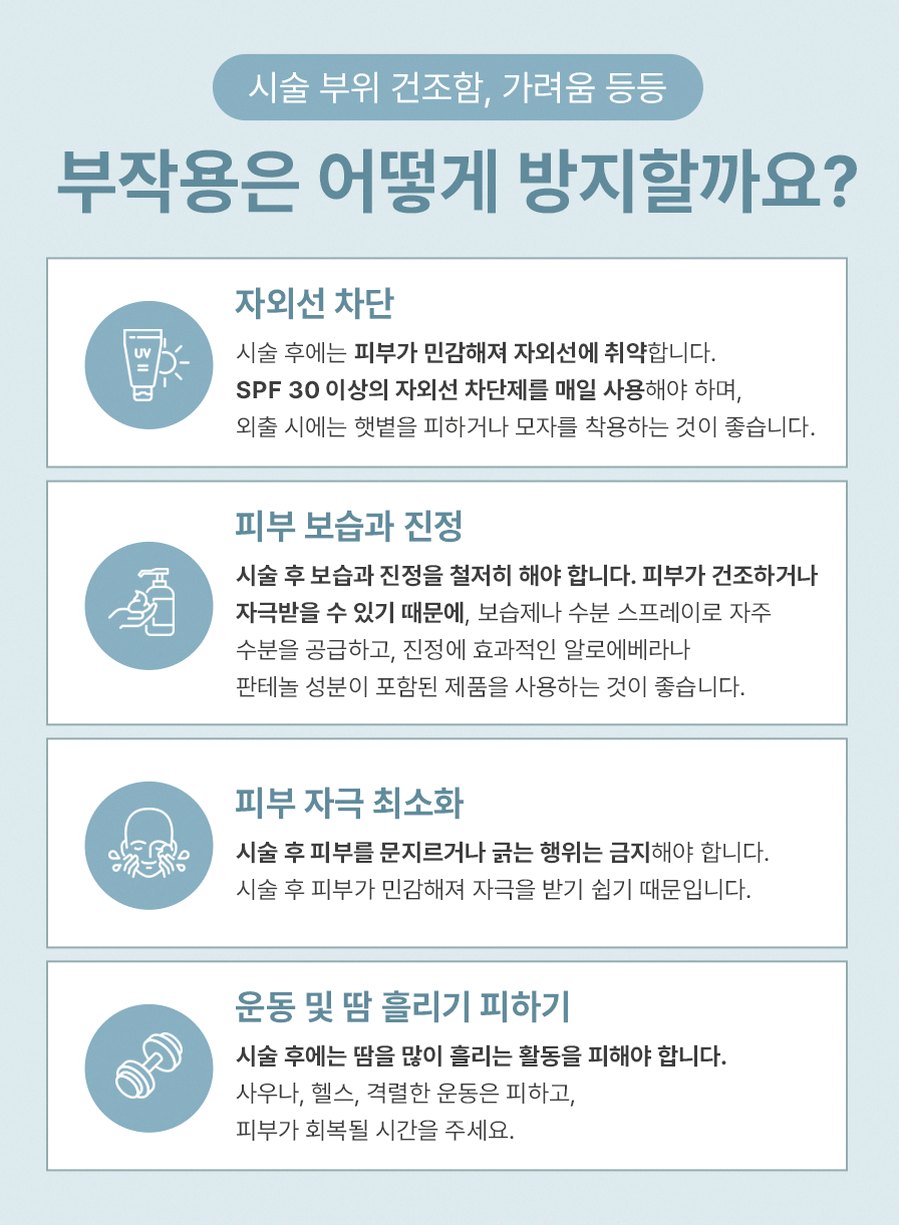
You will typically be advised to:
• Avoid hot baths, saunas, or intense exercise for a short period.
• Use gentle, non‑irritating skincare and avoid new active ingredients.
• Apply sunscreen carefully and avoid direct sun.
Between sessions
Between sessions, the aim is to keep the skin calm and protected so that pigment can gradually clear.
• Follow the skincare routine recommended by the clinic.
• Do not add strong exfoliants or new brightening products without consulting your doctor.
• Monitor your skin for any unusual changes and report them before your next appointment.
If you are returning to your home country, ask for written aftercare instructions and guidance on how long to wait before trying any new treatments.
Frequently asked questions about laser toning intervals
How often should I get laser toning for melasma?
For melasma, many doctors start with laser toning every 1 to 2 weeks using gentle settings, then gradually extend the interval as the skin stabilizes. Because melasma is sensitive and easily aggravated, the schedule is often more conservative than for simple sun spots. After an initial series, maintenance once every 1 to 3 months is common, combined with strict sun protection and appropriate home care.
How many laser toning sessions do I usually need?
Many people notice visible improvement after around 5 to 10 sessions, but the exact number depends on your pigmentation type, depth, and skin response. Some may need fewer sessions for mild, superficial spots, while others with chronic melasma or extensive sun damage may need more. Your doctor will reassess after each few sessions and update the plan.
What happens if I stop laser toning after a few sessions?
If you stop early, you may have some brightening or softening of spots, but the result is often partial and may fade more easily with sun exposure or hormonal changes. Stopping does not usually cause harm, but the outcome may not match what could be achieved with a full, well‑planned series and maintenance. It is better to discuss any schedule changes with your doctor so they can adjust expectations and home care.
Is it dangerous to have laser toning every week?
Weekly laser toning can be appropriate for some people when the energy is low and the skin recovers fully between sessions. However, for sensitive skin or higher settings, weekly treatments may be too frequent and increase the risk of irritation or rebound pigmentation. The key is not the calendar alone but how your skin responds. Your doctor should check your skin at each visit and decide whether a weekly, bi‑weekly, or longer interval is safest.
How can I arrange laser toning in Seoul as an overseas patient?
You can start by requesting an online consultation with Clinique hus,hu in Cheongdam, Gangnam, Seoul, near Apgujeong Rodeo Station on the Suin–Bundang Line. Share clear photos, your medical and treatment history, and your planned travel dates. The clinic can then suggest a realistic schedule for your stay, explain expected intervals, and outline aftercare for when you return home. During your visit, your in‑person evaluation will guide final decisions about timing and number of sessions.
Soft call to action
If you are considering laser toning for pigmentation or uneven skin tone and want to understand what interval and duration would be appropriate for you, arranging an online consultation before your trip can be very helpful. By sharing your skin concerns, history, and travel plans in advance, the medical team at Clinique hus,hu can help you plan a safe, individualized schedule that fits your time in Seoul while respecting your skin’s needs.
- 공유 링크 만들기
- X
- 이메일
- 기타 앱


댓글
댓글 쓰기