How to Choose Lip Fillers in Cheongdam
- 공유 링크 만들기
- X
- 이메일
- 기타 앱

Quick overview: Types of lip fillers explained simply
These can be grouped by material (HA vs non‑HA), by texture (soft vs more structured gels), and by design or purpose (volume, contour, or hydration and anti‑aging around the mouth). In a modern aesthetic clinic in Cheongdam, Gangnam, the focus for lips is almost always on HA fillers because they are versatile, reversible, and can be tailored to natural or more glamorous styles.
This guide explains the main types of lip fillers, how they are used in real practice with brands like Restylane and Juvederm, and how a specialized anti‑aging and volume clinic in Cheongdam, Gangnam, near Apgujeong Rodeo Station, might help you choose the safest and most suitable option during a visit to Korea.
What lip fillers are
Lip fillers are injectable gels used to enhance or restore the lips. They can add volume, define shape, correct asymmetry, and improve hydration and fine lines around the mouth.

The most common material for lip fillers is hyaluronic acid. Hyaluronic acid is a sugar molecule that naturally exists in human skin and connective tissue. In filler form, it is cross‑linked to form a gel that can hold shape and attract water, giving the lips a smoother and plumper appearance.
Non‑HA fillers, such as collagen stimulators, exist but are generally not first‑line choices for lips. The main reasons are safety and reversibility. If a hyaluronic acid filler needs to be adjusted or dissolved, an enzyme called hyaluronidase can be used. Non‑HA fillers do not have this simple reversal option, so most experienced injectors prefer HA for the lip area.
Main ways to classify lip fillers
By material
For lips, the key distinction is between hyaluronic acid fillers and non‑hyaluronic acid fillers.
Hyaluronic acid fillers are widely used for lips because they are adaptable, can be placed at different depths, and are dissolvable if necessary. When injected correctly by an experienced doctor, they have a good safety profile and can create very natural results.

Non‑HA fillers, such as collagen stimulators, are more often used for deeper facial volume restoration rather than the lips. Because they cannot be easily dissolved, they are usually not the first choice for shaping or hydrating the lips, where precision and reversibility are very important.
By rheology and texture
Rheology refers to how a filler behaves under pressure: how soft, elastic, or cohesive it is. This is crucial for lips, because the mouth is constantly moving and the skin is thin.
Soft, spreadable gels are used for natural volume and hydration. They blend smoothly into the lip tissue and are helpful for people who want a subtle, “my lips but better” look. These gels can also soften fine lines on the lip surface.
More elastic and structured gels hold shape better. They are used for defining the Cupid’s bow, shaping the vermilion border, lifting the corners of the mouth, and correcting asymmetry. Because they are more supportive, they are often placed along the edges of the lips rather than in the soft central body.

Very soft, skinbooster‑like gels are close to a hydrating treatment. They are used for lip hydration and fine vertical lines around the mouth, sometimes called barcode lines. These products give a smoother, more moisturized look without adding much bulk.
By indication and design
Volume‑boosting lip fillers are designed to create fuller, plumper lips. They are placed mainly in the body of the upper and lower lips to increase projection and thickness. The choice of product and amount depends on your natural anatomy and desired style.
Contouring and definition fillers focus on the outline of the lips. They are used along the vermilion border, in the Cupid’s bow, and sometimes to adjust the height difference between the two sides. These fillers are usually a bit more structured to hold a clean line.
Hydration and anti‑aging fillers are used when the main concern is dryness, lipstick lines, or an aged appearance around the mouth. They may be placed very superficially in the lip surface and in the fine vertical lines above the upper lip. The goal is smoothness and softness rather than dramatic volume.
Real filler brands and how they fit into lip types
Clinique hus,hu uses several well‑known hyaluronic acid filler families that can be adapted for lip treatments, depending on the doctor’s judgment and your needs.

Restylane family
The Restylane family includes different subtypes with varying firmness and spreadability. In many clinics, certain Restylane products are chosen for structure and definition. For example, a slightly firmer Restylane subtype may be used along the vermilion border or Cupid’s bow to create a crisp outline, while softer versions can provide natural volume in the body of the lips.
Because of the range within the Restylane line, the doctor can combine a more structured product for the edges with a softer one for the center, tailoring the result to your desired style.
Juvederm family
The Juvederm family also offers several options that differ in softness and lifting power.
Volbella‑type products are typically softer and are often used for subtle lip volume, contouring, and fine lines around the mouth. They are suitable for patients who want a refined, natural look with improved texture rather than a dramatic enlargement.

Volift‑ or Voluma‑type products are more lifting and volumizing. In some cases, small amounts may be used for fuller lip styles or to support the area around the mouth, such as the nasolabial folds or the chin region, which indirectly improves the appearance of the lips. Because they are stronger, they are used carefully and in appropriate planes to avoid stiffness.
Other volumizing fillers such as Ellanse, Lapulene, and Juvelook may be part of the clinic’s broader anti‑aging and volume portfolio. These are generally collagen‑stimulating or specialized products and are not standard first‑line choices for lips. Their use around the mouth, if considered, is at the doctor’s discretion and based on a detailed assessment of skin quality, volume loss, and long‑term anti‑aging goals.
How to choose the right type of lip filler
By desired style
Natural, “my lips but better” style usually calls for softer hyaluronic acid fillers. The focus is on gentle volume, improved hydration, and smoothing of fine lines. The lips should look like a fresher version of your own, without obvious signs of injection. This approach often uses lower volumes and softer gels.
Defined and contoured lips require a combination of fillers. A slightly more structured HA is placed along the border and Cupid’s bow to sharpen the outline, while a softer gel can be used in the center to keep the lips soft and mobile. This style suits people who wear lipstick often or want a clear lip shape on photos.
Fuller or glam style involves a higher overall volume plan. Even in these cases, an experienced injector will pay close attention to facial balance, the distance between the nose and upper lip, and the relationship between the lips, chin, and nose. The goal is to enhance without overwhelming your natural features.

By lip condition and age
Younger lips usually have good elasticity and fewer lines. In this group, the main focus is shape and volume. The doctor may emphasize symmetry, Cupid’s bow definition, and a balanced ratio between upper and lower lip.
Mature lips often show volume loss, dryness, vertical lines, and sometimes downturned corners. Here, the plan may combine subtle volume in the lips with treatment of barcode lines and perioral volume loss. Very soft, hydrating fillers and sometimes supportive fillers around the mouth can work together to restore a fresher, less tired look.
By safety and reversibility
One of the main advantages of hyaluronic acid fillers is that they can be dissolved with hyaluronidase if necessary. This gives both patient and doctor more confidence when planning subtle changes or when correcting previous fillers from another clinic.
Product selection and injection depth matter greatly for safety and natural movement. Too superficial placement of a firm filler can cause lumps or visible product, while too deep or aggressive injection in sensitive areas can increase the risk of complications. An experienced injector will choose the right rheology and plane for each part of the lip.

Treatment overview: what to expect
Typical consultation and planning
During consultation, the doctor will usually analyze your face and lips from the front and side. They may look at symmetry, how much of your teeth show when you smile or speak, and how your lips relate to your nose and chin.
You will discuss your preferred style, often using reference photos. A responsible doctor will also explain anatomical limits and what is realistic for your face. Based on this, they will suggest a combination of filler type, brand, softness, and approximate volume.
Procedure steps
On the treatment day, the lips and surrounding skin are cleansed. Topical numbing cream or local anesthesia is usually applied to reduce discomfort. Some fillers also contain a small amount of anesthetic inside the gel.
The doctor may use a fine needle, a cannula, or a combination of both, depending on the area and technique. Injections are done in small amounts, with frequent checks in the mirror to monitor shape and symmetry.

After the injections, the doctor gently molds the filler, checks the profile and front view, and may add small adjustments. , depending on complexity.
Aftercare and downtime
It is normal to have swelling, mild bruising, and temporary asymmetry while the swelling settles. The lips often look fuller in the first few days than they will once healed.
Most people can return to daily activities soon after treatment, but it is usually recommended to avoid strong pressure on the lips, intense exercise, saunas, and very hot baths for a few days. You may also be advised to avoid alcohol and blood‑thinning supplements shortly before and after the procedure to reduce bruising.
Final shape is usually judged after about two weeks, when swelling has resolved and the filler has integrated into the tissue.
Who may consider lip fillers in Korea
Lip fillers can be considered by overseas patients who want to enhance their lips while visiting Seoul, especially those interested in combining lip enhancement with a broader anti‑aging plan.

Common reasons include naturally thin lips, loss of volume with age, asymmetry, blurred lip borders, vertical lines around the mouth, or simply a desire for a more polished look in photos.
People with certain medical conditions, active infections around the mouth, or a history of severe allergies should discuss these in detail with the doctor during online consultation and in‑person assessment.
Safety, risks, and why injector expertise matters
Like any medical procedure, lip fillers carry potential risks. Common, usually temporary issues include bruising, swelling, tenderness, and small lumps that often soften as the filler settles.
Less desirable outcomes can include asymmetry, overfilling, or an unnatural shape. These are minimized by careful planning, conservative dosing, and clear communication about expectations.

Rare but serious complications include vascular problems, where filler unintentionally enters a blood vessel. This can affect blood flow to the skin or, in very rare cases, to the eye area. Early recognition and prompt management are essential, which is why it is important to choose a clinic that is familiar with safety protocols and has hyaluronidase and emergency measures available.
Clinique hus,hu emphasizes a scientific, anatomy‑based approach to injectables. The team has experience with fillers, lifting procedures, and anti‑aging programs, and uses protocol‑based safety measures such as careful product selection, conservative first sessions, and staged treatments when needed.
How a Cheongdam clinic approaches lips and anti‑aging
The Cheongdam, Gangnam area near Apgujeong Rodeo Station is known for aesthetic and anti‑aging clinics. Within this environment, a clinic like Clinique hus,hu positions lip fillers as one part of a broader facial rejuvenation strategy.
Because the clinic has access to multiple HA filler brands and devices such as Thermage FLX, Ulthera Prime, and Exion, treatment plans can address not only lip volume but also skin laxity and texture around the mouth. For aging lips, lip fillers may be combined with perioral tightening or skin repair injections to improve both shape and skin quality.

The clinic also offers cell‑based aesthetic programs, such as autologous exosome preparations and procedures informed by stem‑cell research. These are presented as adjunctive cosmetic options rather than medical treatments and are not lip fillers. Regulatory approvals and evidence for systemic or therapeutic benefits are limited, and individual results may vary.
For younger patients, the emphasis is usually on natural proportion, avoiding overfilling, and planning changes that will still look harmonious as the face ages.
Online consultation and pre‑visit preparation for overseas patients
If you are planning a trip to Seoul and considering lip fillers, an online consultation before your visit is very helpful.
Before contacting the clinic, it can be useful to prepare the following:
Clear photos of your face from the front, 45‑degree angle, and profile, with neutral expression and a relaxed, closed‑mouth pose, plus a natural smile.
A short description of what bothers you about your lips: thinness, shape, asymmetry, lines, dryness, or corners turning down.
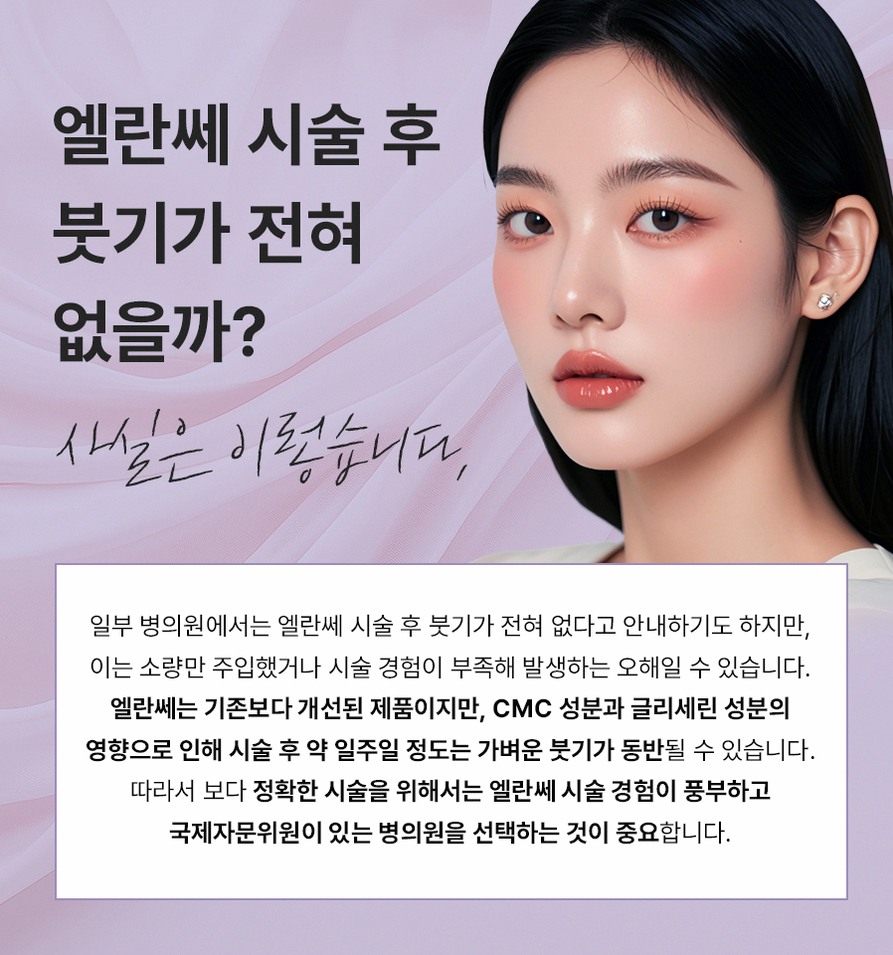
Reference photos of lip styles you like, ideally similar to your own facial structure.
Your medical history, including allergies, medications, previous fillers or procedures, and any tendency to bruise or scar.
During online consultation, you can ask about recommended filler types for your case, expected number of sessions, approximate downtime, and how lip fillers could be combined with other anti‑aging treatments if needed.
Expected Korea visit timeline for lip fillers
For most overseas patients, a short visit is sufficient for lip fillers.

Day 1: In‑person consultation and treatment. After arrival in Seoul, you can visit the clinic in Cheongdam, Gangnam, near Apgujeong Rodeo Station, for a detailed assessment. If everything is suitable, the procedure can often be done on the same day.
Days 2 to 3: Initial swelling phase. Lips may look larger and feel firm. Light sightseeing is usually possible, but it is better to avoid intense exercise or activities that risk trauma to the face.
Days 4 to 7: Swelling gradually decreases. Bruising, if present, fades. Most people feel comfortable meeting others and taking photos during this period.
Around 2 weeks: Ideal time to judge the final result. If you are staying longer in Korea, a follow‑up visit can be scheduled. If you are returning home earlier, follow‑up can be done online with photos.
Aftercare and long‑term maintenance
After your lip filler treatment, follow the clinic’s specific instructions. General guidance often includes avoiding strong pressure on the lips, not massaging unless instructed, and staying away from saunas, very hot baths, and intense exercise for several days.

If you notice uneven swelling, small lumps, or mild asymmetry in the first week, this can be part of normal healing. However, if you experience severe pain, color change of the skin, or visual symptoms, you should contact the clinic immediately.
Longevity depends on the product used, your metabolism, and how much you move your lips. Many lip fillers last around 6 to 12 months, sometimes a bit shorter for very soft hydrating fillers. Some patients prefer small touch‑ups rather than waiting until all the filler has disappeared.
Frequently asked questions
Which type of lip filler lasts the longest?
In general, slightly firmer hyaluronic acid fillers and those designed for more structural support tend to last longer than very soft, skinbooster‑like gels. However, in the lips, movement is constant, so even longer‑lasting products may break down faster than in other areas of the face. Many patients experience around 6 to 12 months of effect, but this varies by individual and product. Your doctor can suggest a filler that balances longevity with softness and natural movement.
What is the most natural‑looking type of lip filler?
Natural results depend more on technique and volume than on brand name alone. Softer, spreadable hyaluronic acid fillers are usually chosen for a natural, subtle effect because they blend smoothly into the tissue. Using conservative amounts, respecting your original lip shape, and combining a soft filler in the body with a slightly more structured one at the border can create a refined but believable look.

Can I change or dissolve my lip filler if I do not like it?
If a hyaluronic acid filler has been used, it can usually be adjusted or dissolved with an enzyme called hyaluronidase. This is one of the main reasons HA fillers are preferred for lips. In some cases, a small top‑up or reshaping is enough; in other cases, partial or full dissolution may be recommended before starting again. Non‑HA fillers do not offer this flexibility, which is why they are rarely used in lips.
Are there different fillers for lip volume versus lip lines?
Yes. For volume in the body of the lips, doctors tend to use gels that are soft but have enough body to hold shape. For fine lip lines and barcode lines around the mouth, very soft, hydrating fillers or skinbooster‑type products are preferred. They are placed more superficially and aim to smooth the skin rather than build bulk. Sometimes both types are combined in one session for a more complete rejuvenation.
How often do I need to repeat lip filler?
Most people repeat lip filler every 6 to 12 months, depending on how quickly their body metabolizes the product and how full they want their lips to look. Some patients prefer small maintenance sessions once or twice a year to keep a steady, natural appearance. Your doctor can help you plan a schedule that fits your travel plans and long‑term goals.
Is lip filler safe, and what should I check before choosing a clinic?
Lip fillers are widely performed and can be safe when done by experienced doctors using quality products and proper protocols. Before choosing a clinic, check who will perform the injections, which brands they use, how they handle complications, and whether they have hyaluronidase and emergency procedures in place. It is also helpful to ask about their approach to natural proportions and whether they recommend staged treatments rather than aggressive first sessions.
Soft call to action for online consultation
If you are considering lip fillers during a visit to Seoul and would like a personalized plan based on your lip shape, age, and overall facial balance, you can arrange an online consultation with Clinique hus,hu before you travel. Sharing photos and your goals in advance allows the team to suggest suitable filler types, an estimated timeline, and how lip enhancement might fit into a broader anti‑aging strategy for the mouth area.
This article is for general information only and does not replace a face‑to‑face medical consultation. Individual assessment by a qualified doctor is essential before any treatment.
- 공유 링크 만들기
- X
- 이메일
- 기타 앱


댓글
댓글 쓰기