in Cheongdam: Autologous Exosome Care, Risks & Travel Plan
- 공유 링크 만들기
- X
- 이메일
- 기타 앱
Direct answer summary
If you are noticing more scalp showing through your part, a thinner ponytail, or extra hair on your brush, female hair loss treatment can help slow the process and support healthier regrowth. In Cheongdam, Gangnam, some clinics focus on treating hair loss at the cellular and scalp level, combining medical therapy, autologous exosome programs, and medical scalp care. For overseas patients, it is possible to plan a structured course of treatment during visits to Korea, with online consultation and follow-up guidance between trips.
What is female pattern hair loss and why it happens
Female pattern hair loss usually does not look like the classic receding hairline that many men experience. Instead, women tend to notice overall thinning on the crown, a widening part line, or a ponytail that feels less full than before. Some also see increased shedding in the shower or on the pillow.
Common causes include genetic tendency, hormonal changes around pregnancy, childbirth, breastfeeding, oral contraceptives, and menopause. Stress, crash dieting, chronic illness, and certain medications can also trigger or worsen thinning. Repeated harsh styling, frequent dyeing, or tight hairstyles may irritate the scalp and contribute to breakage and shedding.
Unlike many men, women usually maintain their frontal hairline, but the density behind it gradually decreases. Under the surface, hair follicles can slowly miniaturize. The hairs become finer, grow for a shorter period, and eventually may stop producing visible hair. Once a follicle is severely miniaturized or lost, it is difficult to bring it back. This is why early female hair loss treatment focuses on preserving and strengthening existing follicles instead of waiting until the scalp is clearly visible.
Types of female hair loss you might notice
Women can experience several patterns of loss.
Some have classic female pattern thinning on the crown and mid-scalp, with a widening part but a relatively stable hairline. Others develop diffuse thinning all over the scalp, which can be harder to recognize until a lot of volume is gone. After childbirth, many women go through postpartum shedding. This is often temporary, but in some cases the hair does not fully return to its previous density and underlying pattern hair loss becomes obvious.
There are also conditions such as patchy hair loss, scarring hair loss, or hair loss linked to thyroid disease, anemia, or other systemic problems. Because the causes and patterns are different, a careful diagnosis is essential before choosing any treatment.
Why early treatment matters
Female hair loss usually progresses slowly over years. This can make it easy to ignore at the beginning, but it also means early intervention can be very effective. When follicles are still active, they can often be stabilized and supported with medical and scalp therapies. The realistic aim is to reduce shedding, slow or stop further miniaturization, and gradually improve thickness and quality.
If treatment is delayed until the scalp is clearly visible and many follicles are no longer functioning, options become more limited. At that stage, the focus shifts to preserving what remains and improving coverage, rather than expecting a return to teenage density. Starting female hair loss treatment when you first notice changes offers the best chance of maintaining a natural, full-looking hairstyle over the long term.
How doctors diagnose female hair loss in clinic
A structured assessment is the foundation of any female hair loss treatment plan. For international patients, part of this process can begin online, but an in-person scalp examination is still important when you arrive in Seoul.
Medical and lifestyle history
During consultation, the doctor will usually ask about:
When you first noticed thinning or shedding
How the pattern has changed over time
Family history of hair loss in women and men
Menstrual cycle regularity, menopause status, pregnancy and childbirth history
Current medications, including oral contraceptives or hormone therapy
Diet, recent weight changes, and any restrictive eating patterns
Stress levels, sleep quality, and major life events
Hair care habits, such as frequent dyeing, bleaching, straightening, or tight styles
These details help distinguish between genetic pattern hair loss, temporary shedding, and hair loss linked to medical conditions.
Scalp and hair examination
In clinic, the medical team will examine your scalp and hair under good lighting and often with magnification or digital imaging. They look at hair density, shaft thickness, and signs of miniaturization. The scalp skin is checked for oiliness, dandruff, redness, scaling, or signs of inflammation.
Many clinics in Cheongdam use diagnostic imaging systems that can capture close-up images of the scalp. These images serve as a baseline and can be compared over time to see how density and hair thickness change with treatment. For overseas patients who may not visit every month, this visual record is especially helpful.
Laboratory tests when needed
If your history or exam suggests a possible systemic cause, the doctor may recommend blood tests through a partner facility. Common tests include iron status, thyroid function, certain hormones, vitamin D, and general health markers. Identifying and correcting deficiencies or systemic issues can be an important part of successful female hair loss treatment.
Individualized treatment planning
After gathering this information, the doctor will discuss possible causes and realistic goals. Rather than offering a one-size-fits-all package, treatment is tailored according to your diagnosis, the severity of thinning, your age and hormonal status, and your plans for pregnancy or breastfeeding. For international patients, the plan also considers how often you can visit Korea and what can be safely continued at home between visits.
Treatment options for female hair loss
Effective female hair loss treatment usually combines several approaches. The aim is to support follicles from the inside with medical therapy, improve the scalp environment with cellular and scalp treatments, and maintain good habits at home.
Medical therapy
Medically supervised topical and oral therapies are often part of the plan. Depending on your situation, the doctor may recommend:
Topical agents applied to the scalp to support hair growth cycles
Oral medications that influence hormones or improve hair growth, when appropriate for women
Nutritional supplements when deficiencies are suspected, such as iron or vitamin D
Because some medications are not suitable during pregnancy or for women planning pregnancy, it is important to discuss your reproductive plans clearly. The doctor will choose options with your safety in mind and may adjust your regimen over time.
Scalp and cellular treatments
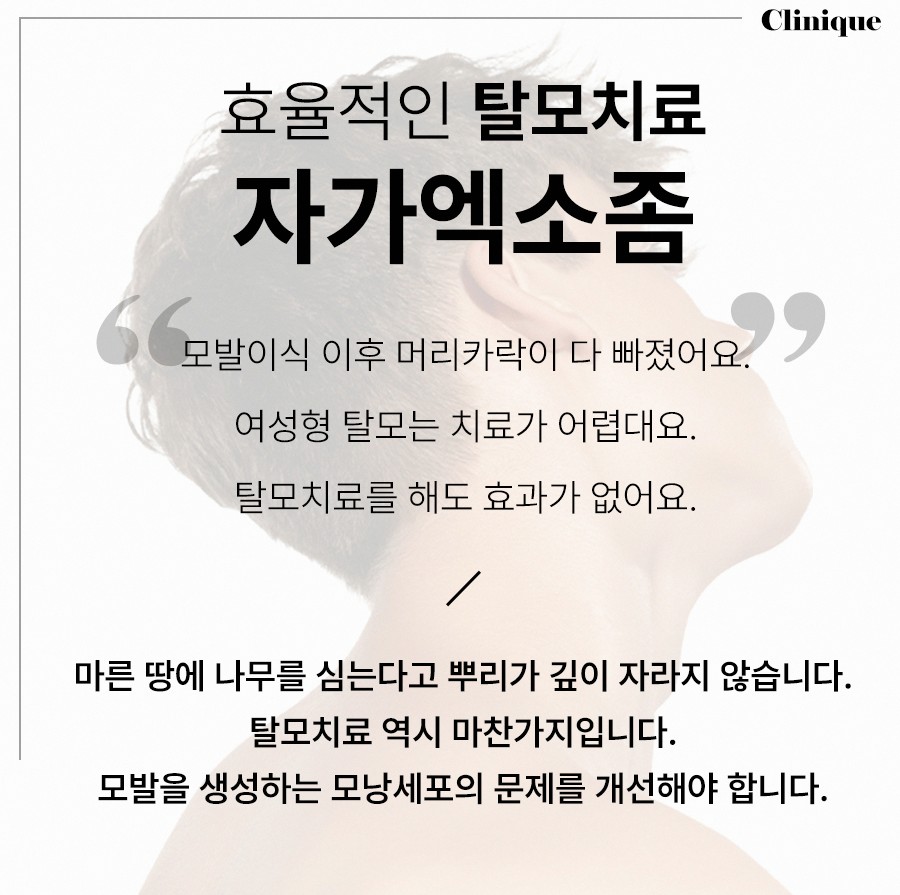
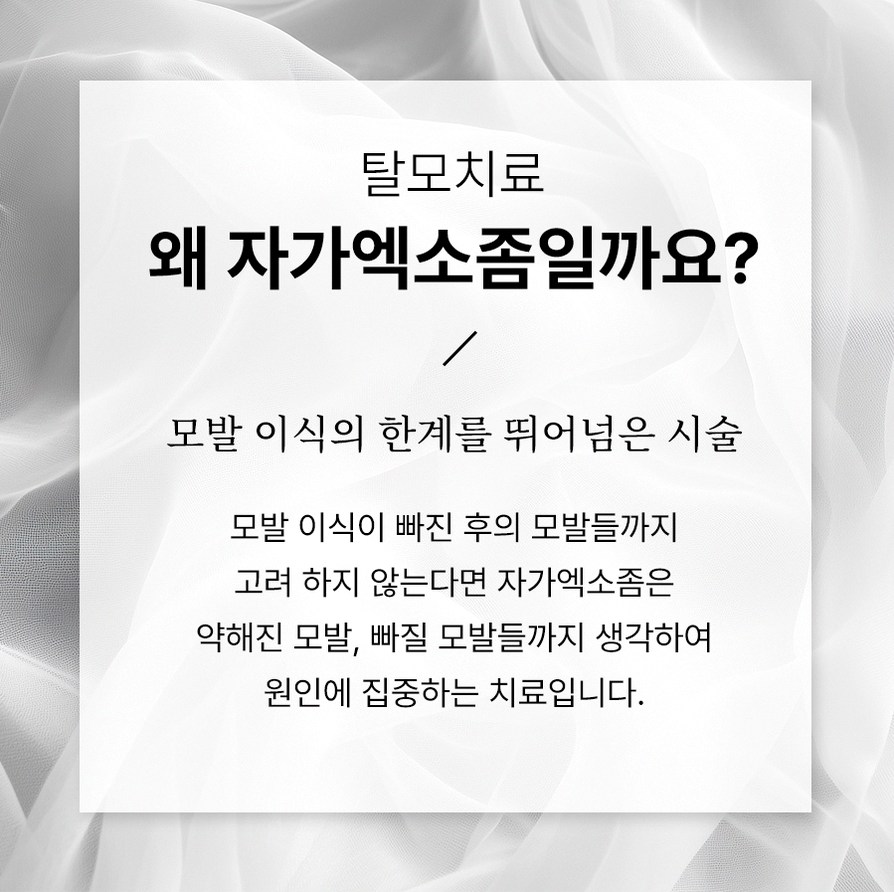
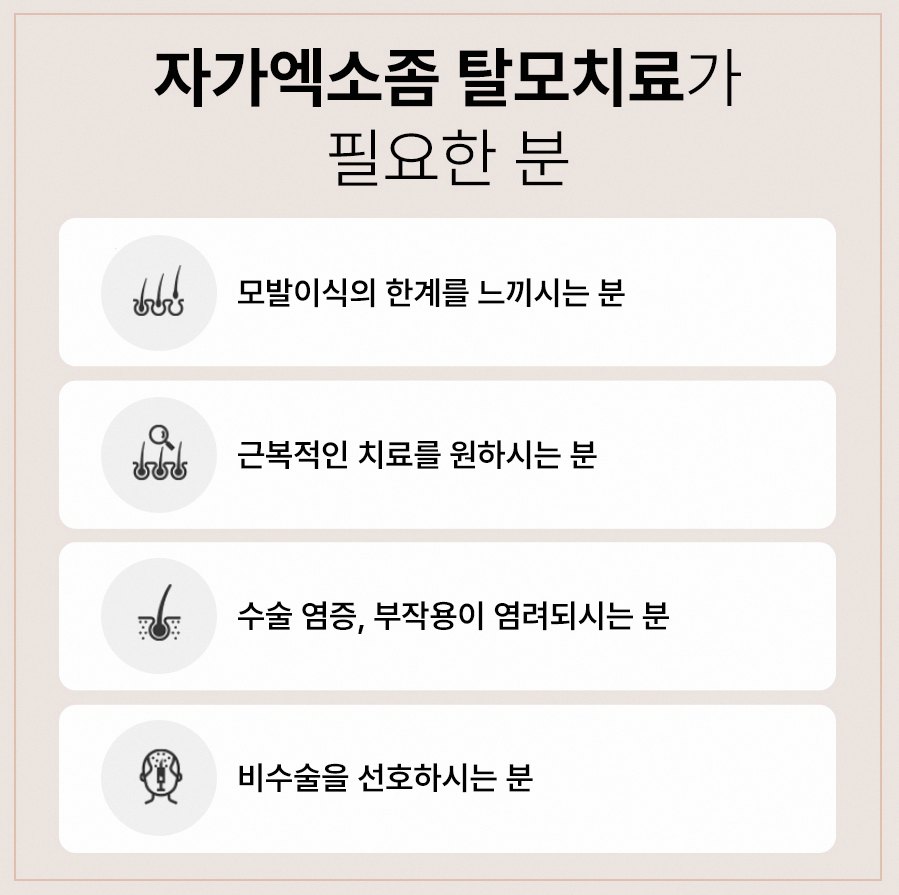
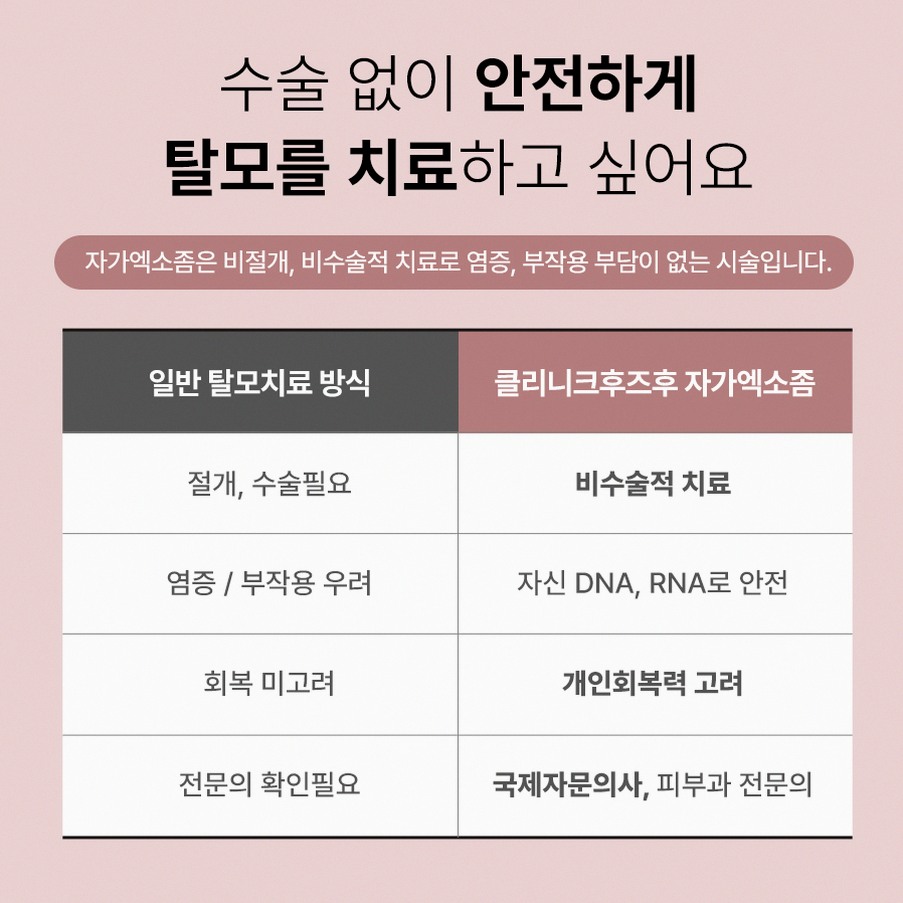
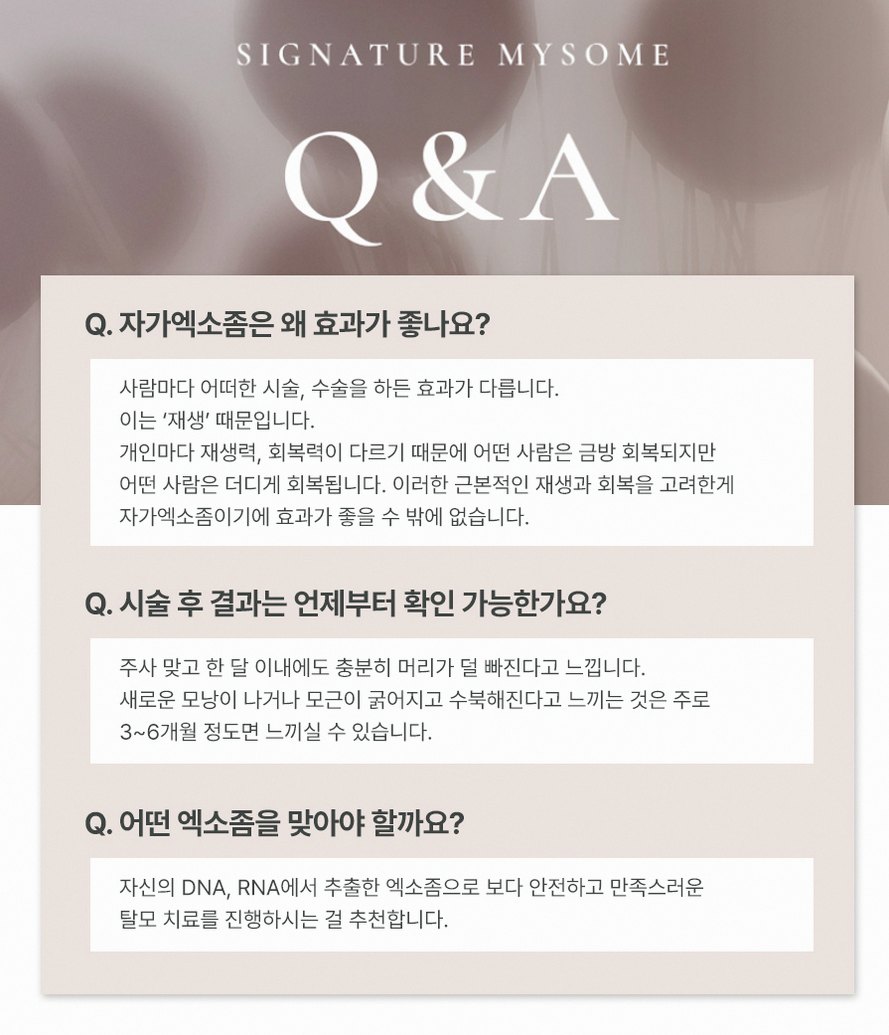
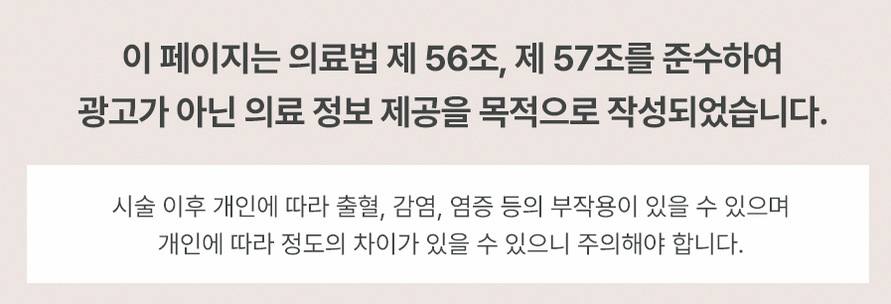
In Cheongdam, some clinics emphasize a cellular approach to hair loss. One key program is the autologous exosome hair treatment. These procedures use cell‑derived products and are presented as medical interventions; individual responses can vary. Procedure‑specific risks may include infection, local reactions, transient inflammation or discomfort, and there may be unknown longer‑term effects. Patients should discuss risks and benefits with a physician, receive a clear treatment plan, and provide informed consent before proceeding.
Autologous exosome hair program
Autologous means that the material used is derived from your own body. Exosomes are tiny vesicles released by cells that carry signaling molecules such as proteins and genetic material. In hair loss care, an autologous exosome-based program aims to improve the microenvironment around hair follicles, supporting their vitality and function.
At clinics with a strong cell-based anti-aging background, this program is designed as a medical treatment rather than a cosmetic scalp spa. The goal is to encourage better communication between cells in the scalp, promote regeneration, and complement standard hair loss therapies. Because the material is autologous and non‑cultured, clinics describe it as intended to be biocompatible and to reduce immunologic mismatch; patients should still review potential risks, benefits, and any relevant clinical or regulatory information with their physician before treatment.
Scalp condition management
Even the best medical or cellular therapies work less effectively if the scalp is inflamed or congested. Many women with hair loss also have seborrheic dermatitis, dandruff, or sensitive scalp.
To address this, the treatment plan may include:
Management of seborrheic dermatitis or other scalp conditions with appropriate medical products
Gentle, medical-grade scalp cleansing to remove excess sebum and buildup without irritating the skin
Laser-based or light-based scalp treatments to improve circulation and reduce inflammation when indicated
These steps help create a healthier foundation for follicles, making other treatments more effective.
Lifestyle and home care guidance
Hair loss is influenced by overall health. During consultation, you can expect practical advice on:
Choosing mild shampoos and avoiding harsh chemical treatments
Reducing excessive heat styling and tight hairstyles that pull on the roots
Maintaining a balanced diet with adequate protein and micronutrients
Improving sleep quality and stress management, as chronic stress can worsen shedding
For overseas patients, clear written instructions and product recommendations are especially useful so you can maintain consistent care at home between visits to Korea.
Autologous exosome hair program and cellular-level care
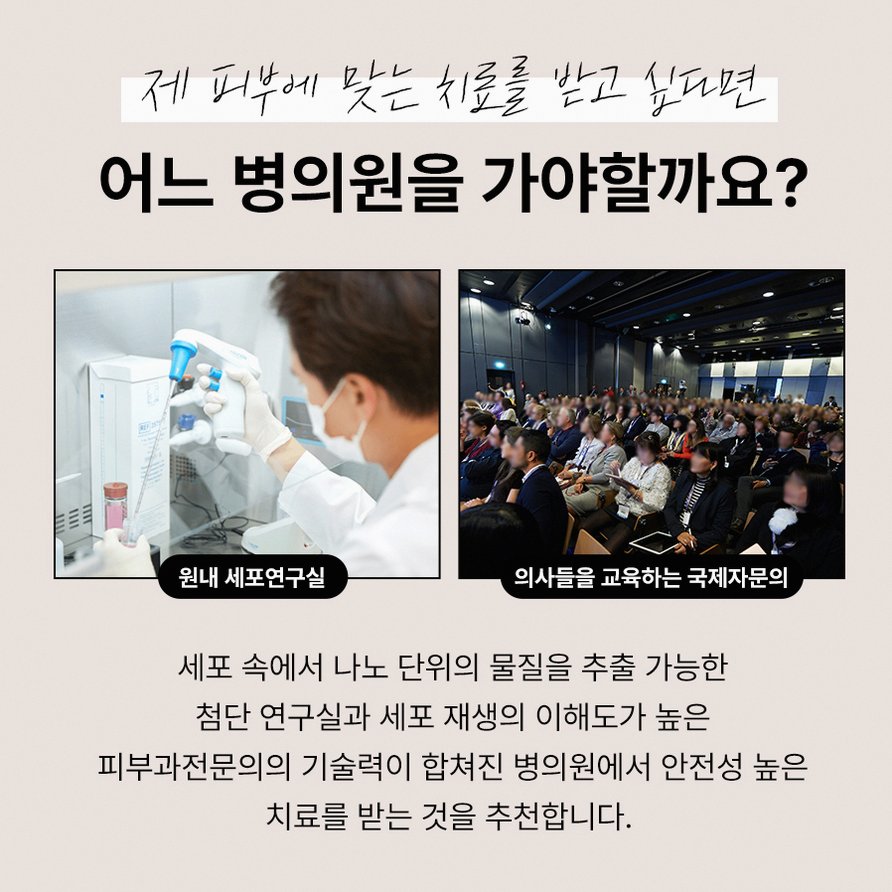
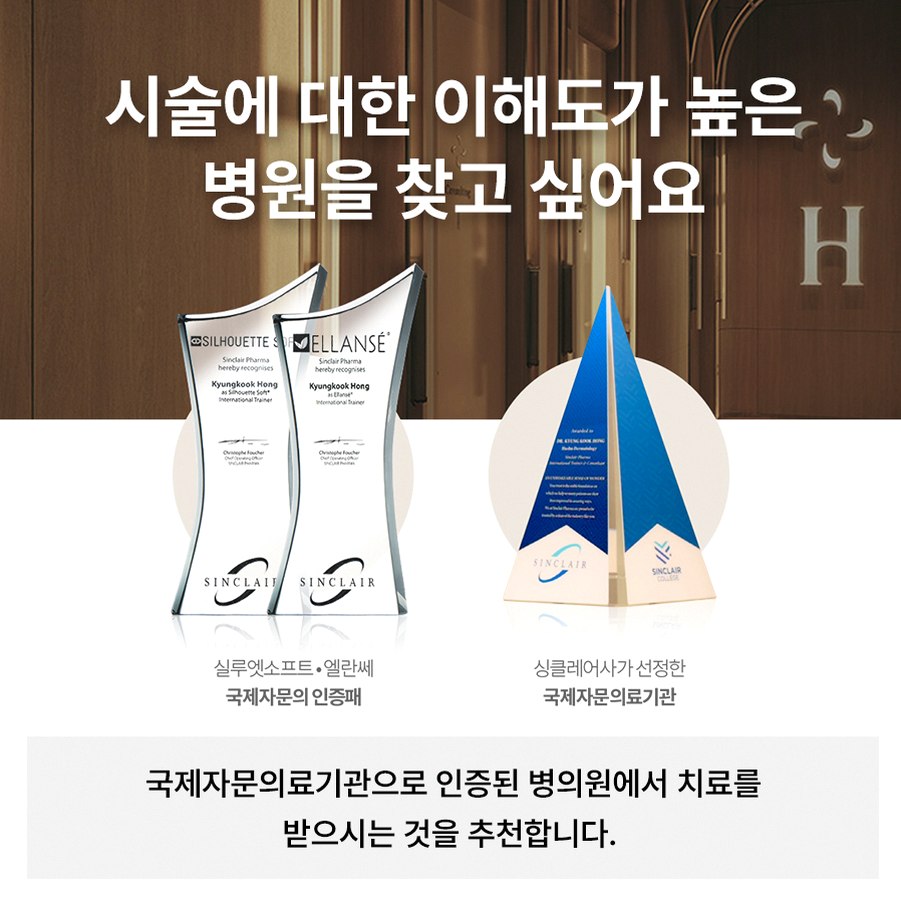
Some clinics in Cheongdam, such as Clinique hus,hu in Gangnam, integrate hair loss management into a broader cell-based anti-aging philosophy. This means that the same principles used for skin rejuvenation at the cellular level are applied to the scalp.
Recovery Lab and cell-based approach
Within this concept, an in-house cell research lab, sometimes referred to as a Recovery Lab, focuses on understanding how cells communicate and repair themselves. The principle is to use non-cultured, autologous cells and exosome-based materials to support regeneration in a way that is designed to be compatible with your own body.
In hair loss care, the autologous exosome program is planned alongside other anti-aging and skin health treatments when needed. For example, a patient may receive scalp-focused sessions while also addressing facial aging or skin quality in the same clinic. This integrated approach can be attractive for international patients who want to make efficient use of their time in Seoul.
Diagnostic imaging and long-term tracking
Advanced imaging systems are used not only for the scalp but also for skin analysis. For hair loss, regular imaging allows the medical team to monitor changes in hair density and shaft thickness over time. This is particularly valuable when you are following a program that includes autologous exosome sessions, medical therapy, and scalp management.
Because results develop gradually, having objective images to compare helps both you and the doctor see whether shedding is stabilizing, where density is improving, and whether any adjustments are needed in your regimen.
Your treatment journey as an overseas patient
If you are visiting Seoul from overseas for female hair loss treatment, it helps to understand the typical flow from first contact to follow-up.
Online consultation and pre-visit preparation
Before booking flights, many patients start with an online consultation. You can usually share:
Photos of your scalp from the front, sides, crown, and part line
Information about when you first noticed thinning
Any previous treatments or medications you have tried
Your medical history, including pregnancies, menstrual status, and major illnesses
Your expectations and how often you can realistically travel to Korea
Based on this information, the clinic can give a preliminary opinion on whether you are a suitable candidate for their programs, what kind of schedule might be realistic, and what documents or previous test results you should bring.
It is helpful to prepare a list of questions in advance, such as:
How long should I stay in Seoul for the first visit?
How many in-clinic sessions are recommended in the first phase?
What parts of the treatment can I continue at home?
What should I avoid before and after each session?
Expected Korea visit timeline
The exact schedule will vary, but a typical pattern may look like this:
First visit (about 3 to 7 days)
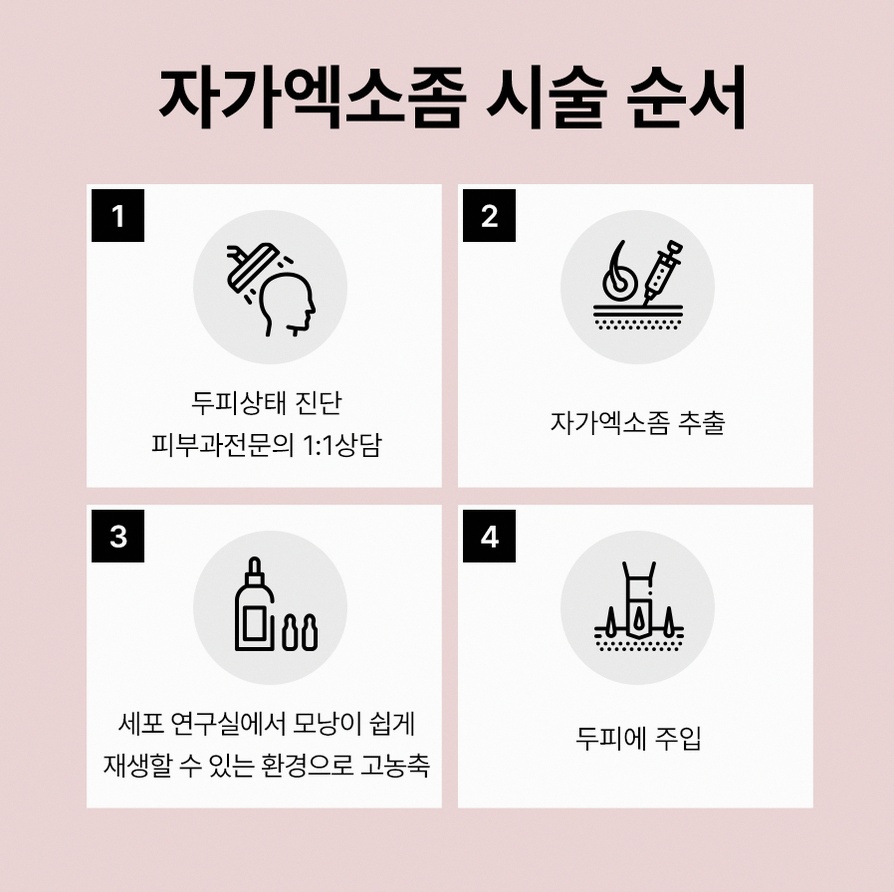
Day 1: In-person consultation, detailed scalp imaging, and, if needed, referral for blood tests. The doctor confirms your diagnosis and finalizes the plan.
Day 1 or 2: First autologous exosome hair program session and any indicated medical scalp treatments.
Following days: Additional scalp care or device-based treatments if planned, as well as instruction on home medications and products.
Between visits
You continue topical and oral therapies as prescribed, follow scalp care instructions, and maintain lifestyle recommendations. The clinic may check in with you via messaging channels to monitor progress or side effects.
Follow-up visits
When you return to Seoul, follow-up imaging compares your current scalp condition with your baseline. Additional exosome sessions and scalp treatments are scheduled at intervals, often every few weeks or months, depending on your plan and travel schedule.
Some clinics offer evening hours on certain weekdays and Saturday appointments, which can be convenient if you are combining treatment with work or sightseeing. They are generally closed on Sundays and public holidays, so it is wise to plan your stay around this.
Aftercare and long-term maintenance
Female hair loss treatment is a long-term process rather than a one-time procedure. After the initial intensive phase, the focus shifts to maintenance.
Short-term aftercare
Immediately after scalp procedures or exosome sessions, you may be advised to:
Avoid washing your hair for a certain number of hours
Refrain from sauna, hot yoga, or vigorous exercise for a short period
Protect the scalp from direct sun exposure
Use only recommended gentle hair products for a few days
Most patients can return to normal daily activities quickly, but you should follow the specific instructions given by the medical team.
Long-term maintenance
Over the following months, the goals are to stabilize shedding, improve hair quality, and maintain scalp health. This often includes:
Continuing topical or oral therapies as advised
Scheduling periodic scalp evaluations and maintenance sessions when you visit Korea
Updating the clinic about any changes in your health, medications, or menstrual and menopause status
Because hormones, stress, and life events change over time, your treatment plan may also evolve. Regular communication with the clinic, even via online channels, helps keep your care on track.
Who may consider female hair loss treatment in Cheongdam
Women who may benefit
Female hair loss treatment in Cheongdam can be considered by:
Women in their 20s to 40s noticing early thinning, a wider part, or a thinner ponytail
Women after childbirth whose shedding has continued beyond the usual postpartum period
Women with chronic diffuse thinning without a clear cause, after appropriate evaluation
Women who want a program that combines medical therapy, scalp care, and cellular-level treatments such as autologous exosomes
Who needs additional evaluation or caution
Some situations require careful assessment or referral:
Sudden, patchy hair loss, which may indicate conditions like alopecia areata
Signs of scarring on the scalp, such as smooth, shiny areas without visible follicles
Systemic symptoms such as unexplained weight changes, severe fatigue, or menstrual irregularities, which may point to endocrine or other systemic disease
Women who are pregnant, breastfeeding, or planning pregnancy soon, as certain medications and procedures may not be suitable
In all cases, treatments are planned after medical evaluation, with attention to safety and individual circumstances. The aim is to find a realistic, sustainable plan that fits your health status and life stage.
Practical location information
Clinics in the Cheongdam area of Gangnam are conveniently located on or near Seolleung-ro. If you are heading to the area for female hair loss treatment, you can usually reach the clinic by taking the Suin–Bundang Line to Apgujeong Rodeo Station. From exit 4, it is typically a short walk straight toward Galleria Department Store.
Many clinics offer real-time consultation via phone and messaging channels during daytime hours, which is helpful for overseas patients dealing with time differences. Evening hours are often available on some weekdays, and Saturday clinics can make scheduling easier if you are visiting for a short time. Most are closed on Sundays and public holidays, so check the schedule in advance when planning flights and accommodation.
FAQs about female hair loss treatment in Seoul
Is female hair loss treatment painful and is there downtime?
Most medical scalp treatments and autologous exosome programs are designed to be tolerable. You may feel mild discomfort, pressure, or a pricking sensation during certain procedures, but many patients do not require strong pain control. After treatment, the scalp may feel slightly sensitive or warm for a short time, but this usually settles quickly. In general, you can return to daily activities soon after, following the clinic’s specific aftercare instructions.
How long does it take to see results from female hair loss treatment?
Hair growth cycles are slow, so visible changes take time. Many women first notice reduced shedding within a few months. Improvements in thickness, density, and overall hair quality often become more noticeable between several months and a year, depending on the cause and severity of hair loss. Consistency with both in-clinic sessions and home care is important, and results can vary from person to person.
Can I combine female hair loss treatment with other aesthetic procedures during my trip?
Many international patients choose to combine scalp programs with other anti-aging or skin treatments during the same visit to Seoul. Clinics that integrate hair loss care into a broader anti-aging framework can coordinate schedules so that procedures do not interfere with each other. However, the priority is always safety. You should inform the clinic of all treatments you are considering so the medical team can plan an appropriate sequence and avoid overloading your body in a short time.
What should I prepare before my first visit for female hair loss treatment?
Before your first visit, it is helpful to gather information about your medical history, current medications and supplements, and any previous hair loss treatments you have tried. Bringing recent blood test results, if available, can also be useful. Take clear photos of your hair from different angles to document your starting point. When contacting the clinic, share your travel dates, how often you can return to Korea, and your main concerns and expectations. This allows the team to suggest a realistic program tailored to your situation.
Soft call to action for online consultation
If you are worried about thinning hair or a widening part and are considering female hair loss treatment in Seoul, you do not need to make decisions alone. Clinics in the Cheongdam area, including Clinique hus,hu, offer online consultation to review your situation and discuss possible options before you travel. By sharing photos and medical history in advance, you can receive personalized guidance on whether a cellular-level program with autologous exosomes, medical therapy, and scalp care may suit your needs.
When you feel ready, you can contact the clinic through their phone or messaging channels during daytime hours to ask questions, check available appointment times, and plan your visit. Early, well-structured care can help you protect your existing hair and move toward healthier, fuller-looking hair over time.
- 공유 링크 만들기
- X
- 이메일
- 기타 앱


댓글
댓글 쓰기