in Seoul: non-surgical care & follow‑up for overseas pts
- 공유 링크 만들기
- X
- 이메일
- 기타 앱

Direct answer summary
If you have suddenly noticed one or more round bald patches on your scalp or beard, you may be dealing with alopecia areata. This is an autoimmune‑related form of patchy hair loss, and it is different from common pattern baldness. Early diagnosis and alopecia areata treatment by a dermatologist are important, especially if you are seeing new patches or feeling anxious about progression.
For international patients visiting Seoul, particularly the Cheongdam and Gangnam area near Apgujeong Rodeo Station, it is possible to receive non‑surgical, scalp‑focused medical care, sometimes combined with regenerative and cell‑based concepts. However, treatment takes time, requires repeated visits and follow‑up, and results can vary from person to person.
What is alopecia areata?
Alopecia areata is a condition in which the immune system mistakenly targets the hair follicles. This immune attack interrupts the normal growth cycle of the hair, leading to sharply defined round or oval bald patches. The scalp is most commonly affected, but the beard, eyebrows, and other body hair can also be involved.
Unlike androgenetic alopecia, or pattern hair loss, which usually appears as gradual thinning on the top of the head or receding hairline, alopecia areata tends to appear suddenly. Patients often notice one or more coin‑sized areas where the hair has fallen out, leaving smooth skin with little or no redness.
Typical signs include one or several round patches of hair loss on the scalp or beard, sometimes with short, broken hairs at the edges that look like exclamation marks. Some people feel mild tingling, itching, or discomfort in the area before or during hair shedding. In a minority of patients, the fingernails or toenails may show pitting, ridging, or other subtle changes.
The severity of alopecia areata can vary widely. Some people have a single small patch that regrows over time. Others may develop multiple patches that merge, or more extensive forms such as alopecia totalis, where all scalp hair is lost, or alopecia universalis, where hair loss involves the entire body. The extent and speed of hair loss influence the treatment strategy, the intensity of follow‑up, and the long‑term outlook.
Why early treatment matters
It is true that some mild cases of alopecia areata can improve spontaneously, with hair regrowth even without medical treatment. However, it is very difficult for patients to predict which cases will recover on their own and which will progress to more widespread hair loss.
Early evaluation by a dermatologist helps in several ways. First, it confirms that the problem really is alopecia areata and not another cause of patchy hair loss, such as fungal infection, scarring alopecia, traction from hairstyles, or other inflammatory scalp conditions. These other conditions may need very different treatments.
Second, starting alopecia areata treatment early can help control the immune‑related inflammation around the follicles before patches become larger or new areas appear. While no treatment can promise complete or permanent regrowth, timely care may improve the chances of recovery and reduce the impact on your daily life.
Third, the psychological burden of sudden patchy hair loss can be significant. Many patients experience stress, anxiety, embarrassment, or lowered self‑esteem. Knowing what is happening, having a clear treatment plan, and receiving ongoing support can make it easier to cope. In some cases, counseling or mental health support is recommended alongside medical treatment.
Diagnosis and evaluation process
When you visit a dermatologist in Seoul for round patch hair loss, you can expect a structured evaluation. The first step is a detailed medical history. The doctor will usually ask when you first noticed the hair loss, how quickly it progressed, whether you have had similar episodes before, and whether anyone in your family has alopecia areata or other autoimmune conditions.

You may also be asked about recent infections or illnesses, major life stress, changes in diet or weight, and any medications or supplements you are taking. All of these can provide clues about possible triggers and associated health issues.
Next, there is a physical and scalp examination. The dermatologist will carefully inspect the bald patches, the surrounding hair, and other areas such as eyebrows, eyelashes, and beard. Tools such as dermatoscopy or trichoscopy, which use magnification and light, allow a closer look at hair shafts, follicle openings, and subtle signs of inflammation. This helps distinguish alopecia areata from other forms of hair loss.
Depending on your individual situation, blood tests may be recommended. These can screen for thyroid disease, anemia, vitamin deficiencies, or autoimmune markers that sometimes accompany alopecia areata. For overseas patients, it can be helpful to bring any recent blood test results from your home country to avoid repeating tests unnecessarily, if they are still relevant.
In clinics that also focus on anti‑aging and regenerative medicine, hair loss is often evaluated in the broader context of skin and systemic health. The goal is not only to address the visible bald patches, but also to understand how your immune system, hormones, stress level, and overall condition may be interacting.
Standard medical treatments for alopecia areata
Evidence‑based alopecia areata treatment is usually non‑surgical and focuses on calming the immune attack on the follicles and supporting regrowth. The exact plan depends on your age, how many patches you have, how long they have been present, and how you have responded to any previous treatments.
Topical corticosteroids are commonly used. These are medicated creams, lotions, or solutions applied directly to the bald patches to reduce local inflammation. They may be combined with other topical agents depending on the case.
For small, well‑defined patches, intralesional steroid injections are often considered. In this procedure, tiny amounts of corticosteroid are injected into the skin of the bald area at regular intervals. This targets the immune reaction more precisely. Multiple sessions are usually needed, spaced several weeks apart.
In more extensive or recurrent cases, topical immunotherapy can be an option. This involves applying specific contact sensitizing agents to the scalp to deliberately create a controlled allergic reaction. Over time, this may shift the immune focus away from the hair follicles. Topical immunotherapy requires careful monitoring and is usually reserved for selected patients.
Topical minoxidil is sometimes used as a supportive treatment to encourage hair growth once the immune activity is better controlled. It does not treat the autoimmune cause directly, but it may help stimulate follicles that are ready to regrow.
For severe or widespread alopecia areata, systemic treatments may be considered. These can include short courses of oral steroids, other immunosuppressive medications, or newer targeted agents. Because these treatments affect the whole body, they require specialist supervision, discussion of potential side effects, and regular follow‑up.
It is important to understand that treatment for alopecia areata usually takes time. Regrowth may start only after several weeks or months, and it may be incomplete. Some patients experience relapses, where new patches appear even after successful regrowth. For this reason, ongoing monitoring and adjustment of the plan are essential.
How a cell‑focused clinic may approach alopecia areata
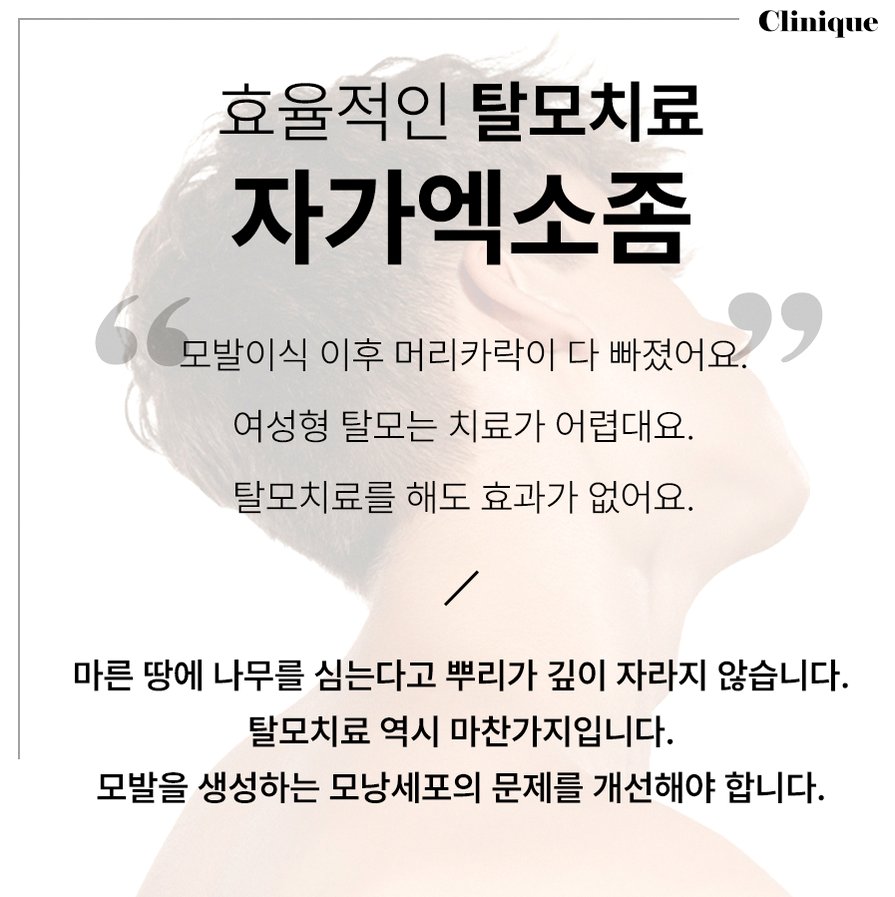
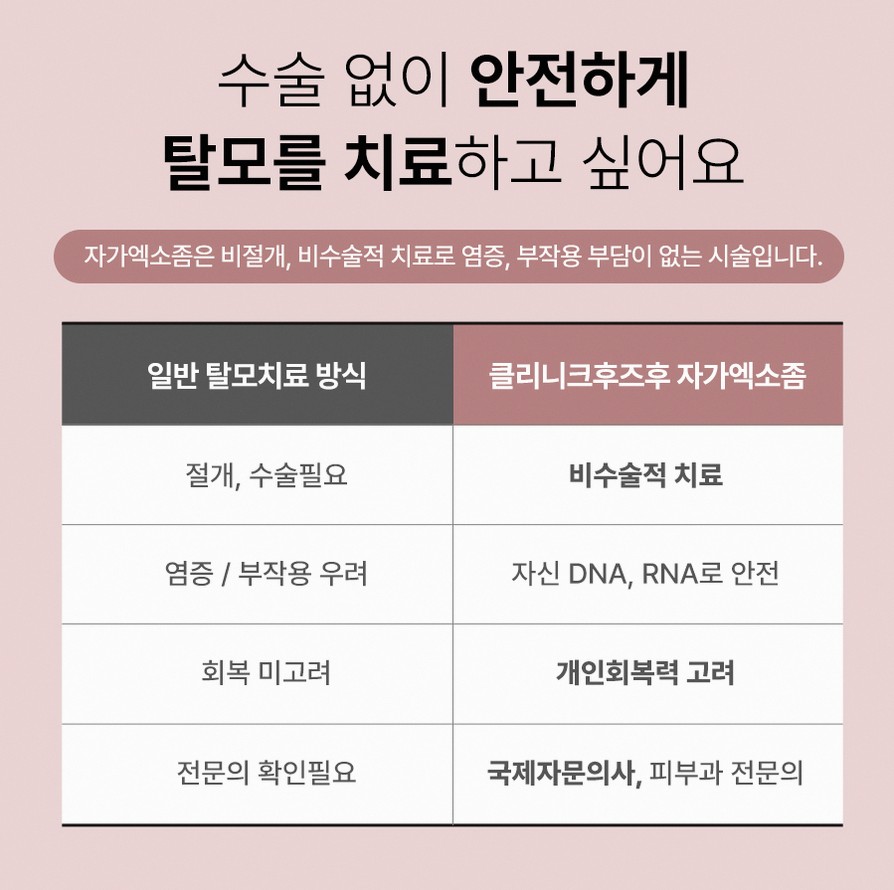
Some clinics in Cheongdam and Gangnam combine classic dermatologic care with a broader focus on cell‑based anti‑aging and regenerative therapies. This may include work with autologous exosomes, stem‑cell‑related approaches, and in‑house cell research. For overseas patients, it can be helpful to understand how this philosophy might apply to alopecia areata treatment.
The foundation remains a correct dermatologic diagnosis and standard medical therapy. Regenerative and cell‑based concepts, when used, are usually considered adjuncts rather than replacements. The aim is to support the scalp environment, reduce inflammation, and promote healthier follicles where possible.
Autologous exosome programs, for example, use cell‑derived vesicles obtained from the patient’s own tissues. These vesicles can contain signaling molecules that influence inflammation, cell communication, and tissue repair. When carefully prepared and applied under medical supervision, they may be used to help create a more favorable environment for hair regrowth in some cases.
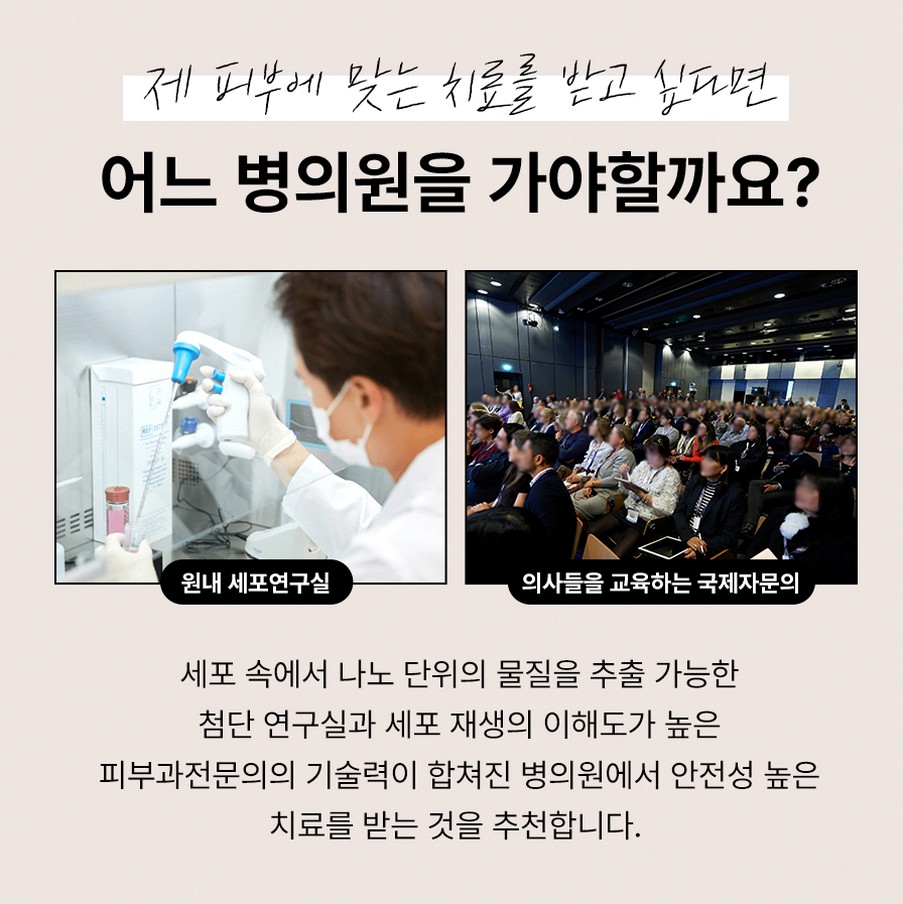
Clinics that emphasize non‑cultured, autologous principles focus on using the patient’s own biological materials in a safety‑oriented way. Protocols are typically designed to minimize unnecessary manipulation and to follow local regulations closely. For alopecia areata, any such regenerative treatment should be integrated into a comprehensive plan that also includes conventional therapies and regular evaluation of the immune activity.
It is important not to view regenerative options as miracle cures. They may offer supportive benefits for certain patients, but they do not guarantee full or permanent hair restoration. A realistic discussion with the medical team about potential benefits, limitations, and costs is essential.
Role of advanced devices and scalp care
In addition to medications and cell‑based concepts, some dermatology and anti‑aging clinics use advanced devices and injection therapies originally developed for skin repair, circulation improvement, and inflammation control. With appropriate adaptation, some of these technologies can be applied to the scalp.
For example, treatments that enhance microcirculation or deliver energy to the skin in a controlled way may be used to support scalp health, which in turn can provide a better environment for hair follicles. Injection‑based therapies that supply nutrients or skin‑repair factors may also be considered in selected cases.
However, alopecia areata is an autoimmune condition, not simply a circulation problem. Any device‑based or injection‑based scalp treatment must be chosen carefully after medical evaluation. The dermatologist will consider whether the autoimmune process is active, whether there is inflammation, and whether a particular technology is appropriate at your stage of disease.
Medical team and safety orientation
For a condition as variable and emotionally sensitive as alopecia areata, the background and approach of the medical team are important. Some clinics in Seoul’s Cheongdam and Gangnam districts may highlight clinician teams with university hospital or military hospital experience, advanced academic degrees, or memberships in professional societies related to dermatology and hair disorders. When considering care, ask to see individual clinician bios and verify board or specialist status during your consultation.
In such settings, alopecia areata treatment is usually based on evidence‑based protocols. Steroids and other immunomodulating treatments are used cautiously, balancing potential benefits for hair regrowth against possible side effects. The choice of topical, injected, or systemic therapy is individualized.

Cell‑based or regenerative options are typically integrated only when medically appropriate, and not for every patient. Ongoing monitoring, including photographic records and measurements of patch size, allows the team to adjust the plan according to your response and tolerance.
For overseas patients, safety also includes clear communication. Before starting any treatment, you should have a chance to ask questions about the expected number of sessions, possible discomfort, downtime, and how the plan fits into your travel schedule.
Treatment process and patient journey
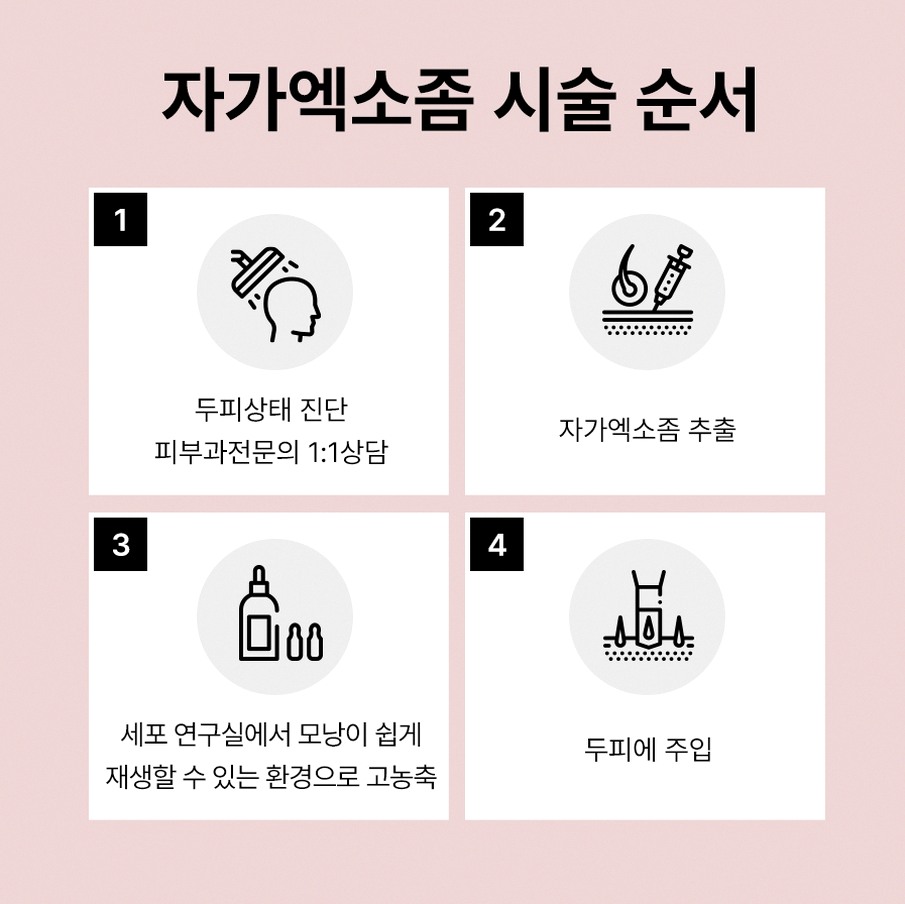
If you are considering visiting a clinic such as Clinique hus,hu in Cheongdam, Gangnam, your journey will usually follow several steps.
The first step is the initial consultation. You will discuss your symptoms, medical history, and any previous alopecia areata treatment you have tried. The doctor will perform a scalp examination, possibly with trichoscopy or imaging. Blood tests may be ordered if needed.
Next, the diagnosis will be explained in clear terms. The medical team will describe what alopecia areata is, how it tends to behave, and what is known and unknown about its triggers. You will also hear about realistic goals: for example, aiming for partial or full regrowth in certain areas, reducing the speed of new patch formation, or stabilizing the condition.
Then, a personalized treatment plan is created. This may include topical corticosteroids, intralesional injections, topical immunotherapy, minoxidil, or systemic medications for more severe cases. If appropriate, adjunctive regenerative or scalp‑care options may be proposed, with a clear explanation of their role.
A schedule of visits is set up. For overseas patients, this often means concentrating key treatments into a defined visit window, while planning follow‑up by messaging or video where possible, and in‑person reassessment on future trips.
Regular follow‑up is essential. At each visit, the medical team may take standardized photographs, measure patch size, and ask about any side effects or new symptoms. Treatments can be adjusted, reduced, or intensified based on your progress.
Long‑term management is part of the plan, because alopecia areata can relapse. You may receive guidance on how to respond if a new patch appears, when to seek early intervention, and how to manage stress and lifestyle factors. If hair loss is causing significant emotional distress, referral to mental health support can be discussed.
Who may consider visiting a Cheongdam or Gangnam clinic
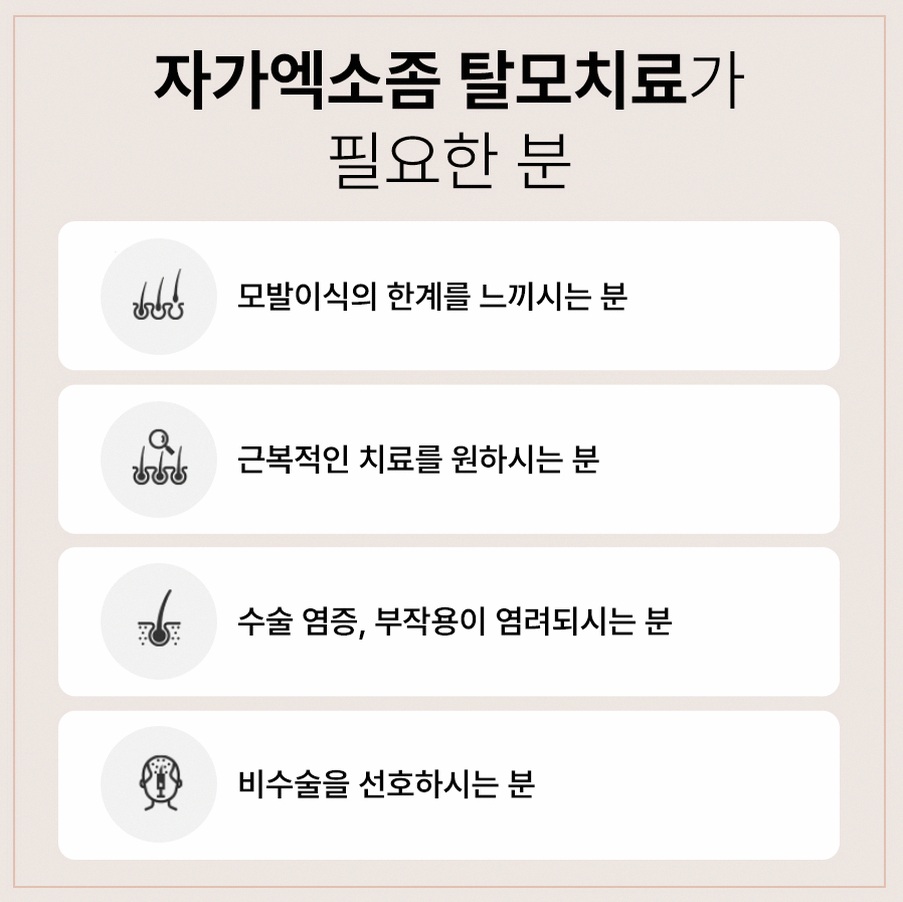
Adults and adolescents who notice sudden round bald patches on the scalp or beard are typical candidates for evaluation. If you have patchy hair loss on the scalp that appeared over days or weeks, rather than slow thinning over years, it is reasonable to suspect alopecia areata and seek a professional opinion.
People with recurrent alopecia areata, who have tried basic treatments elsewhere without satisfactory results, may also consider visiting a clinic in Seoul that combines dermatology with regenerative and anti‑aging expertise. This can be appealing if you are interested in a more integrated approach that looks at hair, skin, and overall health together.
Patients who are already concerned about skin aging, pigmentation, or other dermatologic issues may appreciate being able to address multiple concerns in one place. However, alopecia areata remains a medical condition, and any cosmetic or anti‑aging procedures should be planned around its management.
Children and patients with complex systemic autoimmune diseases require individualized assessment. In some cases, coordination with rheumatology, endocrinology, or other specialties is needed. If you are traveling from overseas with a child or with multiple health conditions, it is helpful to share detailed medical records in advance so the team can advise whether treatment in Seoul is appropriate.
Online consultation and pre‑visit preparation
Before booking flights and accommodation, many overseas patients prefer to have an online consultation or pre‑visit discussion. This is usually not a full medical diagnosis, but it can help determine whether a visit is likely to be useful and what to expect.
To make the most of an online consultation, prepare the following:
Clear photographs of your scalp, beard, or other affected areas, taken in good light from several angles.
A simple timeline of your hair loss: when you first noticed it, how it has changed, and any previous episodes.
A list of treatments you have already tried, including over‑the‑counter products, prescription medications, injections, or alternative therapies.
Information about other medical conditions, especially thyroid problems, autoimmune diseases, or severe allergies.
Any recent blood test results or medical reports from your home country.
During the online discussion, you can ask about possible treatment options, estimated number of visits, and whether any specific tests are recommended. You can also clarify practical matters such as language support, appointment booking, and payment methods.
Expected Korea visit timeline
The ideal visit schedule depends on your condition and the treatments chosen. Treatment timelines vary; many international patients consolidate key evaluations and initial therapies into a single visit or across a series of visits over days to weeks depending on the agreed plan — confirm exact timing during an online pre‑visit consultation.
On day one or two, you will usually have your main consultation, scalp examination, and any necessary tests. If intralesional injections or topical treatments are planned, some of these may begin on the same day.
Over the next several days, you may return for follow‑up sessions, additional injections, topical immunotherapy applications, or device‑based scalp care if indicated. The exact frequency is tailored to your situation and travel constraints.
Before you leave Korea, the medical team should provide a written summary of your diagnosis, treatments given, and recommendations for ongoing care. This may include topical medications to use at home, instructions for monitoring your scalp, and guidance on when to seek further review, either locally or on your next visit to Seoul.
Aftercare and long‑term follow‑up
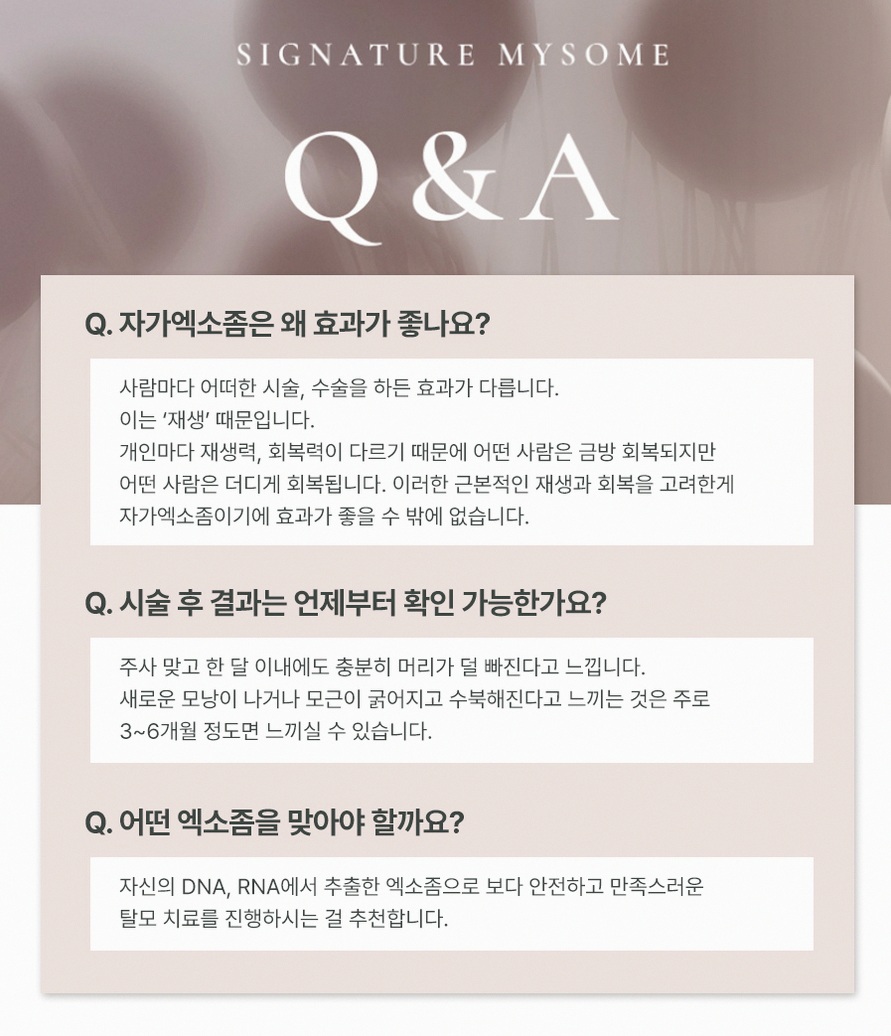
After you return home, alopecia areata treatment continues. Hair regrowth, if it occurs, often becomes more visible several weeks or months after the initial therapy. You may be asked to send updated photographs at set intervals so the clinic can monitor your progress.
It is important to follow the instructions for any topical medications, such as how often to apply them and where. Do not increase the dose of steroids or other drugs on your own, as overuse can cause skin thinning or other side effects.
If new patches appear, or if you notice symptoms such as severe itching, pain, or widespread shedding, contact the clinic promptly. They can advise whether you should see a local dermatologist immediately or whether adjustments can be made remotely until your next visit to Seoul.
Lifestyle measures, such as managing stress, maintaining a balanced diet, and protecting the scalp from sunburn or harsh chemicals, can support overall scalp health. However, they do not replace medical treatment for alopecia areata.
Frequently asked questions
What is the difference between alopecia areata and common pattern hair loss?
Alopecia areata usually appears as sudden, round or oval bald patches with smooth skin, often within days or weeks. It is related to an autoimmune attack on the hair follicles. Pattern hair loss, in contrast, is a gradual thinning that follows typical patterns, such as receding hairline or thinning at the crown, and is influenced by hormones and genetics. The treatments and prognosis differ, so proper diagnosis is important.
Can alopecia areata be cured permanently?
Alopecia areata is unpredictable. Some patients experience full regrowth that lasts for many years, while others have partial regrowth, repeated relapses, or progression to more extensive forms. At present, there is no guaranteed permanent cure. Treatments aim to control the immune reaction, stimulate regrowth where possible, and manage relapses when they occur.
How long does alopecia areata treatment usually take to show results?
The timeline varies, but many patients are advised to wait at least several weeks to a few months to evaluate early response. Fine, light‑colored hairs may appear first in the bald patches, gradually thickening over time. Because the condition can relapse, treatment and monitoring often continue beyond the initial regrowth phase.

Are home remedies or over‑the‑counter products enough for round patch hair loss?
For sudden patchy hair loss on the scalp, relying only on home remedies or non‑prescription products is risky. Some mild cases might improve on their own, but others can progress quickly. In addition, harsh chemicals or aggressive rubbing can irritate the scalp and potentially worsen the situation. It is safer to have a dermatologist confirm the diagnosis and guide any use of supportive products.
Soft call to action
If you are an overseas patient noticing sudden round bald patches and are considering alopecia areata treatment in Seoul, especially around Cheongdam and Gangnam near Apgujeong Rodeo Station, an online consultation can be a helpful first step. A clinic such as Clinique hus,hu can review your history and photos, explain possible options, and help you plan a realistic visit and follow‑up schedule. Early professional evaluation and a personalized, medically grounded approach offer the best chance to manage this condition over the long term.
- 공유 링크 만들기
- X
- 이메일
- 기타 앱


댓글
댓글 쓰기