Nasolabial fold filler treatment guide for overseas patients in Korea
- 공유 링크 만들기
- X
- 이메일
- 기타 앱

Direct answer summary
Nasolabial fold filler is a non‑surgical treatment that uses dermal fillers to soften the lines running from the sides of the nose to the corners of the mouth. Instead of simply “erasing” the line on the surface, modern treatment focuses on restoring lost volume in the midface, improving facial support, and blending the fold so that shadows and sagging look less pronounced. The goal is a natural, rested appearance while keeping normal facial expressions.
This guide explains how nasolabial fold filler works in Korea, who may consider it, how to prepare from overseas, what to expect during a visit, and how it can be combined with other anti‑aging options.
Treatment overview: what is nasolabial fold filler
Nasolabial folds are the curved lines that appear between the nose and mouth. With age, they can deepen and cast shadows that make the face look tired or older.
Nasolabial fold filler involves carefully injecting dermal filler into or around these folds and often into nearby support areas such as the upper cheek. By restoring volume and support, the fold becomes less sharp, the transition between cheek and mouth area is smoother, and the face often looks fresher.
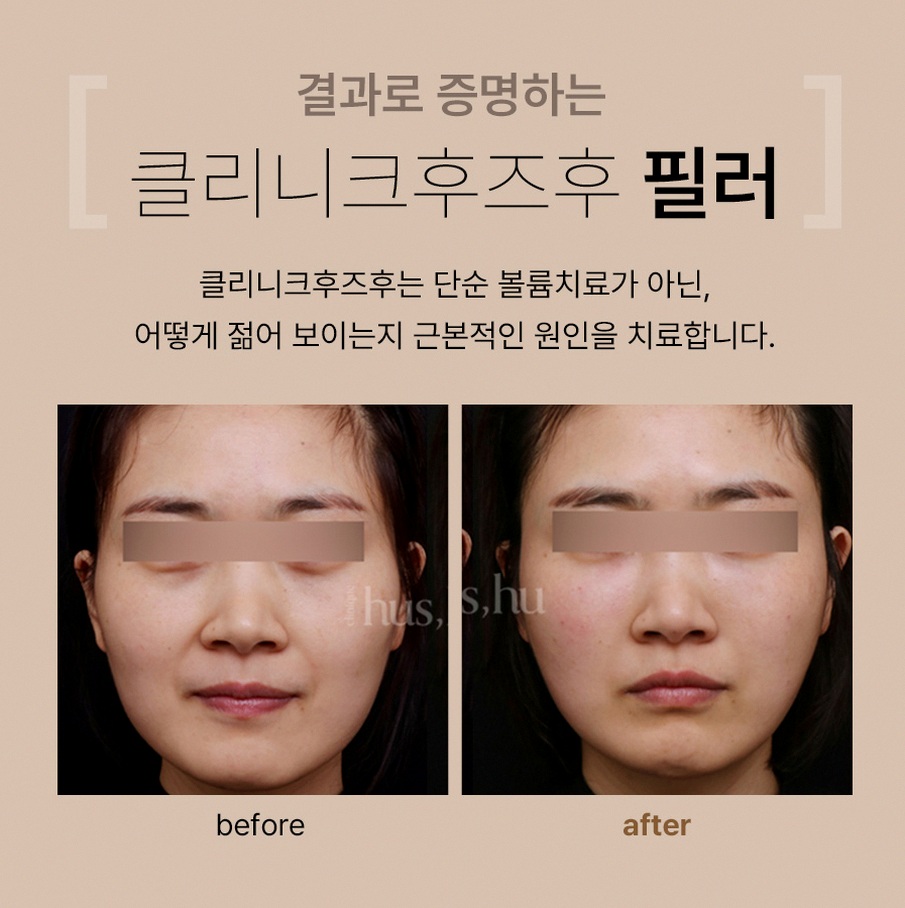
The aim is not to freeze movement or remove every line. A natural face still has gentle folds when smiling. The realistic target is to soften harsh creases, reduce shadows, and improve the contour of the midface.
In many modern treatment plans, the practitioner does not only inject directly into the line. Instead, they assess the whole midface, including cheek volume, the area beside the nose, and the corners of the mouth, to decide where support is missing. By lifting and supporting from these points, the nasolabial fold can look improved without appearing overfilled.
What causes nasolabial folds and when filler helps
Nasolabial folds are a normal part of facial anatomy, but several factors make them more visible over time.
Common causes include age‑related volume loss in the cheeks and midface, where fat pads and bone structure gradually thin. As the cheek loses support, tissue can descend, making the fold deeper. Skin laxity also increases with age as collagen and elastin decrease, so the skin drapes more over the underlying structures. Repetitive facial movement from smiling and speaking shapes the fold over many years. Genetic facial structure also plays a role; some people naturally have more prominent folds even when they are young.
In early folds, the line is visible but shallow. Filler is often used in a subtle way, sometimes more in the upper cheek and midface than directly in the fold. This can gently lift the area and prevent a heavy look.
In moderate folds, there is a clear crease at rest. Treatment usually combines structural support in the midface with careful filling along the fold itself. Different filler textures may be layered at different depths.
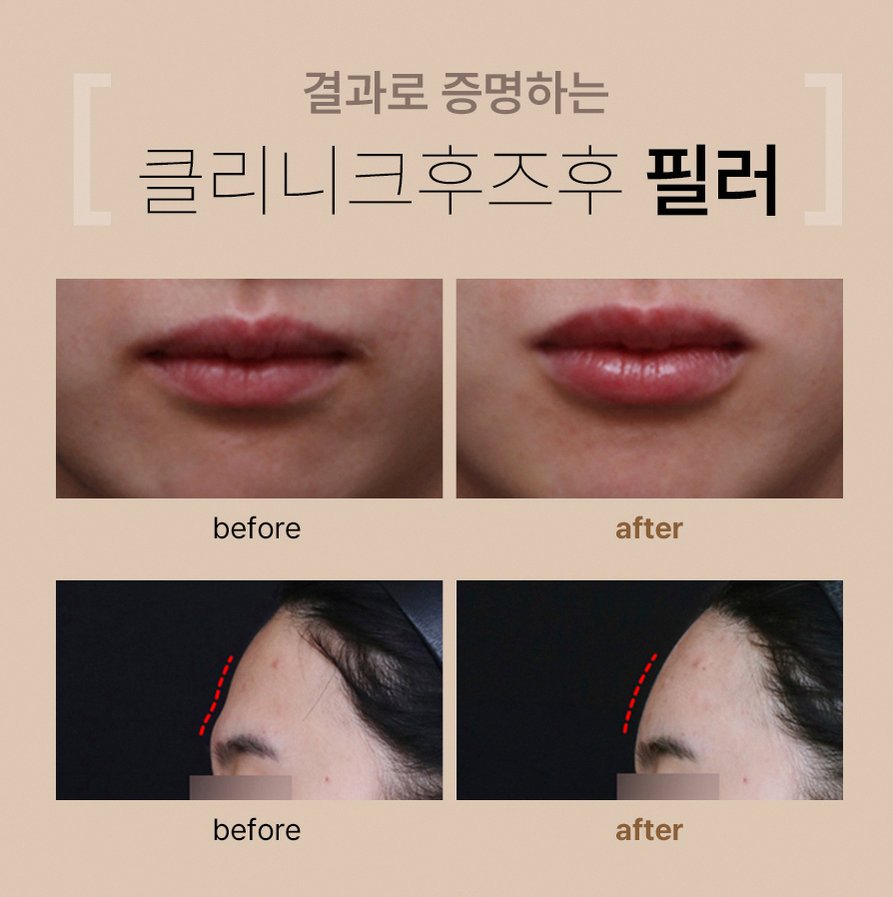
In deep folds, there may be significant sagging and loss of elasticity. Filler can still help, but it may not be enough on its own. In these cases, a combination with lifting devices, thread lifting, or other tightening methods is often considered to address both volume and laxity.
A proper consultation should include assessment of cheek volume, midface support, skin quality, and overall facial balance. The practitioner will usually look at the face from the front and side, at rest and while smiling, to understand how the fold behaves and what is driving it.
Types of fillers and techniques for nasolabial folds
Several types of dermal fillers can be used for nasolabial folds, and the choice depends on your skin, the depth of the fold, and your treatment goals.
Hyaluronic acid fillers are the most common. Well‑known families include products similar to Restylane or Juvederm. These fillers are made of a gel that attracts water and integrates with the tissue. They are reversible with an enzyme called hyaluronidase, which is an important safety advantage.
Collagen‑stimulating fillers, sometimes called biostimulatory fillers, such as those similar to Ellanse or other long‑lasting volumizers, work differently. They provide initial volume and also stimulate the body to produce more collagen over time. These may last longer but require careful indication and precise technique, especially in mobile areas like the nasolabial fold.
Within each category, fillers differ in thickness and elasticity. Softer, more flexible fillers are often used for superficial blending of fine lines and to avoid stiffness when the face moves. Firmer, more robust fillers may be placed deeper to create structural support in the upper cheek or at the base of the fold.
Modern injection concepts often use indirect filling. Instead of placing all the product directly into the fold, the practitioner may inject into the midface and cheek to lift and support the tissue. This can reduce the fold without adding bulk right at the crease.
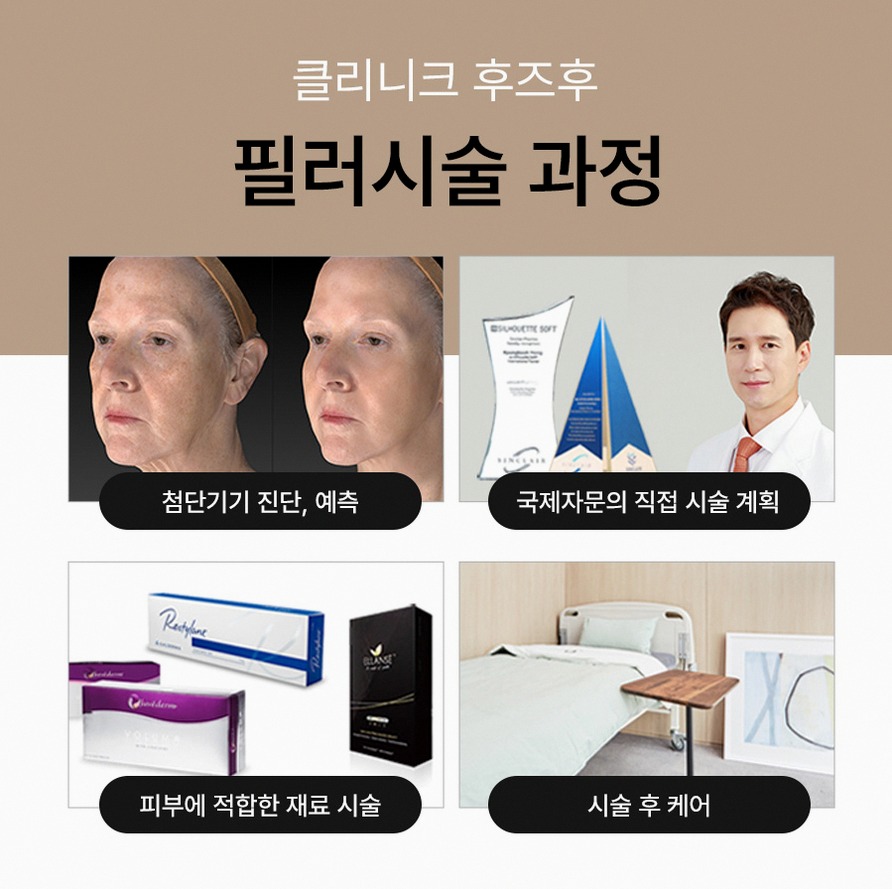
Cannulas, which are blunt‑tipped instruments, are frequently used in this area for safety and to reduce bruising. They allow the filler to be spread smoothly along a plane under the skin. Needles may still be used for precise points or deeper structural injections.
Layering techniques are also common. A deeper, firmer filler may be placed first to build support, followed by a softer filler closer to the surface to refine the contour. The exact product and depth depend on skin thickness, fold depth, and how much the area moves when you talk and smile.
Treatment process: from consultation to aftercare
For international patients, the process usually begins with an online consultation, followed by an in‑person visit for examination and treatment.
Pre‑treatment consultation
Before scheduling your visit, you will typically share your medical history, current medications, allergies, and any previous fillers or procedures. Photos of your face from different angles, at rest and smiling, help the clinic understand your concerns.
At the clinic, a detailed facial analysis is performed. Some centers use imaging systems or 3D analysis to evaluate volume loss, symmetry, and skin quality. The practitioner will examine your midface, nasolabial folds, mouth corners, and jawline to design a plan that fits your overall facial balance.
Step‑by‑step procedure
The skin is cleansed thoroughly, and makeup is removed from the treatment area. The practitioner may mark key points on the skin to guide injection. Numbing cream or local anesthetic can be used to reduce discomfort, depending on your pain sensitivity and the product chosen.
Filler is then injected using a fine needle or a cannula. During the procedure, the practitioner may ask you to smile or relax your face to check how the fold changes with movement. Gentle shaping or massage is done to smooth the filler and ensure even distribution.
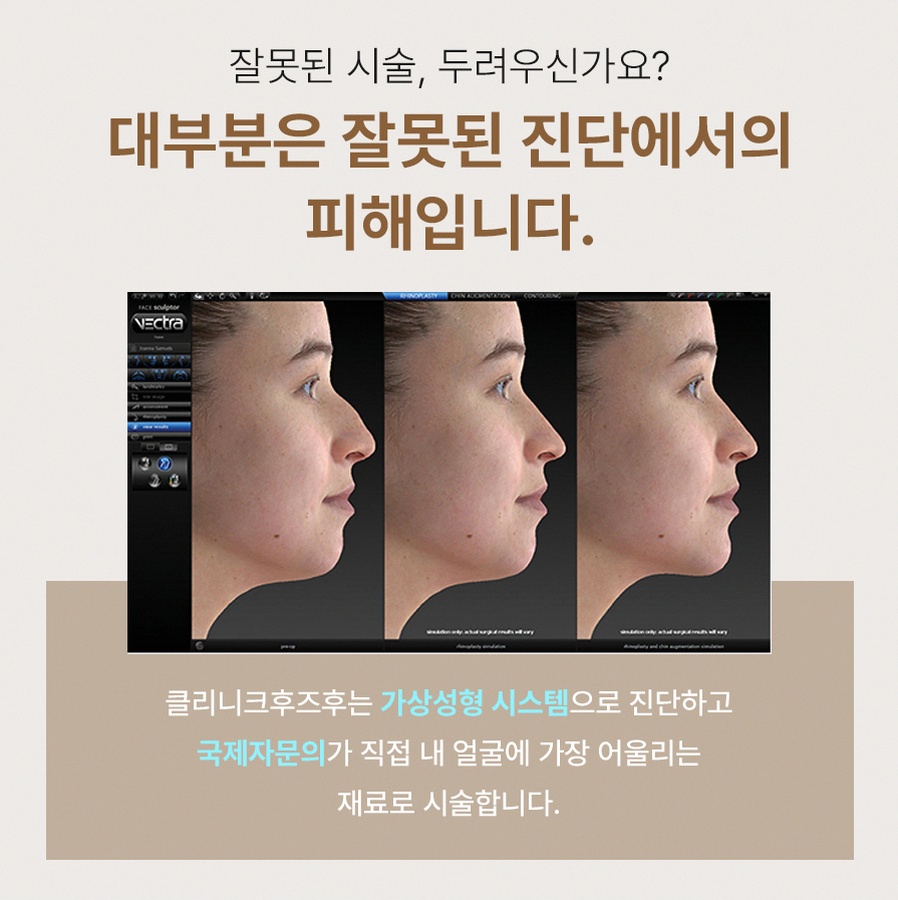
Symmetry is checked on both sides, and any small adjustments are made.
Most patients can return to light daily activities soon after the session. Some prefer to schedule the treatment on a day when they can rest or work remotely in case of temporary swelling or bruising.
Aftercare basics
After nasolabial fold filler, mild redness, swelling, or small bruises are common and usually improve over a few days.
Typical aftercare instructions include avoiding strong pressure or massage on the treated area for a certain period, unless your practitioner has specifically shown you how to gently shape the area. Intense exercise, saunas, hot baths, and alcohol are often discouraged for the first 24 to 48 hours because they can increase swelling or bruising.
You should monitor for unusual pain, sudden whitening or darkening of the skin, or prolonged, worsening swelling. If any of these occur, you should contact the clinic immediately, as they can be signs of a more serious complication that needs prompt attention.
Results, longevity, and maintenance
The effect of hyaluronic acid filler is usually visible immediately after treatment. At first, the area may look slightly fuller due to both filler and temporary swelling. Over several days, swelling subsides and the filler settles, giving a more accurate impression of the final result.

Longevity varies by product, area, and individual metabolism. Collagen‑stimulating fillers may last longer, but they are not reversible and must be chosen carefully.
To maintain natural results, many patients prefer smaller, periodic touch‑ups rather than large, infrequent injections. This approach allows gradual adjustment as your face continues to age and can help avoid an overfilled look.
d evidence can differ by product and technique. These do not replace the structural support that filler provides but can complement it.
Safety, risks, and how clinics manage them
Like any medical procedure, nasolabial fold filler has potential side effects and risks.
Common, mild side effects include temporary redness, swelling, tenderness, and small bruises at the injection sites. These usually resolve on their own within a few days to a week.
More serious but rare risks include vascular occlusion, where filler accidentally enters or compresses a blood vessel, which can reduce blood flow to the skin. If not treated quickly, this can lead to skin damage. Other possible issues include asymmetry, lumps or nodules, infection, and a bluish tint (Tyndall effect) if filler is placed too superficially.
The area around the nose and mouth contains important blood vessels, so anatomical knowledge and cautious technique are essential. Many practitioners use cannulas or inject at specific depths and angles to reduce risk.

Clinics that regularly perform filler treatments typically keep protocols for complication management. For hyaluronic acid fillers, having hyaluronidase available allows the practitioner to dissolve the filler quickly if needed. Clear instructions on when and how to contact the clinic after treatment are also important.
Clinique hus,hu in Gangnam, Seoul, offers nasolabial fold filler within a broader anti‑aging approach that includes injectables, lifting devices, and cell‑based treatments. The presence of multiple treatment options allows the team to tailor plans rather than relying on a single method for every patient.
Nasolabial fold filler vs. other options
Many patients compare filler with thread lifting or energy‑based lifting when deciding how to treat nasolabial folds.
Filler primarily restores volume and support. It is especially helpful when the fold is deepened by midface volume loss or a lack of structural support around the nose and mouth.
Thread lifting uses dissolvable threads placed under the skin to reposition and support tissue. It can provide a lifting effect, especially for sagging cheeks and jowls, but does not directly add volume. It may be considered when tissue descent is a major factor.
Energy‑based lifting, such as ultrasound or radiofrequency devices, focuses on tightening the deeper layers of the skin and stimulating collagen. These treatments can improve skin firmness and mild sagging but usually do not change the fold as much as filler if there is significant volume loss.
Cell‑based anti‑aging injections and skin‑repair treatments can improve skin quality, hydration, and fine lines around the folds. They support overall rejuvenation but do not replace the structural correction that filler provides.

Often, the best approach is a combination. For example, a patient with volume loss and skin laxity might receive filler for structural support, plus a lifting device or thread lift to address sagging, and later skin‑quality treatments for texture.
The right plan depends on age, skin condition, depth of the folds, tolerance for downtime, and personal preference. A thorough consultation helps match the treatment to your priorities.
Who is a good candidate and who should be cautious
Good candidates for nasolabial fold filler are adults who are bothered by visible folds or shadows around the nose and mouth, want non‑surgical improvement, and have realistic expectations. They should be willing to follow aftercare instructions and understand that results are temporary and require maintenance.
People who are pregnant or breastfeeding are usually advised to postpone elective filler treatments. Those with active skin infections or inflammation in the treatment area should wait until the condition has cleared.
Caution is also needed for individuals with uncontrolled systemic diseases, a history of severe allergies or anaphylaxis, or previous serious complications from fillers. In these cases, detailed discussion with a medical professional is essential.
It is important to disclose all medications and supplements, especially blood thinners, as they can increase the risk of bruising. You should also inform the clinic about any previous cosmetic procedures, including fillers, threads, lifting devices, or surgeries, because these can affect the treatment plan.

Personalized planning is key. Not everyone needs the same product, volume, or injection pattern, even if the concern looks similar in photos.
Online consultation and pre‑visit preparation for overseas patients
If you are considering nasolabial fold filler in Korea, an online consultation is usually the first step.
You may be asked to send clear photos of your face from the front, 45‑degree angles, and the side, both at rest and smiling. Good lighting and a neutral background help the clinic assess your folds and overall facial structure.
Prepare a list of your concerns and priorities. For example, you might note whether you are more worried about deep lines, sagging cheeks, or looking tired in photos. Also think about your schedule, including how many days you can stay in Korea and whether you have important events soon after your trip.
Before your visit, the clinic may provide guidance on medications or supplements to pause if medically safe, such as certain blood thinners or high‑dose fish oil, to reduce bruising risk. Always coordinate with your primary doctor at home before changing any prescribed medication.
It is helpful to prepare questions in advance, such as:
Which areas will you treat to improve my nasolabial folds?
Which filler types do you recommend for my case, and why?
How long do you expect the result to last for me?
What are the possible side effects and how are they managed?
How should I plan my schedule after treatment in case of swelling or bruising?
Expected Korea visit timeline for nasolabial fold filler
For many overseas patients, nasolabial fold filler can be done within a short visit to Korea.

Day 1 often includes an in‑person consultation, facial analysis, and, if you are ready, treatment on the same day. The actual injection time is relatively short, and you can usually leave the clinic soon after.
Day 2 to 3 may involve mild swelling or small bruises. If possible, it is wise to keep your schedule light during this time, especially if you plan to take photos or meet many people.
If your stay allows, a brief follow‑up visit can be scheduled a few days later to check the result and answer any questions. For short trips, follow‑up can sometimes be done online with photos.
Most patients can fly home soon after treatment. However, it is better to avoid very tight masks or pressure on the treated area during long flights, and to follow the clinic’s instructions regarding activity and skincare.
Aftercare and longer‑term planning
In the first few days, follow the aftercare instructions given by your practitioner. Use gentle skincare, avoid strong facial massages, and protect the area from excessive heat.
Makeup can often be applied after a certain number of hours, depending on the clinic’s policy, usually once injection points have closed and the skin is clean. Using clean brushes or disposable applicators helps reduce the risk of irritation.
For longer‑term planning, ask how often you might need maintenance. Some patients return to Korea once a year or combine their filler maintenance with other treatments during the same visit.

If you notice any delayed changes such as persistent lumps, pain, or color changes in the skin weeks after treatment, contact the clinic and share clear photos. Many issues can be managed if addressed early.
Practical FAQs
How painful is nasolabial fold filler?
Most patients describe the discomfort as mild to moderate and brief. Numbing cream, local anesthetic, and fillers that contain anesthetic can make the procedure more comfortable. You may feel pressure or a strange sensation when the filler is placed, but it usually lasts only a few minutes.
How much filler is typically used?
Procedure time is usually brief, though exact duration of the treatment and total visit length (including consultation) vary by case and clinic scheduling. Longevity of hyaluronic acid fillers depends on the specific product and individual factors; maintenance intervals differ and should be discussed with your clinician. The amount of filler required depends on fold depth, facial structure, and whether the midface is also treated. Exact volume should be decided during consultation with an emphasis on natural balance rather than a fixed target.
Can filler make the area look bulky or unnatural?
Overfilling directly into the fold can create a heavy or stiff appearance, especially when smiling. To avoid this, practitioners now often combine indirect support in the cheek and midface with careful, conservative filling of the fold itself. Using appropriate filler textures and layering techniques also helps maintain a natural look.
How soon can I apply makeup and resume normal activities?
Light activities can usually be resumed the same day, as long as you avoid strong pressure or intense exercise for a short period. Makeup can often be applied after several hours, once the skin is clean and any small injection points have closed, but follow the specific advice given by your clinic.
What signs after treatment require urgent contact with the clinic?
You should contact the clinic immediately if you experience severe or increasing pain, sudden whitening or dark discoloration of the skin, blisters, vision changes, or unusual, rapidly worsening swelling. These can be signs of a complication that needs prompt evaluation.

How often do patients return for maintenance?
Some combine nasolabial fold touch‑ups with other anti‑aging treatments during the same visit to Korea.
Location and access
Clinique hus,hu is located in Gangnam, Seoul, near Apgujeong Rodeo Station on the Bundang Line. From Exit 4, it is within walking distance in the direction of Galleria Department Store. The clinic offers weekday and Saturday hours, and international patients can usually arrange online or messaging consultations before visiting.
If you are considering nasolabial fold filler as part of a broader anti‑aging plan, an online consultation can help you understand which combination of volume restoration, lifting, and skin‑quality treatments may suit your face and travel schedule.
- 공유 링크 만들기
- X
- 이메일
- 기타 앱


댓글
댓글 쓰기