Natural, Defined, or Plump — How to Choose in Korea
- 공유 링크 만들기
- X
- 이메일
- 기타 앱

Direct answer summary
Lip fillers are injectable treatments used to add volume, define the lip border, correct asymmetry, and improve hydration and fine lines. The most common lip fillers are made from hyaluronic acid, which is reversible and integrates well with the soft tissue of the lips. Within hyaluronic acid fillers, there are different textures and strengths: very soft, hydrating types for a natural look; medium-firm types for sharper borders and cupid’s bow; and more structured types for visibly plump lips. Collagen-stimulating fillers are usually used for other facial areas rather than lips, because the lips are very mobile and delicate. The best filler type for you depends on your natural lip shape, skin quality, and whether you want a subtle or clearly volumized result.
Clinique hus,hu is an aesthetic and anti-aging clinic in Cheongdam, Gangnam, Seoul, near Apgujeong Rodeo Station on the Bundang Line, where lip filler choice is planned according to individual anatomy and goals rather than simply adding as much volume as possible.
What lip fillers are and why types matter
Lip fillers are gel-like substances injected into and around the lips. They can:
Add volume to thin lips
Define the lip border and cupid’s bow
Correct mild asymmetry between the left and right side
Soften vertical lip lines and improve dryness
Balance facial proportions
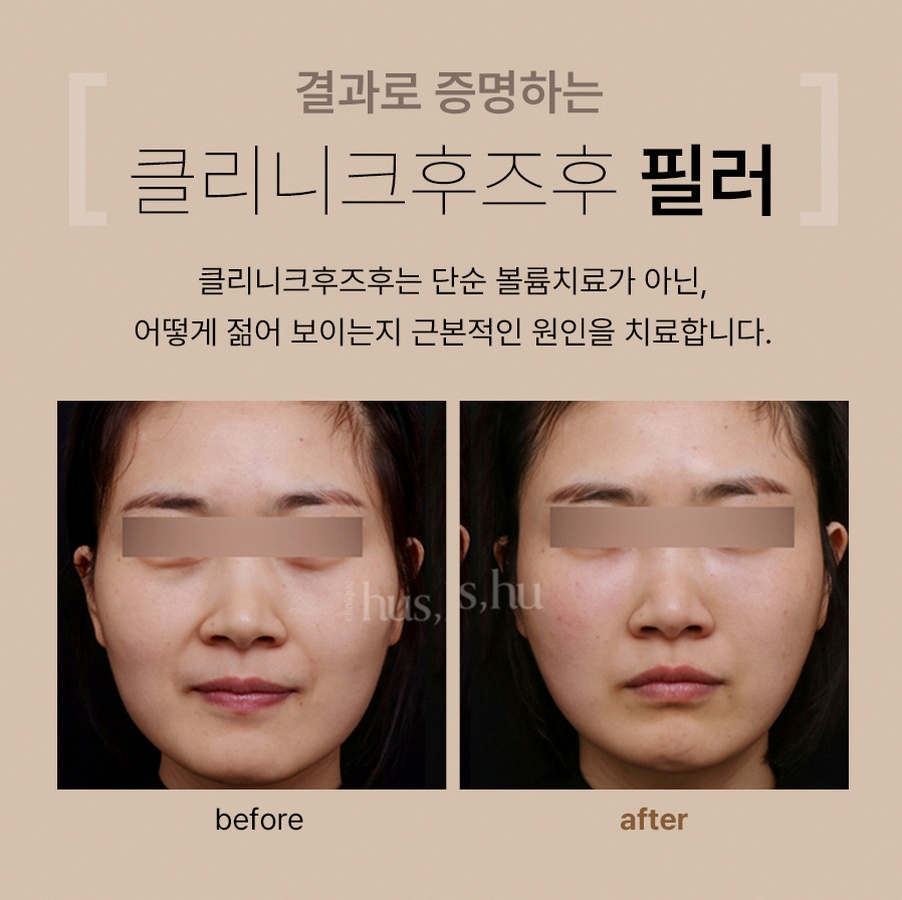
Not all lip fillers feel or behave the same. Different products vary in:
Texture: soft and spreadable versus firmer and more structured
Cohesiveness: how well the filler holds its shape versus how smoothly it blends
Hydrophilicity: how much water it attracts, which affects how plump and hydrated the lips look
Longevity: how long the result tends to last
The right type of filler for you depends on several factors:
Natural lip thickness and shape
Skin quality and presence of fine lines
Existing asymmetry or previous fillers
Your aesthetic goal: barely noticeable enhancement, defined shape, or clearly fuller lips
Understanding these differences helps you communicate clearly with your doctor and avoid an outcome that looks too subtle or too dramatic for your personal taste.
Main categories of lip fillers
Hyaluronic acid lip fillers
Hyaluronic acid, often called HA, is the most commonly used material for lip fillers worldwide. It is a sugar molecule that naturally exists in our skin and connective tissues, and it has a strong ability to bind water. For lips, hyaluronic acid fillers are usually preferred because:
They are reversible with an enzyme called hyaluronidase if needed
They integrate well with the soft, mobile tissue of the lips
They can provide both hydration and volume
Within the hyaluronic acid family, products differ in several technical ways.
Particle size and cross-linking
Particle size refers to how large the gel particles are. Cross-linking is a chemical process that connects the hyaluronic acid chains to make the gel more stable.
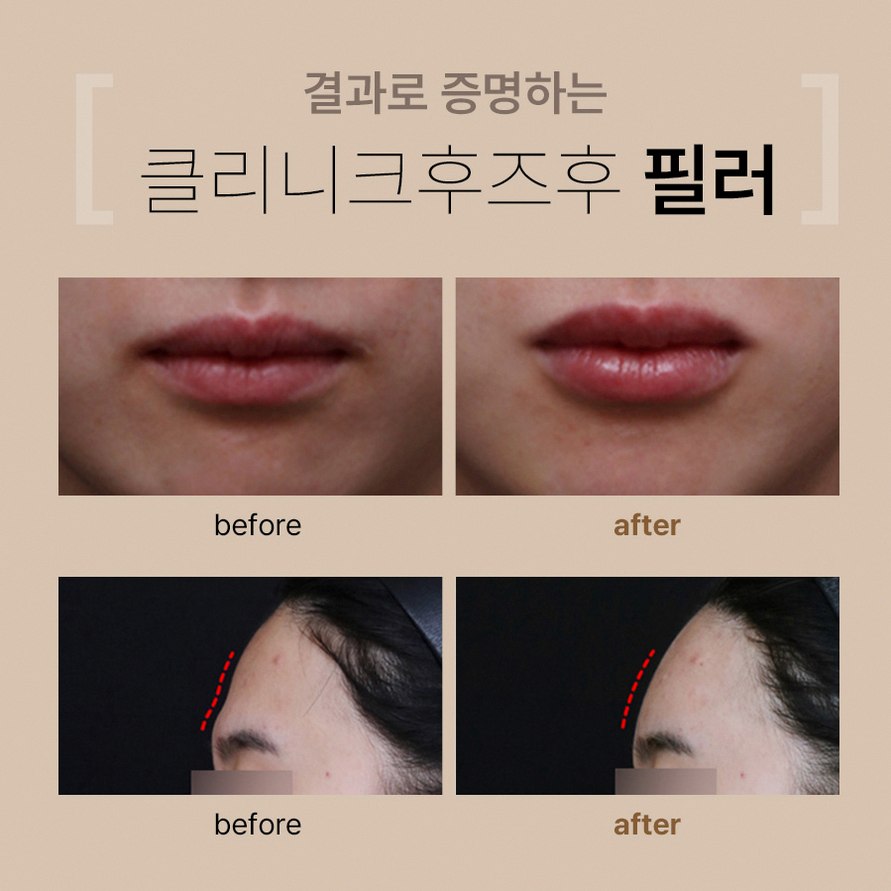
Smaller particles and lighter cross-linking create a softer, more flexible filler. These are often used for fine lines and for very natural lip hydration.
Medium particles and moderate cross-linking give a balance between softness and structure. These are common for defining borders and adding gentle volume.
Larger particles and stronger cross-linking create firmer fillers that hold shape and projection. These are used for more noticeable volume and structure.
Cohesiveness
Cohesiveness describes how well the filler sticks to itself and maintains its shape.
Highly cohesive fillers hold a defined form and are good for shaping borders and cupid’s bow.
Less cohesive, more spreadable fillers blend smoothly into the tissue and are ideal for soft, natural-looking lips without sharp edges.
Hydrophilicity
Hydrophilicity is how strongly the filler attracts water.
More hydrophilic fillers can create a very plump, juicy lip look but may swell more initially.
Less hydrophilic fillers give more controlled volume and may be preferred for patients worried about excessive swelling.
Collagen-stimulating fillers and the lips
Some fillers are designed to stimulate your own collagen over time. Examples include polycaprolactone-based products such as Ellanse and other biostimulatory fillers. These are often used for:
Cheeks and midface contour
Jawline definition
Temples and other areas where long-lasting structure is needed

For lips, however, collagen-stimulating fillers are usually not the first choice because:
Lips are highly mobile, thin, and richly supplied with blood vessels.
The tissue is more delicate, so predictability and reversibility are very important.
Most patients want the option to adjust or dissolve their lip filler if they do not like the result.
For these reasons, most practitioners prefer hyaluronic acid fillers for lips. Any off-label or advanced use of collagen-stimulating fillers in or near the lips would require a very experienced injector, careful risk–benefit assessment, and detailed informed consent.
Types of hyaluronic acid lip fillers by purpose
Instead of focusing on brand names, it is more helpful to think about lip fillers by their purpose and feel.
For natural, hydrated lips
These fillers are very soft and low-viscosity. They are designed to:
Improve lip texture and fine vertical lines
Increase hydration and a gentle sense of fullness
Avoid obvious projection or a “done” look
Who they suit best:
First-time patients who are afraid of looking overfilled
People mainly bothered by dryness, lipstick settling into lines, or subtle age-related thinning
Mature lips that need smoothing more than extra size
Expected effect:
Slightly plumper, smoother lips
Improved shine and hydration
Minimal change in overall lip size when viewed from a distance
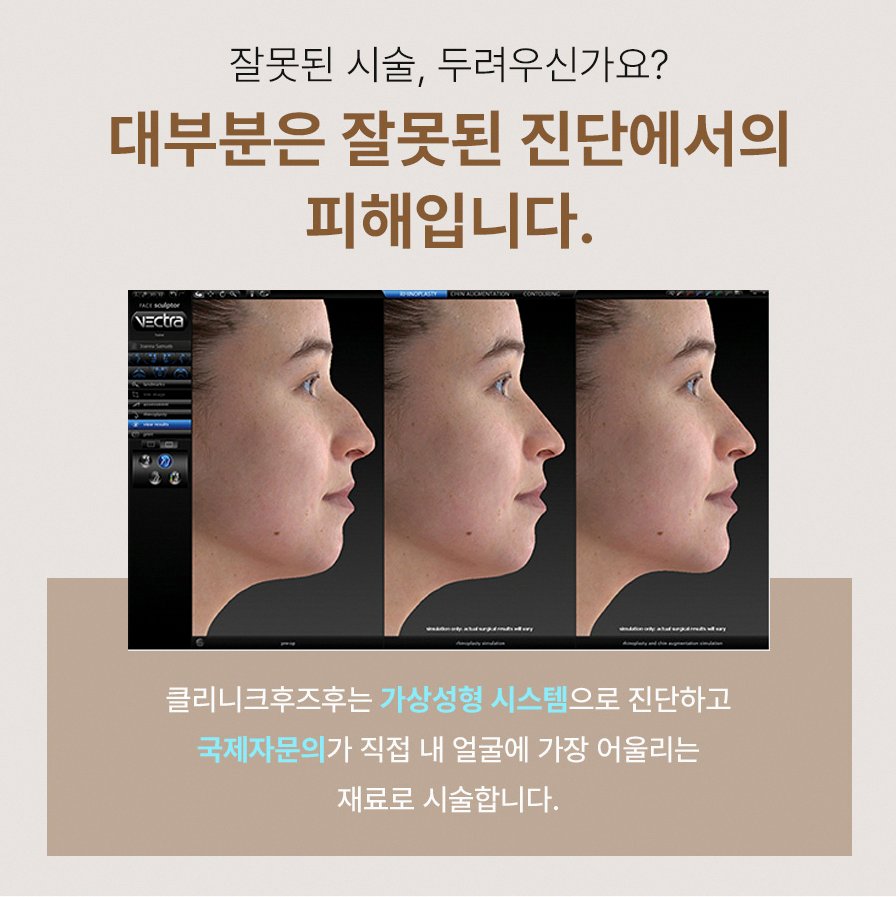
For defined lip borders and cupid’s bow
These are medium-firm hyaluronic acid fillers that hold shape well. They are typically placed:
Along the vermilion border (the edge between red lip and skin)
At the peaks of the cupid’s bow
Sometimes along the philtral columns between the upper lip and nose
Who they suit best:
People whose lip line has become blurred with age
Those who experience lipstick bleeding or feathering
Patients who want a sharper cupid’s bow or to correct mild asymmetry at the border
Expected effect:
A clearer outline to the lips
Better definition when wearing lipstick or lip tint
More sculpted cupid’s bow, without necessarily making the lips much larger
For volumized, plump lips
These fillers are more robust, with higher G-prime (a measure of firmness and lifting capacity). They are used when the goal is visible volume and projection.
Who they suit best:
Naturally thin lips wanting a noticeable increase in size
Patients wanting to balance facial features, for example, small lips with a strong nose or chin
Those who prefer a fuller, more glamorous lip style
Expected effect:
Fuller, more projected lips
Clearer difference in before and after appearance
Even with stronger fillers, many doctors prefer a layered, conservative approach. This can mean:

Starting with a modest amount
Allowing swelling to settle
Adding more in a follow-up session if needed
This strategy is often safer and leads to a more natural result than trying to reach a dramatic change in one session.
For lip wrinkles and perioral lines
Very soft, spreadable hyaluronic acid fillers can be used around the mouth to treat:
Fine vertical “smoker’s lines” above the upper lip
Fine lines at the corners of the mouth
Subtle creasing below the lower lip
Often, a small amount of similar soft filler is placed in the lip body at the same time to keep the result harmonious. The goal is smoother skin and a fresher look, not necessarily much more volume.
How clinics choose the right lip filler type
A structured consultation is essential before any lip filler treatment. A typical process includes:
Facial and lip analysis
The doctor will usually examine:
Lip thickness and natural shape
Symmetry between left and right sides
Dental support and how the teeth and bite influence lip position
Smile dynamics: how much the lips stretch and move when you smile or talk
Side profile, to see how the lips relate to the nose and chin
Discussion of style preference
You will usually be asked about:
How natural or noticeable you want the result to be
Whether your priority is hydration, volume, or sharper definition
Any reference photos you like (and what exactly you like about them)
Any previous filler experiences, including what you did or did not like

Medical history review
For safety, the doctor will ask about:
Allergies and medications
Autoimmune conditions or bleeding disorders
Previous fillers or procedures in the lip area
Tendency to bruise or swell
History of cold sores around the lips
Combining different filler types
An experienced injector may use more than one filler type in the same session. For example:
Softer filler in the lip body for a natural, hydrated look
Medium-firm filler along the border and cupid’s bow for definition
Very soft filler for fine lines around the mouth
This layered approach allows more precise control over shape, texture, and movement.
Clinique hus,hu context in Cheongdam
Clinique hus,hu is an aesthetic and anti-aging clinic located in Cheongdam, Gangnam, within easy reach of Apgujeong Rodeo Station on the Bundang Line. The clinic’s wider portfolio includes volume treatments such as Ellanse and other volumizing fillers, as well as lifting and skin-tightening devices. This broader experience with facial contour and soft tissue management can be helpful when planning how the lips should harmonize with the rest of the face.
This background encourages a planning style that considers not only the shape of the lips but also the quality of the surrounding tissues and how they age over time. Lip fillers themselves are typically standard hyaluronic acid procedures, but they are chosen and placed with attention to anatomy and tissue health.
Overview of the lip filler procedure in Korea
Pre-treatment steps
Before your lip filler session, you can expect:
Consultation and design
Medical history review and discussion of your goals
Clinical photos from the front and side to document your baseline
Design planning of lip shape, border, and projection
Explanation of which filler type is recommended and why
Discussion of expected longevity and possible need for future touch-ups
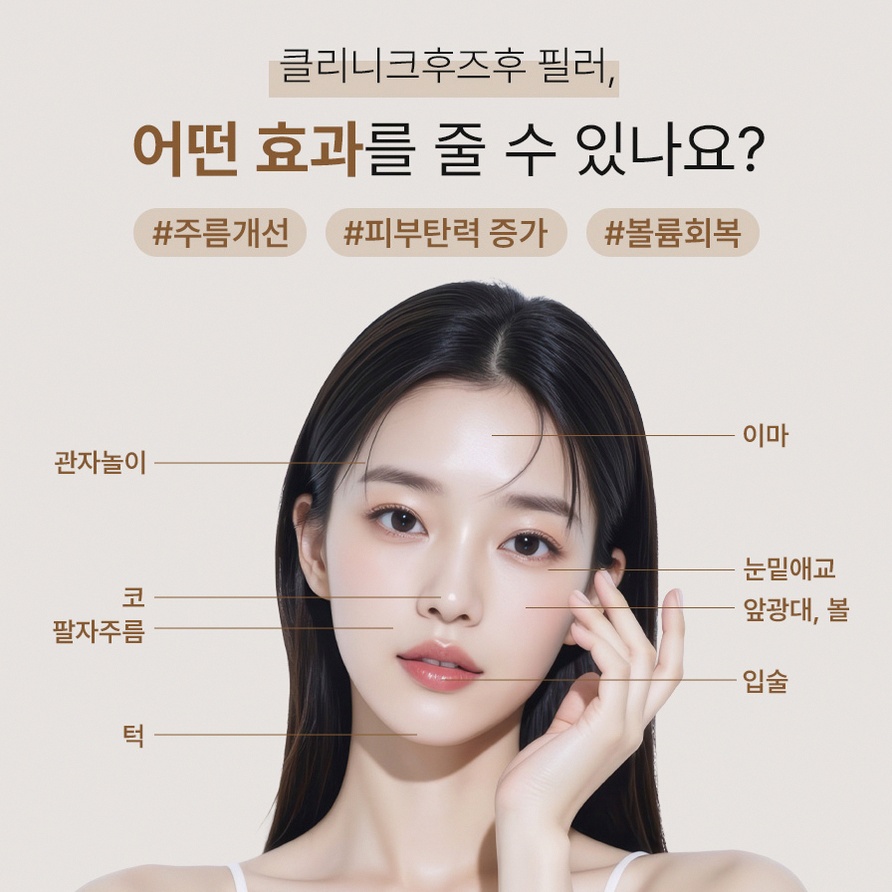
Comfort and technique planning
Application of numbing cream or local anesthesia to reduce discomfort
Decision on using a fine needle or a blunt-tipped cannula, depending on your anatomy and the doctor’s technique
Review of potential side effects and how they will be managed
Injection process
During the procedure:
The lips are cleansed and marked according to the design
The doctor injects filler in a zone-based or layer-by-layer approach, usually addressing the border, body, cupid’s bow, and corners
The amount is kept conservative at first, especially for first-time patients
You may be asked to sit up and move your lips during the procedure so the doctor can check symmetry and natural movement
Post-treatment care
Immediately after the procedure, you can expect:
Swelling and sometimes bruising for several days
Mild tenderness, tightness, or a “full” feeling in the lips
Temporary asymmetry while one side may swell more than the other
Typical aftercare instructions include:
Applying cold packs gently for short periods to reduce swelling
Avoiding heavy pressure, massage, or manipulation of the lips unless your doctor specifically advises it
Sleeping with your head slightly elevated the first night
Avoiding intense exercise, saunas, and very hot baths for 24 to 48 hours
Avoiding alcohol and very salty foods on the first day to help limit swelling
A follow-up visit is often scheduled after one to two weeks to:
Check symmetry and how the filler has integrated
Discuss whether you are satisfied with the volume and shape
Perform minor adjustments if needed
Safety, side effects, and the role of filler type
Common, temporary effects
Most patients experience some degree of:
Swelling
Redness
Tenderness or mild pain
Bruising
Temporary unevenness while swelling settles
These usually improve over several days to about two weeks.

Less common issues
Occasionally, patients may notice:
Small lumps or bumps
Unevenness in volume
Overcorrection or a look that feels too full for their taste
With hyaluronic acid fillers, many of these issues can be managed by gentle massage (as advised by the doctor) or, if needed, small amounts of hyaluronidase to dissolve excess filler.
Serious but rare complications
More serious complications are rare but important to understand. They include:
Vascular occlusion, where filler accidentally enters or compresses a blood vessel
Tissue damage if blood supply is significantly reduced
To reduce these risks, it is important that:
Reversible hyaluronic acid fillers are used in high-risk areas like the lips
The clinic has hyaluronidase and emergency protocols readily available
You are treated by a medically qualified, experienced injector familiar with detailed lip and facial anatomy
Filler type and risk
Softer, more spreadable fillers may reduce the risk of visible lumps or stiffness but do not remove the possibility of vascular complications. Technique, anatomical knowledge, and careful dosing are more important than the brand name alone.
Longevity and maintenance by filler type
Typical reported ranges for hyaluronic acid lip fillers are approximately 6–12 months, but individual results vary. Longevity depends on the specific product formulation, injection technique, metabolism, and lifestyle. Softer, more hydrating fillers may fade toward the shorter end of this range, while firmer, more structured fillers can last longer. Your injector will discuss the expected duration for the chosen product and a personalized maintenance plan.
In general:
Hyaluronic acid lip fillers tend to last about 6 to 12 months
Lips are very mobile and have a rich blood supply, so fillers break down faster than in less mobile areas like the cheeks
Softer, more hydrating fillers may fade a bit faster, sometimes closer to 6 months
Firmer, more structured fillers may last longer but must be chosen carefully to avoid an unnatural feel
However, overfilling should be avoided. Periodic reassessment of lip proportions and facial balance is important at each visit.

Who is a good candidate and who should be cautious
Good candidates
You may be a good candidate for lip fillers if you:
Are an adult in good general health
Have realistic expectations about what fillers can and cannot do
Want to enhance lip volume, shape, or hydration
Have mild asymmetry or age-related thinning of the lips
Who should be cautious or delay treatment
Extra caution or postponement is usually advised if you:
Are pregnant or breastfeeding
Have an active infection, rash, or inflammation around the mouth
Have a history of severe allergies or autoimmune disease (requires individualized medical evaluation)
Have previous permanent fillers or unknown substances in the lips
In such cases, a detailed consultation is essential before deciding on any procedure.
Preparing for an online consultation and your visit to Korea
Before you travel, an online consultation can help you plan realistically. To make the most of it:
Prepare clear photos of your face and lips from the front and both profiles, in natural light without heavy makeup.
Write down what bothers you most: thinness, asymmetry, lack of definition, wrinkles, or dryness.
Collect 2 to 3 reference photos of lip styles you like, and note what you like about them (for example, “more defined border” or “slightly fuller upper lip”).
List your medical history, medications, allergies, and any previous filler treatments.
Prepare questions about filler type, expected longevity, downtime, and possible need for touch-ups.
Expected Korea visit timeline for lip fillers
Scheduling depends on appointment availability and your pre-consultation planning. In some cases it may be possible to have an in-person consultation and the procedure on the same day, but this varies—please confirm timing during your online consultation.
Day 1:
- In-person consultation and examination
- Review of your online plan and any final adjustments
- Lip filler procedure (may be scheduled the same day depending on availability)
Many overseas patients can complete lip filler treatment in a short visit.
Day 1:
In-person consultation and examination
Review of your online plan and final adjustments
Lip filler procedure, usually within the same day

Days 2 to 3:
Most swelling is at its peak during this time
You can usually do light sightseeing but may prefer low-key activities
Follow aftercare instructions and avoid intense exercise or heat
Days 4 to 7:
Swelling and bruising gradually improve
Lips start to look more natural
Day 7 to 14:
Optional follow-up visit before you leave Korea, depending on your schedule
Final check of symmetry and integration
Minor adjustments if needed
Frequently asked questions about types of lip fillers
Which type of lip filler looks the most natural?
For the most natural look, very soft, low-viscosity hyaluronic acid fillers are usually preferred. They blend smoothly into the lip tissue and focus on hydration and gentle fullness rather than strong projection. The result is often slightly plumper, smoother lips that still look like your own. However, “natural” also depends on the amount injected and the injector’s technique, not just the product type.
What is the safest type of filler for lips?
For most people, hyaluronic acid fillers are considered the safest option for lips because they are reversible with hyaluronidase if needed. Safety also depends on using medical-grade products, proper hygiene, and an injector who understands lip anatomy and emergency management. Collagen-stimulating fillers are usually reserved for other facial areas rather than the lips.
How do I choose between soft, hydrating fillers and more volumizing fillers?
Your choice should be based on your starting lip shape and your goal. If you mainly want smoother texture and a subtle boost, a soft, hydrating filler is usually best. If your lips are naturally very thin and you want a clear increase in size, a more structured volumizing filler may be appropriate. Many patients benefit from a combination: softer filler in the lip body for comfort and movement, and slightly firmer filler along the border for definition.
Can different filler types be mixed in the lips?
Yes, different hyaluronic acid fillers can be used in different parts of the lips in the same session. For example, a softer filler can be placed in the central lip body, while a medium-firm filler is used for the vermilion border and cupid’s bow. What should be avoided is mixing unknown products or combining hyaluronic acid with permanent or incompatible fillers in the same area.
How often do I need to repeat lip filler treatments?
Most patients repeat lip filler treatments every 6 to 12 months, depending on the product used, their metabolism, and how much movement their lips have. Some people prefer small, regular touch-ups to maintain a consistent look, while others wait until most of the filler has faded before repeating. Your doctor can help you plan a schedule that fits your goals and travel plans.

Can lip fillers be dissolved if I do not like the result?
If hyaluronic acid fillers were used, they can usually be dissolved with an enzyme called hyaluronidase. This treatment can reduce or remove the filler over a period of days. It is important to confirm exactly which product was injected and to have the dissolving procedure performed by a qualified medical professional.
Are there differences in swelling and downtime between filler types?
Yes, there can be differences. More hydrophilic fillers may cause more initial swelling because they attract more water. Firmer fillers may feel tighter at first, while very soft fillers often feel more comfortable quickly. However, individual factors such as your tendency to bruise, the injection technique, and how much filler is used often have a bigger impact on downtime than the brand alone.
Soft call to action
If you are considering lip fillers in Seoul and want help choosing between the different types and styles, an online consultation can be a useful first step. By sharing photos and your goals in advance, the medical team at Clinique hus,hu can suggest a personalized plan and outline what to expect during your visit, so you can travel with more confidence and realistic expectations.
- 공유 링크 만들기
- X
- 이메일
- 기타 앱


댓글
댓글 쓰기