Non-surgical, reversible filler for mild upper-eyelid hollows
- 공유 링크 만들기
- X
- 이메일
- 기타 앱
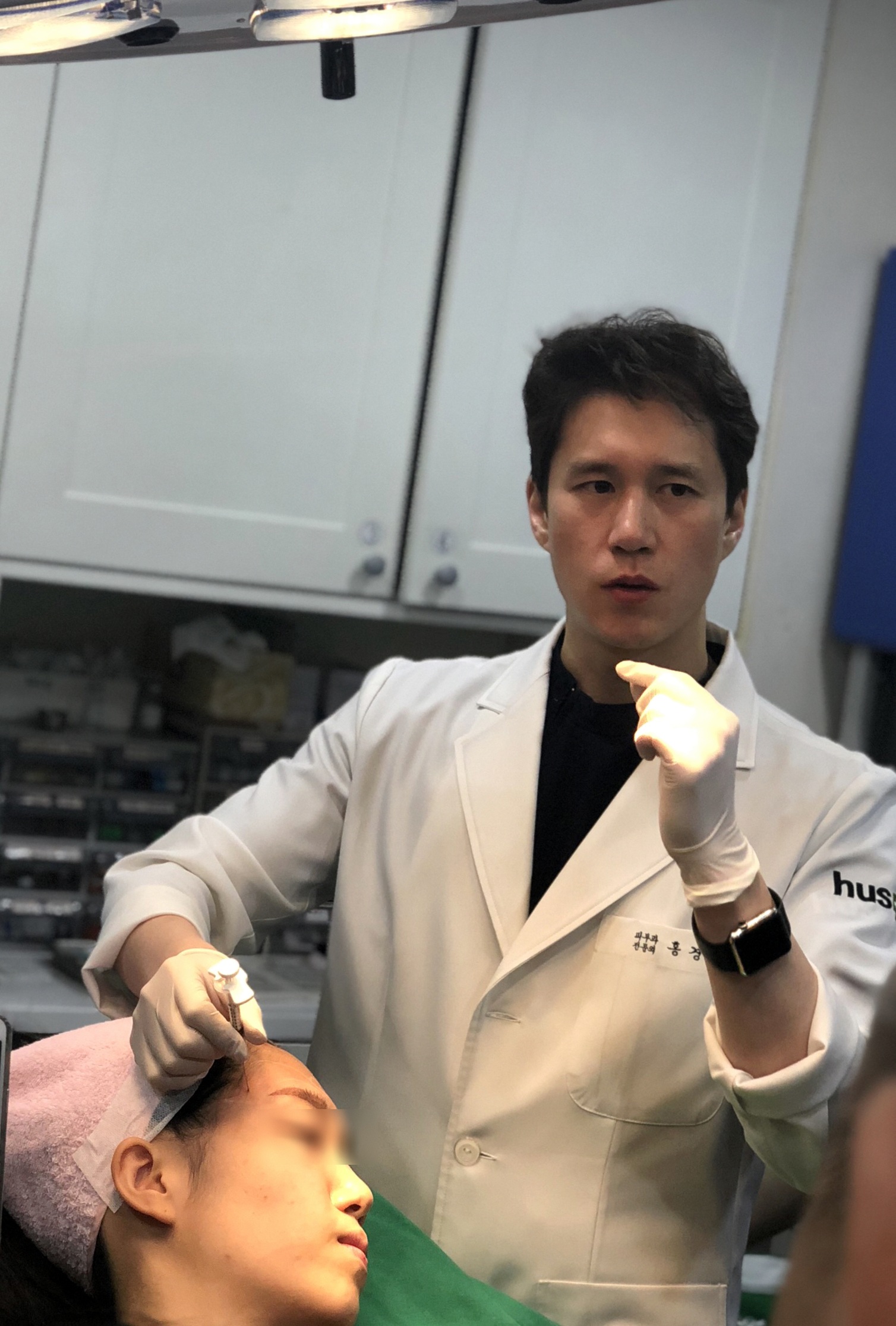
Sunken upper eyelid filler treatment is a non-surgical way to soften hollow or bony-looking upper eyelids by restoring gentle volume around the eye socket and brow area with injectable filler. For suitable candidates, it can reduce shadowing, make the eyes look less tired, and refresh the upper eyelid without changing the natural eye shape.
What is a sunken upper eyelid
A sunken or hollow upper eyelid refers to a loss of soft tissue and fat around the upper eyelid and upper eye socket. Instead of a smooth, softly curved upper lid, you may see a deeper groove above the lash line and a more visible bony rim around the eye.
This change can make the eyes look deep-set, tired, or older than before. Some people describe it as a skeletal or “caved in” appearance around the upper eye area.

Common causes of sunken upper eyelids include age-related fat atrophy, where the natural fat pads around the eye gradually thin. Genetics also play a role: some people naturally have deep-set eyes and develop more noticeable hollows as they age.
Other triggers can be rapid weight loss, which reduces facial fat, or previous eye surgery, especially if fat was removed aggressively from the upper lid. Over time, this can leave the upper eyelid looking hollow rather than full.
From a practical point of view, many people notice a hollow groove above the upper lash line, more visible bone around the eye socket, and fine wrinkles or creases becoming more pronounced. Eye makeup may not sit well, with eyeshadow collecting in the hollow or making the area look even deeper.
Why use filler for sunken upper eyelids
Upper eyelid hollow filler is a non-surgical treatment that uses injectable filler to gently restore volume around the upper orbital rim and brow area. The aim is not to change the shape of the eye, but to rebuild the soft tissue cushion that has been lost.

In appropriate candidates, carefully placed filler can soften harsh shadows in the upper eyelid, reduce the appearance of the bony rim, and create a smoother transition between the brow and the eyelid. This often leads to a more rested, less tired impression.
Because this is an injectable treatment, there are no incisions. The procedure is usually performed in an outpatient setting and takes a relatively short time, although planning and assessment are important.
The goal is subtle improvement. Overfilling the upper eyelid can create a puffy, heavy look or even interfere with the natural crease. A conservative approach aims for a gentle, natural curve rather than a dramatic change.
Unlike some eye rejuvenation surgeries, filler-based sunken upper eyelid treatment is reversible when hyaluronic-acid-based fillers are used. This makes it an option for people who want to test how added volume looks before considering more permanent changes.
Who may consider upper eyelid hollow filler
People who may be suitable for upper eyelid hollow filler usually have mild to moderate hollowness mainly due to volume loss, rather than severe drooping skin. They often describe their main concern as looking tired or older, even when they feel well-rested.
Good candidates typically want a non-surgical, reversible treatment and are comfortable with subtle, natural-looking changes. They understand that filler will not lift very loose skin or remove large amounts of excess tissue.
On the other hand, some people may not be ideal candidates. Those with severe skin laxity or a very drooping upper lid may benefit more from a surgical eyelid lift, sometimes combined with other treatments. Very thin skin with visible vessels or strong discoloration can also make filler placement more challenging and increase the risk of unevenness or a bluish hue.
People with unrealistic expectations, such as wanting to change the fundamental shape of their eyes or expecting a dramatic transformation from a small amount of filler, may need a more detailed discussion before deciding.

Pre-treatment assessment and planning
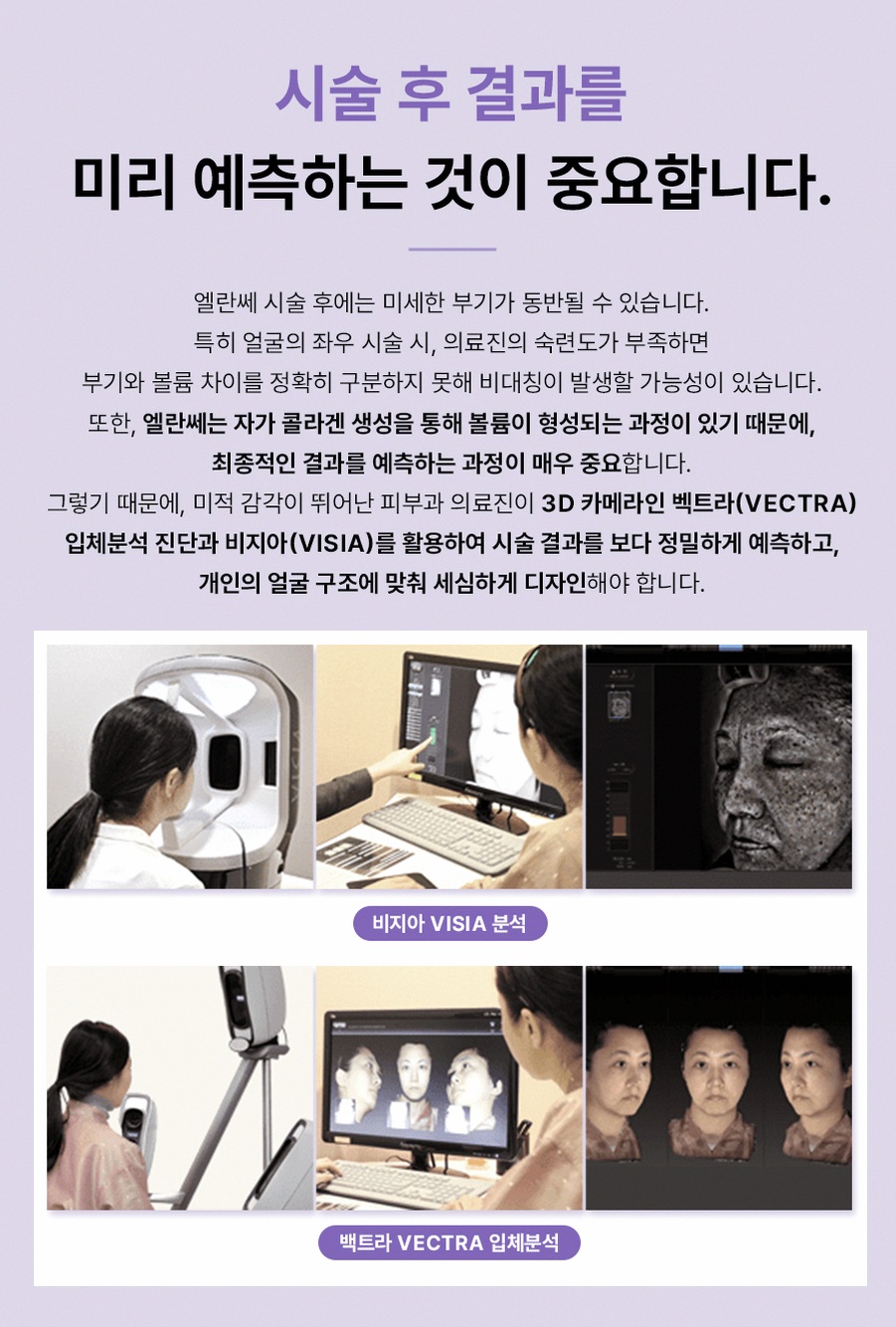
Before any sunken upper eyelid treatment, a detailed assessment of your eye area is essential. The physician will usually examine the upper eyelid, brow position, and the overall midface, because the appearance of the upper lid is influenced by the cheek and temple volume as well.
They will check for asymmetry between the two eyes, previous surgeries, scars, and differences in fat distribution. Skin quality is also evaluated, including thickness, elasticity, and the presence of fine lines or pigmentation.
Your medical history is important. You should share information about medications, especially blood thinners or supplements that may increase bruising, as well as any history of eye disease, autoimmune conditions, allergies, or previous filler treatments around the eyes.
At a clinic with a strong anti-aging and regenerative background, the assessment may also include imaging or diagnostic tools to understand the deeper structures and to plan how filler will work together with other treatments, such as lifting devices or regenerative injections.

How upper eyelid filler is performed
Upper eyelid filler is usually done in several steps, with a focus on precision and safety. The treatment area is first cleansed thoroughly to reduce the risk of infection. The physician may mark key anatomical landmarks and planned injection points along the upper orbital rim or just under the brow.
A fine needle or a blunt-tipped cannula is then used to place small amounts of filler in deeper, safer planes near the bone. The exact technique depends on your anatomy and the practitioner’s preference. In many cases, filler is placed gradually, with tiny amounts layered step by step.
You may be asked to sit up during the procedure so the physician can see how gravity and facial expression affect the result. This helps avoid overcorrection and ensures that the eyelid contour looks natural in a normal position.
Because the upper eyelid and surrounding area are anatomically complex and highly vascular, conservative dosing and a deep understanding of the local anatomy are critical. Small adjustments are usually safer than large, single bolus injections.
At clinics with extensive experience in lifting and energy-based treatments, upper eyelid filler is not planned in isolation. The physician will consider brow position, forehead muscle activity, temple volume, and midface support. In some cases, a small amount of filler in the temple or brow area, combined with upper eyelid filler, can create a more balanced and harmonious result.

Expected results and how long they last
After sunken upper eyelid filler, most people notice an immediate softening of the hollow above the upper lash line. The bony rim may look less sharp, and the transition from brow to eyelid appears smoother.
The overall effect is often a more rested and refreshed eye area, without an obvious sign that something has been done. Eye makeup may apply more evenly, and shadows in the upper lid can look less deep.
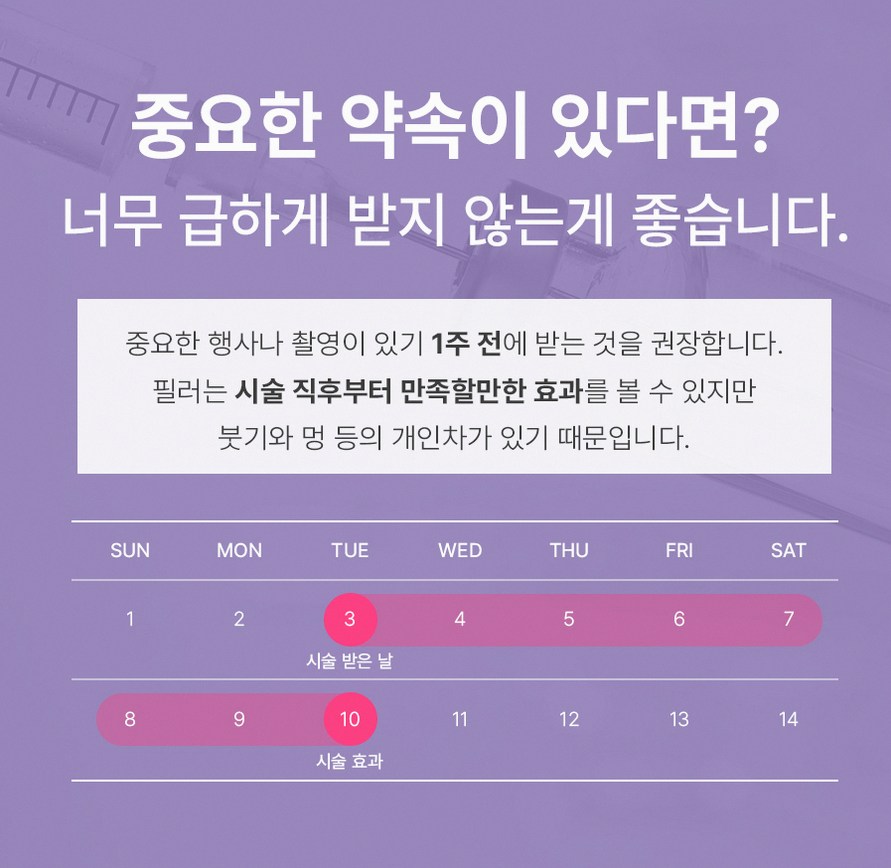
There is usually some mild swelling right after treatment, which can temporarily make the eyelid look fuller than the final result. This swelling typically settles over several days. Bruising, if it occurs, may take one to two weeks to fade.
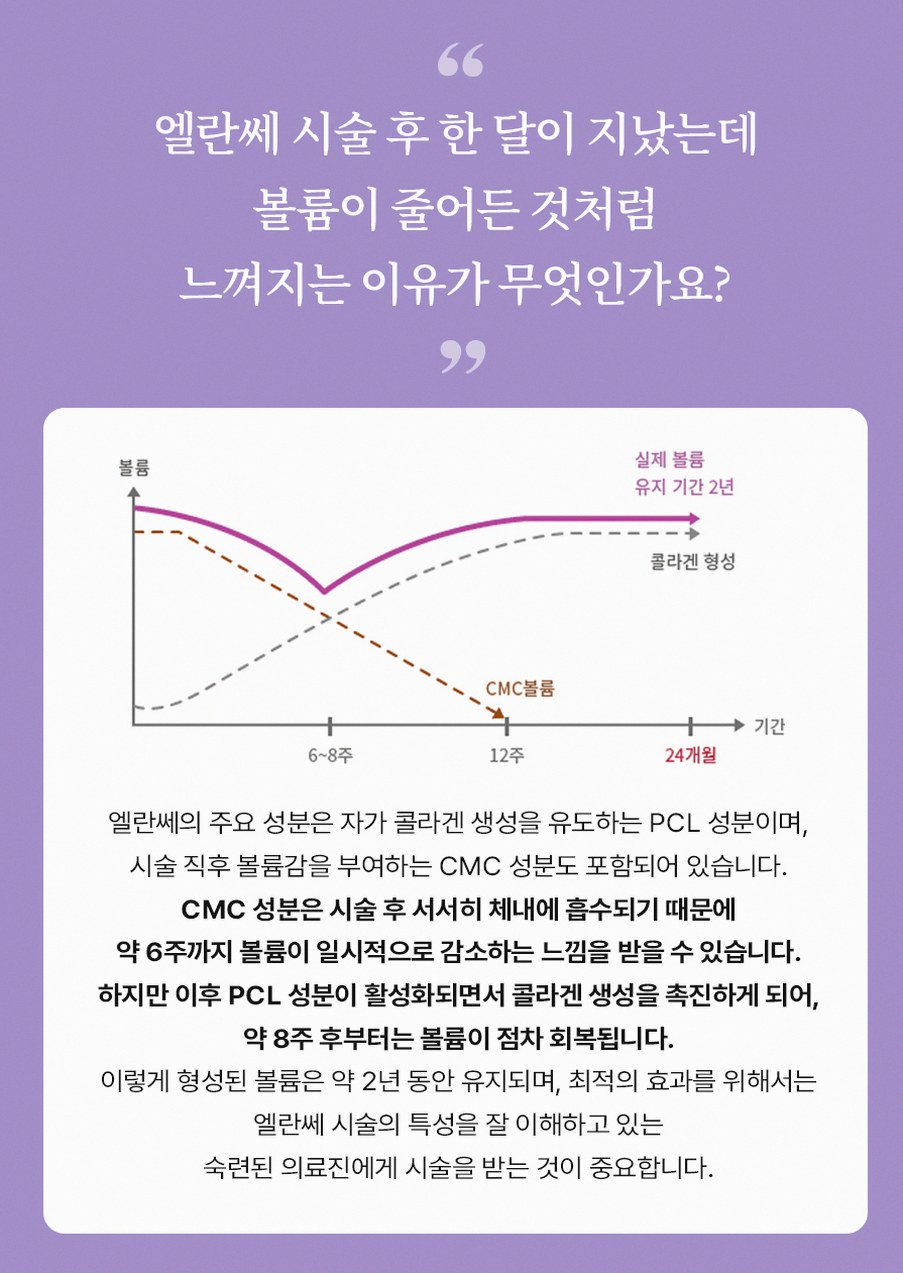
The longevity of upper eyelid filler varies. Factors include the type of filler used, the depth of placement, your metabolism, and your lifestyle. Many people experience results that last several months to over a year, but this is individual and cannot be predicted exactly.

Subtlety is especially important in this area. Many experienced physicians prefer slight under-correction at the first session, with the option to add a small amount later, rather than risk a heavy or puffy upper lid.
Safety, risks, and how to minimize them
Like any injectable treatment, upper eyelid hollow filler has potential side effects and risks. Common temporary reactions include redness, mild swelling, tenderness, and small bruises at the injection sites. These usually resolve on their own.
Possible complications include asymmetry between the two sides, overfilling, or small lumps that can sometimes be felt or seen. If filler is placed too superficially in very thin skin, a bluish tint known as the Tyndall effect can appear.
A rare but serious risk in the eye region is vascular compromise, where filler unintentionally enters or compresses a blood vessel. This can affect blood flow and, in severe cases, threaten vision or skin health. For this reason, risk reduction is a priority.

Risk can be reduced by choosing a practitioner with detailed anatomical knowledge of the peri-orbital area, using conservative volumes, and applying careful techniques such as slow injection, appropriate plane selection, and, where suitable, the use of a cannula instead of a sharp needle.
When hyaluronic-acid-based fillers are used, reversal agents are available that can dissolve the filler if needed. Clinics that perform upper eyelid filler should have clear protocols in place for monitoring and managing complications.
When choosing a clinic, look for an experienced aesthetic physician with a strong track record in eye-area injections and access to a wide range of anti-aging technologies. This helps ensure that filler is used where it is appropriate and that other methods are considered when they may be safer or more effective.
How upper eyelid filler fits into a broader anti-aging plan
Sunken upper eyelid treatment with filler is one component of eye-area rejuvenation. It addresses volume loss, but it does not directly tighten skin, lift a very low brow, or fully correct deep wrinkles.
Other non-surgical options can complement filler. Energy-based tightening or lifting treatments can help support the brow and forehead, reducing downward pressure on the upper eyelid. Skin-quality treatments such as gentle lasers or regenerative injections can improve fine lines, texture, and overall skin health.
For more advanced aging changes, such as significant drooping skin or large folds, a surgical eyelid lift may be discussed as an alternative or additional option. Filler alone cannot remove excess skin.
site lab and other regenerative approaches the clinic offers, alongside a variety of lifting and energy-based devices. Individual results vary, and the regulatory status or availability of these regenerative options may differ — confirm details with the clinic.
By planning treatments together rather than as isolated procedures, the clinic can aim for a more stable, long-term improvement in the eye area, rather than a short-lived cosmetic change.
Preparing for an online consultation and your visit to Korea
If you are an overseas patient considering sunken upper eyelid filler in Seoul, an online consultation is a useful first step. Many clinics in the Apgujeong Rodeo and Cheongdam area offer consultations via messaging apps, email, or video calls.
Before your online consultation, it helps to prepare clear photos of your face from the front and side under natural light, with your eyes open and gently closed. Photos from earlier years can also be helpful to show how your upper eyelids used to look.
Make a short list of your main concerns, such as “upper eyelid looks hollow,” “eye makeup does not sit well,” or “eyes look tired.” Note any previous eye surgeries, filler or other injections around the eyes, and any eye conditions.
During the online consultation, you can discuss whether upper eyelid filler alone is likely to help, or whether combined treatments are recommended. You can also ask about approximate treatment timelines, suggested recovery periods, and how many visits may be needed.

Expected Korea visit timeline for upper eyelid filler
For many international patients, a typical visit for sunken upper eyelid filler can be planned over a few days in Seoul.
On day one, you may have an in-person consultation at the clinic, including a detailed examination, discussion of your goals, and review of your medical history. In many cases, if you and the physician agree to proceed, treatment can be performed on the same day.
The actual injection session is usually brief, but you should allow extra time for preparation, numbing if needed, and post-treatment observation. Mild swelling is common immediately after the procedure.
On day two or three, some clinics recommend a short follow-up visit to check the early result, assess any bruising or swelling, and answer questions. If you are staying longer in Korea, a further check within one to two weeks can be helpful, but many overseas patients return home earlier and stay in touch through online channels.
Most people can resume light sightseeing or business activities soon after treatment, although it is wise to avoid heavy exercise, saunas, and alcohol for a few days to reduce swelling and bruising.

Aftercare and recovery
After sunken upper eyelid filler, you will usually receive specific aftercare instructions. These may include avoiding rubbing or pressing on the treated area, sleeping with your head slightly elevated for the first night or two, and applying cold compresses gently to reduce swelling if advised.
You may be asked to avoid intense exercise, hot baths, saunas, and facial massages for several days. Makeup around the eyes is often best avoided for at least 24 hours, or as instructed by the clinic.
Mild discomfort can usually be managed with simple pain relief if needed, but always follow the clinic’s recommendations and avoid medications that could increase bleeding if they are not approved by your physician.
You should contact the clinic promptly if you notice unusual pain, significant changes in vision, mottled or pale skin, or any other concerning symptoms. Early communication allows the medical team to assess and manage potential complications quickly.

Frequently asked questions about sunken upper eyelid filler
Does upper eyelid filler change my eye shape
Upper eyelid filler is designed to restore volume in hollow areas rather than change the basic shape of your eye. When performed conservatively, it usually softens the hollow above the lash line and reduces shadowing while preserving your natural eyelid crease and eye contour.
If too much filler is used or placed in the wrong plane, it can make the eyelid look heavy or alter the crease. This is why careful planning and a conservative approach are important.
How is upper eyelid filler different from tear trough filler under the eyes
Upper eyelid filler targets the hollow and bony rim above the eye, usually along the upper orbital rim and brow area. Tear trough filler is placed under the eye, in the groove that runs from the inner corner of the eye toward the cheek.
Although both treatments use filler to address hollows and shadows, the anatomy, injection planes, and risks are different. Some patients benefit from both upper and lower eyelid volume restoration, but they are assessed and planned separately.
How long does swelling or bruising usually last
Mild swelling after upper eyelid filler is common and often improves significantly within a few days. In some cases, a small amount of residual swelling can last up to one to two weeks, especially in sensitive individuals.
Bruising, if it occurs, usually fades over one to two weeks. Planning your trip so that you have a few extra days in Korea after treatment can help you feel more comfortable before flying home.
Can the filler be dissolved or adjusted later
If a hyaluronic-acid-based filler is used for your sunken upper eyelid treatment, it can usually be adjusted or dissolved later with a specific enzyme injection. This can be helpful if there is overfilling, unevenness, or if you are not satisfied with the result.
Minor asymmetries can sometimes be corrected with small additional filler adjustments instead of dissolving. Your physician will discuss the best approach based on your situation.

Is it safe to combine upper eyelid filler with lifting or laser treatments around the eyes
Upper eyelid filler can often be combined with lifting devices or gentle laser and regenerative treatments around the eyes, but the timing and order are important. Some treatments are best performed before filler, while others can be done after a suitable interval.
At a clinic with a broad range of devices and regenerative options, such as Clinique hus,hu near Apgujeong Rodeo Station in Cheongdam, the physician can design a sequence that supports both safety and long-term tissue health.
How to move forward with an online consultation
If you are considering non-surgical upper eyelid rejuvenation in Seoul, an online consultation is a practical way to start. Prepare photos, a brief medical history, and a list of questions about expected results, treatment combinations, and recovery.

Clinics in the Cheongdam and Gangnam area with a strong anti-aging and regenerative focus can help you understand whether upper eyelid hollow filler is suitable for you, how it might be combined with other treatments, and how to plan your visit to Korea.
A calm, well-informed discussion is the best foundation for any eye-area treatment. Taking time to ask questions and understand the options will support safer decisions and more natural-looking outcomes over the long term.
- 공유 링크 만들기
- X
- 이메일
- 기타 앱


댓글
댓글 쓰기