Pigmentation Laser Toning in Cheongdam for Melasma and Dark Spots
- 공유 링크 만들기
- X
- 이메일
- 기타 앱
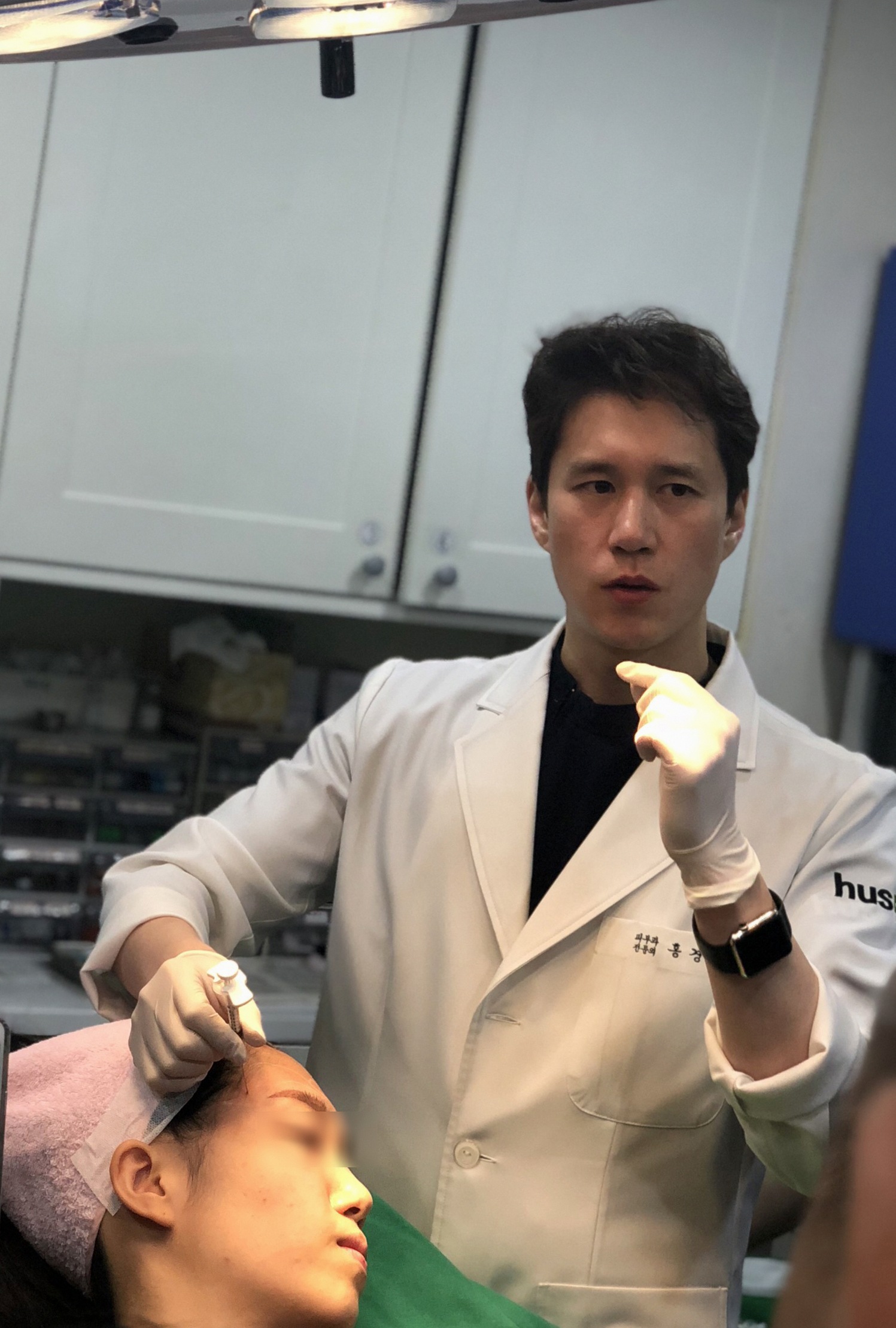
Direct answer summary
Pigmentation laser toning is a gentle, repeated laser treatment designed to gradually break down excess melanin that causes melasma, sun spots, age spots, freckles, and other dark patches. Instead of one strong shot on a single spot, it uses low energy over multiple sessions to brighten the overall tone with minimal downtime. In Cheongdam, Gangnam, clinics such as Clinique hus,hu use several different laser platforms and skin analysis tools to tailor the settings and combinations to each person’s specific type of pigmentation.
This guide explains how pigmentation laser toning works, who may consider it, what to expect when you travel to Seoul for treatment, and how to look after your skin for safer and more predictable results.
What pigmentation is and why it matters for laser choice
Pigmentation and melanin
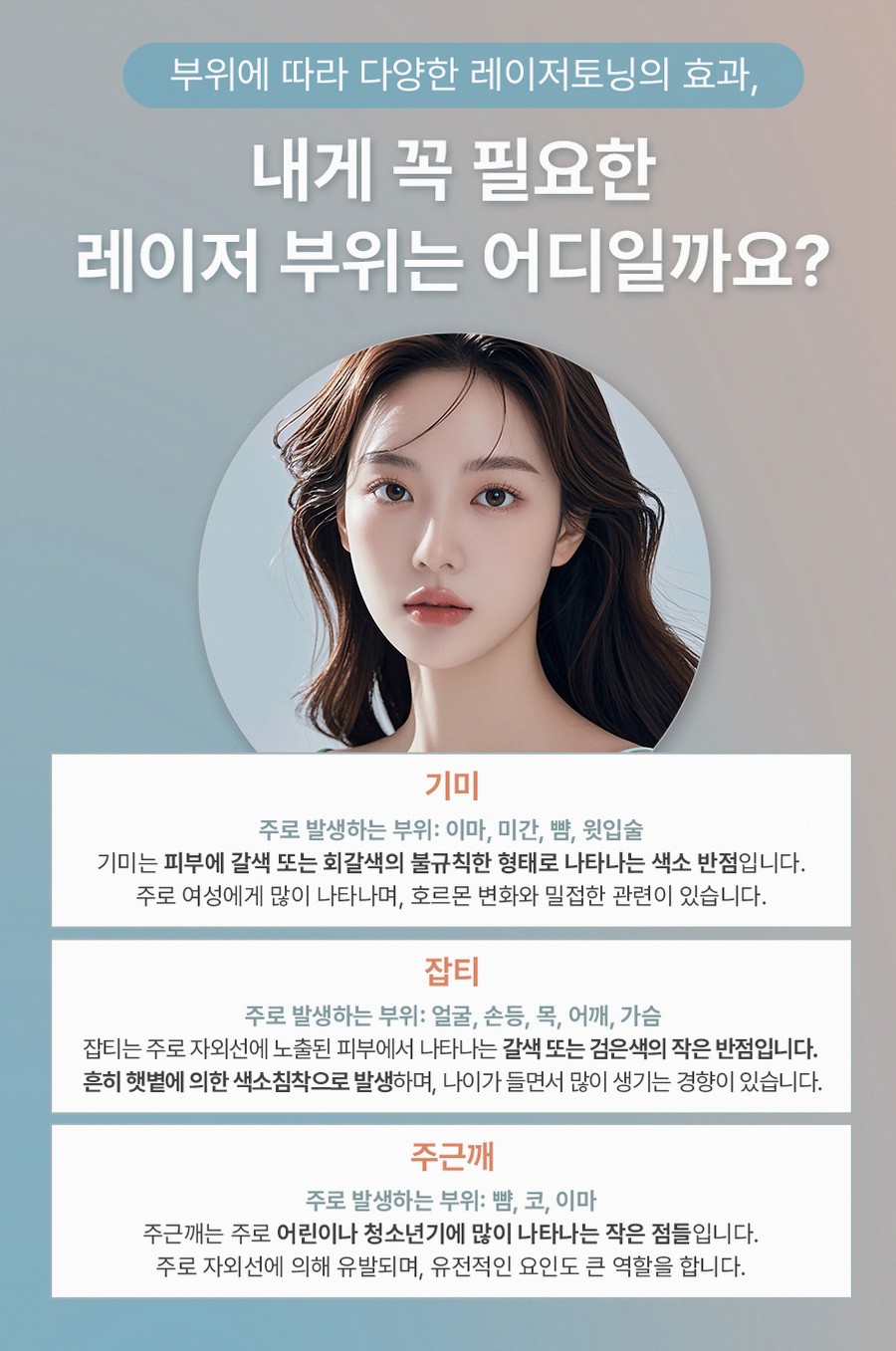
Pigmentation problems appear when your skin produces too much melanin in certain areas. This can look like scattered spots, patches, or general dullness. Common types include melasma, sun spots, age spots, freckles, post-inflammatory hyperpigmentation after acne or irritation, and deeper conditions such as Ota nevus.
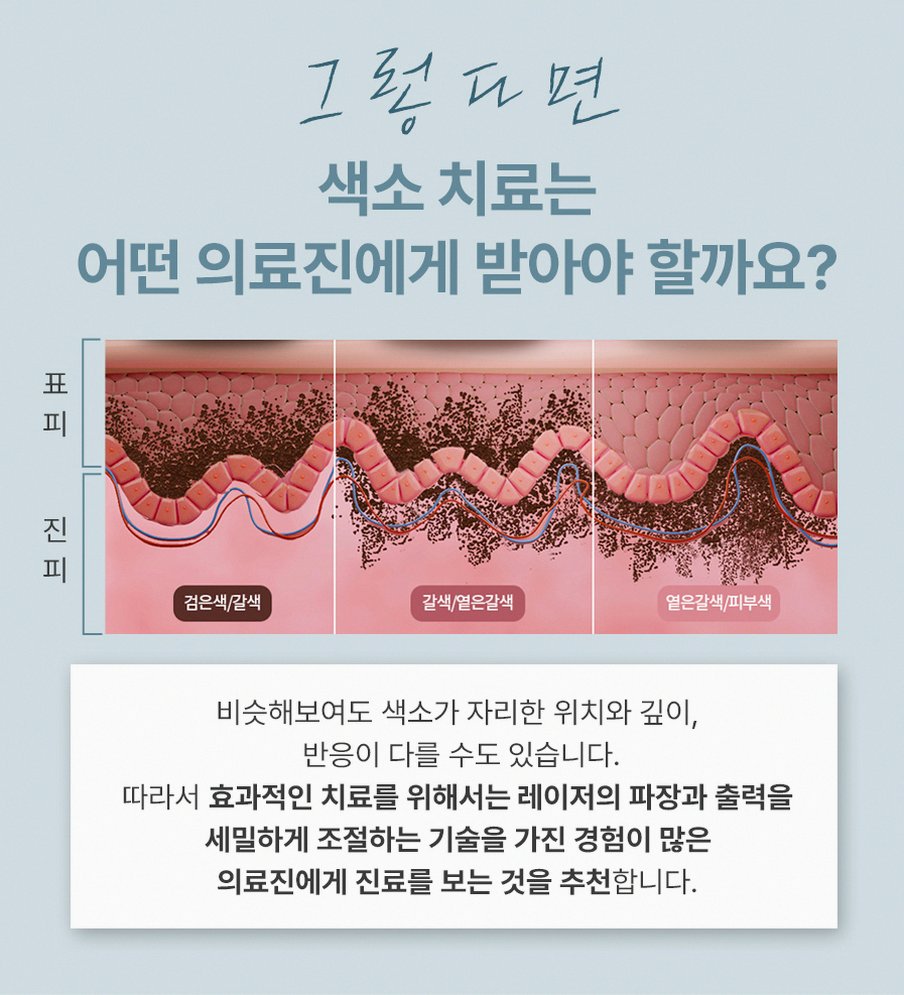
Although all of these look like “dark spots,” they sit at different depths in the skin and have different triggers. Melasma is often linked to hormones and sun exposure, freckles are usually genetic and sun-related, age spots come from long-term UV damage, and Ota nevus is a deeper, congenital lesion. Because of these differences, the same laser setting is not suitable for every case.
Why correct diagnosis comes first
Before any pigmentation laser toning, a careful consultation is important. A doctor should distinguish between melasma, freckles, age spots, Ota nevus, and post-inflammatory hyperpigmentation. Each type responds differently to laser energy, and some require very cautious treatment.
For example, melasma can worsen if treated too aggressively, while some deeper lesions may need higher-energy or specific pico or Q-switched protocols in addition to gentle toning. Correct identification helps avoid rebound pigmentation and guides which devices and parameters are safest for your skin.
How pigmentation laser toning works
What laser toning actually is
Pigmentation laser toning is a low-fluence, multi-session laser approach that targets melanin in both the upper (epidermis) and deeper (dermis) layers of the skin. Instead of trying to remove all pigment at once, the laser delivers gentle energy repeatedly to break melanin into smaller particles that your body can gradually clear.
Because the energy is controlled and spread out over several sessions, the surface of the skin is usually kept intact, leading to shorter downtime and a more even overall brightening rather than only isolated spot removal.
Toning versus single spot lasers
Single high-energy spot lasers focus on individual dark lesions. They can be effective for distinct age spots or certain freckles, but they may cause more crusting, downtime, and risk of color changes if used inappropriately.
Laser toning, in contrast, is designed for:
Diffuse dullness or overall uneven tone
Melasma-prone or sensitive skin that cannot tolerate aggressive energy
Mixed pigmentation where sun damage, old acne marks, and early age spots coexist
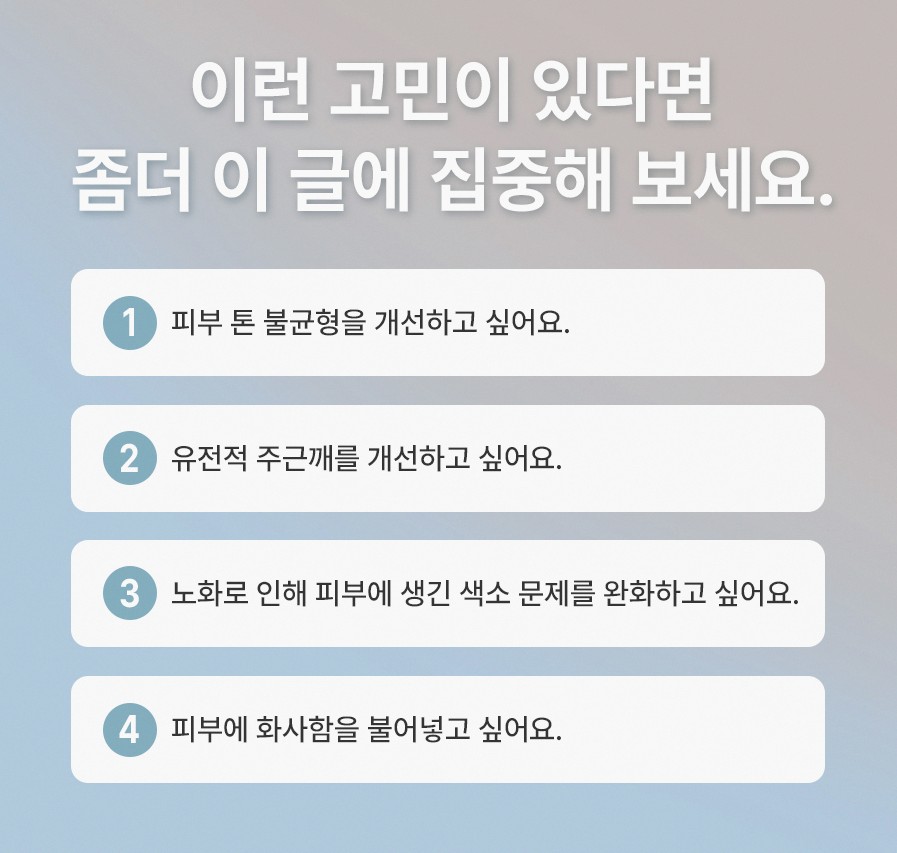
Toning passes can be done over the whole face or specific zones such as cheeks, forehead, upper lip, or temples. The goal is to improve general brightness, balance, and texture while respecting the skin barrier.
Who may consider pigmentation laser toning
Typical candidates
You may be a good candidate for pigmentation laser toning if you:
Have overall dullness or uneven tone rather than only one or two isolated spots
Struggle with melasma that tends to darken with sun or heat
Have mixed pigmentation from sun exposure, past acne, and early aging
Prefer minimal downtime and need to return quickly to work or social life
People with darker or more sensitive skin can often benefit from low-fluence toning, but they require especially careful adjustment of energy and intervals.
When toning may not be the main solution
Some deep or congenital lesions, such as Ota nevus, often need more targeted high-energy or pico protocols in addition to or instead of classic toning. Also, if you have active skin infections, severe irritation, or are pregnant, your doctor may recommend postponing or modifying treatment.
An in-person consultation is needed to review your medical history, medications, hormonal factors, and sun habits before deciding whether laser toning is appropriate.
Devices and technology used for pigmentation and toning
Multiple laser platforms for different pigment depths
In Cheongdam, Gangnam, some clinics use a range of premium devices to address different pigment depths and associated concerns. Not every patient needs every device; instead, the doctor selects and combines them based on your skin and goals. Common technologies include:

PicoWay
A picosecond laser that delivers very short pulses to break pigment into fine particles. It can be used for pigment, toning, and certain deeper lesions, often with less downtime compared to some older technologies.
GentleMax Pro
A platform that combines alexandrite and Nd:YAG wavelengths. It is used not only for pigment but also for hair removal and some vascular issues. For pigmentation, it can help with sun spots and age spots, especially in lighter skin types, when parameters are carefully chosen.
Vbeam Perfecta
A vascular laser that targets blood vessels and redness. It becomes useful when redness and visible vessels coexist with pigmentation, such as in some cases of post-inflammatory changes or rosacea-like flushing with dark spots.
Fraxel Dual, fractional eCO2, Fotona
Fractional resurfacing lasers create microscopic treatment zones to improve texture, scars, and fine lines. When pigment problems occur together with acne scars or rough texture, fractional devices may be combined with toning to address both color and surface quality.
AdvaTx and other platforms
Some clinics also use devices like AdvaTx and other energy-based platforms to treat redness, vessels, and pigment at the same time. The exact combination depends on your skin type, pigment depth, and tolerance for downtime.
Holistic skin analysis and planning
Advanced imaging tools
To plan pigmentation care, some Cheongdam clinics use holistic skin analysis tools such as Visia or Vectra within broader skincare and beauty programs. These systems can:

Visualize UV damage and hidden pigmentation that is not yet visible to the naked eye
Measure redness, pores, and texture alongside pigment
Provide standardized before-and-after images to track progress over multiple sessions
This objective data helps the doctor adjust your protocol if certain areas improve more slowly or if new sun damage appears.
Consultation and protocol design
During your consultation, the doctor will typically:
Review medical history, medications, and any hormonal factors such as pregnancy, oral contraceptives, or menopause
Ask about sun exposure, outdoor hobbies, and previous treatments that may have irritated or sensitized your skin
Identify potential triggers such as heat, friction, harsh skincare, or chronic irritation
Decide whether to start with gentle toning alone, combine it with topical brightening agents, or add fractional lasers or RF microneedling later for texture and scars
Clinique hus,hu also integrates anti-aging concepts at the cellular level, offering separate cell-based anti-aging injections and maintaining an in-house cell research lab. For pigmentation, this background supports combination plans that not only target pigment but also aim to improve skin resilience and recovery.
What happens during a pigmentation laser toning session
Before treatment
On the day of your session, the process usually includes:
Makeup removal and gentle cleansing to ensure the skin surface is clean
Standardized photography and, when available, device-based skin analysis to document your baseline
Marking or noting specific areas of concern such as cheeks, forehead, upper lip, jawline, or temples
A brief review of any recent sun exposure, new medications, or skin reactions since your last visit
During treatment
The laser toning itself typically involves:
Low-fluence laser passes over the entire face or targeted zones
A sensation of mild warmth, tingling, or light snapping on the skin
A treatment duration of about 10 to 30 minutes depending on the area and device

Most patients tolerate toning without strong anesthesia. For more sensitive individuals, a topical numbing cream may be applied beforehand, especially if fractional or RF devices are added in the same visit.
After treatment
Immediately after laser toning, you may notice:
Mild redness or warmth that usually settles within a few hours
Slight darkening of certain spots or micro-crusting that can last a few days before gradually lightening
A feeling of dryness or tightness that improves with proper moisturizing
Post-treatment care focuses on soothing and protection. High-SPF broad-spectrum sunscreen is applied, and you will receive instructions on how to care for your skin over the next few days.
Treatment course, results, and realistic expectations
Course-based approach, not a one-time fix
Pigmentation laser toning is designed as a series of sessions rather than a single procedure. A typical schedule might be one session every 1 to 4 weeks, depending on your skin type, device choice, and how your skin responds.
Many patients see gradual brightening and more even tone after several sessions, often in the range of 5 to 10 or more. The exact number varies widely, especially for melasma or deeper pigment.
Expected improvements
With a properly planned course, you may notice:
Brighter overall tone and reduced dullness
Softening and lightening of melasma patches and sun spots
More even color between the cheeks, forehead, and jawline
Smoother texture when toning is combined with fractional or RF treatments
However, results are gradual and subtle from session to session. Photos and skin analysis tools can help you see changes that may be less obvious day to day.
Realistic expectations for melasma and deep pigment
Melasma is a chronic, relapsing condition influenced by hormones and sun. It often improves with laser toning and topical care, but it rarely disappears permanently. Maintenance sessions and strict sun protection are essential to help keep it under control.
Deep or congenital lesions such as Ota nevus may require specific high-energy or pico protocols and more sessions. In some cases, complete clearance is not possible, but significant lightening can still be a goal.
Combination treatments and clinic strengths
Combining toning with skin repair and anti-aging
Some Cheongdam clinics, including Clinique hus,hu, focus on anti-aging at the cellular level. In addition to pigmentation programs, they may offer:
Cell-based anti-aging injections such as autologous exosomes or stem cell-related approaches as separate programs
An in-house cell research lab to support development and monitoring of cell-related therapies
For pigmentation and toning specifically, combination strategies can include:
Pairing laser toning with skin repair injections such as PDRN or skin boosters to support barrier recovery, hydration, and reduced inflammation
Adding RF microneedling or fractional lasers when scars, enlarged pores, or rough texture coexist with pigment issues
Integrating toning into broader holistic skincare and medical premium aesthetic programs for long-term maintenance
The clinic’s broad lineup of more than 20 devices, including platforms like Ulthera, Thermage FLX, and Emface, allows protocols to be tailored to both pigment and structural aging, although not every patient will need or benefit from all of these technologies.
Safety, side effects, and precautions
Possible side effects
Like any medical procedure, pigmentation laser toning has potential side effects. These may include:
Temporary redness, swelling, or dryness
Short-term darkening of spots or micro-crusting before they lighten
Mild sensitivity to skincare products for a few days
More serious but less common risks include burns, post-inflammatory hyperpigmentation (new darkening), or hypopigmentation (light patches) if parameters are inappropriate or if aftercare is not followed.
How to reduce risks
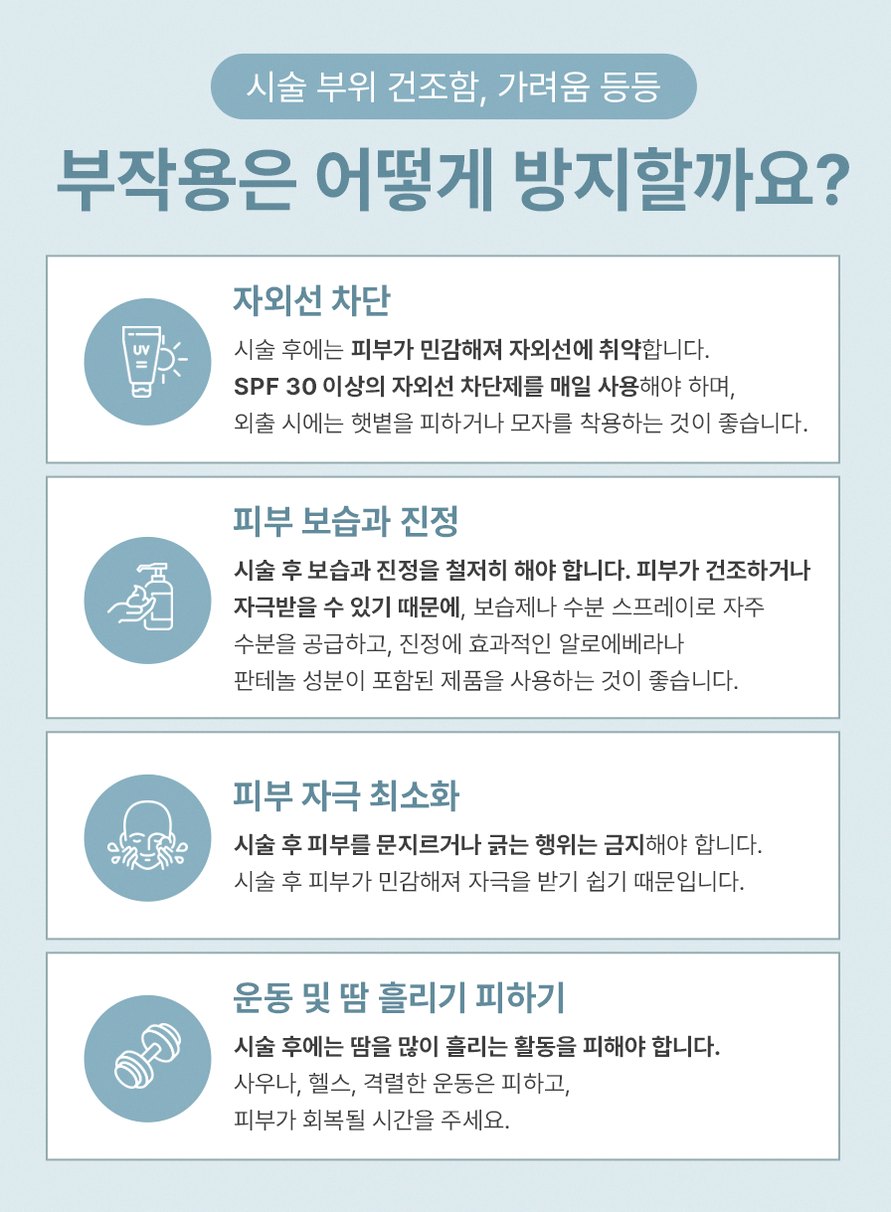
To minimize risks, it is important that experienced doctors adjust energy and intervals for your specific skin type, especially if you have darker or very sensitive skin. Key safety points include:
Avoiding overly aggressive, high-fluence treatments for melasma, which can cause rebound darkening
Using conservative settings at the beginning and adjusting gradually based on your response
Applying broad-spectrum sunscreen daily and avoiding tanning beds
Following instructions about pausing strong acids, retinoids, or exfoliating products before and after sessions if advised
If you notice unusual pain, blistering, or prolonged darkening, you should contact the clinic promptly for guidance.
Aftercare and lifestyle tips
Immediate aftercare
In the first few days after pigmentation laser toning, focus on:
Gentle cleansing with a mild, non-foaming or low-foam cleanser
Regular moisturizing to support the skin barrier
High-SPF broad-spectrum sunscreen, reapplied during the day if you are outdoors
Avoiding hot baths, saunas, and intense exercise if your skin is very flushed
Not picking or scratching any darkened spots or micro-crusts
Long-term habits for better, longer-lasting results
Long-term lifestyle and skincare habits are just as important as the laser itself. Helpful practices include:
Daily sun protection with SPF, hats, and shade-seeking behavior
Using pigment-controlling topical products prescribed or recommended by your doctor, such as certain brightening agents or retinoids, when appropriate
Managing triggers such as heat exposure, friction from masks or helmets, and harsh scrubs
Discussing hormonal factors with your doctor if you are on oral contraceptives, hormone therapy, or planning pregnancy
Online consultation and pre-visit preparation for overseas patients
Preparing from abroad
If you are planning to travel to Seoul for pigmentation laser toning, an online consultation is a practical first step. Before your video or messaging consultation, prepare:
Clear photos of your face in natural light from the front and both sides
A list of your current skincare products, especially any acids, retinoids, or bleaching creams
Information on previous laser or light treatments and how your skin reacted
Your medical history, medications, and any known allergies
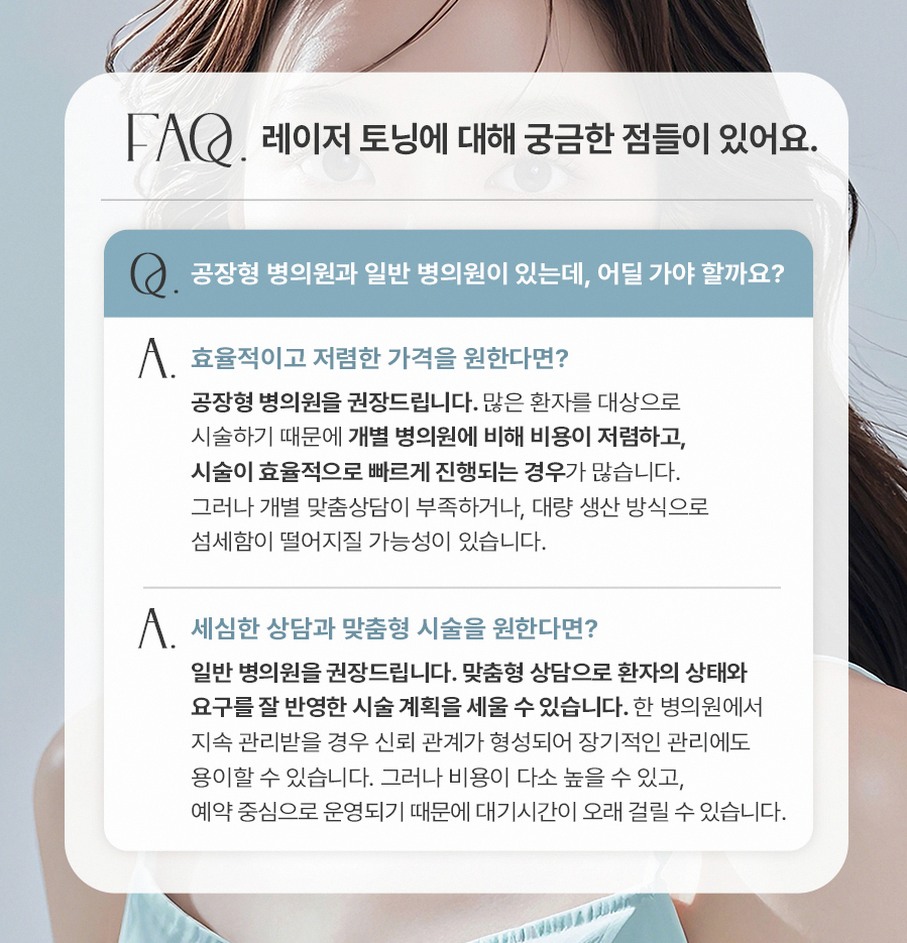
During the online consultation, you can discuss whether your pigmentation looks suitable for laser toning, how many sessions might realistically fit into your travel schedule, and what kind of maintenance you may need once you return home.
Questions to ask before booking
To make an informed decision, you may want to ask the clinic:
Which laser devices do you usually use for my type of pigmentation?
How do you adjust settings for my skin tone and sensitivity?
What is the expected downtime and when can I wear makeup again?
How many sessions are typically recommended for someone with my condition?
Can I combine toning with skin boosters or anti-aging treatments during the same trip?
Expected Korea visit timeline for pigmentation laser toning
Short stay (1–2 weeks)
If you are in Seoul for only a short period, you may:
Have a detailed in-person consultation and skin analysis
Receive 1–2 initial laser toning sessions, spaced several days apart if appropriate
Start a topical home-care plan to continue after returning home
In this case, the focus is on safe introduction of treatment, setting realistic expectations, and giving you a plan for maintenance and possible future visits.
Medium stay (3–4 weeks)
With a longer stay, it may be possible to:
Complete 3–4 sessions of low-fluence toning at intervals recommended by your doctor
Combine toning with gentle skin boosters or mild fractional treatments if suitable
Monitor your response over several weeks and fine-tune parameters
Longer course (multiple visits over months)
For chronic conditions like melasma or deeper pigment, the most effective approach is often a course of treatments spread over several months. Some overseas patients plan repeat trips to Seoul at intervals, combining each visit with several sessions and follow-up assessments.

Between visits, you can stay in touch with the clinic via online consultation, sending updated photos and discussing any changes in your skin or lifestyle.
FAQ about pigmentation laser toning
How many pigmentation laser toning sessions do I usually need?
The number of sessions varies depending on your skin type, the depth and type of pigmentation, and how your skin responds. Many people begin to see noticeable brightening after several sessions, often around 5 to 10, but melasma and deeper pigment may require more. Your doctor will reassess after each visit and may adjust the plan as your skin changes.
Is laser toning safe for melasma and sensitive skin?
Laser toning can be used for melasma and sensitive skin when performed with low fluence and careful monitoring. The key is to avoid aggressive settings that can trigger rebound darkening. A thorough consultation, test spots if needed, and gradual adjustments help improve safety. Individual responses differ, so ongoing communication with your doctor is important.
Will my pigmentation come back after treatment?
Pigmentation is influenced by sun exposure, hormones, genetics, and lifestyle. Even after successful laser toning, new spots can form and melasma can reappear if triggers are not controlled. Consistent sun protection, appropriate skincare, and occasional maintenance sessions can help maintain results, but complete and permanent removal cannot be guaranteed.
Can I combine pigmentation laser toning with other anti-aging or skin booster treatments?
Yes, many patients combine laser toning with skin boosters, PDRN injections, or anti-aging treatments, depending on their skin condition and schedule. Combining treatments can address both color and texture or firmness in a coordinated way. The timing and order of procedures should be planned by your doctor to avoid over-stressing the skin.

What is the downtime like, and when can I wear makeup again?
Most pigmentation laser toning sessions involve minimal downtime. Mild redness usually settles within hours, and slight darkening of spots can last a few days. Many people can wear light makeup the next day, but this depends on the exact devices used and your skin’s sensitivity. Your doctor will give you specific guidance after each session.
Soft call to action
If you are considering pigmentation laser toning in Cheongdam, Gangnam, and would like a personalized plan for melasma, sun spots, or uneven tone, you can start with an online consultation. By sharing photos, your history, and your travel schedule, clinics such as Clinique hus,hu can help you understand which laser combinations may suit you, how many sessions to expect, and how to coordinate treatment with your time in Seoul.
This article is for general information only and does not replace a face-to-face consultation with a qualified medical professional. Individual assessment and personalized medical advice are essential before deciding on any treatment.
- 공유 링크 만들기
- X
- 이메일
- 기타 앱


댓글
댓글 쓰기