Silhouette Soft aftercare in Seoul: 2–4 week recovery
- 공유 링크 만들기
- X
- 이메일
- 기타 앱
Thread lift aftercare summary for overseas patients
[Thumbnail]https://iwriting.co.kr/media/transformed/9965c1a15b6d4716bd04a238647889df.jpg
After a Silhouette Soft thread lift, your face needs time to settle and heal around the new support created by the threads. For the first 2 to 4 weeks, protecting the treated area from pressure, heat, and strong movement is essential. Expect some swelling, tightness, and mild bruising, which usually improve within 1 to 2 weeks. Contact your clinic promptly if you notice sudden pain, redness, visible threads, or fever.
This guide is written for international patients considering Silhouette Soft thread lifting in Cheongdam, Gangnam, Seoul, including those planning a visit to Clinique hus,hu. It focuses on what happens after the procedure, how to care for your face, and how to plan your trip so you can recover comfortably in Korea and at home.
Silhouette Soft thread lift overview
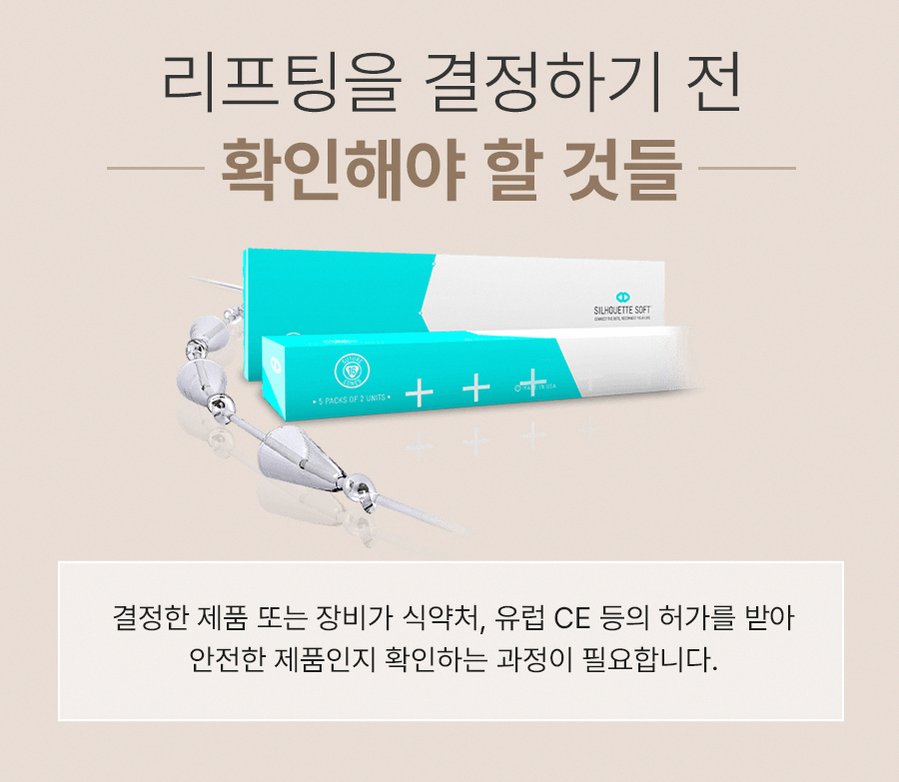
Silhouette Soft is a minimally invasive thread lift that uses absorbable threads with tiny bidirectional cones along their length. These cones gently catch and reposition sagging tissue, especially in areas such as the midface, jawline, and neck.
The threads provide two main effects. First, there is an immediate mechanical lift as the cones anchor and elevate the tissue. Collagen is a structural protein that helps keep skin firm and elastic, so this gradual response can support longer lasting contour and tightening.
Unlike a surgical facelift, Silhouette Soft is typically performed under local anesthesia. The doctor makes small entry points with a fine needle or cannula, passes the threads under the skin, and adjusts the lift by gently tightening them. Procedure length varies with the individualized treatment plan; your clinic will provide an estimated duration during consultation.
This article focuses on aftercare for Silhouette Soft and similar absorbable thread lifts, not surgical facelifts or filler injections. While the procedure is less invasive than surgery, it still involves controlled tissue trauma and the placement of foreign material that must integrate smoothly. Good aftercare helps reduce swelling and bruising, supports collagen formation, and lowers the risk of complications.
Who may consider Silhouette Soft when visiting Korea
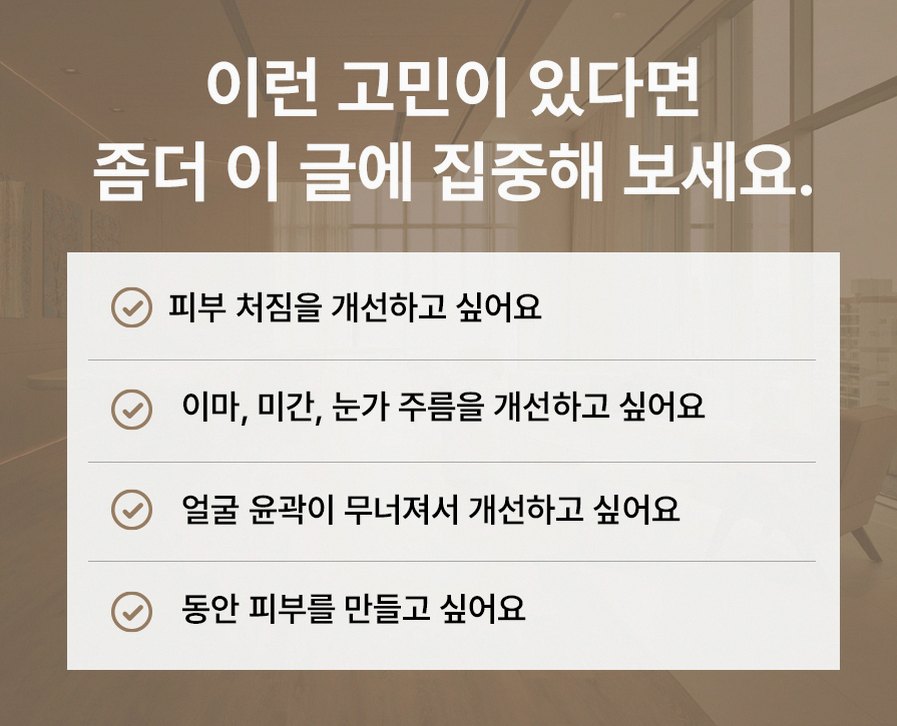
Silhouette Soft thread lifting may be considered by adults who notice early to moderate sagging in the cheeks, jawline, or neck and want a lifting effect without full surgery.
Typical candidates include people who:
Have mild to moderate jowls or a less defined jawline.
See flattening or descent of the midface or cheek area.
Want to improve facial contour with a relatively short downtime.
Are comfortable with gradual, natural looking improvement rather than a dramatic surgical change.
People with very heavy sagging, significant excess skin, or very thin and fragile skin may need a different or combined approach. A consultation with an experienced aesthetic medicine specialist is necessary to decide whether Silhouette Soft alone, or in combination with other treatments such as ultrasound tightening or regenerative procedures, is suitable.
What to expect right after a Silhouette Soft thread lift
Immediately after the procedure, you can usually go back to your accommodation the same day. However, your face will not look or feel completely normal yet.
Common early reactions include:
Mild to moderate swelling, especially along the thread paths.
Tenderness or soreness when you touch the treated areas.
A tight or pulling sensation when you move facial muscles, smile, or chew.
Bruising around the entry points or along the thread line.
Slight asymmetry or dimpling can appear in the first few days. This is often due to a combination of swelling and the fact that tissues have just been repositioned and are still adapting. In many cases, these small irregularities soften as swelling goes down and the tissue relaxes around the threads.
General recovery timeline
Same day: You can usually walk out of the clinic and return to your hotel or home. Some people feel comfortable going out with minimal social interaction.
First 2 to 3 days: Swelling and tightness are most noticeable. Bruising may become more visible as it changes color.
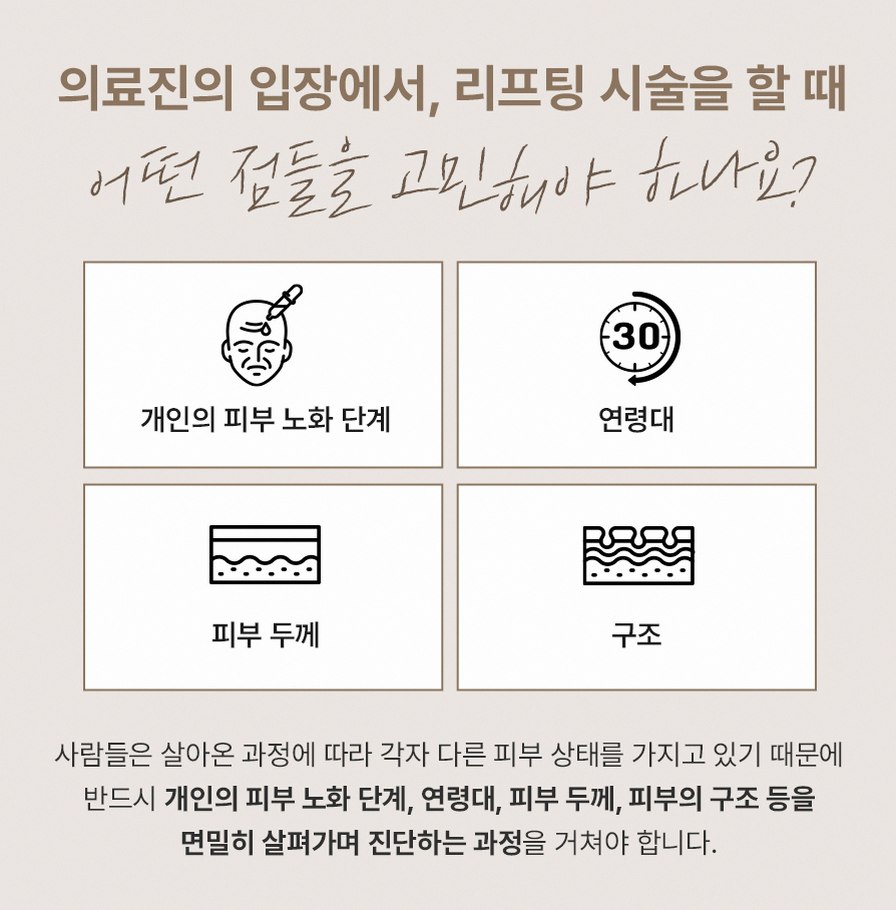
Days 4 to 7: Swelling and bruising usually start to improve. Many people feel comfortable returning to light social activities, depending on how visible the bruising is and how they feel about it.
Weeks 2 to 4: Most visible swelling is gone. The lift looks more natural as tissues settle. Tightness may still be noticeable with certain facial movements but usually becomes less obvious.
Months 2 to 6: Collagen remodeling continues around the threads, contributing to subtle tightening and support. The threads gradually absorb over time while the new collagen remains.
Day by day and week by week aftercare guidelines
First 24 hours
Keep the treated area clean and dry. Avoid touching or pressing on your face unless you are following specific instructions from your doctor.
Use cold compresses intermittently to reduce swelling. Wrap an ice pack or cold gel pack in a clean cloth and gently place it near, not directly on, the thread paths. Do not apply strong pressure.
Sleep with your head elevated on two pillows or in a semi upright position. This helps limit swelling.
Only take medications prescribed by your treating doctor. Your clinician will advise whether pain relief, antibiotics, or anti-inflammatory medications are appropriate for your case. Do not take additional over-the-counter medicines without checking with your doctor, especially if you are already taking other medications.
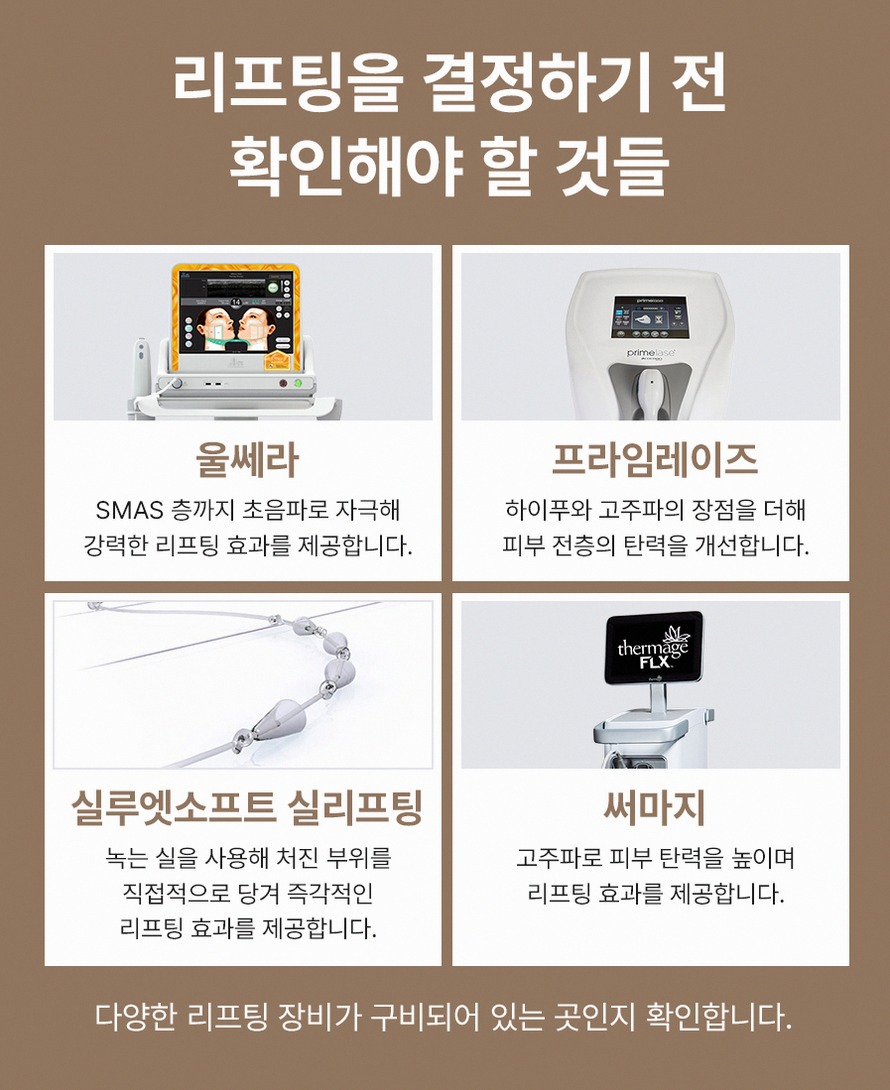
Avoid alcohol and smoking, as they can worsen swelling and slow healing.
Days 2 to 7
Continue sleeping on your back, with your head slightly elevated. Avoid side sleeping and face down positions that can shift the threads.
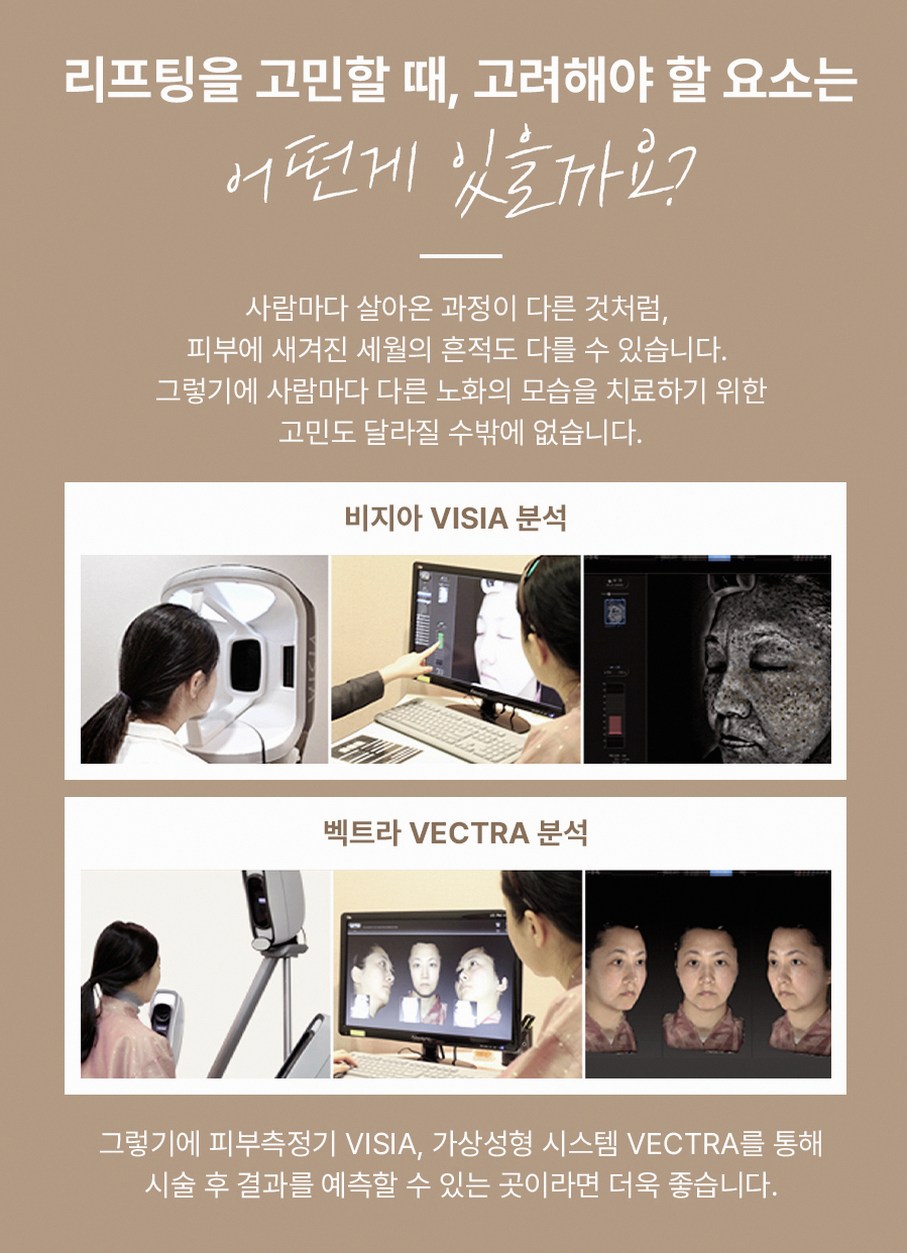
Avoid exaggerated facial movements such as wide yawning, very big laughter, or chewing very hard or sticky foods. Choose softer foods that do not require strong chewing.
Do not apply makeup directly on the entry points until they are fully closed and there is no oozing or crusting. Your clinic will usually tell you when it is safe, often after a few days if healing is smooth.
Gently cleanse your face with mild, non foaming or low foaming products. Avoid scrubs, cleansing brushes, and products with strong acids or retinoids.
Avoid alcohol, smoking, saunas, hot baths, steam rooms, and intense exercise. Heat and increased blood flow can worsen swelling and bruising.
If you need to sneeze or cough, try to support your face lightly with your hands without pressing on the treated zones, to reduce sudden pulling.
Weeks 2 to 4
You can usually return gradually to normal facial expressions and a regular diet, but still be mindful of very wide mouth opening. If you need dental treatment that requires your mouth to stay wide open for a long time, ask your doctor when it is safe to schedule it. Often, it is better to wait a few weeks.
Continue to avoid facial massages, gua sha tools, rollers, and any aesthetic treatments that involve pressure, pulling, or strong vibration over the treated area.
Light exercise such as walking or gentle stretching is usually allowed after about 1 to 2 weeks, depending on how you feel and your doctor’s advice. High impact workouts, heavy lifting, and contact sports should be delayed longer, often 3 to 4 weeks or more.
Monitor your face for any persistent dimpling, visible thread under the skin, or increasing pain. Mild dimpling can be normal early on, but if it does not improve or if it worsens, contact your clinic.
After 1 month
Most people can return to their usual daily activities, exercise, and skincare routines if healing is stable and there are no complications.
However, collagen stimulation and subtle tightening continue for several months. During this period, maintaining a healthy lifestyle helps support results. This includes not smoking, limiting alcohol, eating a balanced diet, staying hydrated, and protecting your skin from the sun.
Skincare, makeup, and device treatment precautions
Skincare
In the first weeks, focus on gentle, hydrating products. Use a mild cleanser, a soothing toner or essence if you like, and a light moisturizer that does not sting.
Avoid strong exfoliants such as high concentration AHA or BHA acids, physical scrubs, and retinoids until your doctor says they are safe to restart. These can irritate healing skin.
Daily sunscreen is important, especially if you have bruising or mild redness. Sun exposure on healing tissue can increase the risk of pigmentation changes. Choose a broad spectrum sunscreen and apply it gently, without heavy rubbing.
At home devices that vibrate, suck, or pull the skin, such as some cleansing devices or lifting gadgets, should be avoided over the treated areas for at least several weeks, or longer if advised.
Makeup
Once the entry points have closed and there is no discharge or scabbing, you can usually apply makeup to camouflage bruising.
Use clean brushes, sponges, or applicators to reduce infection risk. Wash them regularly.
Apply and remove makeup with light strokes. Avoid pressing or dragging the skin over the thread paths.
Other treatments and devices
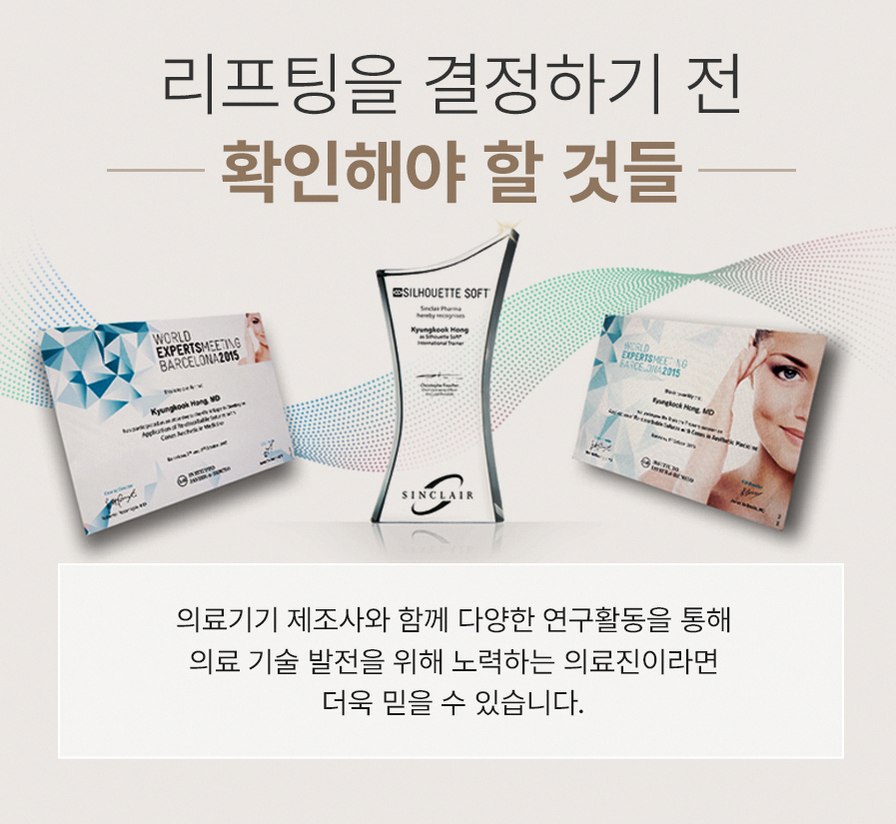
Energy based treatments such as radiofrequency, ultrasound, and lasers are sometimes combined with thread lifting as part of a broader anti aging plan. However, timing and settings must be carefully adjusted.
If you plan to have device based treatments after your thread lift, they should be coordinated by the same medical team, or at least in close communication with your original doctor. Incorrect timing or excessive energy in the wrong area may interfere with the threads.
Do not book random additional treatments at different clinics without informing them about your threads. Always mention that you have had a Silhouette Soft thread lift, when it was done, and which areas were treated.
Activities and habits to avoid after Silhouette Soft
To help the threads stabilize and the tissue heal, it is usually recommended to avoid the following for a defined period, often 2 to 4 weeks or as advised individually.
Sleeping on your side or face down. Pressure from the pillow can shift threads or create asymmetry.
Rubbing, pulling, or massaging your face, including during cleansing or when drying with a towel.
Chewing very hard or sticky foods that require strong jaw movements, especially in the first week.
Saunas, hot yoga, steam rooms, and very hot baths, which can increase swelling and bruising.
Intense workouts and contact sports that involve impact, sudden movements, or risk of being hit in the face.
Facial massages, manual lymphatic drainage over the face, and aggressive spa treatments.
Trying to adjust the threads yourself at home. If you feel a lump or see a small irregularity, do not push or pull on it. Contact your clinic for advice.
Warning signs: when to contact the clinic
Some discomfort and visible changes are normal after a Silhouette Soft thread lift. However, it is important to know when to seek medical attention.
Normal early symptoms can include:
Mild to moderate pain or soreness that improves with prescribed pain relievers.
A feeling of tightness or pulling when you move your face.
Small bruises or slight dimpling that gradually soften.
Concerning signs that should prompt you to contact your clinic include:
Rapidly increasing pain, redness, or swelling, especially if it is localized and warm to the touch. This may suggest infection or another complication.
Fever or general malaise in the days after the procedure.
Visible thread protruding through the skin or inside the mouth.
Severe or persistent asymmetry that does not improve as swelling goes down.
Hard nodules, pus, or discharge at the entry points.
If you are traveling from overseas and have already returned home, contact the clinic where you had the procedure for guidance. They may coordinate with a local doctor if an in person visit is needed.
How a specialized anti aging clinic manages thread lift aftercare
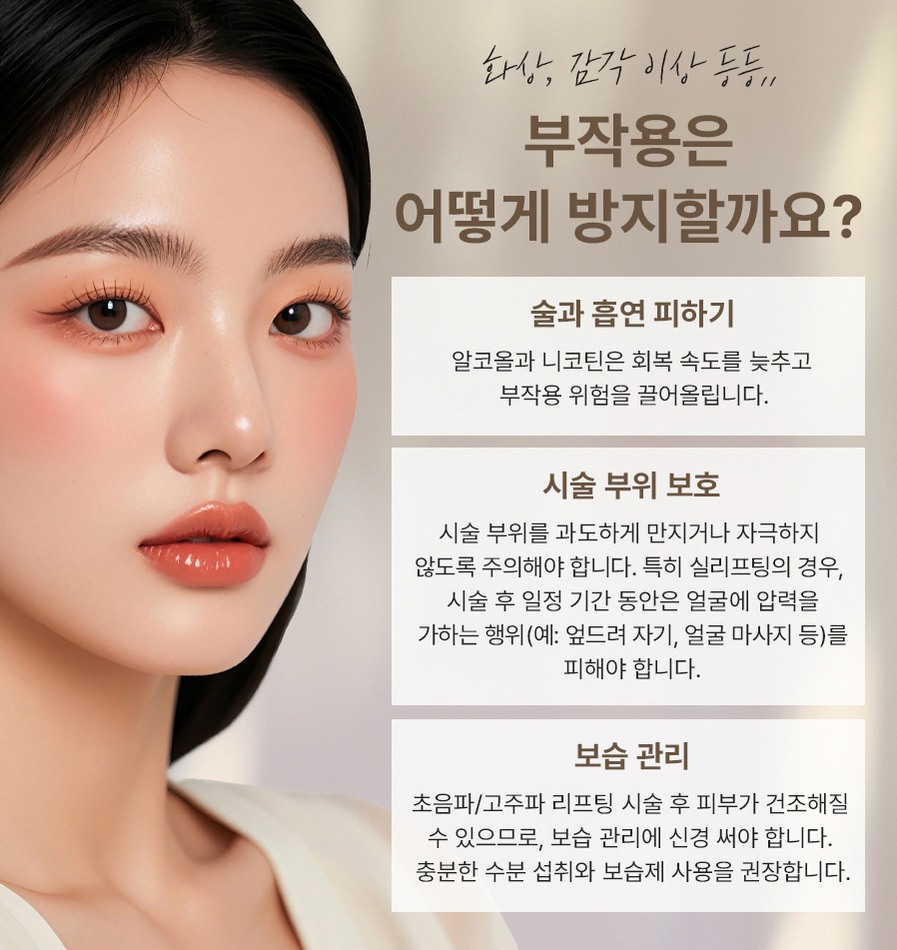
Having Silhouette Soft threads placed in a clinic that is experienced with lifting procedures and aftercare can make a meaningful difference in safety and comfort.
A specialized anti aging clinic typically offers:
Medical staff with experience in facial anatomy, thread placement, and complication management.
Access to multiple lifting technologies, such as different thread types and energy based devices like ultrasound or radiofrequency, allowing them to design a personalized plan rather than relying on a single method.
Structured follow up protocols, including scheduled check ups to monitor thread position, healing progress, and overall facial balance.
Some centers in Cheongdam, Gangnam, including Clinique hus,hu, integrate thread lifting with regenerative and cell focused treatments. This approach aims to support both immediate lifting and longer term skin quality.
Aftercare instructions may be adjusted if you receive combined treatments, such as Silhouette Soft plus collagen stimulating injections or device based tightening. In that case, your doctor will usually give a step by step schedule explaining when each treatment occurs and how to care for your skin at each stage.
Online consultation and pre visit preparation for overseas patients
If you are traveling to Seoul for a Silhouette Soft thread lift, an online consultation before your trip is very helpful.
During an online consultation, you may be asked to:
Share clear photos of your face from the front and both sides, in good lighting.
Explain your main concerns, such as sagging around the jawline, smile lines, or neck.
List any previous procedures, including fillers, other thread lifts, or device treatments, and when they were done.
Provide a brief medical history, including medications, allergies, and any bleeding or healing issues.
Questions you may want to prepare include:
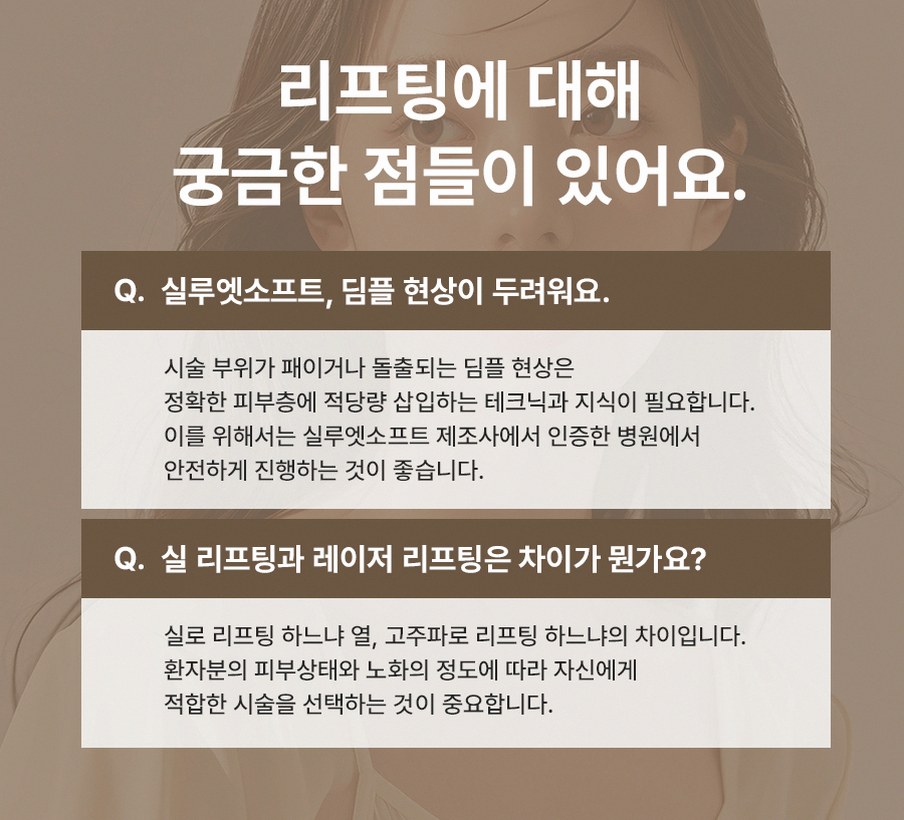
Is Silhouette Soft suitable for my degree of sagging, or should I consider a different or combined treatment?
How many threads are likely to be used, and which areas will be targeted?
What level of swelling or bruising should I expect, based on my plan?
How many days should I stay in Korea after the procedure before flying home?
What follow up options are available once I return to my country?
Bringing a written list of your questions helps you make the most of your consultation and compare clinics beyond just cost. It is useful to ask about the type of threads used, the number of threads, whether any device treatments are included, what kind of anesthesia is used, the expected recovery schedule, and what aftercare support is available.
Expected Korea visit timeline for Silhouette Soft
Although exact schedules vary, many overseas patients follow a similar pattern when visiting Seoul for a Silhouette Soft thread lift.
Day 1: Arrival and rest. Some patients have an in person consultation on the same day, especially if they had an online consultation before.
Day 2: In person consultation and procedure. The doctor confirms the plan, examines your skin and facial structure, and then performs the thread lift if you decide to proceed.
Days 3 to 5: Early recovery in Seoul. Swelling and bruising are most visible during this period. You may have a short follow up visit to check the entry points and overall condition.
Recovery varies between individuals. Discuss your travel plans with your treating clinic during the previsit consultation so they can advise how long to remain in Seoul before flying. Some patients are able to travel after several days if healing is stable, but follow your doctor's specific recommendation; if you're concerned about visible bruising, you may wish to plan extra recovery time.
If possible, plan at least a few full days in Seoul after the procedure before your flight. Long flights can increase swelling, so wearing a soft neck pillow and keeping your head slightly elevated during the journey can be helpful.
FAQ focused on thread lift aftercare
How long does swelling last after a Silhouette Soft thread lift?
Most swelling improves significantly within 7 to 14 days. The first 2 to 3 days are usually the most noticeable. Mild residual swelling or a feeling of tightness can last a bit longer, often a few weeks, but this is usually not obvious to others. If swelling suddenly increases after it had improved, or if it is accompanied by redness and pain, contact your clinic.
When can I wash my face and apply skincare products?
In many cases, you can gently wash your face with water and a very mild cleanser the day after the procedure, avoiding strong rubbing and taking care around the entry points. Your clinic will give specific timing based on how your skin looks. Basic hydrating skincare can often be resumed within a few days, but strong exfoliants and retinoids should be delayed until your doctor approves.
Is it safe to get dental treatment after a thread lift, and when?
Dental treatment that requires your mouth to open very wide for a long time can put tension on the threads, especially in the midface and jawline. For non urgent dental care, many doctors recommend waiting at least 2 to 4 weeks after a Silhouette Soft thread lift. If you have an urgent dental issue, discuss it with both your dentist and your thread lift doctor so they can coordinate the safest timing.
When can I exercise or go to the gym again?
Light walking is usually allowed soon after the procedure, as long as it does not cause discomfort. More intense exercise, such as running, weight training, or high impact classes, is often postponed for about 2 weeks or more, depending on your individual case. Activities with a risk of impact to the face or strong bouncing, such as contact sports, should be delayed longer. Always follow the specific guidance from your treating doctor.
What should I do if I feel a thread or see a small bump under the skin?
Feeling a thin line or a small bump along the thread path can be normal in the early stages, especially in areas with thinner skin. Do not press, massage, or try to move it yourself. Observe it for a few days. If it becomes painful, more visible, or does not improve, contact your clinic and, if possible, send photos. The doctor can decide whether it is a normal part of healing or if an in person check is needed.
How long do the results last, and does aftercare really affect longevity?
Silhouette Soft threads are absorbable. Some patients report a visible lifting effect that can last several months to over a year, but the duration varies widely with age, skin quality, lifestyle, and the number and placement of threads. Aftercare does not change the material's absorption rate, but it can influence how well threads integrate and how evenly collagen forms around them. Following aftercare instructions reduces the risk of early displacement, asymmetry, or complications that could shorten the lift's effective duration.
Conclusion: key takeaways for Silhouette Soft aftercare
Silhouette Soft thread lifting can offer a noticeable yet natural looking lift with relatively short downtime compared to surgery, especially when combined with thoughtful planning and disciplined aftercare.
The main pillars of good recovery are:
Follow your doctor’s instructions closely, especially in the first 2 to 4 weeks.
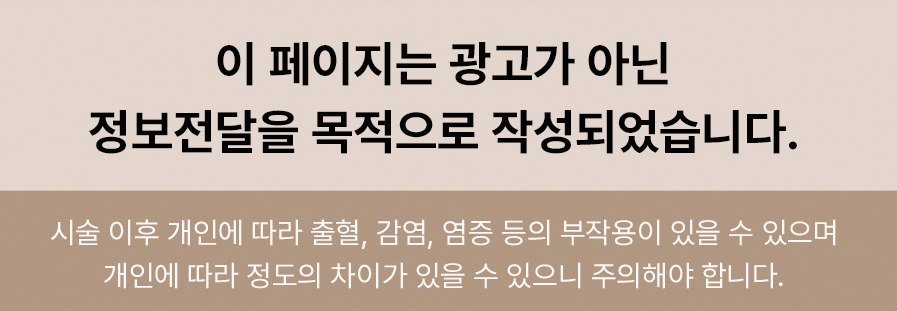
Protect the treated area from pressure, heat, and strong facial movements until the threads stabilize.
Seek timely help if you notice unusual pain, redness, visible threads, or other warning signs.
If you are considering a Silhouette Soft thread lift in Cheongdam, Gangnam, look for a clinic that offers thorough pre procedure counseling, clear written aftercare instructions, and structured follow up, not just the procedure itself. Clinics such as Clinique hus,hu that integrate thread lifting with a wider range of anti aging and regenerative options can help design a plan that fits both your facial structure and your travel schedule.
If you are an overseas patient planning a visit to Seoul, an online consultation before booking your flight is a practical first step. It allows you to understand whether Silhouette Soft is suitable for you, what kind of aftercare you will need, and how to plan your stay and return flight for a smoother, safer recovery.
- 공유 링크 만들기
- X
- 이메일
- 기타 앱


댓글
댓글 쓰기