Treat Hollows and Dark Circles Without Surgery
- 공유 링크 만들기
- X
- 이메일
- 기타 앱
Direct answer summary
Under eye filler is a non-surgical injectable treatment that adds gentle volume to hollow or sunken areas beneath the eyes. By filling the tear trough and smoothing the transition between the lower eyelid and the cheek, it can reduce shadow-based dark circles and create a more rested, refreshed appearance. It does not bleach pigment, and it is not suitable for everyone, so a careful in-person assessment with an experienced doctor is essential.
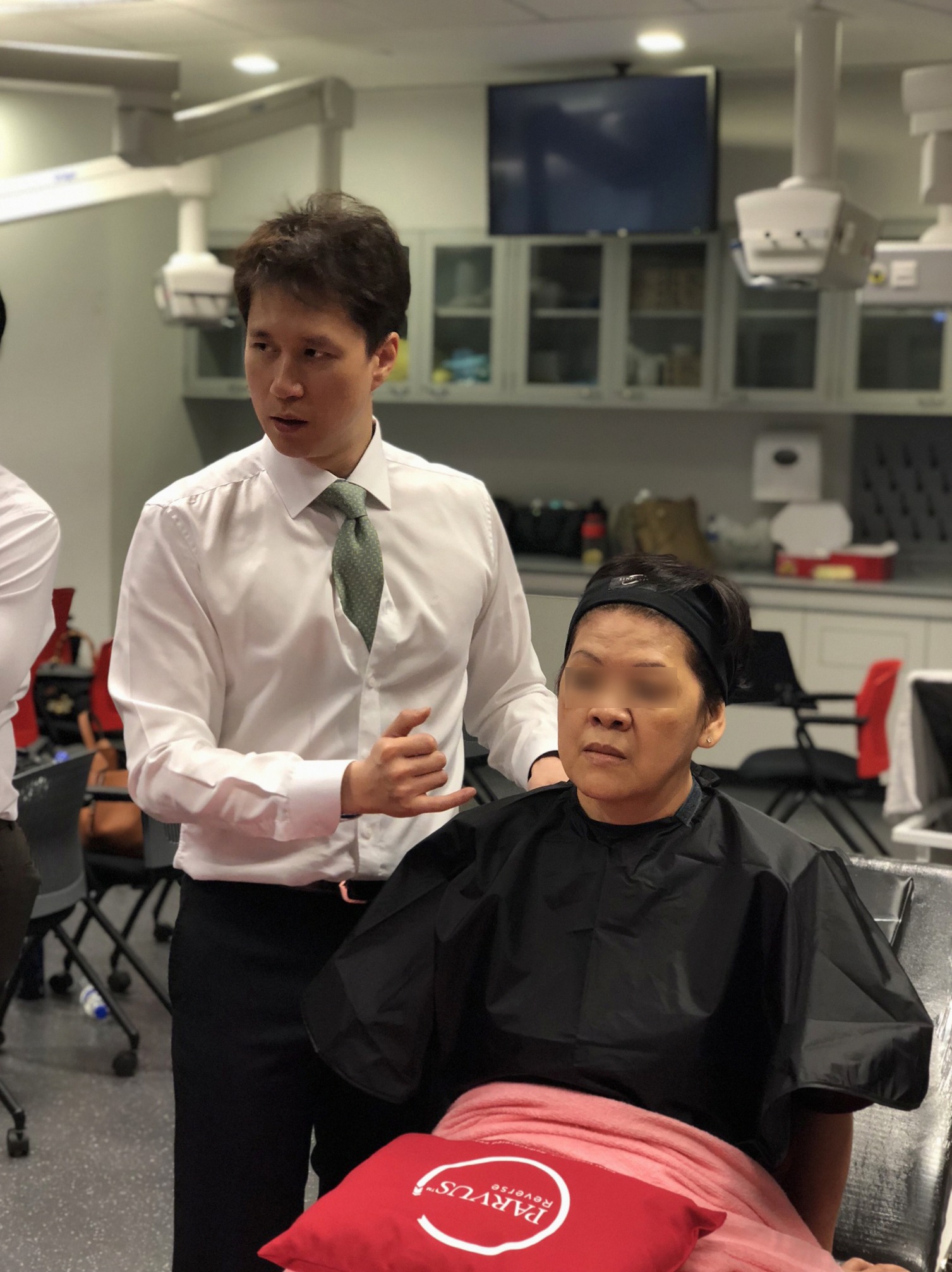
This guide explains what under eye filler is, who it may suit, how the procedure is done, what to expect during a visit to Seoul, and how to prepare as an overseas patient. As an example, some Cheongdam clinics in Gangnam, such as Clinique hus,hu, combine under eye filler with broader anti-aging care, but this article will focus on the filler treatment itself.
Overview of under eye filler
Under eye filler is an injectable treatment most commonly using hyaluronic acid filler. Hyaluronic acid is a gel-like substance that naturally exists in the skin and can attract water, helping to restore volume in areas that look sunken or tired.
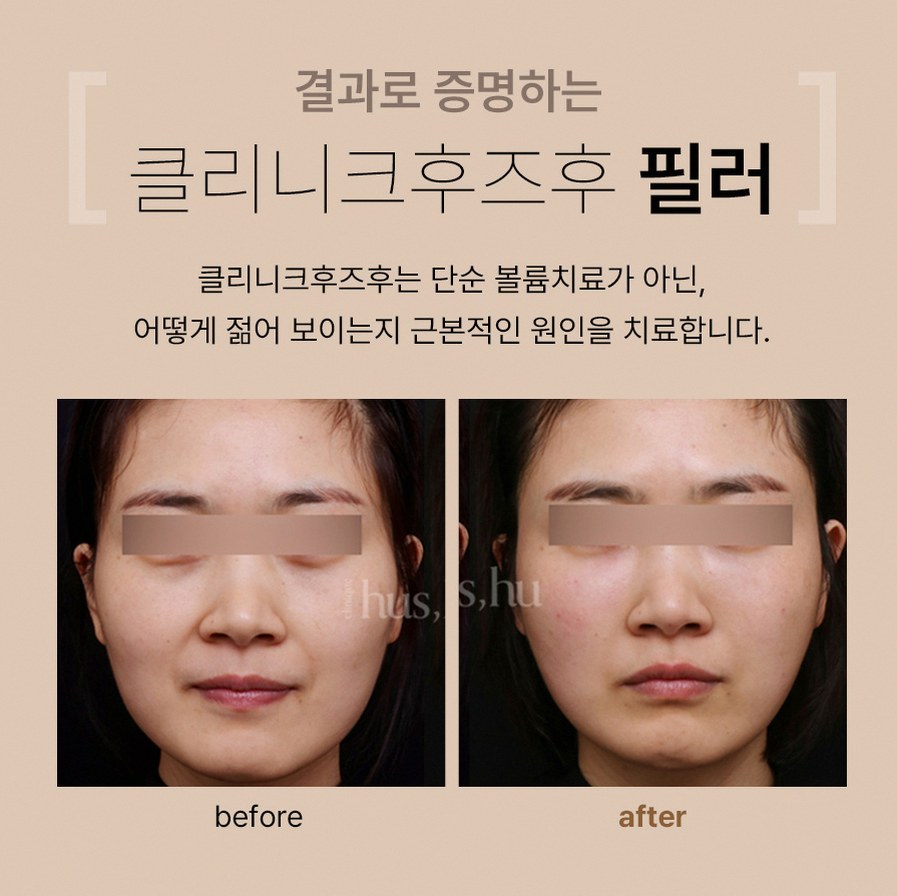
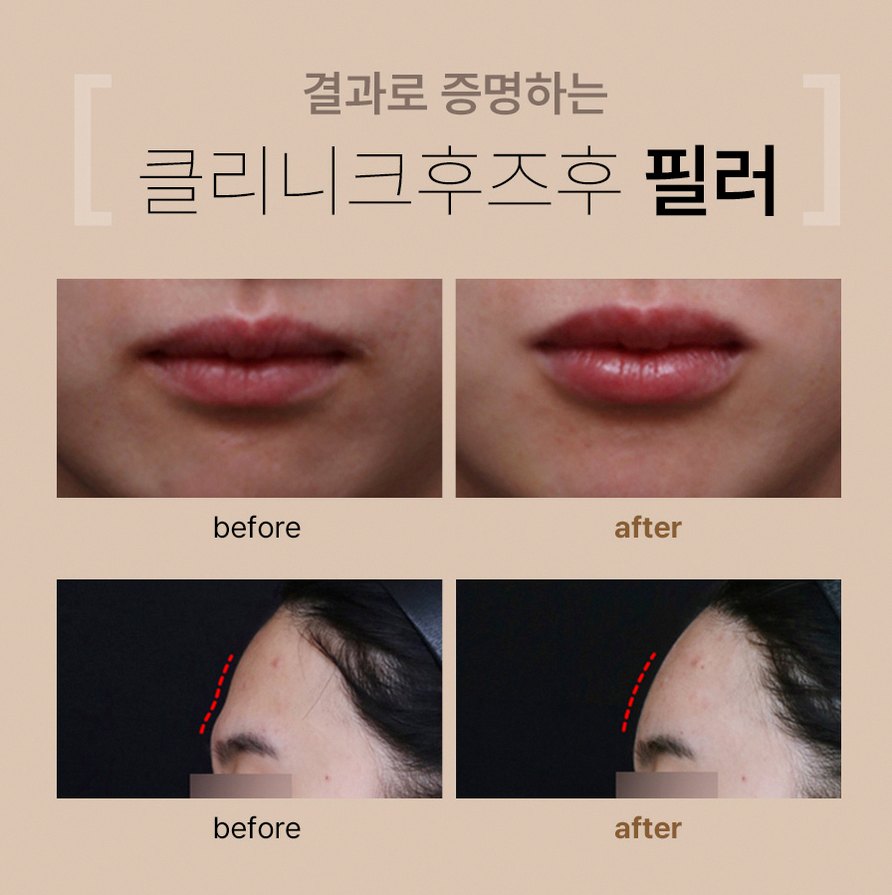
In the under-eye region, the doctor places small amounts of filler in the tear trough and surrounding areas. The goal is to soften the groove between the lower eyelid and the upper cheek, reduce the depth of hollows, and lessen the appearance of dark shadows caused by the contour.
It is important to understand that filler mainly changes shape, not color. If your dark circles are mainly from shadowing due to hollows, under eye filler can make a visible difference. If the darkness is mostly from pigment, visible blood vessels, or long-standing allergies, you may need additional treatments such as laser, light-based therapies, or skin-quality procedures.
For safety, doctors usually choose softer, cohesive hyaluronic acid fillers designed for delicate, thin skin. These products are placed at a careful depth to avoid lumpiness or a bluish tint. In some selected cases, collagen-stimulating fillers may be considered in surrounding areas, but hyaluronic acid is often preferred under the eyes because it can be dissolved if needed.
Who may consider under eye filler
Under eye filler is not only for older patients. Many people in their late 20s to 50s notice hollows or a tired look around the eyes even when they sleep well. You may consider a consultation for under eye filler if you recognize yourself in some of these situations.
You might be a good candidate if
You see a noticeable groove or hollow between the lower eyelid and the upper cheek, often called the tear trough.
You have dark circles that look worse in certain lighting because of shadows, rather than flat brown pigment.
Your skin under the eyes still has some elasticity and is not extremely loose or crepey.
You have early to moderate signs of aging around the eyes, such as mild volume loss and a slightly tired expression.
You want a subtle, natural improvement rather than a dramatic or overfilled look.
You may not be an ideal candidate if
You have prominent eye bags or bulging fat pads. In these cases, adding filler in front of the bags can sometimes make the area look puffier. Lower eyelid surgery or tightening treatments may be more suitable.
Your under-eye skin is extremely thin, crepey, and lined, where improving skin quality (for example with laser, microneedling, or regenerative injections) might be more important than adding volume.
You tend to retain fluid easily or wake up with very puffy under eyes. Filler can sometimes worsen this tendency.
Your dark circles are mostly from strong pigment or visible vessels, rather than hollows.
You expect complete removal of all darkness and lines. Filler can soften, not erase, every concern.
Because the under-eye area is complex, an in-person assessment is crucial. The doctor will look at your bone structure, midface volume, fat pads, skin thickness, and the exact cause of your dark circles before recommending filler or alternative treatments.
Consultation and assessment process
For overseas patients visiting Seoul, the consultation is a key step to decide whether under eye filler is appropriate and how to plan your treatment.
A typical consultation may include
Medical history: The doctor or staff will ask about your general health, medications, allergies, previous fillers or injections, and any eye surgeries or eye conditions.
Facial analysis: The doctor will examine your face from different angles, both at rest and while you smile. They will check your midface volume, cheek support, and the depth and position of your tear trough.
Dark circle assessment: The doctor will try to identify how much of your dark circles come from hollows, pigment, visible vessels, or skin texture.
Discussion of options: Depending on the findings, you may discuss under eye filler alone, filler combined with cheek or midface filler, or other treatments such as skin-tightening devices, laser, or surgery.
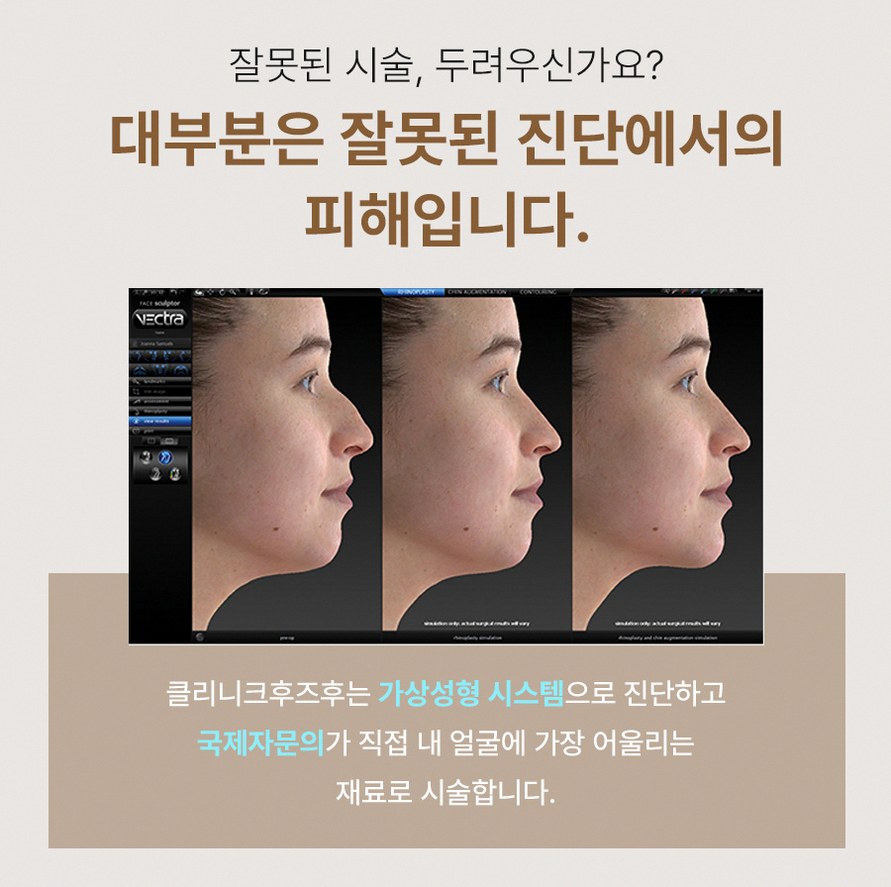
Some advanced clinics may use imaging tools or 3D analysis to plan volume and symmetry. In many cases, a small amount of cheek or midface filler is recommended first to support the under-eye area from below, then a conservative amount is placed directly in the tear trough only if still needed. This layered approach often gives a more natural, blended result.
In clinics with a broader anti-aging focus, the doctor may also talk about long-term skin and collagen care, not just a one-time filler session. This can include lifestyle advice, sun protection, and complementary treatments around the eyes.

How the under eye filler procedure is done
If you and your doctor decide to proceed, the under eye filler procedure is usually quick and performed in the clinic treatment room.
Step-by-step overview
Cleansing and disinfection: The skin around your eyes and upper cheeks is thoroughly cleaned and disinfected to reduce infection risk.
Marking: The doctor may mark key anatomical landmarks and planned entry points, considering your bone structure, vessels, and fat pads.
Numbing: A topical numbing cream is often applied, and many fillers also contain a local anesthetic to reduce discomfort.
Injection: The doctor uses either a very fine needle or a blunt-tipped cannula. The filler is usually placed deep, on or just above the bone, to avoid visible lumps and to create a smooth contour.
Shaping and checking: The doctor gently molds the filler with their fingers and checks symmetry while you are sitting up, since gravity and expression can change the appearance.
The visit for under‑eye filler is typically a short clinic appointment that includes assessment, preparation and aftercare guidance; total time varies with individual evaluation and any additional steps performed. The injection itself is brief, but exact timing depends on the treatment plan and the clinician's assessment.
Some clinicians use a blunt‑tipped cannula with the intention of reducing bruising and minimizing vascular risk, while others may choose needles or a combination of both depending on facial anatomy and the product selected. Ask your clinician which technique they recommend and why.
Results, longevity, and maintenance
Under eye filler aims for a rested, natural look rather than obvious volume. When performed conservatively, other people may simply comment that you look less tired, without realizing you had a procedure.
What results to expect
Softer hollows and a smoother transition between the lower eyelid and cheek.
Less shadowing under the eyes, especially in overhead lighting.
A fresher, more awake expression, even on days when you feel tired.
Many patients notice an early improvement after treatment, although swelling and temporary changes are common. The timeline for when results settle varies between individuals; discuss with your provider what to expect in your specific case.
The duration of under‑eye filler varies widely depending on the product used, individual metabolism, and the treatment area. Longevity is case‑by‑case, so ask your treating clinician for an expected timeline for your situation. Some people report that effects under the eyes can feel more durable than in very mobile areas such as the lips — discuss individual expectations with your provider.
Maintenance often involves smaller touch-ups rather than repeating the full initial volume. Your doctor may recommend a review visit after several months to check symmetry, longevity, and whether any additional support is needed in the cheeks or midface.
Lifestyle factors still matter. Sleep quality, allergies, salt intake, smoking, alcohol, and sun exposure can all affect how your under-eye area looks, even with filler in place. Managing these factors helps you maintain a better overall result.

Pain, downtime, and aftercare
Most patients describe under eye filler as mildly uncomfortable rather than painful, especially with numbing cream and anesthetic in the filler.
Pain and sensation
You may feel pressure or a strange pulling sensation as the cannula or needle moves under the skin, but sharp pain is usually brief and limited. If you feel significant pain during the procedure, it is important to tell your doctor immediately.
Downtime
Mild swelling or puffiness is common for a few days.
Small bruises can appear at the entry points or along the under-eye area and may last up to about one week.
Most people can return to work the same day or the next day. Concealer can usually cover minor bruising once your doctor confirms it is safe to apply makeup.
Aftercare tips
Avoid rubbing, massaging, or pressing the treated area for several days unless your doctor specifically instructs you to do so.
Sleep with your head slightly elevated on the first night to help reduce swelling.
Avoid intense exercise, saunas, hot baths, and alcohol for 24 to 48 hours, as these can increase swelling or bruising.
Follow all specific instructions from your clinic, including when you can resume skincare, makeup, and other treatments.
Risks, side effects, and safety considerations
The under-eye region is a sensitive and high-risk area, so understanding possible side effects and complications is essential before you decide.
Common temporary side effects
Redness, swelling, and tenderness at the injection sites.
Bruising, which can vary from small dots to more noticeable patches.
Mild asymmetry or unevenness that often improves as swelling goes down.
Temporary lumpiness or a slightly firm feeling that may soften over time or be adjusted by the doctor.

Specific risks in the under-eye area
Tyndall effect: A bluish or grayish tint if filler is placed too superficially or if an unsuitable product is used.
Prolonged puffiness or water retention if too much filler is injected or if you naturally tend to swell.
Irregularities or visible filler in very thin skin, especially if the product is too thick or placed at the wrong depth.
Rare but serious complications
Vascular occlusion: Filler accidentally blocking a blood vessel, which can threaten the skin in that area and, in extremely rare cases, affect vision.
Infection or delayed inflammatory reactions, which may require medical treatment.
To reduce risks, it is important to choose an experienced doctor who understands the detailed anatomy around the eyes, uses appropriate products, and has clear emergency protocols.
Under eye filler compared with other under-eye treatments
Under eye filler is one tool among many options for treating dark circles and a tired look. Depending on your anatomy and concerns, your doctor may recommend combining it with other treatments or even choosing a different approach.
Under eye filler vs. lower eyelid surgery
Lower eyelid surgery (lower blepharoplasty) is usually more suitable for pronounced eye bags, loose skin, or large fat pads that bulge forward. Surgery can remove or reposition fat and tighten skin.
Under eye filler is usually better for volume loss and mild to moderate hollows without major bags. It adds volume rather than removing tissue.
Some patients may start with filler in their 30s or 40s and later consider surgery if structural aging progresses.

Under eye filler vs. energy-based tightening
Ultrasound or radiofrequency devices can help tighten mild skin laxity and slightly reduce small bags, but they do not directly fill hollows.
These treatments are often combined with filler to address both skin laxity and volume loss for a more complete result.
Under eye filler vs. skin quality treatments
Lasers, microneedling, and regenerative or cell-based injections can improve fine lines, texture, and pigmentation.
They complement filler by improving the surface and quality of the skin, but they do not replace the volume-restoring effect of filler.
A thoughtful anti-aging plan around the eyes often uses more than one method, timed carefully to allow for healing and to monitor how each treatment affects your appearance.
Preparing for an online consultation and your visit to Korea
If you live overseas and are considering under eye filler in Seoul, an online consultation can help you plan your trip and decide whether this treatment is appropriate.
Before your online consultation
Prepare clear, well-lit photos of your face from the front and both sides, with and without smiling, ideally in natural daylight.
Make a list of your main concerns: hollows, dark circles, fine lines, puffiness, or a combination.
Write down your medical history, including medications, allergies, previous fillers or injections, eye surgeries, and any chronic conditions.
Think about your schedule: how many days you will stay in Korea, and whether you have important events soon after your visit.

Questions you may want to ask
Is my darkness mainly from hollows, pigment, or bags?
Do you recommend under eye filler alone, or combined with cheek filler or other treatments?
How many sessions are usually needed, and how far apart?
What is the expected downtime for someone with my skin type and lifestyle?
What products do you use for the under-eye area, and can they be dissolved if needed?
Expected visit timeline in Seoul
Many overseas patients plan a short trip to Seoul for aesthetic treatments. A typical schedule for under eye filler might look like this.
Day 1: In-person consultation and possible treatment
You meet the doctor, review your medical history, and have your face examined in detail.
If both you and the doctor agree, the procedure may be done on the same day.
You receive aftercare instructions and emergency contact information.
Day 2 to 3: Early recovery
You may have mild swelling or bruising. Most people can enjoy light sightseeing, shopping, or work, but you may prefer to avoid heavy exercise.
If needed, you may have a short follow-up visit so the doctor can check the area.
Day 4 to 7: Settling period
Swelling and bruising usually improve. Makeup can often be worn to cover any remaining marks.
If you are staying longer, you might schedule other non-invasive treatments that do not interfere with the filler.

Ideally, plan your trip so that you do not have major photo events or important meetings within the first few days after treatment, in case bruising is more visible than expected.
Aftercare and longer-term follow-up
Once you return home, it is important to monitor your under-eye area and follow the clinic’s guidance.
Short-term aftercare
Follow the instructions on sleeping position, exercise, and skincare.
Contact the clinic promptly if you notice unusual pain, severe swelling, color changes in the skin, or vision changes.
Send follow-up photos by email or messaging if your clinic offers remote check-ins.
Long-term care
Schedule touch-up consultations according to your doctor’s advice, which may be once a year or as needed.
Maintain good lifestyle habits: regular sleep, allergy management, sun protection, and gentle skincare around the eyes.
If you plan additional treatments in your home country, inform your local doctor about your previous filler so they can plan safely.
Choosing a clinic and practitioner in Seoul
Seoul, especially areas like Cheongdam in Gangnam near Apgujeong Rodeo Station, offers many options for aesthetic treatments. When choosing where to have under eye filler, consider the following points.
What to look for
Doctors with clear experience in under eye filler and periorbital anatomy.
Before-and-after photos of real patients, focusing on subtle, natural results rather than heavy volume.
A consultation that includes discussion of risks, benefits, alternatives, and what to do if complications occur.
Access to a range of fillers and complementary treatments, allowing the doctor to tailor the plan to your needs rather than using one standard approach for everyone.

Some Cheongdam clinics, including Clinique hus,hu, emphasize anti-aging from the cellular level and may integrate under eye filler with collagen-stimulating or regenerative therapies. For overseas patients, this can be appealing if you are looking for a longer-term plan rather than a single quick procedure.
Whenever possible, prioritize safety, communication, and a conservative, natural aesthetic over the lowest price or the most dramatic social media images.
Frequently asked questions
Does under eye filler really help dark circles?
Under eye filler can significantly improve dark circles when the main cause is shadowing from hollows or a deep tear trough. By filling the hollow and smoothing the contour, less shadow is cast under the eyes, so the area looks brighter and more rested. However, if your darkness is mostly from pigment, visible vessels, or chronic allergies, you may need additional treatments alongside or instead of filler.
How long does under eye filler last?
The effect usually fades gradually rather than suddenly disappearing. Many patients choose to have small maintenance touch-ups rather than waiting for all the filler to disappear before treating again.
Is under eye filler safe?
Under eye filler can be performed safely, but it is considered a higher-risk area compared with some other parts of the face. Common side effects such as swelling and bruising are usually mild and temporary. More serious complications, like vascular occlusion, are rare but possible, which is why choosing an experienced doctor, appropriate products, and a clinic with clear safety protocols is essential. A thorough consultation and conservative approach help reduce risks.

Can under eye filler be dissolved if I do not like the result?
Some clinics have protocols that may include the use of hyaluronidase to partially or fully dissolve hyaluronic acid fillers in appropriate cases. Dissolving filler carries its own risks and should only be performed by a qualified medical professional after assessment and discussion of options. Talk with your treating clinician about possible corrective measures and their risks.
Soft call to action
If you are considering under eye filler in Seoul and want a natural, rested look rather than obvious volume, an online consultation can be a helpful first step. By sharing photos and your concerns in advance, you can receive a preliminary opinion on whether filler, alternative treatments, or a combination might suit you. When you are ready to plan your visit, choose a clinic and doctor who take time to assess your anatomy carefully, explain safety clearly, and design a personalized anti-aging plan around your eyes.
- 공유 링크 만들기
- X
- 이메일
- 기타 앱


댓글
댓글 쓰기