Typical interval — initial 1-2 weeks, maintenance 4-8 weeks
- 공유 링크 만들기
- X
- 이메일
- 기타 앱
Direct answer: typical laser toning interval
Exact numbers of sessions and the timing of visits vary with the device, skin condition, and individual response—confirm the recommended interval and total number of sessions with your treating physician or clinic.
These are only general ranges. The safest and most effective interval depends on your skin type, the kind of pigmentation you have, the laser settings used, and how quickly your skin recovers. A proper consultation is essential before fixing your schedule.
What is laser toning and what is it used for?
Laser toning typically uses lower-energy settings administered over multiple, gradual treatments rather than a single aggressive session. Many patients experience minimal downtime, but recovery depends on the specific device, treatment settings, treated area, and individual sensitivity. Ask your treating physician about likely downtime for your personalized plan. Possible immediate reactions that could affect activities include transient redness, mild swelling, and temporary changes in pigmentation in the treated area.
It is commonly used for concerns such as melasma, freckles, sun spots, post-inflammatory hyperpigmentation after acne, and general dull or uneven skin tone. Because the energy is kept relatively low, many people can return to work or daily activities right after treatment.

In modern clinics in areas like Cheongdam and Apgujeong Rodeo in Gangnam, laser toning is often combined with other devices. For example, different lasers may be used for deeper spots, redness from small vessels, or skin texture, while toning focuses on overall brightness and pigment control.
Who may consider laser toning in Seoul
Laser toning can be considered by women and men in their 20s to 40s and beyond who are bothered by:
Mild to moderate melasma on the cheeks, forehead, or upper lip
Freckles or sun-induced spots
Dull, tired-looking skin tone
Uneven tone after acne or inflammation
It may be suitable if you:
Prefer a gradual, low-downtime approach rather than one aggressive procedure
Can visit a clinic regularly over several weeks
Are willing to use sun protection and gentle skincare consistently
It may not be ideal if you:
Have very tanned or recently sunburned skin
Have active skin infections or severe irritation at the treatment area
Cannot avoid strong sun exposure due to outdoor work without protection
A doctor or experienced physician should examine your skin in person before confirming whether laser toning is appropriate for you.
Typical laser toning interval and number of sessions
Initial treatment phase
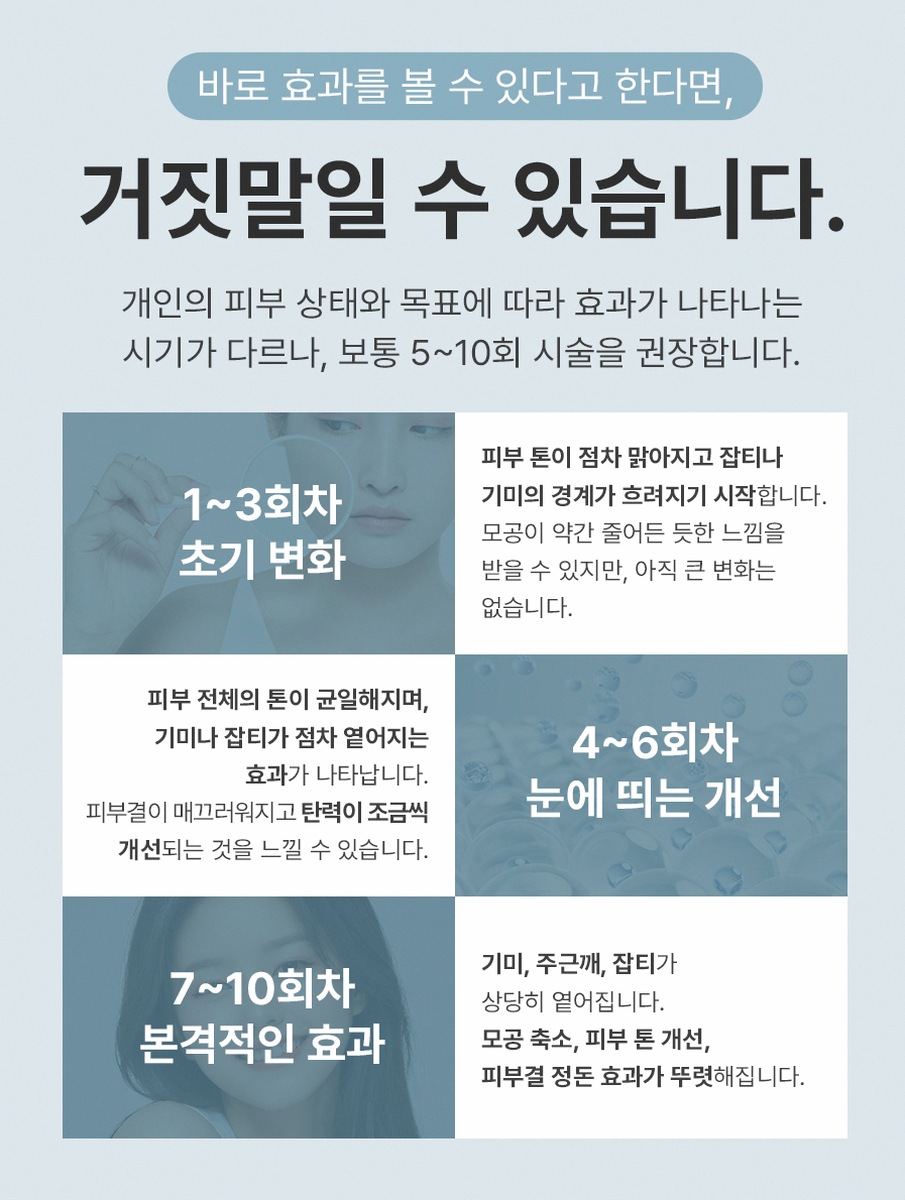
At the beginning, many patients in Korea receive laser toning about every 1 to 2 weeks. A common pattern is:
A typical illustrative course involves an early phase with closer spacing (commonly reported as about every 1–2 weeks) to build results, then maintenance sessions at longer intervals. Exact timing and the total number of sessions should be individualized—discuss the specific schedule with your physician or clinic.
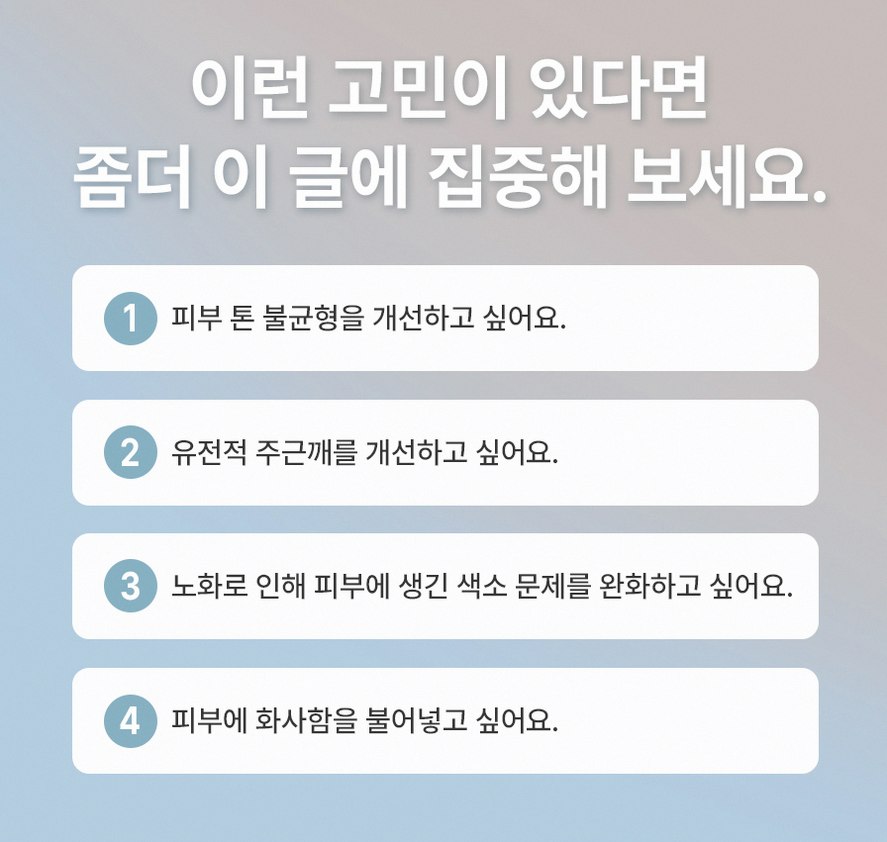
Some people notice brighter tone or softer pigmentation after 2 to 3 sessions, but more visible change usually appears after several weeks of consistent treatment.
Maintenance phase
Conditions like melasma are chronic and tend to fluctuate with hormones, sun exposure, and lifestyle. After the first course, many doctors recommend maintenance sessions at longer intervals, such as every 4 to 8 weeks.
Maintenance intervals are very individual. Some people may only need a few sessions per year if their pigmentation is stable and they are strict with sun protection. Others with easily triggered melasma may benefit from more regular maintenance.
Flexible scheduling
The numbers above are averages, not fixed rules. You may need fewer sessions if your pigmentation is shallow and your skin responds quickly. You may need more if the pigmentation is deeper, long-standing, or if you have additional concerns like redness or texture that are treated at the same time.
Factors that affect the ideal interval
Skin type and sensitivity
If your skin is thin, easily reddened, or reactive, your doctor may:
Start with lower energy settings
Space sessions further apart, for example every 2 weeks instead of weekly
Adjust the plan based on how long redness or dryness lasts after each session
On the other hand, if your skin is thicker and more resilient, you may tolerate slightly shorter intervals at the beginning.
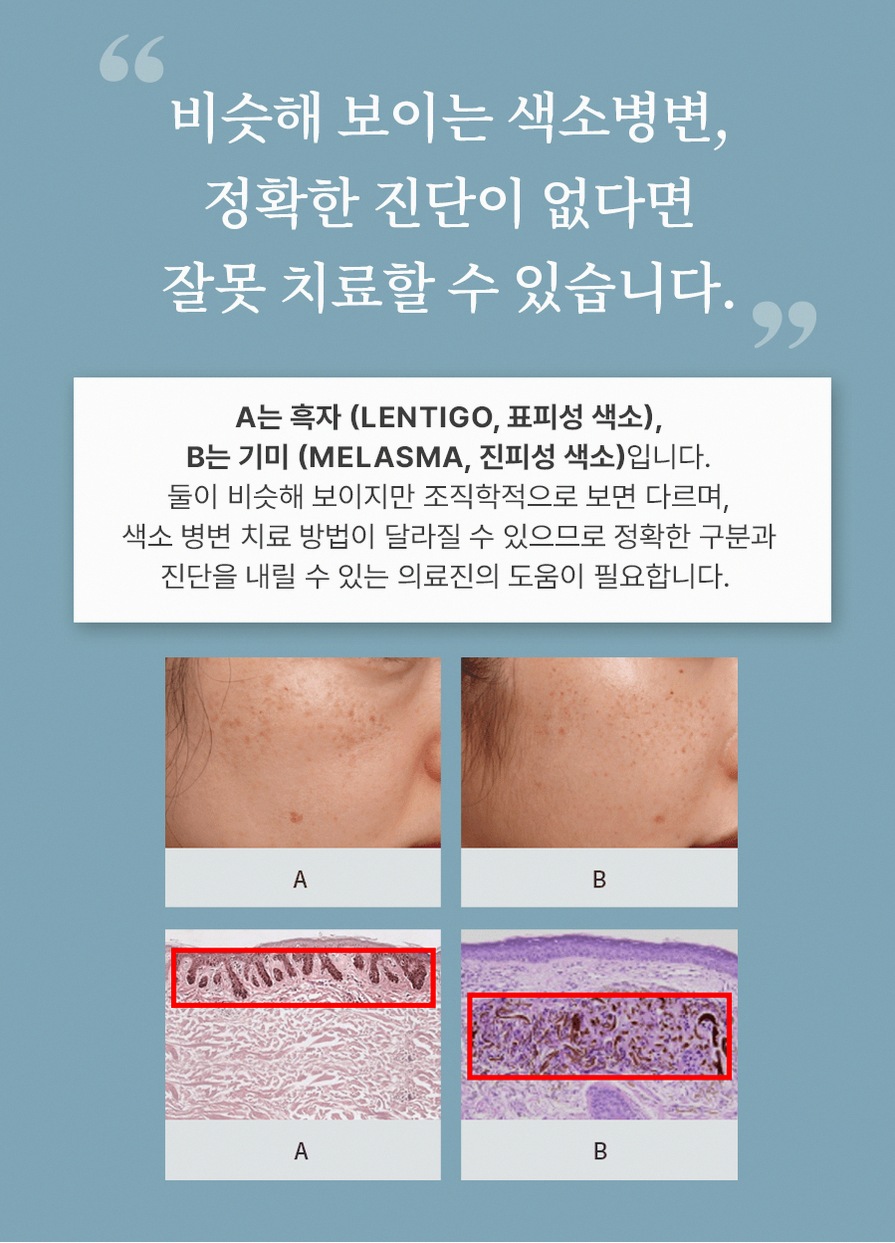
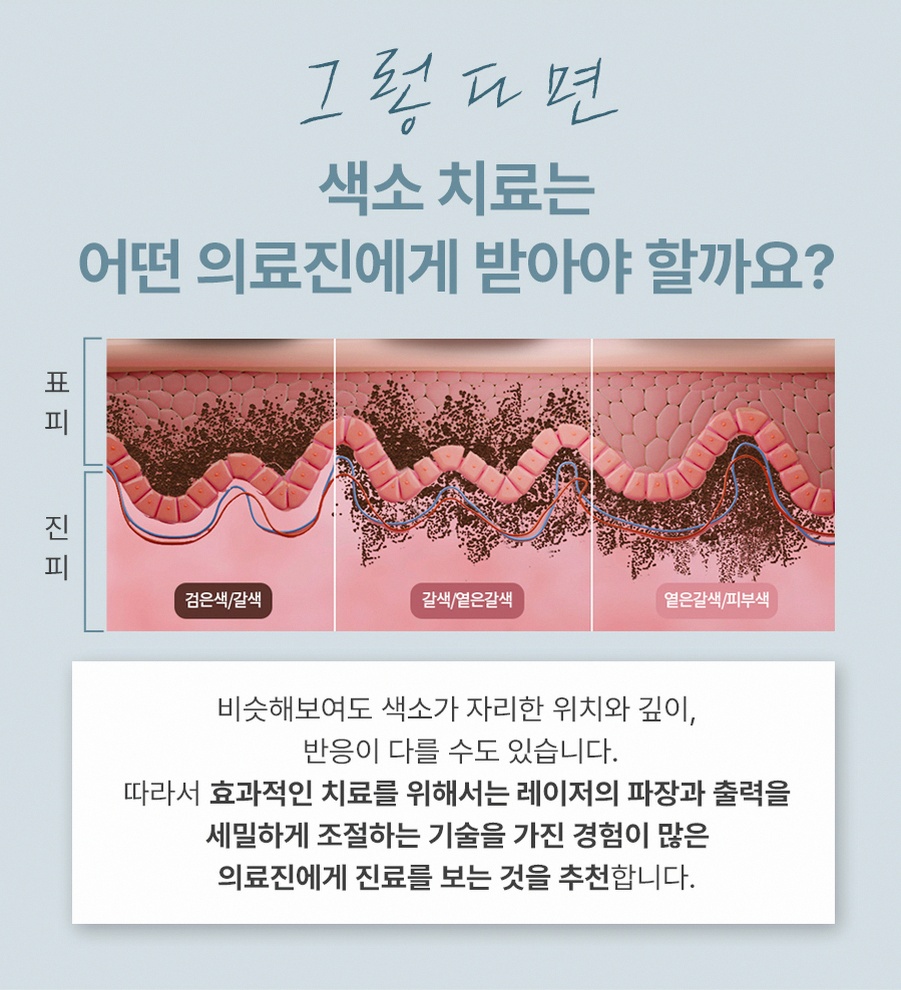
Type and depth of pigmentation
Different pigment problems respond differently.

Melasma
Melasma is often patchy, symmetrical, and influenced by hormones and sun exposure. It tends to be sensitive and can worsen if irritated. For melasma, doctors are usually more conservative with energy and may favor 1 to 2 week intervals with careful monitoring.
Freckles and sun spots
Freckles and discrete sun spots can sometimes respond faster than melasma. In some cases, they are treated not only with toning but also with other pigmentation lasers. The interval might still be 1 to 2 weeks for toning, but the overall plan is customized.
Post-inflammatory hyperpigmentation
Dark marks after acne or inflammation may fade relatively well with laser toning plus topical care. The interval can be similar, but if you have active acne or sensitive areas, the doctor may adjust the schedule.
Laser device and settings
There are different laser platforms and modes used for toning. The energy level, spot size, and pulse characteristics influence how much stress is placed on the skin.
Higher energy or combination treatments may require longer recovery time between sessions. Gentle, low-fluence sessions may allow slightly shorter intervals, as long as the skin shows normal recovery.
Existing skin conditions
If you have active acne, rosacea, atopic tendencies, or a weakened skin barrier, the interval and parameters need more caution. The doctor may:
Use milder settings
Increase the gap between sessions
Treat the underlying sensitivity or inflammation alongside pigmentation
Lifestyle and sun exposure
Frequent UV exposure, outdoor sports, or living in a very sunny climate can slow improvement and increase the risk of rebound pigmentation, especially for melasma.
If you cannot avoid strong sun exposure, your doctor may:
Recommend longer intervals and stricter sun protection
Suggest combining laser toning with topical products to stabilize pigment
Delay sessions if you are heavily tanned or recently sunburned
Why not too frequent and not too rare
Risks of too frequent laser toning
Trying to speed up results by coming too often can backfire. If the skin does not have enough time to recover, you may experience:
Persistent redness and irritation
Dryness and a weakened skin barrier
Increased sensitivity to skincare products
In some cases, worsening or rebound of melasma
Melasma in particular can be triggered by heat and inflammation. Overly aggressive or too frequent treatments can lead to darker patches instead of improvement.
Downsides of too rare sessions
On the other hand, if the interval is too long in the initial phase, such as once every 2 to 3 months, the stimulation may be too weak to create noticeable change. This can lead to:
Very slow or minimal visible improvement
Difficulty stabilizing chronic pigmentation
Frustration and loss of motivation to continue treatment
The key concept is balance: give the skin enough time to recover, but maintain consistent, repeated stimulation over weeks to months.

What a typical visit and treatment process looks like
First consultation
At a specialized clinic in Cheongdam or near Apgujeong Rodeo Station, your first visit usually includes:
Medical history: previous treatments, medications, allergies, pregnancy or breastfeeding status
Skin examination: visual check of pigmentation pattern, redness, pores, and texture
Imaging-based analysis: some clinics use multi-angle photography or imaging devices to evaluate pigment depth and distribution
Based on this assessment, the doctor or experienced physician will discuss whether laser toning is suitable for you and what interval and number of sessions they recommend.
Choosing devices, settings, and interval
The doctor will consider:
Your skin type and sensitivity
Type and depth of pigmentation
Any redness, visible vessels, or acne
Your schedule and how often you can visit
If the clinic has multiple devices, they may design a plan that combines laser toning with other treatments such as vascular lasers for redness or resurfacing lasers for texture, spaced appropriately to allow recovery.
What a single laser toning session feels like
A typical session often takes around 15 to 30 minutes for the facial area.
Steps may include:
Cleansing the skin
Eye protection with shields or goggles
Laser passes over the treatment area, with a sensation of warmth or mild snapping on the skin
Application of soothing products and sunscreen
Most people experience mild redness or warmth immediately after treatment, which usually settles within a few hours. Makeup can often be applied later the same day or the next day, depending on the doctor’s advice.
How post-treatment reactions affect the interval
Your skin’s response after each session helps the doctor fine-tune your schedule.
If redness and dryness resolve quickly, the original 1 to 2 week interval may be continued.
If irritation lasts longer than expected, or if you notice unusual darkening, the next session may be delayed, and settings may be adjusted.
This is one reason why copying a friend’s schedule is not recommended. Even with the same device, individual skin reactions can be very different.
Results timeline and maintenance planning
Gradual improvement, not overnight change
Pigmentation and overall tone usually improve gradually. You may notice:
Slight brightness and smoother tone after a few sessions
More visible lightening of patches or spots over several weeks
Better makeup application and less need for heavy coverage over time
Melasma in particular often requires patience. The goal is usually control and softening, not complete and permanent disappearance.
Maintenance sessions
After the initial 5 to 10 sessions, your doctor may suggest maintenance visits. A common example is every 4 to 8 weeks, but this is adjusted based on:
How stable your pigmentation is
Seasonal sun exposure
Hormonal changes (for example, pregnancy planning, contraception changes)
If your skin remains stable and you are careful with sun protection, the interval may be extended. If you notice early signs of darkening, a maintenance session may be scheduled sooner.
Combination with skincare and other procedures
Combining laser toning with appropriate skincare can reduce the need for very frequent sessions.
Important elements include:
Daily broad-spectrum sunscreen
Gentle cleansers and moisturizers to support the skin barrier
Topical brightening ingredients if recommended by your doctor
In some cases, other procedures such as chemical peels, vascular lasers, or rejuvenation treatments are added at longer intervals, with careful planning so that the skin has enough time to recover between different procedures.
Safety, aftercare, and when to adjust the interval
Sun protection between sessions
Strict sun protection is one of the most important parts of laser toning care, especially in a sunny city or during outdoor activities.
Use a broad-spectrum sunscreen with adequate SPF and reapply during the day.
Wear hats or use umbrellas when walking outside for longer periods.
Avoid peak UV hours when possible, especially right after treatment.
Gentle skincare
After laser toning, the skin may be slightly more sensitive. General recommendations often include:
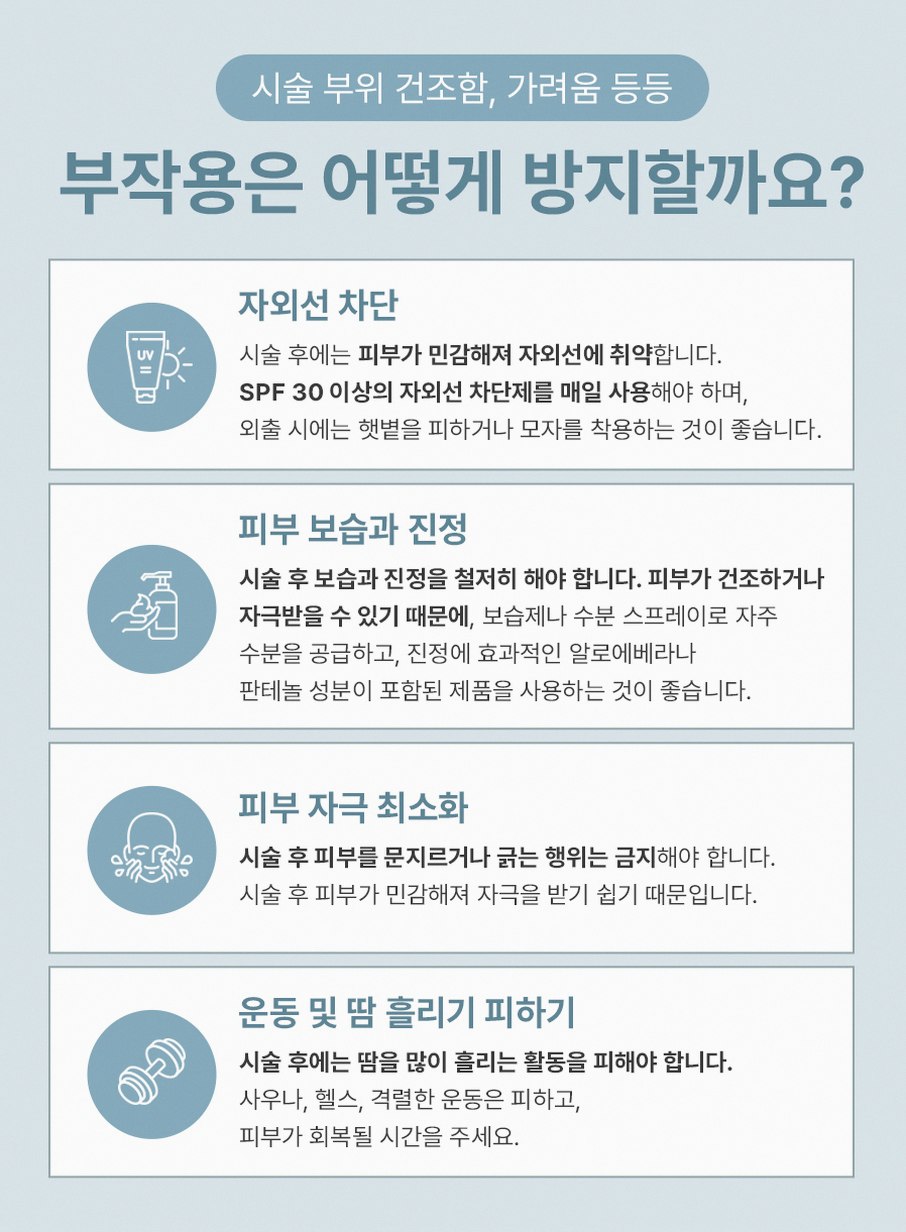
Gentle cleansing without harsh scrubs or brushes
Regular moisturizing to prevent dryness
Avoiding strong peels, scrubs, or high-concentration active ingredients immediately after sessions unless your doctor specifically instructs otherwise
Warning signs
Contact your clinic and review your interval or settings if you notice:
Redness that lasts more than a few days
Persistent burning or stinging
New dark patches or clear worsening of pigmentation
Significant dryness, flaking, or cracking
These signs may mean your skin needs more time to recover, or that the energy or schedule should be adjusted.
Clinique hus,hu as an example of individualized planning
In Cheongdam, Gangnam, near Apgujeong Rodeo Station on the Suin–Bundang Line, some clinics focus on anti-aging and skin treatments from the cellular level, supported by in-house research and a wide range of devices.
At such centers, doctors can use skin analysis tools and multiple laser platforms to design a laser toning schedule that fits both your skin condition and your lifestyle. For example, they may:
Combine pigmentation, vascular, and texture devices in a staged plan
Start with closer intervals, then extend them as your skin stabilizes
Adjust your schedule around business trips or limited stay in Korea
This individualized approach is especially helpful for international patients who may only be in Seoul for a short period and need a realistic, safe plan.
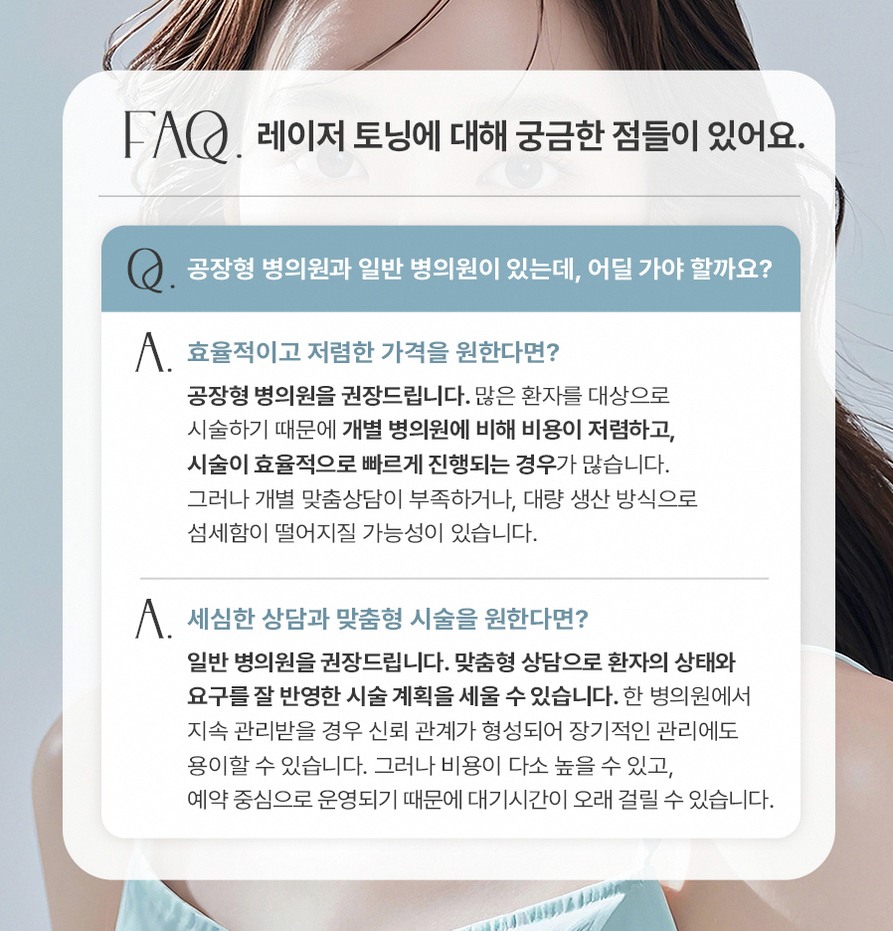
Online consultation and pre-visit preparation for overseas patients
Before traveling to Seoul for laser toning, it is helpful to arrange an online consultation with the clinic.
Information you can prepare includes:
Clear photos of your face in natural light from front and both sides
Any previous treatment history, such as lasers, peels, or topical medications
Current skincare products, especially brightening agents or exfoliants
Details about your schedule in Korea and how many visits you can make
During the online consultation, you can ask:
How often they usually schedule laser toning for cases like yours
How many sessions might be reasonable during your stay
Whether combination treatments are recommended or if it is better to focus on toning only
Expected Korea visit timeline for laser toning
Short stay (about 1 week)
If you are in Seoul for only about a week, you may be able to have:
- Initial consultation and skin analysis
- or possibly 2 laser toning sessions spaced several days apart, if the doctor finds it safe
In this case, the goal is usually to start treatment and set up a plan you can continue in your home country.
Medium stay (2 to 3 weeks)
With 2 to 3 weeks, you may fit in:
Consultation plus 2 to 3 laser toning sessions at 1 week or slightly shorter intervals, depending on your skin
Basic combination with gentle skincare or other mild procedures if appropriate
Longer stay (4 to 8 weeks or more)
If you stay for 1 to 2 months, you can often complete an initial course of 4 to 8 sessions at 1 to 2 week intervals, then possibly begin extending the interval.

Your doctor can then design a maintenance plan and provide guidance for when and how to continue treatments after you return home.
Practical guidance for choosing your schedule
Practical checklist when planning laser toning:
- Do not copy a friend’s or influencer’s schedule; treatment should be individualized.
- Prioritize an assessment of your skin’s current condition and sensitivity.
- Consider how much time you can realistically commit to clinic visits.
- Ensure you can maintain sun protection and a gentle skincare routine during and after treatment.
- Discuss expected downtime, possible side effects, and a personalized schedule with your treating physician.
Your skin’s current condition and sensitivity
How much time you realistically have for visits
Your ability to maintain sun protection and gentle skincare
Before your consultation, you may want to write down questions such as:
What interval and number of sessions are recommended for my case?
What signs should I watch for that mean we should change the interval?
How will progress be monitored over time?
What is the plan for maintenance after the initial course?
Skipping or compressing sessions on your own, without medical guidance, can reduce effectiveness or increase risk. If you need to change your schedule due to travel or work, it is best to discuss it with your doctor.
Frequently asked questions about laser toning intervals
How often is laser toning usually done at the beginning?
In many cases, laser toning is started about once every 1 to 2 weeks. This frequency allows the skin to recover between sessions while still providing consistent stimulation to gradually improve pigmentation and tone. The exact interval is adjusted based on your skin’s response and sensitivity.
How many laser toning sessions do I need in total?
An initial course often includes around 5 to 10 sessions, spread over 1.5 to 3 months. Some people with mild concerns may see satisfying improvement with fewer sessions, while those with deeper or long-standing pigmentation may need more. After the first course, maintenance sessions at longer intervals are usually recommended for chronic conditions like melasma.
Can I do laser toning every week to get faster results?
Weekly sessions may be appropriate for some people at the beginning, but only if the skin is recovering well and the doctor approves this schedule. Doing treatments too frequently without enough recovery time can lead to irritation, dryness, or even darker pigmentation, especially in melasma. It is safer to follow a schedule set after professional assessment rather than trying to speed things up on your own.
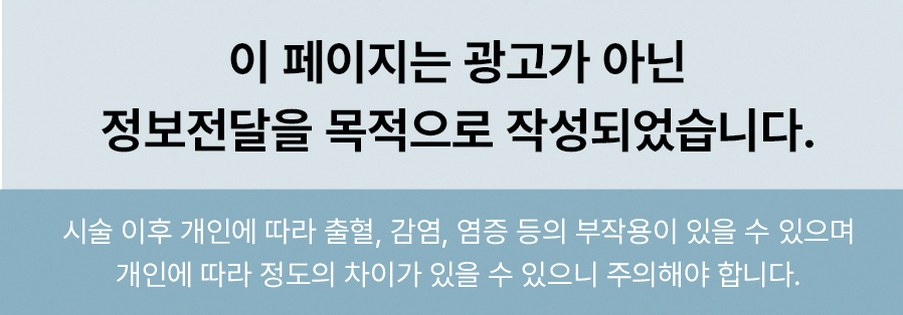
What happens if I miss a session or need to pause treatment?
If you miss a session, your progress may be slower, but it does not usually mean you have to start over. Your doctor can simply adjust the schedule and continue from where you left off. If you need to pause for several weeks or months, you may require a few sessions to regain the previous level of control, especially for melasma. It is best to inform the clinic in advance so they can plan around your travel or work schedule.
Soft call to action
If you are considering laser toning in Cheongdam or near Apgujeong Rodeo Station and are unsure how often you should schedule sessions, an online consultation can help you understand what is realistic and safe for your skin. By sharing photos, your medical history, and your planned stay in Korea, you can receive a personalized outline of intervals and expected timelines.
Clinique hus,hu welcomes international patients who wish to plan laser toning and related skin treatments in Seoul. If you are interested, consider reaching out in advance so your visits can be organized around a schedule that respects both your skin’s recovery and your travel plans.
- 공유 링크 만들기
- X
- 이메일
- 기타 앱


댓글
댓글 쓰기