Under Eye Hollow Treatment After Fat Repositioning Surgery in Seoul
- 공유 링크 만들기
- X
- 이메일
- 기타 앱

If you have under eye hollows or irregularities after under eye fat repositioning surgery, non-surgical treatments can often improve the appearance without another operation. Options include hyaluronic acid fillers, collagen-stimulating fillers, cell-based regenerative injections, and energy-based tightening or lifting devices. The right plan depends on why the hollow formed, how your skin is healing, and your overall facial structure, so a careful medical assessment is essential before any correction.
This guide explains what under eye fat repositioning is, why hollows and other complications sometimes appear afterwards, and how non-surgical treatments are used step by step in a specialized anti-aging clinic setting in Cheongdam, Gangnam, Seoul.
What is under eye fat repositioning and why can hollows appear?
Under eye fat repositioning is a lower eyelid surgery that moves or redistributes the small fat pads under the eyes. The goal is to reduce under eye bags and smooth the transition between the lower eyelid and the upper cheek (the tear trough area). Instead of simply removing fat, the surgeon repositions it to fill the hollow groove.
The area around the eyes is extremely delicate. The skin is thin, the fat compartments are small, and tiny changes in volume or position can be very visible. Even with careful surgery, healing is not perfectly predictable. As a result, some people notice new hollows, persistent dark circles, or uneven contours after the operation.
Common post-surgical complications related to hollows
Not all issues after under eye fat repositioning are emergencies. Many are aesthetic concerns that can be improved with non-surgical treatments. Understanding what is happening under the skin helps you choose realistic options.
Persistent or worsened hollowness
Sometimes the area looks more sunken after surgery. This can happen if too much fat was removed, if not enough fat was placed into the tear trough, or if the surrounding midface already had volume loss that was not fully addressed.
Patients often describe this as looking more tired, older, or “skeletal” under the eyes, especially in certain lighting or when smiling.
Irregular contour and shadowing
If the redistributed fat is uneven or if there are small step-offs between different tissue levels, the surface can look bumpy or ridged. These irregularities catch light and cast shadows, making dark circles or grooves appear deeper even if there is not a large volume defect.
Asymmetry between the two sides
It is common for one side of the face to be slightly different from the other, but after surgery the difference can become more noticeable. One under eye area may look more hollow, more puffy, or more wrinkled than the other. This asymmetry can be subtle or quite obvious, depending on the original anatomy and the surgical outcome.

Visible vessels and accentuated pigmentation
When tissue becomes thinner or volume is reduced, the bluish veins and underlying structures can show through more clearly. This can make dark circles appear worse even if the surgery technically reduced the fat bags. Pigmentation from genetics, allergies, or sun damage can also stand out more when the surface is uneven.
Skin laxity and fine wrinkles
If the skin already had some laxity or sun damage, reducing or moving the fat support underneath can reveal more fine lines and a crêpey texture. In some patients, the lower eyelid skin looks more wrinkled or loose after the swelling goes down.
Rare but more serious issues
In more invasive lower eyelid surgeries, rare complications can include prolonged swelling, chronic fluid retention (edema), scarring that pulls on the eyelid, nerve-related symptoms, or eyelid malposition such as ectropion (the lid turning outward). These situations require direct evaluation by an eyelid surgery specialist.
This article focuses on aesthetic issues such as hollows, irregularities, and aging signs, and how non-surgical treatments may help. Any sudden pain, vision changes, severe redness, or rapidly worsening swelling should be treated as an emergency and checked immediately by an eye or eyelid specialist.
Why proper assessment is critical before any correction
Under eye hollows after fat repositioning are almost never just a simple “hole” to fill. They usually involve a combination of:

• Local volume loss under the eye
• Changes in skin thickness and elasticity
• Midface (cheek) volume loss and bone structure
• Pigmentation and visible vessels
• Residual or displaced fat pockets
Because of this, a careful medical assessment is essential before choosing any treatment.
Medical history
A thorough consultation should review:
• Previous eyelid surgeries, including the exact type of under eye fat repositioning
• Any prior fillers, fat grafting, lasers, or energy-based treatments around the eyes
• General health conditions such as thyroid disease, bleeding disorders, or autoimmune conditions
• Medications and supplements, especially blood thinners or substances that affect healing
Physical examination
The practitioner should carefully examine:
• The degree of hollowness versus any remaining fat bulging
• Skin thickness, elasticity, and texture under the eyes
• Presence of fine wrinkles, crêpey skin, or loose lower eyelid support
• Pigmentation and visible vessels contributing to dark circles
• Any signs of edema or poor lymphatic drainage
Structural analysis
Beyond the eyelids themselves, the midface and bone structure play a major role. A recessed cheekbone, loss of volume in the upper cheek, or a strong separation between eyelid and cheek can all make hollows appear deeper.

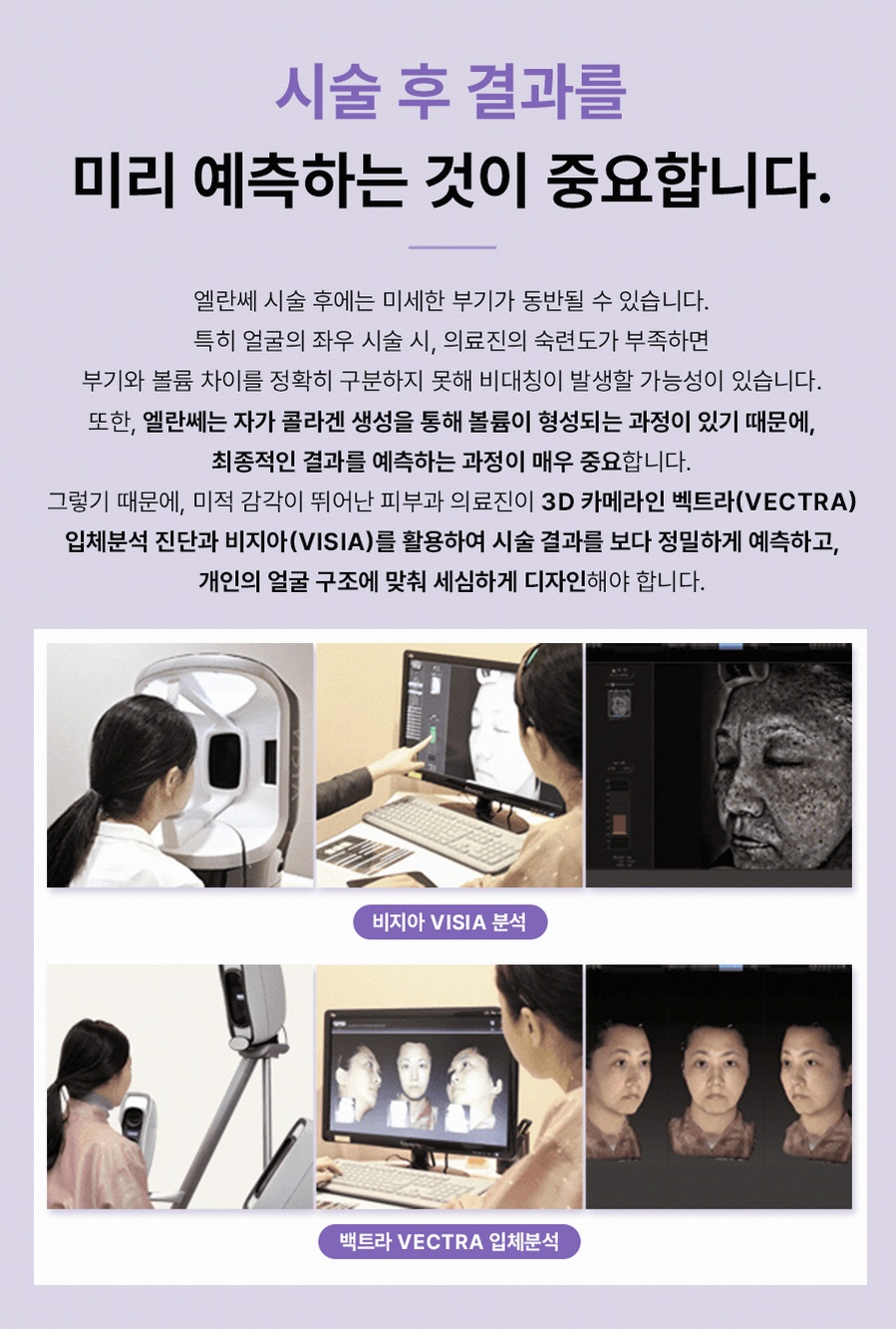
In some anti-aging clinics, 3D or photographic analysis systems are used to measure volume loss, asymmetry, and skin quality in a more objective way. These tools can help plan where to add volume and where to focus on skin improvement.
Key message: the most effective plan usually combines volume correction, skin quality improvement, and better structural support, rather than relying on a single quick fix.
Non-surgical options for under eye hollows and irregularities
Several non-surgical treatments can be used alone or, more often, in combination. The choice depends on the cause of the hollow, the time since surgery, and your tolerance for downtime and gradual versus immediate results.
Hyaluronic acid fillers
Hyaluronic acid (HA) fillers are gel-like substances that attract water and provide immediate volume. Around the under eye area, they are typically used in very small amounts and placed in precise planes to smooth the tear trough and blend the transition between eyelid and cheek.
Role
• Replace missing volume in mild to moderate hollows
• Soften sharp grooves and step-offs after fat repositioning
• Improve mild asymmetry between the two sides
Pros
• Immediate visible effect
• Adjustable and reversible with an enzyme called hyaluronidase
• Can be layered gradually over several sessions for a conservative, natural look

Cons and risks
• Overfilling can cause puffiness or a “pillowy” look
• Superficial placement can lead to the Tyndall effect, a bluish hue under the skin
• Lumps or irregularities if the product is not placed smoothly
• Rare but serious vascular complications if injected into or compressing a blood vessel
Extra caution is required in areas that have already been operated on, because the anatomy may be altered and scar tissue can change how filler spreads. This is why choosing an experienced injector who understands post-surgical anatomy is very important.
Indications
• Mild hollows or contour irregularities after fat repositioning
• Patients who want a reversible, step-by-step option
• Situations where a small adjustment can make a noticeable difference
Collagen-stimulating fillers
Collagen-stimulating fillers, such as some polycaprolactone-based products, work differently from HA fillers. They provide an initial scaffold and then stimulate your own collagen production over time. They are usually placed in deeper or safer zones rather than directly in the thinnest part of the lower eyelid.
Role
• Gradual, longer-lasting volume improvement
• Support for the midface and cheek area to indirectly soften under eye hollows
• Potential improvement in skin firmness and fine lines

Pros
• Natural-feeling volume as your own tissue forms around the product
• Longer duration compared with many HA fillers
• Can enhance overall facial support, not just the under eye groove
Cons and risks
• Not easily reversible once placed
• Requires very precise technique and conservative dosing, especially near the eyes
• Results appear gradually over weeks to months, not immediately
Indications
• Patients with generalized midface volume loss and under eye hollows
• Those who prefer gradual, subtle changes
• Often combined with HA fillers, with collagen-stimulating products used in safer, deeper areas and HA used more superficially where reversibility is important
Cell-based and regenerative injections
Regenerative treatments aim to support skin quality and tissue health at a cellular level and may sometimes improve texture, elasticity, and the overall appearance of under-eye skin. Potential benefits can include smoother, more elastic under-eye skin; a reduction in crepey appearance; and more harmonious blending with surrounding tissues when used alongside fillers or fat grafting. Scientific evidence is still evolving, individual results vary, and these approaches are not guaranteed to produce the same outcomes for every patient. Consider these treatments as adjuncts to established surgical and non-surgical options and discuss expected benefits and limitations with your provider.
Regenerative treatments aim to improve skin quality and tissue health at a cellular level. Conceptually, these may include autologous (patient-derived) cell components or exosome-rich preparations that support repair and modulate inflammation.
Role
• Improve skin texture and fine wrinkles under the eyes
• Enhance dermal thickness and resilience
• Support better healing and integration when used alongside volume treatments

Potential benefits
• Smoother, more elastic under eye skin
• Less crêpey appearance and improved glow
• More harmonious blending of filler or fat with the surrounding tissues
Limitations
• Results are gradual and often subtle.
• Protocols and product types vary, and scientific evidence is still evolving; individual outcomes can differ.
• These procedures involve sensitive handling of blood- or tissue-derived components and should only be performed under strict safety, sterility, and quality-control measures. Patients should confirm that the provider uses an appropriately equipped and accredited in-house laboratory or a qualified contracted facility, documented sterile processing and storage procedures, trained personnel, and a traceable chain-of-custody for biological materials. Ask for clear informed consent that explains the procedure's experimental or limited-evidence aspects, potential risks, and follow-up plan, and verify the clinic's regulatory compliance during consultation.
Clinique hus,hu in Cheongdam, Gangnam is an example of a clinic that describes a focus on anti-aging at the cellular level, states it operates an in-house cell research lab, and follows non-cultured, autologous cell principles for certain regenerative procedures. In such a setting, clinicians may combine cell-based injections with fillers and device treatments to address both volume and skin quality. Prospective patients should note that protocols, clinical indications, and legal or regulatory requirements for autologous cell- or exosome-related procedures vary by jurisdiction, and that evidence about efficacy is still evolving; discuss expected benefits, known risks, processing standards, and regulatory compliance with the clinic during consultation.
Energy-based tightening and lifting
Energy-based devices do not usually replace volume for deep hollows, but they can significantly improve the surrounding support and skin quality, helping to blend irregularities after surgery.
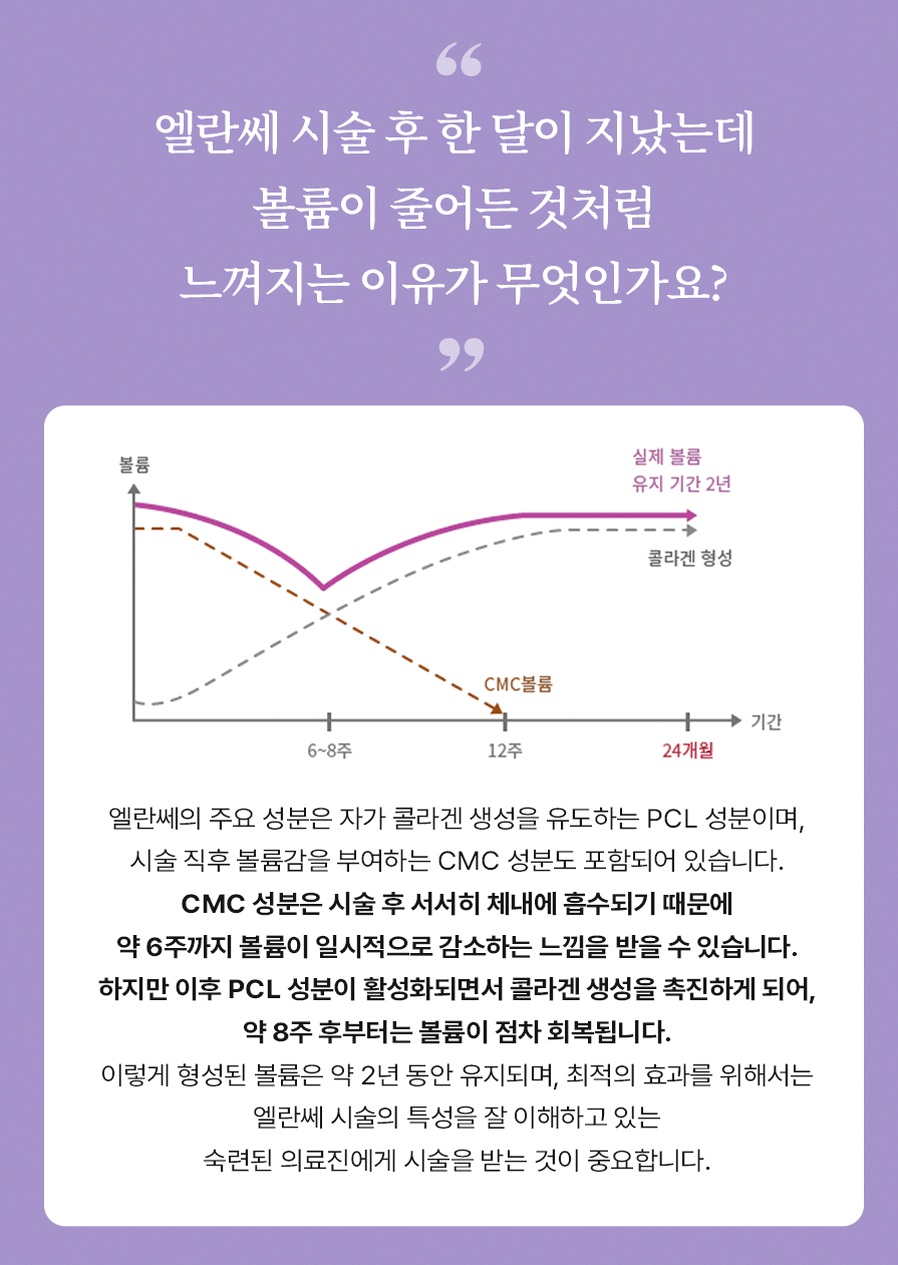
Radiofrequency microneedling and monopolar RF
• Use heat energy to stimulate collagen in the dermis
• Can tighten mild skin laxity and reduce fine lines around the lower eyelid and upper cheek
• May improve dermal support so that hollows look less sharp
Ultrasound lifting and RF lifting devices
• Target deeper tissues, including the superficial muscular aponeurotic system (SMAS) and ligaments
• Often used on the midface and cheek to gently lift and support the area under the eyes
• By improving cheek support, the transition from eyelid to cheek can look smoother
Laser resurfacing and fractional lasers
• Improve surface texture, fine wrinkles, and some pigmentation issues
• Must be used carefully on thin lower eyelid skin with appropriate settings
• Often combined with other treatments to address both color and texture of dark circles
In many patients, energy-based treatments are adjunctive: they do not “fill” the hollow but make the skin and surrounding structures healthier and firmer, which enhances the overall aesthetic result.
How a treatment plan is built step by step
A thoughtful plan for post–fat repositioning hollows is usually conservative and staged. A typical approach might look like this:
Step 1: Conservative volume correction
The first priority is often to correct obvious volume deficits using small amounts of HA filler in safe planes. The goal is to soften harsh grooves and asymmetry without creating puffiness. In some cases, deeper collagen-stimulating filler is added in the midface to support the under eye area indirectly.
Step 2: Skin quality and support
Once basic volume is addressed, attention turns to skin quality. Regenerative injections may be used to improve texture and fine lines, while energy-based devices such as RF or ultrasound lifting support the lower eyelid and cheek structures.
Step 3: Reassessment and fine-tuning
After the initial treatments settle, the practitioner reassesses in natural lighting and different facial expressions. Small touch-ups with filler or additional device sessions can be used to refine symmetry and smoothness.
Step 4: Maintenance
Non-surgical results are not permanent. Maintenance may include periodic filler touch-ups, occasional regenerative or device treatments, and daily habits such as sun protection, adequate sleep, and avoiding smoking. These lifestyle factors influence how long your results look fresh.
Why a gradual, conservative strategy is safer
Overcorrection in a previously operated under eye area can look unnatural and may be difficult to reverse completely. A staged approach allows both you and your practitioner to monitor how the tissues respond, adjust the plan, and minimize the risk of complications.
When revision surgery might be needed
Non-surgical methods are powerful tools, but they cannot fix every problem. Revision surgery may be considered when:
• There are severe contour deformities or deep step-offs that cannot be masked with filler
• Fat or eyelid structures are significantly malpositioned
• There are functional problems, such as eyelid malposition that affects eye comfort or health

Revision surgery should be performed by an oculoplastic or eyelid surgery specialist, ideally after sufficient healing time from the first operation. In many cases, non-surgical treatments are still useful before or after revision surgery to optimize the overall appearance.
Who may consider non-surgical under eye hollow treatment in Korea
You may be a candidate for non-surgical correction in a clinic in Cheongdam, Gangnam, Seoul if you:
• Have hollows, dark circles, or irregularities after under eye fat repositioning
• Prefer to avoid or delay another surgery
• Are open to a gradual, combination-based plan rather than a single quick procedure
• Can stay in Korea long enough for consultation, treatment, and at least one follow-up visit
Patients in their 20s to 50s commonly seek these treatments, but suitability depends more on tissue condition and health than on age alone. An in-person assessment is always necessary before final recommendations.
Preparing for an online consultation and your visit
For overseas patients, an online or video consultation is often the first step. To make this efficient and informative, it helps to prepare the following:

• Clear photos of your face from the front and both sides, in natural light, with and without smiling
• Any medical records or operative notes from your under eye fat repositioning surgery
• A list of previous treatments around the eyes, including fillers, lasers, or device procedures, with approximate dates
• Information about your general health and medications
During the online consultation, you can discuss your main concerns, what bothers you most in daily life or photos, and what kind of changes you hope for. The practitioner can then outline a preliminary plan and suggest how many days in Seoul would be ideal.
Clinique hus,hu, located in Cheongdam near Apgujeong Rodeo Station on the Suin–Bundang Line, is one example of a dermatology and anti-aging clinic that offers cell-level anti-aging approaches, regenerative injections, and a range of lifting and skin devices suitable for complex under eye cases.
Expected Korea visit timeline for under eye hollow treatment
Every case is different, but a common schedule for overseas visitors might look like this:
Day 1: In-clinic consultation and imaging
• Detailed face-to-face consultation and physical examination
• High-quality photographs and, if available, 3D or skin analysis
• Finalization of the treatment plan and informed consent
Day 1 or 2: Initial treatment
• Conservative HA filler for under eye hollows and midface support, if indicated
• Possible regenerative injections or mild device treatment, depending on your skin and downtime tolerance

Day 3–7: Follow-up and fine-tuning
• Short follow-up visit to check symmetry, swelling, and early results
• Minor adjustments if needed, such as small additional filler in specific areas
If you plan more intensive laser or device sessions, you may need to stay longer or schedule a second trip. Many regenerative and energy-based treatments can be spaced out over months, so your practitioner may design a plan that fits your travel schedule.
Aftercare and recovery
After non-surgical under eye treatments, aftercare is usually straightforward but important:
• Expect mild swelling or bruising for a few days, especially after filler injections
• Avoid rubbing or massaging the treated area unless specifically instructed
• Sleep with your head slightly elevated the first night or two to reduce swelling
• Use sun protection daily, as UV exposure can worsen pigmentation and slow healing
• Avoid strenuous exercise, saunas, and alcohol for a short period as advised by your practitioner
Most patients can return to normal daily activities quickly, but visible bruising or swelling may last several days. Your clinic should provide written aftercare instructions and contact information in case you have concerns while you are still in Korea or after you return home.

How to choose a practitioner and clinic safely
When you are considering under eye hollow treatment after surgery, especially abroad, safety and experience are more important than price alone. Points to consider include:
• Specific experience with under eye anatomy and post-surgical correction
• Ability to offer multiple tools (fillers, regenerative injections, RF, ultrasound, lasers) rather than relying on a single method
• Clear explanation of products or devices used, expected course, and possible side effects
• A realistic, conservative approach that does not promise perfection or permanent results
During consultation, you may want to ask:
• What is causing my hollows in your assessment: volume loss, skin quality, structure, or a mix?
• Which areas will you treat first, and why?
• What are the main risks in my specific case, given my previous surgery?
• How many visits should I plan during my stay in Seoul?
• What is the plan if I am not satisfied with the initial result?
Clinique hus,hu can serve as an example of a clinic environment where under eye concerns are approached from both a structural and cellular perspective, using a combination of regenerative injections and device-based treatments tailored to each patient.
Frequently asked questions
Is it possible to fix hollowness after under eye fat repositioning without another surgery?
In many cases, yes. Mild to moderate hollows and contour irregularities can often be improved with a combination of hyaluronic acid fillers, midface support, and treatments to enhance skin quality. These methods cannot completely replace surgery in every situation, but they can provide meaningful improvement for many patients who wish to avoid another operation.

How long should I wait after surgery before getting filler or regenerative treatments under the eyes?
Most practitioners prefer to wait several months after under eye fat repositioning before injecting fillers directly into the area. This allows swelling to settle and scar tissue to soften, making the anatomy more predictable. The exact timing depends on your healing and the type of surgery you had, so it should be decided in consultation with your surgeon or treating doctor.
Are fillers safe in areas where I already had under eye surgery?
Fillers can be used safely in previously operated areas when the injector understands the altered anatomy and uses conservative amounts in appropriate planes. However, the risk of irregularities or vascular issues may be higher if the technique is not careful. This is why it is important to choose a practitioner with specific experience in post-surgical under eye correction and to discuss all potential risks in advance.
How long do non-surgical corrections for under eye hollows last?
The duration varies by treatment type and individual factors. Hyaluronic acid fillers may last from several months to over a year in the under eye region, while collagen-stimulating fillers can have longer-lasting effects. Regenerative injections and energy-based treatments tend to provide gradual improvements in skin quality that can persist but still age naturally over time. Maintenance sessions are usually recommended to keep results looking their best.
What are warning signs that I might need revision surgery instead of just filler?

Warning signs include significant eyelid malposition (such as the lower lid pulling away from the eye), severe scarring that distorts the eyelid shape, or large, hard irregularities that cannot be smoothed with gentle filler. If you have persistent discomfort, exposure of the eye surface, or functional problems like difficulty closing the eye, you should see an eyelid surgery specialist promptly. In these cases, revision surgery may be more appropriate than repeated non-surgical treatments.
Soft call to action for online consultation
If you are considering under eye hollow treatment in Seoul after fat repositioning surgery and would like a personalized, medically grounded plan, you can start with an online consultation. Sharing clear photos, your surgical history, and your main concerns allows the clinic to advise whether non-surgical options are likely to help and how to schedule your visit. A careful, stepwise approach can often restore a fresher, less tired look while respecting the delicate anatomy around your eyes.
- 공유 링크 만들기
- X
- 이메일
- 기타 앱


댓글
댓글 쓰기